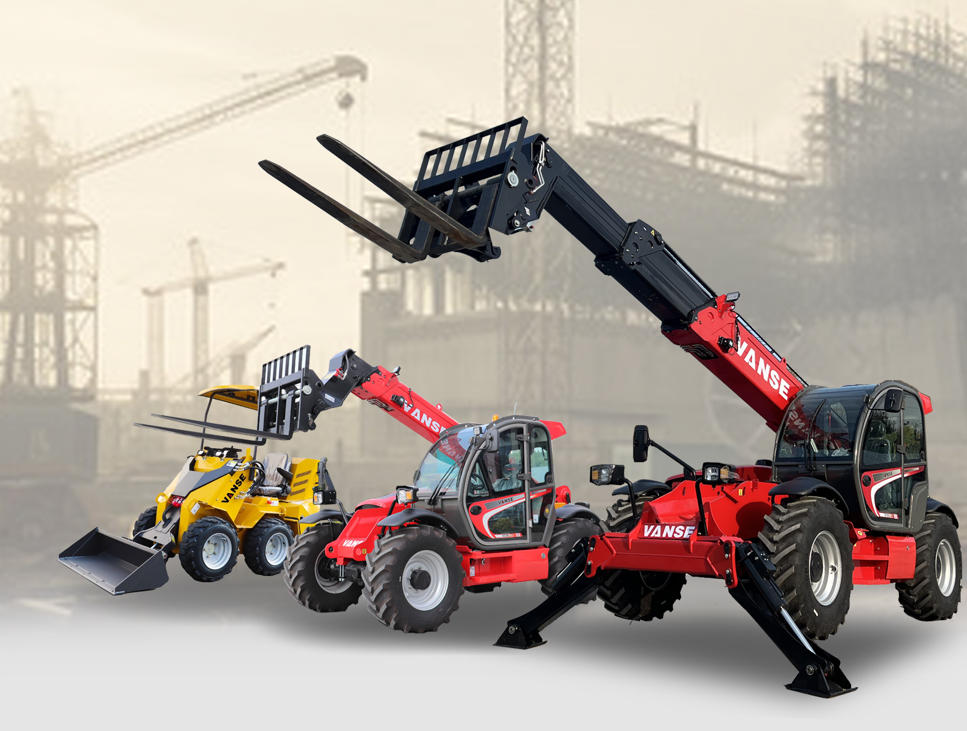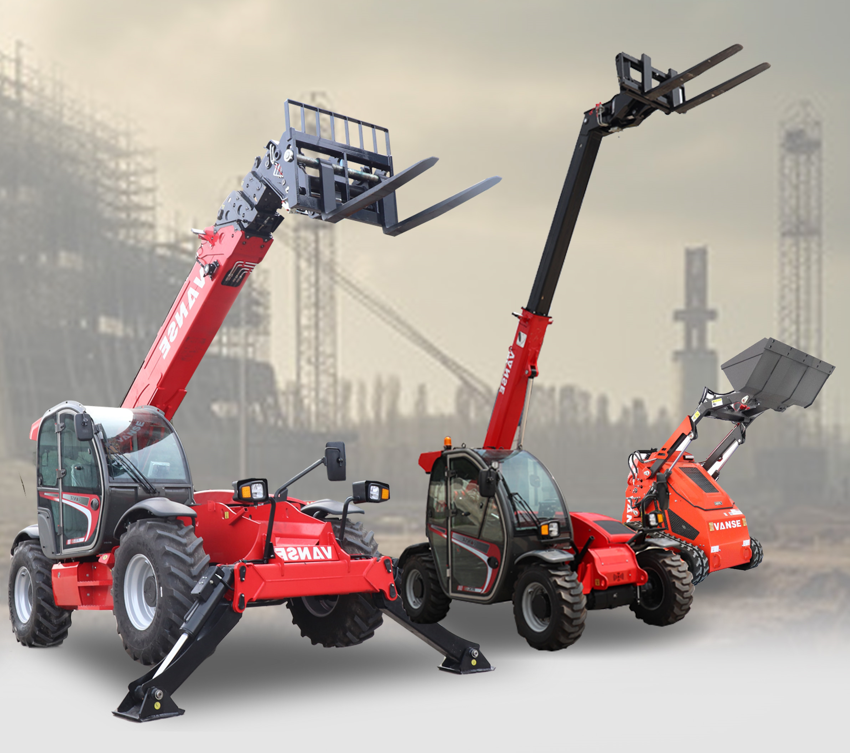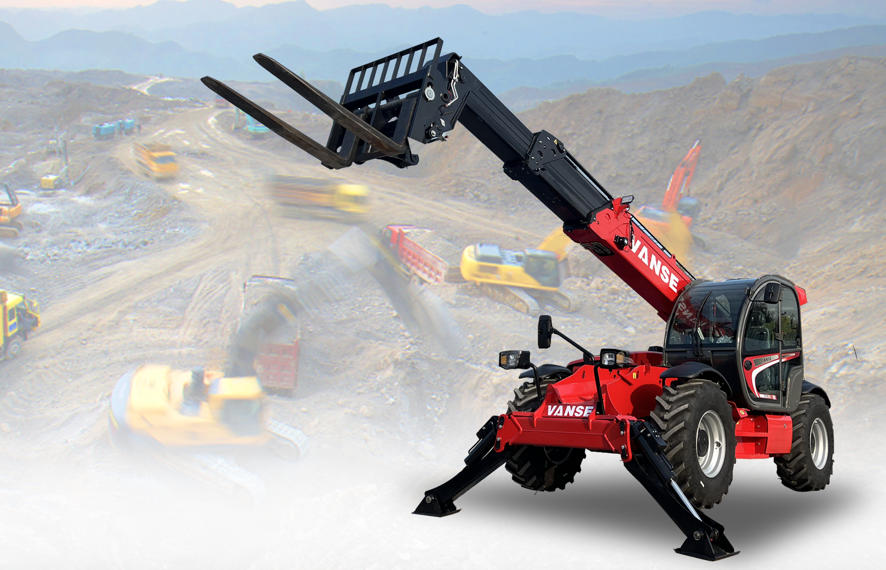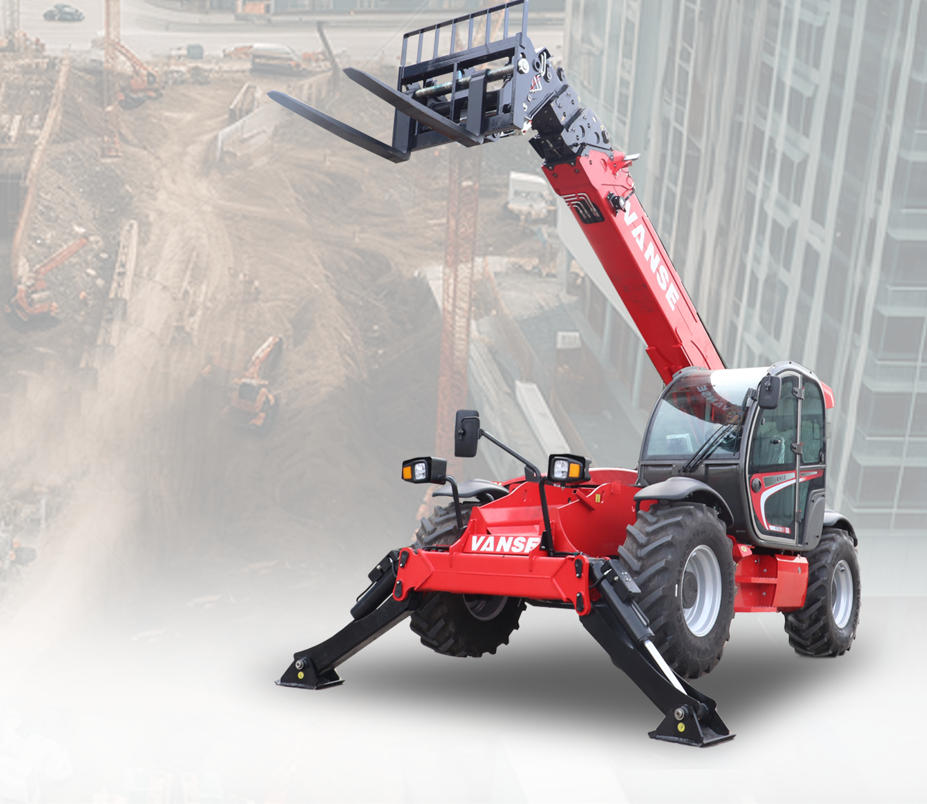
Telehandler Mining in the United States
Quick Answer

For telehandler mining work in the United States, the most practical options usually come from established suppliers with proven support networks in major mining and industrial regions such as Nevada, Arizona, Texas, West Virginia, and Pennsylvania. For buyers needing immediate uptime, strong parts availability, and operator familiarity, the most relevant names to review first are JLG, Genie, Caterpillar, JCB, and Manitou. These brands are commonly considered for heavy material handling, maintenance support, palletized supply movement, and elevated access tasks around quarries, surface mines, processing plants, and industrial yards.
Buyers should match the machine to the site rather than choose on brand alone. In underground support zones, processing plants, and confined maintenance areas, compact telehandlers with stable load charts and attachment flexibility are often the best fit. In open pit and aggregate environments, higher lift capacity, rough-terrain performance, stronger cooling systems, and simplified maintenance access matter more. For companies serving multi-state operations, dealer coverage and mobile field service can be as important as rated lift capacity.
Qualified international suppliers can also be worth serious consideration, especially when they combine recognized engines and hydraulics, internationally certified production, and clear pre-sales and after-sales support for the United States market. This is particularly relevant for cost-conscious fleets, distributors, and rental businesses that want a better price-to-performance ratio without sacrificing specification control or service planning.
United States Market Overview

The United States remains one of the most important markets for telehandler mining applications because mine sites, aggregate operations, mineral processing facilities, and heavy industrial yards require versatile lifting equipment that can handle pallets, bagged materials, pipe, maintenance parts, ventilation components, and containerized supplies. Unlike fixed cranes or standard forklifts, a mining telehandler offers reach, mobility, and attachment flexibility on uneven terrain, making it suitable for support work across extraction, processing, shutdown maintenance, and infrastructure development.
Demand is strongest in mining and quarry belts linked to copper, gold, lithium, coal, aggregates, phosphate, and industrial minerals. Nevada and Arizona are especially important for precious metals and copper operations. Texas supports quarrying, oilfield-adjacent industrial handling, and large construction-material logistics. Appalachia remains relevant for coal-adjacent support and industrial maintenance. Gulf Coast ports such as Houston, inland logistics hubs around Dallas-Fort Worth, and West Coast gateways such as Long Beach and Los Angeles also influence equipment sourcing because imported machinery, replacement attachments, and component packages often flow through these trade channels before being distributed inland.
Another reason telehandlers are gaining traction in American mining environments is labor efficiency. A single machine can unload materials, place supplies at elevation, carry maintenance tooling, and support attachment-based workflows that would otherwise require multiple machines. In periods of labor shortages, equipment that reduces handling steps and improves crew productivity becomes easier to justify financially.
The chart above illustrates a realistic growth pattern rather than explosive expansion. The United States market for telehandler mining equipment generally grows in line with mining investment cycles, commodity strength, infrastructure spending, and replacement demand. A steady upward trend suggests that buyers are not only expanding fleets but also replacing older rough-terrain handlers with safer, more efficient machines featuring improved hydraulics, emissions-compliant engines, and telematics.
Top Suppliers Serving the United States

The suppliers below are practical names for buyers comparing telehandlers for mining, quarry, and industrial material handling in the United States. Service region, machine specialization, and support quality often matter more than headline brochure numbers, so the table highlights those factors directly.
| Company | U.S. Service Region | Core Strengths | Key Offerings | Best Fit |
|---|---|---|---|---|
| JLG | Nationwide through dealer and service network | Strong brand recognition, broad parts support, rental fleet familiarity | High-capacity telehandlers, rough-terrain models, attachments, training support | Contractors, mine maintenance fleets, rental partnerships |
| Genie | Nationwide with strong access-equipment channels | Reliable distribution, common fleet adoption, operator familiarity | Telehandlers for industrial yards, construction support, elevated handling | Processing plants, mixed-use industrial sites, rental fleets |
| Caterpillar | Strong support in mining states through dealer footprint | Mining market reputation, integrated service culture, parts availability | Material handling support through Cat dealer channels and allied equipment solutions | Large mines needing multi-equipment service alignment |
| JCB | Broad U.S. coverage, especially construction and agriculture corridors | Telehandler specialization, varied size classes, attachment ecosystem | Compact to larger telehandlers, service packages, finance options | Quarries, plants, supply yards, owner-operators |
| Manitou | Nationwide dealer support with industrial and agricultural overlap | Versatile machine lineup, good visibility, rough-terrain handling | Telescopic handlers for industrial and heavy-duty site logistics | Aggregate sites, fertilizer and bulk material yards, maintenance operations |
| Magni | Available through specialized U.S. dealers | High-capacity and rotating telehandler expertise | Heavy lift and specialized reach applications | Complex maintenance lifts and specialty industrial projects |
| Merlo | Selective U.S. distribution | Advanced safety systems, operator comfort, precision handling | Compact and specialized telehandlers | Confined industrial sites and premium applications |
This supplier table is useful because the right purchase decision in the United States usually depends on support geography and machine fit. For example, a Nevada gold operation may prioritize rapid field service and hot-weather reliability, while a Pennsylvania industrial minerals plant may care more about compact dimensions, maintenance access, and attachment versatility for plant shutdowns.
Product Types for Mining Use
Not every telehandler fits mining work. In practice, buyers in the United States usually evaluate machines by operating environment, load profile, attachment use, and site access constraints. The following product categories are the most relevant.
| Product Type | Typical Capacity | Common Use in Mining | Main Advantage | Main Limitation |
|---|---|---|---|---|
| Compact telehandler | 5,000-6,600 lb | Plant maintenance, indoor material movement, tight service zones | Good maneuverability in restricted spaces | Lower reach and capacity for bulk handling |
| Mid-size rough-terrain telehandler | 6,600-10,000 lb | General site support, pallet movement, parts handling | Balanced cost, lift capacity, and mobility | May be undersized for heavy industrial modules |
| High-capacity telehandler | 10,000-15,000 lb+ | Heavy pipe, maintenance skids, bagged bulk material, infrastructure work | Better suited to demanding surface operations | Higher cost and larger turning radius |
| Rotating telehandler | 11,000-15,000 lb+ | Complex lift placement and maintenance support | Crane-like flexibility with telehandler mobility | Higher acquisition and training requirements |
| Attachment-focused telehandler | Varies by chassis | Buckets, forks, jibs, winches, work platforms | One machine performs multiple site roles | Requires strict attachment management and operator discipline |
| Low-profile industrial telehandler | 5,500-8,000 lb | Warehousing and processing plant logistics near mining operations | Better for mixed indoor-outdoor environments | Less suitable for rough haul roads |
This comparison shows why application mapping is essential. Many buyers initially focus only on maximum lift height, but in telehandler mining operations, the more important questions are often whether the machine can hold rated loads safely at forward reach, whether tires and axles suit rough ground, whether the boom and carriage can accept specialized attachments, and whether the machine can be serviced quickly in dusty or high-temperature conditions.
Industry Demand by Segment
Telehandlers are used differently across U.S. mining-adjacent sectors. Aggregate and quarry sites often need repetitive loading and pallet movement. Metal mining operations use them more for maintenance, warehouse transfer, consumable distribution, and shutdown logistics. Industrial minerals and fertilizer-related environments tend to value cleanliness, enclosed cab comfort, and attachment flexibility.
The demand pattern above reflects current American site behavior. Aggregate and processing segments often show high telehandler usage because their workflows involve repetitive movement of consumables, spare parts, bagged materials, and attachments. Metal mines may use fewer units by count, but they frequently require stronger specifications, better cooling packages, and more durable cabs because the operating environment is harsher and downtime is more expensive.
Buying Advice for U.S. Mine Sites
When buying a telehandler for mining use in the United States, start with the job list rather than the catalog. Define whether the machine will mainly move pallets, carry tools and components during maintenance shutdowns, support elevated work, transport pipe, or handle bagged reagents. Then evaluate the most common load weight, the maximum forward reach required, and the terrain profile between storage areas and work zones.
Cooling and dust management are frequently underestimated. In Arizona, Nevada, and West Texas, ambient temperatures and airborne fines can reduce machine performance if the cooling package and filtration systems are not suited to the environment. Ground clearance, tire choice, axle durability, and brake access also deserve close attention. On sites with long operating hours, maintenance access can directly affect lifecycle cost more than the initial sale price.
Buyers should also ask for a real support plan. This includes lead times for filters and wear parts, local technician reach, training options, attachment sourcing, warranty response, and whether the dealer or supplier can support multiple locations. If the machine is imported, the supplier should be able to document the service path clearly, including parts stocking, communication channels, and response procedures.
| Buying Factor | Why It Matters | Questions to Ask | Risk if Ignored | Priority for Mining Buyers |
|---|---|---|---|---|
| Rated capacity at reach | Actual working load is often handled forward, not straight up | What is the safe capacity at the needed reach? | Underperforming machine or unsafe operation | Very high |
| Dealer and field service coverage | Downtime costs can exceed machine payment savings | Who supports Nevada, Arizona, Texas, or Appalachia sites? | Long outages and costly delays | Very high |
| Engine and hydraulic components | Component quality affects reliability and parts sourcing | Which engine, pumps, axles, and transmission are used? | Service complexity and poor uptime | High |
| Attachment compatibility | Mining sites often need forks, buckets, jibs, and work platforms | Which attachments are approved and locally available? | Reduced machine utilization | High |
| Cab and safety package | Operator comfort and visibility affect productivity and safety | What visibility, camera, ROPS/FOPS, and alarm options exist? | Lower operator acceptance and higher incident risk | High |
| Total lifecycle support | Lifecycle cost determines true return on investment | What is included in warranty, training, and parts planning? | Unexpected ownership cost | Very high |
This table helps U.S. buyers structure supplier conversations. It is especially useful when comparing domestic and international options, because a lower purchase price only becomes meaningful if parts availability, technical documentation, and local support logistics are clearly established before delivery.
Key Industries Using Telehandlers Around Mining Operations
In the United States, telehandler mining demand is broader than pure extraction. The machines are used in metal mining, aggregate production, quarry support, mineral processing, cement and lime plants, fertilizer and chemicals handling, and oil-and-gas-adjacent industrial yards that share similar rough-terrain and heavy-handling requirements. This overlap matters because many fleets purchase machines that must work across several business units rather than a single mine site.
For example, a quarry operator in Texas may use one telehandler for bagged cementitious products, crusher maintenance, and yard logistics. A copper operation in Arizona may use telehandlers for warehouse transfer, structural maintenance, and handling of piping and ventilation materials. A coal-adjacent industrial yard in West Virginia may need rough-terrain units capable of carrying repair parts over uneven haul roads to workshops and loading bays.
Typical Mining Applications
Most telehandler mining applications in the United States fall into a few practical categories. The first is materials support: moving pallets of reagents, lubricants, tires, hoses, and tools from warehouse zones to work areas. The second is maintenance support: carrying replacement motors, pumps, pipe sections, and steel elements during plant shutdowns or field repairs. The third is elevated handling, where a telehandler with the correct attachment can place items at height around conveyors, hoppers, bins, or structural platforms.
These machines are also valuable in site development and temporary infrastructure projects. During expansions or seasonal upgrades, telehandlers help move formwork, fencing, bagged materials, pallets of steel components, and packaged equipment faster than a conventional forklift could on rough ground. In remote locations, this flexibility reduces the need to mobilize additional lifting equipment for smaller but time-sensitive tasks.
Case Studies from U.S. Operating Contexts
A realistic example is a Nevada gold operation that needs to move consumables from a central warehouse to maintenance bays and then place smaller components near elevated process lines. A mid-size rough-terrain telehandler with good visibility, enclosed cab, and fork-plus-jib attachment setup can replace several inefficient handling steps. The key success factors would be engine cooling, fine-dust filtration, and fast parts access from a regional support hub.
Another example is an aggregate producer near Dallas-Fort Worth that operates both a quarry and a distribution yard. Here, the telehandler may spend the morning unloading pallets, the afternoon assisting with plant maintenance, and peak periods moving heavy bagged product. The ideal machine in this case would balance capacity and operating cost, while local dealer support from North Texas would reduce downtime risk.
A third case is an Appalachian industrial minerals plant that faces tight plant access and frequent maintenance shutdowns. In this situation, a compact or low-profile telehandler can outperform larger units simply because it can work safely in restricted service corridors while still lifting motors, valves, and spares into place.
Shift in Buyer Preferences
Over the last few years, buyer preferences in the United States have shifted from pure capacity-focused decisions to a more balanced evaluation of uptime, support, and operator usability. More fleets now look at telematics, training support, fuel efficiency, attachment flexibility, and documented service programs before approving a purchase.
The area chart shows a realistic trend shift rather than a one-time change. U.S. buyers are steadily placing more value on connected service, preventive maintenance planning, and lower ownership uncertainty. This benefits suppliers that can provide both machine specification depth and a credible after-sales structure, whether they are established domestic brands or overseas manufacturers with real U.S. market infrastructure.
Local Supplier Comparison for Practical Shortlisting
The comparison below helps narrow supplier choices based on the factors mining buyers most often review during procurement.
| Supplier | Parts Support | Attachment Range | Mining/Industrial Suitability | Cost Position | Ideal Buyer Type |
|---|---|---|---|---|---|
| JLG | Strong | Broad | High | Mid to premium | Large contractors and mixed fleets |
| Genie | Strong | Broad | Medium to high | Mid to premium | Rental and industrial operators |
| JCB | Good | Strong | High | Mid | Owner-operators and quarries |
| Manitou | Good | Strong | High | Mid | Industrial yards and aggregates |
| Magni | Selective | Specialized | High for niche work | Premium | Special lift applications |
| Merlo | Selective | Good | Medium to high | Premium | Buyers prioritizing advanced safety and maneuverability |
| Qualified international OEM with U.S. support | Varies by local setup | Configurable | High when support is established | Value-oriented | Distributors, dealers, fleets seeking stronger cost-performance |
This comparison is most useful during early shortlisting. It shows that no single supplier wins every category. Premium brands often lead in network maturity, while qualified international manufacturers can deliver stronger purchase economics and customization if they also provide credible U.S. service arrangements and component transparency.
The supplier comparison chart highlights a common procurement reality in the United States. Established brands usually lead in dealer breadth and immediate field familiarity. Qualified international OEMs often compete strongly on customization and acquisition value, especially for distributors, regional dealers, and fleet buyers that want market-specific configurations rather than standard stock builds.
Our Company
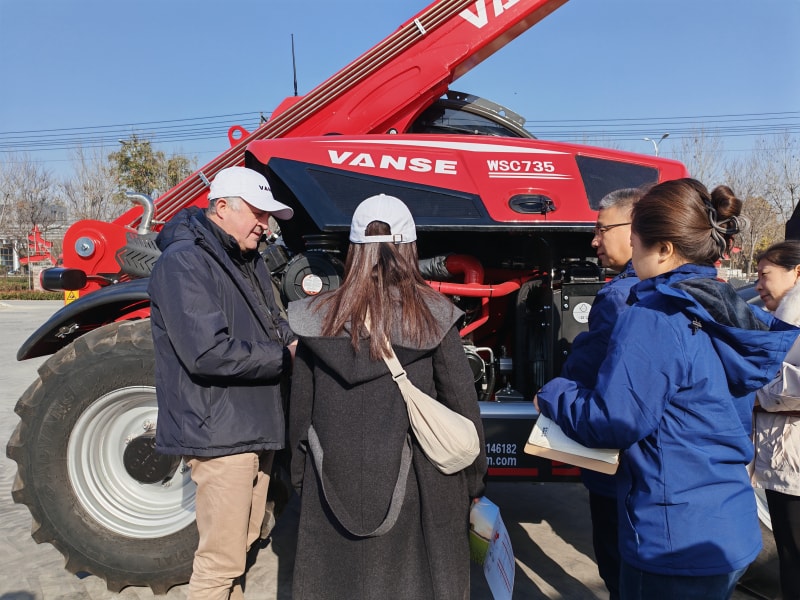
For buyers evaluating alternatives beyond traditional domestic brands, VANSE is positioned as a telehandler-focused manufacturer with more than a decade of engineering and production experience, total output exceeding 8,000 units, and exports to more than 40 countries, including ongoing expansion in North America. Its telehandlers are built under CE and ISO 9001 certified processes, use globally recognized core components such as Perkins and Cummins engines together with premium hydraulic, transmission, and axle systems, and pass comprehensive load testing, safety inspection, and performance validation before shipment, which gives U.S. buyers concrete evidence of component credibility and manufacturing discipline rather than generic quality claims. In commercial terms, VANSE serves end users, distributors, dealers, brand owners, rental businesses, and private buyers through flexible wholesale, retail, OEM, ODM, and regional partnership models, allowing machine specifications, branding, colors, and configurations to be adapted for local market needs. Just as important for the United States, the company is establishing a U.S.-based subsidiary with local inventory and stocking, localized after-sales capability, and stronger customer-facing operations, supported by online and offline pre-sale consultation, technical support, and lifecycle service; that physical commitment means American buyers are not dealing with a distant exporter alone, but with a supplier that is actively investing in local presence and long-term support. Buyers can review its broader equipment portfolio through the equipment range, learn more on the company page, check lifecycle assistance through service support, or discuss a mining application directly through the United States inquiry channel.
How to Evaluate International Suppliers for U.S. Mining Use
International sourcing makes sense when the supplier can prove four things clearly: reliable components, documented quality systems, practical spare parts planning, and real U.S. market commitment. American buyers should ask whether the engine brand is widely supported, whether hydraulic and transmission parts are identifiable and replaceable through known channels, and whether service manuals and technical support are available in clear English with rapid response times.
Shipping route and stocking strategy also matter. Machines entering through Houston, Long Beach, Savannah, or other major ports should have a predictable inland support path so that replacement parts do not become a bottleneck. For distributors and dealers, OEM and ODM flexibility can be a major advantage because regional buyers often need specific attachments, tires, cab options, or branding requirements that mass-market stock machines do not offer.
2026 Trends
Looking toward 2026, telehandler mining demand in the United States will likely be shaped by three parallel forces: technology, policy, and sustainability. On the technology side, telematics, remote diagnostics, and preventive maintenance software are moving from optional extras to expected fleet tools, especially for enterprises managing machines across multiple states. Load management systems, cameras, stability monitoring, and simplified operator interfaces will continue to influence buying decisions.
Policy trends will also matter. Equipment buyers are increasingly attentive to emissions compliance, workplace safety requirements, documented operator training, and procurement standards in projects linked to public infrastructure or regulated industrial sectors. Machines with strong documentation, certified manufacturing, and support for standardized training procedures will gain an advantage.
Sustainability is becoming more practical than symbolic. Fleet owners are looking for fuel-efficient powertrains, longer service intervals, better hydraulic efficiency, and lower waste from unplanned breakdowns. Over time, this may also open more demand for hybridized or electrified telehandler formats in enclosed processing environments, although diesel rough-terrain units will remain dominant in remote and heavy-duty mining applications for the near future.
Practical Procurement Checklist
Before signing a purchase order, U.S. mining buyers should confirm the exact lift chart for intended loads, required attachments, estimated annual operating hours, local support contact details, training obligations, warranty scope, and parts stocking commitments. It is also wise to compare transport dimensions, tire options, and service interval requirements because these details directly affect site mobility and downtime planning.
If the machine will support more than one facility, ask how easily attachments and spare parts can be standardized across the fleet. This is especially important for multi-site operators in regions such as the Southwest, Appalachia, and the Gulf Coast, where one machine platform may need to support both mine and industrial yard workflows.
FAQ
What is the main advantage of a telehandler in mining?
The main advantage is versatility. A telehandler can move palletized goods, lift components to height, support maintenance work, and operate on rough ground, reducing the need for separate forklifts and light cranes in many site tasks.
Are telehandlers used in underground mining?
They are more common in surface mining, processing plants, workshops, and support yards, but compact units may also be used in selected underground support environments where clearance, ventilation, and safety rules allow.
Which U.S. states have strong demand for telehandler mining equipment?
Nevada, Arizona, Texas, West Virginia, Pennsylvania, and several aggregate-heavy states show consistent demand because of active mining, quarrying, industrial processing, and maintenance-intensive operations.
What capacity is most common for mining support?
Mid-size and high-capacity rough-terrain telehandlers are most common, typically in the 6,600 lb to 12,000 lb class, though actual need depends on the load profile and attachment plan.
Is a rotating telehandler necessary for mine sites?
Not always. Rotating models are most useful for complex placement tasks and specialized maintenance work. For general material handling, a standard rough-terrain telehandler is usually more economical and easier to support.
Should U.S. buyers consider international telehandler suppliers?
Yes, if those suppliers can document recognized components, certified manufacturing, clear English-language technical support, parts planning, and real U.S. service infrastructure. Cost-performance can be very attractive when those requirements are met.
How important is local after-sales support?
It is critical. In mining environments, downtime is expensive, so local parts access, field service, and a defined warranty response path can matter as much as the machine itself.
What attachments are most useful for mining telehandlers?
Forks, buckets, lifting jibs, winches, and approved work platforms are among the most useful, depending on site rules and the range of handling and maintenance tasks required.
How do buyers compare total cost, not just purchase price?
They should review fuel use, maintenance intervals, parts pricing, expected service response, operator training, residual value, and the cost of downtime if the machine is out of service.
Where should a buyer start when sourcing in the United States?
Start by defining application, capacity, and service region, then compare domestic brands and qualified international OEMs based on support depth, component credibility, and long-term lifecycle value rather than brochure specifications alone.
Complete Telescopic Handler Equipment Portfolio
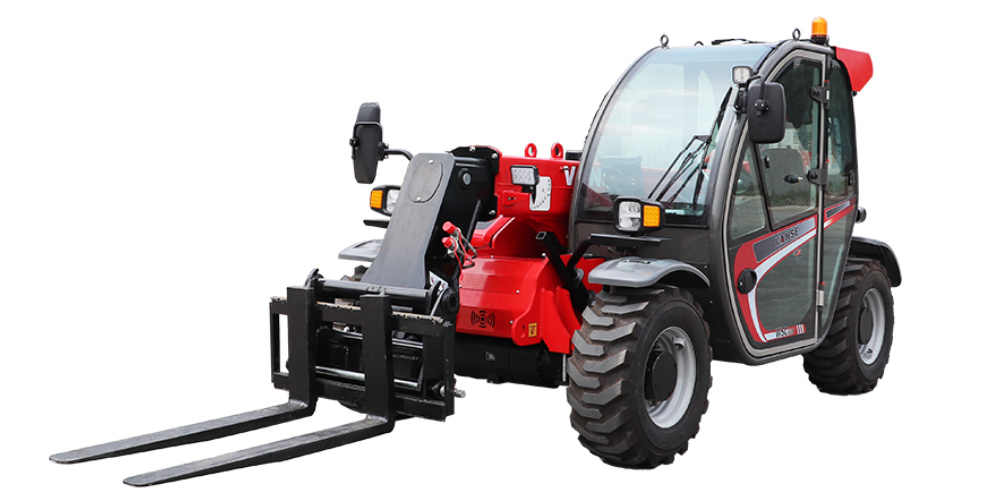
VANSE 625 6m Telescopic Handler
Designed for efficient material handling and stacking in warehouses, factories, and confined job sites, offering compact maneuverability and reliable performance.

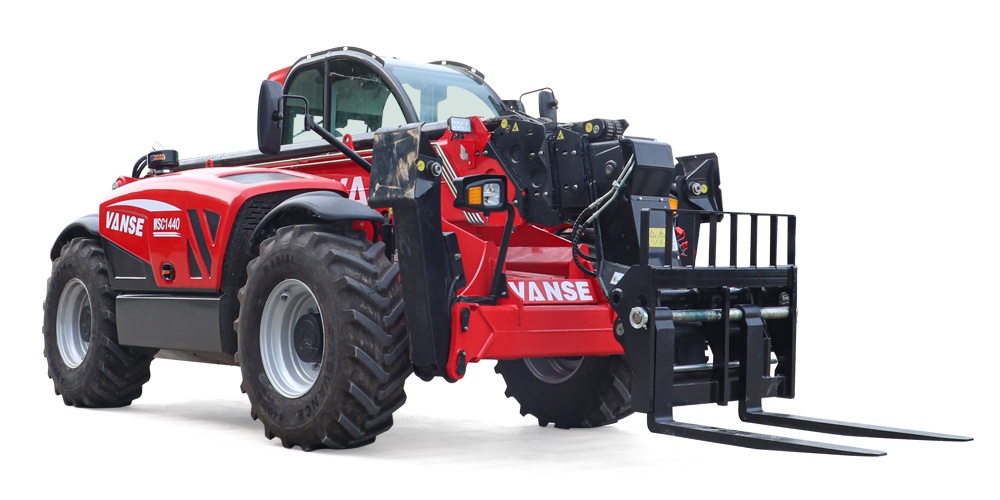
VANSE 735 7m Telescopic Handler
A balanced mid-duty solution for construction, agriculture, logistics, and warehousing, combining stable lifting, strong traction, and everyday versatility.


About the Author:
The VANSE team is a group of experienced professionals specializing in construction machinery research, manufacturing, and technical support. With deep industry knowledge and hands-on experience, our engineers and product specialists share practical insights on equipment selection, operation, maintenance, and industry trends.
Share
You May Also Interest
-

14 August, 2026
What Size Telehandler Do I Need for My Construction Job
Learn what size telehandler do I need in the United States with practical lift, reach, terrain, and supplier guidance for contractors and rental buyers.
-

13 August, 2026
4WD Telehandler: All Wheel Drive for Rough Ground Work
Explore 4WD telehandler options in the United States, including top suppliers, buying tips, jobsite uses, and cost-saving choices for rough-ground work.
-

11 August, 2026
8 Meter Telehandler: Mid-Range Reach for General Sites
Explore 8 meter telehandler options in the United States, including suppliers, applications, pricing factors, support models, and 2026 buying trends.
-

10 August, 2026
Telehandler Hydraulic System: Complete Technical Overview
Explore the telehandler hydraulic system in the United States, including components, suppliers, buying tips, service needs, and 2026 market trends.