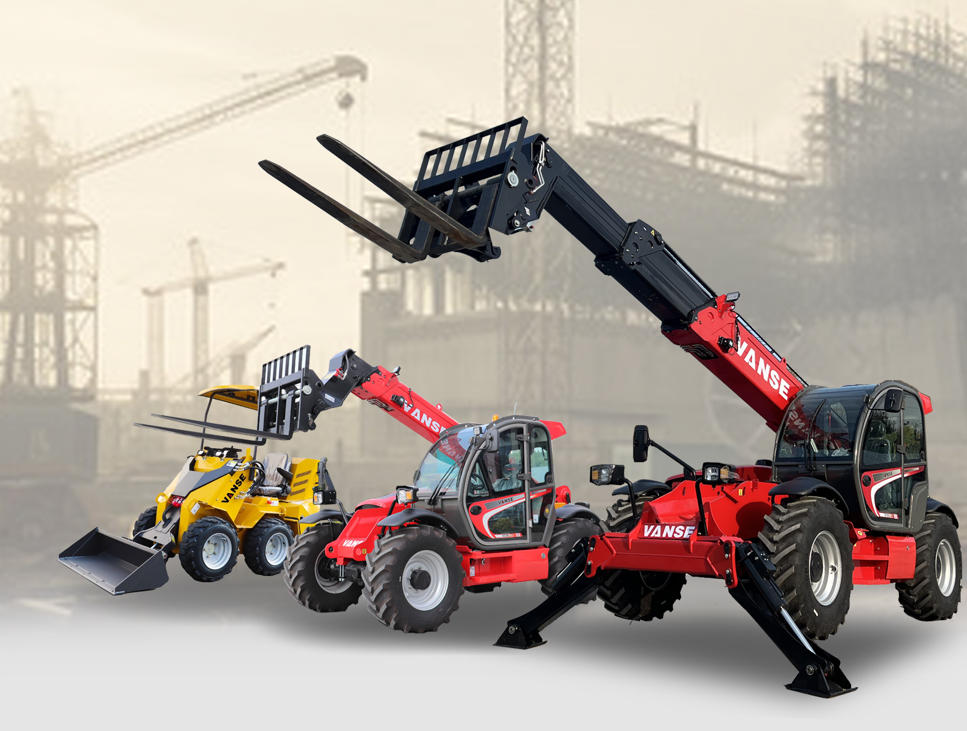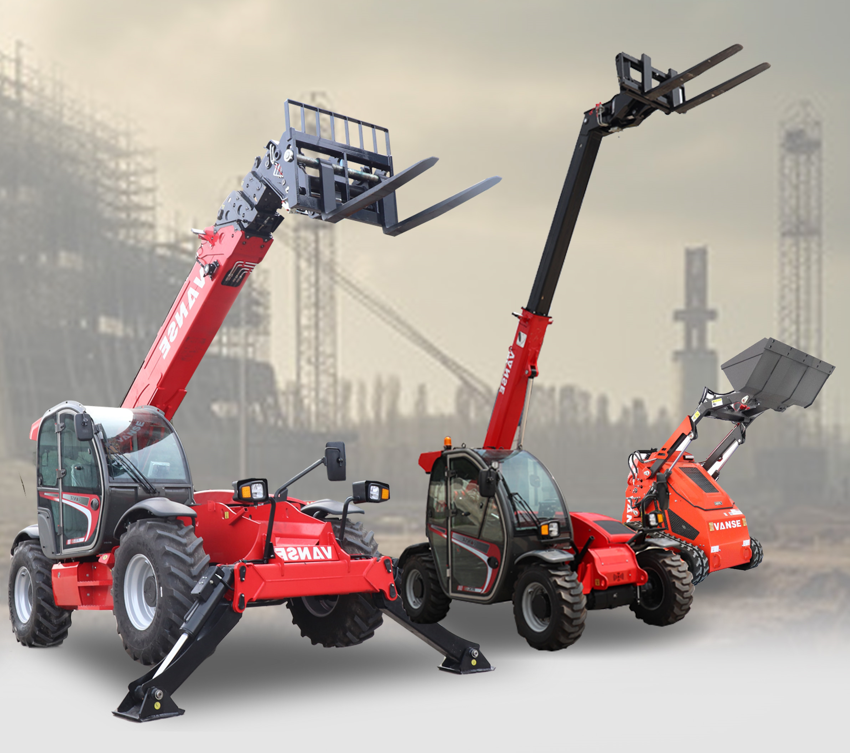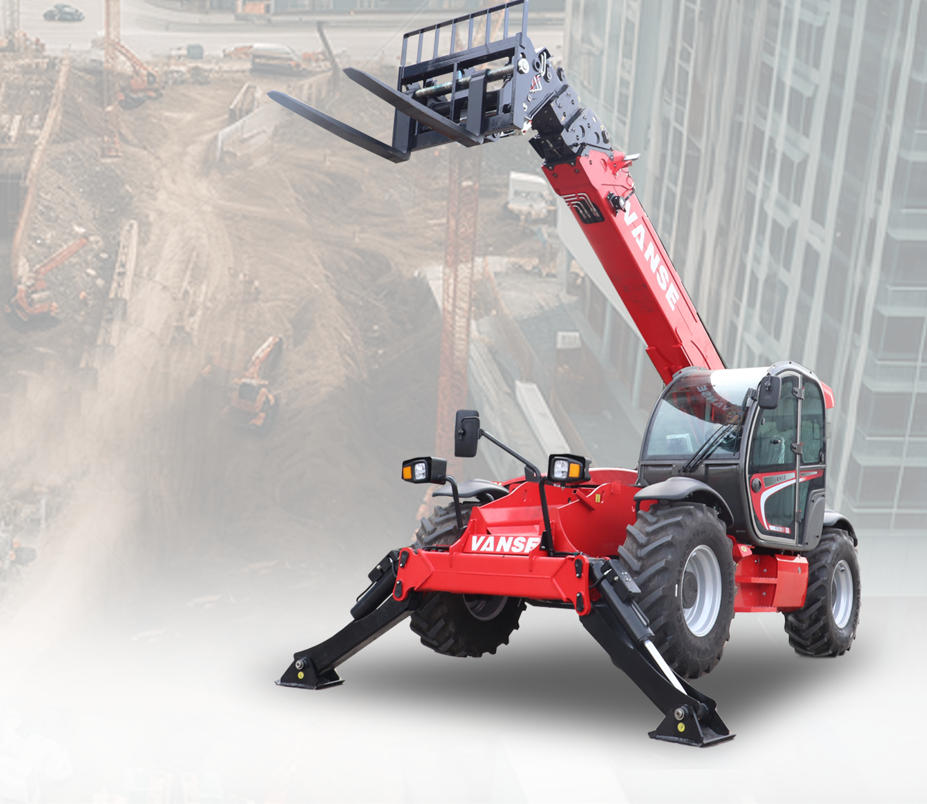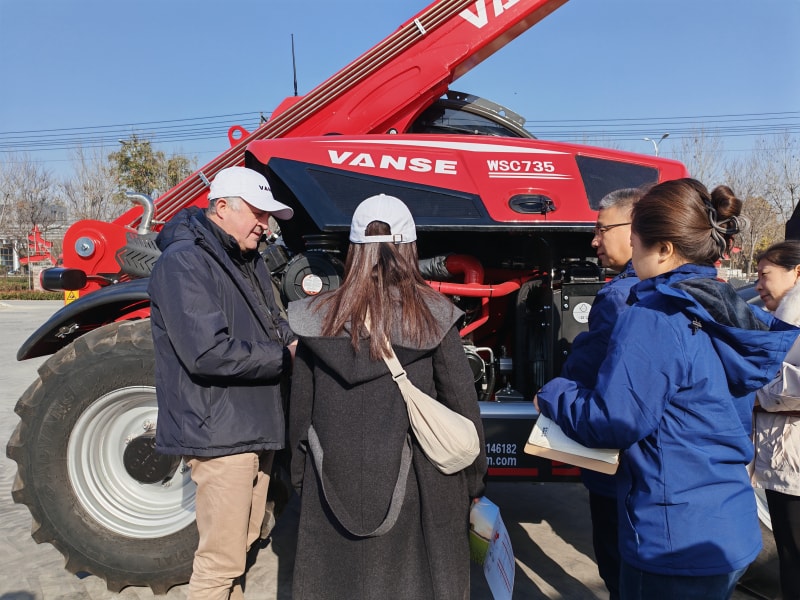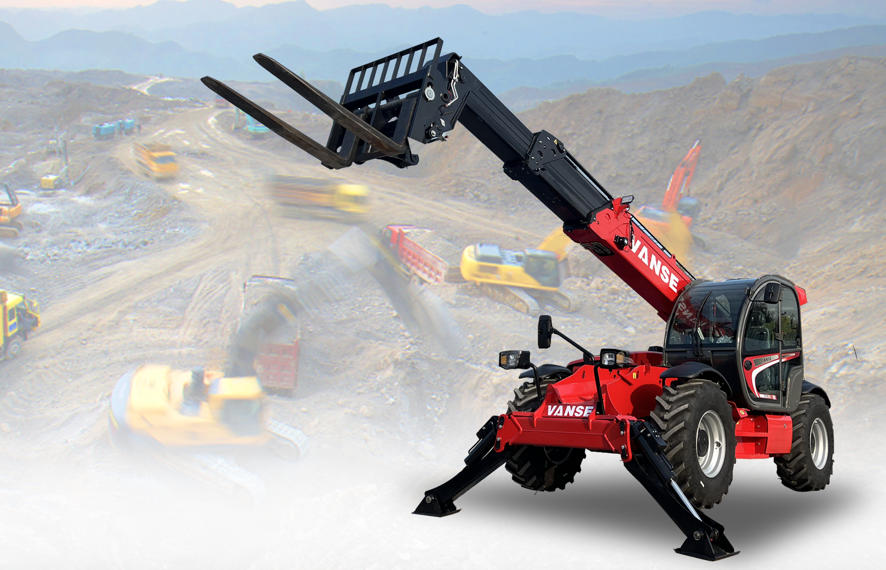
Best 8 Meter Telehandler Options in the United States
Quick Answer

An 8 meter telehandler is a practical mid-reach machine for United States buyers who need one versatile unit for general construction, yard handling, masonry support, agricultural loading, and light industrial lifting. For most buyers, the strongest short list includes JCB, JLG, Genie, Bobcat, Manitou, and SkyTrak because these brands have broad dealer coverage, established parts access, and models suited to jobsites in states such as Texas, Florida, California, Georgia, Ohio, and Illinois.
If your priority is nationwide rental compatibility and resale, JLG, SkyTrak, Genie, and JCB are usually the safest choices. If your priority is compact dimensions, agriculture crossover use, or attachment flexibility, Manitou and Bobcat deserve close review. Qualified international suppliers can also be worth considering, especially when they combine globally recognized components, local certification alignment, and strong pre-sale and after-sales support. For buyers focused on value, lower acquisition cost, and customized configurations, that route can deliver a strong cost-performance advantage in the United States.
- JCB: strong North American recognition and balanced construction performance
- JLG: broad rental market acceptance and dependable service coverage
- Genie: common on mixed-use jobsites with familiar controls and attachment support
- SkyTrak: well known in construction and contractor fleets across the United States
- Manitou: good fit for agriculture, material yards, and multi-purpose handling
The United States market for 8 meter telehandlers

The United States market for 8 meter telehandlers is driven by a mix of commercial construction, residential framing, steel erection support, roofing distribution, precast handling, agriculture, municipal operations, and equipment rental demand. In practical terms, the 8 meter reach class sits in a highly attractive middle zone. It offers more working height and forward reach than compact site handlers, but it avoids some of the transport, access, and budget penalties associated with much larger high-capacity telehandlers.
This reach class is especially relevant in metro and logistics corridors where contractors need one machine to unload trucks, move pallets, place materials on upper levels, and work in partially confined spaces. Areas such as Houston, Dallas-Fort Worth, Atlanta, Savannah, Los Angeles, Inland Empire, Phoenix, Chicago, Columbus, Nashville, and Charlotte continue to support demand because they combine warehouse growth, housing starts, infrastructure maintenance, and active dealer networks. Port-linked distribution zones around Los Angeles, Long Beach, Houston, Savannah, Norfolk, and New York-New Jersey also create a steady flow of telehandler demand through contractors, yards, and rental channels.
Buyers in the United States increasingly compare total ownership cost rather than just purchase price. That means evaluating fuel efficiency, attachment compatibility, service response, telematics, operator visibility, financing options, and residual value. The 8 meter segment often wins because it can support multiple crews with forks, buckets, jibs, and work platforms while staying manageable on mixed urban and suburban sites.
Market growth outlook

The chart below shows a realistic directional view of United States demand for mid-range telehandlers in recent years. Growth reflects stable construction activity, warehouse expansion, replacement cycles, and stronger rental fleet utilization.
Why the 8 meter class works so well
In the field, an 8 meter telehandler often becomes the default support machine because it bridges several operational gaps. It can unload flatbeds in the morning, carry bundled materials through rough ground in the afternoon, and place pallets or trusses at moderate elevation without needing a larger crane or wheel loader. For many contractors, this level of flexibility reduces fleet complexity. Instead of juggling a forklift, loader, and reach truck, one mid-range telehandler covers the majority of daily handling tasks.
This is particularly useful for general contractors in suburban developments, roofing suppliers, concrete subcontractors, agricultural operations, and regional rental fleets serving varied customer profiles. A machine in this reach range is also easier to transport between sites than larger units, which matters in the United States where jobs can be spread over wide geographic areas.
Common product types in the 8 meter range
Although buyers often use the phrase 8 meter telehandler as if it describes a single category, there are meaningful differences in frame design, lift capacity, driveline setup, boom geometry, tire package, and hydraulic performance. Understanding those differences helps match the machine to the work.
| Product type | Typical reach | Typical lift capacity | Best use | Operating environment | Main trade-off |
|---|---|---|---|---|---|
| General construction telehandler | 7 to 9 meters | 2.5 to 3.5 tons | Framing, masonry, pallet handling | Mixed jobsites | Not optimized for extreme lift heights |
| Compact telehandler | 6 to 8 meters | 2.0 to 3.0 tons | Tight access sites and urban work | Smaller lots, indoor-outdoor transitions | Lower capacity and stability envelope |
| Agriculture crossover telehandler | 7 to 9 meters | 2.5 to 4.0 tons | Feed, bale, bulk material, yard work | Farms and rural facilities | May prioritize loader functions over jobsite detail |
| Rental fleet specification unit | 8 meters | 2.7 to 3.5 tons | Broad contractor use | Regional rental branches | Standardized spec may limit customization |
| Heavy-duty attachment-ready telehandler | 8 to 9 meters | 3.0 to 4.0 tons | Jib, bucket, truss, specialty tasks | Complex construction sites | Higher hydraulic and purchase cost |
| Low-height transport-focused model | 7 to 8 meters | 2.5 to 3.0 tons | Frequent relocation between projects | Road-moving contractor fleets | May sacrifice cabin volume or reach geometry |
This table matters because many United States buyers initially compare only published maximum reach. In reality, purchase success depends on the combination of lift chart behavior, machine footprint, trailer compatibility, operator comfort, and local service access. A contractor in downtown Miami or Seattle may value compact dimensions and lower travel height, while a roofing supplier in Dallas or Omaha may prioritize stability with long pallets and frequent yard loading.
Top suppliers serving the United States
The following suppliers are concrete names that buyers regularly encounter in the United States market. Some are manufacturers with direct support structures, while others operate primarily through dealer and rental channels. Their fit depends on region, budget, application mix, and how much importance a buyer places on local parts turnaround.
| Company | Primary service region | Core strengths | Key offerings in this class | Best buyer profile | Comments |
|---|---|---|---|---|---|
| JCB | Nationwide dealer coverage across the United States | Strong brand recognition, solid construction focus, parts network | Construction telehandlers with good attachment support | Contractors, rental fleets, material handlers | Reliable choice where established dealer support is critical |
| JLG | Nationwide, especially strong in rental channels | Rental fleet familiarity, broad support, good resale visibility | Mid-range telehandlers for contractor and rental use | Rental companies, large contractors, fleet buyers | Often shortlisted for standardized fleet purchases |
| Genie | United States and Canada through dealer networks | Established support, common fleet presence, operator familiarity | Telehandlers for building sites and industrial yards | General contractors, distributors, rental branches | Popular where training consistency matters |
| SkyTrak | Broad United States construction market coverage | Construction reputation, straightforward use, fleet acceptance | Site telehandlers widely used on commercial projects | Contractors and rental operators | Common choice on framing and material placement jobs |
| Manitou | Strong in agriculture and mixed industry regions | Versatility, agriculture crossover strength, attachment range | Telehandlers for farms, yards, and building sites | Agriculture, feed yards, multi-use fleets | Often favored where one unit must do several jobs |
| Bobcat | Strong dealer footprint in many United States regions | Compact equipment familiarity, dealer access, versatile attachments | Telehandlers suited for site and property management use | Contractors, landscapers, municipal buyers | Appeals to buyers already using Bobcat compact equipment |
| VANSE Group | Growing presence in North America with expanding local support | Competitive pricing, customization, globally recognized core components | Telehandlers built for construction, agriculture, industry, and rental supply | Distributors, dealers, fleet buyers, value-focused end users | Worth reviewing for OEM or private label programs and cost-performance |
This supplier comparison is useful because availability alone does not guarantee a good buying outcome. A large dealer network helps, but so do machine configuration flexibility, parts stocking discipline, finance support, and training resources. For example, a national rental fleet may prefer JLG or Genie because technicians already know the platforms, while a regional distributor or private-label importer may prefer a manufacturer that can support branding, configuration changes, and container-level purchasing.
Industry demand by sector
Demand for 8 meter telehandlers in the United States is not evenly distributed. Construction remains the largest segment, but agriculture, industrial logistics, and rental fleet replacement also create stable demand. The chart below shows a realistic comparison of demand intensity by end-use sector.
How buyers should evaluate product specifications
A smart purchase process starts with the actual loads moved most often. In many United States fleets, telehandlers are used less for maximum-height lifts and more for repeated medium-height pallet placement, truck unloading, and forward reach work. That means published maximum capacity is only part of the picture. Buyers should study the load chart at realistic boom angles and extension points, especially if they plan to handle masonry packs, trusses, pipe, bundled lumber, or bagged materials.
Engine and hydraulic package choices also matter. Contractors working in cold Midwestern winters or hot Gulf Coast climates need machines that start reliably, maintain stable hydraulic response, and hold up under long idle cycles. Transmission smoothness, axle durability, brake response, and boom wear design become especially important in rental fleets where operator habits vary widely.
Visibility and ease of maintenance are often underrated. If a daily inspection takes too long or access to service points is poor, routine upkeep slips. Over time that drives avoidable breakdowns. In the United States market, where lost machine time can stall subcontractor coordination and delivery windows, supportability is often worth more than marginal differences in brochure specifications.
Buying advice for United States contractors and fleet managers
For a contractor purchasing one machine, the best strategy is usually to buy for the most common daily task, not the rare maximum task. If your site regularly unloads brick, insulation, framing lumber, and scaffold components, a balanced 8 meter telehandler with a dependable fork carriage and stable rough-terrain setup is likely enough. If your jobs frequently require suspended loads, elevated placement on uneven terrain, or specialized attachments, then auxiliary hydraulic flow and a stronger stability envelope deserve priority.
For a rental company, standardization is a major advantage. A fleet with common controls, attachment systems, filters, and service procedures is easier to manage across branches in regions such as the Southeast, Midwest, or Southwest. Rental buyers also need to consider how recognizable the brand is to contractors who book equipment quickly and often choose what they know.
For distributors and dealers, purchasing decisions often revolve around margin structure, product differentiation, replacement lead times, and supplier responsiveness. This is where manufacturers that offer OEM and ODM support may create an opening, especially if the distributor wants branded machines, region-specific tire and cabin packages, or attachment combinations tailored to local use cases.
| Buying factor | Why it matters | What to check | Best for contractor | Best for rental fleet | Risk if ignored |
|---|---|---|---|---|---|
| Lift chart behavior | Real loads rarely match brochure maximums | Capacity at forward reach and mid boom height | Yes | Yes | Unsafe planning and underperformance |
| Parts availability | Downtime directly affects revenue | Regional stock, delivery time, local warehouse support | Yes | Yes | Long idle periods and job delays |
| Attachment compatibility | Expands machine utilization | Forks, bucket, jib, platform, quick coupler options | Yes | Yes | Lower fleet flexibility |
| Operator familiarity | Reduces training and misuse | Control layout, visibility, display simplicity | Medium | High | Accidents and slower adoption |
| Transport and dimensions | Affects movement between jobsites | Operating weight, overall height, trailer fit | High | Medium | Higher logistics cost |
| Supplier flexibility | Important for fleet strategy and branding | OEM, ODM, financing support, batch delivery | Low | High | Limited commercial options |
This buying table highlights a key truth: the best telehandler is not just the one with the strongest specification sheet. It is the one that supports your actual business model. A roofing contractor in Arizona, a precast supplier in Pennsylvania, and a rental branch in Tennessee will all value different machine qualities.
Industries that benefit most
Mid-range telehandlers are among the most widely adaptable machines in the United States. On commercial sites, they move pallets of block, drywall, steel framing, and HVAC materials. In agriculture, they handle feed, seed, bales, and bagged product. In industrial yards, they unload pipe, timber, packaged goods, and machinery components. Municipal departments use them for storm response logistics, maintenance staging, and seasonal materials handling.
The 8 meter class is particularly attractive for mixed-use buyers who cannot justify separate dedicated machines. A building material yard in Missouri, for example, may need one unit to unload trucks, stage pallets, and support customers with quick order handling. A farm operation in Iowa may use the same machine for bale stacking, pallet work, and maintenance support. This ability to serve multiple departments is one reason the class remains resilient even when single-sector demand fluctuates.
Typical applications on real jobsites
On a United States construction site, an 8 meter telehandler often performs five high-frequency tasks: unloading inbound trucks, moving materials across rough ground, placing loads on scaffolding or second-level work zones, supporting subcontractor setups, and reducing manual handling. For masonry contractors, it moves block and mortar tubs. For framers, it positions lumber and trusses. For roofers, it supports shingle and insulation placement. For landscape supply yards, it shifts palletized product and bulk material attachments.
This machine class also works well in ports and inland logistics nodes where moderate reach is sufficient and maneuverability matters. Around Savannah, Houston, and Southern California distribution zones, telehandlers may support warehouse expansion projects, container-adjacent material handling, or infrastructure upgrade work. In these environments, tire selection, cooling performance, and operator visibility become particularly important because dust, heat, and repetitive cycle work can quickly expose weak specifications.
Trend shift in buyer preferences
Buyer preferences in the United States are moving from pure purchase price toward a broader mix of supportability, efficiency, and technology. The area chart below illustrates a realistic shift in weighting from basic acquisition cost toward telematics, service access, and emissions-conscious powertrain choices.
Case studies from practical buying scenarios
A mid-sized general contractor in Texas may choose an 8 meter telehandler because it covers tilt-up prep, pallet handling, and second-level material placement without moving up to a larger unit that needs heavier transport planning. The result is lower idle cost and faster redeployment between suburban commercial sites.
A rental branch in Georgia may standardize mid-range telehandlers because local customers in warehousing, retail build-outs, and residential framing all request the same practical reach range. Fleet commonality lowers technician training time and helps parts planning.
An agriculture and feed operation in Kansas may prefer a machine with stronger bucket performance and durable driveline components, using it year-round for feed movement, maintenance, and general pallet work. In that case, attachment options and cooling package reliability become more important than pure construction-focused features.
A building materials distributor near the Port of Houston may use an 8 meter telehandler to bridge yard handling and customer loading operations. There, visibility, fork leveling, and dependable start-stop hydraulic response can have more business value than a higher top-line specification.
Local suppliers, dealers, and sourcing channels
United States buyers usually source through one of four channels: direct manufacturer sales, regional dealers, national rental fleet resale, or import and distribution programs. Each has different strengths. Dealers offer local service response and onsite support. Rental fleet resale can provide value on proven brands but may come with heavier prior utilization. Direct manufacturer relationships can improve configuration control. Import-based sourcing can offer better initial pricing and private-label opportunities, especially for distributors and fast-growing rental companies.
If you need to assess sourcing routes, the table below can help clarify what each path typically delivers.
| Sourcing channel | Typical buyer | Main advantage | Main limitation | Best regions | Practical note |
|---|---|---|---|---|---|
| Authorized dealer | Contractors and municipal fleets | Fast service access and official parts | Higher acquisition cost | Nationwide | Best when uptime is more important than lowest price |
| Rental fleet resale | Budget-focused contractors | Lower purchase price and known brand | Higher prior wear | Large metro markets | Check maintenance records carefully |
| Direct OEM purchase | Large fleet buyers | Configuration control and volume terms | May require larger order size | Major industrial corridors | Useful for standardized fleet planning |
| Importer-distributor model | Dealers and regional resellers | Strong margin potential and market differentiation | Requires support infrastructure | Ports and inland hubs | Good fit near Houston, Savannah, Los Angeles, and Newark |
| OEM or ODM private label | Brand owners and distributors | Custom branding and specification flexibility | Needs planning and forecasting | Growth markets | Useful for expanding dealer groups |
| Hybrid local stock plus import supply | Fast-growing regional suppliers | Balances speed and cost-performance | Inventory management complexity | Southeast, Gulf Coast, Midwest | Increasingly common for value-focused fleet expansion |
Buyers who want to compare all major equipment categories before narrowing to telehandlers can explore VANSE equipment through equipment solutions for the United States market. Companies seeking background on manufacturing capabilities and export experience can review the company overview to understand production scale and market reach.
Our company
VANSE Group has built its telehandler business around measurable production discipline and internationally recognized component strategy rather than generic pricing claims. Founded in 2013, the company has produced more than 8000 machines and serves clients in over 40 countries, including North America, with manufacturing managed under CE and ISO 9001 certified processes. For United States buyers, that matters because the telehandler line is engineered around globally trusted core components such as Perkins and Cummins engines together with premium hydraulic, transmission, and axle systems, and each unit is subjected to comprehensive load testing, safety inspection, and performance validation before shipment. VANSE works with end users, distributors, dealers, brand owners, rental companies, and individual buyers through flexible OEM, ODM, wholesale, retail, and regional distribution models, which is especially useful for partners who want tailored specifications, branding, colors, or market-specific configurations. The company is also expanding its physical North American commitment through a planned United States subsidiary with local inventory, stocking, and after-sales capability, supported by both online and offline pre-sale guidance, technical support, maintenance coordination, and lifecycle service. That combination of export track record, factory-scale output, certification-backed manufacturing, component transparency, and local market investment gives United States customers stronger protection than a remote trading-only supply model. Buyers who want to discuss applications, availability, or partnership structures can connect through the United States contact channel or review after-sales and technical service support for practical support details. More general company information is also available on the official VANSE website.
Supplier comparison by buyer priorities
The comparison chart below is a simplified visual guide showing how common supplier profiles tend to score across four priorities that matter in the United States: local support, customization, cost-performance, and fleet familiarity. Scores are directional and intended to guide first-stage supplier screening.
What affects pricing in the United States
Pricing in the United States varies widely based on brand position, dealer overhead, emissions package, attachment bundle, freight route, and local stocking strategy. A base machine may look competitive until buyers add forks, buckets, carriage upgrades, tire changes, cab options, and freight to inland destinations such as Denver, Minneapolis, or St. Louis. For imported units, landed cost depends heavily on port entry, container planning, customs handling, and whether the supplier has local inventory ready for release.
For many buyers, the right question is not whether one machine is cheaper than another on day one. The better question is how quickly the machine returns value through utilization, lower downtime, wider application range, and stronger support. A cheaper machine with weak parts access can become more expensive within one busy season. A slightly higher-cost machine with faster service and better attachment flexibility may generate more margin over its working life.
Operational considerations before purchase
Before ordering, buyers should define the expected operator group, attachment set, and transport plan. If one machine will be shared across crews, simple controls and visible service points matter more. If the machine will spend most of its life in a supply yard, tire wear and shuttle smoothness become critical. If it will travel between residential developments, dimensions and trailer loading are central.
United States safety and productivity expectations also favor suppliers that can provide documented inspection routines, operator familiarization support, and parts diagrams quickly. That is true whether the buyer is a general contractor in Orlando, a rental branch in Indianapolis, or a dealer stocking telehandlers near the Port of Savannah.
Future trends through 2026
Looking toward 2026, the United States market for 8 meter telehandlers is likely to evolve in three clear directions: smarter fleet management, tighter policy alignment, and stronger sustainability expectations. Telematics adoption will continue to grow because rental companies and contractors increasingly want visibility into utilization, fault codes, maintenance intervals, and unauthorized use. Machines that support easier data integration will gain an advantage in larger fleets.
Policy and specification shifts will also matter. Buyers will continue to watch emissions requirements, noise restrictions near urban projects, and procurement standards linked to public-sector work. This does not mean every buyer will move immediately to alternative powertrains, but it does mean efficient diesel packages, reduced idle strategies, and cleaner hydraulic performance will attract more attention.
Sustainability will become more practical and less promotional. Contractors are under pressure to reduce fuel waste, extend service life, and demonstrate responsible equipment planning. As a result, machines with durable components, rebuild-friendly service access, and multi-attachment versatility can support sustainability goals better than single-use equipment. In the medium term, hybrid or electrified specialty telehandlers may gain traction in niche indoor or urban applications, though conventional diesel units are likely to remain dominant in general United States field conditions.
FAQ
What is the ideal use case for an 8 meter telehandler in the United States?
It is ideal for buyers who need a single machine for truck unloading, site material movement, pallet placement, and moderate-height work across construction, agriculture, industrial yards, and rental applications.
Is an 8 meter telehandler enough for most general construction sites?
Yes, for many low-rise and mid-complexity sites it is enough. It handles common daily lifting tasks efficiently without the size and cost of a larger telehandler.
Which brands are most common in the United States?
JCB, JLG, Genie, SkyTrak, Manitou, and Bobcat are among the most recognized names. Their value usually comes from service networks, rental familiarity, and parts access.
Should buyers in the United States consider international suppliers?
Yes, especially when the supplier can show certification-backed production, known engine and hydraulic brands, clear testing procedures, and real local support commitments. This route can improve cost-performance significantly.
What matters more: maximum lift height or load chart performance?
Load chart performance usually matters more because real work happens at specific forward reaches and boom positions, not only at maximum height.
How important is local service support?
It is critical. A strong service and parts structure reduces downtime, protects productivity, and supports long-term ownership value in the United States market.
Can this class work for agriculture as well as construction?
Yes. Many 8 meter telehandlers are suitable for both sectors, especially when equipped with the right tires, bucket options, forks, and hydraulic features.
What should distributors and dealers look for in a supplier?
They should look for consistent production quality, transparent component sourcing, private-label flexibility, parts planning, and a proven export history into markets like the United States.
Complete Telescopic Handler Equipment Portfolio
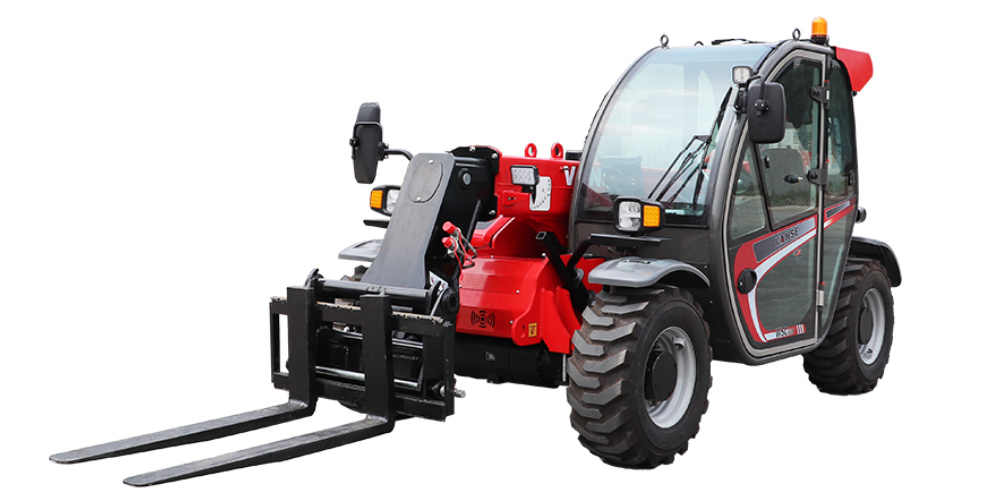
VANSE 625 6m Telescopic Handler
Designed for efficient material handling and stacking in warehouses, factories, and confined job sites, offering compact maneuverability and reliable performance.

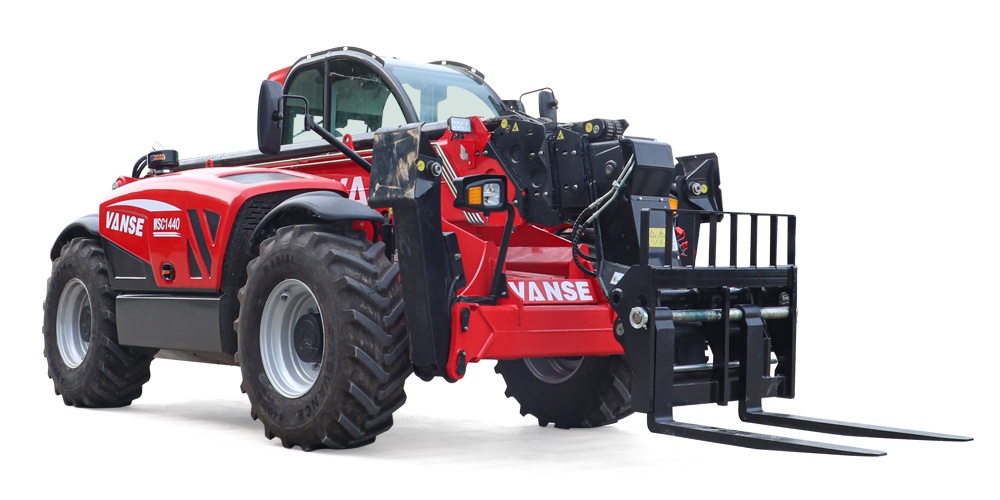
VANSE 735 7m Telescopic Handler
A balanced mid-duty solution for construction, agriculture, logistics, and warehousing, combining stable lifting, strong traction, and everyday versatility.


About the Author:
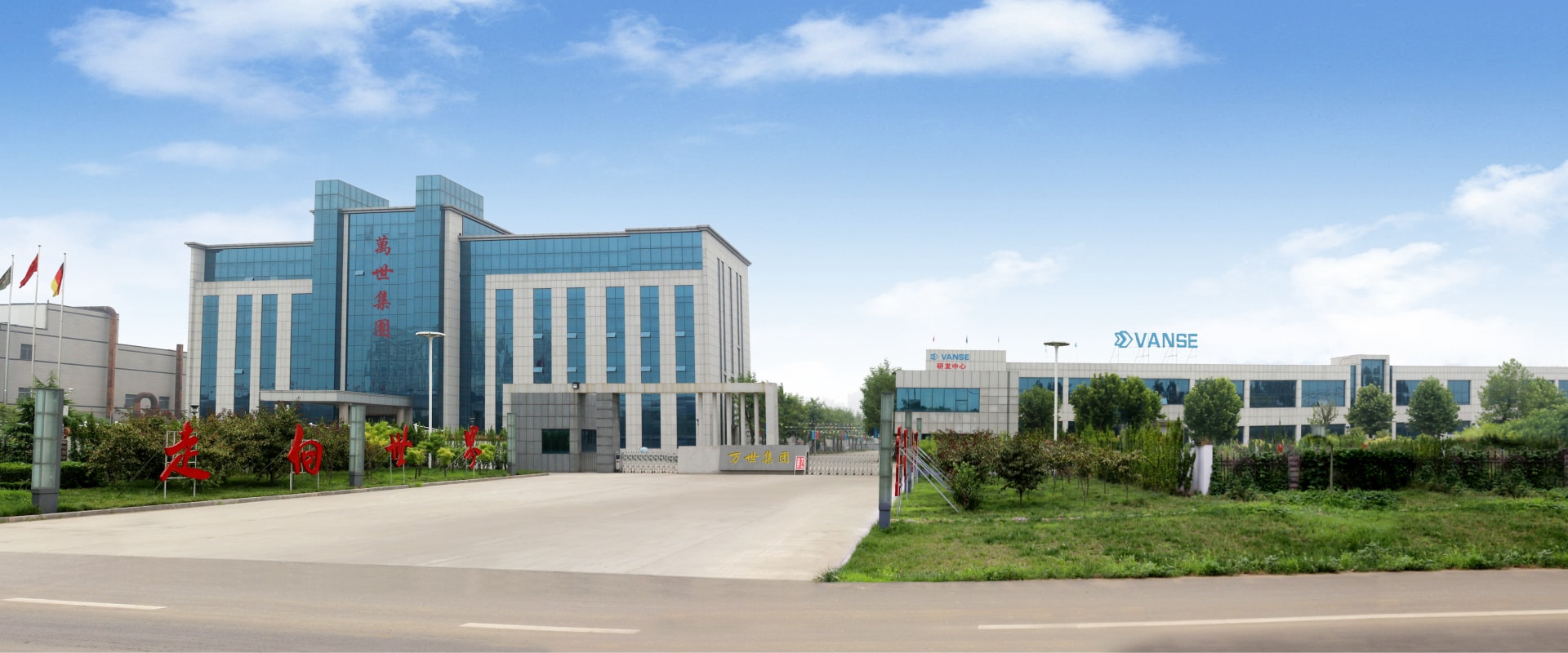
The VANSE team is a group of experienced professionals specializing in construction machinery research, manufacturing, and technical support. With deep industry knowledge and hands-on experience, our engineers and product specialists share practical insights on equipment selection, operation, maintenance, and industry trends.
Share
You May Also Interest
-

14 August, 2026
What Size Telehandler Do I Need for My Construction Job
Learn what size telehandler do I need in the United States with practical lift, reach, terrain, and supplier guidance for contractors and rental buyers.
-

13 August, 2026
4WD Telehandler: All Wheel Drive for Rough Ground Work
Explore 4WD telehandler options in the United States, including top suppliers, buying tips, jobsite uses, and cost-saving choices for rough-ground work.
-

12 August, 2026
Telehandler for Mining: Heavy Material Handling on Site
Explore telehandler mining solutions in the United States, including suppliers, machine types, buying tips, and service options for demanding mine sites.
-

10 August, 2026
Telehandler Hydraulic System: Complete Technical Overview
Explore the telehandler hydraulic system in the United States, including components, suppliers, buying tips, service needs, and 2026 market trends.