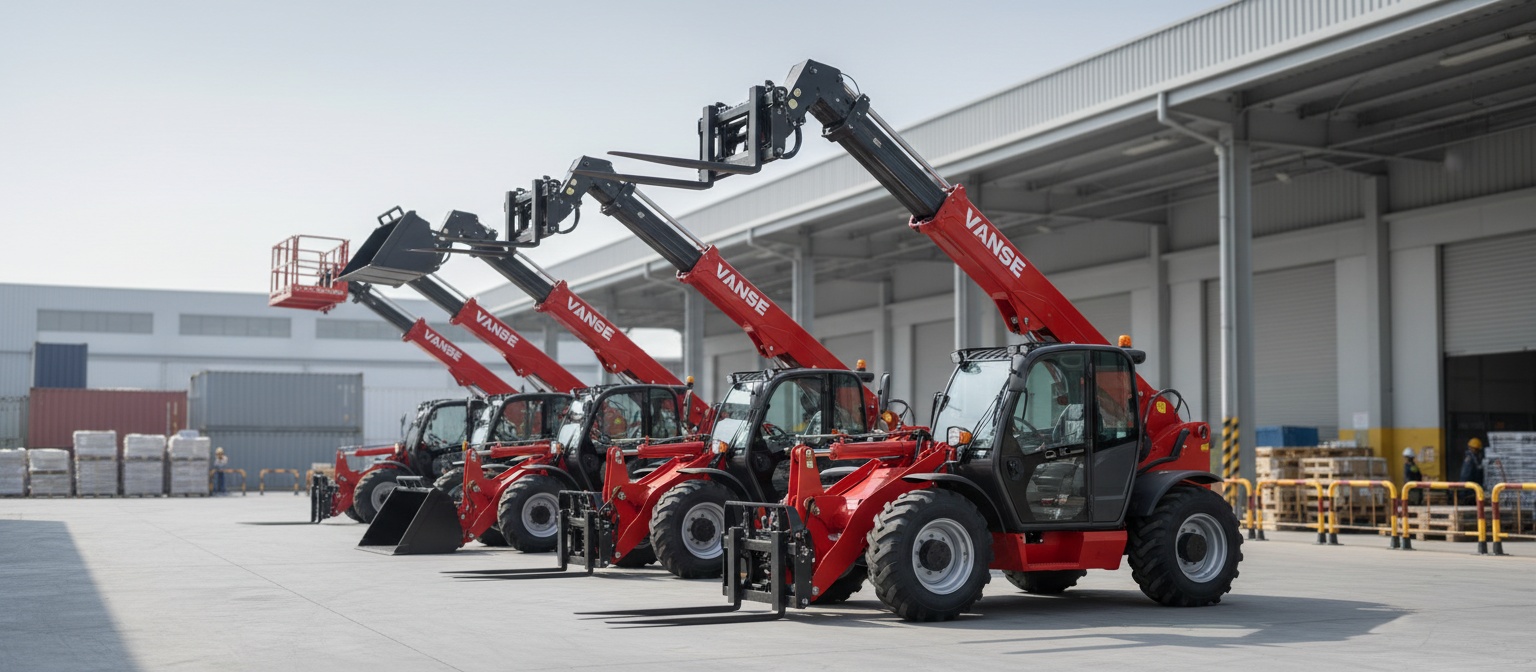
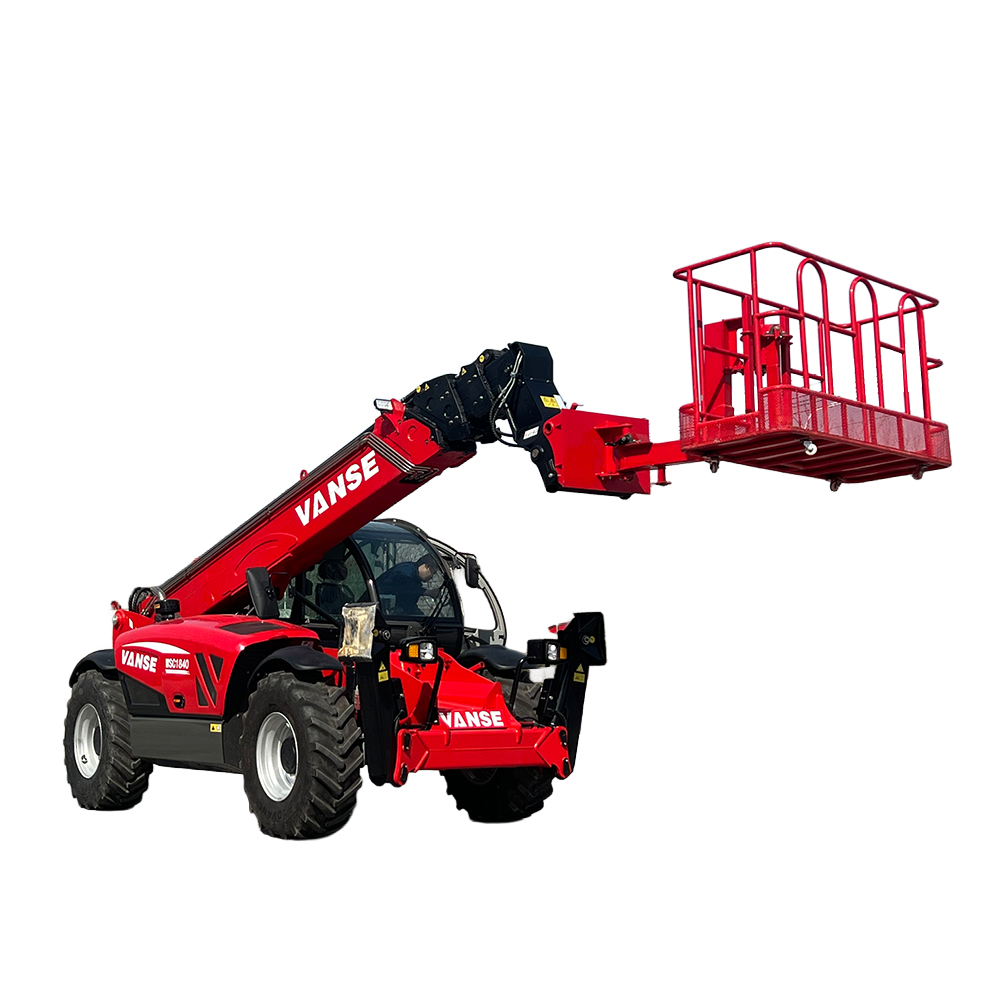
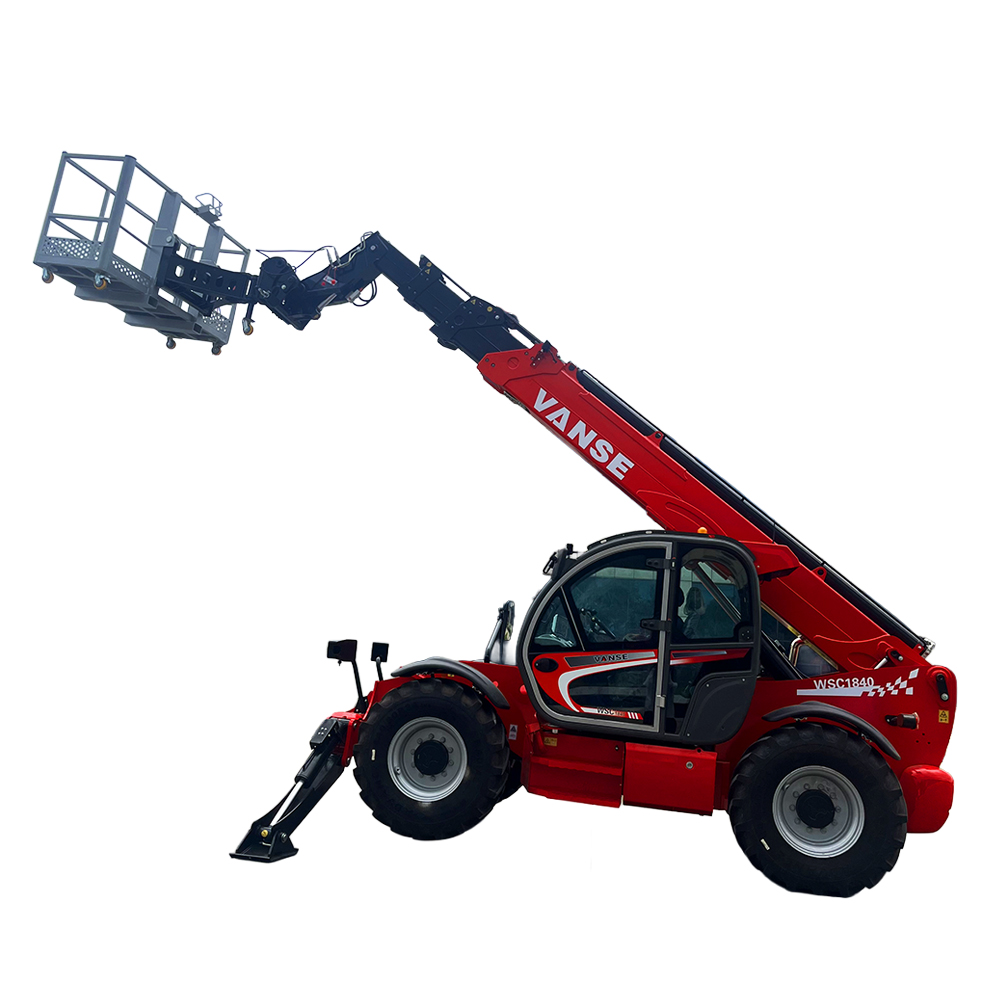
Telehandler Solar Installation Solutions for U.S. Solar Projects
Quick Answer

For large solar projects in the United States, the best telehandler solar installation options usually come from established brands with strong dealer support, attachment availability, and proven jobsite performance. For utility-scale solar EPC firms, rental fleets, and contractors, the most practical choices often include JLG, Genie, JCB, SkyTrak, Manitou, and Bobcat because these companies offer high lift capacity, reliable parts access, and wide service coverage across major solar growth states such as Texas, California, Arizona, Nevada, and Florida.
For buyers who need immediate action, the most commonly considered providers are Sunbelt Rentals and United Rentals for short-term fleet access, while OEM-backed dealer networks for JLG, Genie, JCB, SkyTrak, Manitou, and Bobcat are usually better for long-term ownership. In parallel, qualified international suppliers can also be worth evaluating when they hold recognized certifications, use trusted core components, and provide strong pre-sales and after-sales support in the United States. This is especially relevant for buyers seeking better cost-performance on telehandlers used in solar panel handling, pallet movement, inverter placement, tracker assembly logistics, and material staging on large sites.
- JLG: strong U.S. dealer footprint and common on construction-heavy renewable sites
- Genie: widely rented and easy to source in major metro and logistics corridors
- JCB: known for telehandler specialization and broad attachment compatibility
- SkyTrak: familiar to contractors needing straightforward rough-terrain lifting
- Manitou: strong material handling reputation with good jobsite versatility
- United Rentals and Sunbelt Rentals: practical for fast deployment on multi-state solar builds
Market Conditions in the United States

The United States remains one of the most active markets for utility-scale and distributed solar construction, and that directly supports demand for telehandlers on solar jobsites. From West Texas to California’s Central Valley, from the desert regions near Phoenix and Las Vegas to fast-growing solar clusters in Georgia and the Carolinas, developers are working on projects that require rapid material handling over large, uneven, and often dusty sites. Telehandlers fit these conditions well because they can move palletized modules, racking parts, cable reels, switchgear components, fencing materials, and maintenance equipment with fewer repositioning cycles than many alternative machines.
Large solar sites typically depend on several transport and lift systems at once. Skid steers may handle lower-height support tasks, forklifts may work in flatter staging yards, and cranes are needed for heavier or more specialized lifts. However, telehandlers remain especially valuable because they combine reach, lift height, rough-terrain mobility, and attachment flexibility. On jobs where access roads are temporary, laydown yards are evolving, and installation zones shift every week, a telescopic handler often becomes one of the most used support machines.
The strongest U.S. solar states also tend to align with regions that have mature construction equipment service networks. Houston, Dallas-Fort Worth, Phoenix, Los Angeles, Fresno, Sacramento, Tampa, Orlando, and Atlanta are all major logistics and service points for machine supply, attachments, and repair dispatch. Ports such as Houston, Los Angeles, Long Beach, Savannah, and Jacksonville also matter because imported machinery and components often move through these hubs before reaching EPC contractors, dealers, or rental branches.
In addition, inflation pressure, financing costs, labor availability, and project scheduling uncertainty have made contractors more selective about fleet ownership decisions. Some firms prefer renting telehandlers for peak build periods, while others now want lower-capex ownership options that still include acceptable engine quality, hydraulic reliability, parts planning, and dealer or warehouse support in the U.S. market. That shift creates space not only for established domestic and European brands but also for internationally experienced manufacturers willing to localize inventory and service.
Why Telehandlers Matter on Solar Installations

Solar installation on large sites is a logistics exercise as much as a construction exercise. Utility-scale projects involve repetitive movement of modules, torque tubes, piles, fasteners, pallets, electrical components, and crew supplies across long distances. A telehandler reduces downtime by allowing one machine to unload trucks, feed work fronts, position packaged materials closer to crews, and support maintenance or punch-list work after the core installation phase.
Telehandlers are especially useful for the following reasons:
- They can unload solar modules and racking bundles from flatbeds quickly.
- They move loads over uneven surfaces common on undeveloped or partially graded land.
- They can reach over obstructions or deliver materials deeper into work zones.
- They support multiple attachments such as forks, buckets, hooks, and work platforms.
- They help reduce material double-handling, which improves site productivity.
- They remain useful after commissioning for maintenance, replacement, and expansion work.
For buyers evaluating a machine specifically for solar work, the priority is rarely just maximum lift height. More often, decision-makers care about practical stability on rough terrain, fuel efficiency during long shifts, visibility for operators moving fragile module pallets, and enough service support to prevent project delays.
Common Telehandler Types for Solar Panel Installation
Not every solar project needs the same machine class. A compact telehandler may be ideal for tighter access near substations or commercial sites, while a mid-size rough-terrain unit often suits utility-scale solar farms best. Higher-capacity units are useful where heavier electrical skids, transformers, or specialized materials need handling. Choosing the right category affects fuel usage, transport costs, attachment match, and operator productivity.
| Telehandler Type | Typical Lift Capacity | Typical Lift Height | Best Solar Use | Advantages | Limits |
|---|---|---|---|---|---|
| Compact telehandler | 5,000 to 6,000 lb | 18 to 25 ft | Commercial rooftops, small solar yards, tight laydown areas | Easy transport, maneuverable, lower operating cost | Limited reach and capacity for utility-scale work |
| Mid-size rough-terrain telehandler | 6,000 to 10,000 lb | 30 to 42 ft | Utility-scale module and racking handling | Best overall balance for large solar sites | Requires careful load planning on soft ground |
| High-reach telehandler | 10,000 to 12,000 lb | 43 to 55 ft | Substation support, electrical equipment placement | Greater vertical and forward reach | Higher purchase and maintenance cost |
| Heavy-duty telehandler | 12,000 lb and above | 40 to 56 ft | Large electrical skids, infrastructure materials | Handles dense loads with more confidence | Less efficient for repetitive light material moves |
| Rotating telehandler | 8,000 to 13,000 lb | 60 ft and above on some models | Specialized complex sites with limited repositioning room | High flexibility and multi-function use | Higher complexity, cost, and training needs |
| Rental-focused standard telehandler | 6,000 to 8,000 lb | 36 to 42 ft | Fast deployment for EPC contractors | Easy sourcing through rental branches | Specification choice may be limited |
For most large ground-mounted solar projects in the United States, the mid-size rough-terrain telehandler remains the most practical category. It offers enough capacity for module pallets, steel bundles, fencing loads, and accessory materials while remaining economical to move between states or counties.
Top Suppliers and Rental Sources in the United States
The U.S. market offers a mix of OEM brands, rental fleet operators, and dealers. The best choice depends on whether the buyer needs ownership, lease-to-own, seasonal fleet flexibility, or nationwide project support. The table below focuses on suppliers and brands commonly relevant to solar installation work.
| Company | Primary U.S. Service Region | Core Strength | Key Offerings for Solar Work | Best Fit | Notes |
|---|---|---|---|---|---|
| JLG Industries | Nationwide through dealers | Strong OEM support and telehandler range | Rough-terrain telehandlers, attachments, service parts | Owners and large contractors | Widely recognized on construction sites across the United States |
| Genie | Nationwide through dealers and rental channels | High rental availability and familiar operating platforms | Telehandlers for material placement and site logistics | Rental-heavy project fleets | Strong presence in western and southern states |
| JCB | Broad U.S. dealer network | Telehandler specialization and product depth | Construction telehandlers, attachments, service support | Buyers wanting telehandler-focused engineering | Popular for mixed construction and material handling work |
| SkyTrak | Nationwide, especially construction corridors | Simple, contractor-friendly rough-terrain units | Standard telehandlers for lifting and unloading | General contractors and solar installers | Often considered for straightforward field use |
| Manitou | Nationwide with strong dealer support | Material handling expertise and broad equipment portfolio | Telehandlers for rough terrain and heavy materials | Buyers seeking versatility | Well-suited to agriculture-construction crossover markets |
| Bobcat | Nationwide through established dealers | Dealer accessibility and compact equipment crossover | Telehandlers and support equipment for site logistics | Regional contractors and fleet managers | Useful when buyers want one dealer for multiple machine types |
| United Rentals | Nationwide branch network | Rapid rental deployment and fleet availability | Short-term and project-based telehandler rentals | Multi-state solar EPC projects | Strong option for schedule-driven jobs |
| Sunbelt Rentals | Nationwide with dense branch coverage | Flexible rental contracts and regional responsiveness | Telehandlers, attachments, temporary fleet support | Contractors scaling crews quickly | Useful for temporary peaks and replacement units |
This supplier mix matters because solar construction timelines are sensitive to delivery schedules. If a machine goes down during pile staging, tracker installation, or module distribution, project productivity can drop quickly. Buyers should therefore compare not only machine specifications but also branch density, field technician availability, parts stocking, and transportation response time.
Buying Advice for Solar EPCs, Rental Fleets, and Contractors
Buying a telehandler for solar panel installation is not only about finding the lowest price. A lower upfront number can become expensive if the machine lacks reach for pallet placement, suffers hydraulic downtime, or has slow parts support. Buyers should assess total lifecycle suitability in real site conditions.
Important buying factors include:
- Lift capacity matched to loaded module pallets, steel components, and electrical materials
- Boom reach appropriate for placing materials near active crews without constant repositioning
- Tire and drivetrain suitability for rocky, sandy, muddy, or graded surfaces
- Engine brand, emissions compliance, and fuel consumption profile
- Attachment compatibility for forks, buckets, hooks, and specialty handling tools
- Local parts and technician access within the states where the fleet will operate
- Operator visibility and control layout for fragile load handling
- Transport dimensions and weight for interstate movement
For rental fleet operators, residual value and service standardization are especially important. For end users, uptime and direct application fit are more important than broad model variety. For distributors and dealers, the key issue is whether the OEM or factory partner can support branding, regional stocking, and long-term parts continuity.
| Buyer Type | Main Priority | Recommended Machine Focus | Commercial Model | Service Need | Key Risk to Avoid |
|---|---|---|---|---|---|
| Utility-scale EPC contractor | Uptime during project peaks | Mid-size rough-terrain telehandler | Rental or fleet purchase | Fast field service | Under-spec machine for pallet loads |
| Solar O&M provider | Versatility across many sites | Compact or mid-size unit | Owned fleet | Parts continuity | Oversized machine with poor transport economics |
| Equipment rental company | Utilization and residual value | Standard 6,000 to 8,000 lb class | Wholesale purchase | Dealer training and parts stock | Too many low-volume configurations |
| Regional dealer | Brand differentiation | Broad telehandler lineup | Distribution partnership | Technical and marketing support | Weak factory support |
| Large contractor fleet manager | Total cost of ownership | Fuel-efficient mid-size fleet | Direct purchase | Preventive maintenance planning | Ignoring service interval costs |
| Industrial buyer entering solar | Ease of operation | User-friendly telehandler with common attachments | Retail purchase or lease | Operator onboarding | Buying a highly specialized machine unnecessarily |
The table shows that there is no single best procurement path. A company building solar plants from Texas to the Carolinas may need rental flexibility. A dealer in Arizona may prioritize attachment stock and resale support. A fleet manager in California may care more about emissions compatibility and transport compliance.
Industries and Applications Connected to Solar Telehandler Use
Although this page focuses on telehandler solar installation, the same machine often serves adjacent sectors before and after the main build. That matters because cross-industry utilization strengthens fleet economics. In the United States, buyers frequently justify telehandler investment by using the equipment across construction, infrastructure, agriculture, industrial yards, and energy projects.
Common industries include commercial construction, utility infrastructure, warehousing around project hubs, agriculture in solar-adjacent rural regions, and energy maintenance. In solar-specific settings, telehandlers are used for module unloading, racking distribution, cable support, fence installation support, inverter skid handling, and substation logistics. On hybrid projects, they may also support battery storage installation and balance-of-plant work.
| Industry | Solar-Related Task | Typical Load Type | Why Telehandler Fits | Popular U.S. Regions | Operational Note |
|---|---|---|---|---|---|
| Utility-scale solar construction | Module and racking movement | Pallets, steel, packaged components | Reach plus rough-terrain mobility | Texas, California, Arizona, Nevada | Best with fork and hook attachment options |
| Battery energy storage projects | Auxiliary material handling | Cabinets, cable trays, accessories | Works in mixed electrical and civil scopes | California, Texas, Florida | Exact load verification is essential |
| Electrical substation work | Equipment staging | Switchgear accessories, conduit, packaged parts | Useful reach and positioning flexibility | Southeast, Midwest, Southwest | Often paired with cranes for heavier items |
| Agrivoltaics and rural solar | Material support over uneven ground | Posts, fencing, modules | Handles less-developed access paths | Midwest, Mountain West | Tire choice matters in wet seasons |
| Commercial solar installation | Yard logistics and support tasks | Palletized materials and tools | Compact versions suit tight spaces | Urban and suburban markets nationwide | Transportability is a major plus |
| Operations and maintenance | Replacement and repair support | Panels, spares, maintenance gear | Useful after project completion | Nationwide installed base | Ownership may beat repeated rental costs |
This broad application range explains why telehandlers remain attractive purchases even when solar schedules fluctuate. Machines can be reallocated to other construction or industrial assignments rather than sitting idle between projects.
Detailed Analysis of Local and International Supply Options
U.S. buyers usually compare three channels: domestic dealer-backed OEMs, national rental fleets, and international manufacturers entering the market with localized support. Domestic OEMs offer familiarity and proven resale. Rental fleets offer speed and flexibility. International manufacturers can bring meaningful cost-performance advantages if they demonstrate real service commitment inside the United States.
When comparing suppliers, buyers should ask practical questions. Where are parts stocked? How many technicians support the territory? Can the supplier train operators? What is the lead time to replace a failed hydraulic hose assembly, axle component, or boom wear item? Does the company support fleet buyers, dealers, and end users with different commercial models? Those answers matter more than marketing language.
U.S. Demand by End-Use Segment
Demand for telehandlers in solar work is spread across several end-use segments. Utility-scale builds create the highest volume, but maintenance, repowering, and storage-related work are growing. The chart below illustrates a realistic comparison of demand in the U.S. market.
Market Growth Outlook Through 2026
Telehandler demand tied to solar installation in the United States is likely to keep rising through 2026, although the pace may vary by region and financing conditions. Federal incentives, state-level renewable targets, domestic manufacturing policies, and grid modernization efforts all support continued project activity. Even when module pricing or interconnection delays create short-term volatility, the need for site logistics equipment persists because projects move in waves rather than stopping altogether.
States with major land availability and favorable utility-scale economics, especially Texas, Arizona, Nevada, and parts of the Southeast, are expected to remain growth anchors. Industrial solar, community solar, battery storage integration, and repowering of earlier installations will add demand beyond new-build utility sites. This means telehandler utilization is becoming more diversified rather than relying on a single project type.
Trend Shift in Equipment Preferences
The market is also shifting in the kind of telehandlers buyers want. Standard diesel rough-terrain machines still dominate today, but preferences are moving toward better fuel efficiency, stronger safety systems, telematics visibility, and machine packages tailored to renewable-energy contractors. By 2026, buyers are expected to request more integrated fleet data, preventive maintenance scheduling, and sustainability reporting support.
Supplier Comparison for Practical Solar Use
For buyers comparing machine sources, the next chart presents a simplified comparison index based on common decision drivers in the U.S. market: local support, cost-performance, rental availability, and flexibility for solar applications. Exact scores vary by state and dealer branch, but the pattern reflects how many buyers evaluate options.
Case Studies from Typical U.S. Solar Jobsite Scenarios
A utility-scale contractor in West Texas may operate over long distances between laydown yards and active installation zones. In that case, a 6,000 to 10,000 lb rough-terrain telehandler with good cooling performance, durable tires, and quick parts access in Houston or Dallas is often the best fit. The focus is not extreme height but daily uptime and operator visibility while moving module pallets.
In California’s Central Valley, a project may require more stringent scheduling, cleaner operation practices, and close coordination with battery storage installation. The buyer may value telematics, maintenance records, and stronger dealer responsiveness from Sacramento, Fresno, or Los Angeles service points. Here, telehandler procurement is often integrated with a broader fleet standardization policy.
In Arizona or Nevada, dust management, ambient heat, and long travel distances matter. Machines need stable hydraulic performance and filtration durability. Contractors may prefer brands with strong dealer access in Phoenix or Las Vegas, but they also increasingly compare international alternatives if those alternatives can prove U.S.-based inventory and after-sales support.
In the Southeast, especially Georgia and Florida, site conditions may include soft ground after rain, demanding appropriate tires and good traction. A contractor building community solar and utility-scale projects may choose flexible rental contracts during peak build windows while maintaining a smaller owned fleet for maintenance and repeat work.
Local Supplier Selection Checklist
When speaking with suppliers in the United States, ask for clear operational evidence rather than broad claims. The best supplier for a solar project is the one that can show a realistic path to machine uptime.
- Ask where the nearest parts inventory is located and how quickly urgent items can ship.
- Request examples of support for projects in solar-heavy states such as Texas, Arizona, and California.
- Confirm load chart suitability for module pallets, racking bundles, and electrical materials.
- Review warranty terms, field service coverage, and preventive maintenance schedules.
- Check whether the supplier can support attachments, operator training, and replacement units.
- Ask about financing, fleet pricing, and dealer support for multi-unit purchases.
For buyers starting the search, it is useful to review the manufacturer’s broader equipment lineup and compare telehandler specifications against the actual load and reach profile of the project. Buyers should also evaluate a supplier’s service structure, because machine availability is only part of the equation once the project is underway.
Our Company
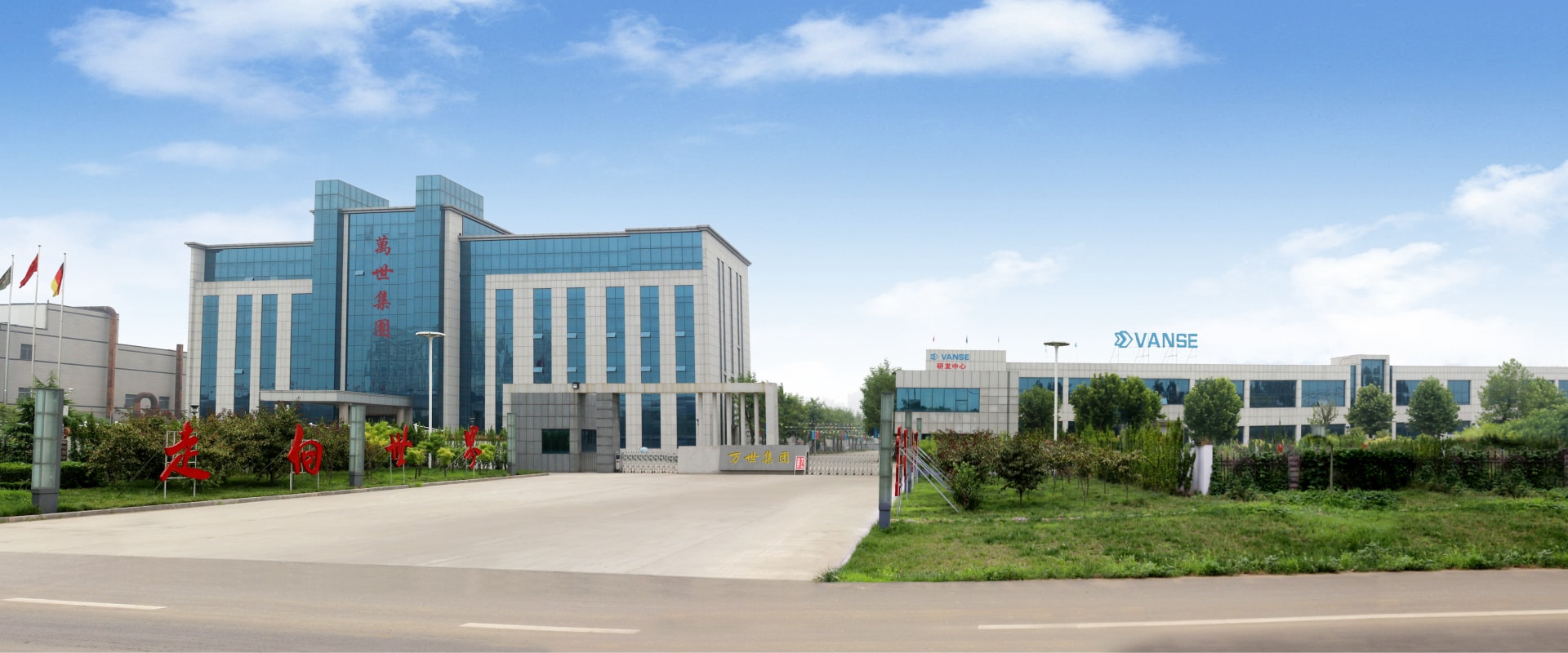
VANSE Group brings a telehandler-focused manufacturing background that is directly relevant to U.S. solar installation needs. Founded in 2013 and already exceeding 8,000 units in cumulative production, the company manufactures under CE and ISO 9001 certified processes and subjects each machine to load testing, safety inspection, and performance validation before shipment. Its telehandlers are built around globally recognized core components such as Perkins and Cummins engines, along with premium hydraulic systems, transmissions, and axles, which gives U.S. buyers a clear benchmark for reliability, parts logic, and serviceability rather than an unproven parts stack. VANSE works through flexible cooperation models that fit end users, distributors, dealers, rental companies, brand owners, and even smaller buyers through OEM, ODM, wholesale, retail, and regional distribution programs, making it practical for both fleet standardization and market-entry partnerships. The company already serves clients across North America and is actively establishing a U.S.-based subsidiary with local inventory, stocking, and after-sales capability, showing physical market commitment rather than remote export-only activity. Combined with online technical response, offline pre-sale consultation, lifecycle service support, and growing local operations, that structure gives American buyers more protection on delivery, maintenance planning, and long-term ownership. Buyers can learn more on the company overview page, review support capabilities on the service page, explore current machinery on the official website, or discuss U.S. project needs directly through the contact page.
How to Match a Telehandler to Solar Tasks
Different solar tasks call for different priorities. If the main duty is unloading module pallets from trucks, fork visibility, lift stability, and repetitive-cycle efficiency matter most. If the machine must also support substation materials or battery-storage-related accessories, buyers may need more capacity. If the machine will move often between smaller regional sites, compactness and transportability become more important than top-end reach.
A practical way to choose is to map the machine against five variables: heaviest regular load, required forward reach, ground condition, attachment needs, and service radius. Too many buyers start with brochure height numbers and overlook daily operating context. On solar sites, stable and efficient repetitive handling usually produces more value than occasional extreme reach.
2026 Trends: Technology, Policy, and Sustainability
By 2026, the telehandler market serving solar construction in the United States is likely to be shaped by three converging trends. The first is technology. Telematics, remote diagnostics, service alerts, and utilization tracking are becoming standard expectations among larger EPCs and rental fleets. These tools help reduce unplanned downtime and improve asset allocation across projects in different states.
The second is policy. Federal incentives tied to renewable energy, domestic supply strategies, and broader infrastructure investment continue to support solar development. At the same time, state-level labor, safety, and emissions expectations encourage buyers to favor machines with cleaner operation, better maintenance records, and stronger operator protection systems. Some fleet managers are also evaluating future electrification paths for selected equipment categories, although diesel telehandlers remain dominant for heavy rough-terrain work today.
The third trend is sustainability. Contractors increasingly want machines that reduce idle time, improve fuel efficiency, and support better reporting on fleet performance. While a telehandler is not usually the headline sustainability item in a solar project, its operating profile still affects fuel cost, maintenance waste, and overall project efficiency. Suppliers who can offer better powertrain tuning, practical maintenance support, and durable components will have an advantage.
Frequently Asked Questions
What telehandler size is most common for large solar sites in the United States?
A mid-size rough-terrain telehandler in the 6,000 to 10,000 lb class is often the most practical choice. It balances lifting ability, transport cost, and daily productivity for module pallets, steel bundles, and general site logistics.
Should solar contractors rent or buy telehandlers?
It depends on project volume and fleet strategy. Rental is ideal for short-term peaks, fast mobilization, and multi-state scheduling changes. Buying often makes more sense for repeat solar contractors, O&M providers, and rental companies seeking better lifecycle economics.
Are telehandlers better than forklifts for solar farms?
On large uneven sites, yes. Telehandlers handle rough terrain and offer more reach, which makes them more useful for unloading, repositioning, and feeding active installation areas. Forklifts still work well in flat, controlled staging yards.
What attachments are commonly used for telehandler solar installation work?
Forks are the most common attachment. Some projects also use lifting hooks, buckets, and work platforms depending on material handling and maintenance needs. Buyers should confirm attachment ratings and compatibility before purchase.
Can international suppliers be a good choice for U.S. buyers?
Yes, if they have recognized certifications, proven component brands, clear quality-control systems, and real U.S. service commitment such as local inventory, subsidiary plans, dealer support, or after-sales teams. Cost-performance can be very attractive when service risk is addressed properly.
What should buyers in Texas, California, or Arizona ask first?
They should ask about parts location, field service coverage, machine specification for actual pallet loads, and heat or dust suitability. In these states, response time and environmental durability can matter as much as purchase price.
How important is engine brand in a solar telehandler?
It matters because engine quality affects reliability, service familiarity, and long-term ownership cost. Machines using globally recognized brands such as Perkins or Cummins are often easier for professional buyers to evaluate.
What makes a supplier credible for solar projects?
Credibility comes from real production experience, documented certifications, a proven export or domestic delivery record, visible service infrastructure, and the ability to support different customer types including contractors, dealers, rental fleets, and end users.
Complete Telescopic Handler Equipment Portfolio
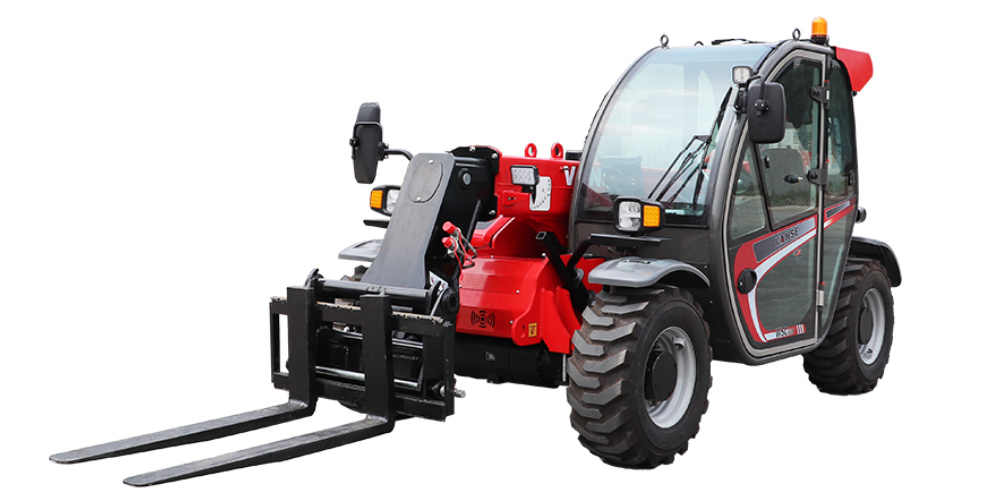
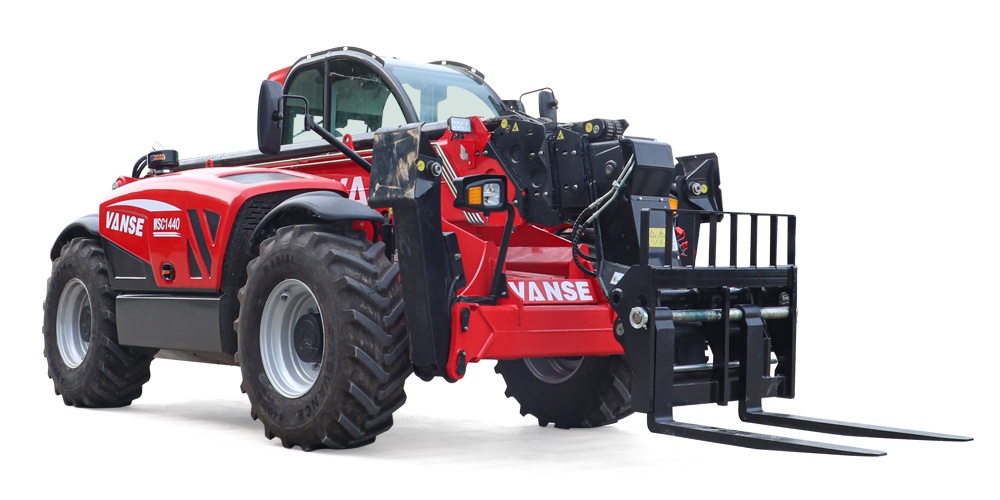
VANSE 625 6m Telescopic Handler
Designed for efficient material handling and stacking in warehouses, factories, and confined job sites, offering compact maneuverability and reliable performance.

VANSE 735 7m Telescopic Handler
A balanced mid-duty solution for construction, agriculture, logistics, and warehousing, combining stable lifting, strong traction, and everyday versatility.


About the Author:
The VANSE team is a group of experienced professionals specializing in construction machinery research, manufacturing, and technical support. With deep industry knowledge and hands-on experience, our engineers and product specialists share practical insights on equipment selection, operation, maintenance, and industry trends.
Share
You May Also Interest
-

1 October, 2026
Diesel vs Electric Telehandler: Power Source Comparison
Compare diesel vs electric telehandler options in the United States with costs, jobsite fit, suppliers, market trends, and practical buying advice.
-

30 September, 2026
How to Inspect a Telehandler Before Daily Operation Work
Use this telehandler daily inspection guide for the United States to check tires, forks, hydraulics, safety systems, and documents before each shift.
-

28 September, 2026
8 Ton Telehandler: Maximum Power for Demanding Projects
Explore 8 ton telehandler options for United States buyers, including suppliers, specs, use cases, service factors, and smart purchasing guidance.
-
25 September, 2026
Telehandler Operating Weight: How Machine Weight Matters
Learn how telehandler operating weight affects transport, stability, and jobsite use in the United States with practical buying guidance and supplier insights.