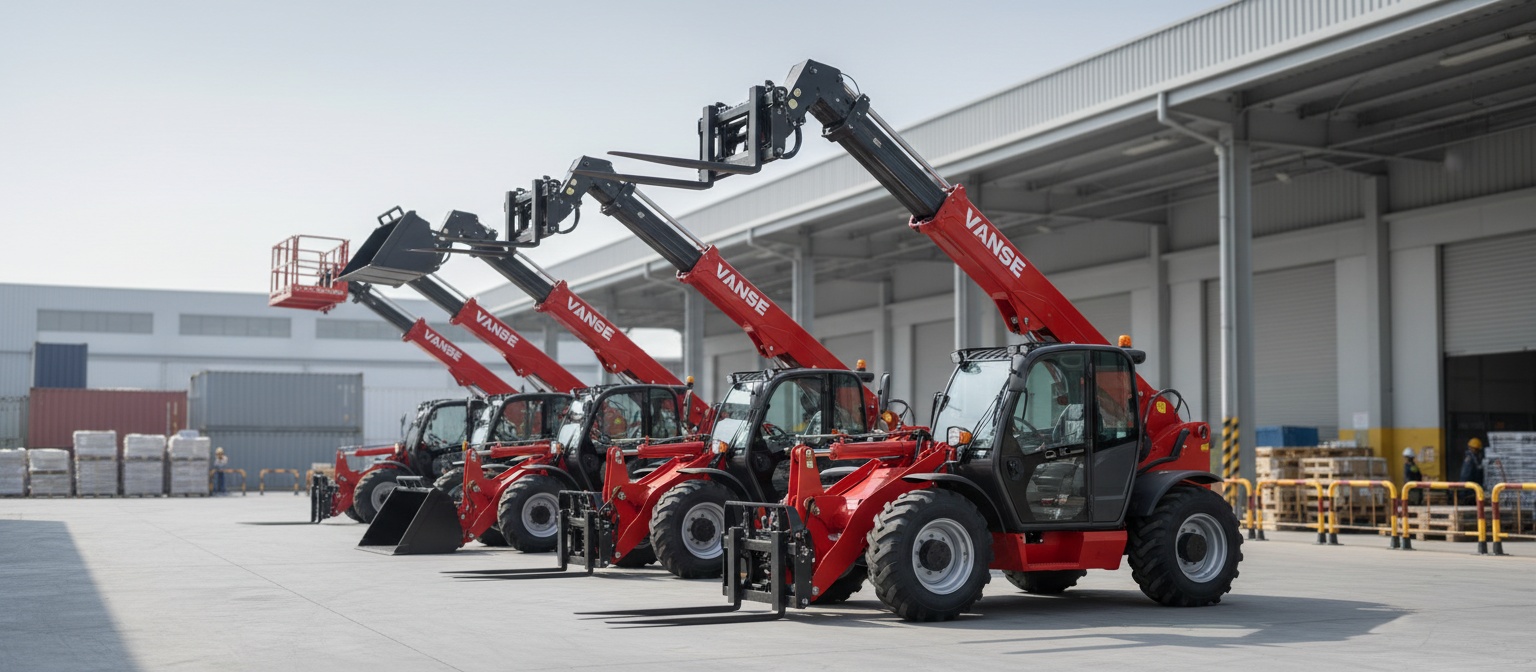
8 Ton Telehandler Options for United States Jobsites
Quick Answer

If you need an 8 ton telehandler in the United States for heavy construction, infrastructure, port handling, precast yards, energy projects, or high-capacity material movement, the most practical starting list includes JCB, Magni, Merlo, Dieci, Manitou, and Genie-authorized distribution channels where available in your state. These brands are commonly evaluated for high-lift capacity, attachment flexibility, and dealer-backed service support in major equipment markets such as Texas, Florida, California, Georgia, Illinois, and the Mid-Atlantic corridor. For buyers prioritizing price-to-performance, qualified international suppliers with proven certifications, globally recognized engines and hydraulics, and reliable pre-sale and after-sales support should also be considered. This matters especially for fleet buyers, rental companies, distributors, and contractors that want strong lifting performance without paying the highest premium attached to European or domestic-style branding.
United States Market for High-Capacity Telehandlers

The United States market for heavy telehandlers continues to expand as contractors and industrial operators push into larger, faster, and more specialized lifting tasks. An 8 ton telehandler sits in an important niche: it offers substantially more lifting capacity than common 5,000 lb to 12,000 lb jobsite units, yet it remains more versatile than a dedicated mobile crane for many short-cycle material handling tasks. On projects in Houston, Dallas-Fort Worth, Phoenix, Atlanta, Savannah, Los Angeles, Long Beach, Chicago, and New Jersey logistics corridors, this class of machine is increasingly used to move heavy palletized loads, steel bundles, concrete forms, pipe, generators, and industrial components.
Demand is supported by several structural trends. First, data center construction, utility upgrades, manufacturing reshoring, and port-adjacent warehousing all require machines that can lift heavy material repeatedly with faster setup than cranes. Second, rental fleets are diversifying into higher-capacity models because major commercial and industrial sites want fewer machine changes as projects scale up. Third, buyers are paying more attention to total operating cost, which includes not only purchase price, but service access, attachment compatibility, fuel efficiency, operator familiarity, and uptime during peak schedule windows.
In the United States, procurement decisions for this category are usually shaped by local support. A machine may look competitive on paper, but if parts take weeks to arrive or field service is unavailable in Ohio, Louisiana, or the Carolinas, the apparent price advantage disappears quickly. That is why buyers often compare domestic dealer support with the growing presence of international manufacturers that now maintain stronger North American warehousing, regional service networks, and better digital diagnostics.
The line chart shows a realistic growth pattern rather than explosive spikes. That is consistent with how this market behaves in the United States: steady infrastructure and industrial demand, moderate housing-linked fluctuations, and continued investment in logistics, utilities, and private industrial sites. For fleet planning, the key takeaway is that demand for high-capacity handlers is becoming structurally more stable and less dependent on one single segment.
What Defines an 8 Ton Telehandler

An 8 ton telehandler generally refers to a telescopic handler with a rated lifting capacity around 8,000 kg, or roughly 17,600 lb. In the U.S. market, buyers should always confirm whether the quoted figure is based on maximum capacity at a specific load center and whether the machine is configured with forks, carriage, stabilizers, or a winch attachment. Capacity changes significantly with boom extension and operating geometry, so spec-sheet interpretation matters.
Machines in this category are typically selected for a combination of heavy lifting, moderate reach, rough-terrain mobility, and multi-attachment capability. Unlike a wheel loader or forklift, the telehandler can place loads at height and over obstacles. Unlike a crane, it can quickly shuttle between loading, stacking, placement, and support functions across a busy site. This flexibility is why heavy telehandlers are especially attractive for multi-trade sites where one machine may support steel crews in the morning, move bulk materials after lunch, and handle maintenance components by evening.
| Specification Area | Typical Range for 8 Ton Class | Why It Matters in the United States | Buyer Checkpoint |
|---|---|---|---|
| Rated Capacity | About 17,600 lb | Supports heavy loads on industrial, energy, and infrastructure sites | Confirm load chart with forks and with attachments |
| Lift Height | 45 ft to 80 ft depending on model | Determines suitability for steel erection, formwork, and elevated material placement | Match maximum reach to your actual site workflow |
| Engine Brand | Perkins, Cummins, Deutz, or equivalent | Impacts service familiarity and long-term parts access | Ask which engine family is fitted to your delivered unit |
| Transmission and Axles | Heavy-duty powershift or hydrostatic systems | Important for rough terrain, slope work, and loaded travel | Check gradeability and axle service intervals |
| Stabilizers | Standard or optional depending on configuration | Improve placement confidence for heavy loads at reach | Compare with your safety and load placement needs |
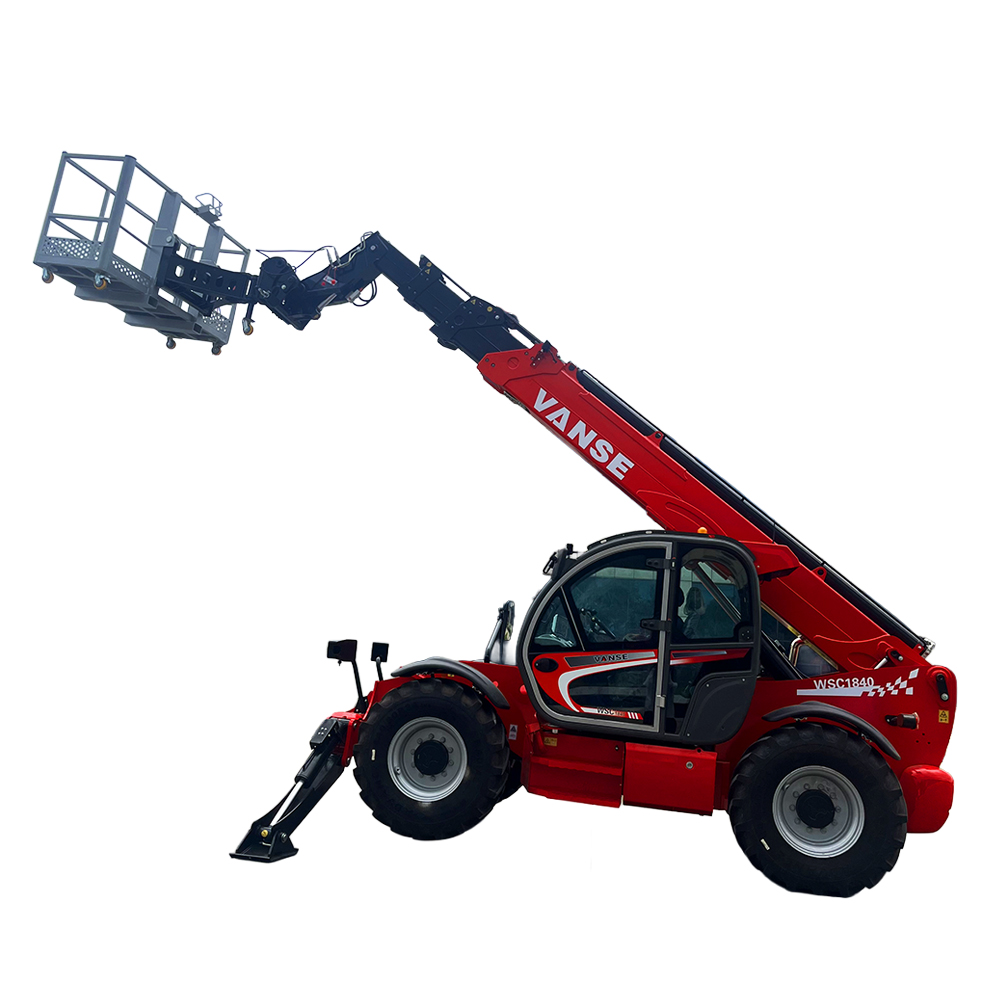
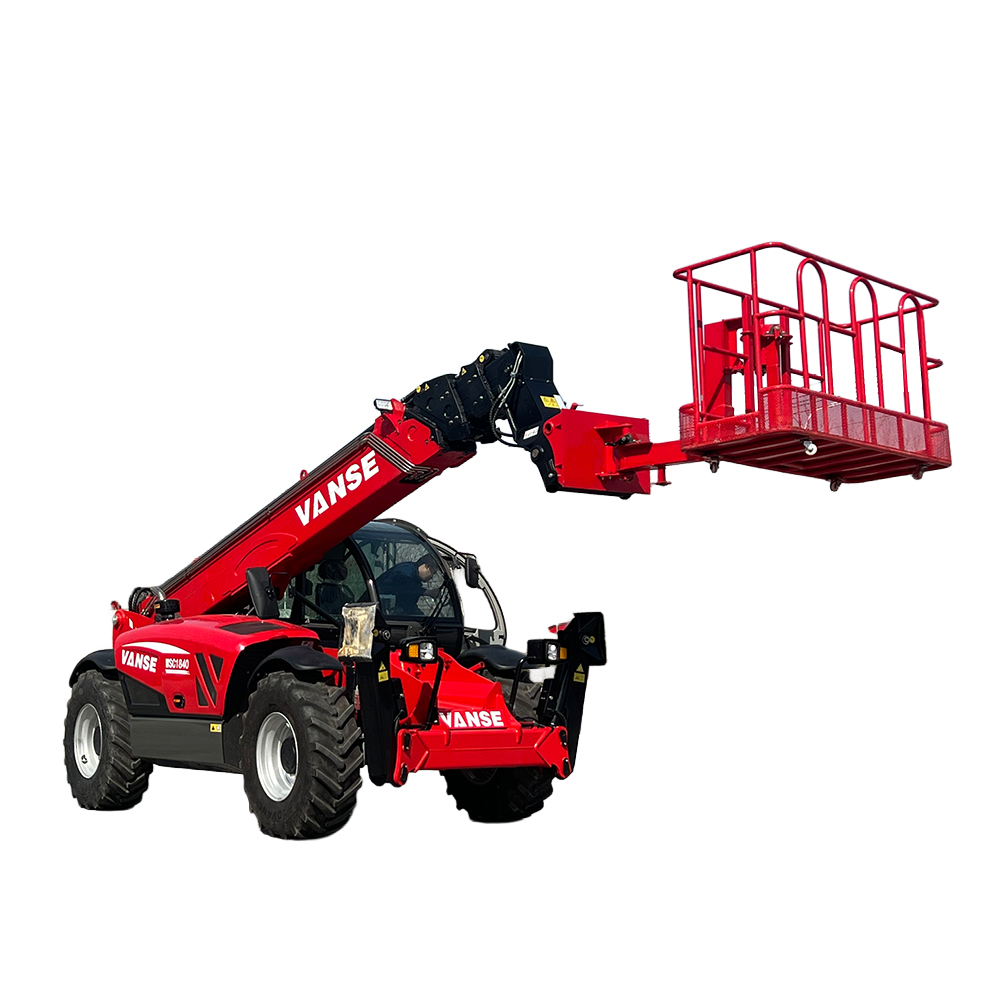
| Attachment Support | Forks, winch, bucket, jib, personnel platform where permitted | Improves fleet versatility and return on investment | Verify hydraulic flow and coupler compatibility |
| Emission Configuration | Tier 4 Final compliant for U.S. use | Required for many regulated projects and rental fleets | Request full compliance documentation before ordering |
This table matters because many buyers enter the procurement process focused only on lift capacity. In practice, the correct choice depends on height, stability, attachment hydraulics, serviceability, and whether the machine fits U.S. emissions and compliance expectations. A lower purchase price means little if the machine cannot operate under your project rules or insurance standards.
Product Types Within the 8 Ton Segment
Not every 8 ton telehandler is built for the same duty cycle. In the United States, buyers typically encounter four broad product types. The first is the standard heavy construction telehandler, intended for lifting dense loads around building, infrastructure, and civil sites. The second is the rotating telehandler, often chosen where lifting angles, confined site access, and placement precision justify the higher price. The third is the industrial or port-oriented rough-terrain unit, which emphasizes durability, repeat handling cycles, and high load transfer efficiency. The fourth is the rental-optimized heavy telehandler, designed around practical controls, simplified maintenance, and broad attachment compatibility.
The right type depends on how often the machine must travel with load, whether operators need 360-degree rotation, how narrow the working area is, and whether your goal is owner-operator productivity or broad fleet utilization. For example, a precast contractor in Tennessee may value repetitive heavy lifting and stable placement more than maximum height, while a steel or facade contractor in New York or Northern Virginia may accept higher acquisition cost to gain more precise load positioning in tighter spaces.
| Type | Best For | Main Advantage | Main Limitation |
|---|---|---|---|
| Standard Heavy Telehandler | Commercial construction, yards, infrastructure | Balanced purchase cost and capability | Less placement flexibility than rotating units |
| Rotating Telehandler | Urban jobsites, steel, facade, specialized lifts | 360-degree working range and higher precision | Higher initial investment and training needs |
| Industrial High-Capacity Unit | Ports, manufacturing plants, energy support yards | Strong repetitive handling performance | Can be overbuilt for standard building sites |
| Rental-Focused Configuration | Multi-user fleets and general contractor rental demand | Simpler controls and broad versatility | May not be optimized for specialized heavy tasks |
| Winch-Ready Telehandler | Mechanical, utility, and modular installation | Supports hoisting-style applications | Needs careful compliance review for intended use |
| Attachment-Intensive Unit | Agribusiness, industrial maintenance, mixed fleets | Higher year-round utilization | Requires clear hydraulic and coupler planning |
This comparison helps narrow the shortlist before you contact suppliers. It also prevents the common mistake of comparing unlike-for-like machines. Two models may both be labeled 8 ton telehandlers, but one may be ideal for bridge beam support logistics while the other is clearly designed for high-precision placement in compact commercial sites.
Leading Suppliers Relevant to United States Buyers
United States buyers usually compare brand depth, distribution density, technical support, and total cost. The suppliers below are practical names in the high-capacity telehandler conversation, especially for contractors, rental groups, and industrial operators evaluating heavy-duty lifting equipment.
| Company | Service Region | Core Strengths | Key Offerings |
|---|---|---|---|
| JCB | Nationwide through U.S. dealers, strong in South and Midwest | Recognized telehandler brand, broad dealer familiarity, strong construction presence | Heavy telehandlers, attachments, dealer service, parts support |
| Magni | North America with dealer-led coverage in major metros | High-capacity and rotating telehandlers, strong lift-height options | Rotating models, high-capacity units, advanced operator systems |
| Merlo | Select U.S. distribution and specialty equipment channels | Engineering focus, operator comfort, precision handling | Rotating and heavy telehandlers for specialized applications |
| Dieci | Dealer-supported access in parts of North America | Wide model coverage, agricultural and construction crossover | Heavy telehandlers, rotating handlers, attachment packages |
| Manitou | Strong North American network, good rental fleet visibility | Established material handling reputation, broad application fit | Construction telehandlers, industrial units, service programs |
| Genie | Broad U.S. presence via equipment channels | Strong rental fleet relationships, operator familiarity | Telehandlers, rough-terrain support equipment, service support |
| VANSE Group | Growing U.S. market presence with North America focus | Cost-performance, OEM and ODM flexibility, globally sourced core components | Telehandlers, custom configurations, dealer and distributor cooperation |
The table is useful because supplier selection in the United States is rarely based on headline specifications alone. Buyers want to know where support exists, which brands are proven in similar applications, and which suppliers can support either one-off purchases or fleet-scale acquisition. JCB and Manitou are familiar names in many fleets, while Magni, Merlo, and Dieci are often reviewed when higher specialization or rotating capability is required. VANSE Group becomes relevant where buyers want telehandler-focused manufacturing, flexible business models, and a lower acquisition cost without stepping outside internationally recognized component and production standards.
The comparison chart highlights what many fleet buyers are now balancing. Traditional dealer-heavy brands tend to score strongly on reach and familiarity, while newer or internationally integrated suppliers often stand out on cost efficiency, customization, and scalable private-label or regional distribution opportunities. For a contractor with one machine, that may not matter much. For a distributor or rental group ordering multiple units, it can redefine margins.
Buying Advice for United States Contractors and Fleet Managers
For United States buyers, the smartest purchasing process starts with the job, not the brochure. Define the heaviest routine load, the required lift height, the expected ground conditions, the attachment mix, and whether the machine will be owner-operated, shared by multiple crews, or placed in rental rotation. Once that is clear, evaluate support infrastructure. A telehandler that performs well but sits for ten days waiting on a hydraulic sensor or axle part is not competitive in real operating terms.
It is also important to compare financing structures. Some buyers in the U.S. Southeast and Midwest prefer dealer finance or lease-to-own agreements. Others, especially regional rental fleets and distributors, may negotiate volume pricing, private branding, attachment bundles, training packages, or staged deliveries through ports such as Savannah, Houston, Long Beach, or Newark. If a supplier can provide documentation, load charts, inspection standards, and pre-delivery testing records early in the process, procurement usually moves more smoothly through internal approval and insurance review.
Another common mistake is underestimating transport and site logistics. An 8 ton telehandler is a substantial machine. You should confirm trailer compatibility, state transport rules, ground bearing conditions, turning radius on congested sites, and whether your operator base is already comfortable with the control layout. Standardization can reduce training time and improve utilization.
| Buying Factor | What to Ask | Why It Matters | Practical U.S. Tip |
|---|---|---|---|
| Capacity at Reach | What load can the machine handle at my actual working height? | Prevents overbuying or unsafe under-spec selection | Request the full load chart, not just max capacity |
| Service Coverage | Who handles field service in my state or metro area? | Determines downtime risk | Ask for named support contacts before purchase |
| Parts Availability | Are common wear parts stocked in the U.S.? | Directly affects fleet uptime | Prioritize suppliers with regional inventory plans |
| Compliance | Is the machine fully configured for U.S. emissions and safety expectations? | Reduces legal and project access risk | Review compliance paperwork during quotation stage |
| Attachment Ecosystem | Which attachments are plug-and-play for this model? | Raises utilization across projects | Bundle commonly used attachments with the machine |
| Operator Training | What onboarding or technical training is included? | Improves safe and productive deployment | Useful for rental fleets and multi-crew contractors |
| Total Cost of Ownership | What are expected service intervals, fuel use, and wear items? | More important than sticker price alone | Compare three-year operating cost scenarios |
This buying table translates technical comparison into practical decisions. It reflects the reality that telehandler value in the United States depends on uptime, service logistics, and predictable ownership cost as much as lifting performance. Buyers who use these questions early usually avoid expensive surprises later.
Industries Driving Demand
An 8 ton telehandler serves industries where load weight, terrain variability, and placement flexibility intersect. In commercial construction, these machines move block, steel, framing bundles, curtain wall materials, and mechanical equipment. In infrastructure and civil work, they support bridge packages, utility material, concrete forms, and road project logistics. In mining support and quarry-adjacent operations, they assist with plant maintenance, heavy component movement, and yard handling. In energy, they are used around substations, pipeline staging, and industrial module handling. In manufacturing and warehousing expansion projects, they bridge the gap between forklift handling and crane dependency.
Ports and inland freight hubs represent another important niche. Along the Gulf Coast, East Coast, and West Coast, high-capacity telehandlers can support cargo support functions, yard maintenance, container-adjacent handling, and heavy ancillary material movement, especially where a full crane setup would be unnecessary or too costly for routine transfers.
The bar chart shows why construction remains the lead segment, but it also shows the diversification of demand. That diversification is healthy for suppliers and fleet owners because it reduces dependence on one project cycle. It also means buyers should think beyond one immediate project and evaluate whether the machine can remain productive across several industries over its service life.
Applications on Real U.S. Jobsites
On a large data center project outside Columbus, an 8 ton telehandler may move HVAC skids, cable tray bundles, and steel support materials across muddy or unfinished terrain long before final paving is complete. On a petrochemical maintenance site near Houston, the same class of machine may be chosen for heavy piping components, work-platform support tasks, and equipment changeouts where a crane is impractical for every movement. At a precast yard in the Southeast, operators may use it to shift molds, forms, and cured elements between work areas. On mixed-use urban construction in places like Miami or Northern New Jersey, a rotating or high-reach heavy handler may reduce site congestion by replacing several smaller machines.
Applications can also vary by season and region. Snow, freeze-thaw ground conditions, and spring mud in the Midwest and Northeast reward machines with stable traction, robust axles, and strong hydraulic consistency. Heat and dust in Arizona, Nevada, and West Texas increase the importance of cooling performance, filtration, and reliable service intervals. Coastal operations care more about corrosion resistance and planned maintenance discipline.
Case Studies and Procurement Scenarios
A regional rental company with branches in Texas and Oklahoma may choose a mixed-brand strategy: familiar premium-brand units for high-visibility customers, plus a competitively priced telehandler line for customers focused on capacity and daily rental economics. In that case, the most important selection factors are serviceability, operator simplicity, and attachment commonality. If the supplier can provide parts stocking support, technician training, and remote diagnostics, the lower acquisition cost can improve branch profitability significantly.
A bridge and civil contractor in the Mid-Atlantic may prioritize lifting confidence at partial extension and stable travel over maximum boom complexity. That buyer might reject an over-specialized machine and instead prefer a durable heavy telehandler with straightforward maintenance, predictable fuel use, and readily available wear parts. Another buyer, such as a facade installer working around dense urban structures in Chicago, may place a premium on reach geometry and rotation because every square foot of staging area is constrained.
These cases show why the best machine is not always the most expensive or the most technologically advanced. The right decision aligns load profile, site access, support coverage, budget, and operator behavior.
Local Supplier Considerations by Region
In the United States, supplier suitability often changes by region. Gulf Coast buyers usually prioritize corrosion durability, port logistics, and strong industrial service response. Southeast buyers often care about rental fleet practicality and access to fast-growing commercial construction markets. Northeast buyers focus more on urban maneuverability, transport constraints, and support density. Midwest buyers tend to weigh total cost, farm and industrial crossover usage, and cold-weather durability. West Coast buyers often add emissions scrutiny, mixed-use industrial demand, and tight-site productivity to the list.
That is why it is worth asking every supplier not just whether they sell nationally, but how they actually support your county, metro, or state line coverage. A supplier with a great national brand but weak regional execution can be less competitive than a newer entrant with better local inventory planning and more responsive field support.
Our Company
VANSE Group approaches the United States telehandler market as a specialized construction machinery manufacturer with more than a decade of production experience and cumulative output exceeding 8,000 units across global markets, including established shipments into North America. For U.S. buyers evaluating an 8 ton telehandler, that matters because the product foundation is built on internationally recognized manufacturing discipline rather than generic export assembly: the company operates under CE and ISO 9001 certified processes, uses globally trusted core components such as Perkins and Cummins engines together with premium hydraulic systems, transmissions, and axles, and subjects each machine to comprehensive load testing, safety inspection, and performance validation before shipment. From a cooperation standpoint, VANSE serves contractors, rental fleets, distributors, dealers, brand owners, enterprise users, and individual buyers through flexible wholesale, retail, OEM, ODM, and regional distribution arrangements, allowing configurations in specification, color, branding, and attachment setup to fit local business models. Just as important for the U.S. market, the company is actively establishing a U.S.-based subsidiary with local inventory, local after-sales capability, and stronger front-line client support, complementing online technical assistance and offline lifecycle service through consultation, commissioning guidance, parts support, and maintenance coordination. Buyers looking for more information can review the broader equipment range, learn more about the manufacturer, explore available service support, or contact the team for model matching and local cooperation discussions.
Trend Shift Through 2026
By 2026, the U.S. 8 ton telehandler market is likely to be shaped by three connected forces: digital fleet management, stricter compliance expectations, and the drive for lower operating cost per lift cycle. Buyers increasingly want telematics, fault-code visibility, service interval alerts, and better operator usage data. This does not mean every contractor wants a fully digital fleet overnight, but it does mean suppliers without modern diagnostic support will become less competitive.
Policy and project qualification are also evolving. More owners and general contractors now require clearer equipment documentation related to emissions, safety practices, and maintenance traceability. Public infrastructure and energy-linked projects increasingly reward suppliers that can provide organized compliance packages and service records. Sustainability is part of the conversation too, though in this class it is often discussed through fuel efficiency, longer service life, reduced idle time, and optimized machine utilization rather than immediate full electrification. Over time, expect more hybrid support systems, smarter hydraulic efficiency controls, and lower-emission engine integrations in larger telehandler classes.
The area chart shows the rising influence of technology, policy, and sustainability considerations. For fleet managers, this means that future-ready purchasing is no longer optional. Even if you buy for current work, you should ensure the machine platform can support the reporting, service, and compliance expectations likely to become standard over the next two years.
How to Compare Domestic and International Options
United States buyers should not frame the decision simply as local brand versus imported brand. The real comparison is between supportable solutions. A domestic or European badge may bring familiarity and a dense dealer network. A qualified international supplier may offer comparable core powertrain quality, modern manufacturing controls, and more favorable pricing, especially for bulk orders or branded distribution arrangements. The decision should come down to documented specifications, production standards, core component traceability, tested performance, response time for service, stocking plans, and commercial terms.
For many buyers, the best strategy is to request a side-by-side quote package including machine spec sheets, full load charts, engine and hydraulic details, warranty terms, parts supply commitments, pre-delivery inspection procedures, training scope, and estimated lead time to a U.S. port or inland destination. Once all of that is visible, the cost-performance picture becomes clearer.
FAQ
What is the main advantage of an 8 ton telehandler over a smaller construction telehandler?
The main advantage is substantially higher lifting capacity with continued rough-terrain mobility and telescopic reach. It allows a contractor to handle heavier loads without moving immediately to a crane for routine site logistics.
Is an 8 ton telehandler suitable for rental fleets in the United States?
Yes, but only if the local customer base includes industrial, infrastructure, energy, or larger commercial work. Rental success depends on operator familiarity, service support, attachment packages, and transport practicality.
What should U.S. buyers verify first when comparing suppliers?
Verify the real load chart, U.S. emissions compliance, parts availability, and who provides field service in your region. These factors affect ownership outcome more than brochure claims.
Are rotating telehandlers better than standard heavy telehandlers?
Not always. Rotating models are excellent for tight or complex placement tasks, but they cost more and may be unnecessary for straightforward yard handling, civil support, or repetitive heavy lifting.
Why are internationally sourced telehandlers receiving more attention in the United States?
Because some buyers want better cost-performance without sacrificing recognized engines, tested manufacturing standards, or professional support. As suppliers improve U.S. warehousing and after-sales coverage, international options become more credible.
Which industries benefit most from this machine size?
Commercial construction, infrastructure, energy, industrial manufacturing, ports and logistics, mining support, and large material yards are among the most common beneficiaries.
What role will technology play by 2026?
Expect more telematics, better maintenance visibility, more efficient hydraulic controls, and stronger documentation for compliance and sustainability reporting. These features will increasingly influence procurement decisions.
How should a buyer start the purchasing process?
Start with the heaviest regular load, required height, attachment plan, and project environment. Then compare suppliers based on local service, total cost of ownership, and delivery readiness into your specific U.S. market.
Complete Telescopic Handler Equipment Portfolio
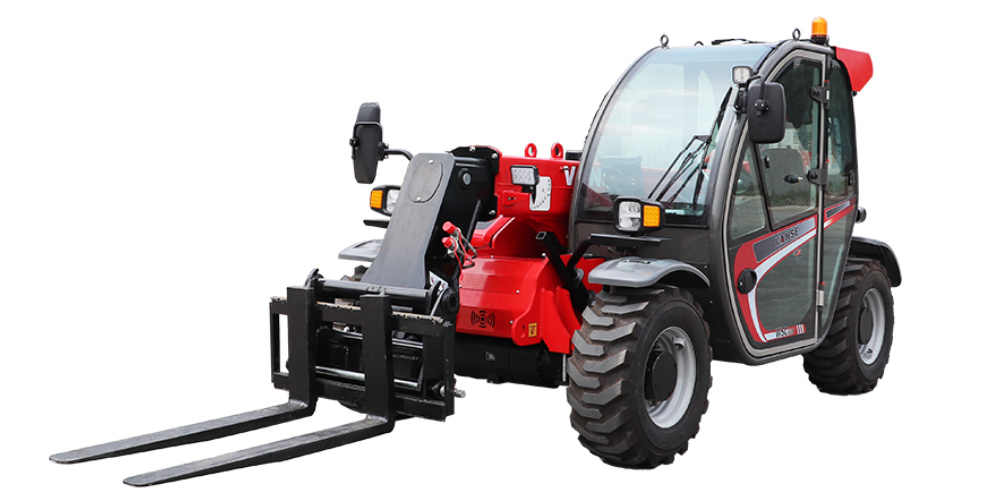
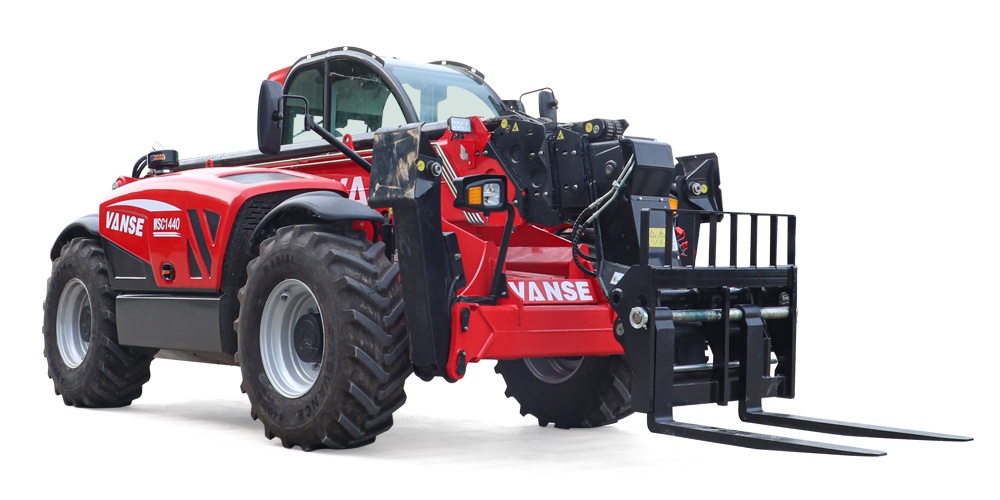
VANSE 625 6m Telescopic Handler
Designed for efficient material handling and stacking in warehouses, factories, and confined job sites, offering compact maneuverability and reliable performance.

VANSE 735 7m Telescopic Handler
A balanced mid-duty solution for construction, agriculture, logistics, and warehousing, combining stable lifting, strong traction, and everyday versatility.


About the Author:
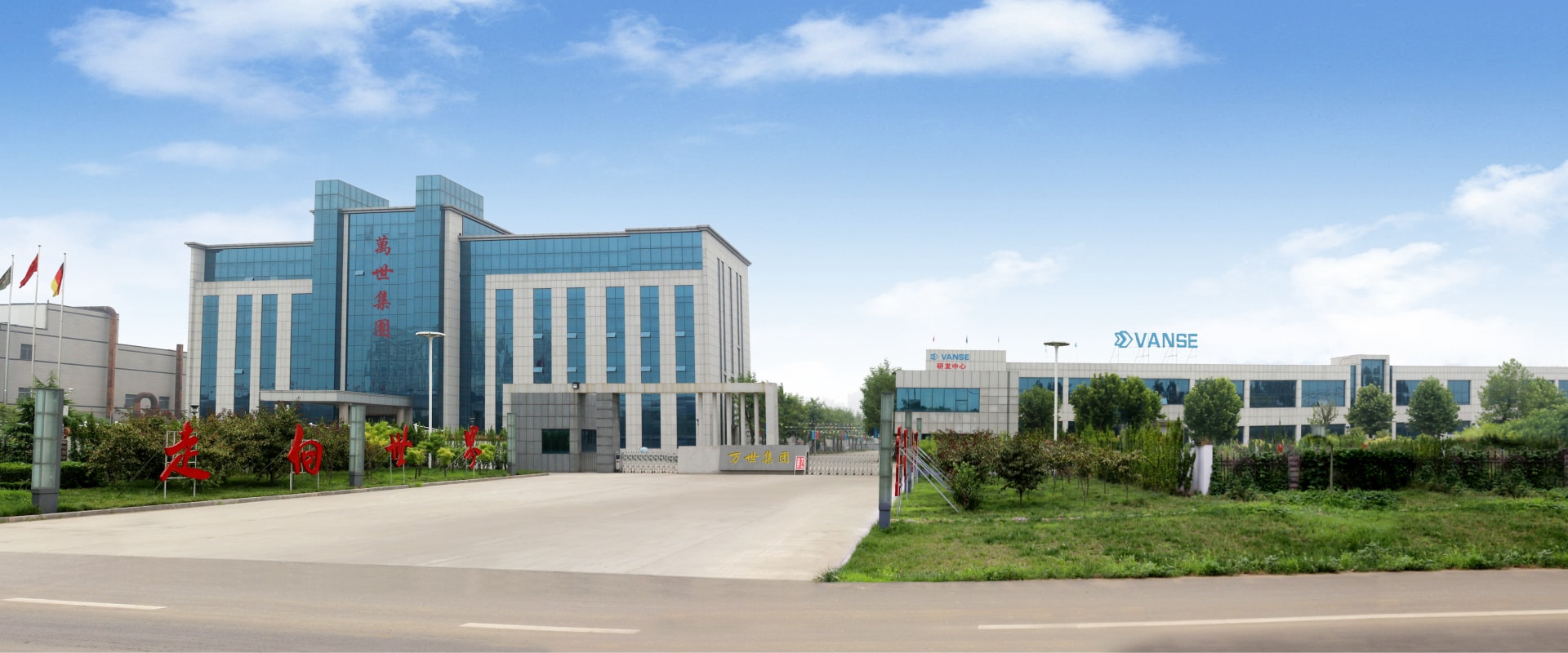
The VANSE team is a group of experienced professionals specializing in construction machinery research, manufacturing, and technical support. With deep industry knowledge and hands-on experience, our engineers and product specialists share practical insights on equipment selection, operation, maintenance, and industry trends.
Share
You May Also Interest
-

1 October, 2026
Diesel vs Electric Telehandler: Power Source Comparison
Compare diesel vs electric telehandler options in the United States with costs, jobsite fit, suppliers, market trends, and practical buying advice.
-

30 September, 2026
How to Inspect a Telehandler Before Daily Operation Work
Use this telehandler daily inspection guide for the United States to check tires, forks, hydraulics, safety systems, and documents before each shift.
-

29 September, 2026
Telehandler for Solar Panel Installation on Large Sites
Explore telehandler solar installation solutions in the United States, including suppliers, machine types, buying tips, and service options for large solar sites.
-

25 September, 2026
Telehandler Operating Weight: How Machine Weight Matters
Learn how telehandler operating weight affects transport, stability, and jobsite use in the United States with practical buying guidance and supplier insights.