Telehandler Daily Inspection in the United States
Quick Answer

A proper telehandler daily inspection in the United States should be completed before the machine is started and before it enters a jobsite, yard, farm, plant, or rental fleet rotation. The operator should walk around the unit, verify that forks or attachments are secure, check tires, look for hydraulic leaks, confirm fluid levels, test lights, alarms, steering, brakes, parking brake, horn, load chart visibility, mirrors, seat belt, and backup warning devices, then document the inspection and remove the machine from service if any safety-critical defect is found. This is the fastest and most reliable way to reduce downtime, OSHA exposure, and preventable lift incidents.
For buyers and fleet managers in the United States, practical support can come from established domestic brands and rental networks such as JLG, Genie, JCB, Caterpillar, Sunbelt Rentals, and United Rentals, especially where local parts and field service matter. At the same time, qualified international suppliers can also be a smart option when they hold recognized certifications, use globally trusted components, and provide strong pre-sales and after-sales coverage; this is especially relevant for cost-conscious fleets looking for better value without compromising daily inspection standards or machine reliability.
Why Daily Telehandler Inspection Matters in the United States

In the United States, telehandlers are used across commercial construction, residential framing, precast handling, roofing, agriculture, ports, energy, warehousing, and industrial maintenance. Whether the machine is working in Houston, Los Angeles, Chicago, Miami, Savannah, or inland logistics hubs near Dallas and Kansas City, daily inspection is not a paperwork exercise. It is the first control point for preventing dropped loads, rollover conditions, steering failures, brake issues, boom instability, and hydraulic incidents.
Many jobsites in the United States combine uneven terrain, temporary traffic routes, mixed pedestrian zones, and time-sensitive production schedules. A telehandler may move pallets of block in the morning, trusses at midday, and bundled material in the afternoon. That operating pattern creates wear that may not be visible from the cab once the shift starts. A disciplined pre-operation inspection helps the operator spot cracked hoses, low tire pressure, loose wheel hardware, bent forks, damaged quick couplers, missing safety decals, or boom pad wear before the machine is exposed to load.
From a risk management perspective, daily inspection also protects contractors and rental users during claims review. If a machine is involved in an incident, documented pre-shift checks help establish that the equipment was evaluated, defects were either corrected or reported, and the operator followed a defensible process. In competitive U.S. markets where project delays can trigger penalties, one missed leak or one defective parking brake can turn into a major cost event.
What a Telehandler Daily Inspection Includes

A telehandler daily inspection usually has five parts: documentation review, walk-around visual check, fluid and component check, in-cab functional test, and a final operational verification in a safe open area. This sequence is widely used because it follows how faults appear in the real world. Some issues are obvious before startup, others only show up when the machine is energized, and some only become clear when driving, steering, or cycling the boom.
Operators in the United States should always follow the machine-specific operator manual and employer policy, but the inspection logic remains similar across brands. The goal is simple: confirm that the machine is safe, the attachment is correct, the load-handling information is visible, and all systems required for the day’s task are functioning as intended.
Pre-Shift Telehandler Inspection Checklist
The checklist below gives a practical daily format for U.S. jobsites, fleet yards, and rental turnovers. It is useful for site supervisors, owner-operators, and rental technicians because it groups the most common inspection points into one working reference.
| Inspection Area | What to Check | Why It Matters | Typical Defect | Action if Problem Is Found |
|---|---|---|---|---|
| Forks and carriage | Look for cracks, bends, worn heels, damaged locking pins, and attachment security | Fork integrity directly affects load retention and stability | Bent fork blade or missing retaining pin | Tag out and replace or repair before lifting |
| Tires and wheels | Check inflation, cuts, sidewall damage, lug hardware, and embedded debris | Tire condition changes stability on rough terrain | Low pressure or damaged sidewall | Remove from service until corrected |
| Hydraulic system | Inspect hoses, cylinders, fittings, and under-machine ground condition | Leaks can cause boom drift, fire risk, or sudden function loss | Wet fitting, damaged hose cover, drip at cylinder seal | Report and repair before operation |
| Boom and structure | Check boom sections, welds, wear pads, frame, and stabilizer parts if equipped | Structural damage can lead to instability under load | Cracked weld or excessive boom wear | Lock out immediately |
| Cab and controls | Verify seat belt, mirrors, glass, display, switches, joystick, and pedals | Operator control reliability is essential for safe maneuvering | Faulty joystick response or damaged seat belt | Do not operate until corrected |
| Safety systems | Test horn, lights, backup alarm, parking brake, service brake, and load indicators | These systems reduce collision and tip-over risk | Backup alarm not sounding | Repair before entering active work zone |
| Documents and decals | Confirm operator manual, load chart, warning decals, and inspection record are present | Required information guides safe capacity use | Unreadable load chart | Replace before use |
This table is useful because it separates cosmetic issues from safety-critical defects. Surface dirt may be normal on a rough-terrain machine, but a leaking hose at the boom base or an unreadable load chart is not a minor issue. In U.S. field conditions, the most common serious findings are tire damage, fork wear, hydraulic leaks, and malfunctioning warning devices.
Step-by-Step Daily Inspection Process
Start with the parking area. The machine should be on stable ground, with the boom lowered, parking brake applied, and the attachment resting safely. Review the prior shift log if available. If the telehandler came from a rental yard or another crew, ask whether any unresolved issues were reported. This prevents a known problem from being passed from one operator to the next.
Move to the walk-around. Begin at one corner and follow the same route every day. Consistency helps prevent missed items. Check the attachment first because it is the part most likely to contact material, racks, forms, pallets, or ground obstacles. Confirm pins, retainers, and couplers are fully seated. Then inspect the boom, chassis, axles, steering joints, tires, steps, handholds, mirrors, engine area, and counterweight zone. Look under the machine for pooled oil, coolant, or fuel.
Next, open service access points as required by the manufacturer. Check engine oil, coolant, hydraulic fluid, and fuel level where applicable. Dirty fluid alone does not always mean immediate shutdown, but low fluid, contamination, or evidence of active leakage should trigger escalation. In dusty regions such as Arizona, Nevada, West Texas, or Central California, air filtration deserves special attention because clogged filters can degrade engine response and thermal performance during lifting cycles.
Once the visual review is complete, enter the cab using three-point contact. Verify the seat position, mirrors, and restraint system. Start the machine and allow it to stabilize. Watch for warning lights, fault codes, abnormal vibration, or delayed hydraulic response. Test steering, forward and reverse travel, service brake, parking brake, horn, and work lights. In a safe area, cycle the boom up, down, extend, and retract. If the unit has frame leveling, outriggers, or auxiliary hydraulics, test those functions too.
Finally, complete the inspection record. A verbal report is not enough in many U.S. operations. Written or digital documentation helps maintenance teams schedule repair and helps supervisors verify that machines entering active use have passed basic safety checks.
Common U.S. Jobsite Defects Found During Daily Telehandler Inspection
Daily inspections in the United States often uncover recurring problems tied to utilization patterns, rental turnover speed, and local site conditions. The table below highlights practical defects that operators and fleet managers frequently see.
| Common Defect | Where It Appears | Likely Cause | Operational Risk | Typical U.S. Environment |
|---|---|---|---|---|
| Fork heel wear | Forks and carriage | Repeated pallet handling and dragging | Reduced load support strength | Construction yards and masonry supply sites |
| Hydraulic hose abrasion | Boom routing points | Dust, rubbing, and high cycle use | Leak or hose burst under pressure | Commercial construction and rental fleets |
| Tire chunking or cuts | Front and rear tires | Debris, rebar, sharp aggregate | Instability and reduced traction | Bridge, road, and demolition jobsites |
| Backup alarm failure | Rear safety system | Water ingress or electrical fault | Higher struck-by risk | Urban jobsites and warehouse yards |
| Unreadable load chart | Cab or boom area | Weathering and poor replacement practice | Improper lift planning and overload risk | Older owner-operated fleets |
| Loose attachment lock | Quick coupler or pin connection | Improper changeover or wear | Attachment separation | Ag operations and multi-use contractors |
| Brake fade or weak hold | Drive and brake system | Deferred maintenance or contamination | Runaway risk on grade | Hilly sites and material yards |
This table matters because it reflects the real way telehandlers are used in the U.S. market. Machines in fast-cycle rental service may show different issues than telehandlers assigned to one farm, one plant, or one port operator. A good daily inspection process should adapt to that reality rather than rely only on generic checkboxes.
U.S. Telehandler Market Context
The telehandler market in the United States remains active because the machine serves many sectors at once. Contractors use it to place materials at height, farms use it for feed and bulk handling, industrial plants use it for maintenance support, and rental companies rely on telehandlers as a core rough-terrain category. Demand is especially strong in growth corridors around Texas, Florida, Georgia, the Carolinas, Arizona, Southern California, and Midwestern logistics belts linked to warehousing and manufacturing expansion.
Ports and inland freight hubs also shape demand. The Port of Houston, Port of Savannah, Port of Los Angeles, Port of Long Beach, and East Coast distribution networks feed projects requiring material staging and site logistics support. When building products arrive through these hubs, telehandlers often become the first machine used to move palletized materials, steel items, packaged equipment, and jobsite consumables. That directly increases the importance of disciplined inspection routines because machine uptime affects the entire inbound material chain.
The line chart shows a realistic demand index trend for the U.S. telehandler market, reflecting steady growth driven by construction activity, replacement cycles, rental demand, and more diversified use in agriculture and industrial maintenance. Rising demand also means more machines changing hands and more operators using mixed fleets, which increases the need for simple, standardized inspection practices.
Product Types and Inspection Priorities
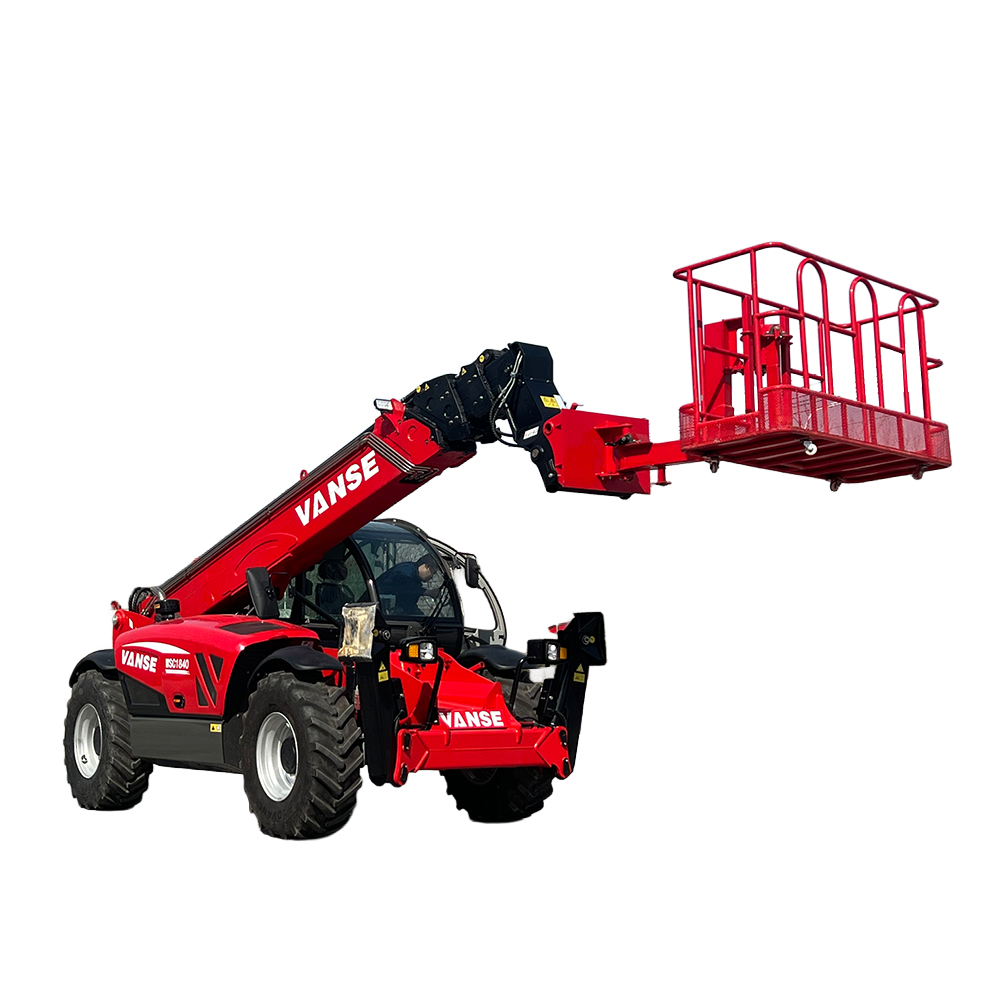
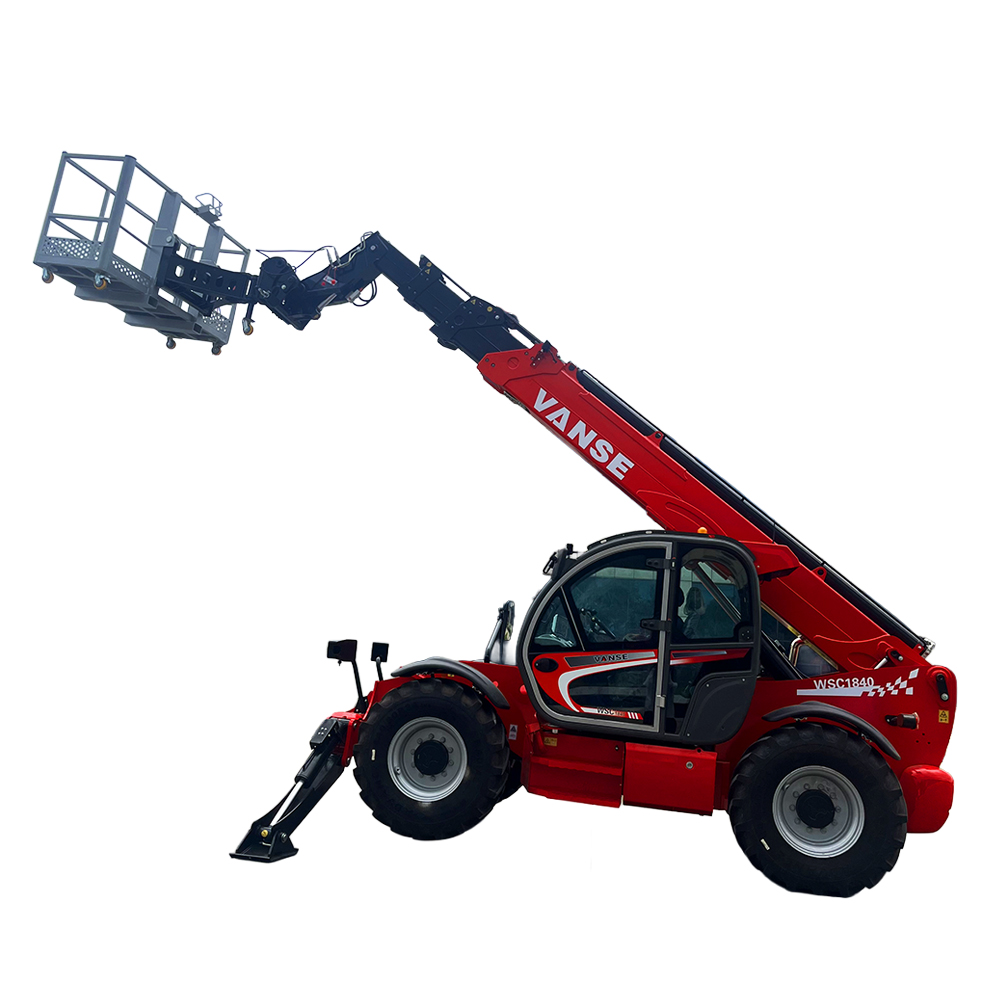
Not all telehandlers in the United States are used the same way. Compact units used in urban construction or inside tighter industrial yards may face repeated directional changes, while high-lift machines handling framing packages or structural materials face greater scrutiny around boom extension, stability, and load chart use. Rotating telehandlers add another layer of inspection around turret function and stabilization systems. Agricultural telehandlers often see contamination from feed, silage, mud, and corrosive residue, making cleanliness and hose condition especially important.
| Telehandler Type | Typical Capacity Range | Main U.S. Use Case | Inspection Focus | Operator Concern |
|---|---|---|---|---|
| Compact telehandler | 5,000 to 6,600 lb | Urban construction, landscaping, yard work | Tight steering response, tire wear, attachment security | Maneuvering in narrow spaces |
| Mid-size construction telehandler | 6,600 to 10,000 lb | Commercial builds, framing, masonry | Fork wear, boom condition, brake function | Daily material placement at height |
| High-reach telehandler | 10,000 lb and above | Large commercial and industrial sites | Load chart visibility, boom extension, stabilizers | Maintaining stability at reach |
| Rotating telehandler | Varies by model | Complex urban or vertical projects | Rotation system, outriggers, control interlocks | Multi-function operation and setup |
| Agricultural telehandler | Varies by task | Feed, bale, grain, livestock facilities | Cooling package cleanliness, couplers, contamination points | Mixed indoor and outdoor duty cycles |
| Rental fleet telehandler | Mixed | Short-term contractor use | Turnover inspection, decals, operator aids, service records | Unknown prior use conditions |
This comparison helps buyers and fleet supervisors identify which inspection items deserve the most attention based on application. For example, a rental fleet manager in Atlanta or Phoenix may prioritize standardization and turnover speed, while an agricultural user in Iowa or Nebraska may focus more on debris buildup and hydraulic coupler wear.
Buying Advice for U.S. Fleets and Contractors
If you are purchasing a telehandler for use in the United States, daily inspection should influence the buying decision. Machines that are easier to inspect are easier to operate safely and cheaper to maintain over time. Look for good service access, clear load charts, visible sight lines, accessible grease points, common filters, strong parts availability, and a dealer or supplier that can support both emergency service and planned maintenance.
Also compare how easy the machine is to integrate into your compliance workflow. Some fleets now use digital inspection forms that can be completed on phones or tablets. A machine with clear fault display logic and easy-to-identify component layouts reduces operator error during inspection. This matters in mixed fleets where workers may move between brands.
For users buying through rental-to-purchase programs or secondary-market channels, ask for service logs, boom wear history, attachment records, and tire replacement history. A lower purchase price can disappear quickly if the unit enters service with hidden hydraulic or structural issues. In port-proximate markets such as Houston, Savannah, Newark, and Long Beach, imported machines can offer good value, but only when backed by real support and documented quality control.
Industry Demand in the United States
Demand for telehandlers in the United States is not spread evenly across industries. Construction leads, but agriculture, logistics support, industrial maintenance, and energy also represent meaningful segments. Understanding demand by sector helps suppliers and buyers decide which inspection protocols and machine specifications are most relevant.
The bar chart shows that construction and rental fleets remain the biggest demand drivers, while agriculture and industrial sectors continue to provide steady utilization. This matters for inspection because rental and construction machines often see the hardest turnover schedules, while agricultural units face higher contamination exposure.
Applications Where Daily Inspection Is Most Critical
Some telehandler applications in the United States are especially sensitive to inspection quality. Roof truss handling, elevated pallet placement, suspended load work with approved lifting attachments, material delivery to upper floors, and movement of bundled framing packages all require the machine to operate near load chart limits or in congested environments. In these use cases, small defects have outsized consequences.
Inspection is also critical in manufacturing campuses, paper mills, refineries, and energy sites where telehandlers may operate near other assets, process lines, or shutdown crews. A brake issue or steering lag that might be inconvenient in a wide open yard can become unacceptable in a plant access corridor. That is why many U.S. industrial users align telehandler checks with the same rigor applied to forklifts, cranes, and mobile elevated work equipment.
Inspection Trend Shift Through 2026
The inspection process itself is changing. More fleets are moving from paper forms to digital records, and more telehandlers are being equipped with improved diagnostics, telematics, and operator prompts. Future U.S. trends will likely combine stricter documentation, better visibility into machine fault history, and closer integration between field inspections and maintenance scheduling.
The area chart illustrates a realistic trend shift toward digital daily inspections and integrated fleet reporting. By 2026, this shift is likely to accelerate because contractors, rental companies, and institutional buyers increasingly want better records, faster service decisions, and stronger compliance visibility across multiple jobsites.
Case Studies from Typical U.S. Operating Environments
On a commercial building project in Dallas, a contractor avoided a major delay because the morning telehandler inspection found a hydraulic hose rubbing at the boom extension path. The machine was removed from service before failure, the hose was replaced, and the crew used a backup unit for the day. Had the hose failed while placing palletized brick on an upper deck, cleanup, downtime, and safety exposure would have been far greater than the cost of the repair.
In Central California agriculture, a farm fleet used a simplified daily inspection card focused on tires, couplers, cooling pack condition, and brake hold performance. This reduced in-season failures because the operators were checking the most vulnerable systems for their environment rather than treating all items as equally likely.
At a distribution-related construction site near Savannah, a rental telehandler arrived with an unreadable load chart and a backup alarm that intermittently failed. The site supervisor rejected the machine on delivery. That decision prevented a compliance issue and forced the rental provider to tighten its delivery inspection standard. These examples show that the daily inspection is not just operational; it is commercial leverage for the equipment user.
Local Suppliers and Major Brands Serving the United States
The U.S. market is served by a mix of domestic and international brands with established dealer or rental support. The table below compares widely recognized names relevant to telehandler buyers and fleet users. Service region, product focus, and support structure all affect how easy it is to keep up with daily inspection and maintenance requirements.
| Company | Primary U.S. Service Region | Core Strength | Key Offerings | Why It Matters for Daily Inspection |
|---|---|---|---|---|
| JLG | Nationwide through dealers and fleet channels | Strong construction equipment presence and broad model range | Construction telehandlers, parts support, training resources | Common fleet presence makes inspection training easier |
| Genie | Nationwide with established equipment network | Well-known access and material handling brand | Rough-terrain telehandlers, support materials, service network | Familiarity helps mixed-fleet operators perform consistent checks |
| JCB | Broad U.S. coverage with dealer footprint | Strong telehandler brand recognition | Agricultural and construction telehandlers, parts and service | Useful for buyers needing both ag and construction support |
| Caterpillar | Nationwide via dealer network | Dealer reach and service infrastructure | Telehandlers, rental support, maintenance access | Dealer depth supports fast correction of inspection findings |
| United Rentals | Nationwide rental branches | Short-term availability and fleet access | Rental telehandlers, field service, replacement options | Important where machine substitution is needed after failed inspection |
| Sunbelt Rentals | Nationwide with strong metro and regional branch coverage | Rental fleet scale and jobsite responsiveness | Telehandler rentals, service support, fleet rotation | Useful for contractors needing uptime after defects are found |
| Bobcat | Broad dealer coverage in many U.S. states | Compact equipment customer base and accessible support | Compact telehandlers, service parts, attachments | Relevant for smaller sites and compact material handling tasks |
This table gives a practical view of supplier landscape rather than abstract brand lists. For U.S. users, the best supplier is rarely the one with the biggest brochure. It is the one that can support inspection-driven maintenance, supply parts quickly, and provide training or replacement options when a machine is tagged out.
Supplier and Product Comparison Factors
When comparing suppliers in the United States, buyers should look beyond sticker price. Daily inspection outcomes are influenced by machine accessibility, parts lead times, attachment support, local technicians, and whether the supplier understands the operating environment. A contractor working in wet Gulf Coast conditions may care more about corrosion control and rapid field service, while a high-desert rental fleet may prioritize dust sealing and cooling system access.
The comparison chart shows a realistic balance in the U.S. market: established domestic networks usually lead in immediate coverage and parts depth, while qualified international suppliers often compete strongly on cost efficiency and increasingly close the gap when they build local inventory and support channels.
Our Company in the U.S. Market
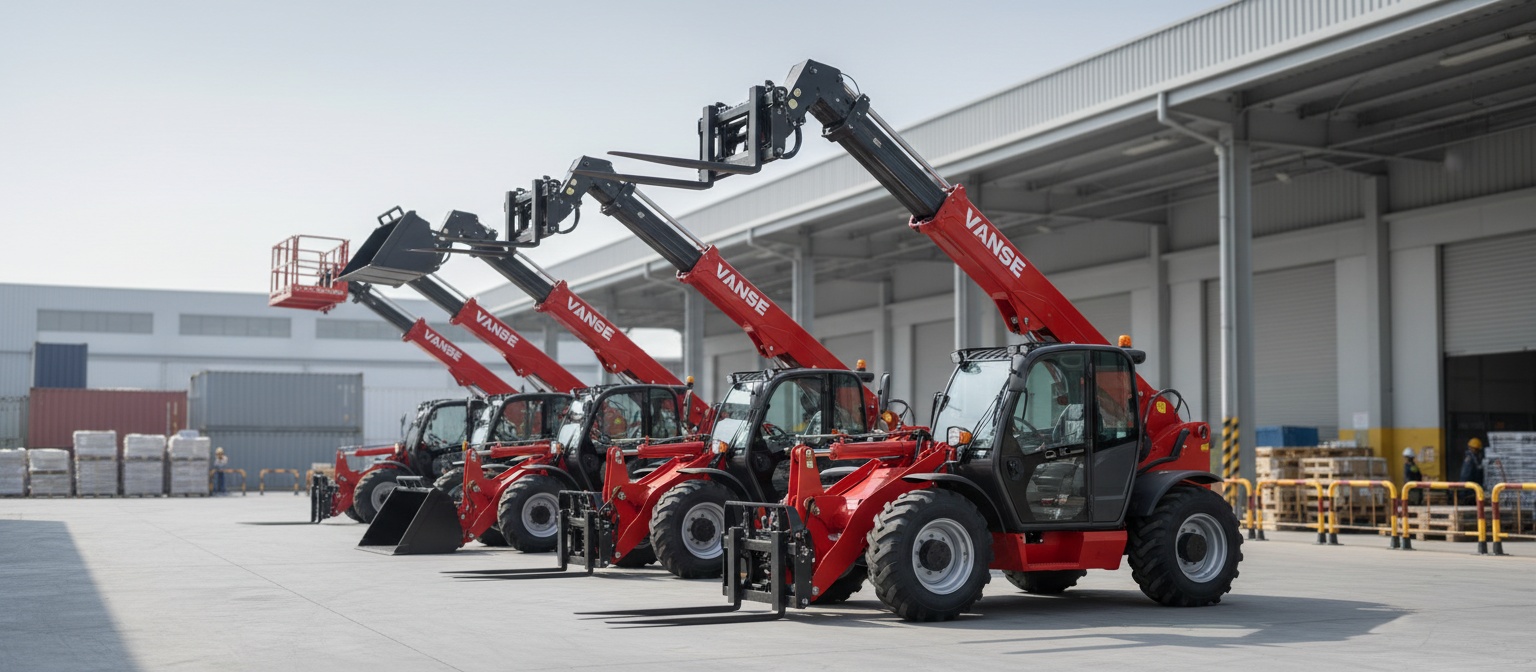
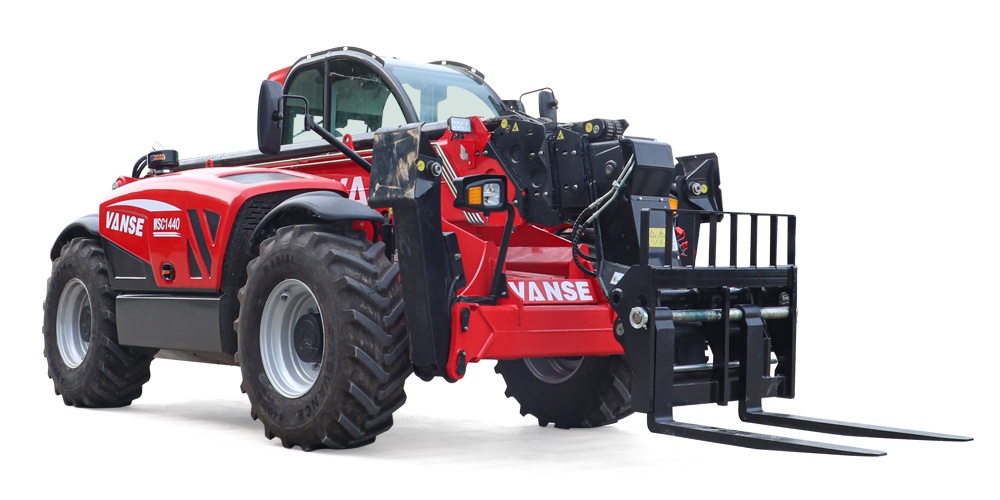
For buyers evaluating alternatives beyond legacy brands, VANSE Group presents a practical option for the United States telehandler market because its machines are built under CE and ISO 9001 certified processes, use globally recognized core components such as Perkins and Cummins engines together with premium hydraulic, transmission, and axle systems, and every unit undergoes load testing, safety inspection, and performance validation before shipment, giving U.S. customers concrete evidence of manufacturing discipline rather than generic quality claims. The company’s experience includes more than a decade in construction machinery, cumulative output exceeding 8,000 units, exports to over 40 countries, and a broad telehandler-centered portfolio shown through its equipment range, which supports end users, distributors, dealers, rental companies, brand owners, and even smaller-volume buyers through OEM, ODM, wholesale, retail, and regional partnership models rather than a one-size-fits-all sales approach. Just as important for trust in the United States, VANSE is actively establishing a U.S.-based subsidiary with local inventory, stocking, and after-sales capability, complementing its existing consultation, technical support, and service structure described on its service page; that means American buyers are working with a supplier investing in physical market presence, responsive online and offline support, and long-term coverage for parts, maintenance, and application guidance rather than operating only as a remote exporter.
Companies exploring partnership opportunities can learn more through the company background or reach the team directly via the U.S. inquiry contact page. For fleets that need a cost-effective telehandler program with documented manufacturing standards and growing local support, that combination is increasingly relevant in the U.S. market.
How to Choose a Telehandler Supplier for Better Inspection Compliance
The easiest machine to inspect is usually the easiest machine to own. Ask suppliers to show daily service points in person or on video. Request sample inspection sheets, operator manuals, load chart examples, and parts support policies. If the supplier cannot clearly explain how operators should inspect the machine before each shift, that is a warning sign.
Also ask how quickly the supplier can support common failure items such as hoses, filters, sensors, brake components, tire replacements, fork replacements, and attachment parts. In the United States, where project schedules are tight and labor costs are high, inspection compliance only works if correction paths are fast. A machine that fails inspection but sits waiting weeks for parts can quietly become a productivity trap.
2026 Trends: Technology, Policy, and Sustainability
By 2026, telehandler daily inspection in the United States will likely be shaped by three forces. The first is technology. Telematics, fault-code reporting, machine utilization dashboards, and electronic checklists will become more common, especially in rental and large contractor fleets. These tools will not replace the walk-around, but they will make it easier to track repeated defects and improve preventive maintenance.
The second force is policy and documentation pressure. More owners, general contractors, and industrial sites are requiring traceable equipment inspection records before site entry. Even when regulations do not prescribe one exact digital system, market practice is moving toward stronger documentation, supervisor visibility, and standardized operator signoff.
The third force is sustainability and lifecycle efficiency. Buyers increasingly care about fuel efficiency, emissions compliance, long-life components, rebuildability, and reduced waste from avoidable failures. Daily inspection supports sustainability because catching a small leak early prevents oil loss, contamination, and expensive component replacement later. In other words, safe inspection is also an efficiency strategy.
FAQ
How often should a telehandler be inspected?
It should be inspected before each shift or daily before operation, and more often if usage is shared across crews or conditions are unusually harsh.
What is the most important part of a telehandler daily inspection?
There is no single item, but forks or attachments, tires, hydraulics, brakes, steering, and safety warning systems are the most critical areas because failures there can immediately affect load control and machine stability.
Can a telehandler be used if only a small hydraulic leak is found?
No. Even a small leak can worsen under pressure and create loss of function, slip hazards, fire risk, or contamination. The machine should be reported and evaluated before use.
Should rental telehandlers be inspected differently?
They should follow the same safety logic, but users should pay extra attention to decals, load charts, backup alarms, attachment fit, and signs of prior misuse because the machine may have had multiple operators.
Is documentation really necessary for daily checks?
Yes. In the United States, written or digital records help demonstrate compliance, support maintenance planning, and protect employers and operators if an incident occurs.
Are imported telehandlers suitable for the U.S. market?
Yes, if they meet recognized quality and certification expectations, use trusted components, and are backed by local inventory, technical support, and after-sales service. Value is strongest when support is real, not only promised.
What should a buyer ask a supplier before purchasing?
Ask about parts availability, local service response time, inspection procedure support, operator manuals, load chart compliance, attachment compatibility, warranty structure, and whether the supplier has a U.S. service plan.
Final Takeaway
A telehandler daily inspection in the United States is a practical risk-control routine that protects workers, equipment, schedules, and margins. The best approach is systematic: inspect the machine before startup, test all critical functions, document the result, and remove the unit from service if a safety-related defect appears. For contractors, farms, plants, ports, and rental fleets from Houston to Chicago and from Savannah to Los Angeles, this habit is one of the simplest ways to prevent expensive failures and unsafe lifts. When choosing equipment or suppliers, prioritize machines and partners that make daily inspection easy, fast, well-supported, and fully documented.
Complete Telescopic Handler Equipment Portfolio
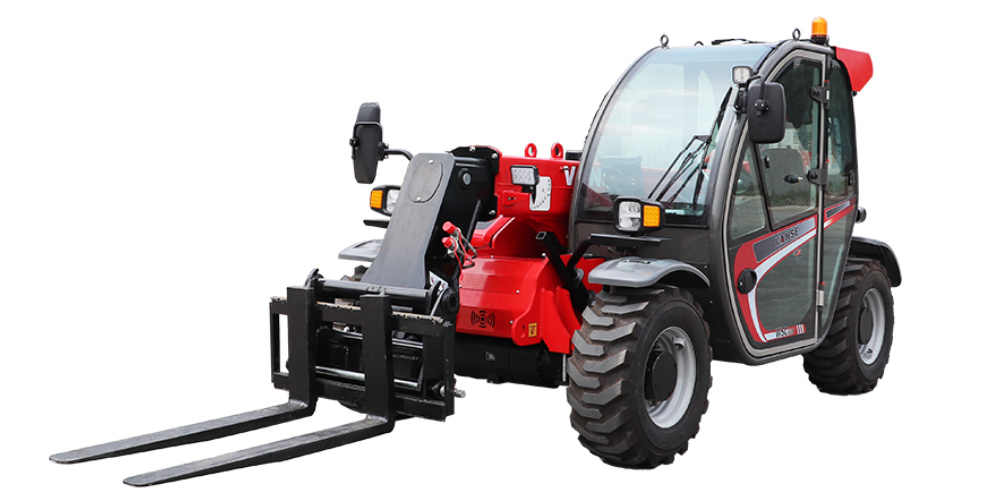
VANSE 625 6m Telescopic Handler
Designed for efficient material handling and stacking in warehouses, factories, and confined job sites, offering compact maneuverability and reliable performance.

VANSE 735 7m Telescopic Handler
A balanced mid-duty solution for construction, agriculture, logistics, and warehousing, combining stable lifting, strong traction, and everyday versatility.


About the Author:
The VANSE team is a group of experienced professionals specializing in construction machinery research, manufacturing, and technical support. With deep industry knowledge and hands-on experience, our engineers and product specialists share practical insights on equipment selection, operation, maintenance, and industry trends.
Share

You May Also Interest
-

1 October, 2026
Diesel vs Electric Telehandler: Power Source Comparison
Compare diesel vs electric telehandler options in the United States with costs, jobsite fit, suppliers, market trends, and practical buying advice.
-

29 September, 2026
Telehandler for Solar Panel Installation on Large Sites
Explore telehandler solar installation solutions in the United States, including suppliers, machine types, buying tips, and service options for large solar sites.
-

28 September, 2026
8 Ton Telehandler: Maximum Power for Demanding Projects
Explore 8 ton telehandler options for United States buyers, including suppliers, specs, use cases, service factors, and smart purchasing guidance.
-
25 September, 2026
Telehandler Operating Weight: How Machine Weight Matters
Learn how telehandler operating weight affects transport, stability, and jobsite use in the United States with practical buying guidance and supplier insights.