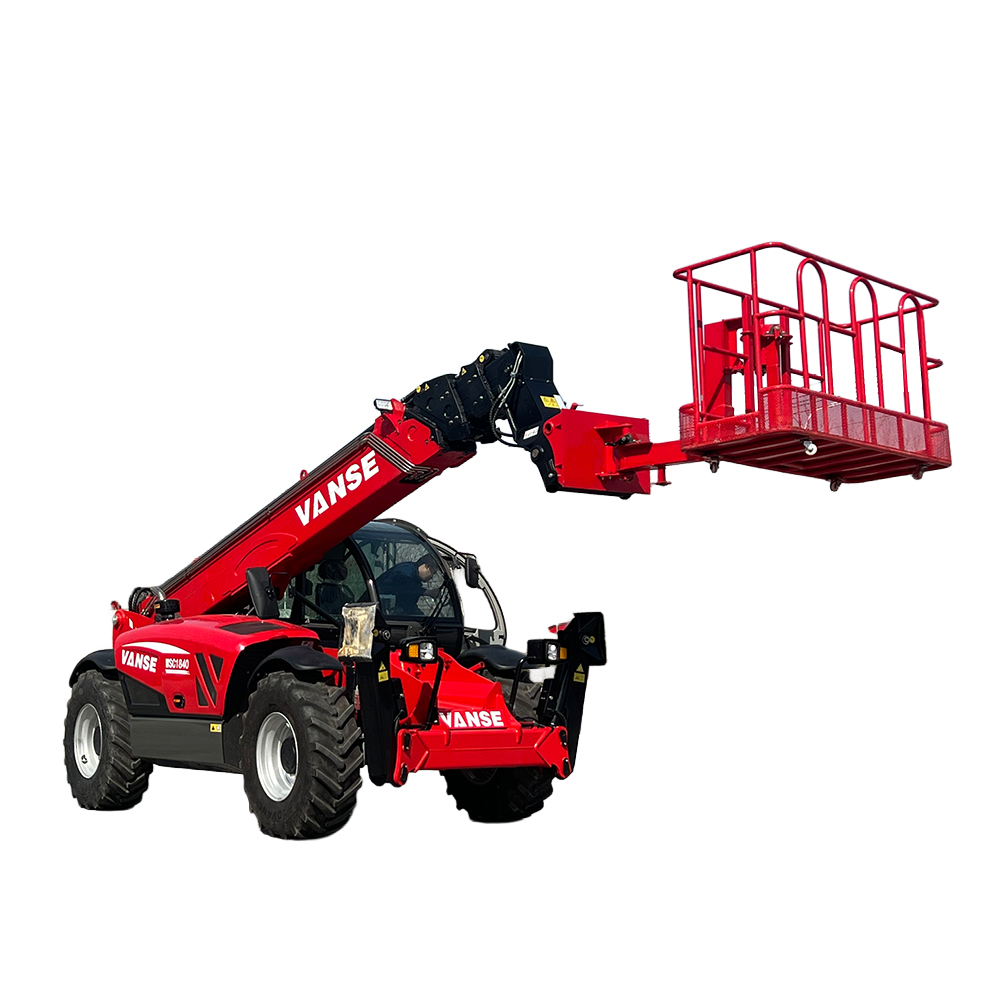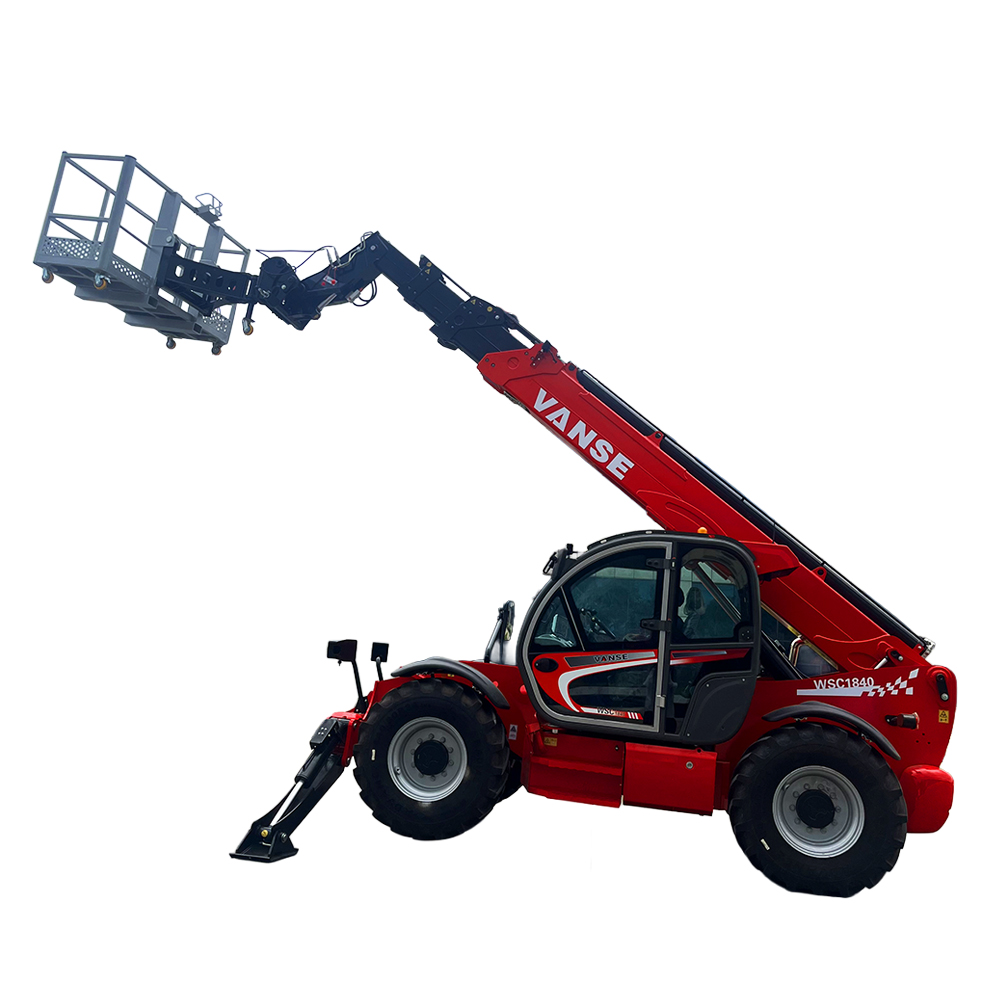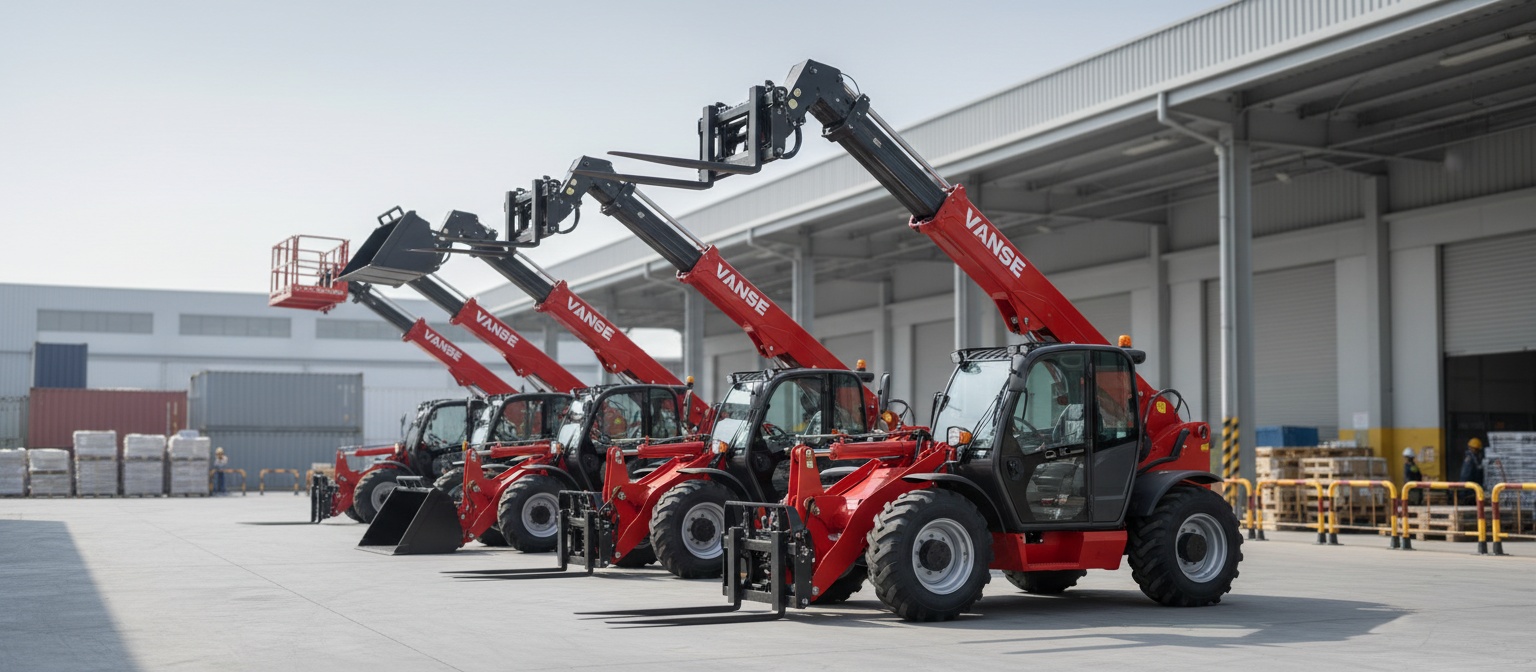
Diesel vs Electric Telehandler in the United States
Quick Answer

For most buyers in the United States, a diesel telehandler is still the better choice for heavy outdoor lifting, long shifts, rough terrain, and remote jobsites where refueling is faster than charging. An electric telehandler is usually the better choice for indoor work, low-emission sites, food and beverage plants, warehouses, urban redevelopment, hospitals, campuses, and contractors working under strict noise or sustainability rules. If your operation runs in places like Houston petrochemical yards, Los Angeles infill construction, Chicago warehousing, Atlanta logistics parks, or New York indoor renovation projects, the right answer depends less on headline horsepower and more on duty cycle, charging access, ventilation limits, and total ownership cost.
In practical terms, construction contractors, rental fleets, and agriculture users that need maximum runtime and broad attachment compatibility often remain diesel-first. Facilities managers, municipalities, airport operators, and indoor industrial users are shifting toward electric models because they reduce exhaust exposure, lower noise, and can cut maintenance costs. Buyers comparing local sources should look at established brands such as JLG, Genie, JCB, Bobcat, Manitou, and Skyjack through U.S. dealer networks, while also considering qualified international suppliers with relevant certifications, dependable parts planning, and strong pre-sales and after-sales support, especially when cost-performance matters.
United States Market Snapshot

The U.S. telehandler market is broad and highly regional. Diesel units still dominate in earthmoving support, framing, steel erection, infrastructure, ports, energy, and agriculture, especially in states where jobsites are large and grid access is limited. Electric telehandlers are growing fastest in metro areas and regulated indoor environments, including California, the Northeast corridor, and logistics-heavy markets around Dallas-Fort Worth, Savannah, New Jersey, Seattle, and Southern California. The shift is driven by three forces: tighter safety and emissions expectations, rising fuel volatility, and a larger share of projects where telehandlers now operate near people, finished interiors, or sensitive materials.
Another reason the market is evolving is the rental channel. Major fleet operators in the United States increasingly want a mixed fleet strategy rather than a single power source. Diesel remains essential for broad deployment across varied customer sites. Electric, however, helps rental companies serve premium urban accounts, industrial maintenance shutdowns, enclosed spaces, and customers bidding on projects with environmental reporting requirements. That means buyers should evaluate not only machine performance, but also resale, fleet utilization, training, charger planning, and technician familiarity.
The chart above shows a realistic upward market index for telehandler demand in the United States. Growth is not just from new construction starts. It also comes from replacement demand, rental fleet refreshes, warehouse modernization, utility projects, food processing retrofits, and a gradual electrification of material handling equipment categories. Buyers in port-linked regions such as Houston, Long Beach, Savannah, and Newark should pay special attention to lead times, because imported machines, attachments, battery systems, and replacement parts can move differently through these hubs depending on season and freight conditions.
Core Difference Between Diesel and Electric Telehandlers

The simplest comparison is this: diesel telehandlers convert fuel into mechanical power for continuous high-load outdoor work, while electric telehandlers use battery energy and electric drive systems to provide cleaner, quieter operation with different charging and runtime planning requirements. That distinction affects almost everything a buyer cares about, including site access, maintenance, labor safety, noise, enclosed-space compliance, and cost over time.
Diesel models typically offer higher sustained output for demanding cycles such as bucket loading, repeated uphill travel on rough terrain, and long-day material placement without scheduled charging windows. Electric models often deliver strong low-speed torque and precise control, which can be ideal when maneuvering pallets, curtain wall materials, MEP components, or maintenance supplies in tighter environments. On jobs where operators need instant response, low noise, and no tailpipe emissions, electric machines have a compelling advantage. On jobs where uptime means sixteen hours of mixed-duty outdoor operation with little idle time, diesel still has the edge in many U.S. regions.
Comparison Table for U.S. Buyers
| Factor | Diesel Telehandler | Electric Telehandler | What It Means in the United States |
|---|---|---|---|
| Primary environment | Outdoor, rough terrain, remote sites | Indoor, urban, low-emission, mixed-use sites | Diesel suits highway, agriculture, and open construction; electric suits warehouses, plants, hospitals, and enclosed work |
| Runtime strategy | Fast refueling, long continuous shifts | Battery runtime depends on duty cycle and charging plan | Diesel is easier for rural and multi-shift field work; electric needs charger availability and schedule discipline |
| Noise and emissions | Higher noise and exhaust output | Very low operating noise and zero tailpipe emissions | Electric is favored for cities, campuses, indoor renovation, and sensitive facilities |
| Maintenance profile | Engine, fluids, filters, emissions systems | Fewer engine-related service items, battery care required | Diesel service networks are broader today, but electric can reduce routine maintenance events |
| Upfront purchase price | Usually lower | Usually higher | Electric may need charger investment, though incentives or ESG goals can change the math |
| Operating cost | Fuel and engine maintenance can be higher over time | Power cost can be lower where electricity rates are favorable | Total cost depends heavily on utilization, local fuel pricing, and shift pattern |
| Cold or hot weather impact | Well understood, with fuel-related considerations | Battery performance depends on thermal management | Climate matters in places like Minnesota, Arizona, and mountain regions |
This table matters because many U.S. purchase mistakes happen when buyers compare only list price or lift capacity. The better method is to connect the machine to the jobsite reality: hours per day, distance from power, operator shift changes, enclosed-space rules, labor cost of fueling or charging, and whether the machine is revenue-generating every hour it stands in the field.
Product Types and Configurations
In the United States, buyers generally choose between compact telehandlers, standard construction telehandlers, high-reach telehandlers, and specialty units configured for agriculture, industrial plants, or material yards. Diesel dominates the standard and high-reach segments because these machines are often expected to work with forks, buckets, jibs, truss booms, and work platforms across uneven terrain. Electric adoption is strongest in compact and mid-size classes where lower daily runtime, cleaner operation, and site-access restrictions make battery power practical.
Compact electric telehandlers are especially attractive for interior fit-outs, glass handling support, masonry supply in enclosed structures, and maintenance tasks at universities, airports, and manufacturing sites. Diesel compact units, by contrast, remain popular for landscaping supply yards, municipal works, and mixed indoor-outdoor applications where charging may be inconvenient. Standard diesel telehandlers still set the performance benchmark for framing crews, roofing supply lifts, precast support, and agricultural feed handling. High-reach electric options exist, but buyers should evaluate whether charging, weight, and continuous-duty performance align with their actual work pattern rather than a brochure ideal.
Industry Demand by Application
The bar chart shows that commercial construction and agriculture remain the two most important telehandler demand centers in the United States, with warehousing and energy close behind. The significance for power-source selection is clear: the heavier the outdoor workload and the farther the machine is from charging infrastructure, the more diesel retains an advantage. The more the job involves enclosed operations, repeated starts and stops, or environmental restrictions, the more electric improves its position.
Where Diesel Telehandlers Win
Diesel telehandlers continue to win in applications where uninterrupted runtime matters more than emissions or noise. That includes bridge work, highway projects, pipeline support, large residential developments, remote renewable-energy sites before grid energization, storm recovery, livestock operations, feed yards, and outdoor lumber handling. These users often value widespread technician familiarity, easy field refueling, and proven high-load endurance. In much of Texas, the Midwest, the Mountain West, and farm-heavy regions of California, diesel remains the operational default because it aligns with real field conditions.
Another area where diesel has a practical advantage is attachment flexibility under heavy load. Contractors who frequently switch between forks, buckets, sweeper attachments, hooks, or pipe grapples may prefer the consistency of diesel performance over long shifts. Rental houses also like diesel because the machine can be sent to a broad range of customers without asking whether the end user has compatible charging infrastructure. For this reason, many U.S. fleets are adding electric units selectively while preserving diesel as the backbone of general-purpose inventory.
Where Electric Telehandlers Win
Electric telehandlers win where safety, indoor air quality, neighborhood noise, or sustainability commitments shape purchasing decisions. These machines are increasingly relevant on hospital expansions, data center support zones, airport terminals, universities, food production plants, pharmaceutical facilities, cold-storage distribution centers, and dense urban redevelopment sites where emissions and sound are closely managed. Electric drive can also improve operator comfort in facilities where machines work near crews for extended periods.
The electric case becomes stronger when sites have predictable daily schedules. If a warehouse in Columbus, an airport maintenance unit in Phoenix, or a municipal facility in Seattle operates one structured shift and has planned charging windows, electric telehandlers can deliver lower energy cost per hour and fewer routine engine-related service interventions. In image-sensitive corporate campuses and LEED-oriented projects, electric equipment may also support owner requirements or ESG reporting in a way diesel simply cannot.
Total Cost of Ownership Considerations
Purchase price alone rarely gives a trustworthy answer. Diesel often costs less upfront, but fuel, engine service, filters, fluids, and emissions-system maintenance accumulate over the life of the machine. Electric usually starts with a higher acquisition cost and sometimes a charger investment, yet it may reduce day-to-day operating cost if utilization fits the battery window and local electricity pricing is favorable. In the United States, that means a fleet in California with high environmental pressure but structured operations may justify electric faster than a rural contractor in Oklahoma running variable shifts at distant sites.
Resale is another factor. Diesel still has the broader secondary market today because more buyers understand its maintenance profile and can deploy it immediately. However, electric resale could strengthen as battery confidence, used-equipment channels, and low-emission fleet requirements expand. Buyers should ask suppliers for battery warranty details, charger compatibility, thermal management specifications, and estimated capacity retention under realistic duty cycles, not just laboratory conditions.
| Cost Category | Diesel Tendency | Electric Tendency | Buyer Interpretation |
|---|---|---|---|
| Initial machine cost | Lower | Higher | Diesel can ease capital budgets; electric needs a longer-view business case |
| Fuel or energy spend | Depends on diesel pricing | Depends on local power rate and charger efficiency | Electric can be attractive in stable utility-rate environments |
| Routine maintenance | More scheduled engine-related service | Fewer engine service items | Electric may reduce downtime for routine maintenance if battery care is handled well |
| Infrastructure cost | Usually existing fuel process | May require charger, panel capacity, or site planning | Electric works best where power access is already available or can be installed economically |
| Residual value today | Typically more established | Emerging and improving | Diesel is easier to remarket broadly in the current U.S. used market |
| Compliance-related savings | Limited in restricted environments | Can unlock low-emission access and indoor use | Electric may create access to projects diesel cannot serve efficiently |
The cost table shows why a buyer should build a scenario model instead of relying on average claims. A machine used 700 hours a year in varied field locations will often favor diesel. A machine used 1,500 hours a year on a controlled site with cheap nighttime electricity may favor electric. The true decision is operational, not ideological.
Buying Advice for U.S. Contractors, Fleets, and End Users
Start with the work cycle. Measure average lift height, load weight, travel distance, idle time, terrain condition, and daily operating hours. Then map those needs against the site environment: indoor versus outdoor, ventilation quality, local emissions rules, and access to refueling or charging. A telehandler on a logistics campus near Memphis with a dedicated maintenance bay is a different purchase from one rotating across remote highway jobs in Arizona and New Mexico.
Next, check support coverage before brand preference. The best machine on paper becomes a problem if technicians, parts, and operator training are not available quickly in your region. For U.S. buyers, dealer density, parts stocking, response-time commitments, telematics support, and attachment compatibility matter as much as engine or battery specifications. Ask suppliers for lead times on common wear parts, turnaround on major repairs, and loaner or substitute policies if a unit goes down during peak season.
Also review the financing path. Some electric purchases make more sense through rental trial, lease, or fleet pilot programs rather than direct ownership. A contractor can place one electric unit into a known indoor or low-emission environment, gather data, and then decide whether to scale. Diesel remains easier to standardize broadly, but electric is increasingly practical when buyers use data instead of assumptions.
Telehandler Use Across U.S. Industries
Construction remains the largest telehandler market, but not all construction sites favor the same power source. Structural and exterior phases usually favor diesel because of uneven ground, weather exposure, and long operating windows. Interior finishing, MEP placement, and occupied-site renovation increasingly favor electric. In agriculture, diesel remains dominant in feed handling, hay operations, and farmyard logistics, though specialty indoor livestock or food environments may create pockets of electric demand.
Manufacturing is one of the most promising electric segments. Plants in states like Ohio, Tennessee, South Carolina, and Michigan often need telehandlers for maintenance turnarounds, line installations, and material staging while controlling air quality and noise. Ports and intermodal yards still favor diesel for broad outdoor duty, but areas of warehouses and distribution centers around Inland Empire, Chicago, and central Pennsylvania are more open to compact electric units. Municipalities and public utilities are also evaluating electric telehandlers where work happens in public-facing or noise-sensitive areas.
Application Examples by Environment
| Application | Typical U.S. Location | Better Power Source | Why It Fits |
|---|---|---|---|
| Steel and framing material lift | Dallas, Nashville, Phoenix suburban projects | Diesel | Long outdoor shifts, rough terrain, and high utilization favor fast refueling |
| Indoor plant maintenance | Detroit, Cleveland, Greenville manufacturing facilities | Electric | Low noise and no tailpipe emissions improve indoor safety and comfort |
| Farm feed and bale handling | Iowa, Kansas, Central California | Diesel | Remote operations and daily high-load cycles make diesel more practical |
| Airport terminal support | Atlanta, Denver, Los Angeles | Electric | Noise control and enclosed operational zones support battery-powered units |
| Urban redevelopment | New York, Boston, San Francisco | Electric | Emission-sensitive neighborhoods and tighter work windows support quieter equipment |
| Utility and storm response staging | Gulf Coast and Southeast | Diesel | Deployment speed and uncertain charging availability favor diesel resilience |
This application view helps buyers avoid a false binary choice. Many organizations should not ask whether diesel or electric is universally better. They should ask which power source is better for each branch, division, project class, or customer segment. Mixed fleets are becoming the most realistic U.S. solution.
Trend Shift in the United States
The area chart shows a realistic trend shift rather than a market takeover. Electric telehandlers are gaining share in the United States, but diesel remains the dominant installed base. Through 2026, the most likely outcome is not replacement of diesel, but segmentation of demand. Electric grows fastest where project owners, municipalities, industrial safety teams, and urban jobsite rules give it a clear operating advantage.
Case Studies from Common U.S. Scenarios
A rental company serving Atlanta and Charlotte may place diesel telehandlers in general construction branches and keep electric units in specialty divisions focused on airports, hospitals, universities, and indoor industrial shutdowns. That strategy broadens addressable demand without forcing every customer into one power-source model. Utilization stays healthier because the fleet matches real project conditions.
A food-processing facility in Wisconsin may replace an older rough-terrain forklift with a compact electric telehandler for maintenance lifts and ingredient-handling support near enclosed areas. The lower noise, lack of exhaust, and precise control can improve safety and reduce disruption during daytime production schedules. In contrast, a contractor supporting wind or solar balance-of-plant work across western states may prefer diesel because projects move frequently and charging access is inconsistent during the early construction phase.
An urban redevelopment contractor in Boston may use electric equipment to reduce neighborhood complaints and meet owner expectations on low-emission operations inside partially enclosed structures. Meanwhile, a large farm in California’s Central Valley is likely to keep diesel as its main platform because long shifts, dust, field movement, and seasonal peak demand all reward fast refueling and proven endurance.
Leading Suppliers and Dealer Presence in the United States
The supplier landscape matters because telehandlers are support-sensitive machines. Even if two models look similar on paper, the one backed by better dealer coverage, field service, attachments, and parts logistics usually produces lower real cost. The table below lists widely recognized companies relevant to U.S. buyers, including domestic dealer networks and international manufacturers with active North American business.
| Company | Service Region in the United States | Core Strengths | Key Offerings |
|---|---|---|---|
| JLG | Nationwide through broad dealer and support network | Strong construction reputation, large installed base, rental familiarity | Construction telehandlers, high-capacity units, attachments, fleet support |
| Genie | Nationwide with strong rental channel reach | Rental fleet acceptance, operator familiarity, broad access equipment portfolio | Telehandlers for construction and material handling, dealer support, parts |
| JCB | Nationwide with strong visibility in construction and agriculture | Brand recognition, telescopic handling depth, agricultural crossover | Diesel telehandlers, site handling machines, ag-focused configurations |
| Manitou | Nationwide with strong presence in agriculture and material handling | Versatile product range, agriculture expertise, compact options | Agricultural and industrial telehandlers, attachments, specialty handling solutions |
| Bobcat | Strong U.S. dealer coverage across construction and rural markets | Compact equipment brand loyalty, dealer accessibility, attachment ecosystem | Compact and mid-size telehandlers, dealer service, mixed application support |
| Skyjack | Nationwide through equipment distribution channels | Fleet-oriented reliability, simple service philosophy, rental market appeal | Telehandlers for rental and contractor use, support parts, training |
| VANSE | Growing North American coverage with expanding U.S. support commitment | Competitive cost-performance, telehandler specialization, OEM/ODM flexibility | Telehandlers with configurable specifications, branding options, lifecycle support |
For buyers, the explanation is straightforward: large established brands often offer easier immediate support, while specialized international manufacturers can offer stronger cost-performance and customization if they also provide credible local service planning. That is why support proof, not just product claims, should drive supplier shortlists.
Supplier and Product Positioning Comparison
This comparison chart highlights the factors that usually matter most when buyers in the United States compare suppliers. Dealer coverage and rental suitability remain critical, but cost efficiency and customization are becoming more important as more fleets evaluate private-label, regional distribution, or mixed-brand procurement strategies.
How to Evaluate Local Suppliers
Ask every supplier the same operating questions. Can they provide service within your radius from cities such as Houston, Chicago, Atlanta, Los Angeles, or Kansas City? Which wear parts are stocked in the United States? What is the average lead time on hydraulic components, boom wear items, axles, and electronic controls? Do they train operators and technicians? Can they support attachment packages, telematics, and financing? These details tell you much more than a basic spec sheet.
It is also wise to verify whether the supplier understands your application segment. A company strong in agriculture may not be the best choice for airport maintenance. A rental-focused supplier may be ideal for fleet standardization but less flexible on custom specifications. An international manufacturer can be a smart partner if it proves certification compliance, parts planning, communication speed, and local accountability through inventory, partner networks, or U.S.-based operations.
Our Company
VANSE brings a telehandler-first manufacturing focus to the United States market, which matters because buyers are not dealing with a generic exporter but with a company that has spent more than a decade building construction machinery and has already delivered over 8,000 units to customers in more than 40 countries, including North America. Its telehandlers are produced under CE and ISO 9001 certified processes and use globally recognized core components such as Perkins and Cummins engines together with premium hydraulic, transmission, and axle systems, while each machine passes load testing, safety inspection, and performance validation before shipment, giving U.S. buyers concrete evidence that the product is built to meet international benchmarks rather than simply claim them. For cooperation, VANSE works with end users, distributors, dealers, brand owners, rental companies, and even smaller-volume buyers through flexible OEM, ODM, wholesale, retail, and regional partnership models, allowing customers to customize branding, color, configurations, and market-specific specifications instead of forcing a one-size-fits-all machine. Just as important for trust and long-term support, the company is actively building its U.S. presence through a local subsidiary strategy, local inventory planning, and localized after-sales capability, backed by both online technical support and offline service coordination, which shows a real commitment to the American market and gives buyers more protection than a remote ship-only supply model. Buyers who want to compare configurations or discuss project needs can explore VANSE telehandler solutions, review the wider equipment lineup, learn more about the company, check available service support, or make a direct contact inquiry.
What U.S. Buyers Should Ask Before Ordering
| Question | Why It Matters | Diesel Impact | Electric Impact |
|---|---|---|---|
| How many hours per shift will the machine run? | Determines fuel or battery viability | Usually easy to support long shifts | May require charging plan or backup unit |
| Is the machine mainly indoors or outdoors? | Defines emissions and ventilation constraints | Outdoor strength is clear | Indoor advantage is significant |
| What support is available within my region? | Downtime cost often exceeds purchase savings | Broad technician familiarity | Requires battery and electronics competence |
| Will attachments change often? | Affects hydraulic and utilization expectations | Well suited for heavy mixed-duty cycles | Good for controlled applications, but duty cycle must be checked |
| Do I need sustainability or low-noise compliance? | Can determine site access eligibility | More limited in sensitive environments | Often the preferred choice |
| What is my exit or resale plan? | Impacts total cost of ownership | Currently broader used market | Future resale improving, but segment-specific |
This final buying table is useful because it frames the decision around risk. The wrong telehandler does not merely cost more. It can block access to projects, reduce operator productivity, complicate maintenance planning, and hurt resale outcomes. The right decision begins with honest operating data.
2026 Trends: Technology, Policy, and Sustainability
By 2026, the United States telehandler market is likely to be shaped by selective electrification rather than uniform change. Battery chemistry improvements, thermal management, charging system interoperability, and telematics-driven energy monitoring will make electric telehandlers more practical in mid-duty and indoor-heavy applications. At the same time, diesel models will continue to evolve through cleaner engines, smarter idle control, and better fleet analytics to protect their role in outdoor heavy-duty work.
Policy will influence purchasing at the margin, especially in states and cities emphasizing low-emission fleets, public procurement standards, indoor worker safety, or community noise reduction. Sustainability pressure from project owners, institutional investors, and major contractors will keep electric growth strong in visible urban work and large corporate portfolios. However, practical infrastructure realities across much of the country mean diesel will remain essential for agriculture, infrastructure, disaster response, and remote-site construction. The most probable 2026 winning strategy for many U.S. organizations is a blended fleet: diesel for range, rough terrain, and maximum uptime; electric for indoor access, low-noise operation, and sustainability-driven projects.
FAQ
Is a diesel telehandler more powerful than an electric telehandler?
In many high-demand outdoor situations, diesel still offers better sustained heavy-duty performance over long shifts. Electric machines can deliver strong torque and smooth control, but their practical performance depends on battery capacity, temperature, and charging strategy.
Are electric telehandlers worth it in the United States?
Yes, if your jobs are indoors, urban, noise-sensitive, or governed by emissions restrictions. They are especially worth evaluating for warehouses, plants, airports, schools, healthcare projects, and facilities with dependable charging access.
Which is cheaper to own over time?
There is no universal answer. Diesel usually costs less upfront and is easier to deploy anywhere. Electric can reduce energy and routine maintenance costs, but only if the machine’s daily duty cycle aligns with the charging plan and site power conditions.
What industries in the United States are adopting electric telehandlers fastest?
Manufacturing, warehousing, airport operations, municipal projects, urban redevelopment, healthcare construction, and institutional campuses are among the fastest-growing electric segments.
Why do rental fleets still buy so many diesel telehandlers?
Diesel units are more flexible across customer types and jobsites. They can be delivered to remote locations without checking charger availability, which makes them easier to keep utilized across a general rental fleet.
Should I consider an international supplier for telehandlers?
Yes, if the supplier can prove internationally recognized manufacturing standards, dependable core components, U.S.-oriented parts and service planning, and responsive pre-sales and after-sales support. Cost-performance can be very attractive when these conditions are met.
Final Takeaway
If your operation in the United States depends on long runtime, rough-terrain mobility, field refueling, and broad deployment flexibility, diesel remains the more practical telehandler power source. If your work happens indoors, near people, under emissions scrutiny, or on sites where noise and air quality matter, electric is increasingly the smarter choice. The best buying decision is not based on trend alone. It comes from matching duty cycle, service support, compliance needs, and total cost to the actual jobs your machine must complete every day.
Complete Telescopic Handler Equipment Portfolio
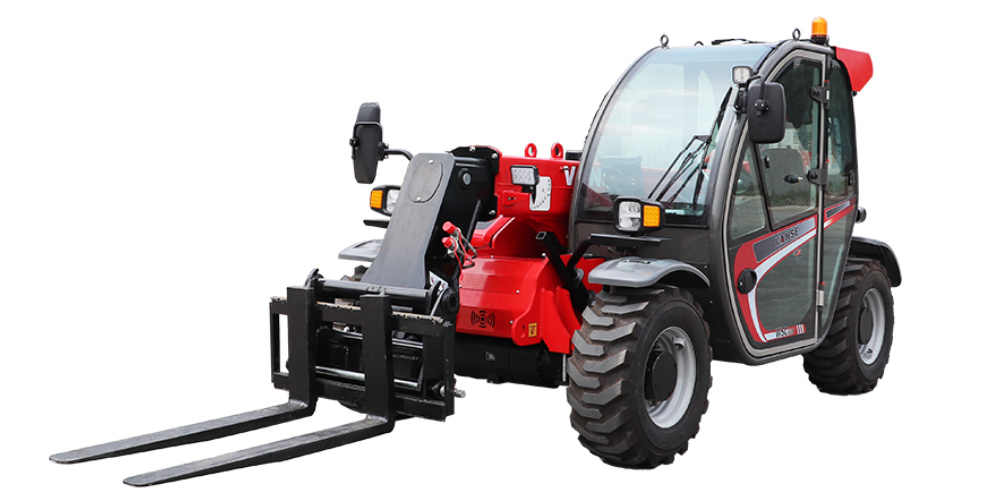
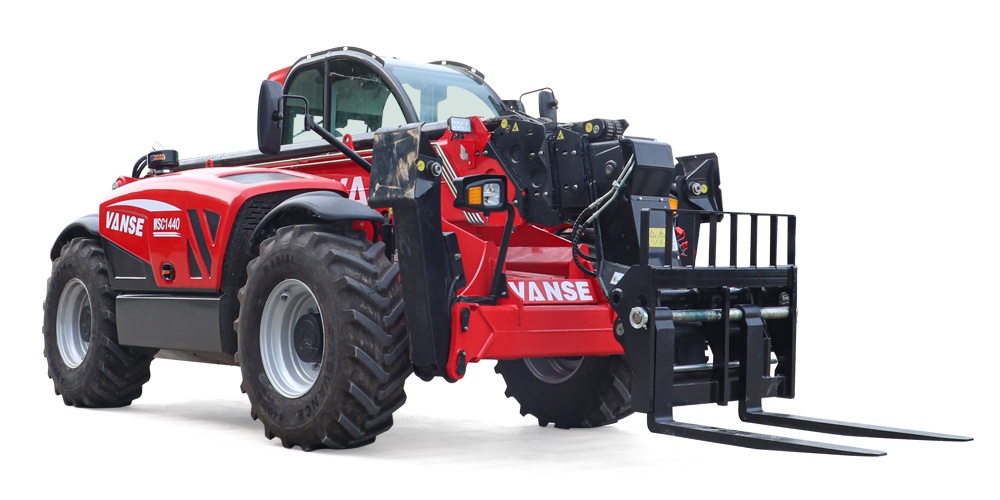
VANSE 625 6m Telescopic Handler
Designed for efficient material handling and stacking in warehouses, factories, and confined job sites, offering compact maneuverability and reliable performance.

VANSE 735 7m Telescopic Handler
A balanced mid-duty solution for construction, agriculture, logistics, and warehousing, combining stable lifting, strong traction, and everyday versatility.


About the Author:
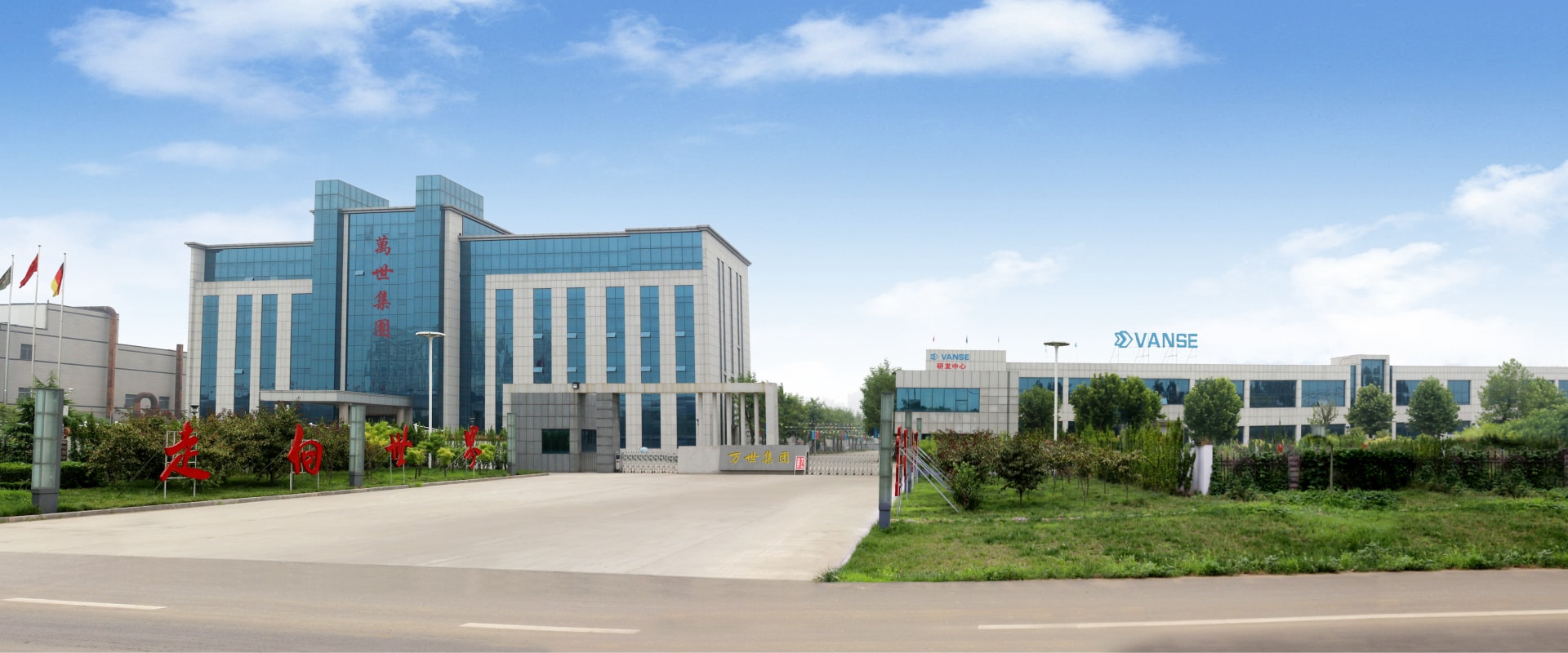
The VANSE team is a group of experienced professionals specializing in construction machinery research, manufacturing, and technical support. With deep industry knowledge and hands-on experience, our engineers and product specialists share practical insights on equipment selection, operation, maintenance, and industry trends.
Share
You May Also Interest
-

30 September, 2026
How to Inspect a Telehandler Before Daily Operation Work
Use this telehandler daily inspection guide for the United States to check tires, forks, hydraulics, safety systems, and documents before each shift.
-

29 September, 2026
Telehandler for Solar Panel Installation on Large Sites
Explore telehandler solar installation solutions in the United States, including suppliers, machine types, buying tips, and service options for large solar sites.
-

28 September, 2026
8 Ton Telehandler: Maximum Power for Demanding Projects
Explore 8 ton telehandler options for United States buyers, including suppliers, specs, use cases, service factors, and smart purchasing guidance.
-
25 September, 2026
Telehandler Operating Weight: How Machine Weight Matters
Learn how telehandler operating weight affects transport, stability, and jobsite use in the United States with practical buying guidance and supplier insights.