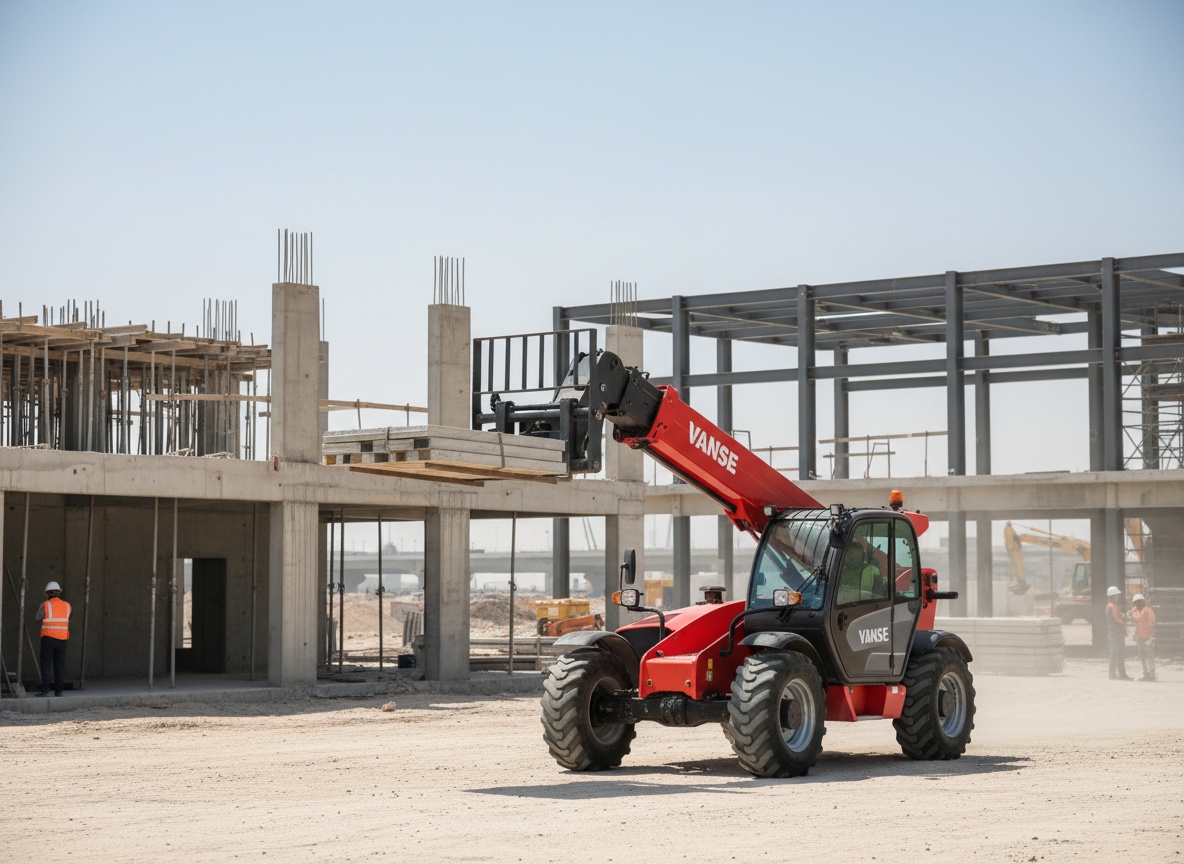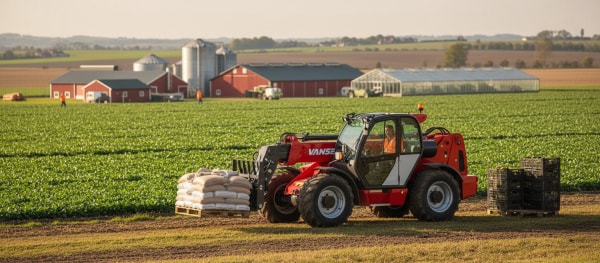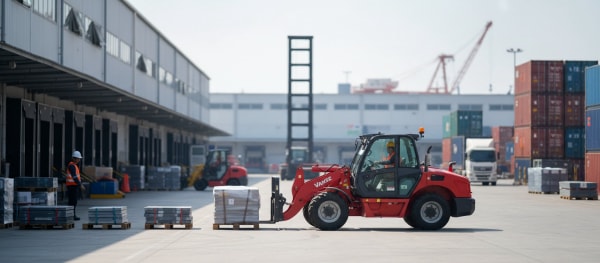
Telehandler Shipyard Solutions in the United States
Quick Answer

If you need a telehandler for shipyard operations in the United States, focus on suppliers that already serve major port and coastal industrial regions such as Houston, Savannah, Los Angeles, Long Beach, Norfolk, Mobile, and Newark. For buyers prioritizing nationwide dealer coverage, rental access, and established parts support, practical options include JLG, Genie, JCB, SkyTrak, Caterpillar dealers, and Manitou. These brands are commonly considered for lifting palletized cargo, maintenance materials, steel components, containers, bagged goods, and yard support loads in marine terminals and repair facilities.
For local and regional procurement, companies with strong dealer or rental presence near Gulf Coast, East Coast, and West Coast trade hubs are usually the safest first step because response time matters in port environments. Buyers should compare lift capacity, boom reach, corrosion protection, attachment availability, tire options, service intervals, operator visibility, and turnaround time for replacement parts. Qualified international suppliers can also be worth considering, especially when they provide recognized certifications, proven component brands, local support planning, and strong pre-sale and after-sale service in the United States, because they may offer better cost-performance for fleet buyers, dealers, and contractors.
- JLG: strong U.S. presence and fleet-friendly support
- Genie: broad rental market penetration and dealer familiarity
- JCB: popular telehandler range with multiple port-adjacent applications
- SkyTrak: common choice for straightforward material handling jobs
- Manitou: strong rough-terrain and industrial handling portfolio
United States Shipyard and Port Equipment Market

The United States shipyard and port material handling market is shaped by container throughput, naval maintenance activity, inland port expansion, infrastructure investment, and industrial redevelopment near waterfront zones. Ports such as Los Angeles, Long Beach, Houston, Savannah, New York and New Jersey, Charleston, Oakland, Seattle, Tacoma, and Norfolk continue to influence equipment demand because they combine cargo movement with repair, warehousing, and project cargo handling. In these environments, a telehandler fills a practical gap between forklifts, cranes, and wheel loaders. It reaches higher than a standard forklift, works on uneven yard surfaces better than many warehouse machines, and supports more flexible attachments than fixed lifting equipment.
Shipyards and marine terminals often use telehandlers for moving packaged supplies, steel stock, timber, pipes, rigging gear, maintenance pallets, engines, containers of tools, bagged materials, and equipment for dry dock work. They are especially useful in mixed-use yards where space changes daily and loads are not uniform. A crane may be required for very heavy or oversized marine lifts, but a telescopic handler is often the more economical answer for day-to-day cargo support, warehouse-to-quay movement, and maintenance logistics.
Demand in the United States is also influenced by labor efficiency. Shipyards increasingly want machines that can reduce the number of equipment types needed on site. A telehandler with forks, a jib, a bucket, and a work platform can support receiving, stock movement, maintenance access, and light loading functions with a single chassis. This matters in busy port operations where equipment utilization rates and yard congestion directly affect cost.
The line chart indicates a realistic upward demand pattern tied to port modernization, fleet renewal, and a broader shift toward multi-purpose yard handling equipment. Growth is not purely driven by container terminals. It also comes from ship repair yards, offshore fabrication support, naval suppliers, breakbulk facilities, steel distribution yards near ports, and inland intermodal sites linked to maritime trade.
Why Telehandlers Work Well in Shipyard Operations

A shipyard is one of the most demanding places for material handling equipment. Surfaces can be wet, muddy, sloped, broken, or obstructed. Loads may arrive on pallets, in crates, on racks, or in irregular fabricated forms. Work zones change quickly around vessels, docks, fabrication halls, storage areas, and laydown yards. A telehandler performs well here because it combines reach, mobility, and attachment flexibility in one machine.
Unlike a conventional forklift, a telehandler can place materials over obstacles, onto elevated platforms, or into narrow work areas where direct access is limited. Unlike a crane, it can move continuously through the yard without setup time for routine logistics. For marine contractors, this translates into lower waiting time, less dependence on multiple specialist machines, and smoother crew coordination.
Another advantage is visibility and maneuverability. Modern telehandlers are designed with improved cabs, better boom geometry, and safer load charts. In ports where operators handle expensive cargo or work close to vessels and people, that combination helps reduce handling errors. For employers in the United States, where safety compliance and insurance costs are major operational concerns, this is not a minor benefit.
Common Telehandler Types for Ports and Marine Yards
The right machine depends on what your facility moves most often. Some shipyards need compact units for congested maintenance zones. Others need higher-capacity telehandlers for steel, pipe bundles, and project cargo support. The table below compares practical categories used in the United States.
| Telehandler Type | Typical Capacity | Typical Lift Height | Best Use in Shipyards | Advantages | Limitations |
|---|---|---|---|---|---|
| Compact telehandler | 5,000 to 6,600 lb | 15 to 20 ft | Indoor-outdoor maintenance zones, small warehouses, parts movement | Easy maneuvering, lower fuel use, simple transport | Lower lift height and less heavy-duty capacity |
| Mid-size construction telehandler | 6,000 to 10,000 lb | 36 to 55 ft | General yard logistics, pallet handling, dockside support | Versatile and widely available in U.S. rental fleets | May need corrosion upgrades for marine use |
| High-capacity telehandler | 10,000 to 15,000 lb | 44 to 56 ft | Steel stock, pipe bundles, fabrication support, heavy pallet loads | Stronger stability and broader attachment range | Higher purchase cost and larger turning radius |
| Rotating telehandler | 8,000 to 15,000 lb | 60 to 100 ft+ | Complex maintenance, elevated placement, multi-angle access jobs | Crane-like versatility, turret rotation, access platform compatibility | Higher training needs and more expensive maintenance |
| Industrial telehandler with specialized forks | 6,000 to 12,000 lb | 30 to 50 ft | Repetitive cargo support and warehouse-to-yard transfer | Good for attachment customization and repetitive handling cycles | Not ideal for oversized or extreme-height marine tasks |
| Heavy-duty telehandler with jib attachment | 10,000 to 15,000 lb | 40 to 56 ft | Machinery installation, repair support, rigging assistance | Improves utility for maintenance and assembly work | Requires careful load chart management |
This comparison shows that there is no single best telehandler for every port. Compact machines fit parts and maintenance tasks, while mid-size and high-capacity units cover most open-yard jobs. Rotating models can replace part of the workload typically handled by small cranes or access equipment, but they require a stronger business case because of their cost and training demands.
Industry Demand Across U.S. Marine and Port Segments
Different sectors inside the maritime economy use telehandlers in different ways. Repair yards and fabrication contractors often prioritize reach and attachment versatility. Container support yards need fast repetitive movement of supplies. Breakbulk and project cargo operations need adaptability for unusual loads. The bar chart below illustrates typical relative demand patterns.
The chart highlights why marine buyers often look beyond pure construction telehandler marketing. The strongest demand comes from sectors where the machine must adapt to irregular tasks, frequent layout changes, and mixed loads. In practice, this means selecting a machine with the right combination of lift chart, hydraulic performance, quick attachment change, and dealer response.
Applications in U.S. Ports and Shipyards
In Los Angeles and Long Beach, telehandlers are used in terminal support yards, maintenance depots, and industrial zones tied to port logistics rather than core container crane operations alone. Around Houston, they are common in project cargo yards, offshore support facilities, steel handling, and petro-marine service areas. In Savannah and Charleston, growing logistics footprints create demand for versatile machines that can move inbound materials between staging points, warehouses, and quayside work areas.
In Norfolk and Newport News, telehandlers support ship repair, naval supply activity, fabrication work, and general marine maintenance. On the Gulf Coast, especially around Mobile and New Orleans, they often appear in bulk material environments, repair contractors, timber-related marine logistics, and heavy industrial support near the port. On the East Coast, facilities around Newark and Elizabeth also rely on this equipment for secondary cargo movement, warehouse support, and maintenance activity adjacent to marine terminals.
Typical applications include unloading bundled steel, moving pipe sections, placing maintenance platforms, lifting machinery parts, handling generators and compressors, moving palletized marine consumables, shifting welding supplies, feeding fabrication lines, and loading materials into elevated deck or dockside positions. When fitted with jibs or hooks, telehandlers can also assist with repair work where precise positioning is needed but a full mobile crane would be excessive.
Top U.S. Suppliers and Brands for Shipyard Telehandlers
The supplier landscape in the United States includes manufacturers, major dealer networks, and rental-focused brands. The table below offers a practical overview for shipyard and port buyers. Service regions and strengths vary, so local dealer support should always be validated before purchase.
| Company | Primary Service Regions | Core Strengths | Key Offerings | Best Fit | Buyer Notes |
|---|---|---|---|---|---|
| JLG Industries | Nationwide, strong dealer and rental coverage | Fleet support, parts access, telehandler specialization | Standard and high-capacity telehandlers, fleet solutions | Large contractors and multi-site operators | Often preferred where uptime and resale matter |
| Genie | Nationwide through dealer and rental channels | Strong market familiarity, rental penetration | Construction and industrial telehandlers | Rental-heavy users and general port operations | Easy to source in many metro and port markets |
| JCB | Nationwide with strong presence in industrial states | Broad range, operator comfort, recognized telehandler heritage | Compact to high-reach models | Mixed shipyard and industrial handling | Check local marine-environment customization options |
| SkyTrak | Broad U.S. coverage via dealers and rental companies | Simplicity, commonality, service familiarity | Popular mid-size telehandlers | Routine material movement and contractor use | Useful where standardized fleet maintenance is important |
| Manitou | Strong in industrial and specialty applications across the U.S. | Rough-terrain capability, rotating models, attachment range | Fixed and rotating telehandlers | Advanced marine and maintenance applications | Good option for buyers needing more than basic pallet handling |
| Caterpillar dealers | Regional dealer networks across major industrial corridors | Dealer strength, service infrastructure, heavy equipment integration | Telehandler access through dealer channels and related support | Buyers wanting one supplier relationship for multiple machines | Support quality depends on specific local dealer branch |
This supplier table is useful because buying a telehandler for a shipyard is rarely just about machine specifications. Parts availability, field service response, and familiarity of local technicians are equally important. In port environments, every day of downtime affects labor scheduling and cargo flow, so practical support often decides the best supplier more than brochure capacity alone.
How Product Trends Are Shifting
The market is moving away from basic lift-only purchasing decisions and toward total operating value. Buyers in the United States are paying more attention to emissions compliance, attachment flexibility, telematics, corrosion resistance, operator aids, and lifecycle support. This trend shift is especially visible in ports where machine utilization is high and environmental scrutiny is growing.
The area chart reflects a realistic increase in demand for advanced specifications rather than only raw capacity. In marine service, anti-corrosion coatings, sealed electrical systems, and easier maintenance access are becoming more influential because port equipment is exposed to moisture, salt, abrasion, and variable operating cycles. Buyers are also more willing to pay for diagnostic visibility if it reduces unplanned downtime.
Buying Advice for U.S. Shipyard Operators
When selecting a telehandler for shipyard operations, buyers should first define the real duty cycle. Many mistakes come from purchasing based on maximum lift height alone. A machine that looks economical on paper may underperform if the actual job involves long horizontal reach, frequent attachment changes, or uneven surfaces near dry docks and quays. The most important step is mapping the most common load types and lift points on site.
Ask whether the machine will mainly move pallets, place materials onto elevated structures, support repair crews, or handle long and awkward steel sections. If the answer includes multiple roles, attachment compatibility becomes a critical buying factor. Common shipyard attachments include pallet forks, truss booms, lifting jibs, winches, buckets, sweepers, and work platforms where regulations permit.
Corrosion resistance is another major consideration in the United States coastal market. Standard construction telehandlers may require additional protection for use near saltwater. Buyers should ask about paint systems, hose routing, electrical sealing, radiator protection, and undercarriage exposure. Maintenance accessibility also matters. A machine that is hard to inspect or service will cost more in labor over time.
Finally, evaluate support in terms of measurable response. Ask dealers how quickly they can supply hydraulic hoses, filters, wear items, glass, tires, and boom components. Ask whether mobile technicians can reach the yard quickly. Ask whether operator training is available locally. These practical questions matter more than broad promises.
Evaluation Checklist for Procurement Teams
| Evaluation Factor | Why It Matters in Shipyards | What to Ask the Supplier | Preferred Answer | Risk If Ignored | Who Should Review |
|---|---|---|---|---|---|
| Lift chart under forward reach | Shipyard tasks often require extended placement, not just vertical lift | What capacity remains at common working reach? | Supplier provides full load chart for real applications | Unsafe selection or under-capacity machine | Operations and safety teams |
| Corrosion protection | Salt, moisture, and grime accelerate wear | What marine-use protections are standard or optional? | Coating, sealed connectors, protected hydraulics | Faster deterioration and higher repair cost | Maintenance manager |
| Attachment ecosystem | Multi-role use improves utilization | Which approved attachments are available now? | Forks, jib, bucket, work platform, specialty options | Need for extra machines on site | Operations manager |
| Parts lead time | Downtime disrupts cargo and labor planning | Which parts are stocked locally? | Common service and wear parts in regional inventory | Extended idle periods | Procurement and maintenance |
| Operator visibility and safety aids | Tight marine sites increase collision risk | What camera, lighting, and stability systems are included? | Clear visibility package and stability support | Higher safety incidents | Safety officer |
| Dealer field support | Ports cannot wait long for service | Can technicians respond on-site within agreed time? | Defined response window and service plan | Operational delays and overtime cost | Site management |
This table turns buying advice into an actionable procurement tool. It is especially useful for fleet managers and shipyard procurement teams that need cross-functional signoff from operations, maintenance, safety, and finance before placing an order.
Industries That Benefit Most
Beyond core shipyards, telehandlers are valuable across many marine-linked industries in the United States. Offshore service companies use them to move tools, pumps, hoses, and project modules. Steel distributors near ports use them for loading and staging. Bulk terminals use them for support tasks around conveyors, packaging, and maintenance materials. Naval and defense contractors use them for base logistics and repair support where adaptable lifting equipment is required.
Intermodal logistics operations near inland ports also benefit, especially where cargo support materials must move between uneven outdoor yards and warehouse entries. Energy and petrochemical facilities near Gulf Coast ports often use telehandlers for turnarounds, construction support, and materials movement in mixed industrial settings. This wider industrial relevance helps explain why telehandler demand remains stable even when one cargo segment softens.
Case Studies from U.S. Port-Type Environments
A Gulf Coast fabrication yard handling offshore steel packages replaced part of its loader-and-forklift workflow with two high-capacity telehandlers. The result was faster placement of steel bundles into cutting and welding zones, reduced fuel consumption in light-duty material moves, and fewer congestion points around staging areas. The key reason was reach: operators could place material deeper into racks and over temporary obstacles without repeated repositioning.
An East Coast ship repair contractor added a telehandler with jib attachment to support dry dock maintenance. The machine handled pallets of consumables, delivered components to elevated access decks, and assisted with repair positioning tasks that previously required a small crane or manual coordination. This improved scheduling flexibility because the machine could change roles during the same shift.
At a Southern port warehouse complex, a mid-size telehandler was used to move bagged goods, generators, crate loads, and maintenance stock between loading zones and yard storage. The operator reported a significant advantage over a standard forklift because the telehandler could approach uneven outdoor surfaces and place loads into higher staging positions before vessel loading windows.
Comparing Supplier Priorities for Port Buyers
When comparing suppliers, port buyers usually balance four priorities: service reach, machine versatility, marine suitability, and price-performance. The following chart illustrates a realistic relative comparison among common brand options for shipyard-oriented selection discussions.
The comparison chart is not a substitute for site-specific evaluation, but it reflects a common buyer pattern. Established domestic and globally recognized brands score highly because of dealer support and familiarity. However, emerging international suppliers can become very competitive where pricing, OEM flexibility, and tailored specifications matter, especially if they build local warehousing and service capability in the United States.
Local Suppliers, Dealers, and Rental Channels
In practice, many shipyard buyers source through a combination of dealer purchase and rental fleet trial. This is common in Houston, Jacksonville, Savannah, Charleston, Norfolk, and Southern California, where port-adjacent contractors often test machine fit through short-term rental before committing to fleet acquisition. Large rental groups may stock common telehandler models, but buyers with marine-specific requirements often need dealer-led configuration support.
Local strength should be judged branch by branch, not only by national brand name. A supplier with a good reputation in inland construction may still have limited understanding of marine corrosion, dockside operating restrictions, or long-shift parts support. Ask for references from ship repair, port warehousing, industrial waterfront logistics, or related heavy industrial users in your state.
| Supplier Channel | Typical U.S. Coverage | Main Advantage | Potential Drawback | Best Use Case | Procurement Tip |
|---|---|---|---|---|---|
| OEM dealer network | Regional to nationwide | Direct parts and technical access | Higher upfront pricing in some cases | Long-term fleet ownership | Negotiate service response terms in writing |
| Equipment rental company | Strong in major metros and port cities | Fast availability and trial opportunity | Limited customization | Seasonal demand and proof-of-fit testing | Check actual model and attachment availability |
| Independent equipment dealer | State or multi-state | Flexible sourcing and pricing | Support consistency varies | Budget-conscious buyers | Verify service capability before purchase |
| Direct international supplier | Growing presence in U.S. market | Competitive price-performance and OEM options | Support depends on local setup | Dealers, distributors, and fleet importers | Confirm warehouse and parts commitment in the U.S. |
| Used equipment broker | Nationwide online and regional yards | Lower acquisition cost | Unknown maintenance history | Backup units and limited budgets | Inspect boom wear, hydraulics, and frame condition carefully |
| Manufacturer plus regional distributor | Expanding in target regions | Balance of price and localized support | Network may still be developing | Distributors and enterprise buyers | Ask for stocking list and field technician coverage |
This table explains why channel choice matters as much as machine choice. A good machine sold through a weak service channel can become a poor investment in a port environment, while a competitively priced unit with disciplined local support can perform far better over its lifecycle.
Our Company
For U.S. buyers looking beyond legacy brands, VANSE brings a shipyard-ready telehandler offering backed by measurable manufacturing and market experience rather than generic export claims. Founded in 2013, the company has produced more than 8,000 units and supplies customers in over 40 countries, with products manufactured under CE and ISO 9001 certified processes and each machine undergoing load testing, safety inspection, and performance validation before shipment. Its telehandlers are built around globally recognized core components, including engines from Perkins and Cummins along with premium hydraulic, transmission, and axle systems, which gives U.S. buyers a familiar reliability baseline while maintaining a more competitive acquisition cost. For local market cooperation, VANSE supports end users, distributors, dealers, brand owners, fleet buyers, and even smaller volume purchasers through wholesale, retail, regional distribution, OEM, and ODM programs, allowing machine specifications, branding, and configurations to match real application needs. Just as important for the United States, the company is actively establishing a U.S.-based subsidiary with local inventory, stocking, and after-sales capability, reinforcing that it is building a physical service presence rather than operating only as a remote exporter. Combined with online and offline pre-sale consultation, technical support, after-sales assistance, and an expanding North American focus, this creates a practical service framework for buyers who want cost-effective telehandlers with clear long-term support. Buyers can review the broader equipment range, learn more about the company, explore service support, or contact the team for project discussions.
What U.S. Buyers Should Ask International Suppliers
International sourcing can be highly effective for U.S. shipyard buyers, but only when the supplier can prove product consistency and market commitment. Ask for certification details, test documentation, component brand lists, spare parts policy, warranty terms, and delivery schedules. Confirm whether the supplier can configure lighting packages, tires, engine options, cabs, hydraulic functions, and attachments for your state and application requirements.
Also ask about dealer development plans in the United States. A supplier that can show warehouse plans, local staffing, or a U.S. subsidiary demonstrates stronger long-term reliability than one relying only on cross-border shipment. This is especially relevant in ports, where downtime costs can outweigh initial machine savings very quickly.
Future Trends Through 2026
By 2026, the U.S. shipyard telehandler market is likely to be shaped by three forces: technology, policy, and sustainability. On the technology side, telematics and remote diagnostics will become standard expectations for medium and large fleet buyers. Maintenance managers want usage visibility, fault reporting, and service scheduling tools that reduce downtime and simplify budgeting.
From a policy perspective, emissions and workplace safety standards will continue to affect engine selection, idling strategy, and machine features. Ports in California and other environmentally sensitive regions are already pushing equipment fleets toward cleaner operation, lower emissions, and stronger reporting discipline. Even where full electrification is not yet practical for telehandlers in heavy outdoor work, hybrid planning, lower-emission engines, and more efficient hydraulic systems will become stronger selling points.
Sustainability will also influence procurement language. Buyers increasingly evaluate not only fuel burn but also machine longevity, rebuild potential, and total lifecycle impact. Durable machines with proven components, rebuildable systems, and strong local parts support can align better with sustainability goals than low-cost equipment with weak service backing. In addition, corrosion protection will become more central to environmental and cost planning because extending machine life reduces replacement frequency.
FAQ
What size telehandler is best for a U.S. shipyard?
For many shipyards, a mid-size to high-capacity model in the 6,000 to 12,000 lb class covers most routine work. If your yard handles steel bundles, heavy machinery parts, or long-reach placement, you may need 10,000 lb or higher with detailed load chart review.
Can a telehandler replace a forklift in port operations?
For many outdoor and mixed-surface tasks, yes. A telehandler is often more versatile than a forklift because it offers reach and better rough-terrain mobility. However, forklifts may still be better for dense warehouse operations and high-frequency short-distance pallet movement on flat surfaces.
Is marine corrosion protection really necessary?
Yes. Salt air, moisture, and contaminated yard conditions can significantly shorten machine life. Buyers should request details on coatings, electrical protection, hose routing, exposed metal treatment, and cleaning access before purchase.
Should I buy new, used, or rent first?
If your duty cycle is uncertain, renting first is often smart. It allows you to test capacity, visibility, maneuverability, and attachment usefulness in real shipyard conditions. If utilization will be high and long-term, buying new with support terms is usually the better value.
Are international telehandler suppliers viable for the U.S. market?
Yes, especially when they use recognized components, provide documented certifications, support OEM or dealer cooperation, and establish local inventory and after-sales capacity. The key is verifying real U.S. service commitment, not only export capability.
Which U.S. port regions have the strongest telehandler demand?
Demand is especially strong around Houston, Los Angeles, Long Beach, Savannah, Norfolk, Charleston, New York and New Jersey, Mobile, and other major marine-industrial corridors where ship repair, warehousing, fabrication, and project cargo activity overlap.
Final Takeaway
For shipyard and port material moving in the United States, the best telehandler is the one that fits your actual load profile, marine exposure level, attachment needs, and service expectations. JLG, Genie, JCB, SkyTrak, Manitou, and strong local dealer channels remain logical starting points because they are established and accessible. At the same time, qualified international suppliers with proven certifications, global component sourcing, OEM flexibility, and real U.S. service investment deserve serious consideration, particularly for buyers seeking better cost-performance without compromising operational reliability. In major port regions from Houston to Savannah and from Long Beach to Norfolk, the smart buying strategy is not simply choosing the most familiar name, but selecting the supplier that can keep your operation moving every day.
Complete Telescopic Handler Equipment Portfolio
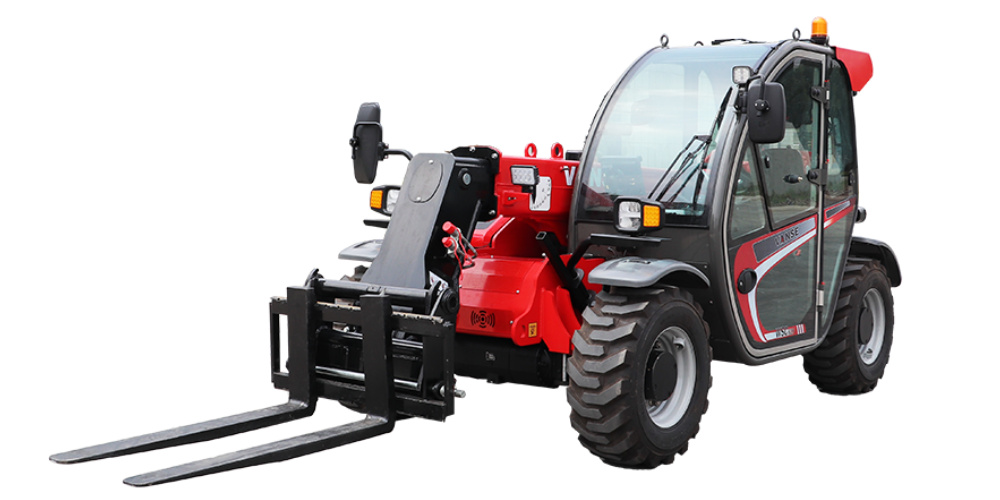
VANSE 625 6m Telescopic Handler
Designed for efficient material handling and stacking in warehouses, factories, and confined job sites, offering compact maneuverability and reliable performance.

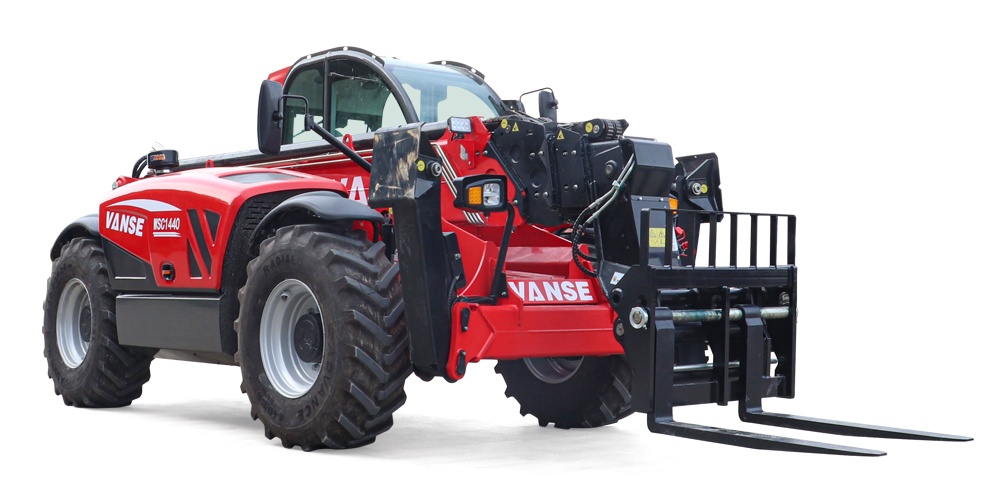
VANSE 735 7m Telescopic Handler
A balanced mid-duty solution for construction, agriculture, logistics, and warehousing, combining stable lifting, strong traction, and everyday versatility.


About the Author:
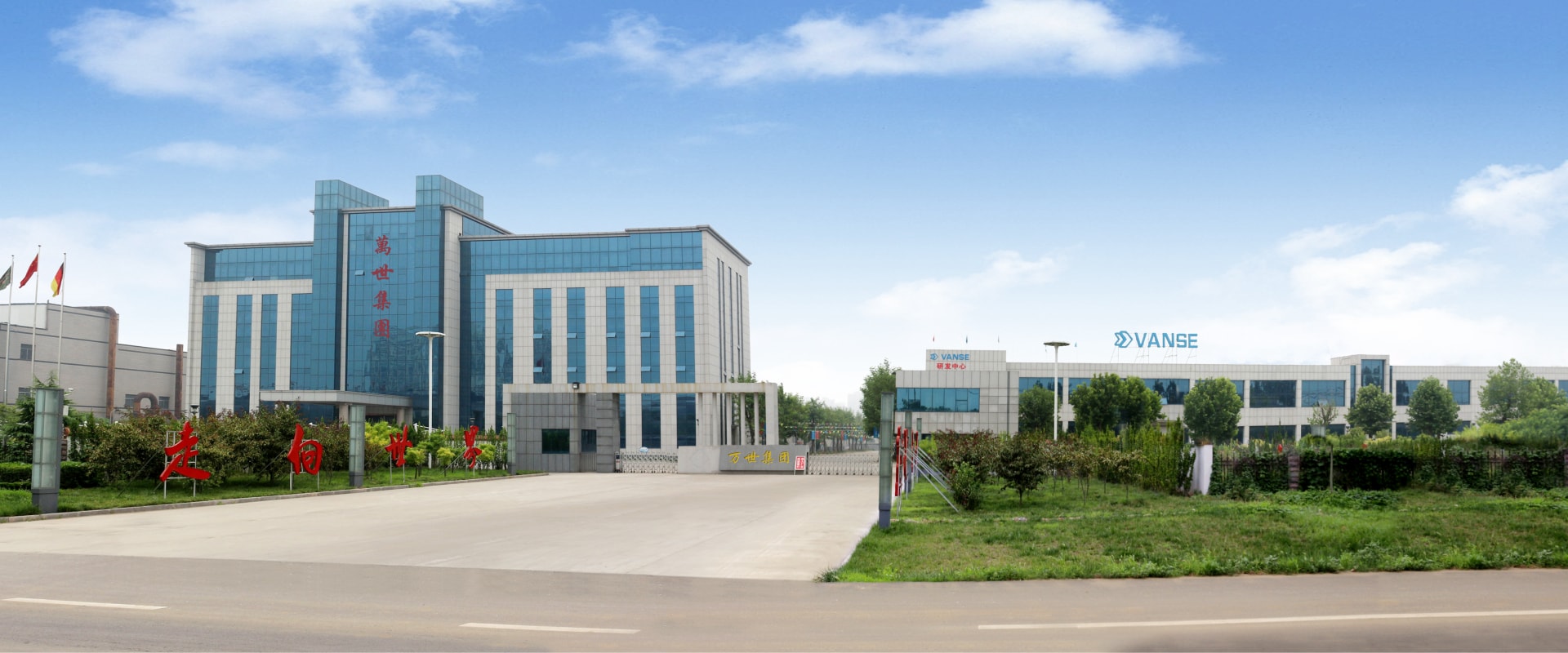
The VANSE team is a group of experienced professionals specializing in construction machinery research, manufacturing, and technical support. With deep industry knowledge and hands-on experience, our engineers and product specialists share practical insights on equipment selection, operation, maintenance, and industry trends.
Share
You May Also Interest
-

20 November, 2026
Telehandler vs Cherry Picker: Aerial Work Platform Guide
Compare telehandler vs cherry picker for United States jobsites, including uses, costs, safety, suppliers, and buying tips for contractors and rental fleets.
-

19 November, 2026
All Terrain Telehandler: Navigating Uneven Ground Safely
Find the right all terrain telehandler in the United States with supplier comparisons, buying tips, industry uses, and practical guidance for safer off-road handling.
-

18 November, 2026
Telehandler for HVAC Installation: Equipment Lifting Help
Find telehandler HVAC installation options in the United States, including suppliers, machine types, buying tips, service regions, and cost-saving support.
-
16 November, 2026
5000 kg Telehandler: Heavy Industrial Lifting Made Simple
Find the right 5000 kg telehandler in the United States with supplier comparisons, specs, use cases, buying tips, and local service insights.