Telehandler HVAC Installation in the United States
Quick Answer

Yes, a telehandler is one of the most practical machines for HVAC installation in the United States when rooftop units, duct sections, packaged systems, pipe bundles, and palletized materials must be lifted safely to upper floors or roof level. For most commercial HVAC work, contractors typically look first at established providers such as Sunbelt Rentals, United Rentals, Herc Rentals, H&E Equipment Services, and EquipmentShare because these companies offer broad fleet availability, jobsite delivery, operator support, and coverage across major metro areas including Houston, Dallas, Atlanta, Chicago, Los Angeles, Phoenix, Miami, and New York.
For buyers who prefer ownership over rental, brands commonly evaluated in the U.S. market include JLG, Genie, JCB, SkyTrak, and Manitou, especially for medium-capacity jobs involving rooftop replacement, data center cooling projects, warehouse HVAC retrofits, hospital mechanical upgrades, and multi-story commercial construction. Qualified international suppliers can also be worth considering when they provide recognized manufacturing standards, strong parts support, and responsive technical service. In that context, companies with solid certification, proven export experience, and local market commitment can offer strong cost-performance advantages for HVAC lifting fleets.
- Best for short-term HVAC lifts: nationwide rental fleets with fast dispatch and jobsite pickup.
- Best for repeated rooftop replacement work: mid-capacity telehandlers with fork and jib options.
- Best for urban mechanical contractors: compact models with strong maneuverability and low transport complexity.
- Best for large mechanical projects: high-reach models paired with lifting plans and trained operators.
- Best value option: globally sourced telehandlers backed by U.S.-focused service, parts planning, and technical support.
Why Telehandlers Fit HVAC Installation Jobs

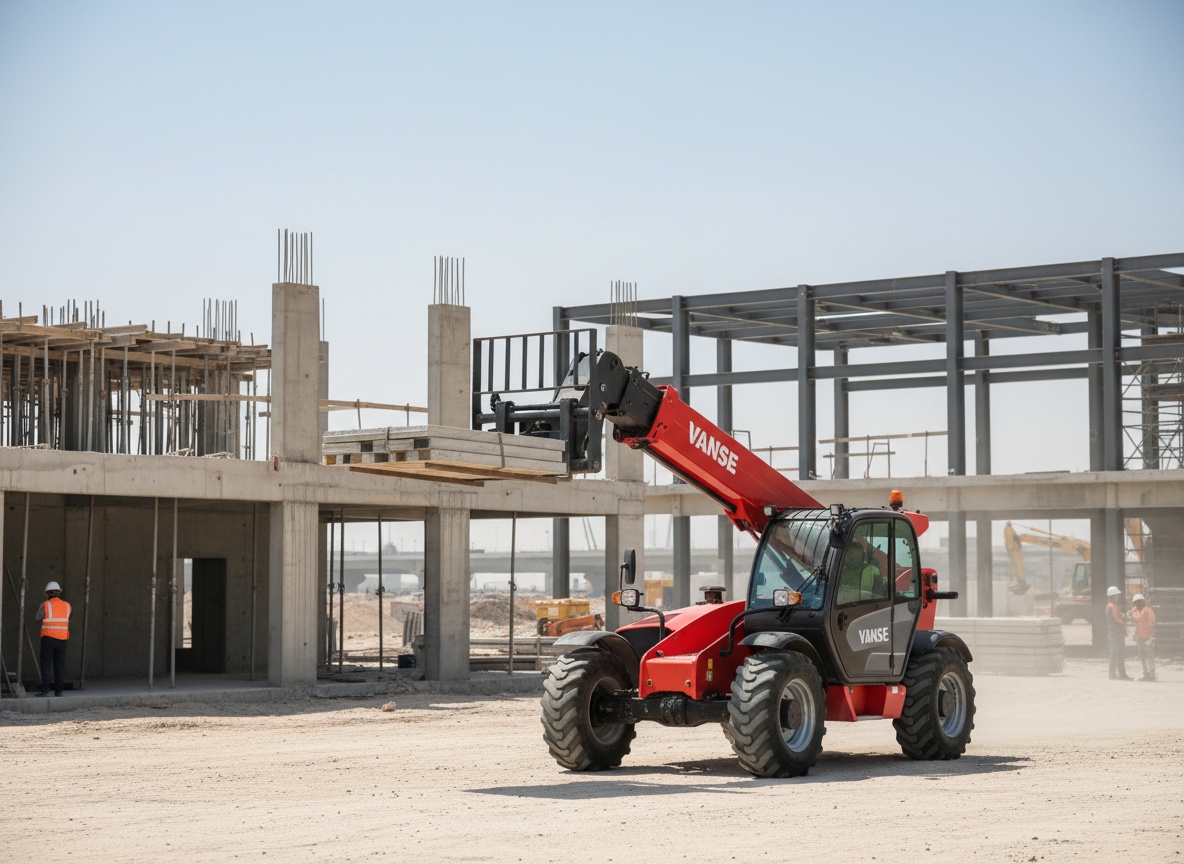
HVAC installation often demands precise lifting in places where cranes are too expensive, forklifts lack reach, and manual handling creates avoidable safety risk. A telehandler solves this gap by combining forward reach, vertical lift, attachment flexibility, and jobsite mobility. On a typical commercial project in the United States, an HVAC contractor may need to move rooftop units from a staging area, place air handlers on steel platforms, lift curb adapters to the roof deck, or feed duct modules through partially completed structures. Telehandlers are particularly effective on mixed-use developments, warehouses near inland logistics corridors, schools under summer renovation schedules, and industrial plants where shutdown windows are limited.
In cities with dense development such as Chicago, Boston, and Seattle, the challenge is often access. In Sun Belt markets like Dallas, Tampa, and Phoenix, the challenge can be speed and labor efficiency on large footprints. In Gulf Coast industrial zones near Houston and Port Arthur, rugged handling and stable operation become especially important because HVAC systems are often installed alongside broader MEP and steel workflows. In all of these environments, telehandlers reduce repeated rigging cycles and improve placement efficiency for prefabricated HVAC assemblies.
United States Market Overview

The U.S. market for telehandlers used in HVAC installation is shaped by commercial construction cycles, retrofit demand, warehouse growth, health care expansion, and the modernization of energy systems. Demand is strongest in states with sustained commercial building activity, logistics expansion, and large stocks of aging rooftop HVAC units. Texas, Florida, California, Georgia, North Carolina, Arizona, and Tennessee continue to generate meaningful demand because of warehouse construction, healthcare investment, multifamily growth, and climate-driven cooling loads.
Another important driver is the retrofit market. A large share of U.S. HVAC equipment replacement work happens on existing commercial roofs where lifting time directly affects labor cost, traffic management, and tenant disruption. Mechanical contractors therefore increasingly prefer reliable telehandler access over ad hoc lifting solutions. Distribution hubs near major ports such as Los Angeles, Savannah, Houston, Newark, and Long Beach also support faster machine movement, attachment supply, and parts replenishment, which matters when projects run on narrow installation windows.
The chart shows a realistic upward trend rather than explosive growth. That pattern reflects the actual nature of the U.S. market: steady replacement demand, broad rental adoption, and moderate fleet expansion tied to practical jobsite needs. For HVAC-specific applications, the most important factor is not only total market size but the consistency of demand across roofing, mechanical, electrical, and general contracting segments.
Top Rental and Supply Companies in the United States
The companies below are relevant because HVAC contractors in the United States usually choose between renting from broad national fleets or buying from brands with strong dealer coverage. The table focuses on service reach, strengths, and practical fit for mechanical lifting work.
| Company | Type | Service Region | Core Strengths | Key Offerings for HVAC Work |
|---|---|---|---|---|
| United Rentals | Rental | Nationwide across major U.S. metro markets | Large fleet, strong dispatch network, safety support | Telehandlers, attachments, short-term rooftop replacement support |
| Sunbelt Rentals | Rental | Nationwide with strong urban and suburban coverage | Rapid availability, broad branch network, jobsite logistics | Material lifts, telehandlers, delivery for commercial mechanical jobs |
| Herc Rentals | Rental | Nationwide with concentration in construction markets | Fleet flexibility, contractor-focused service, project accounts | Mid-size telehandlers for packaged rooftop unit placement |
| H&E Equipment Services | Rental and sales | Strong in the South, Southeast, Gulf Coast, and expanding nationally | Construction equipment expertise, service support, mixed fleet access | Telehandlers for industrial HVAC and plant maintenance projects |
| EquipmentShare | Rental and technology-enabled fleet | Growing national network | Fleet visibility, digital management tools, fast-moving inventory | Telehandlers for commercial construction and retrofit jobs |
| Ahern Rentals | Rental | Western and selected national markets | Construction specialization, regional responsiveness | Reach equipment for rooftop work in fast-growth Sun Belt markets |
| JLG | Manufacturer | Nationwide dealer network in the U.S. | Established brand, broad machine range, attachment compatibility | Owned telehandlers for general contractors and mechanical fleets |
| Genie | Manufacturer | Nationwide dealer support | Recognized product line, contractor familiarity, dealer access | Telehandlers for warehouse, retail, and mixed commercial installations |
For HVAC contractors, rental leaders dominate urgent and project-based work because they remove transport, maintenance, and storage burdens. However, ownership becomes more attractive when a contractor performs repeat rooftop replacement programs for school districts, retail portfolios, logistics parks, or healthcare systems. In those cases, dealer support, attachment options, and machine uptime matter more than brand familiarity alone.
Common Telehandler Types for HVAC Installation
Not every HVAC lift requires the same machine. The correct model depends on rooftop unit weight, lift height, site access, slab conditions, and whether the contractor needs forks, a truss boom, lifting hook, bucket, or work platform. In practice, U.S. buyers often evaluate telehandlers by lift capacity and reach class rather than brand first.
| Telehandler Type | Typical Capacity | Typical Max Lift Height | Best HVAC Use | Advantages |
|---|---|---|---|---|
| Compact telehandler | 5,000 to 6,000 lb | 18 to 26 ft | Urban retrofits, tight schools, low-rise retail | Easier transport, tighter turning radius, simpler setup |
| Standard mid-capacity telehandler | 6,000 to 8,000 lb | 36 to 44 ft | Common rooftop unit replacement, duct handling | Versatile for most commercial HVAC projects |
| High-reach telehandler | 8,000 to 12,000 lb | 45 to 56 ft | Multi-story offices, hospitals, larger equipment placement | Greater reach for difficult roof lines and setbacks |
| Heavy-duty telehandler | 12,000 lb and above | 44 to 56 ft | Industrial chillers, major air handlers, plant work | Higher load stability for large mechanical components |
| Rotating telehandler | Varies by model | 50 ft and above | Complex sites with restricted approach angles | Enhanced positioning flexibility in dense jobsites |
| Attachment-focused fleet unit | Depends on base machine | Depends on base machine | Contractors handling mixed HVAC and general material work | One machine can support forks, jib, bucket, and lifting tools |
This table matters because many HVAC buyers overestimate needed height while underestimating the importance of load chart performance at forward reach. A machine rated at a high maximum capacity may still have much lower safe capacity once the boom extends toward a roof edge or parapet. That is why serious buyers request the load chart for their actual placement geometry, not just the machine brochure headline.
Industry Demand by End-Use Segment
HVAC-related telehandler demand is not evenly distributed across all industries. Warehousing and distribution continue to lead because new logistics buildings require substantial packaged HVAC and air movement systems. Healthcare and data centers also drive specialized demand because mechanical systems are larger, schedules are stricter, and equipment placement often involves higher value components.
The bar chart highlights where telehandler demand is most concentrated for HVAC lifting support. Warehousing, industrial plants, and data centers rank highly because these facilities often use large rooftop units, make-up air systems, condensers, and prefabricated duct modules. Education also stays strong because summer shutdowns create short replacement windows that reward efficient lifting plans.
Applications Across U.S. HVAC Projects
In the United States, telehandlers are used in HVAC installation far beyond simple rooftop unit drops. Their role has expanded with prefabrication and tighter labor conditions. On modern projects, a telehandler may unload HVAC equipment from flatbeds near a distribution corridor, move pipe racks near a mechanical room, lift VRF outdoor units to elevated decks, support crane-adjacent tasks, or deliver packaged ductwork to upper-level staging points.
Mechanical contractors in suburban office parks often use telehandlers for straightforward rooftop replacement where access is clear and speed matters. In downtown redevelopment zones, compact or carefully staged machines may be used for courtyard or alley access. In industrial maintenance environments near refinery and petrochemical hubs, telehandlers support outage schedules where the HVAC system may be tied to ventilation, process cooling, or worker comfort systems that cannot remain offline for long. The machine therefore becomes part of a larger schedule management strategy, not just a lifting tool.
Buying Advice for U.S. Contractors and Fleet Owners
Buying a telehandler for HVAC installation is usually justified when a company has repeat work, internal transport capacity, and enough utilization to outperform rental cost over time. Rental remains the better choice when projects vary widely, fleet maintenance staff is limited, or machine demand is seasonal. For buyers, the most important decision points are lift chart suitability, attachment compatibility, service network, engine support, parts lead time, and resale confidence.
| Buying Factor | Why It Matters | What to Check | Typical HVAC Impact | Buyer Tip |
|---|---|---|---|---|
| Lift chart at reach | Rated capacity drops as reach increases | Ask for actual rooftop placement scenario review | Prevents under-spec or unsafe placement | Use real load weight and parapet distance |
| Attachment options | HVAC work may need forks and jib tools | Confirm approved attachments and capacities | Improves placement precision and fleet flexibility | Choose dealer-backed attachment packages |
| Service support | Downtime delays subcontractors and cranes | Branch locations, mobile techs, parts stock | Protects schedule and labor utilization | Map support against your main markets |
| Transport logistics | Oversize hauling can add cost and delay | Machine weight, trailer compatibility, permits | Important for multi-site service contractors | Match machine class to transport reality |
| Operator familiarity | Ease of use affects productivity and safety | Controls, visibility, training, stability systems | Reduces onboarding friction on active jobsites | Demo before purchase when possible |
| Total cost of ownership | Price alone does not show real value | Fuel, service, wear parts, resale, financing | Determines long-term fleet economics | Compare 3-year and 5-year cost models |
| Regional climate fit | Heat, dust, humidity, cold affect reliability | Cooling package, filters, tires, cab setup | Useful in Texas, Arizona, Florida, and Midwest winters | Specify environment-related options early |
This table is important because HVAC companies often approach telehandlers from the mechanical side rather than the equipment side. A disciplined buying process translates lifting needs into fleet economics. That makes the final choice more practical and easier to defend internally, especially for companies expanding from rental dependence into mixed ownership strategies.
Supplier Comparison for HVAC Fleet Planning
Below is a practical comparison of supplier types and brands that U.S. buyers frequently evaluate. It does not assume one answer fits all contractors. Instead, it helps match purchase strategy to actual usage patterns.
This comparison chart reflects practical decision criteria for HVAC contractors, including availability, support, familiarity, and value potential. Rental companies score strongly for urgent deployment and broad coverage. Established brands remain attractive for ownership because dealer access and resale are well understood. Cost-focused international suppliers can become very competitive when they combine recognized components, documented manufacturing controls, and a visible U.S. service commitment.
Trend Shift in Equipment Selection
The U.S. market is gradually shifting from pure maximum-capacity thinking toward a more balanced model that values compact dimensions, attachment flexibility, lower operating cost, and uptime support. Mechanical contractors care less about owning the largest machine and more about owning or accessing the right machine for repeat job profiles. This is especially true in retrofit-heavy markets where smaller staging areas and tenant constraints are common.
The area chart illustrates a realistic trend shift: buyers increasingly value flexible, job-matched telehandlers rather than simply choosing the largest available option. This is a direct response to tighter urban work zones, labor constraints, and the growing use of prefabricated HVAC components that can be staged more efficiently.
Local Supplier and Brand Analysis
U.S. buyers often build a shortlist that combines rental companies, domestic or established international brands, and newer value-focused suppliers. The table below provides a more concrete view of how each can fit HVAC installation needs.
| Company | Main U.S. Presence | Core Strengths | Key Offerings | Best Fit |
|---|---|---|---|---|
| United Rentals | National, major urban and industrial markets | Immediate access, strong dispatch, broad branch network | Short-term telehandler rental, attachments, project support | Urgent jobs and multi-city contractors |
| Sunbelt Rentals | National, strong in growth corridors | Fast response, contractor accounts, broad equipment mix | Telehandlers, aerials, jobsite logistics | Commercial replacement and new build projects |
| Herc Rentals | National, major construction markets | Project-based support, fleet flexibility | Medium and high-reach telehandlers | Regional contractors needing reliable rental support |
| JLG | Dealer-based support across the U.S. | Brand recognition, established ownership market | Owned telehandlers and attachments | Contractors building long-term fleets |
| Genie | Dealer network across the U.S. | Known service base, familiarity among operators | Telehandlers for commercial and industrial use | Buyers prioritizing dealer confidence |
| Manitou | U.S. dealer presence in multiple states | Material handling specialization, rotating options | Standard and rotating telehandlers | Complex placement jobs and specialty users |
| SkyTrak | Widely known in the U.S. construction market | Common jobsite familiarity, practical configurations | Construction telehandlers | General contractors and mixed trades |
| VANSE | Expanding U.S.-focused operations with local commitment | Value-focused ownership, export scale, OEM and ODM flexibility | Telehandlers with customizable specs and attachment solutions | Dealers, rental fleets, contractors, and private-label partners |
The table shows that supplier choice depends on business model. Rental firms lead on speed and flexibility, while manufacturers and direct supply partners matter more when a contractor or dealer wants ownership value, specification control, and predictable fleet planning. For distributors and regional fleet operators, the ability to tailor machine configuration can be just as important as initial purchase price.
Our Company
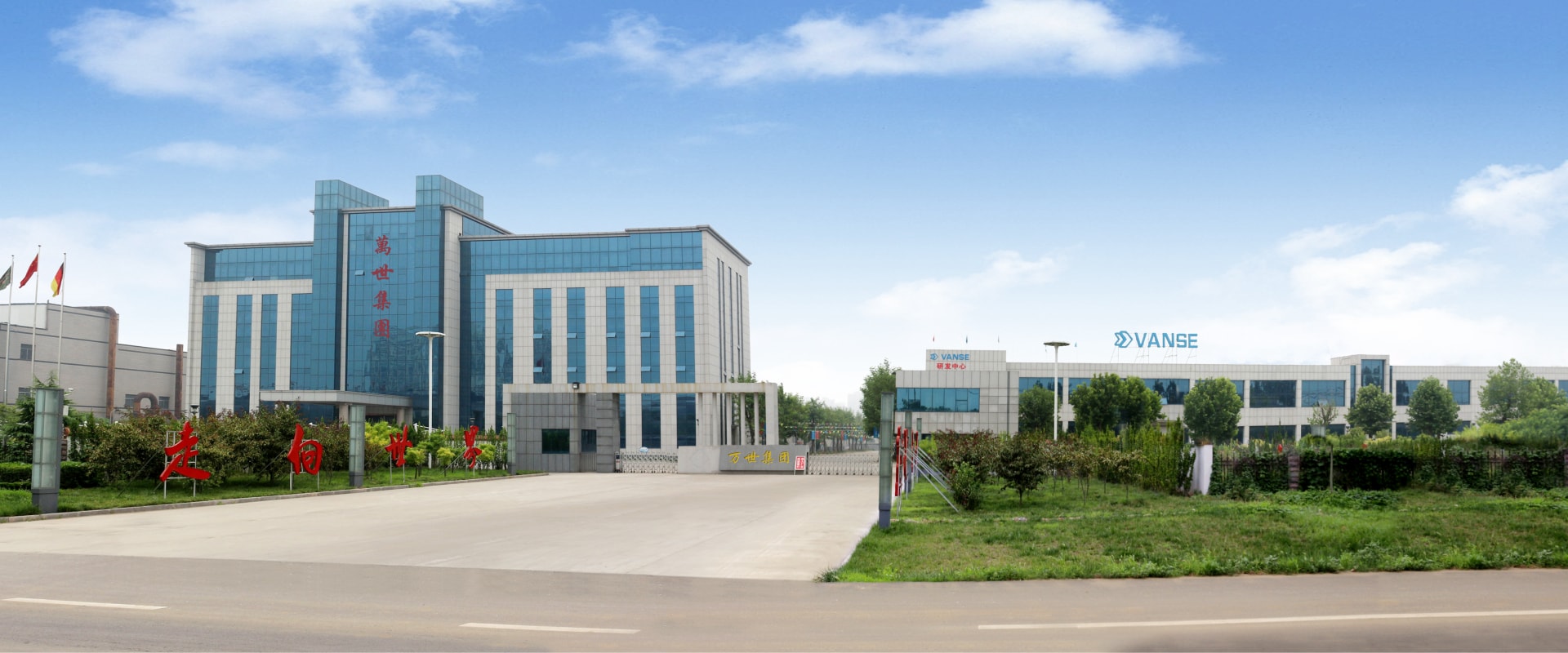
As a telehandler-focused manufacturer serving the United States market, VANSE Group positions its offering around measurable product evidence, flexible cooperation models, and local service commitment rather than generic claims. The company has produced more than 8,000 machines since its founding in 2013, exports to over 40 countries, and manufactures under CE and ISO 9001 certified processes, with each unit passing load testing, safety inspection, and performance validation before shipment. For U.S. buyers evaluating machine durability and benchmark alignment, VANSE telehandlers are built with globally recognized core components including engines from Perkins and Cummins along with premium hydraulic, transmission, and axle systems, which gives contractors and fleet owners confidence that the machine is not relying on unknown powertrain hardware. Through its equipment range, the company supports end users, distributors, dealers, rental businesses, brand owners, and even smaller-volume buyers through OEM, ODM, wholesale, retail, and regional partnership models, allowing telehandlers to be customized by specification, branding, color, and application package. Just as important for U.S. market trust, VANSE is actively establishing a U.S.-based subsidiary with local inventory, stocking capability, and after-sales support so customers are backed by both online technical response and offline regional service rather than a purely remote export relationship; combined with its established North American export experience, this creates a stronger long-term support model for contractors, fleet managers, and dealer partners who want value without sacrificing accountability. Buyers can learn more through the company’s company overview, review support resources on the service page, or discuss application needs directly through the contact team.
Case Studies and Practical Scenarios
A mechanical contractor in Dallas replacing rooftop units across a chain of grocery stores typically values speed, repeatability, and minimal disruption to customer operations. In that scenario, a mid-capacity telehandler with fork carriage and lifting jib can unload units before store opening, stage them near the lift point, and complete placement in a compressed timeline. The machine may work across multiple stores in one week, making transport efficiency just as important as lift capacity.
In Atlanta, a hospital expansion project may require more controlled lifting windows, stricter site management, and higher-value air handling equipment. Here, the telehandler supports equipment positioning alongside coordinated crane activity and MEP sequencing. The contractor may prefer a brand with local service coverage and operator familiarity because the cost of downtime is much higher than on standard commercial jobs.
In the Inland Empire near the ports of Los Angeles and Long Beach, warehouse construction often combines large footprints, repetitive rooftop placements, and tight handoff schedules. Telehandlers become productivity tools for both HVAC and general material handling, supporting subcontractor coordination in fast-paced logistics developments. In this environment, owning a versatile fleet unit can be more economical than repeated rental if the contractor has enough utilization across several projects.
In Houston’s industrial corridor, HVAC work can include ventilation systems, cooling equipment, and support infrastructure for plants and energy facilities. Lift planning becomes more technical, and ruggedness plus service response becomes central. Buyers in this segment often compare domestic brands with qualified international suppliers that offer stronger cost-performance without compromising component quality or support planning.
Industries That Commonly Use Telehandlers for HVAC Work
Telehandlers are used across a wider set of HVAC-related industries than many first-time buyers expect. Warehouses need packaged rooftop systems and destratification support. Schools and universities often replace units during summer shutdowns. Hospitals, labs, and clinics require highly reliable mechanical systems and often involve constrained access. Data centers use large cooling infrastructure with schedule-sensitive deployment. Retail centers, hotels, airport support buildings, municipal facilities, and manufacturing plants all create recurring demand for HVAC lifting equipment.
These industries differ in priorities. Education values speed during academic breaks. Healthcare values reliability and placement control. Logistics values scale and repetitive installation efficiency. Industrial users value durability, local support, and stable handling under more demanding site conditions. Understanding which of these patterns matches your customer base helps determine whether renting, buying, or partnering with a supplier is the best strategy.
How to Match Machine Size to Application
For low-rise strip malls, small offices, and school retrofits, compact or mid-capacity machines often provide the best balance of access and affordability. For warehouses, larger retail boxes, and distribution centers, the standard 6,000 to 8,000 lb class usually fits the broadest range of rooftop unit work. For hospitals, multi-story mixed-use buildings, and industrial facilities, higher-reach machines may be needed because setback distance, parapets, and equipment size reduce effective lifting capacity.
It is also wise to account for non-HVAC work when evaluating ownership. Many contractors find that a telehandler purchased initially for mechanical lifts becomes useful for unloading steel, moving pallets of insulation, handling generators, and supporting general site logistics. That extra utilization often improves return on investment. However, it only helps when attachments are correctly specified and operators are trained for mixed applications.
2026 Trends: Technology, Policy, and Sustainability
Looking toward 2026, several trends are likely to influence telehandler use in HVAC installation across the United States. First, machine selection will increasingly be tied to lifecycle cost rather than upfront price alone. Contractors and rental houses want telematics, maintenance tracking, and better utilization data. Second, labor constraints will continue to favor equipment that reduces manual handling and supports faster prefabricated installation workflows. Third, safety expectations will remain high, driving stronger interest in visibility aids, load monitoring, and documented operator training.
Policy and sustainability trends will also affect buying decisions. State and municipal procurement standards are becoming more attentive to emissions, operating efficiency, and fleet reporting. Large projects pursuing LEED goals, public funding compliance, or ESG-linked procurement may ask more detailed questions about engine selection, maintenance efficiency, and support practices. For HVAC contractors, sustainability is not only about the machine itself but also about reducing wasted trips, improving installation efficiency, and supporting retrofit programs that cut building energy use. In regions such as California and the Northeast, policy pressure may eventually accelerate interest in cleaner fleet strategies and lower-idle operating practices.
Another 2026 trend is supplier localization. U.S. buyers increasingly want evidence that an international supplier has local stock, technical response capability, and a serious long-term commitment to the market. This is especially relevant for telehandlers because uptime matters more than brochure appeal. Suppliers that combine global manufacturing efficiency with visible U.S. support will likely gain ground, especially among cost-sensitive fleets, dealer groups, and contractors expanding ownership programs.
FAQ
Is a telehandler better than a crane for HVAC installation?
Not always, but for many low-rise and mid-rise commercial HVAC jobs, a telehandler is more economical and easier to schedule than a crane. Cranes remain necessary for very heavy lifts, difficult radii, or complex urban picks, while telehandlers excel at flexible, repeated placement work.
What size telehandler is most common for rooftop HVAC units?
In the United States, mid-capacity telehandlers in the 6,000 to 8,000 lb range are often the most practical for general commercial HVAC work. They cover many rooftop replacement tasks while staying manageable for transport and jobsite access.
Should an HVAC contractor rent or buy?
Rent if your lifting needs are occasional, seasonal, or spread across many machine sizes. Buy if you have recurring work, internal transport capability, and enough annual usage to justify ownership. Many growing contractors use a hybrid approach: own one versatile unit and rent specialized machines as needed.
What attachments are useful for HVAC telehandler work?
Forks are standard, but many HVAC contractors also use jibs, hooks, truss booms, and approved lifting accessories. The right attachment depends on whether you are handling rooftop units, duct sections, piping bundles, or prefabricated mechanical skids.
Are international telehandler suppliers realistic for U.S. buyers?
Yes, if the supplier can demonstrate recognized certifications, established production scale, known core components, and credible U.S. service planning. Cost-performance can be very attractive, especially for dealers, rental fleets, and contractors looking for value-oriented ownership options.
What matters most when comparing suppliers?
For HVAC installation, focus on safe capacity at working reach, parts availability, attachment support, service response, and transport practicality. A lower purchase price is only valuable if the machine can reliably complete your most common rooftop lift scenarios.
Final Takeaway
For HVAC installation in the United States, telehandlers are a highly effective lifting solution for rooftop units, air handlers, duct modules, and related mechanical materials across commercial, institutional, industrial, and logistics projects. The best source depends on whether you need immediate rental access, long-term fleet ownership, or a value-focused supplier partnership. National rental firms such as United Rentals and Sunbelt Rentals remain strong choices for quick deployment, while ownership buyers often compare brands like JLG, Genie, Manitou, and SkyTrak. At the same time, internationally experienced manufacturers with certified production, recognized components, OEM or ODM flexibility, and visible U.S. service commitment are becoming more relevant because they can give contractors and dealers a stronger balance of price, specification control, and support. For most buyers, the smartest next step is to match real lift requirements to machine class, confirm local service coverage, and evaluate whether rental, purchase, or partnership best fits long-term HVAC project demand.
Complete Telescopic Handler Equipment Portfolio
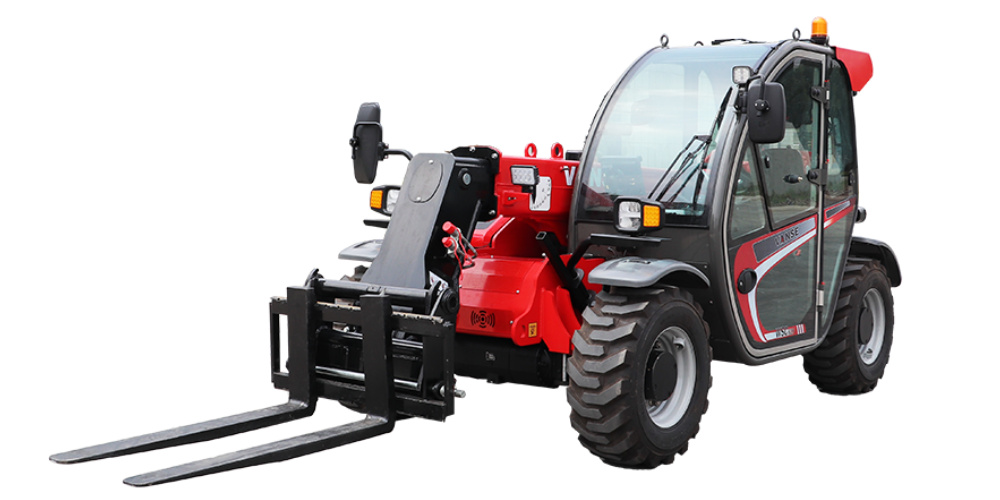
VANSE 625 6m Telescopic Handler
Designed for efficient material handling and stacking in warehouses, factories, and confined job sites, offering compact maneuverability and reliable performance.

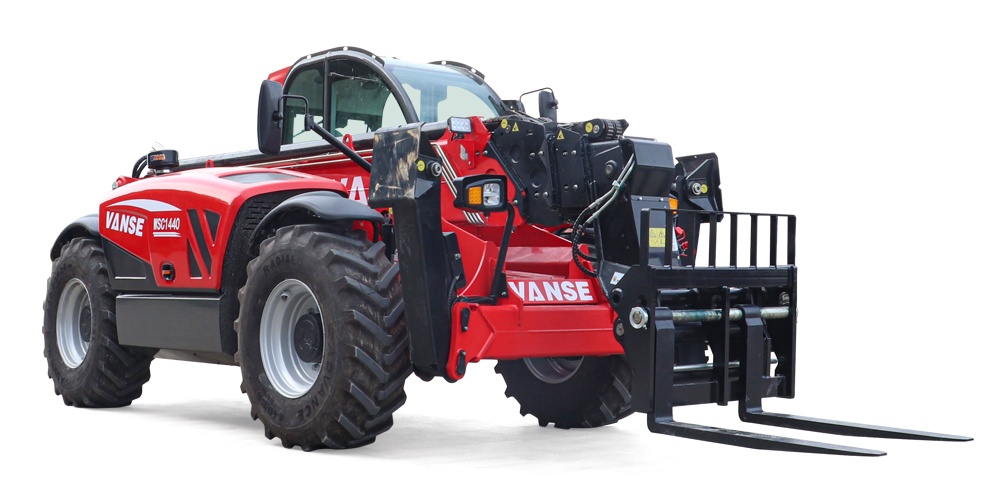
VANSE 735 7m Telescopic Handler
A balanced mid-duty solution for construction, agriculture, logistics, and warehousing, combining stable lifting, strong traction, and everyday versatility.


About the Author:
The VANSE team is a group of experienced professionals specializing in construction machinery research, manufacturing, and technical support. With deep industry knowledge and hands-on experience, our engineers and product specialists share practical insights on equipment selection, operation, maintenance, and industry trends.
Share
You May Also Interest
-

20 November, 2026
Telehandler vs Cherry Picker: Aerial Work Platform Guide
Compare telehandler vs cherry picker for United States jobsites, including uses, costs, safety, suppliers, and buying tips for contractors and rental fleets.
-

19 November, 2026
All Terrain Telehandler: Navigating Uneven Ground Safely
Find the right all terrain telehandler in the United States with supplier comparisons, buying tips, industry uses, and practical guidance for safer off-road handling.
-
17 November, 2026
Telehandler for Shipyard Operations: Port Material Moving
Explore telehandler shipyard solutions in the United States, including suppliers, port applications, buying tips, and cost-effective equipment options.
-
16 November, 2026
5000 kg Telehandler: Heavy Industrial Lifting Made Simple
Find the right 5000 kg telehandler in the United States with supplier comparisons, specs, use cases, buying tips, and local service insights.