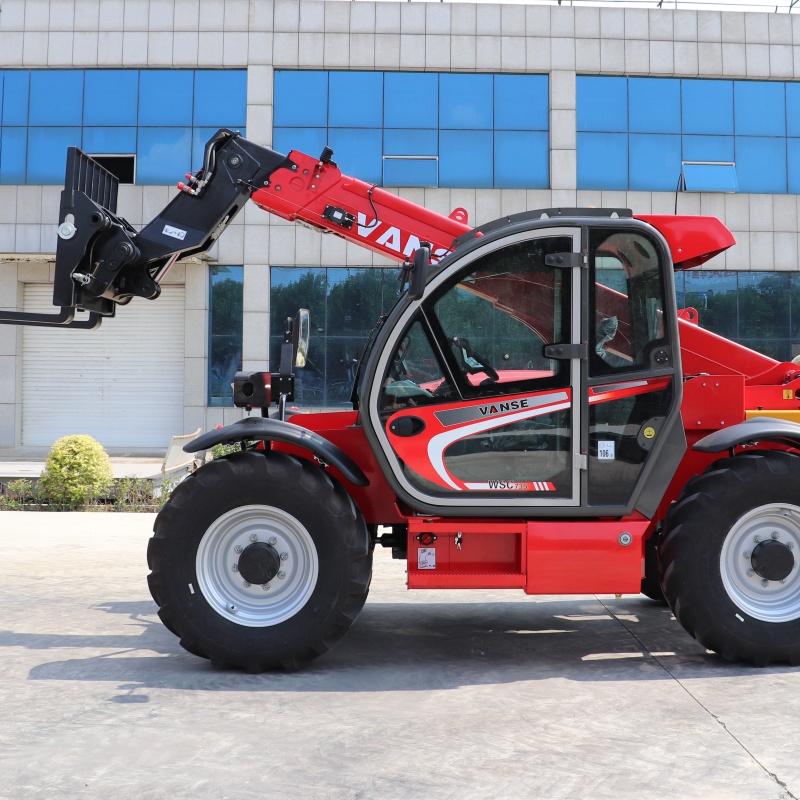
Telehandler Roofing Solutions for Safer United States Roof Work
Quick Answer

A telehandler for roofing is one of the most effective machines for moving shingles, plywood, insulation, trusses, metal panels, palletized materials, and tear-off support equipment safely from ground level to roof level on United States jobsites. For contractors working in cities such as Dallas, Phoenix, Atlanta, Orlando, Chicago, Houston, and Charlotte, the best options usually come from established suppliers with strong parts support, operator training resources, and attachment compatibility for material buckets, truss booms, fork carriages, and work platforms where regulations allow.
For buyers and renters looking for practical options in the United States market, strong names to evaluate include JLG, Genie, JCB, Skyjack, Sunbelt Rentals, and United Rentals. These companies are widely recognized for construction jobsite support, machine availability, and regional service networks. Qualified international suppliers can also be worth considering, especially when they offer recognized certifications, premium core components, and dependable pre-sale and after-sale support in North America. This is particularly relevant for buyers prioritizing cost-performance value, fleet expansion, and customized specifications.
- JLG: strong dealer network, broad telehandler lineup, common on roofing and framing sites
- Genie: reliable reach options, familiar controls, good rental penetration across major metro areas
- JCB: established telehandler brand with contractor recognition and versatile attachment support
- Skyjack: known for fleet simplicity, easy maintenance, and rental-friendly operating costs
- Sunbelt Rentals and United Rentals: practical choices when project duration, seasonality, or multi-site scheduling makes renting smarter than buying
United States Roofing Telehandler Market

The United States roofing sector relies heavily on fast vertical material movement. Residential reroofing crews need quick rooftop placement of shingle bundles and underlayment, while commercial roofing contractors often handle insulation boards, membrane rolls, pavers, metal decking accessories, and HVAC-related rooftop support materials. In both segments, telehandlers reduce manual carrying, shorten loading cycles, and improve site safety by limiting repeated ladder handling.
Demand is especially strong in high-growth Sun Belt states where new construction and reroofing activity remain high. Texas, Florida, Arizona, Georgia, North Carolina, and Tennessee continue to show strong telehandler usage because contractors need machines that work in subdivision builds, retail developments, warehouse construction, and storm recovery projects. Coastal ports such as Houston, Savannah, Los Angeles, Long Beach, and Jacksonville also matter because imported equipment and parts often move through these logistics hubs before reaching dealer yards and end users.
Roofing applications place a special emphasis on outreach at height, load stability on uneven ground, compact maneuvering in urban jobsites, and fast attachment changes. Buyers in the United States increasingly compare not only lift height and load chart performance, but also visibility, frame leveling, hydraulic smoothness, total cost of ownership, and the speed of parts delivery. This is why local support often matters as much as headline specifications.
The line chart shows a realistic upward pattern driven by residential replacement demand, nonresidential construction, labor shortages that favor mechanized handling, and tighter safety expectations. Even when housing starts fluctuate, reroofing and storm restoration often keep telehandler demand resilient.
Top Suppliers in the United States Market

The supplier landscape includes original equipment manufacturers, national rental fleets, and value-oriented importers. For roofing contractors, the right supplier depends on whether the business needs daily rental flexibility, seasonal fleet scaling, or a purchase program with attachments and service support included.
| Company | Type | Service Region | Core Strengths | Key Offerings for Roofing | Best Fit |
|---|---|---|---|---|---|
| JLG Industries | Manufacturer | Nationwide United States | Large installed base, strong dealer coverage, broad parts access | Construction telehandlers, fork carriages, truss booms, material handling support | Contractors buying for long-term ownership |
| Genie | Manufacturer | Nationwide United States | Well-known jobsite brand, rental familiarity, good reach range | Telehandlers for framing, roofing material placement, attachment compatibility | Mixed residential and commercial crews |
| JCB | Manufacturer | Nationwide with dealer network | Telehandler specialization, operator familiarity, versatile machine lineup | High-reach telehandlers, pallet forks, lifting jibs | Buyers seeking an established telehandler-focused brand |
| Skyjack | Manufacturer | Nationwide through dealers and rental channels | Simple service design, rental fleet acceptance, practical controls | Jobsite telehandlers for palletized roofing materials and rooftop loads | Fleet owners focused on maintenance efficiency |
| Sunbelt Rentals | Rental provider | Major metro areas across the United States | Large rental fleet, short-term access, multi-location coordination | Rental telehandlers, delivery, jobsite support | Seasonal or project-based roofing companies |
| United Rentals | Rental provider | Nationwide United States | Wide availability, project scheduling support, contractor account services | Telehandler rentals, attachments, branch-based service support | Firms managing multiple simultaneous sites |
| EquipmentShare | Rental and fleet technology | Growing national footprint | Fleet tracking, digital scheduling, contractor-focused logistics | Telehandler rentals, utilization monitoring, fleet access | Data-driven contractors and regional builders |
This table is practical because roofing contractors usually compare supplier type before brand loyalty. A manufacturer may be the better fit for fleet ownership and customization, while rental providers are often better for storm response, short commercial timelines, and geographically dispersed projects.
Product Types Used in Roofing
Not every telehandler suits roof work equally well. The ideal machine changes with building height, lot size, material type, and how tightly the crew needs to place loads near roof edges or staging zones. Compact models are common in residential subdivisions and infill neighborhoods, while medium and high-reach units are more relevant for commercial work.
| Telehandler Type | Typical Lift Capacity | Typical Lift Height | Roofing Use Case | Advantages | Limitations |
|---|---|---|---|---|---|
| Compact telehandler | 5,000 to 6,000 lb | 18 to 26 ft | Residential reroofing, tight access neighborhoods | Better maneuverability, easier transport, lower ground impact | Lower reach and lower payload at full extension |
| Mid-size telehandler | 6,000 to 8,000 lb | 30 to 44 ft | General commercial roofing and framing support | Versatile balance of reach and load capacity | Needs more staging space than compact units |
| High-reach telehandler | 8,000 to 12,000 lb | 45 to 56 ft | Multi-story roof material placement | Suitable for taller structures and larger pallets | Higher acquisition and operating cost |
| Rotating telehandler | 10,000 lb and up | 50 ft and above | Complex urban jobs, steel and facade coordination near roof zones | Greater positioning flexibility, crane-like placement capability | Higher cost and more specialized operator requirements |
| Rental fleet standard model | 6,000 to 10,000 lb | 36 to 55 ft | Short-term commercial roofing demand | Fast availability, no ownership burden | Attachment availability may vary by branch |
| Customized import model | Depends on specification | Depends on specification | Contractors or dealers seeking value and private labeling | Can be tailored for local market needs and branding | Requires strong service planning and supplier vetting |
The value of this comparison is that roof work is not defined by height alone. It is equally shaped by staging area size, driveway loading limits, curb access, framing sequence, weather delays, and whether pallets need to be moved repeatedly during the day.
How Roofing Contractors Use Telehandlers
On a typical United States residential build, a telehandler arrives early to set roof trusses, then returns later for sheathing bundles, shingle pallets, synthetic underlayment, and siding support. For reroofing, the machine often works from the street or driveway to place fresh materials close to the ridge or another safe staging point, reducing hand-carry time and keeping crews productive.
On commercial jobsites in places like Houston, Tampa, Denver, Nashville, and Las Vegas, telehandlers support insulation boards, tapered systems, membrane pallets, sheet metal bundles, coping materials, paver trays, and rooftop mechanical support loads. They are also useful when roof access is blocked or when a crane would be too expensive for the duration of the project.
The bar chart highlights where telehandler demand is strongest. Residential reroofing and commercial low-slope roofing are both major segments because they involve repeated pallet handling and labor-intensive rooftop distribution. Storm restoration also remains significant, especially in hurricane and hail corridors.
Buying Advice for United States Contractors
Before choosing a telehandler for roofing, start with load charts rather than headline lift capacity. A machine that can lift a heavy pallet near ground level may handle much less when the boom is extended toward a roof edge. Contractors should evaluate the exact combination of reach, angle, and landing zone needed for the materials they install most often.
Next, consider access and transport. A telehandler that performs well on a warehouse build in Dallas may be too large for narrow suburban sites in New Jersey or older neighborhoods around Boston. Width, turning radius, shipping weight, and trailer compatibility all affect the economics of ownership.
Attachment planning is also critical. Roofing crews often need standard pallet forks, but some jobs benefit from truss booms, side-tilt functions, or specialty attachments for awkward materials. Ask suppliers to confirm hydraulic compatibility, rated capacities with each attachment, and local availability of replacement parts.
Service support should be evaluated by ZIP code, not just by brand reputation. The best purchasing questions include: How many service points are within a two-hour drive? What are the average lead times for hydraulic hoses, boom wear pads, filters, and axle components? Does the supplier provide onsite technician support? Can they support a multi-state roofing fleet?
| Buying Factor | Why It Matters for Roofing | What to Ask the Supplier | Good Sign | Warning Sign | Recommended Priority |
|---|---|---|---|---|---|
| Reach at working load | Roof-edge placement depends on actual chart performance | Can you share load charts for my common pallet weights? | Detailed charts with attachment-specific ratings | Only general lift capacity claims | Very high |
| Machine size | Residential sites often have tight access and soft ground | What is the width, turning radius, and transport weight? | Specs matched to local site conditions | Machine too large for most jobs | High |
| Attachment support | Different roof materials need different handling methods | Which attachments are stocked locally? | Forks, booms, and service parts readily available | Long waits for common attachments | High |
| Parts availability | Downtime during peak roofing season is expensive | Where is the nearest parts inventory? | Regional warehouse or domestic stock | All parts shipped internationally on demand | Very high |
| Operator training | Safer placement and fewer site incidents | Do you offer training or handover support? | Structured orientation and manuals | Little guidance after delivery | Medium |
| Total cost of ownership | Fuel, service, downtime, and resale affect margins | What are annual maintenance expectations? | Clear service schedule and support plan | Unclear life-cycle costs | High |
| Local dealer responsiveness | Roofing timelines are weather-sensitive | What is your average service response time? | Defined SLA or local field team | No local escalation path | High |
This buying table matters because telehandler selection is rarely just about machine specs. In roofing, profit often depends on uptime during a narrow weather window. A slightly cheaper machine without local support can become more expensive within a single busy season.
Industries and Applications That Overlap with Roofing
Roofing telehandlers are not limited to roofing crews. General contractors, framing teams, siding installers, solar installers, steel erectors, and mechanical contractors often share the same machine over the project timeline. That makes telehandlers attractive for companies that want a broader utilization profile than a single-purpose lift solution.
In the warehouse and logistics corridors around Inland Empire, Chicago, Columbus, and Dallas-Fort Worth, telehandlers are frequently used during shell construction and roof finishing stages. In agricultural building projects across the Midwest, the same telehandler may help with steel framing, roofing materials, and later site maintenance. In coastal hurricane-prone states, telehandlers also support rapid reroofing after storms when contractors need to move high volumes of materials quickly.
Case Studies from Real-World United States Conditions
Consider a residential roofing contractor in Tampa handling post-storm reroofing. The company serves multiple neighborhoods daily, where jobsite access is constrained by parked cars, landscaping, and HOA rules. A compact or mid-size telehandler with reliable fork controls can stage shingle bundles at roof level early in the morning, reducing ladder traffic and helping crews finish before afternoon weather changes.
Now consider a commercial contractor in Houston reroofing a distribution center. The project requires repeated lifting of insulation boards, membrane rolls, edge metal, and mechanical curb materials. A mid-size or high-reach telehandler can support multiple zones during the day and reduce dependency on crane scheduling. The result is smoother sequencing between the roofing crew, sheet metal team, and HVAC subcontractors.
In Denver, a contractor working on mixed-use mid-rise developments may prioritize telehandlers with stronger gradeability and stable performance on uneven terrain. In Chicago suburbs, winter conditions can shift the focus toward enclosed cab comfort, cold-start reliability, and fast dealer parts support. These examples show why location-specific operating conditions matter when choosing a supplier.
Local Suppliers and Service Considerations
Because roofing schedules are highly sensitive to weather, freight delays, and labor availability, local supplier strength is often the deciding factor. Buyers should evaluate whether a branch can deliver machines quickly, replace hoses or tires during the same day, and support attachment changes as project scopes evolve.
| Supplier | Primary Model | Typical U.S. Coverage | Roofing-Relevant Strength | Service Advantage | Likely Buyer Profile |
|---|---|---|---|---|---|
| JLG dealers | Owned equipment sales | Broad national dealer map | Common contractor familiarity and fleet continuity | Parts support through established channels | Fleet buyers and established contractors |
| Genie dealers | Owned equipment sales | National and regional dealers | Balanced reach options for construction tasks | Strong rental market familiarity | Builders needing cross-trade flexibility |
| JCB dealers | Owned equipment sales | Regional dealer network across many states | Telehandler-focused product reputation | Brand specialization in handler applications | Contractors loyal to telehandler-centric brands |
| Skyjack dealers | Owned equipment and fleet supply | Nationwide via dealer and rental channels | Simple operation and service-friendly design | Lower maintenance complexity for some fleets | Cost-aware fleet operators |
| Sunbelt Rentals | Rental | Large metro and regional presence | Fast short-term deployment for peak season | Jobsite delivery and branch logistics | Project-based roofing firms |
| United Rentals | Rental | Extensive national footprint | Good multi-site coordination across states | Account support and broad equipment mix | Enterprise contractors and storm-response teams |
| EquipmentShare | Rental and tech-enabled fleet | Expanding regional coverage | Fleet visibility and utilization tracking | Digital management for growing businesses | Companies standardizing operations |
This table helps separate suppliers by operational model. A contractor opening a second branch in Atlanta may prefer ownership through a dealer, while a storm-response firm serving the Gulf Coast may rely on rental networks that can reposition equipment rapidly between states.
Supplier and Product Comparison
Comparing suppliers requires a balanced view of reach, support, flexibility, and cost. In roofing, the best supplier is rarely the one with the highest spec sheet alone. It is the one that can keep the machine working through the busiest months and match equipment to the contractor’s most frequent load types.
This comparison chart is not a brand ranking in every situation. Instead, it illustrates how roofing suitability in the United States market usually combines dealer depth, rental availability, operator familiarity, attachment access, and ownership economics. A value-focused importer may score lower on average only if local support is still developing, but that can change quickly when domestic inventory and service networks improve.
Trend Shift in the Roofing Equipment Mix
The relationship between manual material handling and mechanized roof delivery has changed significantly over the last several years. Labor shortages, safety expectations, and jobsite productivity goals are pushing more roofing contractors to use telehandlers earlier and more frequently in project planning.
The area chart reflects a realistic shift toward mechanized material handling. More contractors are budgeting telehandler use as a standard cost of doing business rather than an occasional project add-on. This is especially visible in labor-constrained markets and in regions with frequent storm-response roofing activity.
Our Company
For buyers in the United States looking beyond traditional domestic brands, VANSE is positioned as a telehandler-focused machinery manufacturer with over a decade of construction equipment experience and cumulative production exceeding 8,000 units, serving customers in more than 40 countries including North America. Its telehandlers are built under CE and ISO 9001 certified processes and use globally recognized core components such as Perkins and Cummins engines alongside premium hydraulic, transmission, and axle systems, with each unit undergoing load testing, safety inspection, and performance validation before shipment. In the United States market, VANSE can support end users, distributors, dealers, brand owners, rental firms, and even smaller-volume buyers through flexible wholesale, retail, OEM, ODM, and regional partnership models, while its expanding North American commitment includes plans for a U.S.-based subsidiary, local inventory, stronger after-sales capability, and closer customer support. That matters because local buyers need more than a remote exporter: they need practical pre-sale consultation, specification matching, online and offline technical support, service coordination, and confidence that the supplier already understands the operating expectations of American construction sites. Buyers evaluating telehandler equipment options can review the company’s manufacturing background on the company overview page, assess lifecycle support through its service resources, and discuss U.S. requirements directly through the contact channel.
Why Cost-Performance Matters More Than Ever
United States roofing contractors face pressure from labor costs, insurance costs, financing rates, fuel expenses, and weather-related disruption. That is why many fleet managers now compare telehandlers based on delivered productivity per dollar rather than brand familiarity alone. If a machine can safely place rooftop materials faster, with comparable drivetrain reliability and stronger purchase economics, it deserves consideration.
This is where value-oriented suppliers often become more relevant. Contractors adding their first owned telehandler, rental firms broadening a fleet mix, and regional distributors building a private-label strategy may find that a cost-competitive telehandler with trusted engine options and verifiable manufacturing controls offers a compelling return, especially if domestic support infrastructure is already in place or actively expanding.
Safety Considerations for Roofing Telehandler Use
Safe roofing material delivery depends on more than machine stability. Ground conditions, overhead obstructions, wind, roof-edge planning, and communication between the operator and rooftop crew all matter. Telehandlers should be positioned on stable surfaces with clear travel paths, and loads should remain within chart limits at every boom angle and extension. Operators also need a clear understanding of attachment ratings and the difference between a nominal machine capacity and a real working capacity at roof level.
United States contractors should also align telehandler practices with site-specific safety programs and manufacturer guidance. This includes pre-shift inspections, clear exclusion zones, proper use of outriggers where applicable, and a strong hand-signal or radio protocol. For rental users, branch handover training can reduce preventable incidents and improve placement precision on the first day of use.
2026 Outlook: Technology, Policy, and Sustainability
Looking into 2026, several trends are likely to shape the telehandler roofing market in the United States. First, telematics and remote diagnostics will become more important as fleet owners try to reduce downtime and monitor utilization across multiple crews and regions. Rental companies and larger contractors increasingly want engine-hour tracking, maintenance alerts, and location visibility integrated into fleet decisions.
Second, emissions policy and sustainability expectations will continue to influence purchasing. While diesel remains dominant for high-output telehandlers, cleaner engines, lower-idle strategies, and more efficient hydraulic systems are becoming practical selling points. Buyers working on public-sector or sustainability-sensitive projects may increasingly ask suppliers about fuel efficiency, maintenance intervals, and future low-emission product development.
Third, labor constraints will keep pushing contractors toward machines that are easier to operate and service. Controls, visibility, and straightforward maintenance access will matter more because crews cannot afford long learning curves or hard-to-diagnose downtime in peak season. Finally, domestic stocking and regional service capability will become a bigger competitive advantage for import-oriented suppliers entering the United States market.
Frequently Asked Questions
Is a telehandler better than a crane for roofing work?
For many roofing jobs, yes. A telehandler is often more flexible and more economical for repeated pallet movement, truss handling, and daily site logistics. A crane may still be better for very high lifts, extremely tight placement, or large structural picks, but many residential and mid-scale commercial roofing tasks are handled efficiently by telehandlers.
What size telehandler is best for residential roofing?
A compact or mid-size telehandler is often the best fit because residential jobs usually involve tighter access, lighter rooftop pallet loads, and more frequent repositioning. The ideal size depends on driveway width, lot layout, roof height, and material weight.
Should a roofing contractor rent or buy?
Renting is often smart for seasonal demand, storm-response work, and short project pipelines. Buying usually makes better sense when the machine will be used regularly across framing, roofing, siding, and general material handling over many months or years.
Which attachments matter most for telehandler roofing work?
Standard pallet forks are essential. Depending on the job mix, contractors may also benefit from truss booms, lifting hooks, specialty carriages, or approved platforms where regulations and manufacturer guidance permit their use.
Are imported telehandlers a realistic option in the United States?
Yes, if the supplier can prove manufacturing quality, recognized certifications, trusted components, and real support capability in the United States. Buyers should focus on parts availability, service responsiveness, load testing standards, and whether the supplier is investing in local inventory and after-sales infrastructure.
What should dealers and distributors look for in a telehandler partner?
They should look for consistent production capacity, component quality, certification compliance, OEM and ODM flexibility, documentation quality, warranty clarity, and a clear regional support plan. Long-term distributor success depends as much on post-sale support as on machine pricing.
Conclusion
A telehandler for roofing is one of the most practical ways to improve material flow, site safety, and labor efficiency on United States jobsites. The best choice depends on your most common roof height, pallet weights, site access conditions, and whether you need ownership or rental flexibility. Established brands such as JLG, Genie, JCB, and Skyjack remain strong options, while rental fleets from Sunbelt Rentals and United Rentals provide excellent flexibility for short-cycle demand. At the same time, qualified international suppliers with strong certifications, premium engines, tested manufacturing standards, and real U.S. service commitment deserve serious consideration when cost-performance and customization matter. For roofing contractors, dealers, and fleet managers, the market is moving toward smarter, safer, more locally supported telehandler solutions, and 2026 is likely to accelerate that shift even further.
Complete Telescopic Handler Equipment Portfolio
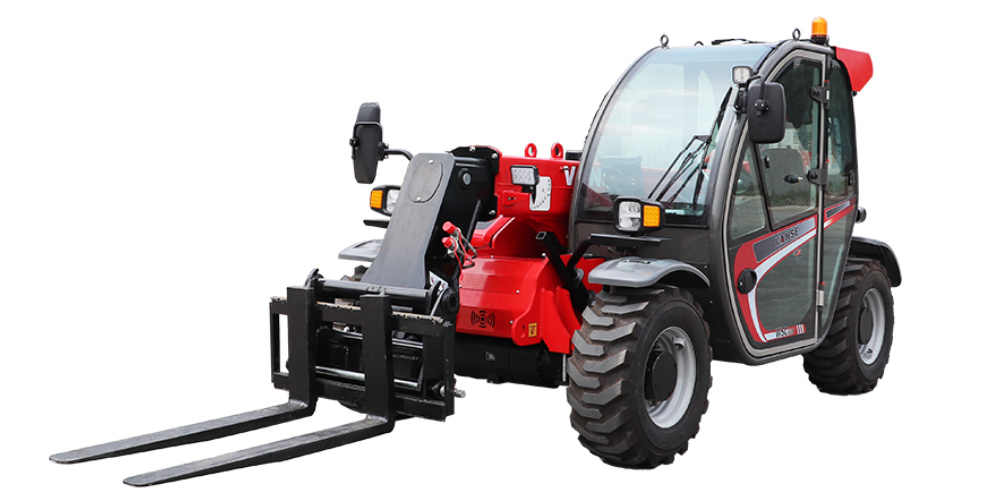
VANSE 625 6m Telescopic Handler
Designed for efficient material handling and stacking in warehouses, factories, and confined job sites, offering compact maneuverability and reliable performance.

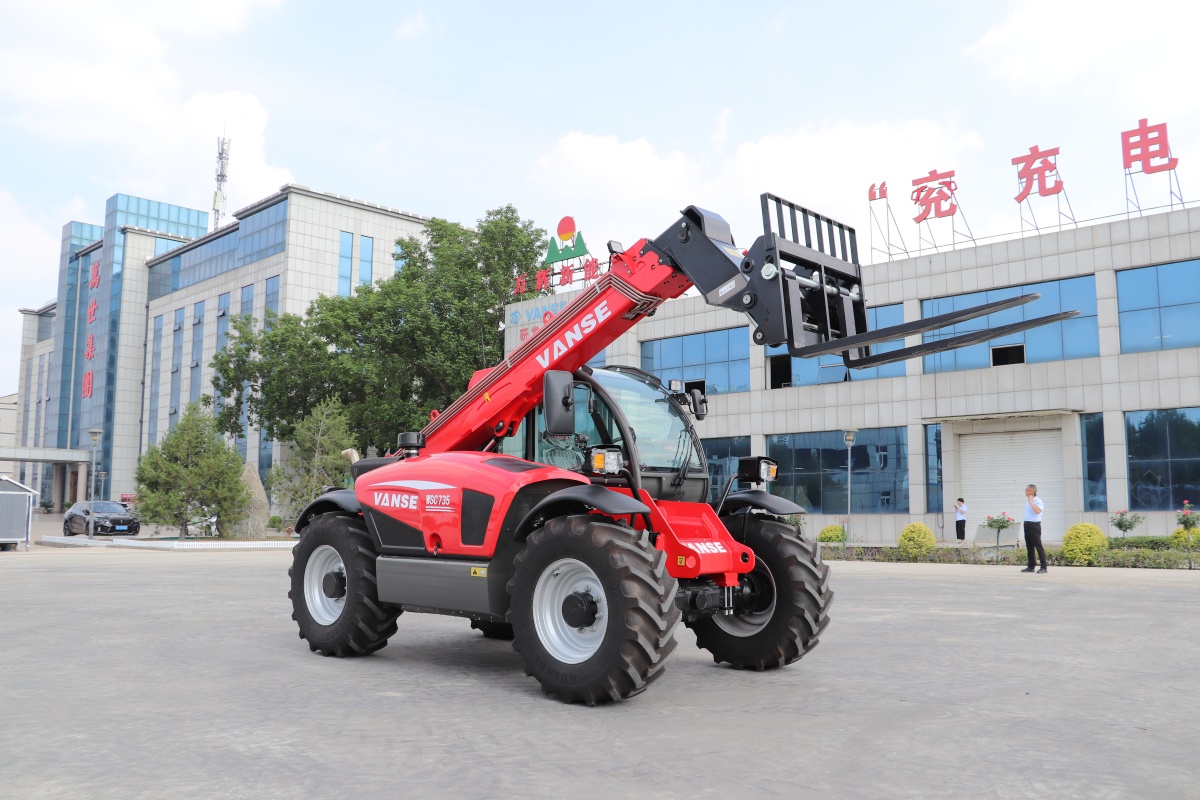
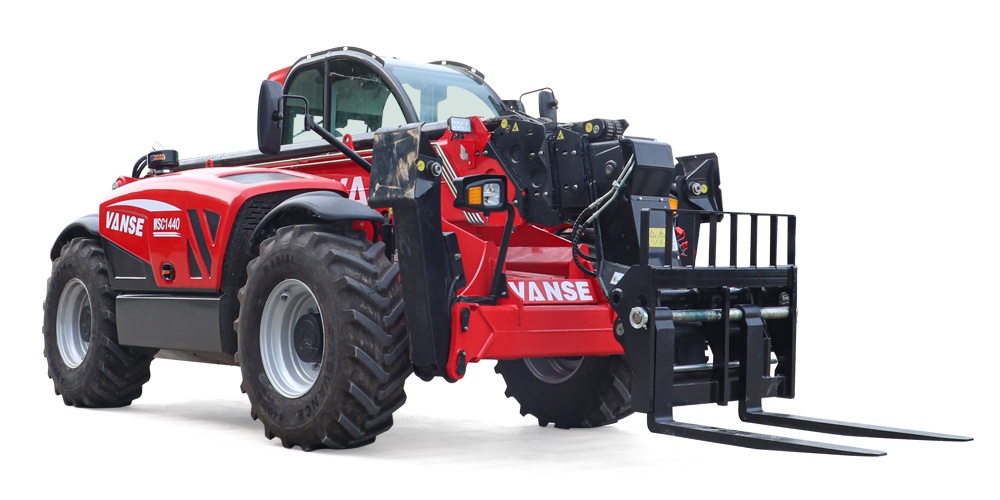
VANSE 735 7m Telescopic Handler
A balanced mid-duty solution for construction, agriculture, logistics, and warehousing, combining stable lifting, strong traction, and everyday versatility.


About the Author:
The VANSE team is a group of experienced professionals specializing in construction machinery research, manufacturing, and technical support. With deep industry knowledge and hands-on experience, our engineers and product specialists share practical insights on equipment selection, operation, maintenance, and industry trends.
Share
You May Also Interest
-

24 July, 2026
Telehandler for Landscaping: Outdoor Project Efficiency
Explore telehandler landscaping options in the United States, including suppliers, applications, costs, and buying advice for efficient outdoor projects.
-
23 July, 2026
6 Meter Telehandler: Ideal Mid-Rise Lift for All Sites
Explore 6 meter telehandler options in the United States, including top suppliers, key specs, applications, pricing factors, and buying tips for local buyers.
-
22 July, 2026
7 Meter Telehandler: Versatile Reach for Any Work Site
Find the right 7 meter telehandler for United States projects with supplier comparisons, use cases, pricing guidance, and local service insights.
-
21 July, 2026
Telehandler Operator Training: Certification Guide 2026
Telehandler operator training in the United States for 2026: certification steps, OSHA compliance, costs, providers, and practical buying guidance.