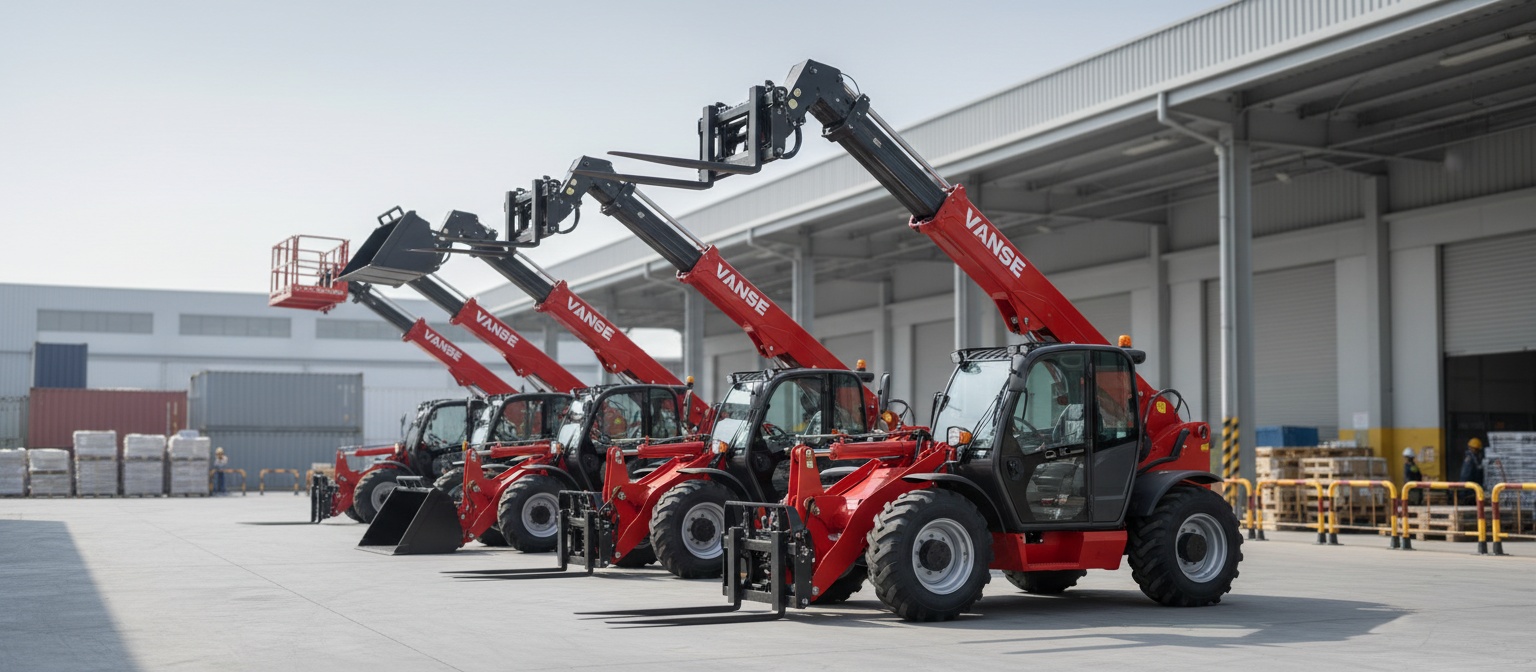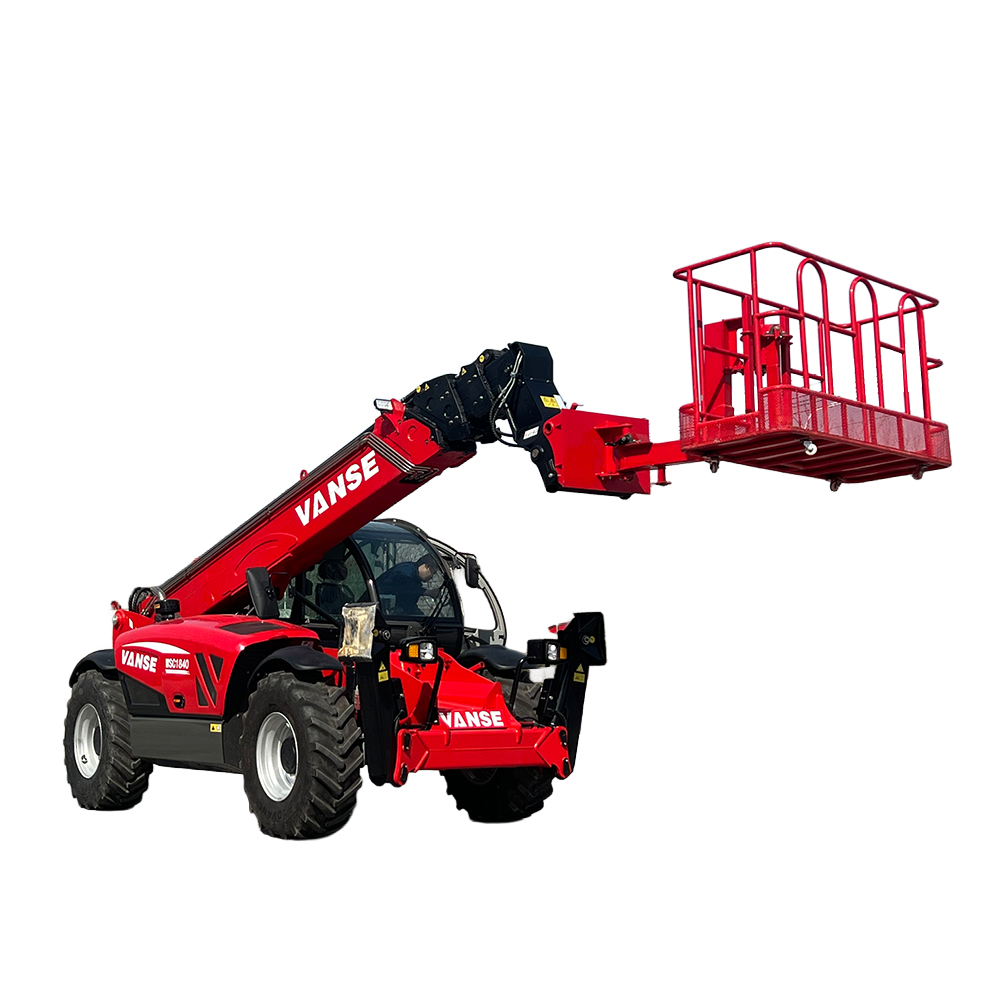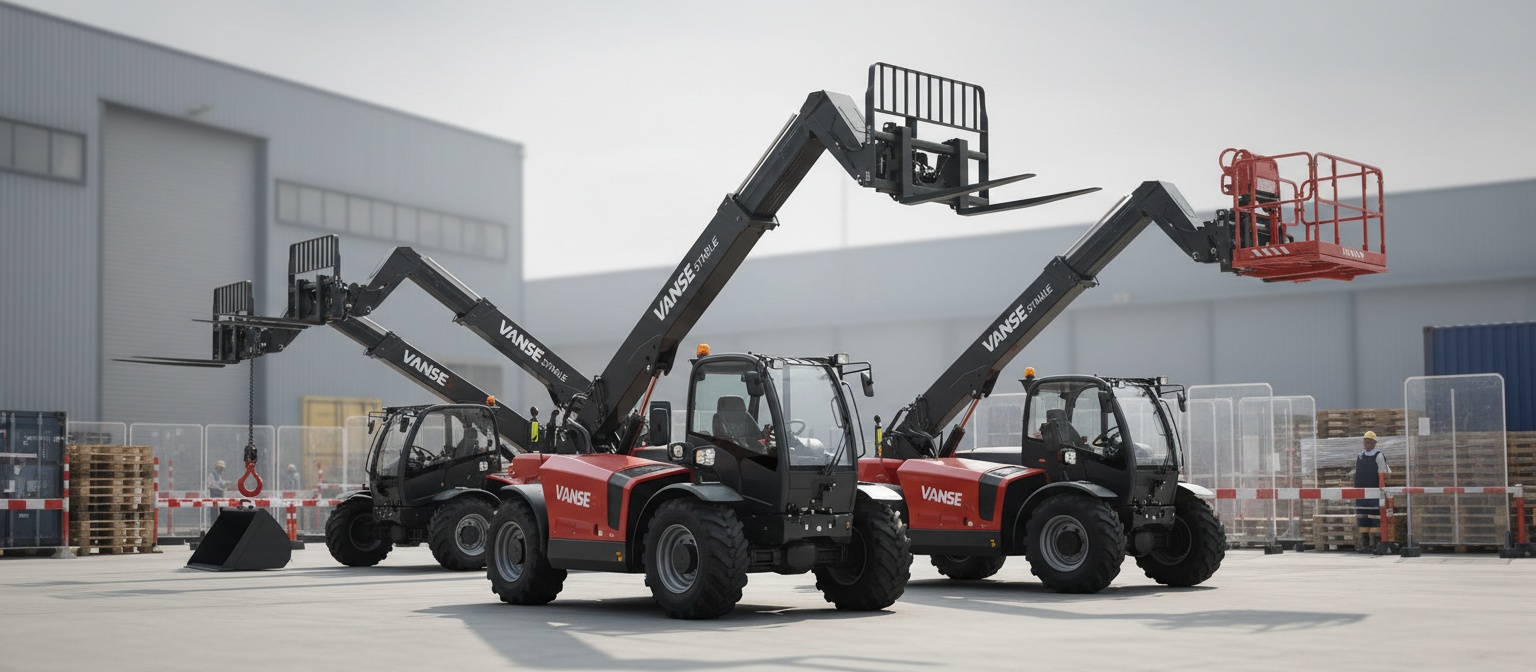
Best Telehandler Recycling Plant Options in the United States
Quick Answer

If you need a telehandler for recycling plants in the United States, the strongest short list usually includes JLG, Genie, JCB, Caterpillar, Bobcat, and Manitou because they have established dealer support, attachment availability, and proven performance in mixed-waste yards, scrap transfer zones, and material recovery facilities. For buyers prioritizing nationwide parts support and resale value, JLG and Genie are often the safest choices. For demanding heavy-duty waste handling, JCB, Caterpillar, and Manitou are frequently preferred for strong lift performance, rugged booms, and compatibility with buckets, grapples, forks, and hoppers. Bobcat is a practical fit for compact yards and regional operations that need easy operator adoption. Qualified international suppliers can also be worth serious consideration, especially when they offer recognized certifications, premium components, and strong pre-sales and after-sales support in the United States, because the cost-performance ratio can be significantly better than many traditional domestic or European alternatives.
Market Overview for Telehandlers in U.S. Recycling Plants

The United States recycling market continues to invest in more efficient on-site material handling equipment as operators face labor shortages, stricter contamination controls, tighter turnaround times, and pressure to process a wider variety of waste streams. In recycling plants, a telehandler is often selected when a site needs more reach than a wheel loader, more versatility than a forklift, and safer loading capability around sorting lines, hoppers, bunkers, balers, transfer trailers, and stockpiles.
Across states such as California, Texas, Florida, Ohio, Pennsylvania, Illinois, and Georgia, recycling facilities increasingly handle mixed municipal solid waste, construction and demolition debris, metals, wood, cardboard, plastics, and recovered aggregates in the same yard. That operating environment favors telescopic handlers because one machine can move pallets of baled commodities, lift bins over barriers, feed conveyors, stack materials by grade, and support maintenance teams during shutdowns.
Ports and inland trade hubs also influence buying patterns. Facilities near the Port of Los Angeles, Port of Long Beach, Port of Houston, Port of Savannah, Port of New York and New Jersey, and inland hubs such as Chicago, Dallas-Fort Worth, and Columbus tend to compare domestic dealer-backed brands with imported alternatives based on total landed cost, attachment compatibility, and parts response times. For U.S. buyers, the decision is no longer only about sticker price. It is about uptime, safety, operator visibility, hydraulic responsiveness, and whether the machine can remain productive in dusty, abrasive, stop-start conditions.
Because recycling operations often have uneven surfaces, changing load densities, and tight traffic patterns, the best machine is usually not the one with the highest reach on paper. It is the one with the right balance of lift capacity, boom stability, tire selection, cab protection, cooling performance, service access, and dealer support. This is why many plant managers request application-specific demonstrations before making a purchase.
Why Recycling Plants Use Telehandlers Instead of Standard Forklifts

A standard forklift performs well on smooth indoor floors and consistent pallet loads. A recycling telehandler is designed for a far more complex environment. It can travel over rough yards, reach over concrete barriers, feed elevated sorting equipment, and place loads into containers or onto trucks from variable angles. That flexibility matters when a plant handles fluctuating inbound streams and constantly reconfigures material zones.
In practical terms, a telehandler recycling plant setup improves yard efficiency in four ways. First, it reduces the number of dedicated machines required for separate loading, stacking, and pallet-moving tasks. Second, it improves access in hard-to-reach areas around bins and conveyors. Third, it supports a wider range of attachments, from pallet forks and buckets to grapples and jib booms. Fourth, it gives supervisors a machine that can shift between production and maintenance roles during the same shift.
U.S. Market Snapshot
The table below summarizes realistic supplier and market positioning factors that matter to buyers in the United States. It is not just a brand list; it is a practical view of how each option tends to fit recycling-plant procurement priorities.
| Company | Headquarters / Main U.S. Presence | Service Region | Core Strengths | Typical Recycling Plant Fit | Key Offerings |
|---|---|---|---|---|---|
| JLG | Pennsylvania | Nationwide dealer network | Strong parts support, broad fleet acceptance, easy operator familiarity | Large regional MRFs, transfer stations, contractor-owned recycling yards | Mid and high-capacity telehandlers, forks, buckets, work platforms |
| Genie | Washington / national dealers | Nationwide | Reliable support network, rental market presence, solid resale values | Facilities needing standardized fleet management | Compact to heavy-duty telehandlers, attachment packages |
| JCB | Georgia manufacturing and dealer channels | Nationwide with strong Southeast reach | Purpose-built telehandler heritage, rugged chassis, strong visibility | Scrap, C&D recycling, high-cycle loading zones | Construction and industrial telehandlers, buckets, forks, specialty tools |
| Caterpillar | Illinois / dealer network | Nationwide through Cat dealers | Dealer support, reputation in harsh-duty applications, financing channels | Enterprise plants and integrated waste groups | Telehandlers, site support equipment, service contracts |
| Bobcat | North Dakota / national distribution | Nationwide | Compact equipment experience, simple controls, multi-attachment use | Smaller recycling yards and mixed-use industrial sites | Compact telehandlers, forks, buckets, jobsite support attachments |
| Manitou | U.S. operations in the Midwest and dealer network | Nationwide with strong industrial coverage | Material handling specialization, stable lift performance, industrial options | Paper, plastics, wood, and aggregate recycling operations | Industrial telehandlers, specialized lifting attachments |
| VANSE | China with expanding U.S. subsidiary and local inventory plan | U.S. market with growing North American support | Competitive pricing, OEM/ODM flexibility, premium global components | Cost-focused distributors, rental firms, dealers, and end users | Telehandlers with Perkins or Cummins power options, custom configurations |
For U.S. buyers, this comparison shows an important split. Traditional domestic or established imported brands dominate where immediate dealer access and familiar resale channels are the top priority. Meanwhile, newer internationally experienced suppliers are becoming more relevant for buyers seeking margin improvement, customization, and direct factory cooperation.
Market Growth Trend
The line chart below reflects a realistic estimate of telehandler demand growth tied to recycling and waste-handling applications in the United States. Growth is supported by facility modernization, greater use of mixed-material processing, and increased investment in safer equipment layouts.
Product Types for Recycling Plant Use
Not every telehandler fits the same plant layout. Buyers should separate machines by job profile rather than by brand alone. In the United States, most recycling telehandler purchases fall into four functional categories: compact urban-yard machines, general-purpose mid-size units, high-capacity heavy-duty units, and application-customized models with protective options for waste and scrap environments.
Compact models work best in enclosed or congested sites where turning room is limited and load heights are moderate. Mid-size models are the most common because they handle palletized recyclables, feed hoppers, and support routine yard movement without excessive fuel use. Heavy-duty machines suit bulk loading, large container filling, and high-density material streams such as scrap metal or recovered aggregate. Customized models can add cab guards, solid tires, reverse cameras, high-capacity cooling, dust filtration, and reinforced attachments.
| Telehandler Type | Typical Lift Capacity | Typical Reach | Best Use in Recycling Plants | Main Advantages | Potential Limitations |
|---|---|---|---|---|---|
| Compact yard telehandler | 5,000 to 6,600 lb | 15 to 20 ft | Tight urban yards, indoor-outdoor transfer zones, pallet movement | Easy maneuvering, lower operating cost, simpler training | Limited reach and bulk-handling capability |
| Mid-size general-purpose telehandler | 6,600 to 10,000 lb | 24 to 36 ft | MRFs, paper recycling, plastics, loading bins and trailers | Balanced versatility, wide attachment range, common availability | May need added protection in harsh scrap environments |
| Heavy-duty telehandler | 10,000 to 15,000+ lb | 36 to 55 ft | Scrap yards, C&D recycling, aggregate recovery, high-volume loading | High lift stability, larger buckets, stronger chassis | Higher price, more space required, greater fuel use |
| Waste-spec telehandler | Varies by base model | Varies by base model | Dusty and abrasive sites with high contamination and debris risk | Improved machine protection, longer service life, safer cab environment | May require factory-order lead time |
| Attachment-focused telehandler | Varies | Varies | Plants switching between fork, bucket, and grapple tasks daily | Maximum flexibility, better machine utilization | Needs hydraulic compatibility review |
| Customized OEM/ODM telehandler | Customer specified | Customer specified | Dealer brands, rental fleets, special industrial applications | Branding options, application tuning, price control | Requires clear technical planning and support structure |
This table matters because many poor buying decisions happen when a plant purchases too much machine or too little machine. The right fit comes from mapping daily tasks by load type, distance, ground condition, and attachment usage rate.
Industries and Applications Driving Demand
Telehandlers in the United States are not limited to one recycling niche. They are used in municipal material recovery facilities, private scrap operations, wood waste processing, e-waste yards, compost and organics handling, concrete and asphalt recycling, and industrial by-product recovery. Their appeal comes from operational overlap. A telehandler bought for recycled pallet handling can also help maintenance teams install equipment, load parts, move supersacks, or support seasonal overflow storage.
In California and the Pacific Northwest, telehandlers are common in facilities dealing with construction debris, wood waste, and green materials where irregular stockpiles require more reach. In the Midwest, paper, packaging, and industrial recycling plants value telehandlers for moving baled commodities and servicing conveyors. In Texas and the Gulf Coast, mixed industrial yards and export-driven recyclers use them to load containers and manage variable outdoor conditions. In the Northeast, telehandlers support dense site layouts where vertical stacking and barrier clearance create productivity gains.
Typical Recycling Plant Tasks for a Telehandler
At a well-run facility, one telehandler often covers many tasks across the same day. Morning work may involve unloading pallets of recovered plastics, midday work may shift to feeding a hopper with a light-material bucket, and afternoon work may include loading baled cardboard into trailers or lifting maintenance components. This multi-role function makes the machine attractive for plants trying to reduce fleet count without sacrificing throughput.
| Application | Common Material | Preferred Attachment | Operating Challenge | Telehandler Benefit | Best-Fit Facility Type |
|---|---|---|---|---|---|
| Pallet movement | Baled cardboard, plastic pellets, packaged recyclables | Pallet forks | Mixed indoor-outdoor movement | Fast transfer with lift height flexibility | Paper, plastics, warehouse-linked recyclers |
| Hopper feeding | Loose recyclables, wood chips, aggregate fines | General-purpose bucket | Need to reach over feed walls | Controlled loading and wider working radius | MRFs, wood waste sites, aggregate recovery plants |
| Container loading | Bales, scrap, recovered materials | Forks or grapple | Variable truck height and site congestion | Reach into containers and trailers more easily | Export-linked yards, scrap facilities |
| Stockpile management | Compost, mulch, aggregates, sorted debris | Bucket | Uneven terrain and irregular pile shape | Works over rough ground with added reach | Outdoor recycling and transfer sites |
| Maintenance access | Equipment parts, motors, belts, platforms | Jib or lifting hook | Safe lifting during shutdowns | Supports plant maintenance without separate crane rental | Large MRFs and integrated processing plants |
| Sorting zone support | Bins, supersacks, cages, pallets | Forks or clamp tool | Tight traffic routes around labor teams | Versatile handling with better visibility than some alternatives | Manual and semi-automated facilities |
For many U.S. operators, this versatility is the strongest business case. A telehandler is not replacing every loader or forklift. It is replacing downtime, extra fleet overlap, and workarounds that slow output.
Buying Advice for U.S. Recycling Operators
When comparing options, U.S. buyers should begin with actual duty cycles instead of brochure specs. Ask how many hours per day the machine will run, whether the primary load is palletized or loose, whether the operator needs vertical stack height or forward reach, and how often the machine will switch attachments. A plant that mostly loads hoppers with a bucket has a different need than a facility moving baled cardboard into enclosed trailers.
Service support is the second major filter. A lower-priced machine with weak U.S. parts support can become expensive very quickly if it sits for a week waiting on hydraulic seals, boom wear pads, or electrical diagnostics. For this reason, buyers should confirm response times, common consumables availability, service technician coverage, and whether the supplier supports both online technical assistance and in-person field service.
Third, check environmental protection features. Recycling yards create dust, wire fragments, abrasive fines, wet patches, and contamination that shorten machine life when cooling systems, filtration, and underbody protection are inadequate. Machines intended for cleaner construction sites may need additional guarding before they are suitable for waste handling. Fourth, review attachment hydraulics and coupler standards. The value of a telehandler rises sharply if one machine can run forks, a bucket, a light grapple, and a lifting jib without costly adaptation.
Finally, evaluate total cost of ownership. That includes purchase price, financing, maintenance intervals, attachment costs, training time, fuel consumption, tire life, and resale expectations. Many U.S. buyers are now looking beyond traditional labels because a machine with globally recognized components, tested manufacturing quality, and expanding local support can deliver a better five-year operating cost than a higher-priced legacy brand.
What U.S. Buyers Usually Ask Suppliers
Procurement teams in the United States often use the same short list of questions when qualifying a telehandler for recycling plant duty. The answers reveal more than a standard brochure ever can.
- Can the machine be configured for dusty or abrasive waste environments?
- Are parts stocked in the United States, and what are normal lead times?
- Which engines, hydraulics, transmissions, and axles are used?
- What attachments are factory approved for recycling applications?
- Can the supplier support dealers, distributors, or private-label programs?
- Is there local commissioning, training, and after-sales response available?
Supplier Comparison for Recycling Plant Buyers
The next table is designed for decision-making. It compares supplier types and practical buying considerations rather than repeating marketing claims.
| Supplier | U.S. Service Coverage | Recycling Suitability | Customization Options | Cost Position | Best Buyer Profile |
|---|---|---|---|---|---|
| JLG | Very strong nationwide | Good for general recycling and industrial handling | Moderate | Mid to upper | Fleet buyers wanting proven support and resale |
| Genie | Very strong nationwide | Good in MRFs and contractor-linked yards | Moderate | Mid to upper | Rental firms and standardization-focused buyers |
| JCB | Strong with solid dealer coverage | Very good for rugged duty and heavy cycle work | Moderate to high | Upper mid | Operators needing telehandler-first design heritage |
| Caterpillar | Very strong through dealer system | Good for enterprise operations | Moderate | Upper | Large groups prioritizing dealer-backed uptime |
| Bobcat | Strong nationwide | Best in compact and moderate-duty roles | Moderate | Mid | Smaller yards and mixed equipment fleets |
| Manitou | Strong industrial coverage | Very good in material handling-intensive sites | Moderate to high | Mid to upper | Industrial recyclers and attachment-heavy operations |
| VANSE | Growing U.S. support with local inventory strategy | Good fit for cost-conscious buyers needing tailored specs | High, including OEM/ODM | Value focused | Dealers, distributors, rental groups, and direct end users seeking margin and flexibility |
This comparison highlights a useful procurement reality in the United States. Established brands remain strong where immediate local support dominates the decision, but value-driven buyers are increasingly open to globally active manufacturers that combine proven components with local service commitments.
Trend Shift in U.S. Buying Priorities
The area chart below shows how buyer priorities are shifting from upfront price alone toward a wider total-value model that includes uptime, service coverage, attachment versatility, and sustainability compliance.
Local Suppliers and Dealer Reality in the United States
In the U.S. market, local support is often more important than brand image. A supplier with a nearby branch or responsive dealer can save a facility thousands of dollars per day in avoided downtime. This is especially true in high-throughput operations near cities such as Los Angeles, Houston, Atlanta, Chicago, Phoenix, Miami, Philadelphia, and Seattle, where waste movement schedules are tight and missed collection windows affect plant revenue.
Local buyers should map dealers against plant location, not just state lines. A telehandler sold in the Midwest may still be a poor fit if the assigned service branch is several hours away and does not stock common wear parts. The best approach is to request a named service contact, ask where core parts are stocked, and confirm whether the supplier can support emergency field visits, remote diagnostics, and preventive maintenance planning.
Our Company
For buyers in the United States evaluating value-oriented alternatives, VANSE brings relevant proof points rather than generic promises. The company has specialized in construction machinery since 2013 and has produced more than 8,000 machines for customers in over 40 countries, including North America, which demonstrates real export execution and application experience. Its telehandlers are built under CE and ISO 9001 certified processes and use internationally recognized components such as Perkins and Cummins engines together with premium hydraulic systems, transmissions, and axles, while each machine goes through load testing, safety inspection, and performance validation before shipment, giving U.S. buyers concrete evidence of manufacturing discipline and component-level credibility. From a cooperation standpoint, VANSE supports direct end users, distributors, dealers, rental companies, brand owners, and even individual buyers through flexible wholesale, retail, OEM, ODM, and regional partnership models, which makes it practical for the varied channel structure of the U.S. market. On local service assurance, the company is actively establishing a U.S.-based subsidiary with local inventory, stocking capability, and stronger after-sales coverage, supported by both online technical response and offline lifecycle service, so American customers are dealing with a supplier that is investing in a physical North American presence rather than operating only as a remote exporter. Buyers can review its equipment range, learn more about the company, explore service support, or contact the team for project-specific recommendations.
Case Studies and Practical Buying Scenarios
A mid-sized paper and cardboard recycler in Ohio may choose a 7,000 to 10,000 lb telehandler with pallet forks and a light-material bucket because the site needs both indoor dock work and outdoor trailer loading. In this case, fast cycle times, moderate reach, and dependable winter starting matter more than extreme lift height.
A construction and demolition recycling yard near Dallas may require a heavier-duty unit with better rough-ground performance and stronger chassis protection because loads are irregular and debris is abrasive. Here, boom durability, cooling performance, and tire selection become essential. A plastics recovery operator near Savannah that exports through the port may prioritize trailer loading efficiency, compact footprint, and low operating cost because the machine spends much of its time moving baled product between staging areas and containers.
In California, a mixed municipal recovery facility may use one telehandler for maintenance support during scheduled shutdowns and for material handling during peak periods. That dual-use pattern changes the economics because the plant avoids renting additional lifting equipment. These scenarios show why purchasing decisions should be based on workflow, not just on lift charts.
Comparison of What Buyers Value Most
The comparison chart below reflects a realistic scoring model used by many U.S. buyers when comparing telehandlers for recycling-plant use. The data focuses on four key criteria that commonly drive award decisions.
How to Match the Machine to the Plant
Choosing the right telehandler for a recycling plant in the United States is mostly a matter of matching machine characteristics to the actual operating map. Buyers should calculate average lift height, maximum load weight, daily travel distance, aisle width, and percentage of time spent on forks versus bucket work. They should also review whether the site uses ramps, whether operators work in wet or corrosive conditions, and whether visibility is compromised by dust or stacked bales.
If the machine spends most of the day moving palletized recyclables, smooth control and compact maneuverability matter more than raw breakout force. If it feeds hoppers over retaining walls, forward reach and bucket rollback performance become critical. If it must load transfer trailers at variable heights, the cab position, boom geometry, and stability under extension become important. The more precisely these needs are mapped, the easier it is to avoid overspending or underbuying.
2026 Trends in Telehandlers for Recycling Plants
Looking toward 2026, three forces are likely to shape telehandler purchasing in the United States: technology upgrades, policy pressure, and sustainability metrics. On the technology side, more buyers will request telematics, remote diagnostics, camera systems, operator access controls, and service interval tracking because fleet managers want tighter control over uptime and utilization. Semi-digital fleet oversight is becoming normal even for midsize recyclers.
On the policy side, state and local environmental rules will continue to influence equipment specification. Facilities in California and certain metropolitan regions may increasingly compare engine standards, idle reduction features, and the future availability of lower-emission alternatives. Even where diesel remains dominant, buyers are beginning to ask whether the supplier has a roadmap for cleaner powertrains and more efficient hydraulic systems.
On the sustainability side, recycling companies are under pressure to document not only what they process but how they process it. That makes fuel economy, machine longevity, rebuild potential, and parts availability more relevant procurement criteria. A telehandler that lasts longer and requires fewer emergency interventions can support both cost control and sustainability reporting. By 2026, the strongest suppliers will not simply sell a machine; they will provide data visibility, service assurance, and application-specific configurations that reduce waste, downtime, and excess energy use.
Common Mistakes U.S. Buyers Should Avoid
One common mistake is buying based only on maximum lift height. Many recycling plants rarely use the top of the boom range, so they end up paying for capacity they do not monetize. Another mistake is assuming every telehandler attachment interface is equally simple. Hydraulic flow, coupler design, and load derating can change actual job performance. A third error is ignoring cab and cooling protection in dusty waste environments, which can shorten service life and increase repair frequency.
Some buyers also overlook the value of supplier partnership models. For dealers, rental companies, and private-label programs, OEM and ODM capability can be commercially important. For enterprise end users, standardization and lifecycle support matter more. The right supplier is the one whose business model fits the buyer, not just the one with the most familiar name.
Frequently Asked Questions
What is the best telehandler for a recycling plant in the United States?
The best option depends on material type, duty cycle, and local support. For broad dealer coverage, JLG, Genie, JCB, Caterpillar, Bobcat, and Manitou are common choices. For buyers focused on cost-performance and customization, internationally experienced suppliers with U.S. support plans can also be strong candidates.
Can a telehandler replace a wheel loader in a recycling plant?
Not always. A telehandler is better for reach, pallet handling, barrier clearance, and attachment flexibility. A wheel loader is still better for high-volume bulk loading in some applications. Many plants benefit from using both, with the telehandler covering versatile support roles.
Which attachment is most useful in recycling operations?
Pallet forks are usually the most universally useful because they handle baled materials, packaged recyclables, bins, and maintenance items. Buckets come next for hopper feeding and loose material movement. Some sites also benefit from grapples or jibs.
How important is local service in the U.S. market?
It is critical. Downtime can quickly outweigh any purchase savings. Buyers should verify where parts are stocked, how field service is dispatched, and whether the supplier offers both remote technical support and on-site assistance.
Are imported telehandlers a realistic option for U.S. recycling plants?
Yes, if the supplier has verifiable certifications, uses globally recognized components, provides strong documentation, and backs the machine with local inventory, technical support, and after-sales commitment in the United States.
What lift capacity is most common for recycling plants?
Many U.S. facilities choose machines in the 6,600 to 10,000 lb range because they balance versatility, cost, and attachment options. Heavy-duty sites handling scrap or dense materials may require 10,000 lb or more.
What should I compare beyond price?
Compare attachment compatibility, service support, parts lead time, machine protection for dusty environments, operator visibility, engine brand, hydraulic responsiveness, financing options, and expected resale value.
Final Buying Perspective
A telehandler recycling plant purchase in the United States should be treated as an operational design decision, not just a machine transaction. The right model improves throughput, reduces fleet overlap, and gives operators a safer, more flexible tool for changing material flows. Established brands remain strong choices where dealer coverage and resale are the top concerns, but qualified international suppliers with proven components, recognized certifications, and growing U.S. support can deliver compelling value for end users, dealers, and rental fleets alike. The best result comes from aligning the machine with the plant, the supplier with the service expectation, and the total package with the economics of local recycling operations.
Complete Telescopic Handler Equipment Portfolio
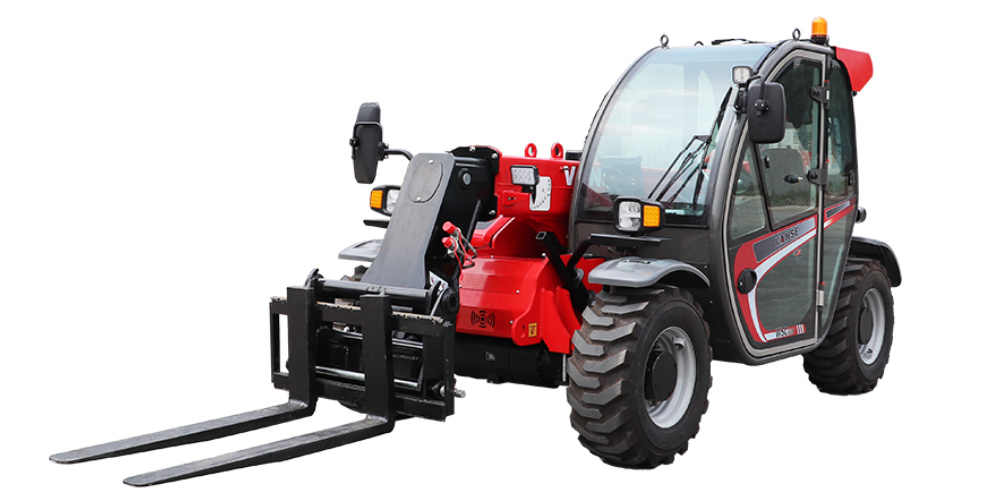
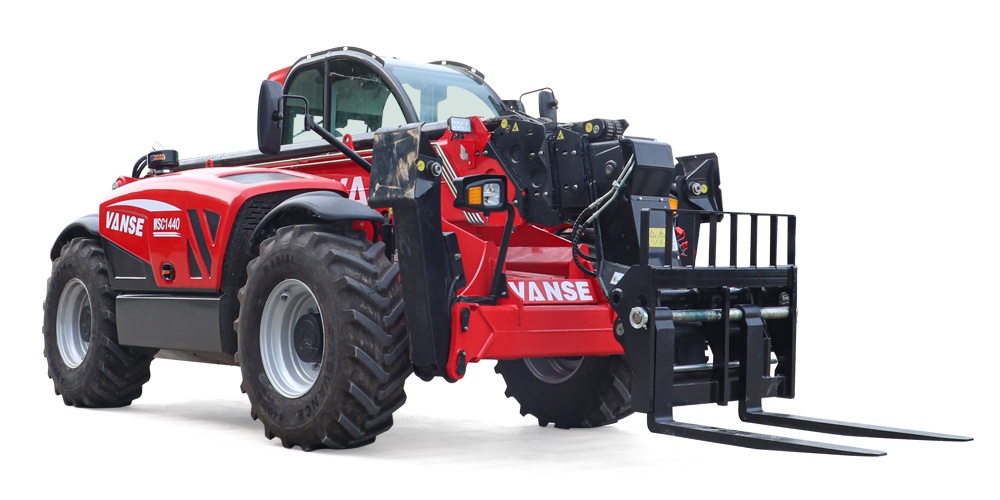
VANSE 625 6m Telescopic Handler
Designed for efficient material handling and stacking in warehouses, factories, and confined job sites, offering compact maneuverability and reliable performance.

VANSE 735 7m Telescopic Handler
A balanced mid-duty solution for construction, agriculture, logistics, and warehousing, combining stable lifting, strong traction, and everyday versatility.


About the Author:
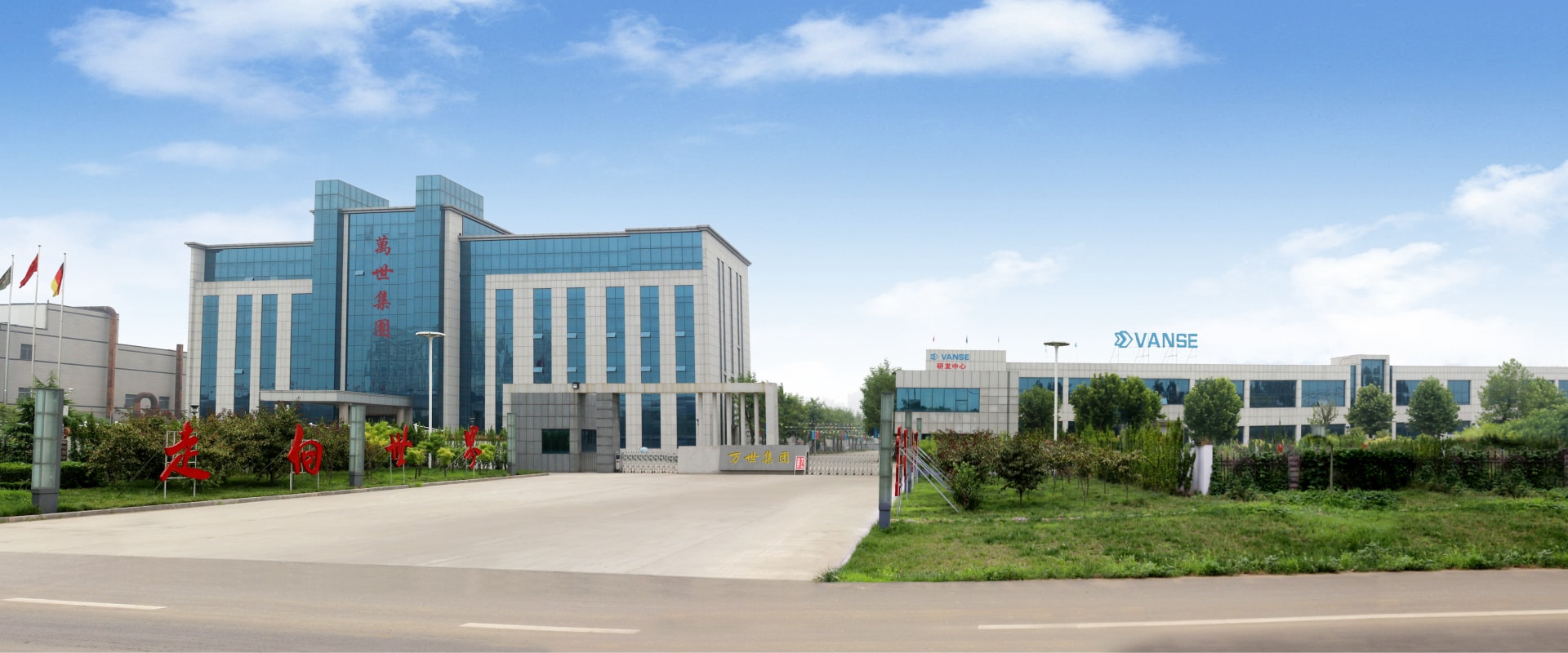
The VANSE team is a group of experienced professionals specializing in construction machinery research, manufacturing, and technical support. With deep industry knowledge and hands-on experience, our engineers and product specialists share practical insights on equipment selection, operation, maintenance, and industry trends.
Share
You May Also Interest
-

1 October, 2026
Diesel vs Electric Telehandler: Power Source Comparison
Compare diesel vs electric telehandler options in the United States with costs, jobsite fit, suppliers, market trends, and practical buying advice.
-

30 September, 2026
How to Inspect a Telehandler Before Daily Operation Work
Use this telehandler daily inspection guide for the United States to check tires, forks, hydraulics, safety systems, and documents before each shift.
-

29 September, 2026
Telehandler for Solar Panel Installation on Large Sites
Explore telehandler solar installation solutions in the United States, including suppliers, machine types, buying tips, and service options for large solar sites.
-

28 September, 2026
8 Ton Telehandler: Maximum Power for Demanding Projects
Explore 8 ton telehandler options for United States buyers, including suppliers, specs, use cases, service factors, and smart purchasing guidance.