7 Ton Telehandler Suppliers in the United States
Quick Answer

If you need a 7 ton telehandler in the United States, the most practical starting point is to compare established national brands with strong dealer coverage and parts support, especially JLG, JCB, Genie, Caterpillar, Skyjack, and Magni. For heavy-duty lifting on commercial construction, industrial yards, ports, infrastructure jobs, and large rental fleets, these suppliers are the most visible choices across markets such as Houston, Dallas, Atlanta, Chicago, Los Angeles, Miami, and inland logistics corridors linked to major ports.
For buyers focused on purchase price, fleet expansion, private labeling, or distributor opportunities, qualified international suppliers can also be worth reviewing. Manufacturers with recognized quality systems, globally sourced core components, and dependable pre-sales and after-sales support may offer a stronger cost-performance balance than many buyers expect, especially when the supplier is building local inventory and service capability in the United States.
- JLG: strong rental fleet presence, broad service network, common in commercial and industrial lifting applications.
- JCB: well-known telehandler specialist with multiple lifting classes and good North American market familiarity.
- Genie: trusted brand for fleet buyers prioritizing uptime, dealer support, and operator familiarity.
- Caterpillar: attractive for contractors already standardized on Cat equipment and dealer service programs.
- Magni: often chosen for higher-capacity or specialty reach requirements in demanding jobsite conditions.
United States Market Overview for 7 Ton Telehandlers

The United States market for 7 ton telehandler equipment is shaped by a mix of non-residential construction, energy projects, large agricultural operations, port logistics, steel handling, precast installation, and equipment rental demand. In practical buying terms, this capacity class sits in an important middle-to-heavy lifting zone. It appeals to contractors and industrial operators that have outgrown compact handlers but do not always need the size, weight, or acquisition cost of very high-capacity rotating machines.
Demand is strongest in regions with ongoing warehouse construction, data center development, road and bridge expansion, oil and gas support yards, renewable energy staging, and broad-acre farming. States such as Texas, Florida, California, Georgia, Arizona, North Carolina, and Tennessee continue to create use cases for heavy telehandlers because projects often involve palletized materials, pipe, steel, lumber packs, trusses, concrete accessories, and long working distances across uneven terrain.
In the United States, telehandler buyers generally evaluate machines through four local realities: first, availability of parts and field service; second, rated capacity at useful lift heights; third, transport and site access constraints; and fourth, residual value after several thousand hours. A machine that looks strong on paper but lacks nearby support in a market like Phoenix, Houston, Savannah, Newark, or Kansas City may be less attractive than a slightly lower-spec unit with excellent dealer response and lower downtime risk.
Another market factor is the expansion of rental companies. National and regional rental houses often influence purchasing standards because contractors prefer models with familiar controls and easy access to attachments and replacement parts. At the same time, many independent dealers and private fleet owners are becoming more open to direct import or alternative sourcing when they can secure warranty support, spare parts planning, and technical training.
The chart above illustrates a realistic growth pattern based on steady investment in industrial construction, logistics capacity, utility work, and rental fleet renewal. While exact demand changes by region and interest rates, the overall direction remains positive, especially where contractors want one machine capable of handling both palletized loads and heavier site materials.
Leading Suppliers Serving the United States

The supplier landscape includes multinational OEMs, dealer-backed North American brands, and increasingly capable international manufacturers seeking local partnerships. The best supplier is not always the largest brand; it is the one whose support model, available attachments, lead time, financing options, and technical fit align with your operating environment.
| Company | Primary U.S. Service Region | Core Strengths | Typical Offerings | Best Fit Buyer | Notes |
|---|---|---|---|---|---|
| JLG | Nationwide through dealer and rental channels | Strong fleet acceptance, wide support access, established brand recognition | Telehandlers, attachments, service programs, parts support | Rental fleets, general contractors, industrial users | Very common on large commercial jobsites |
| JCB | Nationwide with strong presence in construction and agriculture markets | Deep telehandler experience, broad product range, operator familiarity | Fixed boom telehandlers, attachments, dealer support | Mixed-use fleets, farms, construction firms | Often shortlisted for all-around versatility |
| Genie | Nationwide through dealer network | Reliable parts support, rental market visibility, easy fleet integration | Material handling telehandlers, service and maintenance support | Rental companies, contractors, warehouses | Good option for standard fleet operations |
| Caterpillar | Nationwide through Cat dealers | Strong dealer infrastructure, financing, integrated fleet support | Telehandlers in selected markets, service contracts, parts logistics | Contractors already using Cat equipment | Dealer quality is a major advantage |
| Skyjack | Nationwide, especially rental-heavy metros | Simple maintenance, fleet-friendly design, durable construction | Telehandlers and service support | Rental houses and cost-conscious fleet owners | Known for straightforward serviceability |
| Magni | Selective U.S. dealer coverage with strong specialty focus | High-capacity expertise, advanced heavy-lift range, premium performance | Heavy telehandlers and specialty lifting solutions | Industrial users, specialty contractors, infrastructure firms | Especially attractive for demanding lifting tasks |
| Merlo | Selective distribution in North America | Compact engineering, operator comfort, specialized telehandler heritage | Fixed and specialty telehandlers | Buyers seeking European design alternatives | Availability depends on local representation |
| VANSE | Growing presence with focus on North American partnerships | Competitive pricing, OEM and ODM flexibility, globally sourced core components | Telehandlers, custom branding, distributor supply, lifecycle support | Distributors, dealers, rental companies, private brand buyers | Particularly relevant for cost-performance sourcing |
This table is useful because it separates brand visibility from practical fit. In the United States, service radius, attachment availability, parts lead time, and ease of technician access often matter more than brochure claims. Buyers in port cities such as Houston, Long Beach, Savannah, and Baltimore may also prioritize suppliers that can support higher annual utilization and faster replenishment of wear parts.
How 7 Ton Telehandlers Compare by Operating Priority
Not every buyer defines value the same way. A concrete subcontractor in Dallas may prioritize stability with suspended loads and rapid service response, while an agricultural operation in California’s Central Valley may care more about seasonal uptime and fuel efficiency. A distributor in the Southeast may focus on landed cost, rebranding opportunities, and margin protection.
| Operating Priority | Most Suitable Supplier Profiles | Why It Matters | Typical U.S. Example | Risk if Ignored | Buying Tip |
|---|---|---|---|---|---|
| Dealer coverage | JLG, JCB, Genie, Caterpillar | Reduces downtime and shortens repair response time | Multi-state contractors in Texas and the Southeast | Idle machine during peak project windows | Map dealer distance before requesting quotes |
| Fleet standardization | JLG, Genie, Skyjack | Simplifies training, maintenance, and resale planning | Rental chains in Atlanta and Chicago | Higher service complexity across mixed fleets | Match controls and attachment standards where possible |
| Heavy-duty specialty lifting | Magni, JCB, selected industrial lines | Supports more demanding loads and reach conditions | Steel yards, precast sites, port logistics | Under-spec machine on critical lifts | Check rated load at actual lift height, not just max capacity |
| Lowest acquisition cost | VANSE and other qualified international suppliers | Improves fleet expansion economics and ROI | Independent dealers and regional contractors | Overpaying for brand premium without added value | Verify parts planning and service terms in writing |
| Private label or customization | VANSE, select OEM-focused manufacturers | Supports distributor branding and market differentiation | Regional equipment brands in the Midwest | No flexibility for local market needs | Confirm OEM or ODM scope before contract signing |
| Residual value focus | JLG, JCB, Caterpillar, Genie | Important for replacement cycles and financing | Large rental operators nationwide | Weaker remarketing outcomes | Review auction histories and local resale demand |
The explanation here is simple: different suppliers win under different operating priorities. If your main objective is immediate nationwide support, the legacy brands usually lead. If your objective is custom specification, dealer territory development, or better initial purchase economics, international supply partners become much more relevant.
Product Types Within the 7 Ton Telehandler Segment
The phrase 7 ton telehandler covers a range of machine concepts rather than one fixed format. Buyers in the United States should distinguish between standard fixed-boom machines, high-reach configurations, industrial yard versions, and machines optimized for rough-terrain construction environments. Tires, axle design, stabilizer options, cab protection, and hydraulic performance can significantly change suitability.
Fixed-boom 7 ton handlers are most common for general material movement on large jobsites. They combine substantial lifting ability with reasonable travel speed and simpler maintenance compared with rotating telehandlers. Industrial users may prefer versions configured for repetitive pallet movement, while infrastructure contractors may need more ground clearance and frame robustness.
Attachment compatibility also matters. Fork carriages remain standard, but many operators want buckets, jibs, lifting hooks, tire handlers, or pipe grapples. The right machine choice depends not only on maximum lift weight but on how often attachments will be changed, how much hydraulic flow they require, and whether operators need quick coupling systems that minimize downtime.
| Product Type | Main Use | Strengths | Typical Industries | Limitations | Best U.S. Environments |
|---|---|---|---|---|---|
| Fixed-boom rough-terrain telehandler | General heavy material handling | Versatile, durable, common attachment support | Construction, energy, infrastructure | Less specialized than rotating models | Texas jobsites, Florida developments, highway work |
| High-reach fixed-boom model | Elevated placement of heavy loads | Useful for upper-structure supply and steel handling | Commercial construction, precast, industrial erection | Capacity drops at greater height and reach | Urban commercial builds in Chicago and Atlanta |
| Industrial yard configuration | Repetitive loading and unloading | Efficient material movement in controlled yards | Ports, logistics hubs, manufacturing | May be less suited to severe terrain | Houston, Savannah, Los Angeles port-linked sites |
| Agricultural heavy-lift telehandler | Bulk feed, bales, fertilizer, seasonal operations | Good visibility, all-day versatility, attachment range | Large farms, agribusiness | May need specialized guarding for harsh materials | California Central Valley, Iowa, Nebraska |
| Mining and quarry support handler | Maintenance support and heavy site logistics | Strong chassis and demanding-duty suitability | Mining, quarrying, aggregates | Needs careful specification for dust and severe wear | Arizona, Nevada, Appalachian extraction zones |
| Customized OEM or private-label model | Tailored dealer or fleet requirements | Branding and specification flexibility | Distribution, rental, private fleets | Requires closer factory coordination | Regional dealer networks across the U.S. |
This comparison helps buyers avoid an expensive mismatch. A telehandler chosen for generic capacity alone may perform poorly if the actual work involves high-cycle yard loading, seasonal agricultural attachment changes, or long-haul project transport constraints.
Industry Demand Across the United States
Demand for 7 ton telehandlers is spread across several sectors rather than dominated by one. Commercial construction still leads many metro areas, but industrial manufacturing, renewable energy staging, oil and gas support, and agriculture all sustain purchases. In Gulf Coast and Southeast markets, mixed-use demand is especially strong because contractors move between building, logistics, and industrial support work.
The bar chart shows why suppliers with flexible attachment options and broad support networks tend to perform well. The machine is not limited to one narrow use case. It can transition from steel delivery on a commercial site to yard handling in a manufacturing plant or feed handling on a large agricultural property, provided the specification is suitable.
Applications and Real Working Scenarios
On a major U.S. commercial jobsite, a 7 ton telehandler may be used to unload curtain wall materials in the morning, transport pallets of block or drywall later in the day, and support steel crews with jib attachments during structured lifts. In road and bridge projects, the same capacity class is often useful for moving barriers, bundled materials, drainage components, and jobsite support equipment over rough access surfaces.
In the Gulf region, energy contractors may use these machines to move pipe, valves, structural items, and maintenance material around fabrication yards. At inland distribution centers near Memphis, Dallas-Fort Worth, or Columbus, they help stage oversized materials that conventional forklifts cannot safely manage on uneven outdoor surfaces. In agriculture, a 7 ton telehandler provides enough capacity for dense bulk handling tasks where lighter units struggle with productivity.
Many buyers also choose this class because it can reduce the need for multiple smaller machines. Instead of running a compact telehandler plus a rough-terrain forklift, they deploy one heavier machine with several attachments. That makes labor planning simpler and can improve equipment utilization if the site has enough room to justify the larger footprint.
Buying Advice for U.S. Buyers
The best buying process starts with real load charts, not headline numbers. Capacity at maximum reach and maximum height can differ significantly from the nominal 7 ton rating. Always match machine selection to actual load weights, pick points, attachment weights, and terrain conditions. On U.S. jobsites, this matters even more when operators move palletized materials at distance or work near structural edges where stability and visibility are critical.
Transport planning is another common oversight. A heavy telehandler that performs well on site can create hidden cost if it requires more expensive hauling permits, escort planning, or special trailer arrangements between states. Contractors operating across Texas, Louisiana, Oklahoma, or the Midwest should compare transport dimensions and operating weight before finalizing a model.
Service agreements should also be treated as a core buying criterion. Ask how quickly field technicians can reach your main operating area, where critical parts are stocked, and which components are shared with other models. This is especially important for hydraulic components, axles, transmissions, and electronic control systems. A machine with premium specifications but weak parts forecasting can become expensive during seasonal peaks.
For fleet buyers or dealers, direct manufacturer cooperation can create additional value. OEM or ODM supply can support custom color schemes, branding, regional attachments, cabin options, and specification changes that make the machine easier to sell in a target territory. That is one reason some U.S. buyers are now reviewing suppliers beyond the usual domestic shortlist.
Case Examples from the Field
A contractor near Houston selecting a 7 ton telehandler for petrochemical maintenance support may prioritize lifting confidence, corrosion-aware specification, and rapid replacement parts because project delays can be costly. In that environment, a supplier with Gulf Coast support and predictable spare parts planning becomes more important than cosmetic features.
A rental company serving Atlanta, Charlotte, and Nashville may focus on machine simplicity, operator familiarity, and resale value after several years. Here, brands with strong recognition and easy technician training often win. However, if the rental company wants to add a private-label line to protect margins, a manufacturer offering factory-direct volume supply and customization becomes a strategic option.
In California’s Central Valley, a diversified agricultural business may use the same machine for feed handling, palletized materials, and facility maintenance. The buyer may care more about attachment versatility, cooling performance, and easy seasonal maintenance access than about the highest possible reach. This is where a practical specification and dependable support outweigh brand prestige.
Our Company in the U.S. Market
For buyers in the United States evaluating alternatives to traditional premium-price telehandler brands, VANSE offers a grounded option built on measurable operating evidence rather than generic claims. The company has manufactured more than 8000 machines and serves customers in over 40 countries, with telehandlers as its flagship product line. Its equipment is produced under CE and ISO 9001 certified systems, and each unit goes through load testing, safety inspection, and performance validation before shipment. Core configurations use internationally recognized engines such as Perkins and Cummins together with premium hydraulic systems, transmissions, and axles, which gives U.S. buyers a component strategy aligned with global benchmarks. For cooperation, VANSE supports end users, distributors, dealers, brand owners, rental companies, and even emerging retail channels through wholesale supply, OEM and ODM programs, regional distribution partnerships, and custom branding or specification packages. Just as important for local confidence, the company is actively establishing a U.S.-based subsidiary with local inventory, stocking, after-sales capability, and stronger on-the-ground customer support, reinforcing that it is building a lasting North American presence rather than acting only as a remote exporter. Buyers can review equipment options through the equipment catalog, learn more via the company overview, see available support services, or request a quotation through the contact page.
Supplier Comparison by Buyer Type
Different customer groups should not use the same selection filter. A private contractor, a rental fleet manager, and a regional dealer all judge supplier value differently. The table below organizes supplier fit around practical U.S. buying situations.
| Buyer Type | Recommended Supplier Options | Main Decision Driver | Suitable Offerings | U.S. Service Consideration | Practical Comment |
|---|---|---|---|---|---|
| General contractor | JLG, JCB, Genie, Caterpillar | Fast support and proven jobsite familiarity | Standard 7 ton telehandlers with common attachments | Nearby dealer and field technician access | Best for multi-project use across major metros |
| Rental company | JLG, Genie, Skyjack, JCB | Utilization, operator familiarity, residual value | Fleet-standard telehandlers and service programs | Regional parts stocking is critical | Control simplicity and uptime matter most |
| Industrial plant operator | Magni, Caterpillar, JCB, VANSE | Heavy-load confidence and tailored configuration | Industrial yard units, jib-ready units, support contracts | Need clear maintenance and parts schedule | Focus on actual duty cycle, not just brochure specs |
| Agricultural enterprise | JCB, Genie, VANSE, Merlo | Attachment versatility and long seasonal operation | Farm-ready telehandlers with practical service access | Distance to service branch matters in harvest periods | Cooling and maintenance access should be checked early |
| Regional dealer or distributor | VANSE and other OEM-capable suppliers | Margin, branding, territory potential | Wholesale, OEM, ODM, private-label machines | Need local stock and training support | Good route for differentiation in crowded markets |
| Cost-sensitive independent buyer | Used major brands or qualified international suppliers | Purchase price versus support risk | Factory-direct or lower-cost branded units | Spare parts plan must be documented | Lowest price only works if uptime is protected |
This final supplier table clarifies that there is no universal winner. The best supplier depends on whether your business needs immediate local dealer coverage, high resale value, or the flexibility to build a differentiated product line with better purchase economics.
Trend Shift in the U.S. Through 2026
By 2026, the U.S. telehandler market is expected to continue shifting toward smarter diagnostics, lower-emission engines, telematics integration, and more disciplined fleet cost control. Buyers increasingly want machines that can feed maintenance data into centralized fleet platforms, especially when operating across several states. Contractors also expect better operator ergonomics, improved visibility, and stronger safety systems to support labor retention and training efficiency.
The area chart reflects the move away from purely upfront-price comparisons toward full lifecycle evaluation. This does not mean low-cost machines are losing appeal. It means buyers increasingly want low acquisition cost plus documented support, diagnostics, and predictable maintenance planning.
Technology, Policy, and Sustainability Outlook for 2026
Looking toward 2026, three trends deserve close attention. First is technology integration. Even in heavy telehandler classes, telematics and remote fault tracking are becoming routine procurement requirements for fleets operating in states with large travel distances and multiple branches. Buyers want better uptime forecasting, fuel-use monitoring, and service scheduling.
Second is policy pressure. Federal infrastructure activity, state procurement rules, and evolving emissions expectations continue to influence engine choices and fleet modernization decisions. While diesel remains dominant in the 7 ton telehandler category, the policy environment is pushing manufacturers to improve efficiency, controls, and after-treatment reliability. Contractors working on public projects should ensure documentation and compliance support are available from suppliers.
Third is sustainability through operational efficiency rather than marketing language. In this segment, sustainability often means lower fuel burn, longer component life, reduced idle time, stronger maintenance discipline, and durable builds that extend service life. For many U.S. buyers, keeping a machine productive for years is more meaningful than a broad environmental claim without measurable cost savings.
What Local Buyers Should Check Before Signing
Before placing an order, ask for a complete specification sheet including engine brand, transmission details, axle source, hydraulic pump information, rated capacity at key lift points, and the operating weight of the exact configuration. Confirm what attachments are included, what warranty applies, and whether wear items are stocked domestically. If the supplier is not yet deeply established in your region, ask how emergency parts will be shipped and who handles technical escalation.
For imported equipment, landed cost should be evaluated through the full chain: machine price, ocean freight, inland trucking, tariffs or duties if applicable, setup, operator training, spare parts package, and early-life service support. Buyers near major ports such as Houston, Long Beach, Savannah, Newark, and Norfolk may gain logistical advantages that reduce total cost compared with inland direct delivery.
For distributors or dealers, market-entry planning matters just as much as machine quality. Clarify territory, branding rights, parts obligations, product training, lead times, and how warranty reimbursements are managed. A supplier that supports marketing materials, technical documentation, and local inventory planning can shorten the time it takes to build confidence in a new line.
Frequently Asked Questions
What is the main advantage of a 7 ton telehandler in the United States?
The main advantage is capacity flexibility. It can handle heavier and more varied materials than compact units while still serving multiple industries including construction, industrial handling, agriculture, and infrastructure support. For many U.S. operations, it reduces the need for several smaller machines.
Which U.S. industries use 7 ton telehandlers most often?
Commercial construction, infrastructure, industrial manufacturing, energy support, agriculture, and port logistics are among the most common users. Demand is especially visible in high-growth states and transport corridors connected to major metros and ports.
Should I buy from a local dealer or consider an international manufacturer?
If immediate service access and brand familiarity are your top priorities, a local dealer-backed brand may be the safest path. If purchase cost, customization, private labeling, or distributor margins matter more, a qualified international manufacturer with certifications, proven export history, and local U.S. service planning can be an excellent option.
Are parts and service more important than purchase price?
In most professional applications, yes. A lower machine price can quickly lose its advantage if downtime is frequent or critical parts are hard to source. Smart buyers compare total ownership cost rather than invoice price alone.
What attachments are commonly used with a 7 ton telehandler?
Forks are standard, but many operators also use buckets, lifting jibs, hooks, truss booms, pipe-handling tools, and specialty material attachments. Always include attachment weight and hydraulic requirements in your machine selection process.
How should a buyer evaluate supplier credibility?
Look for production scale, certifications, component brands, testing standards, export track record, local service structure, documented warranty terms, and references from similar industries. A credible supplier should be able to explain support in operational detail, not just in general promises.
Final Takeaway
For U.S. buyers, the best 7 ton telehandler is the one that matches actual load profiles, service geography, transport logistics, and long-term operating economics. JLG, JCB, Genie, Caterpillar, Skyjack, and Magni remain practical benchmark suppliers for the United States, especially where local dealer support is essential. At the same time, buyers seeking stronger cost-performance, customization, or distribution opportunities should also evaluate globally experienced manufacturers with verified quality systems and genuine local service commitments. That wider comparison often leads to a better business decision than relying on brand familiarity alone.
Complete Telescopic Handler Equipment Portfolio
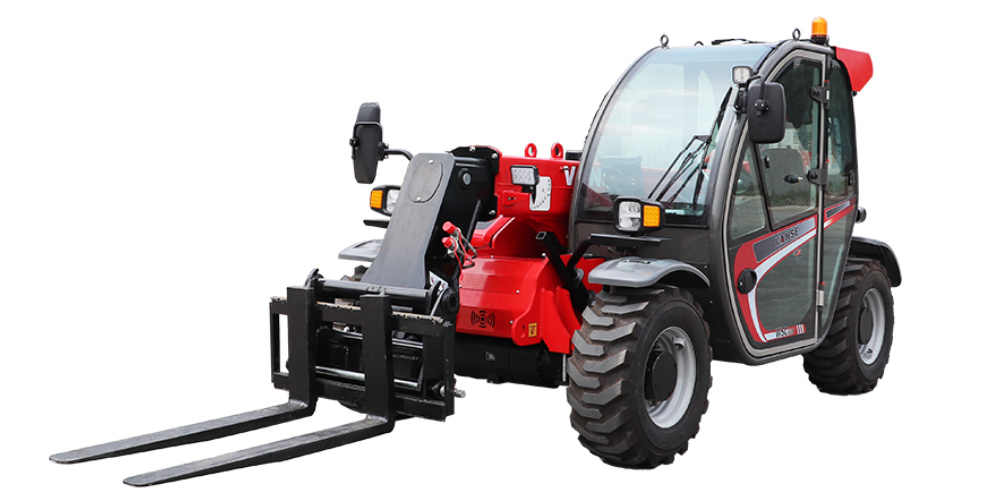
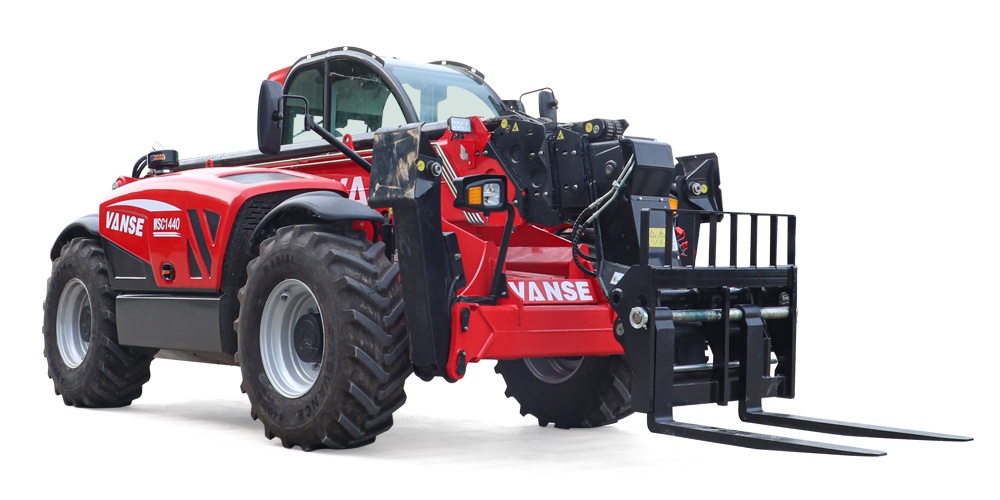
VANSE 625 6m Telescopic Handler
Designed for efficient material handling and stacking in warehouses, factories, and confined job sites, offering compact maneuverability and reliable performance.

VANSE 735 7m Telescopic Handler
A balanced mid-duty solution for construction, agriculture, logistics, and warehousing, combining stable lifting, strong traction, and everyday versatility.


About the Author:
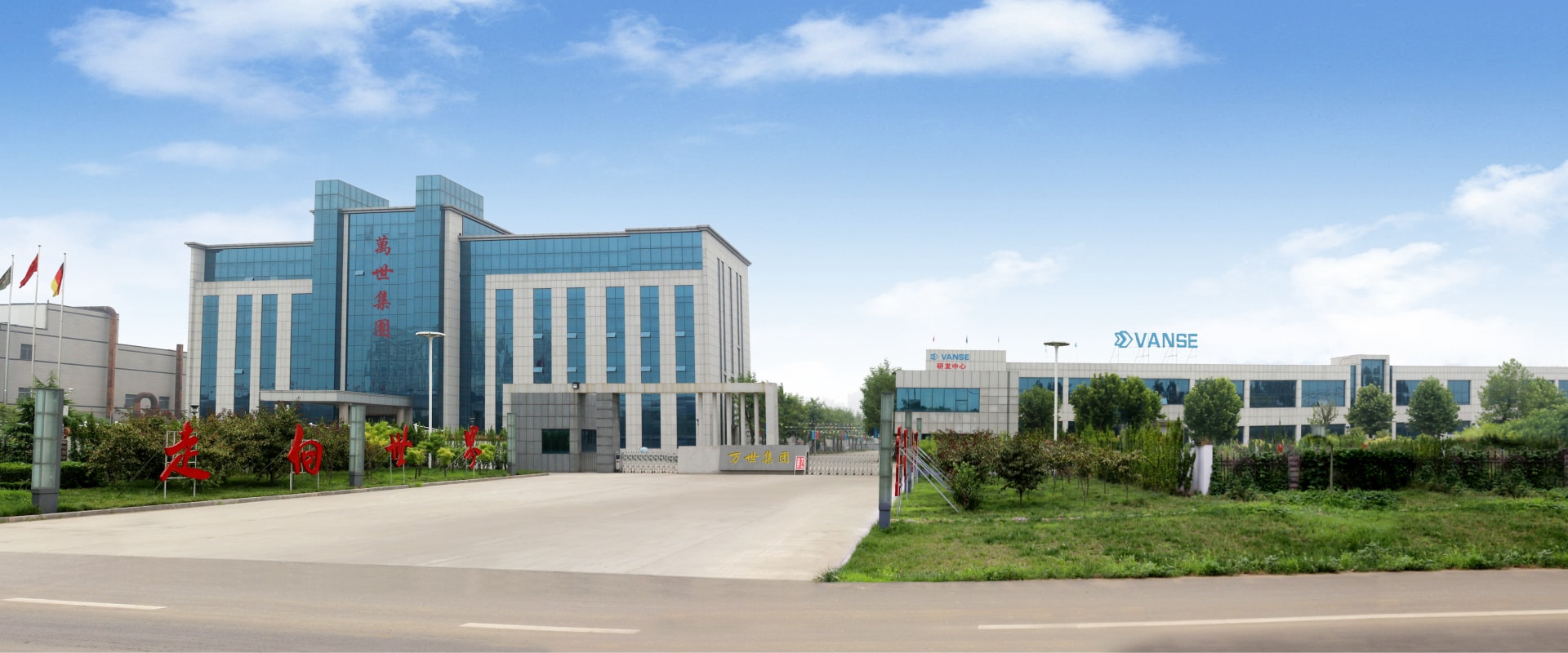
The VANSE team is a group of experienced professionals specializing in construction machinery research, manufacturing, and technical support. With deep industry knowledge and hands-on experience, our engineers and product specialists share practical insights on equipment selection, operation, maintenance, and industry trends.
Share
You May Also Interest
-

15 September, 2026
Telehandler Steering Modes: Crab Steer and Four Wheel Go
Learn telehandler steering modes in the United States, including crab steer and four-wheel steer, with buying tips, supplier options, and jobsite use cases.
-

11 September, 2026
Telehandler vs Truck Crane: On-Site Lifting Compared Now
Telehandler vs truck crane in the United States: compare lifting range, cost, mobility, jobsite fit, suppliers, and buying tips for 2026 planning.
-

10 September, 2026
14 Meter Telehandler: Maximum Reach for Major Projects
Explore 14 meter telehandler options in the United States, compare suppliers, applications, costs, and buying tips for major construction projects.
-
9 September, 2026
Telehandler Fuel Consumption: Efficiency and Cost Guide
Learn telehandler fuel consumption in the United States, typical hourly fuel burn, operating costs, supplier options, and ways to improve machine efficiency.