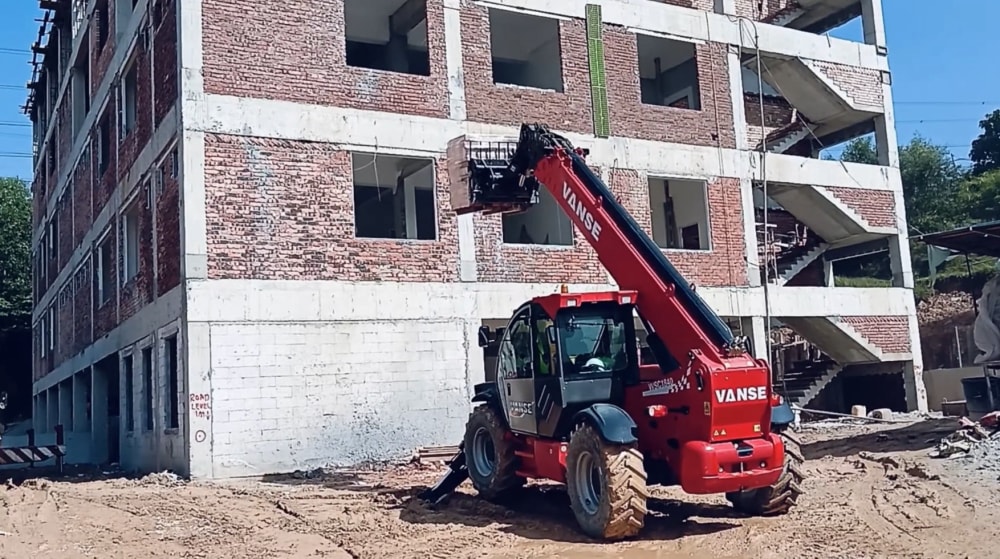
Telehandler vs Truck Crane in the United States
Quick Answer

If the job in the United States involves repeated material placement across a crowded site, palletized loads, fork work, bucket work, or attachment flexibility, a telehandler is usually the better choice. If the job requires high-capacity vertical lifting, longer boom reach at height, certified crane charts for suspended loads, or heavy picks in industrial plants, bridge work, and energy projects, a truck crane is usually the better tool. In practical terms, telehandlers often win on daily versatility, lower operating cost, easier transport around a site, and usefulness for general contractors, masonry crews, agricultural operators, and rental fleets. Truck cranes win on maximum lift capacity, legal crane-duty applications, and precision lifting for steel, HVAC rooftop units, precast, and infrastructure work.
For fast action, many U.S. buyers shortlist suppliers with strong national support such as JLG, Genie, SkyTrak, Liebherr USA, Link-Belt Cranes, and Manitowoc/Grove. Buyers should also consider qualified international suppliers with relevant certifications, proven export history, and strong pre-sales and after-sales support, especially when cost-performance matters and local stocking or service is available.
A simple rule works well: choose a telehandler when one machine must move materials all day and occasionally lift to height; choose a truck crane when the lift itself is the mission-critical operation and the weight, radius, and rigging requirements exceed telehandler limits.
United States Market Context

The U.S. lifting equipment market remains highly active because of warehouse construction, data center expansion, highway reconstruction, port modernization, utility upgrades, and energy investment. Demand patterns differ by region. In Texas and the Gulf Coast, petrochemical, LNG, and industrial construction create strong truck crane demand, especially around Houston, Corpus Christi, and Beaumont. In the Southeast, telehandlers are heavily used in residential and mixed-use construction in Atlanta, Charlotte, Nashville, Orlando, and Tampa. In the Midwest, manufacturing expansion and logistics projects around Chicago, Columbus, Indianapolis, and Detroit support both categories. On the West Coast, port and infrastructure work near Los Angeles, Long Beach, Oakland, Seattle, and Tacoma often favor cranes for specialized lifting, while telehandlers remain standard on commercial building sites and agricultural operations in California’s Central Valley.
Rental plays an outsized role in the United States. Many contractors rent truck cranes for specific lifts but own or lease telehandlers because they work across multiple trades every day. That ownership pattern matters when calculating value. A telehandler can replace or reduce the use of forklifts, rough-terrain forklifts, small cranes, and labor-intensive manual movement. A truck crane usually cannot replace other machines, but when a certified heavy or high-reach lift is required, it becomes indispensable.
Regulation also shapes buying decisions. OSHA expectations, operator training, lift planning, and inspection routines are generally more intensive for crane operations than for standard telehandler work, though telehandlers handling suspended loads still require strict compliance. Insurance costs, operator credentials, and site planning therefore tend to favor telehandlers for everyday site logistics and truck cranes for specialized, planned lifts.
How the Two Machines Differ

A telehandler, also called a telescopic handler, combines boom reach with forklift-style material handling. It is common on construction, agriculture, industrial yards, and equipment rental fleets because it can carry pallet forks, buckets, jibs, winches, work platforms where permitted, and specialty attachments. A truck crane is a roadable crane mounted on a truck carrier, designed for suspended load lifting with a crane boom, outriggers, and load charts governing safe capacity by radius and configuration.
The biggest operational difference is that a telehandler is a multi-purpose site machine, while a truck crane is a dedicated lifting machine. Telehandlers can unload deliveries, carry trusses, move block, lift framing materials, stock roofs, handle hay or feed, and support maintenance tasks. Truck cranes are chosen when the lift requires more reach, heavier capacity, more precise rigging control, or compliance with crane-specific lift planning standards.
Key Comparison Table
The table below gives a practical side-by-side view for U.S. contractors, rental managers, and industrial buyers deciding between telehandlers and truck cranes.
| Factor | Telehandler | Truck Crane | Best Fit |
|---|---|---|---|
| Primary job | Material handling and versatile site support | Dedicated suspended-load lifting | Depends on whether daily logistics or heavy lifting is primary |
| Typical capacity range | About 5,000 to 12,000 lb common in U.S. fleets | Far higher, from small taxi cranes to major heavy-lift units | Truck crane for heavy picks |
| Reach and radius under load | Useful but sharply reduced at full reach | Superior boom length and rated lifting charts | Truck crane for long-radius lifts |
| Attachments | Forks, buckets, jibs, hooks, specialty tools | Mainly hooks, rigging, specialized crane accessories | Telehandler for multi-use operations |
| Jobsite mobility | Excellent on rough ground and active construction sites | Good road mobility, less flexible inside tight active sites | Telehandler on congested sites |
| Setup time | Fast for routine handling | Longer due to outriggers, lift planning, and rigging | Telehandler for quick cycles |
| Operator and compliance burden | Lower for standard handling, higher for suspended loads | Higher due to crane rules, lift plans, and certifications | Telehandler for simpler workflows |
| Ownership economics | Often better for daily utilization | Often rented for project-specific lifts | Telehandler for broad ROI |
Product Types Used in the United States
Not every telehandler or truck crane serves the same market. U.S. buyers should match machine type to work pattern, transport needs, and local service support.
| Equipment Type | Typical U.S. Use | Strength | Limitation |
|---|---|---|---|
| Compact telehandler | Urban jobs, landscaping, interior yards, rental | Tight turning and lower transport complexity | Lower lift height and capacity |
| Standard construction telehandler | Commercial build sites, masonry, framing | Best all-around versatility | Not a substitute for large crane lifts |
| High-reach telehandler | Multi-story work, industrial maintenance | Extended reach with attachment options | Capacity drops significantly at reach |
| Rotating telehandler | Dense jobsites, urban redevelopment, specialty lifting | Crane-like versatility with 360-degree rotation | Higher purchase cost and more specialized support |
| Small truck crane | HVAC, utility, local erection work | Good road travel and quick lift response | Less capable than larger cranes for major projects |
| Hydraulic truck crane | Industrial, infrastructure, steel erection | High capacity and serious lift capability | More setup, compliance, and transport planning |
| All-terrain crane | Large civil and energy projects | High performance across road and rough site conditions | Premium cost and specialized fleet management |
Cost and Utilization Reality
For many U.S. buyers, the true question is not only purchase price but total utilization. A telehandler that works six days a week unloading trucks, moving pallets, setting wall panels, stocking roofs, and clearing the yard can justify ownership quickly. A truck crane, by contrast, may sit idle between major lifts unless the owner serves a broad industrial or infrastructure market or runs a dedicated lifting fleet.
Fuel use, tire wear, transport planning, rigging needs, and operator qualification also affect cost. Telehandlers generally have lower daily running overhead and simpler site deployment. Truck cranes may produce exceptional value on high-margin lift work but can be expensive if underutilized. That is why general contractors, masonry companies, roofers, framing crews, feed and grain operations, and rental companies often prioritize telehandlers, while crane service companies, steel erectors, mechanical contractors, utility firms, and petrochemical constructors invest more heavily in truck cranes.
Market Growth Line Chart
This line chart illustrates a realistic U.S. market growth trend for telehandler demand relative to truck crane demand from 2021 through 2026, reflecting rising warehouse, residential, and logistics construction alongside steadier crane demand in infrastructure and industrial work.
Industry Demand in the United States
Different industries choose these machines for different reasons. The chart and explanation below help buyers connect equipment type to actual U.S. end-use demand.
Telehandlers dominate rental fleets and broad commercial construction because they handle everyday tasks from unloading and staging to elevated placement. Truck cranes dominate industrial plants and infrastructure because those projects require high-capacity suspended loads, longer radius lifts, and formal lift planning.
Buying Advice for U.S. Contractors and Fleet Owners
Start with the lift profile, not the brochure. Ask what percentage of machine hours will be spent actually lifting suspended loads versus moving materials. If more than half the work involves pallets, distributed site logistics, or attachment changes, a telehandler often delivers higher return. If high-capacity picks define project risk and schedule, a truck crane should lead the fleet decision.
Second, evaluate transport reality. A telehandler usually moves more easily within a site and often avoids the planning complexity of crane mobilization. A truck crane may road well between jobs, but on-site positioning, outrigger setup, soil bearing review, and exclusion zones all take time and planning.
Third, review service coverage. In the United States, downtime can erase any purchase savings. Buyers in large states such as Texas, California, Florida, and Pennsylvania should confirm parts stocking, field technician response, and remote diagnostics support. Ports and trade corridors also matter for imported equipment. Faster replacement parts support through Los Angeles/Long Beach, Savannah, Houston, Newark, or Norfolk can reduce lead times for fleets operating near those logistics hubs.
Fourth, consider financing and resale. Well-known domestic brands often have stronger immediate resale recognition, but competitively priced international equipment can produce better lifetime value when backed by verifiable certifications, parts planning, and local service presence.
Applications by Industry
Telehandlers are deeply embedded in U.S. construction and agriculture because they bridge the gap between forklift utility and boom reach. They excel in multifamily building sites in Phoenix, Dallas, and Charlotte; roofing and siding logistics in the Midwest; and feed, hay, and yard handling across Iowa, Nebraska, Kansas, and California. In manufacturing and distribution, they support plant maintenance, machine relocation support, and loading tasks.
Truck cranes are preferred where loads are heavier, rigging is critical, and overhead reach determines success. Examples include HVAC placement on downtown rooftops in Chicago, steel erection in Nashville, bridge beam work in Pennsylvania, refinery maintenance in Houston, and utility substation projects in the Carolinas. They also remain crucial in ports, rail yards, and heavy industrial corridors where lift radius and capacity are non-negotiable.
Trend Shift Area Chart
This area chart shows how U.S. buyer preference is shifting toward flexible material-handling equipment, while cranes remain essential in specialized heavy-lift sectors. The trend reflects labor efficiency concerns, tighter project schedules, and growing rental demand.
Typical Use Cases and Best Machine Choice
The table below turns common U.S. scenarios into a direct buying recommendation.
| Use Case | Common Location or Sector | Better Choice | Why |
|---|---|---|---|
| Unloading framing packages and placing them floor by floor | Residential and mixed-use construction | Telehandler | Fast cycles, rough-terrain mobility, fork handling |
| Setting rooftop HVAC units on a mid-rise building | Urban commercial construction | Truck crane | Suspended load control and lift radius are critical |
| Moving palletized block and masonry materials all day | Masonry and general contracting | Telehandler | High utilization across many repetitive tasks |
| Lifting structural steel members into position | Industrial and commercial steel erection | Truck crane | Requires crane charts and rigging precision |
| Handling feed, seed, hay, and bags in agricultural yards | Midwest and Western agriculture | Telehandler | Attachment flexibility and site maneuverability |
| Bridge beam placement or heavy precast installation | Infrastructure and DOT projects | Truck crane | Heavy capacities and engineered lift plans required |
| General rental fleet use across many customer types | National and regional rental companies | Telehandler | Broader renter base and higher utilization potential |
Case Studies from U.S. Jobsite Patterns
Consider a mid-rise apartment project outside Austin. Crews must unload lumber, stage drywall, place palletized brick, move scaffold components, and support framing over several months. A standard or high-reach telehandler usually creates the best value because one machine works through multiple phases. Renting a truck crane for occasional rooftop units or specialty steel may still make sense, but owning one would likely be excessive for this project profile.
Now consider a refinery turnaround near Houston. Compressors, vessels, and steel components require tightly planned lifts with controlled rigging and documented capacities by radius. Here, a truck crane or a fleet of cranes is the right answer. A telehandler may still support material distribution around the site, but it is not the primary lifting asset.
In California agriculture, especially around Fresno and Bakersfield, telehandlers are favored for bale handling, pallet movement, maintenance access support, and yard operations. In contrast, utility or wind-related projects across Oklahoma and Kansas often depend on cranes for erecting heavy components, even when telehandlers are present for support logistics.
Leading U.S. Suppliers and Brands
Supplier selection should focus on product fit, dealer density, parts lead time, and proven support in the buyer’s operating states. The companies below are practical names for U.S. buyers comparing telehandlers and truck cranes.
| Company | Primary Category | Service Region | Core Strength | Key Offerings |
|---|---|---|---|---|
| JLG Industries | Telehandlers | Nationwide United States | Large installed base and strong dealer support | Construction telehandlers, high-capacity models, rental-focused units |
| Genie | Telehandlers | Nationwide United States | Established rental presence and broad parts access | GTH series telehandlers for construction and industrial use |
| SkyTrak | Telehandlers | Strong across North America | Popular brand recognition on U.S. jobsites | Material handling telehandlers for general construction |
| Manitou North America | Telehandlers | Nationwide with dealer network | Strong agriculture and rotating telehandler portfolio | Construction, agriculture, and specialty telehandlers |
| Link-Belt Cranes | Truck Cranes | Nationwide with strong U.S. market presence | Trusted crane specialization and domestic brand loyalty | Hydraulic truck cranes and rough-terrain crane support |
| Manitowoc/Grove | Truck Cranes | Nationwide United States | Major lifting brand with broad crane portfolio | Truck cranes, all-terrain cranes, fleet support solutions |
| Liebherr USA | Truck Cranes | Nationwide, strong in major project regions | High-end crane engineering and heavy-lift reputation | Mobile cranes, all-terrain cranes, advanced lifting systems |
These brands differ in dealer structure and service depth by state, so buyers should confirm support not only at the national level but also in their city or trade corridor. A contractor in Newark or Savannah may prioritize parts import access and port proximity, while a contractor in Denver or Salt Lake City may prioritize mountain-region field service coverage.
Supplier and Product Comparison Chart
This comparison chart gives a simplified view of how common buying criteria differ across the two equipment classes when U.S. buyers compare versatility, lift specialization, ownership value, and jobsite flexibility.
What to Ask Before You Buy
Before committing to either machine, ask suppliers for real specifications tied to your most common lift profile. Request load charts, attachment compatibility, transport dimensions, axle and tire details, service interval planning, and estimated parts response times. For telehandlers, verify capacity at the exact height and forward reach where your crews will work. For truck cranes, request the exact configuration and chart for your anticipated lift radius and boom setup.
Also ask about training. U.S. buyers increasingly value suppliers that help with operator familiarization, maintenance planning, and documentation. For rental companies, machine simplicity, service access, and attachment standardization can matter more than headline specifications alone.
Why Local Support Matters
A machine with strong specifications but weak local support can become expensive quickly. In the United States, buyers should assess dealer proximity, parts stocking strategy, and actual technician dispatch capability. Support expectations vary by application. A residential contractor may accept next-day service; a refinery or infrastructure project may require immediate response. When evaluating imported equipment, local inventory commitments and domestic support channels are essential signs of long-term seriousness.
Buyers can learn more about equipment categories through construction equipment solutions, review company background on the company overview page, and check service expectations through the after-sales support section.
Our Company
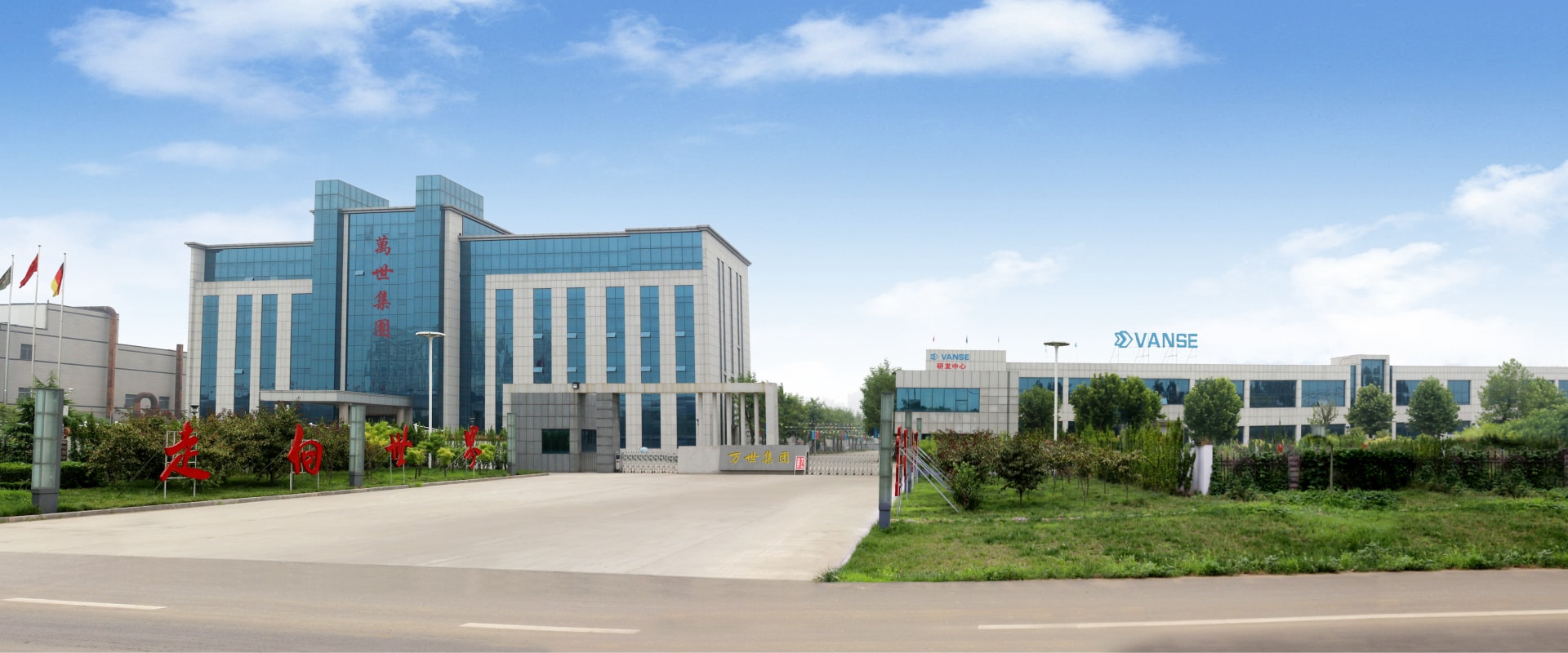
For U.S. buyers comparing telehandlers with truck cranes, VANSE offers a practical alternative centered on telehandler value and jobsite versatility. Shandong VANSE Group, founded in 2013, has produced more than 8,000 machines and serves customers in over 40 countries, including North America, which demonstrates a real export track record rather than a new market entry story. Its telehandlers are built under CE and ISO 9001-certified processes and use globally recognized core components such as Perkins and Cummins engines together with premium hydraulic, transmission, and axle systems, while each unit goes through comprehensive load testing, safety inspection, and performance validation before shipment. That product discipline gives U.S. contractors, rental fleets, distributors, and end users concrete evidence that the machines are designed to meet international expectations on durability and operating consistency. VANSE also supports multiple cooperation models, including OEM, ODM, wholesale, retail, regional distribution, and branded partnerships, which makes it relevant not only for end users but also for dealers, equipment traders, fleet owners, and brand operators seeking customized specifications, colors, and market-focused configurations. Importantly for the United States, VANSE is expanding with a U.S.-based subsidiary, local inventory planning, and localized after-sales capability, backed by online and offline pre-sale consultation, technical support, and lifecycle service. That physical market commitment means U.S. customers are not dealing with a remote exporter only; they are working with a manufacturer investing in long-term North American presence, stronger parts access, and closer buyer protection. More details are available through the official VANSE website, and commercial inquiries can be made directly via the contact page.
When a Telehandler Is the Smarter Buy
A telehandler is often the smarter buy when labor efficiency matters more than maximum lift capacity. On U.S. projects where crews lose time waiting for materials, a telehandler can improve flow from truck unloading to final placement. It is especially effective for general contractors who want one machine to serve multiple trades. Rental companies also favor telehandlers because utilization remains strong across seasons and project types. If your business model depends on keeping equipment working every day rather than billing only specialty lifts, telehandlers deserve serious attention.
When a Truck Crane Is Non-Negotiable
A truck crane becomes non-negotiable when load weight, hook height, radius, or compliance requirements exceed telehandler capability. Steel erection, heavy mechanical installation, infrastructure lifting, and many plant maintenance shutdowns simply require crane charts and crane-level lifting performance. In these environments, trying to substitute a telehandler can create safety, productivity, and compliance problems. The right approach is often complementary: own or lease telehandlers for daily site logistics and bring in truck cranes for critical lifts.
Future Trends for 2026
Looking into 2026, several trends will shape the telehandler versus truck crane decision in the United States. First, labor shortages will continue to favor multi-purpose machines that reduce crew movement time and increase task coverage per operator. That supports telehandler adoption in construction, warehousing, and agriculture. Second, infrastructure spending and industrial reshoring will keep truck crane demand solid in heavy-lift sectors, especially around Gulf Coast manufacturing, battery plants, semiconductor projects, and transportation upgrades.
Third, technology will become a stronger differentiator. Buyers will expect telematics, remote diagnostics, camera systems, load monitoring, and maintenance alerts as standard features rather than premium options. Fourth, policy and sustainability pressures will gradually push fleets toward cleaner engines, lower idle time, and more efficient hydraulic systems. In some urban markets and indoor-adjacent applications, electrified compact material-handling equipment will gain ground, though heavy telehandlers and truck cranes will remain diesel-dominant in the near term.
Finally, local service infrastructure will matter even more as buyers become cautious about long lead times and supply chain disruptions. Manufacturers that combine competitive pricing with U.S. warehousing, fast parts support, and on-the-ground technical service will be in the best position to win market share.
Decision Matrix for Buyers
This final table translates typical buyer priorities into a direct recommendation and explains the reasoning.
| Buyer Priority | Better Choice | Reason | Common U.S. Buyer Type |
|---|---|---|---|
| Maximize daily machine utilization | Telehandler | Can work across unloading, placement, and yard logistics | General contractor, rental company |
| Perform heavy suspended lifts safely | Truck Crane | Built for crane-duty lifting with charts and rigging control | Crane service provider, steel erector |
| Reduce equipment count on site | Telehandler | Attachments allow one machine to cover more tasks | Commercial builder, agriculture operator |
| Handle specialized industrial shutdown lifts | Truck Crane | Capacity and reach meet refinery and plant requirements | Industrial contractor |
| Improve ROI on owned equipment | Telehandler | Broader daily usage often improves payback period | Regional contractor, rental branch |
| Meet formal engineered lift requirements | Truck Crane | Better aligned with regulated heavy-lift procedures | Infrastructure and utility contractor |
| Buy on cost-performance with flexible sourcing options | Telehandler | Competitive international suppliers can offer strong value | Dealer, fleet owner, distributor |
FAQ
Is a telehandler cheaper to own than a truck crane in the United States?
Usually yes, especially when utilization is high. Telehandlers generally have lower acquisition and operating complexity and can work on more tasks per week.
Can a telehandler replace a truck crane?
Not fully. A telehandler can support many elevated placement tasks, but it should not replace a crane where heavy suspended loads, large radii, or crane-specific lift planning are required.
Which is better for rental fleets?
Telehandlers are usually better for broad rental demand because they serve construction, agriculture, industrial yards, and property maintenance. Truck cranes are more specialized and often rented for planned lift events.
Which industries favor truck cranes most?
Infrastructure, heavy industrial construction, steel erection, utilities, energy, and refinery maintenance are the most truck crane-intensive sectors in the U.S. market.
What should U.S. buyers verify before choosing an imported telehandler?
Check certifications, engine brand, parts stocking plans, service response, warranty terms, load testing procedures, and whether the supplier has local inventory or an established U.S. support setup.
Are telehandlers popular in agriculture as well as construction?
Yes. In states such as California, Iowa, Kansas, Nebraska, and Texas, telehandlers are widely used for feed handling, bale movement, pallet work, yard management, and maintenance support.
What is the safest buying approach if my projects vary?
For many contractors, the best mix is owning a telehandler for daily operations and renting a truck crane only when project-specific heavy lifts demand it.
Final Takeaway
For most U.S. buyers asking telehandler vs truck crane, the answer depends on whether the machine is expected to support the site every day or complete specialized critical lifts. Telehandlers usually offer better versatility, broader utilization, and lower operational friction. Truck cranes usually deliver the reach, capacity, and compliance advantages needed for high-stakes lifting. The strongest buying decision comes from matching the equipment to actual work cycles, service coverage, and long-term fleet economics rather than headline specs alone.
Complete Telescopic Handler Equipment Portfolio
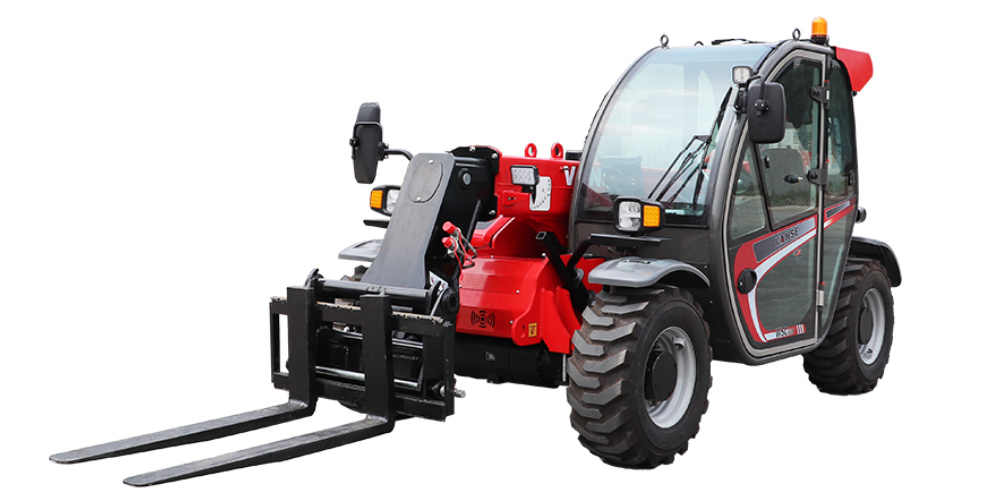
VANSE 625 6m Telescopic Handler
Designed for efficient material handling and stacking in warehouses, factories, and confined job sites, offering compact maneuverability and reliable performance.

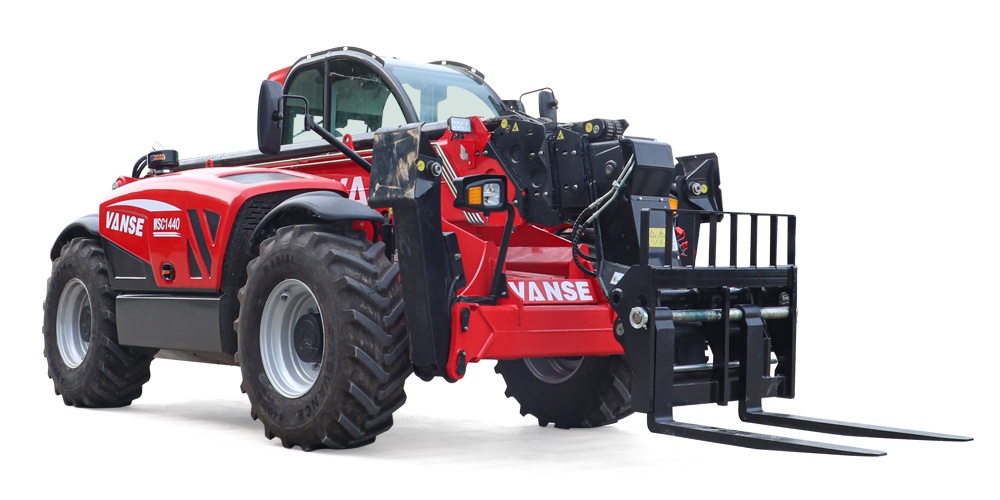
VANSE 735 7m Telescopic Handler
A balanced mid-duty solution for construction, agriculture, logistics, and warehousing, combining stable lifting, strong traction, and everyday versatility.


About the Author:
The VANSE team is a group of experienced professionals specializing in construction machinery research, manufacturing, and technical support. With deep industry knowledge and hands-on experience, our engineers and product specialists share practical insights on equipment selection, operation, maintenance, and industry trends.
Share
You May Also Interest
-

10 September, 2026
14 Meter Telehandler: Maximum Reach for Major Projects
Explore 14 meter telehandler options in the United States, compare suppliers, applications, costs, and buying tips for major construction projects.
-
9 September, 2026
Telehandler Fuel Consumption: Efficiency and Cost Guide
Learn telehandler fuel consumption in the United States, typical hourly fuel burn, operating costs, supplier options, and ways to improve machine efficiency.
-

8 September, 2026
Telehandler vs Reach Stacker: Container Handling Options
Compare telehandler vs reach stacker in the United States for ports, yards, and industrial sites with buying advice, suppliers, and 2026 trends.
-
7 September, 2026
What Is a Telehandler: Complete Beginners Overview Guide
What is a telehandler? Learn how telehandlers work, top uses, types, buying tips, and supplier options in the United States for 2026 buyers.