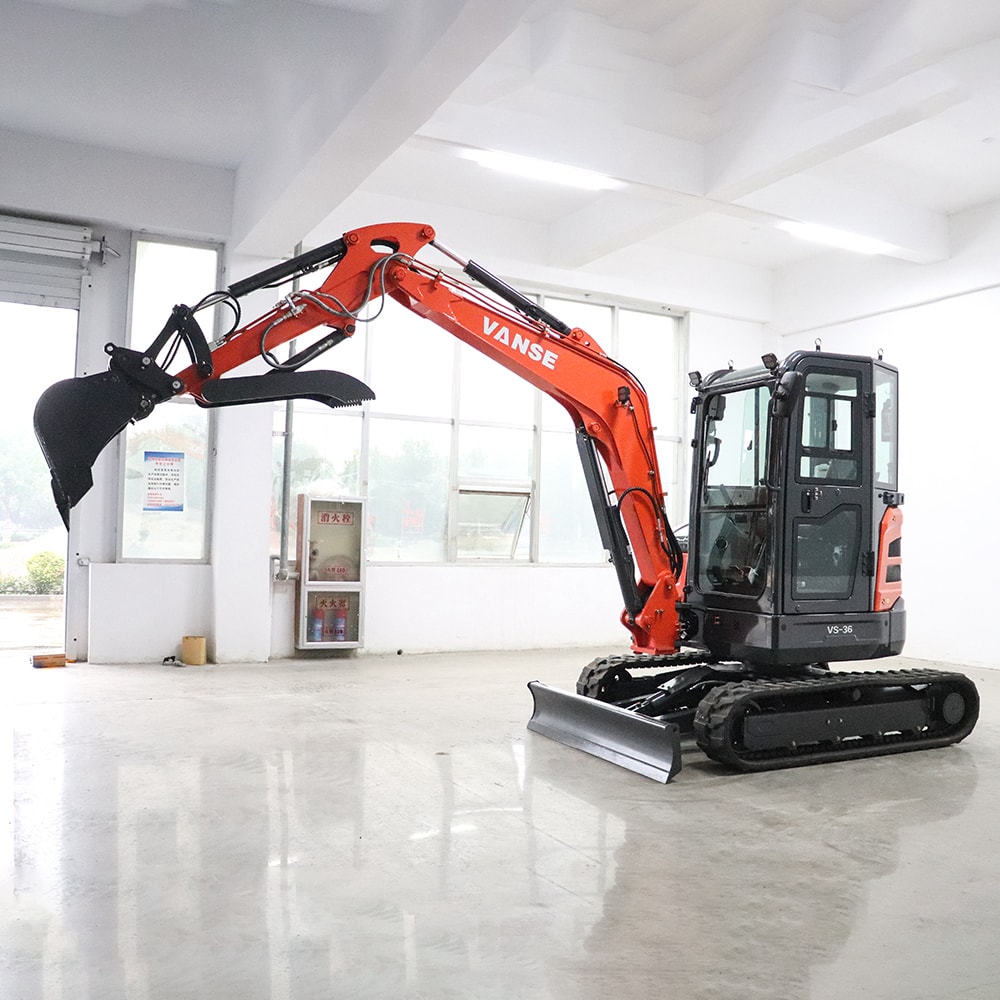
Best Telehandler for Loading Trucks in the United States
Quick Answer

If you need a telehandler for loading trucks in the United States, the best fit usually depends on lift height, load capacity, dock layout, surface conditions, and how often the machine moves between yards, farms, plants, or construction sites. For most truck-loading operations, proven choices in the U.S. market include JLG, JCB, Genie, SkyTrak, Caterpillar, and Bobcat because they have broad dealer coverage, familiar service networks, and machines configured for palletized materials, bundled goods, bulk bags, lumber, pipe, brick, and jobsite supplies.
For buyers who want practical options right away, JLG is strong for rental-friendly fleets and broad U.S. parts access; JCB is well known for agricultural and material-handling versatility; Genie is widely selected on construction and industrial sites; SkyTrak is a common choice for straightforward jobsite loading; Caterpillar appeals to contractors seeking dealer-backed support; and Bobcat fits buyers wanting compact handling and attachment flexibility. In ports and logistics corridors such as Houston, Savannah, Los Angeles, Chicago, and New Jersey, these brands are regularly considered because uptime and local service response matter as much as rated capacity.
Qualified international suppliers can also be worth serious consideration, especially when they provide recognized certifications, globally known engines and hydraulics, documented testing, and dependable support in the United States. For cost-performance focused buyers, this can be an effective way to reduce acquisition cost while still securing the reach, stability, and truck-loading efficiency needed for demanding daily work.
United States Market for Truck-Loading Telehandlers

The United States remains one of the most active markets for telehandlers used in truck loading because so many industries depend on fast, flexible material movement. Warehouses, building materials yards, agriculture operations, recycling centers, pipe distributors, precast facilities, and general contractors all need machines that can reach across trailer beds, clear side rails, and place loads precisely without the footprint of a larger crane. A telehandler bridges the gap between a forklift and a rough-terrain lifting machine, which is exactly why it is often selected for loading flatbeds, dry vans, dump trucks, and mixed freight vehicles.
Demand is especially strong in freight-heavy states and logistics corridors. Texas benefits from energy, industrial construction, and agricultural movement around Houston, Dallas-Fort Worth, and the I-35 corridor. California sees steady use around Central Valley agriculture, Inland Empire warehousing, and the ports of Los Angeles and Long Beach. Florida supports truck loading for building materials, distribution, and produce movement, while Illinois and Georgia remain important because of inland logistics, rail intermodal traffic, and regional distribution hubs. In these markets, buyers often prioritize local parts supply, operator familiarity, and fast field service over purely low purchase price.
Another market shift in the United States is the growing use of telehandlers outside classic construction settings. More buyers now use them as flexible yard machines for cross-docking, loading wrapped pallets, moving bagged materials, and stacking products under changing demand cycles. Instead of owning several specialized machines, some operators prefer one telehandler with pallet forks, buckets, jibs, or clamps. That trend is helping telehandlers gain ground in manufacturing support yards, lumber distribution, and seasonal agricultural loading.
The line chart shows a realistic upward demand pattern for truck-loading telehandlers in the United States. Growth is being driven by warehouse expansion, infrastructure work, domestic manufacturing investment, and the need for faster yard handling. The 2026 outlook remains positive as fleets look for machines that can support both loading and general material handling with one operator platform.
What Makes a Telehandler Effective for Loading Trucks

A telehandler for loading trucks must do more than simply lift. It needs enough forward reach to place materials safely on the far side of a trailer bed, enough visibility for the operator to align loads cleanly, and enough stability to maintain control on uneven outdoor surfaces. The machine also needs a drive system suitable for ramps, gravel, yard mud, and compacted sites where standard indoor forklifts may struggle.
In practical terms, the most important buying factors are rated load capacity, maximum lift height, forward reach at loading height, turning radius, carriage and fork options, hydraulic smoothness, and ease of service. If your site loads long products like timber, pipe, or steel bundles, machine balance and boom control become even more important. If your site handles bagged feed, palletized brick, or wrapped building supplies, fork leveling and fine inching control are critical to avoid product damage.
Buyers in the United States also increasingly look for enclosed cabs, heating and air conditioning, better camera visibility, telematics, and emissions-compliant engines. These features matter because loading trucks is often a repetitive, all-weather activity tied to shipping deadlines. A machine that reduces operator fatigue can improve productivity in very measurable ways.
Common Product Types for Truck Loading
Not every telehandler is ideal for truck loading. The best machine class depends on the shape and weight of the load, site constraints, and whether the machine also serves other departments. The following categories reflect common choices in the U.S. market.
| Telehandler Type | Typical Lift Capacity | Typical Lift Height | Best Use in Truck Loading | Main Advantage | Main Limitation |
|---|---|---|---|---|---|
| Compact telehandler | 5,000-6,000 lb | 16-20 ft | Loading small trucks, yard work, low-clearance sites | Easy maneuvering in tight spaces | Limited reach for larger trailers |
| Mid-size construction telehandler | 6,000-8,000 lb | 34-44 ft | General flatbed and jobsite truck loading | Most versatile category | May be oversized for indoor-adjacent operations |
| Heavy-duty telehandler | 10,000-12,000 lb | 44-56 ft | Bulk materials, larger loads, precast, industrial yards | Handles heavier payloads with reach | Higher fuel and acquisition cost |
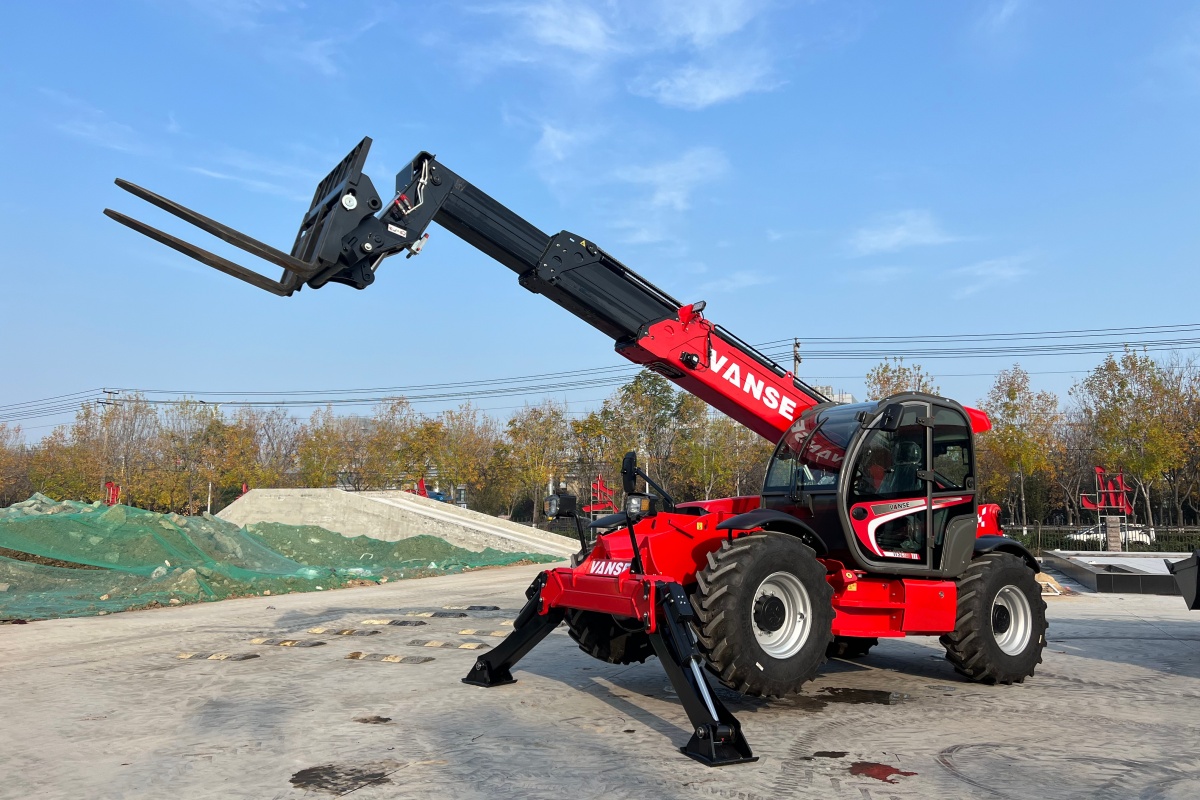
| Rotating telehandler | 8,000-13,000 lb | 60 ft and above | Complex sites needing crane-like flexibility | Multi-angle loading and placement | Higher cost and training needs |
| Agricultural telehandler | 5,500-9,000 lb | 20-30 ft | Feed, seed, hay, fertilizer, seasonal truck loading | Strong traction and farm versatility | May lack some construction-focused features |
| Industrial yard telehandler | 6,000-10,000 lb | 20-36 ft | Lumber, pipe, manufacturing support, loading docks | Good balance of reach and repeated cycle handling | Application-specific setup may be needed |
This table helps buyers match machine class to operational reality. In the United States, the mid-size construction telehandler is often the most practical truck-loading choice because it balances price, parts availability, and reach. Compact units fit crowded yards, while heavy-duty machines make more sense where payload weight is consistently high.
Top Suppliers in the United States
For U.S. buyers, supplier choice matters almost as much as machine choice. Local dealer coverage, service truck response, attachment availability, and financing can determine actual ownership value. The companies below are widely recognized in the United States and are relevant to truck-loading work.
| Company | Primary U.S. Service Regions | Core Strengths | Key Offerings for Truck Loading | Best Fit Buyer | Practical Note |
|---|---|---|---|---|---|
| JLG | Nationwide dealer and rental coverage | Strong fleet support, familiar controls, broad parts network | Mid-size and high-reach telehandlers, jobsite attachments | Contractors, rental fleets, industrial sites | Often chosen where uptime and resale matter |
| JCB | Strong presence in construction and agriculture markets | Versatile models, operator comfort, broad application range | Agricultural and construction telehandlers for trailer loading | Farms, dealers, mixed-use operators | Especially attractive for dual farm and yard use |
| Genie | National dealer network, strong rental channel | Reliable construction-focused lineup, easy fleet integration | Rough-terrain telehandlers with common attachment options | Construction firms and regional rental groups | Easy to source in major metro markets |
| SkyTrak | Broad U.S. construction equipment footprint | Simple, jobsite-proven design | Conventional telehandlers for palletized and bundled loads | Builders, framing crews, materials suppliers | Frequently considered for straightforward daily loading |
| Caterpillar | Dealer-backed support in major industrial states | Strong brand trust, financing, service infrastructure | Material handling machines for demanding contractor use | Enterprise buyers and larger contractors | Dealer experience is a major advantage |
| Bobcat | Strong North American dealer presence | Compact versatility, attachment ecosystem | Telehandlers for smaller yards and flexible site use | Small contractors, landscape yards, local distributors | Good choice where maneuverability is important |
| Manitou | Selective but respected U.S. presence | Material handling specialization, strong agricultural reputation | Telehandlers for agriculture, construction, and industry | Agri-businesses and specialty handlers | Well regarded in mixed material handling environments |
This supplier table is useful because it separates brand reputation from application fit. A buyer loading feed trucks in Iowa may prioritize different features than a masonry distributor in Atlanta or a steel yard in Houston. Dealer response time, attachment setup, and technician availability should always be checked region by region.
Supplier Comparison for Typical Truck-Loading Priorities
The comparison chart gives a practical view of how leading brands are often perceived for truck-loading operations in the United States. It does not replace a site-specific quote, but it highlights a common pattern: buyers tend to favor suppliers that combine loading performance with dependable service access and attachment support.
Industry Demand by Application
Truck-loading telehandlers are used in many sectors, but demand intensity varies. Construction remains the largest segment because flatbed loading and yard distribution are daily activities. Agriculture follows closely in states with grain, hay, seed, and input handling. Manufacturing, ports, and recycling also create meaningful demand.
The bar chart shows that construction and agriculture lead demand because both sectors move large volumes under changing yard conditions. Building material suppliers also depend heavily on telehandlers, particularly in fast-growth markets around Phoenix, Dallas, Tampa, Charlotte, and Nashville where truck turnaround directly affects revenue.
Where Telehandlers Are Used for Loading Trucks
In construction, telehandlers load drywall, block, brick, pipe, steel, trusses, and equipment onto flatbeds or unload these materials into staging zones. In agriculture, they load seed totes, fertilizer bags, palletized feed, hay, and livestock bedding. In industrial plants, they move oversized pallets, machinery components, and fabricated assemblies to and from trailers. Lumber yards use them to position timber packs and sheet goods. Ports and inland freight yards use them as flexible support machines when container handlers or forklifts are not ideal for a specific load profile.
One reason telehandlers have become so common in truck loading is that they reduce double handling. Instead of unloading to the ground and then reloading with a second machine, operators can often move materials directly from storage to truck. That saves labor, cuts product damage, and helps facilities meet shipping windows. In congested yards where every movement counts, that flexibility is a major economic advantage.
| Industry | Common Loads | Truck Type | Why a Telehandler Works | Most Important Feature | Typical U.S. Location Pattern |
|---|---|---|---|---|---|
| Construction | Brick, block, lumber, pipe, trusses | Flatbed, step-deck | Reach across trailer and rough-terrain mobility | Forward reach | Sun Belt metros and infrastructure corridors |
| Agriculture | Seed, feed, fertilizer, hay | Farm truck, flatbed, bulk support vehicles | Works in mud, yards, and seasonal loading peaks | Traction and visibility | Midwest, California Central Valley, Texas |
| Building materials | Palletized stone, wrapped products, roofing | Flatbed, curtain-side | Precise placement and attachment flexibility | Fork leveling | Atlanta, Dallas, Orlando, Phoenix |
| Manufacturing | Components, crated assemblies, raw materials | Dry van, flatbed | Handles mixed loads in outdoor staging areas | Smooth hydraulics | Midwest and Southeast industrial belts |
| Ports and logistics | Pallets, oversized freight, breakbulk items | Regional drayage and linehaul trailers | Adapts to changing load shapes fast | Attachment compatibility | Houston, Savannah, LA/Long Beach, Newark |
| Recycling and waste support | Baled materials, bins, bundled stock | Open trailers, roll-off support | Good reach and outdoor durability | Stability | Urban industrial clusters nationwide |
This table shows why the same machine category can serve very different business models. The correct configuration depends not only on rated capacity but also on terrain, packaging, throughput, and how often the operator must place a load on the far side of a trailer safely and quickly.
Buying Advice for U.S. Buyers
Start with the load, not the brochure. Measure the heaviest item you routinely load, the trailer deck height, the sidewall height if applicable, and the maximum reach needed from wheel position to placement point. Then compare those dimensions with load charts at the actual boom angle and extension used in your operation. Many buying mistakes happen when buyers select based on maximum capacity only, without checking capacity at forward reach.
Next, consider the loading surface. If your yard is paved and tight, a compact or mid-size model may improve cycle speed. If your site includes gravel, ruts, or mixed grades, prioritize ground clearance, tire selection, and axle stability. If loading happens in winter climates such as Ohio, Pennsylvania, or Minnesota, cold-weather starting and cab comfort become more important. If your machines work in hot Southern states, cooling performance and dust management matter more.
Also evaluate whether the telehandler will be dedicated to truck loading or shared across multiple tasks. A dedicated loading machine can be optimized for forks, visibility, and quick cycles. A shared machine may need additional hydraulic functions, multiple attachments, and broader operator training. In many U.S. businesses, this shared-use reality is the main reason telehandlers outperform specialized yard forklifts on total value.
Finally, calculate cost over the full operating horizon. Purchase price matters, but so do fuel burn, operator efficiency, maintenance intervals, tire wear, resale value, and downtime cost. A telehandler that saves just fifteen minutes per truck across a busy yard can justify a higher upfront cost surprisingly fast.
Detailed Product Selection Matrix
| Buying Factor | What to Check | Why It Matters for Truck Loading | Best Choice for Light Use | Best Choice for Heavy Daily Use | Common Mistake |
|---|---|---|---|---|---|
| Capacity | Rated load at target reach | Prevents overload at trailer far side | 5,000-6,000 lb class | 8,000-10,000 lb class | Using only max lift rating |
| Lift height | Trailer deck plus stacking margin | Needed for high-side or uneven loading zones | 16-20 ft | 34-44 ft | Buying unnecessary height |
| Reach | Horizontal placement distance | Critical for center-of-bed loading | Short reach acceptable | Longer forward reach essential | Ignoring trailer width and wheel position |
| Attachments | Forks, bucket, jib, clamps | Improves utilization across departments | Standard forks | Quick-change multi-attachment setup | Not budgeting for attachments |
| Service support | Dealer radius and parts stock | Reduces downtime during shipping peaks | Regional dealer acceptable | Strong local field service required | Assuming national brand means local parts |
| Operator environment | Cab, visibility, controls | Affects safety and cycle speed | Open cab in mild climates | Enclosed cab with HVAC | Underestimating fatigue cost |
| Ownership model | Buy, rent, lease, fleet contract | Aligns cost with workload variability | Rental or short lease | Purchase or fleet lease | Buying before throughput is proven |
This matrix turns the buying process into a site-based decision. For U.S. companies with seasonal peaks, rental or lease programs may make sense at first. For operators with stable freight volume, ownership typically becomes more economical after utilization is verified.
Case Studies from Typical U.S. Use Scenarios
A building supply distributor near Dallas uses a mid-size telehandler to load wrapped roofing products and palletized masonry materials onto flatbeds heading across North Texas. Before switching from a conventional forklift, operators often had to reposition trailers or reload damaged pallets. The telehandler improved placement accuracy, reduced handling time, and allowed the yard to keep operating after rain because rough-terrain capability reduced weather-related disruption.
An agricultural input dealer in central Iowa uses a telehandler to load seed totes and fertilizer bags during spring rush periods. The machine also unloads inbound trucks, stacks inventory, and handles general yard work. This eliminated the need for two separate machines. The company found that operator visibility and fork leveling were more important than maximum lift height because most work happened at trailer deck height under time pressure.
In the Houston industrial corridor, a fabrication business handling crated metal assemblies needed one machine for loading outbound flatbeds and supporting yard movement between buildings. A telehandler became the preferred option because it could approach loads on uneven surfaces, set materials precisely, and support occasional non-loading tasks. The ability to add a jib for special lifts improved utilization and justified the investment.
At a Georgia distribution yard serving regional building contractors, management focused on trailer turnaround. By choosing a machine with a climate-controlled cab and smoother hydraulics, they improved operator consistency across long shifts. The result was not just faster loading but fewer damaged product claims.
Trend Shift in U.S. Buying Preferences
The area chart illustrates an important U.S. trend: buyers are moving away from purely low-price decisions and toward uptime, support, and lifecycle cost. This matters in truck-loading operations because a machine failure can disrupt outbound freight, driver scheduling, and customer delivery windows all at once.
Local Suppliers and Rental Access
Many U.S. buyers first encounter telehandlers through rental fleets, then transition into ownership after validating throughput needs. Rental-heavy suppliers in metropolitan areas such as Chicago, Atlanta, Phoenix, and Los Angeles make it easier to test machine size before purchase. This is especially useful for truck-loading applications because daily cycle count, aisle width, and trailer mix can vary more than expected.
Dealer-backed local support is often strongest in states with dense construction activity and agricultural demand. Buyers should ask each supplier about local technician dispatch, stocked wear parts, carriage and fork lead time, and whether they support emergency service during peak seasonal periods. In truck-loading operations, small details such as tire availability or hydraulic hose response time can have a major effect on shipping performance.
To learn more about available machinery categories, buyers can review the broader equipment range on telehandler and equipment solutions and compare model scope with application needs. Companies evaluating long-term fleet strategy may also want to understand service depth, warranty handling, and training support through after-sales and technical service resources before making a final decision.
Our Company
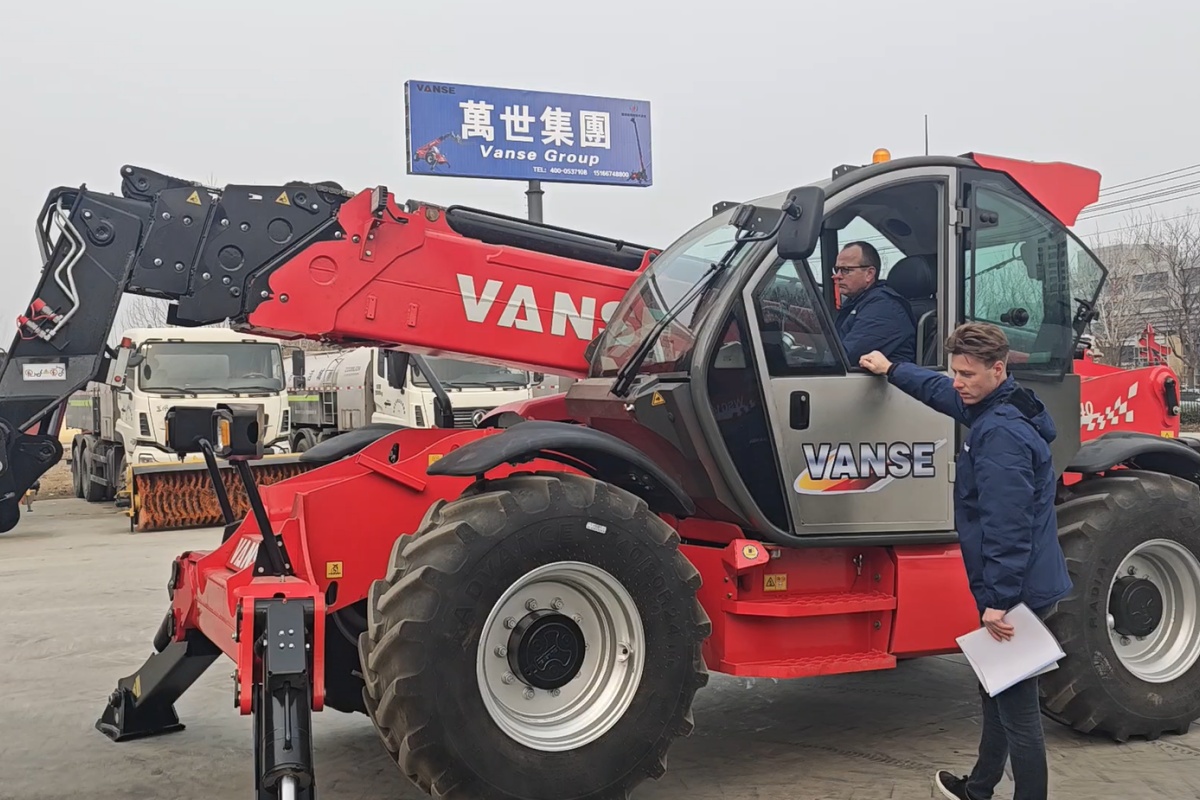
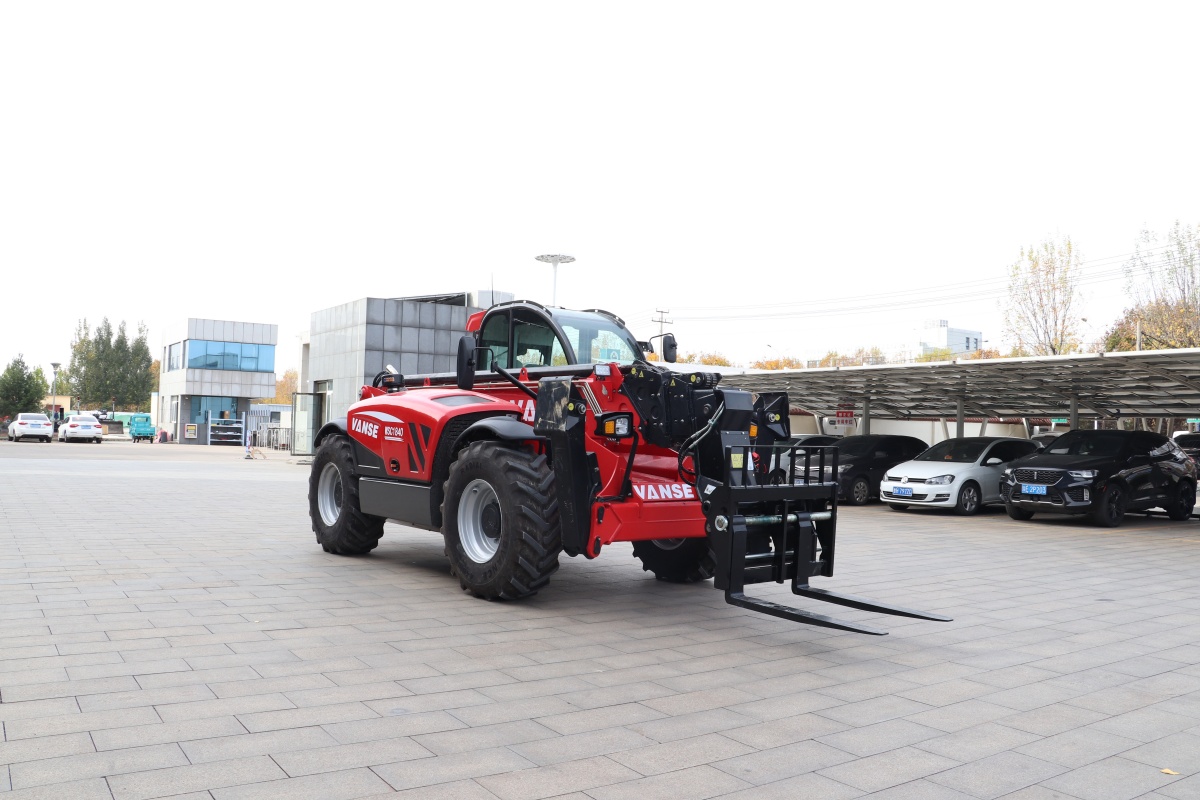
For buyers in the United States looking beyond legacy domestic and European brands, VANSE presents a practical sourcing option grounded in production scale, documented quality control, and expanding local commitment. The company has manufactured more than 8,000 machines and serves customers in over 40 countries, with telehandlers as its flagship product line. Its machines are produced under CE and ISO 9001 certified processes, use globally recognized core components such as Perkins and Cummins engines together with premium hydraulic, transmission, and axle systems, and every unit goes through load testing, safety inspection, and performance validation before shipment, which gives U.S. buyers concrete evidence that the equipment is built to meet demanding international benchmarks. VANSE works with end users, distributors, dealers, brand owners, rental businesses, and individual buyers through flexible OEM, ODM, wholesale, retail, and regional partnership models, making it suitable for both private-label programs and direct equipment procurement. Just as important for the U.S. market, the company is actively establishing a United States subsidiary with local inventory, stocking plans, and after-sales capability so customers are not relying on a remote exporter alone; instead, they gain online and offline pre-sale consultation, technical support, maintenance coordination, and a clear long-term market presence backed by real export experience in North America. Buyers who want to review the company background can visit the company overview, explore current offerings on the official website, and discuss project requirements directly through the U.S. inquiry contact channel.
How to Compare Local and International Supply Options
U.S. buyers should compare local and international options with the same disciplined checklist. First, request a load chart and confirm the machine can handle your actual load at your actual reach. Second, review engine brand, hydraulic components, axle specification, and manufacturing standard. Third, ask for lead times on filters, hoses, forks, tires, sensors, and common service parts. Fourth, clarify warranty workflow: who answers the phone, who supplies parts, and who performs field repairs. Fifth, compare total cost of ownership instead of sticker price alone.
International suppliers become especially attractive when they pair lower factory-direct pricing with proven component brands, recognized certifications, and local stocking or subsidiary plans in the United States. For many small and mid-sized businesses, this approach offers a strong value equation if support commitments are real and documented.
| Comparison Point | Typical Local Brand Advantage | Typical International Supplier Advantage | What U.S. Buyer Should Verify | Best Scenario for Local Purchase | Best Scenario for International Purchase |
|---|---|---|---|---|---|
| Lead time | Faster off-the-lot availability | Factory scheduling flexibility on bulk orders | Delivery date in writing | Urgent replacement need | Planned fleet expansion |
| Price | Less import coordination | Often lower acquisition cost | True landed cost | Budget less sensitive | Cost-performance priority |
| Customization | Standardized configurations | OEM/ODM flexibility | Attachment and branding options | Need stock machine fast | Dealer or private-label program |
| Service response | Established technician networks | Improving with local subsidiaries and partners | Response time and parts stock | Remote jobsites need fast dispatch | Local warehouse/support is in place |
| Component familiarity | Known platforms for local mechanics | Global components can reduce risk if specified well | Engine and hydraulic brand details | Internal shop handles repairs | Need premium components at lower price |
| Fleet growth | Easy brand continuity | Strong value for volume orders | Volume pricing and support plans | Single-unit replacement | Dealer or rental fleet buildout |
This table shows that international sourcing is not automatically riskier if the supplier has verified components, quality systems, and local market infrastructure. The key is documentation, service planning, and honest lead-time management.
2026 Trends in Telehandlers for Loading Trucks
By 2026, telehandler buying in the United States is expected to be shaped by three major trends: smarter fleet technology, tighter policy and compliance expectations, and stronger pressure for sustainability. Telematics and remote diagnostics are becoming standard expectations because fleet managers want to monitor idle time, fault codes, service intervals, and operator usage from a central dashboard. This is particularly useful for truck-loading operations, where machine utilization can spike during shipping windows and remain lower at other times.
Policy and compliance pressures will also continue to influence decisions. Buyers are paying closer attention to emissions compliance, safety monitoring, operator visibility aids, and maintenance traceability. In regulated sectors and large corporate fleets, documentation now matters almost as much as performance. Machines with better operator sensing, camera options, and service logs are likely to gain favor in national fleet tenders.
Sustainability is moving from marketing language into actual procurement criteria. While diesel telehandlers will remain common for heavy outdoor use, buyers increasingly want lower fuel consumption, cleaner engine packages, reduced idle time, and machines that support right-sized deployment instead of oversized fleet ownership. In some urban and warehouse-adjacent operations, there will also be stronger interest in hybrid strategies, electric support equipment integration, and more efficient yard planning so one telehandler can cover more tasks with fewer unproductive moves.
Frequently Asked Questions
Is a telehandler better than a forklift for loading trucks?
In many outdoor U.S. applications, yes. A telehandler offers better reach, rough-terrain mobility, and trailer access. A forklift may still be better for smooth indoor dock environments with consistent pallet handling.
What size telehandler is best for loading flatbed trucks?
A mid-size unit in the 6,000 to 8,000 pound class is often the most practical starting point for flatbed loading in the United States, but the right answer depends on your load chart at actual reach, not just on headline capacity.
Can one telehandler handle both loading and general yard work?
Yes, and that is one of the biggest reasons buyers choose telehandlers. With the right forks and attachments, one machine can load trailers, unload inbound freight, move materials around the yard, and support maintenance or site operations.
Should I buy or rent first?
If your truck-loading volume changes seasonally or you are still validating machine size, renting first is often the safest approach. If usage is steady and daily, ownership or a structured lease usually offers lower long-term cost.
What should I ask a supplier before buying?
Ask for the load chart at your working reach, local service coverage, stocked parts list, warranty process, lead time, training support, and attachment compatibility. Those answers are usually more important than brochure claims.
Are international telehandler suppliers realistic for U.S. buyers?
Yes, especially when they can show recognized certifications, globally known components, rigorous testing, and concrete U.S. service plans such as local inventory, a subsidiary, or regional after-sales support.
Final Buying Perspective
The best telehandler for loading trucks in the United States is the machine that matches your actual trailer geometry, load weight, site conditions, and service expectations. For many buyers, established brands such as JLG, JCB, Genie, SkyTrak, Caterpillar, Bobcat, and Manitou remain logical starting points because of their dealer networks and familiarity. At the same time, cost-conscious buyers should not ignore qualified international suppliers that combine certified production, premium components, and expanding U.S. support infrastructure. In a market where truck turnaround, operator productivity, and uptime define profitability, the smartest purchase is the one that performs reliably every day and is backed by support you can verify before signing the order.
Complete Telescopic Handler Equipment Portfolio
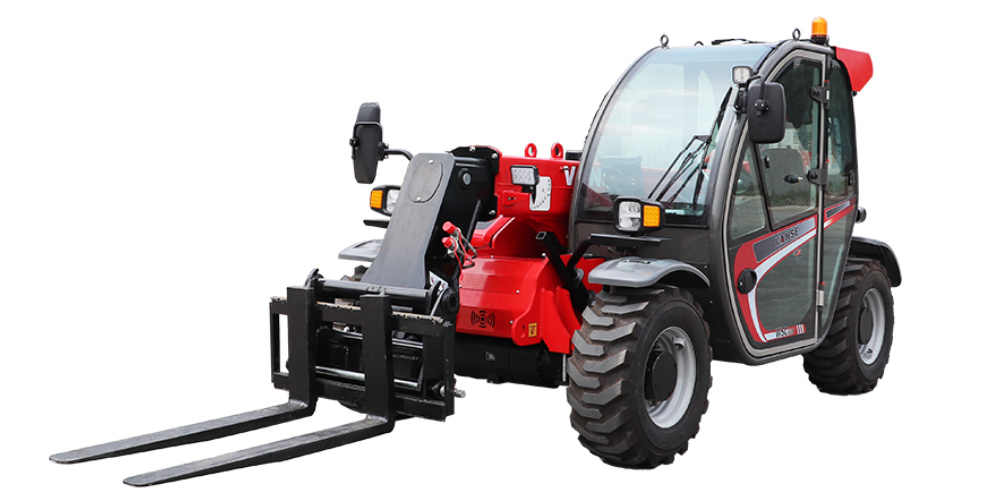
VANSE 625 6m Telescopic Handler
Designed for efficient material handling and stacking in warehouses, factories, and confined job sites, offering compact maneuverability and reliable performance.

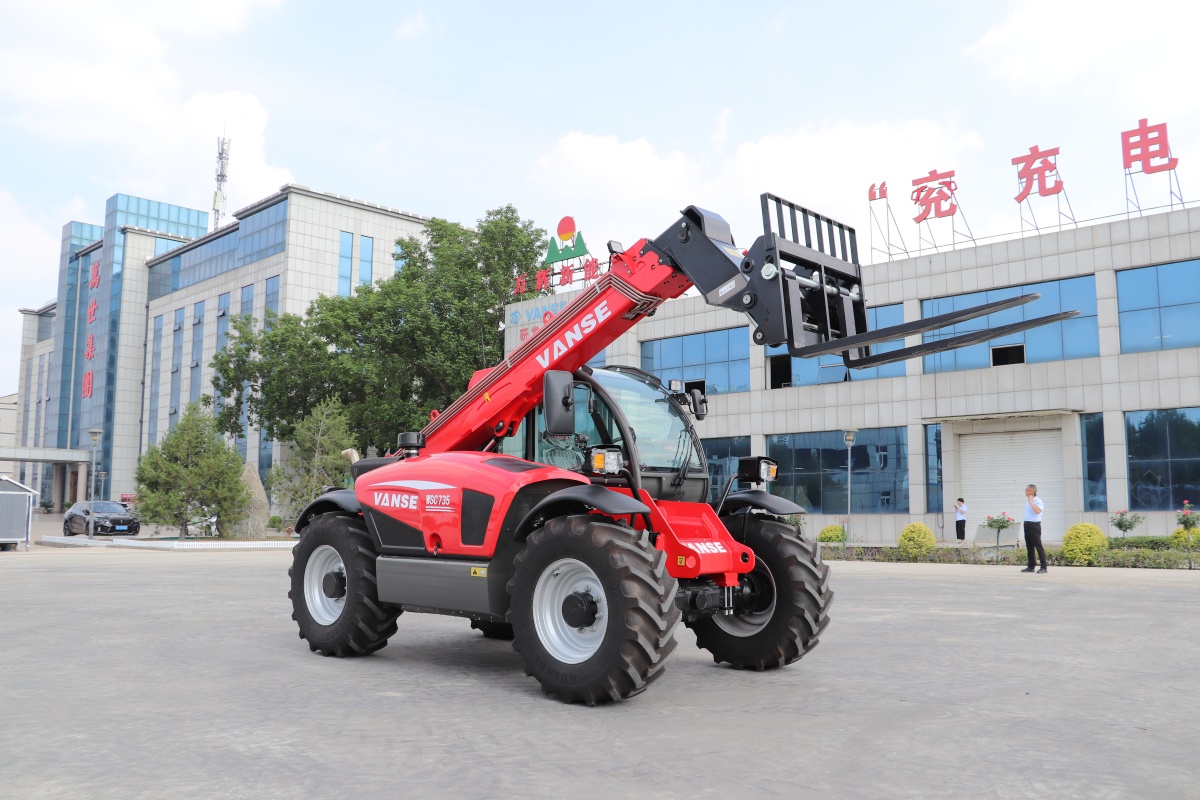
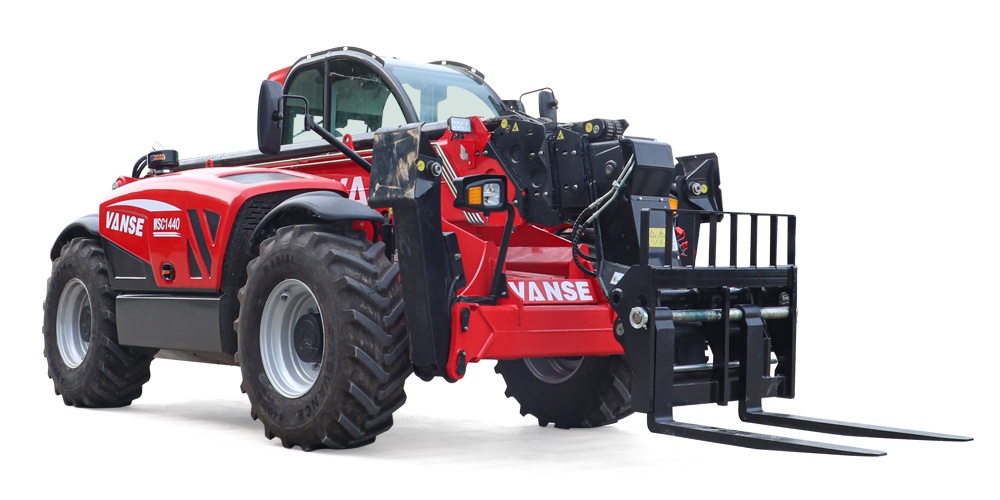
VANSE 735 7m Telescopic Handler
A balanced mid-duty solution for construction, agriculture, logistics, and warehousing, combining stable lifting, strong traction, and everyday versatility.


About the Author:
The VANSE team is a group of experienced professionals specializing in construction machinery research, manufacturing, and technical support. With deep industry knowledge and hands-on experience, our engineers and product specialists share practical insights on equipment selection, operation, maintenance, and industry trends.
Share
You May Also Interest
-

24 July, 2026
Telehandler for Landscaping: Outdoor Project Efficiency
Explore telehandler landscaping options in the United States, including suppliers, applications, costs, and buying advice for efficient outdoor projects.
-
23 July, 2026
6 Meter Telehandler: Ideal Mid-Rise Lift for All Sites
Explore 6 meter telehandler options in the United States, including top suppliers, key specs, applications, pricing factors, and buying tips for local buyers.
-
22 July, 2026
7 Meter Telehandler: Versatile Reach for Any Work Site
Find the right 7 meter telehandler for United States projects with supplier comparisons, use cases, pricing guidance, and local service insights.
-
21 July, 2026
Telehandler Operator Training: Certification Guide 2026
Telehandler operator training in the United States for 2026: certification steps, OSHA compliance, costs, providers, and practical buying guidance.