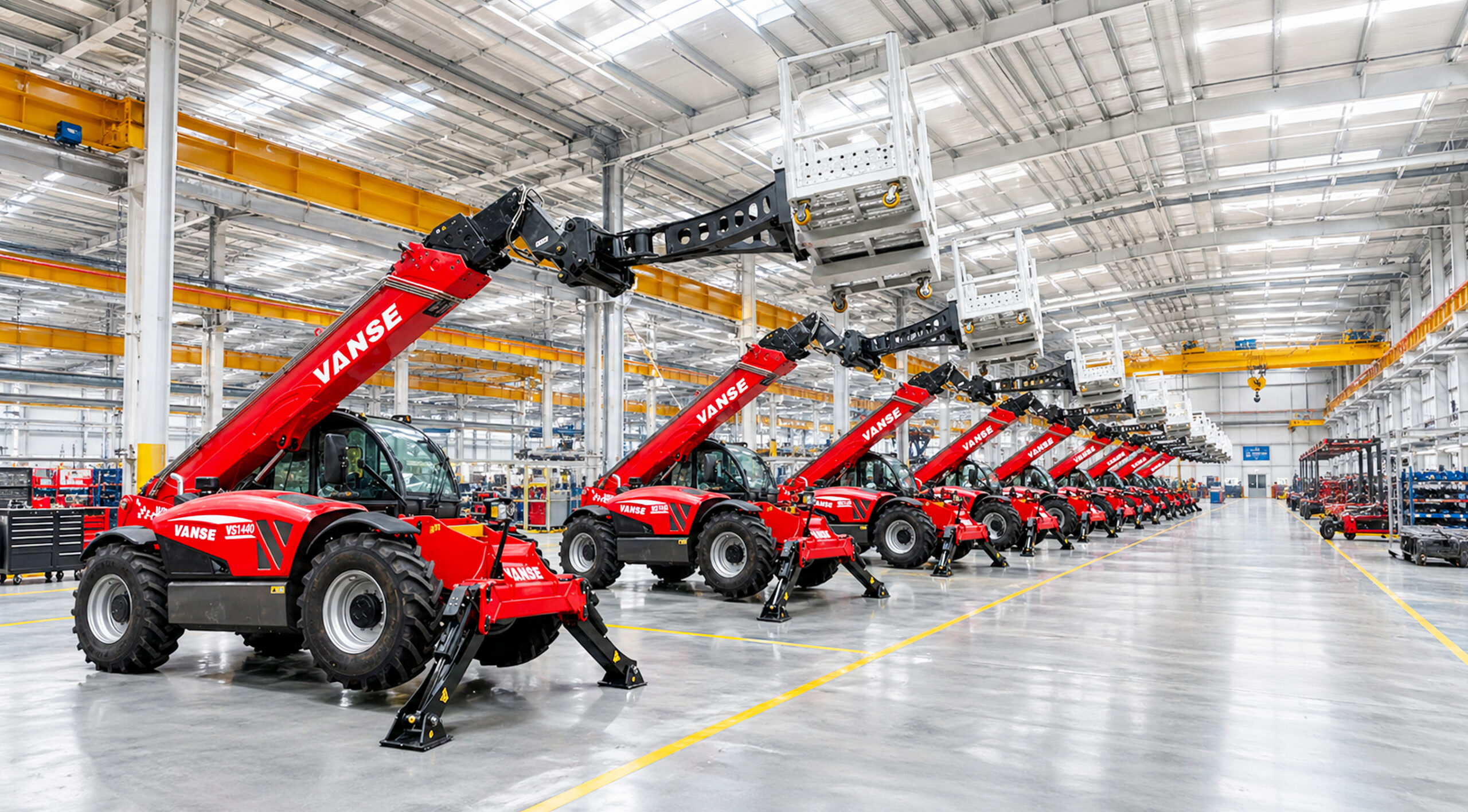
How Telehandler Load Charts Work in the United States
Quick Answer

To read a telehandler load chart, start with the exact machine model and attachment shown on the chart, because rated capacity changes with forks, buckets, jibs, or work platforms. Then find the lift height and forward reach you need, trace those points on the chart, and confirm the load at that position stays inside the permitted operating zone. In the United States, operators, rental managers, and site supervisors should also verify the machine setup conditions listed on the chart, including tire type, frame leveling, stabilizers, and whether the machine is on firm, level ground. If your load center is longer than the chart assumes, reduce capacity accordingly. For quick field decisions, many contractors compare local support options from JLG, Genie, JCB, SkyTrak, Caterpillar, and Bobcat, while also considering qualified international suppliers with strong certifications, proven component brands, and local pre-sales and after-sales support because they can offer attractive cost-performance value.
Direct Explanation of a Telehandler Load Chart

A telehandler load chart is the machine’s operating map. It tells you how much weight the telehandler can safely lift at a certain boom angle, lift height, and forward reach. Unlike a simple forklift nameplate, a telehandler chart changes dramatically as the boom extends. The farther out and higher the boom goes, the lower the safe lifting capacity becomes. That is why understanding the chart is essential for construction crews in Houston, equipment rental yards in Dallas, agricultural operators in Iowa, masonry contractors in Chicago, and industrial plants near ports such as Los Angeles, Savannah, and Houston.
Most telehandler load charts in the United States are tied to ANSI and OSHA operating expectations and are printed inside the cab or integrated into the machine display. The chart usually assumes a specific configuration: standard carriage, standard fork length, correct tires, no side slope, properly engaged frame leveling where applicable, and stable ground conditions. If one of those conditions changes, the chart may no longer apply exactly as printed.
Reading the chart is easier when you break it into five checks: identify the machine and attachment, identify the load weight and load center, identify the needed lift height, identify the needed horizontal reach, and verify that the point where those values meet remains inside the chart’s approved zone. If the point falls outside the approved area, the lift is not safe for that configuration.
What Information Appears on the Chart

Most telehandler charts in the U.S. market include a combination of the following data fields:
- Model number and sometimes serial range
- Attachment type such as pallet forks, truss boom, bucket, or jib
- Maximum lift capacity in pounds
- Maximum lift height in feet
- Maximum forward reach in feet
- Rated load center, often measured from the fork heel
- Whether outriggers or stabilizers must be deployed
- Whether frame leveling is allowed and by how much
- Limits for suspended loads or personnel platforms if permitted
- Warnings for slopes, traveling with load, and terrain conditions
For example, a telehandler rated at 10,000 pounds does not mean it can lift 10,000 pounds at full boom extension. That top rating often applies only when the boom is retracted and the load is close to the machine. At a long forward reach, the machine might safely handle only a fraction of that number.
Step-by-Step Method for Reading the Chart
Begin with the telehandler’s exact chart, not a similar machine. U.S. rental fleets often stock multiple versions of what appears to be the same class of telehandler, but capacities vary by engine package, axle, tire setup, and attachment approval. If the machine has a carriage-mounted accessory, use the chart for that combination only.
Next, determine the true load weight. This includes not just the material, but the pallet, rigging, and attachment if required by the manufacturer’s instructions. If you are unloading masonry packs in Phoenix or setting HVAC units on a commercial site in Atlanta, even a small miscalculation in total load can move the job outside the safe envelope.
Then determine the load center. Many charts are based on a standard load center such as 24 inches. If your load is longer, bulkier, or unevenly distributed, the center of gravity shifts outward. That increases leverage on the boom and decreases actual safe capacity. Long pipe bundles, prefabricated wall panels, and large totes used in agriculture are common examples where the load center matters.
After that, locate your needed lift height and reach. Lift height is the vertical distance from the ground to the placement point. Forward reach is the horizontal distance from the front axle or machine reference point to the load placement position. On many charts, height is on one axis and reach is on the other. Where they intersect, the chart indicates the maximum permitted load.
Finally, compare your actual load to that allowed load. If your actual weight exceeds the rated value at that point, you need a different machine, a different setup position, a different attachment, or a revised lifting plan. Never estimate beyond the chart, and never treat a telehandler like a crane unless the manufacturer specifically authorizes that use and provides the correct chart.
Quick Field Checklist Before Any Lift
Experienced U.S. operators often use a short field checklist before starting a pick. It keeps chart reading tied to practical safety.
- Confirm machine model, attachment, and chart match
- Confirm total load weight and load center
- Measure or estimate real lift height and horizontal reach
- Check terrain, slope, tire condition, and ground bearing strength
- Verify whether outriggers, frame leveling, or axle stabilization are required
- Confirm no chart notes are being violated by wind, suspended load, or travel condition
Common Telehandler Types and How Their Charts Differ
Not all telehandler load charts look or behave the same. Compact units used in urban renovation projects in Boston have different chart behavior from high-capacity machines used in petrochemical work along the Gulf Coast. Rotating telehandlers can have more complex charts because the chassis can work in different stabilizer positions, while standard fixed-boom telehandlers usually have simpler chart layouts.
| Telehandler Type | Typical Capacity Range | Typical U.S. Use | Chart Complexity | Main Capacity Variable | Buying Note |
|---|---|---|---|---|---|
| Compact telehandler | 5,000 to 6,600 lb | Residential building, landscaping, urban jobs | Low to moderate | Reach versus machine footprint | Best where access is tight |
| Mid-size construction telehandler | 8,000 to 10,000 lb | Commercial construction, roofing, framing | Moderate | Boom extension and load center | Common in rental fleets |
| High-capacity telehandler | 12,000 to 20,000 lb | Industrial yards, ports, energy projects | Moderate to high | Outriggers and attachment chart | Often needs trained lift planning |
| Rotating telehandler | 8,000 to 15,000 lb | Complex sites, multi-function lifting | High | Stabilizer configuration | Most chart-sensitive type |
| Agricultural telehandler | 5,500 to 9,000 lb | Dairies, feedlots, grain, hay handling | Low to moderate | Bucket or fork attachment use | Needs chart awareness with loose materials |
| Heavy industrial telehandler | 20,000 lb and above | Refineries, steel plants, large fabrication yards | High | Ground condition and precision setup | High value but low margin for error |
This table shows why chart interpretation must match the machine category. A compact unit may be straightforward, while a rotating machine may have multiple approved operating envelopes depending on how stabilizers are deployed.
How the U.S. Market Uses Load Charts
In the United States, telehandlers are deeply embedded in construction, agriculture, infrastructure, warehousing, and industrial maintenance. Their versatility makes them attractive, but that same flexibility creates risk if the chart is ignored. General contractors in fast-growing metro areas such as Austin, Nashville, and Orlando increasingly require lift planning documentation for critical picks. Rental companies also emphasize chart literacy because damage claims and jobsite incidents often trace back to incorrect assumptions about reach and capacity.
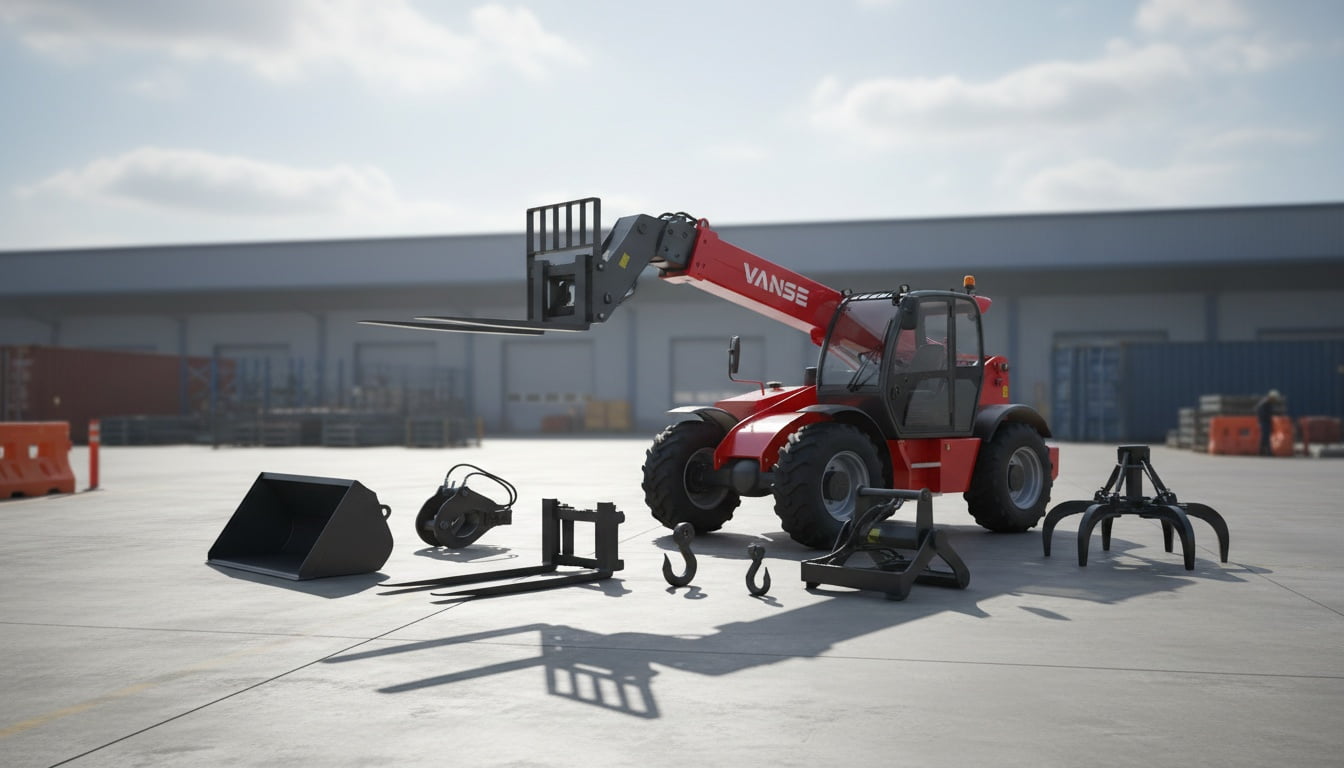
Another market trend is the wider use of attachments. A machine may serve as a fork truck in the morning, a bucket loader in the afternoon, and a truss-placement machine later in the week. Each configuration changes the effective chart. This is particularly relevant in rental-driven regions, where operators may switch tasks more often than in owner-operated fleets.
The line chart reflects a realistic upward demand pattern in the United States as infrastructure work, logistics investment, and agricultural mechanization continue to support telehandler usage. As machine counts rise, chart literacy becomes more important across both rental and owned fleets.
Industries Where Load Chart Knowledge Matters Most
Some sectors rely more heavily on precise chart reading because they frequently operate near reach limits or use specialized attachments. The following comparison highlights where capacity planning matters most.
| Industry | Typical Load Type | Why Chart Reading Matters | Common Risk | Typical Region | Recommended Practice |
|---|---|---|---|---|---|
| Commercial construction | Palletized block, steel, framing packs | Frequent high-reach material placement | Overestimating reach capacity | Texas, Florida, Illinois | Pre-plan picks from delivery zone |
| Agriculture | Hay, feed, seed totes, buckets | Attachment and load shape vary constantly | Shifted center of gravity | Iowa, Kansas, California | Use attachment-specific chart every shift |
| Oil and gas | Pipe, valves, skids, maintenance materials | Long loads increase leverage | Ignoring load center changes | Texas, Louisiana, North Dakota | Measure center of gravity before lift |
| Ports and logistics | Bulk bags, machinery, containers support loads | Space constraints can force long reach | Operating on uneven surfaces | Savannah, Los Angeles, Houston | Verify ground and travel condition limits |
| Manufacturing | Equipment components, dies, pallets | Precision placement indoors and outdoors | Wrong attachment chart used | Ohio, Michigan, Indiana | Keep charts attached to each approved tool |
| Infrastructure and utilities | Pipe, precast, utility materials | Variable terrain and roadside setups | Slope reducing stability | Nationwide | Level machine before any high-reach lift |
The table makes clear that chart reading is not just an operator issue. Project managers, safety supervisors, and procurement teams should understand how application type affects machine selection and actual field capacity.
This bar chart shows where telehandler deployment is strongest in the U.S. market. Construction and infrastructure continue to lead, but agriculture remains a major application where operators often underestimate the effect of buckets and irregular loads on chart limits.
Typical Applications and How to Read the Chart for Each
When unloading palletized brick, the load is usually compact but heavy, so the main question is whether the machine can carry that weight at the required second- or third-story reach. For truss placement, the load may not be as heavy, but the longer boom position and awkward geometry can quickly reduce the safe envelope. In agriculture, large hay bales may seem light relative to the machine rating, yet the forward center of gravity may cut real capacity. In manufacturing, dies or fabricated components may require careful height control at short reach, where the chart appears generous but the ground condition and rigging still matter.
One practical rule is this: every time the task changes from simple fork handling to an attachment-based task, reopen the chart and read it again. Buckets, jibs, winches, and work platforms all change the operating assumptions. That is true whether the machine is working on a distribution center project in New Jersey or a grain operation in Nebraska.
Common Mistakes When Reading Telehandler Load Charts
The biggest mistake is assuming the telehandler’s maximum rated capacity applies everywhere. It does not. Capacity drops as the boom extends and as the load moves farther from the machine. Another common error is ignoring the attachment. A telehandler with forks may be rated very differently than the same telehandler with a carriage-mounted jib.
Operators also sometimes confuse height with reach. A lift that seems possible vertically may become unsafe once the machine has to stand back from the structure. On congested jobsites, this happens often because stored materials, trench edges, or traffic lanes prevent the telehandler from getting close enough to the placement point.
Another frequent problem is forgetting that the printed chart assumes specific ground and machine conditions. Soft fill, side slope, tire damage, or partial stabilizer deployment can all undermine the assumptions behind the chart. In practical terms, a mathematically acceptable lift on paper may still be unsafe in the field.
Buying Advice for U.S. Contractors and Rental Fleets
When buying a telehandler in the United States, do not compare machines only by maximum capacity. Compare how much each machine can lift at the heights and reaches you actually use. Many buyers discover that a nominally smaller machine can outperform a larger competitor in the exact working zone that matters to their projects.
It is also wise to ask suppliers for full attachment-specific charts before purchase. A machine intended for masonry, roofing, industrial maintenance, or farm use should be evaluated with its real accessory package, not just the base fork carriage. Local parts support matters as well. Downtime during a concrete pour in Denver or harvest in California can be more expensive than the purchase price difference between two machines.
| Buying Factor | What to Check | Why It Matters | Red Flag | Best Buyer Type | Practical Advice |
|---|---|---|---|---|---|
| Load chart transparency | Full chart for every attachment | Prevents under-specification | Only a brochure max capacity is provided | All buyers | Request real chart pages before quote approval |
| Local service support | Parts stock and field technicians | Reduces downtime | No local service footprint | Rental fleets and contractors | Ask for average parts lead time |
| Operator interface | In-cab chart display and indicators | Improves daily usability | Confusing controls and labels | Multi-shift fleets | Demo the machine with actual operators |
| Attachment approval | OEM-approved accessories only | Ensures chart validity | Generic accessories without rated chart | Agriculture and construction | Match every tool to a valid chart |
| Terrain suitability | Axles, tires, frame leveling | Affects real stability | Capacity looks strong but terrain is limited | Infrastructure and industrial | Evaluate machine where it will actually work |
| Total ownership cost | Fuel, service, resale, downtime risk | More meaningful than sticker price alone | Low price but weak support network | Long-term owners | Compare three-year operating cost |
This table is useful because it shifts the focus from headline lift numbers to actual business value. A telehandler that looks cheaper on paper can become expensive if chart support, parts availability, or approved attachments are weak.
Local Suppliers and Brands Commonly Considered in the United States
U.S. buyers usually compare established domestic and international brands with strong dealer support. The best supplier depends on region, application, and support network, not just machine specs.
| Company | Primary Service Region | Core Strengths | Key Offerings | Best Fit | Load Chart Reputation |
|---|---|---|---|---|---|
| JLG | Nationwide U.S. | Large dealer network, construction focus | Fixed-boom telehandlers, attachments, support programs | Commercial contractors and rental fleets | Strong and widely recognized |
| Genie | Nationwide U.S. | Rental market presence, familiar controls | Telehandlers for general construction and material placement | Rental companies and general contractors | Clear charts commonly used in fleets |
| JCB | Nationwide with strong dealer regions | Broad telehandler range, agriculture and construction crossover | Construction and ag telehandlers, attachments | Mixed-use owners and larger farms | Good range-specific chart options |
| SkyTrak | Strong in North America | Recognized name in rough terrain telehandlers | Construction telehandlers for framing and masonry | Contractors and rental users | Familiar in U.S. jobsites |
| Caterpillar | Dealer-supported U.S. markets | Brand recognition and integrated support | Telehandlers through dealer channels and allied equipment support | Enterprise buyers and industrial users | Often supported by strong dealer training |
| Bobcat | Nationwide U.S. | Compact equipment relationships, broad dealer footprint | Telehandlers and material handling machines | Mixed fleets and regional dealers | Practical for buyers needing compact-equipment synergy |
This comparison is practical because each supplier differs in dealer coverage, attachment strategy, and end-user support. Buyers in California’s Central Valley may value agricultural support, while buyers near Gulf Coast industrial sites may focus on uptime, field service response, and high-capacity options.
The area chart illustrates a realistic trend shift in the United States toward machines with digital load monitoring, operator guidance, telematics, and integrated maintenance alerts. These technologies do not replace load charts, but they make proper chart use more consistent and easier to verify across fleets.
This comparison chart summarizes the factors U.S. buyers most often weigh when reviewing supplier options. It shows that support coverage and attachment flexibility remain just as important as sticker price.
Case Studies from Typical U.S. Job Conditions
Consider a masonry contractor in Dallas placing palletized block onto a third-floor deck. The crew knows the load weighs 4,800 pounds, but the machine must stand 14 feet away from the building because of perimeter barriers. On the chart, that forward reach reduces safe capacity below the pallet weight. The correct solution is either a larger telehandler, a closer setup, smaller split loads, or a different delivery sequence. The wrong solution is assuming a 6,000-pound or 8,000-pound rated machine can do it because the load is below the headline number.
Now consider a dairy operation in Wisconsin using a telehandler with a bucket and fork carriage interchangeably. The owner knows the machine’s fork rating well, but the bucket work changes front-end geometry and practical stability, especially on packed silage surfaces. Reviewing the chart with each attachment helps avoid overextension during high stacking or feed loading.
A third example comes from a Gulf Coast industrial site where a maintenance team uses a jib to place valves and pipe spools around structures. The actual loads are not always extreme, but the long effective load center created by the jib means the chart must be consulted for every lift. Here, attachment-specific chart discipline matters more than raw lift capacity.
How to Train Operators to Use Load Charts Better
Training works best when it is visual and site-specific. Instead of teaching only the theory, supervisors should use actual company machines and actual material types. Ask operators to calculate weight, estimate load center, measure required reach, and compare those figures to the chart before lifting. On rental equipment, require a chart review during machine check-in and handover.
Many U.S. fleets also benefit from posting simplified lift planning reminders in the cab and on dispatch sheets. These reminders should never replace the manufacturer’s official chart, but they can reduce the chance that crews skip key checks under schedule pressure.
Our Company
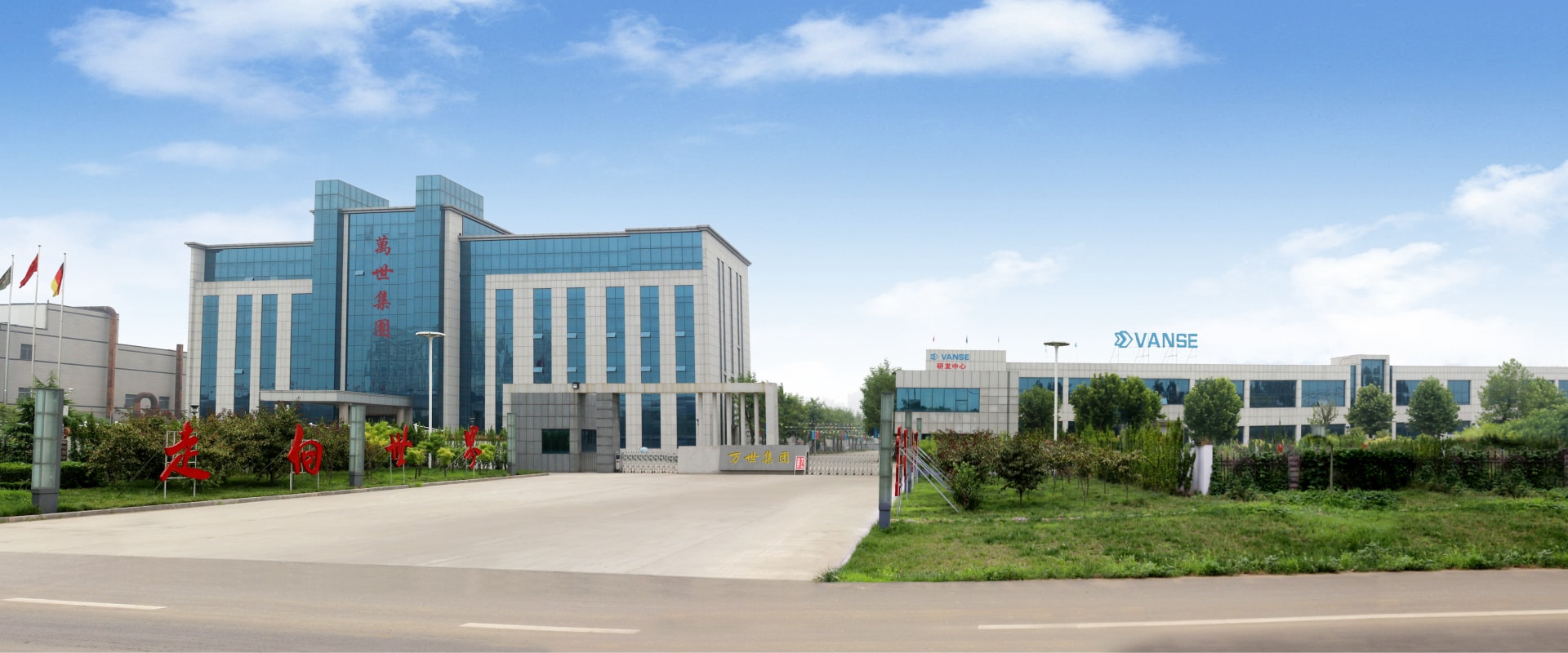
For U.S. buyers evaluating alternatives beyond the best-known legacy brands, VANSE Group presents a credible option because its telehandler business is built around a focused product line rather than an occasional add-on category. The company has produced more than 8,000 machines across its broader equipment portfolio and exports to over 40 countries, including North America, which demonstrates real production scale and market experience. Its telehandlers are manufactured under CE and ISO 9001 certified processes, use globally recognized core components such as Perkins and Cummins engines together with premium hydraulic and drivetrain systems, and each unit goes through load testing, safety inspection, and performance validation before shipment, giving U.S. buyers concrete evidence that the machines are built to international benchmarks. On the commercial side, VANSE serves end users, distributors, dealers, brand owners, rental companies, and even smaller buyers through flexible OEM, ODM, wholesale, retail, and regional partnership models, which is especially useful for American companies seeking private labeling, fleet standardization, or territory development. Just as important, the group is actively establishing a U.S.-based subsidiary with local inventory and after-sales capability to support the North American market, reinforcing that it is not approaching the United States as a distant exporter only; combined with online technical response, factory-backed consultation, and growing local service presence, that structure gives contractors and equipment resellers a more practical support path. Buyers looking for telehandlers, attachments, and application guidance can review the broader equipment range, explore company background on the official site, learn more about maintenance and support through the service page, or discuss a U.S.-focused requirement directly through the contact channel.
How to Compare Suppliers Beyond Brand Familiarity
Many U.S. buyers default to brands they already know, which is understandable, but supplier comparison should go deeper. Ask whether the supplier can provide chart-backed attachment packages, operator training materials, spare parts response times, and real service coverage in your state. If the machine is intended for rental, ask how easy the chart is for short-term users to interpret. If it is intended for agriculture, ask whether frequent bucket and fork changes are fully supported by approved charts and local parts.
Cost-performance is also increasingly important. As equipment prices rise, some contractors and dealers are broadening their evaluation criteria to include qualified global manufacturers that can prove certification compliance, major component sourcing, and real local support commitment. That is especially relevant when comparing fleet expansion budgets in fast-growth states where multiple machine purchases are planned at once.
Future Trends for 2026 and Beyond
By 2026, telehandler buying and operation in the United States will be influenced by three major trends: smarter machines, stronger safety expectations, and more pressure for efficiency and sustainability. Smart load management systems will continue to improve with in-cab displays, dynamic stability monitoring, telematics, and maintenance forecasting. These tools will not replace the manufacturer’s chart, but they will help operators verify configuration-specific limits faster and reduce misuse in rental environments.
Policy and compliance trends are also moving toward tighter documentation of operator competence, equipment inspection, and task-specific planning for complex lifts. Large contractors and industrial owners are increasingly formalizing lift reviews even for equipment traditionally treated as routine material handlers. That means chart literacy will become a purchasing factor, not just a training topic.
Sustainability will matter more as well. U.S. fleets are paying more attention to engine efficiency, idle reduction, hydraulic optimization, and in some cases lower-emission powertrain development. Ports, urban construction zones, and industrial facilities with ESG targets are likely to favor telehandlers that combine compliant emissions systems, robust productivity, and telematics that document machine utilization. Suppliers that can pair these trends with transparent charting, dependable parts support, and competitive pricing will be better positioned in the market.
FAQ
Does a telehandler’s maximum rated capacity apply at full reach?
No. The maximum rating usually applies when the boom is retracted and the load is close to the machine. Capacity drops as reach and height increase.
Why does the attachment matter when reading the chart?
Attachments change machine geometry, load center, and sometimes the machine’s approved operating envelope. Always use the chart for the exact attachment installed.
What is a load center on a telehandler chart?
The load center is the horizontal distance from the fork heel or attachment reference point to the load’s center of gravity. A larger load center reduces safe capacity.
Can I use one chart for all jobs if the telehandler model stays the same?
No. The chart may change based on attachment, tire setup, outriggers, frame leveling, and other approved configurations. Always confirm the chart matches the actual machine setup.
How do I know if my machine needs outriggers deployed?
The manufacturer’s chart will state whether stabilizers or outriggers are required for certain lift zones. If the chart requires them, the lift should not proceed without proper deployment.
What if the load weight is below the machine’s advertised capacity?
That still does not guarantee a safe lift. You must compare the actual weight to the allowed load at the specific lift height and forward reach shown on the chart.
Are telehandler load charts important for agriculture too?
Yes. Agricultural work often involves buckets, bale handling, and irregular loads, all of which can affect load center and stability. Chart use is just as important on farms as on construction sites.
Should U.S. buyers consider international suppliers?
Yes, if the supplier can provide verified certifications, reputable component brands, valid load-chart documentation, and dependable local or regional pre-sales and after-sales support. For many buyers, that combination creates strong value.
In practical terms, reading a telehandler load chart means treating the machine like a precisely rated lifting system rather than a generic material handler. If you match the exact machine and attachment, verify weight and load center, measure reach and height honestly, and respect the chart’s operating envelope, you will make safer and more cost-effective decisions on U.S. jobsites. Whether you source from established domestic names or from globally experienced suppliers expanding local support, the best buying decision is the one backed by real charts, real service, and real operating discipline.
Complete Telescopic Handler Equipment Portfolio
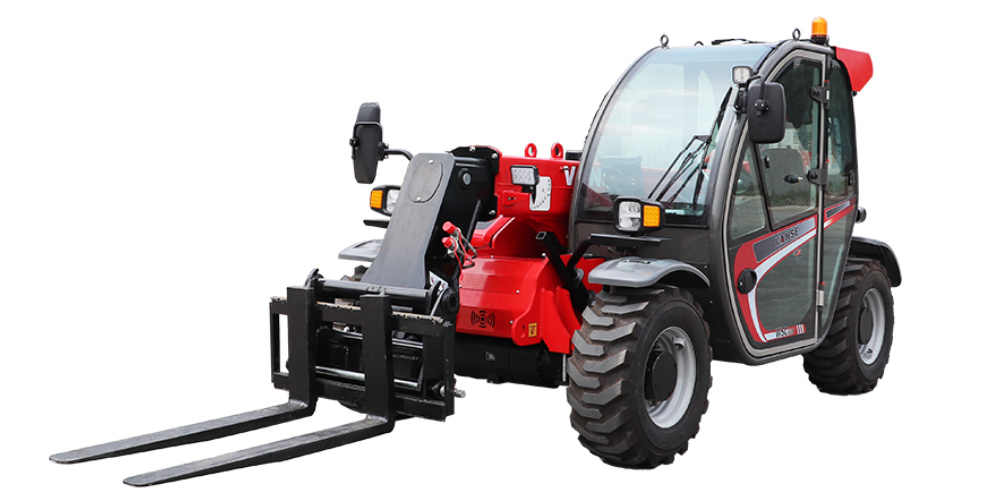
VANSE 625 6m Telescopic Handler
Designed for efficient material handling and stacking in warehouses, factories, and confined job sites, offering compact maneuverability and reliable performance.

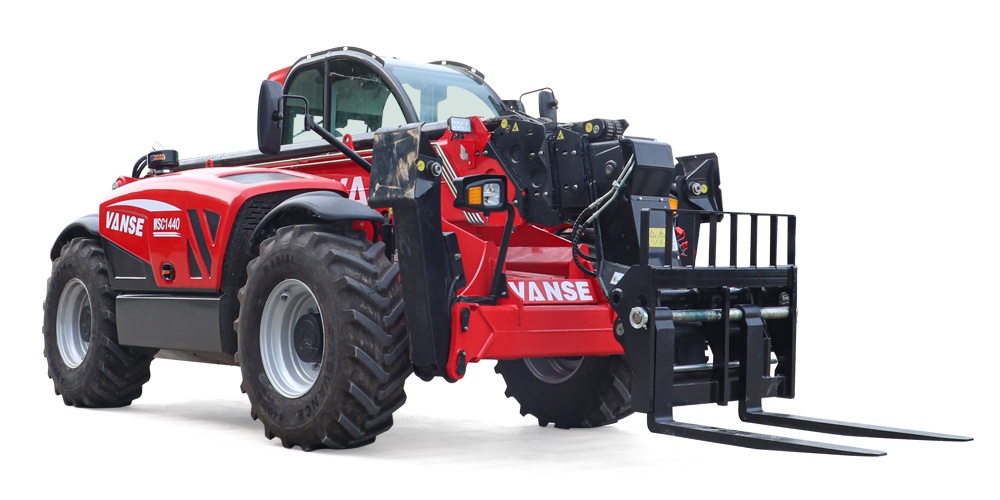
VANSE 735 7m Telescopic Handler
A balanced mid-duty solution for construction, agriculture, logistics, and warehousing, combining stable lifting, strong traction, and everyday versatility.


About the Author:
The VANSE team is a group of experienced professionals specializing in construction machinery research, manufacturing, and technical support. With deep industry knowledge and hands-on experience, our engineers and product specialists share practical insights on equipment selection, operation, maintenance, and industry trends.
Share
You May Also Interest
-

22 October, 2026
Telehandler for Grain Handling on Large Modern Farm Sites
Explore telehandler grain handling options in the United States, including suppliers, specs, farm uses, and cost-saving buying advice for grain operations.
-
21 October, 2026
Telehandler vs All Terrain Forklift: Which Lifts Better
Telehandler vs all terrain forklift in the United States: compare reach, lifting, terrain use, costs, and supplier options for smarter equipment buying.
-
20 October, 2026
10 Ton Telehandler: Extreme Lifting for Major Industrial
Explore 10-ton telehandler options in the United States, top suppliers, buying tips, applications, and service support for major lifting projects.
-
19 October, 2026
Telehandler for Demolition: Safe Structural Dismantling
Explore telehandler demolition options in the United States, including suppliers, attachments, safety, market trends, and cost-effective sourcing advice.