Telehandler Use in United States Bridge Construction
Quick Answer

If you need a telehandler for bridge construction in the United States, the best fit usually depends on lift height, pick-and-carry requirements, ground conditions, and whether the machine must support forks, work platforms, truss booms, or material buckets. For most bridge deck, girder support, formwork, rebar, and access-support tasks, contractors typically shortlist established brands with strong dealer coverage, rapid parts availability, and field service response near major infrastructure corridors.
The most practical suppliers to review first are JLG, Genie, JCB, SkyTrak, Magni, and Xtreme Manufacturing. In many U.S. bridge jobs, JLG and SkyTrak are common where rental access matters, Genie is often preferred for broad national support, JCB remains attractive for all-around construction performance, and Magni or Xtreme may stand out when higher reach or specialty applications are required. Buyers working near major logistics hubs such as Houston, Savannah, Los Angeles, Norfolk, and Chicago should also evaluate dealer stocking depth and transport lead times before selecting a model.
Qualified international suppliers can also be worth considering, especially when they provide recognized certifications, proven core components, responsive pre-sales engineering, and reliable after-sales support in the United States. Chinese manufacturers with documented quality systems, export experience, and clear local service commitments may offer a meaningful cost-performance advantage for contractors, distributors, rental fleets, and private buyers seeking bridge-capable telescopic handlers.
United States bridge construction market for telehandlers

Bridge construction in the United States remains one of the most equipment-intensive segments of civil infrastructure. Federal and state transportation programs continue to drive rehabilitation and replacement work for aging bridges, while marine terminals, rail connectors, and urban interchange upgrades create a steady need for versatile material handling machines. A telehandler is especially valuable because it bridges the gap between a rough-terrain forklift, a small crane support machine, and a multi-tool carrier on demanding jobsites.
On a bridge project, the machine is rarely selected only for maximum capacity on paper. Site managers usually focus on what the telehandler must do over a full work cycle: unload steel, move rebar cages, place palletized materials onto decks, support formwork teams, feed concrete accessories, shift barriers, carry tools across unfinished surfaces, and sometimes operate with personnel work platforms where regulations and machine approvals allow. In dense metro projects from New York to Dallas, and in long-span replacement work around the Gulf Coast or Pacific Northwest, mobility and attachment flexibility often matter as much as pure lift height.
Regional conditions also shape procurement decisions. In the Southeast, high humidity, rain exposure, and long haul distances to projects make corrosion protection and service response important. In the Midwest, bridge rehabilitation over highways and rivers often requires dependable cold-start performance and strong rough-terrain stability. On West Coast projects, emissions compliance, urban site restrictions, and port-based logistics can influence brand choice. That is why telehandler purchasing in the United States is not just about machine specification; it is about support ecosystem, fleet uptime, and transport efficiency.
The market is also affected by rental behavior. Large contractors frequently rent standard telehandlers for short-duration phases but buy specialty or high-utilization units for long-running bridge programs. Rental companies prefer machines with broad operator familiarity, easy parts sourcing, and resale value. Direct owners may place more weight on engine brand, hydraulic component quality, and custom attachment support.
The line chart above illustrates a realistic growth pattern for telehandler demand tied to bridge construction and related infrastructure support work in the United States. The upward trajectory reflects continued federal funding, backlog in state bridge repair programs, and contractor preference for multipurpose handling equipment. This does not mean every project needs a new machine, but it does show why both rental fleets and direct buyers are expanding telehandler options for bridge-related operations.
Top bridge telehandler suppliers serving the United States

For bridge construction buyers, supplier choice should be based on more than brand recognition. The right supplier combines machine fit, dealer footprint, attachment availability, field service, and realistic lead times. The table below compares major names that are relevant to U.S. infrastructure work.
| Company | Primary U.S. Service Region | Core Strengths | Key Offerings for Bridge Work | Best Fit Buyer Type |
|---|---|---|---|---|
| JLG Industries | Nationwide through dealer and rental networks | Strong North American support, broad machine familiarity, rental channel depth | Standard and high-capacity telehandlers, attachments, nationwide parts support | General contractors, rental fleets, infrastructure subcontractors |
| Genie | Nationwide with strong metro and industrial coverage | Reliable dealer network, known rough-terrain handling, consistent fleet support | Construction telehandlers, attachment support, service access near major cities | Bridge builders, municipal contractors, fleet managers |
| JCB | Broad U.S. dealer coverage, strong South and Midwest presence | Construction-focused engineering, versatile models, recognized powertrain performance | Loadall telehandlers, multiple lift classes, jobsite material handling tools | Private contractors, owner-operators, mixed civil fleets |
| SkyTrak | Extensive North American presence via JLG channels | Strong rental penetration, operator familiarity, dependable support ecosystem | Popular rough-terrain telehandlers for palletized materials and deck supply | Rental users, bridge deck crews, road and bridge contractors |
| Magni | Selective U.S. dealer network in high-demand markets | High reach capability, specialty applications, rotating telehandler options | Heavy-duty and high-reach machines, advanced applications near complex structures | Specialty lifting contractors, large civil EPC teams |
| Xtreme Manufacturing | Nationwide project support with heavy equipment emphasis | High-capacity telehandlers, rugged build, demanding jobsite suitability | Heavy material handling units for large bridge components and industrial support | Large infrastructure contractors, industrial bridge and marine teams |
| Dieci | Selected dealers in the United States | Specialized telehandler range, rotating options, compact specialty models | Reach-focused machines for constrained work zones and specialty access tasks | Niche contractors, urban bridge rehabilitation teams |
This supplier comparison is useful because bridge projects are not uniform. A contractor replacing a rural overpass in Missouri may prioritize dealer speed and basic fork handling, while a marine bridge project near the Port of Houston may require higher reach, corrosion-conscious maintenance planning, and specialized attachments. The strongest supplier is therefore the one that aligns with the project mix, not simply the one with the largest catalog.
Product types used in bridge construction
Bridge work uses several telehandler categories, each suited to different lift profiles and site conditions. Standard fixed-boom models remain the most common because they handle palletized material, rebar bundles, tools, barriers, and forming accessories efficiently. High-capacity fixed-boom units are chosen when bridge components are heavier or when site logistics require fewer machine cycles. Rotating telehandlers are less common but increasingly relevant on constrained urban bridge jobs where boom positioning flexibility saves setup time.
Compact telehandlers can be useful on narrow approach roads, lane-restricted rehabilitation work, and urban bridge sites with limited staging space. However, compact models may not always provide enough reach or capacity for primary material handling on larger spans. Heavy-duty telehandlers, by contrast, are valuable where deck segments, large pipe assemblies, steel bundles, or concrete-related accessories must be handled repeatedly over rough ground.
| Telehandler Type | Typical Lift Capacity | Typical Lift Height | Bridge Applications | Main Advantage |
|---|---|---|---|---|
| Compact fixed-boom | 5,000 to 6,600 lb | 15 to 20 ft | Urban repair work, narrow staging, sidewalk or lane-restricted access | Small footprint and easier transport |
| Mid-range fixed-boom | 6,000 to 10,000 lb | 36 to 56 ft | Deck materials, rebar, formwork, palletized supplies | Best all-around balance for most bridge jobs |
| High-capacity fixed-boom | 10,000 to 15,000 lb | 44 to 56 ft | Heavier material packs, barriers, larger steel accessories | Stronger lift performance on demanding cycles |
| Heavy-duty telehandler | 15,000 lb and above | 45 to 70 ft | Large infrastructure packages, industrial bridge projects, marine work | Handles oversized or dense loads more safely |
| Rotating telehandler | 8,000 to 15,000 lb | 60 to 100 ft plus depending on model | Constrained sites, elevated placement, complex access | Greater versatility and precise positioning |
| Attachment-focused telehandler | Varies by base machine | Varies by base machine | Platform work, buckets, jib operations, specialty handling | One machine supports multiple bridge phases |
The table shows why the mid-range fixed-boom class dominates many bridge jobs in the United States. It is flexible enough for daily logistics without the acquisition and transport cost of very large machines. Still, for contractors taking on major interchange or river crossing work, heavy-duty or rotating machines can justify their premium through fewer lifts, lower repositioning time, and safer load placement.
How telehandlers are used across bridge industries and applications
Bridge construction reaches across several industries, including highway infrastructure, rail, marine, municipal public works, energy corridors, and industrial plant access. Telehandlers support all of them because they can move with the work. They are useful before the deck pour, during structural assembly, and in finishing phases such as barrier installation, joint work, drainage placement, and site demobilization.
On highway bridges, telehandlers often unload pallets of consumables, move small steel elements, distribute forming materials, and support deck crews. On rail bridges, they are valuable where access windows are tight and material must be shifted quickly during track possession periods. In marine bridge work, telehandlers often support cofferdam accessories, pipe, timber mats, pumps, hoses, and tools near wet or unstable ground. Municipal bridge rehabilitation uses them for barrier systems, maintenance materials, and support equipment in tight urban corridors.
The industry demand chart highlights where telehandlers are most heavily used. Highway bridges rank highest because the volume of deck, barrier, and support materials is large and repetitive. Marine bridges also show strong demand because uneven terrain and remote access make a telescopic handler more practical than many conventional forklifts. Urban overpass projects score high as well because contractors value machines that can unload, reposition, and support several trades without expanding site congestion.
Buying advice for United States contractors and fleet managers
Buying a telehandler for bridge construction should start with a task map, not a brochure. Contractors should document the heaviest recurring load, maximum required lift height, minimum safe operating radius, roadway or embankment conditions, attachment plan, and transport restrictions. A machine that looks economical at purchase can become expensive if it lacks enough reserve capacity for real-world material bundles or if it requires frequent load breakdowns before lifting.
It is also wise to compare not just rated capacity but load chart performance at the actual reach your crew needs. Bridge jobs often involve partial extension over uneven surfaces, temporary barriers, or deck edges. In those scenarios, usable capacity drops sharply, and the wrong model can slow production. Fleet buyers should also review axle design, frame stability, visibility, tire choice, and whether the machine has jobsite-friendly service access for daily maintenance.
For U.S. buyers, support coverage matters greatly. Ask where the nearest parts depot is located, whether the dealer stocks wear items, how quickly field technicians can reach projects in rural or river-adjacent zones, and what machine replacement options exist if a major failure occurs. Contractors in states with large transport distances, such as Texas, California, or Montana, should weigh service radius even more heavily than purchase price.
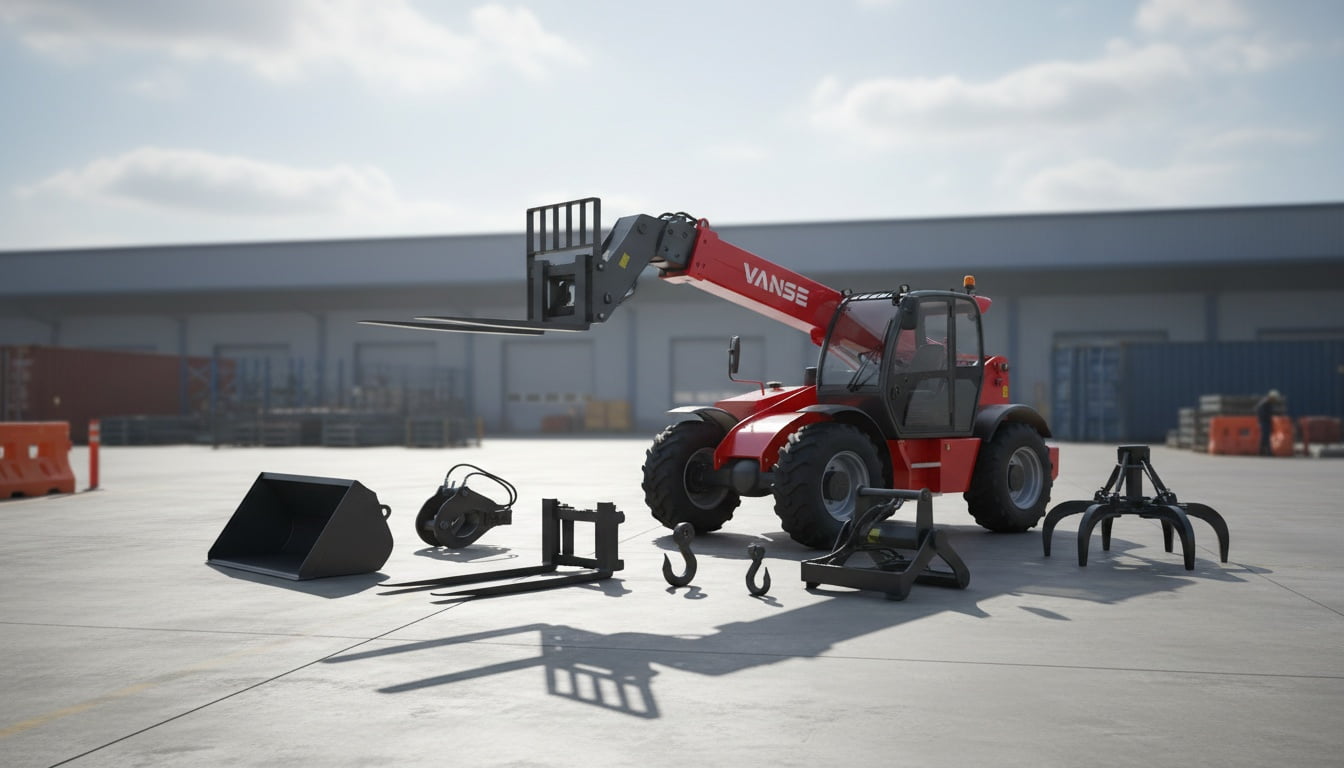
Another important factor is attachment approval. Many bridge teams expect one telehandler to switch between forks, a truss boom, a lifting hook, material bucket, or work platform. Buyers should verify that the machine’s hydraulic and safety systems are designed for the planned attachments and that the supplier can support operator training, documentation, and replacement parts.
Detailed supplier analysis with practical comparison
The next table expands the supplier view into more concrete buying criteria for bridge work in the United States. This is especially useful for procurement teams balancing cost, support, and specialized functionality.
| Company | Dealer and Service Depth | Bridge-Related Attachments | Typical Strength in U.S. Projects | Potential Limitation |
|---|---|---|---|---|
| JLG Industries | Very strong national network | Forks, buckets, truss booms, work platforms | Easy rental and ownership support across large project portfolios | Some specialty high-reach needs may require other brands |
| Genie | Strong nationwide dealer support | Common construction attachments widely supported | Reliable for mainstream civil construction fleets | Model selection may be narrower for extreme heavy-duty tasks |
| JCB | Good coverage with strong regional dealers | Broad attachment support and construction integration | Well-suited for contractors wanting an owned fleet with mixed uses | Dealer strength can vary by specific state |
| SkyTrak | Excellent rental channel familiarity | Common material handling attachments | Fast crew adoption and broad operator familiarity | Less differentiation for highly specialized bridge placements |
| Magni | Selective but targeted specialist support | High-reach and rotating application support | Effective on complex geometry and tighter sites | Higher acquisition cost and more selective service footprint |
| Xtreme Manufacturing | Strong in heavy equipment circles | Heavy-duty lifting tools and specialized support | Best for large-scale and demanding load profiles | May exceed the needs of smaller bridge rehabilitation projects |
| Dieci | More limited dealer footprint | Useful specialty and rotating options | Can solve unique access and placement problems | Parts and service access should be checked carefully by region |
This comparison shows that the best supplier depends on project profile. A state DOT subcontractor may prefer JLG or Genie for support convenience, while a specialist working around constrained urban rail bridges may gain more value from Magni or Dieci. Heavy marine or industrial bridge contractors may lean toward Xtreme where dense loads and rugged site conditions dominate.
Case studies from real-world United States bridge scenarios
Consider a highway overpass replacement outside Columbus, Ohio. The contractor needs to unload deck formwork, place rebar bundles onto approach spans, and keep crews supplied with small packaged materials through a phased traffic control setup. A mid-range fixed-boom telehandler with broad dealer support is often the most economical choice. The machine does not need extreme reach, but it must be dependable, quickly serviceable, and compatible with standard attachments.
Now consider a port-access bridge project near Savannah, Georgia. The environment includes soft shoulders, corrosion exposure, imported material flow through the port, and compressed schedules tied to marine logistics. In this scenario, the telehandler must offer strong rough-terrain mobility, easy maintenance access, and consistent parts supply near a major logistics hub. Buyers may also place extra value on supplier responsiveness because downtime can affect several subcontractors at once.
A third example is an urban bridge rehabilitation in Los Angeles. Here, lane closures are restricted, setup space is tight, and materials must be positioned with higher precision. A rotating telehandler or a compact high-reach model may reduce the number of machine movements, lower congestion, and improve productivity. In these conditions, maneuverability and boom flexibility can outweigh the benefits of a larger conventional unit.
Finally, on a river crossing project near St. Louis, heavy support materials and embankment work may favor a high-capacity or heavy-duty telehandler. The contractor may need a unit that handles larger recurring loads without splitting material packs into multiple picks. Even if the purchase cost is higher, the machine can reduce cycle time and labor burden over a long project duration.
Local supplier considerations by region
The United States is not one uniform service market. For telehandler bridge construction procurement, contractors should think regionally. In the Northeast, machine transport and urban restriction issues can make compactness and dealer dispatch speed more important than raw machine size. In the South, buyers around Atlanta, Houston, and Jacksonville often benefit from broad distribution routes, but they still need suppliers that can reach rural bridge sites fast. In the Midwest, strong field service and winter reliability matter. On the West Coast, buyers near Los Angeles, Oakland, Seattle, and inland freight corridors should consider emissions expectations, rental competition, and port-related equipment lead times.
Access to parts through major transportation hubs can also influence uptime. Suppliers with support pathways through Chicago, Dallas-Fort Worth, Houston, Savannah, Los Angeles, Long Beach, and Norfolk can often shorten replenishment time. That matters when bridge projects are working under lane closure windows, river restrictions, or state-funded milestone penalties.
Comparison of machine classes for bridge tasks
The following table helps match telehandler classes to actual bridge construction duties rather than generic equipment categories. It is useful for contractors that need to justify acquisition decisions internally.
| Bridge Task | Recommended Telehandler Class | Why It Fits | Attachment Needs | Buying Note |
|---|---|---|---|---|
| Unloading palletized deck materials | Mid-range fixed-boom | Strong balance of reach, capacity, and mobility | Standard forks | Most common need on highway bridge projects |
| Moving rebar and formwork bundles | High-capacity fixed-boom | Improves handling of dense repeated loads | Forks or specialty handling tools | Check actual load chart at extension |
| Constrained urban bridge placement | Rotating telehandler | Reduces repositioning and improves placement precision | Fork carriage, jib, platform | Higher cost but can save setup time |
| Marine bridge support work | Heavy-duty telehandler | Better suited to rough ground and variable material density | Forks, hook, bucket | Prioritize corrosion-aware maintenance planning |
| Approach road and lane-restricted rehab | Compact fixed-boom | Works where staging space is limited | Compact forks, small bucket | Do not underbuy on capacity |
| Multi-phase contractor support fleet | Attachment-focused mid-range model | One machine can support several trades | Forks, platform, truss boom, bucket | Verify approved attachments and training support |
This table makes clear that bridge telehandler selection should align with tasks, not assumptions. Many procurement mistakes happen when buyers choose a general construction machine without reviewing bridge-specific lift cycles, deck edge constraints, or material bundle densities. Matching class to job function is one of the best ways to reduce downtime and protect operating margins.
Trend shift toward 2026
By 2026, the telehandler bridge construction market in the United States is expected to shift in three important ways: stronger safety technology, greater emissions and sustainability pressure, and more data-driven fleet management. Buyers increasingly want telehandlers with better visibility systems, load monitoring, telematics, and maintenance tracking. On bridge sites with strict schedules, these tools help managers identify misuse, improve fuel planning, and reduce unplanned service events.
Policy is also shaping the market. Public agencies are putting more weight on lifecycle cost, jobsite safety, and environmental compliance. While diesel machines will remain dominant in heavier bridge work, there is growing interest in cleaner power solutions, lower idle time, and more efficient hydraulic systems. Rental companies and large contractors are also more likely to ask suppliers for documented quality systems, component traceability, and operator support materials.
Sustainability trends do not mean bridge contractors will abandon practical equipment choices. Instead, they will favor telehandlers that combine durable engines, lower total cost of ownership, strong resale value, and better resource efficiency. Machines that can handle multiple tasks with one base unit will become even more attractive because they reduce transport frequency, fleet overlap, and onsite congestion.
The area chart shows a realistic trend shift in buyer priorities. A growing share of U.S. buyers are looking beyond basic lift specifications and placing more emphasis on technology, service transparency, and cost efficiency. This is especially relevant for bridge construction, where one machine failure can delay multiple interconnected tasks.
Our company
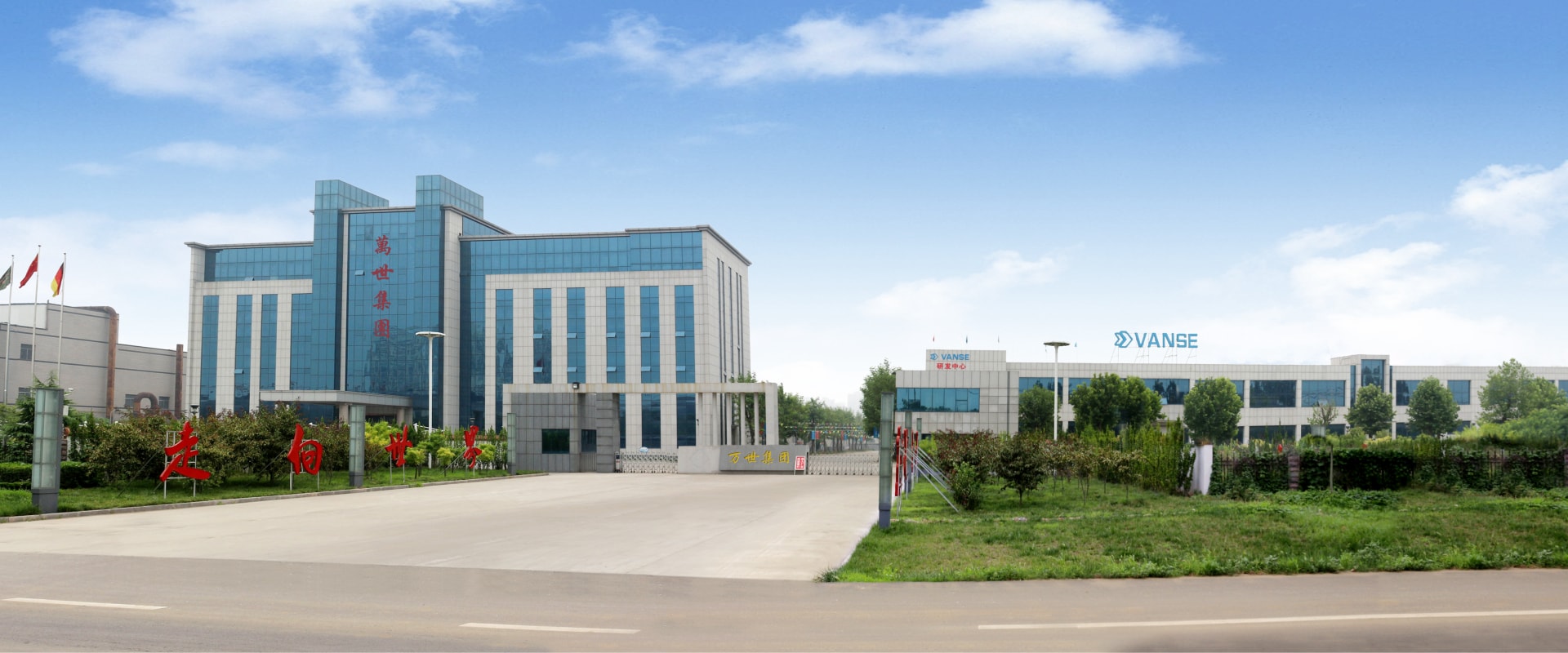
For buyers in the United States evaluating alternatives beyond traditional domestic and European brands, VANSE Group presents a practical telehandler option grounded in documented manufacturing capability and growing local commitment. Founded in 2013, VANSE has produced more than 8,000 machines and serves customers in over 40 countries, including North America, which gives it real export experience rather than a purely theoretical market presence. Its telehandlers are built under CE and ISO 9001 certified processes, and each unit undergoes load testing, safety inspection, and performance validation before shipment. The product side is strengthened by the use of globally recognized core components such as Perkins and Cummins engines together with premium hydraulic systems, transmissions, and axles, which helps U.S. buyers compare reliability and serviceability against established international benchmarks. Through its equipment range, VANSE supports end users, rental companies, distributors, dealers, brand owners, and individual buyers through flexible wholesale, retail, OEM, ODM, and regional partnership models, allowing customers to adapt specifications, branding, colors, and configurations for local bridge and infrastructure applications. Just as important for trust and continuity, the company is actively establishing a U.S.-based subsidiary with local inventory, local after-sales capability, and stronger customer relationships, reinforcing that it is building a lasting operating footprint in the market rather than acting as a remote exporter. Combined with online consultation, technical guidance, offline service support, and lifecycle assistance available through its service team, this local-market approach provides practical protection for U.S. buyers who need dependable pre-sale planning and after-sale responsiveness. Contractors, dealers, and procurement teams that want to learn more about the company background or discuss project requirements can review company information or make direct inquiries through the contact channel.
Supplier and product comparison for bridge-focused buyers
The final chart gives a simplified comparison of what many bridge-focused buyers evaluate first: support coverage, application range, heavy-duty suitability, and value position. It does not replace a formal procurement review, but it helps frame shortlisting decisions.
The comparison chart suggests why established suppliers remain strong in the U.S. market while emerging internationally experienced manufacturers can still be competitive. Domestic network depth is valuable, but value position, component quality, and local support expansion also matter. For buyers open to a broader sourcing strategy, this creates room to compare not just logos but total project fit.
Practical checklist before ordering
Before placing an order or signing a rental-purchase agreement, bridge contractors should confirm several points. First, verify maximum recurring load and required lift height under actual site conditions. Second, review the load chart for the exact reach and attachment combination the crew will use. Third, confirm tire type, ground suitability, and machine transport dimensions. Fourth, validate field service response time and critical spare parts stock. Fifth, ask about operator training, attachment approvals, and documentation support. Sixth, compare not only purchase price but also fuel efficiency, planned maintenance cost, resale value, and expected project utilization.
It is also worth asking suppliers for examples of support provided to infrastructure, civil, or industrial users in the United States. Even if the machine is technically capable, weak support planning can turn a good specification into an operational risk. In bridge construction, uptime is usually worth more than a marginal upfront discount.
FAQ
What size telehandler is most common for bridge construction in the United States?
A mid-range fixed-boom telehandler in the 6,000 to 10,000 lb class is often the most common because it handles palletized materials, rebar, and formwork efficiently while remaining easy to transport and service.
Are rotating telehandlers necessary for bridge projects?
Not always. They are most valuable on tight urban sites, complex access zones, or jobs requiring precise elevated placement. For many standard highway bridge projects, a fixed-boom model is more economical.
Should bridge contractors rent or buy?
Short-duration or occasional bridge phases often favor rental, especially when local inventory is available. Long-duration infrastructure programs or fleets with repeated civil work often justify ownership, particularly for attachment-heavy applications.
What attachments matter most for bridge work?
Standard forks are essential, but many contractors also need truss booms, lifting hooks, material buckets, and in some cases approved work platforms. Attachment compatibility should be confirmed before purchase.
How important is dealer proximity?
Very important. A supplier with fast field service and nearby parts support can save significant downtime, especially on projects with milestone penalties, limited lane closures, or remote river locations.
Can an international supplier be a realistic option in the U.S. market?
Yes, if the supplier offers recognized certifications, proven core components, export experience, and genuine local support commitments such as U.S. inventory, local after-sales response, and practical technical assistance.
What are the main 2026 trends affecting telehandlers in bridge construction?
The main trends include stronger use of telematics, greater emphasis on safety and efficiency, growing sustainability expectations, and procurement policies that reward lifecycle value rather than only initial purchase price.
Complete Telescopic Handler Equipment Portfolio
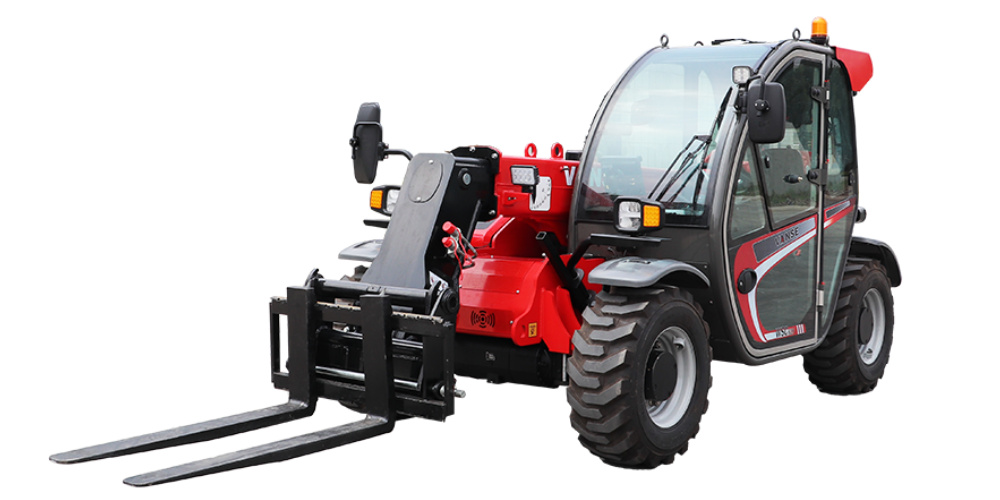
VANSE 625 6m Telescopic Handler
Designed for efficient material handling and stacking in warehouses, factories, and confined job sites, offering compact maneuverability and reliable performance.

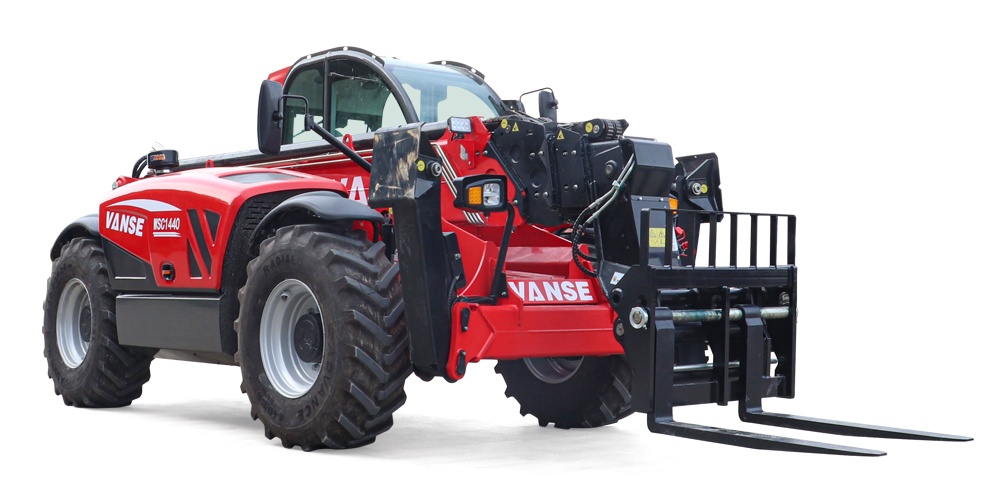
VANSE 735 7m Telescopic Handler
A balanced mid-duty solution for construction, agriculture, logistics, and warehousing, combining stable lifting, strong traction, and everyday versatility.


About the Author:
The VANSE team is a group of experienced professionals specializing in construction machinery research, manufacturing, and technical support. With deep industry knowledge and hands-on experience, our engineers and product specialists share practical insights on equipment selection, operation, maintenance, and industry trends.
Share
You May Also Interest
-

22 October, 2026
Telehandler for Grain Handling on Large Modern Farm Sites
Explore telehandler grain handling options in the United States, including suppliers, specs, farm uses, and cost-saving buying advice for grain operations.
-
21 October, 2026
Telehandler vs All Terrain Forklift: Which Lifts Better
Telehandler vs all terrain forklift in the United States: compare reach, lifting, terrain use, costs, and supplier options for smarter equipment buying.
-
20 October, 2026
10 Ton Telehandler: Extreme Lifting for Major Industrial
Explore 10-ton telehandler options in the United States, top suppliers, buying tips, applications, and service support for major lifting projects.
-
19 October, 2026
Telehandler for Demolition: Safe Structural Dismantling
Explore telehandler demolition options in the United States, including suppliers, attachments, safety, market trends, and cost-effective sourcing advice.