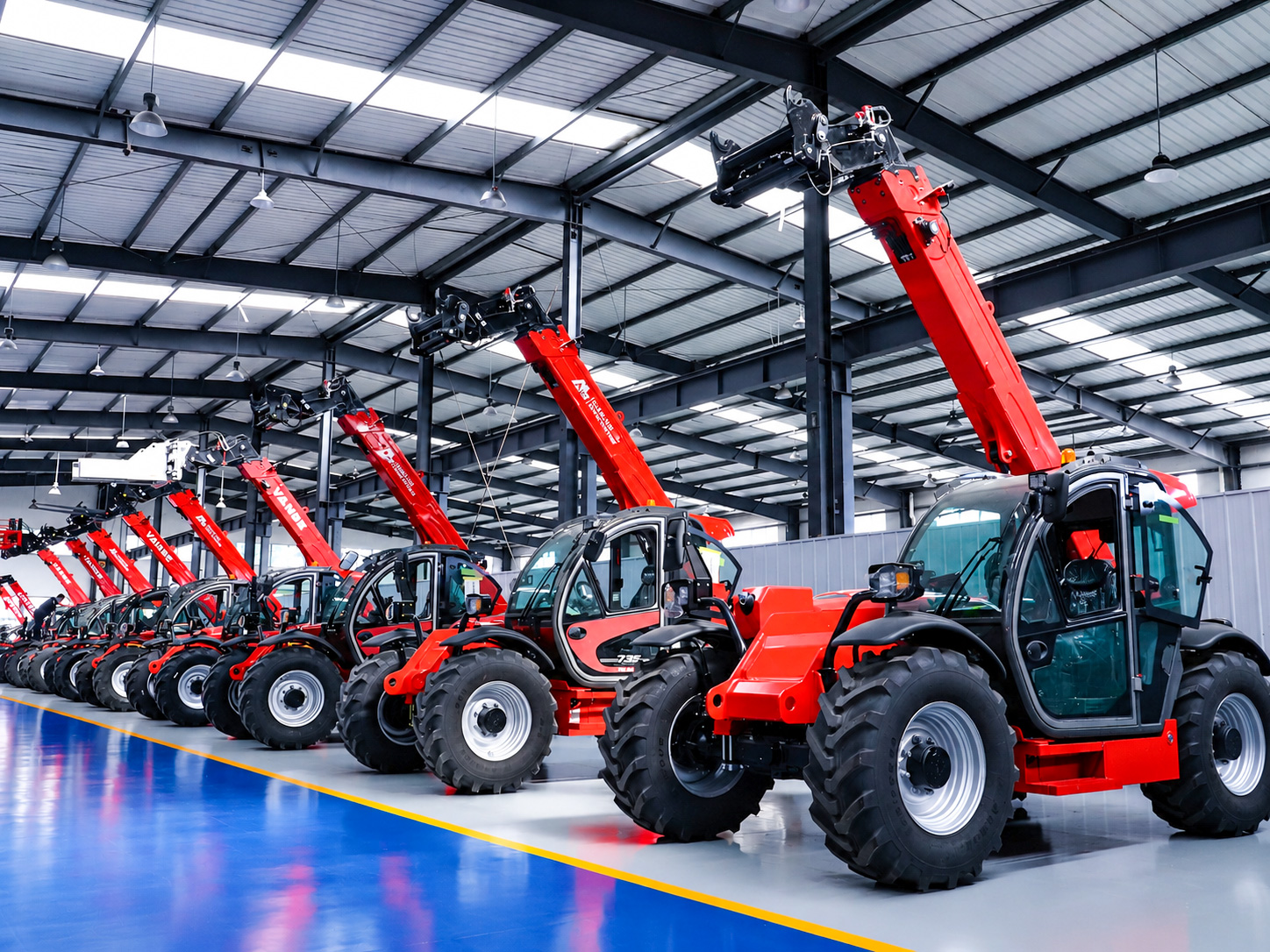
Guida all’acquisto di sollevatori telescopici in Italia
Risposta rapida

Per scegliere bene un sollevatore telescopico in Italia bisogna partire da cinque criteri concreti: altezza di sollevamento reale richiesta in cantiere o in azienda agricola, portata massima effettiva alla massima estensione, tipo di terreno, frequenza d’uso annuale e copertura assistenziale nella propria area. Per lavori edilizi nelle aree di Milano, Bologna, Verona, Roma e Napoli conviene orientarsi su macchine tra 7 e 14 metri con buona disponibilità di ricambi e attacchi compatibili; per agricoltura intensiva in Emilia-Romagna, Veneto, Lombardia e Puglia risultano spesso più adatti modelli compatti, maneggevoli e con trasmissione studiata per cicli frequenti di carico.
Tra i nomi più presenti e rilevanti sul mercato italiano figurano Merlo, Dieci, Manitou, JCB e Magni TH, con reti consolidate e modelli dedicati a edilizia, logistica, agricoltura e noleggio. Chi cerca un equilibrio tra prestazioni e budget può valutare anche fornitori internazionali qualificati, inclusi produttori cinesi con certificazioni CE, componenti globali affidabili e forte supporto pre e post vendita, soprattutto quando il rapporto costo-prestazioni è decisivo. In pratica, la scelta migliore non è il marchio più noto in assoluto, ma quello che offre la combinazione giusta tra specifiche, tempi di consegna, supporto locale e costo totale di possesso.
- Per agricoltura: preferire macchine compatte, buona visibilità, cambio rapido attrezzature e comfort nelle manovre ripetitive.
- Per cantieri: puntare su stabilità, capacità su pneumatici, sbraccio utile e assistenza rapida in zona.
- Per noleggio: privilegiare semplicità d’uso, robustezza, ricambi diffusi e formazione operatori.
- Per imprese multiservizio: considerare telescopici con ampia gamma di accessori, benna, forche, gancio e cestello dove consentito.
- Prima di firmare: verificare disponibilità ricambi, tempi di fermo, garanzia, manualistica in italiano e formazione iniziale.
Il mercato italiano dei sollevatori telescopici

Il mercato italiano del sollevatore telescopico è maturo, ma continua a evolversi grazie a tre fattori: espansione dei cantieri infrastrutturali, meccanizzazione agricola e crescita dei noleggiatori specializzati. In Italia il telescopico è ormai una macchina trasversale, utilizzata dalla movimentazione pallet nei magazzini agricoli alle operazioni di posa materiali in cantiere, fino alla manutenzione industriale e alla logistica portuale in poli come Genova, Trieste, Livorno e Ravenna.
Le aree con maggiore domanda tendono a concentrarsi nel Nord Italia, dove costruzioni, manifattura e agricoltura ad alta intensità richiedono mezzi versatili. Lombardia, Veneto ed Emilia-Romagna sono mercati chiave, ma cresce anche il ricorso ai telescopici nel Centro-Sud, in particolare in Toscana per cantieristica e attività estrattive, nel Lazio per edilizia e logistica, e in Puglia e Sicilia per agricoltura, impianti e movimentazione stagionale.
In Italia la scelta d’acquisto è molto influenzata dal costo totale di esercizio, non solo dal prezzo iniziale. I buyer professionali valutano ore/anno, consumo, facilità di reperimento filtri e componenti, valore residuo e rapidità dell’assistenza. Questo spiega perché i marchi con presenza locale e i costruttori capaci di fornire supporto strutturato, anche digitale, abbiano un vantaggio competitivo netto.
Andamento stimato del mercato italiano 2021-2026
Il grafico seguente mostra un trend realistico di crescita della domanda in Italia, trainato da edilizia, noleggio e agricoltura moderna. Non si tratta di una previsione ufficiale, ma di una rappresentazione pratica dell’andamento osservabile nel settore.
Tipologie di sollevatori telescopici da valutare

Non esiste un solo tipo di telescopico adatto a tutti. In Italia la selezione più efficace parte dall’applicazione, non dalla portata nominale. Molti errori di acquisto nascono dal confronto tra modelli sulla sola scheda tecnica, senza considerare raggio operativo, accessori e condizioni del fondo.
| Tipologia | Altezza tipica | Portata tipica | Applicazioni principali | Punti di forza | Main limitations |
|---|---|---|---|---|---|
| Compatto agricolo | 5-7 m | 2,5-3,5 t | Stalle, fienili, carico mangimi, pallet | Agile, basso raggio di sterzata, rapido nei cicli | Meno adatto ad altitudini elevate |
| Standard construction | 7-10 m | 3-4 t | Muratura, prefabbricati, carico camion | Versatile, diffuso, facile da rivendere | Prestazioni limitate su lavori molto alti |
| High lift | 12-18 m | 3-4.5 t | Cantieri multipiano, manutenzione industriale | Maggiore sbraccio e altezza | Ingombri e costo più elevati |
| Rotativo | 14-30 m | 4-7 t | Grandi cantieri, impiantistica, noleggio premium | Torretta girevole, massima flessibilità | Prezzo e manutenzione superiori |
| Elettrico o ibrido | 4-7 m | 2-3,5 t | Interni, logistica, industria alimentare | Emissioni ridotte, meno rumore | Autonomia e offerta ancora limitate |
| Per impieghi speciali | Variabile | Variabile | Miniere, porti, oil & gas, riciclo | Configurazioni dedicate | Tempi e costi di fornitura più alti |
Questa tabella aiuta a capire che la macchina corretta dipende soprattutto dal ciclo operativo. Un’azienda agricola che lavora ogni giorno in spazi stretti non trae vantaggio da una macchina troppo alta e pesante, mentre un’impresa che posa materiali in quota avrà un costo nascosto se sceglie un modello sottodimensionato e deve riposizionare spesso il mezzo.
Come scegliere il modello giusto
A practical guide to buying a telescopic handler in Italy is essential. The best approach is to draw up a technical list of the parameters that genuinely affect productivity.
Actual height and load capacity
The declared maximum capacity does not always match the capacity available at full boom extension. Always ask the supplier for the load chart. In many cases, when handling pallets of bricks, bales, big bags, or precast elements, the useful capacity at full outreach is the figure that separates a worthwhile purchase from a problematic one.
Ground conditions and mobility
On mixed ground, fields, or yards that are not perfectly compacted, sturdy axles, adequate ground clearance, and tyres suited to the task are essential. On farms in northern Italy, where machines move between concrete yards and rough terrain, a setup geared too heavily towards yard work alone compromises cycle times and safety.
Attachments and versatility
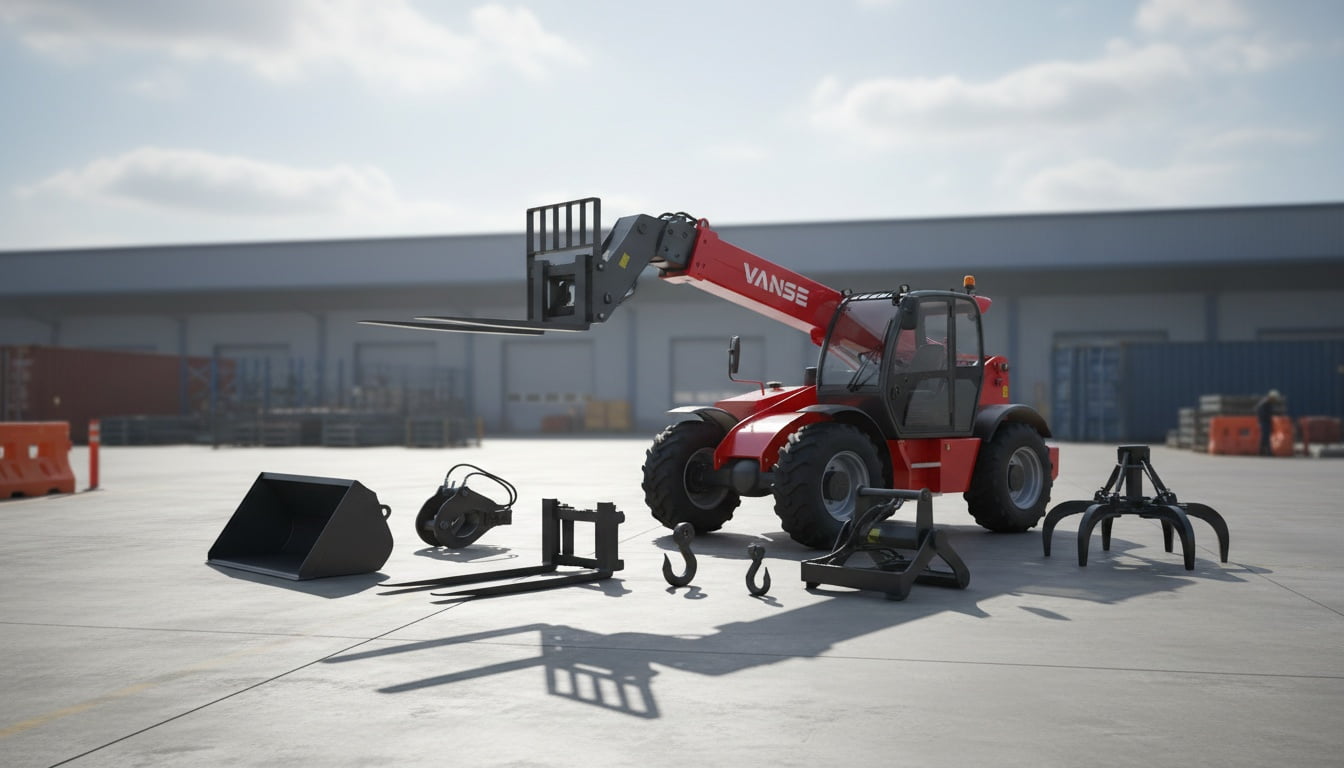
Forks, buckets, lifting hooks, winches, clamps, and platforms turn a telescopic handler into a multi‑functional tool. However, every attachment alters load capacity, stability, and the applicable regulations. Buyers in construction or rental must check from the outset the hitch compatibility, auxiliary hydraulics, and attachment delivery times.
Cab, ergonomics, and visibility
If the machine works 700–1200 hours a year, comfort, noise levels, control ergonomics, and forward visibility become economic parameters, not mere options. In agriculture and logistics, reducing operator fatigue has a direct impact on productivity and safety.
Service network and spare parts
For a company based in Verona or Bari, having a workshop just a few hours away changes the value of the purchase. It is essential to check filter and wear‑part availability, critical spares, Italian‑language telephone support, average response times, and regional stock. The port of entry also matters in cases of direct import, as customs clearance and domestic distribution affect lead time.
| Criterio | Cosa verificare | Pausa pranzo | Errore frequente | Indicazione pratica | Impatto sul costo totale |
|---|---|---|---|---|---|
| Portata | Load chart at different extensions | Avoids undersizing | Looking only at maximum value | Testing actual typical load | Very high |
| Altezza | Maximum actual working height | Reduces repositioning | Choosing too low to save money | Adding an operating margin | Alto |
| Trasmissione | Type, fluidity, use on slopes | Improves cycles and control | Ignoring the operating environment | Testing the machine on actual terrain | Medio-alto |
| Assistenza | Workshop, spare parts, service level agreement | Riduce i fermi macchina | Evaluating only the initial price | Asking for written lead times | Very high |
| Accessori | Attachments, auxiliary lines, homologations | Increases versatility | Buying them later without checking compatibility | Defining the complete package before ordering | Medio |
| Valore residuo | Demand for used models of the brand | Affects leasing and fleet renewal | Neglecting the secondary market | Analyzing used equipment listings and returns | Alto |
The table shows how purchase price alone is an insufficient indicator. A telehandler that is slightly more expensive but has an efficient spare parts network and better resale value can be much more cost-effective over three or five years.
Sectors that use the telehandler most in Italy
The telehandler is now central in very different supply chains. In construction it is used for distributing materials to floors, roofing, handling blocks and supporting assembly work. In agriculture it is used for animal feeding, bale handling, fertilizers, seeds and seasonal maintenance. In manufacturing and logistics it complements the forklift when greater height or capacity is needed in outdoor areas. In ports and intermodal hubs it helps manage special loads and non-standardized materials.
Domanda per settore in Italia
The bar chart provides an indicative distribution of national demand by sector, useful for understanding where the telehandler delivers the greatest operational value.
Real-world applications and technical requirements
Understanding the application is more useful than stopping at the vehicle category. Here are the most common cases observed in the Italian market.
Residential and commercial construction
On construction sites in Milan, Turin, Bologna and Florence, the telehandler is used to bring materials to intermediate heights, supply façade crews and handle pallets in spaces where a crane is not always economically justified. In these scenarios, stability, precision of movements and good load visibility matter.
Agriculture and livestock farming
In the provinces of Cremona, Mantua, Parma, Modena and Foggia, the machine often works in repetitive cycles: loading silage, handling bales, cleaning aisles, loading trailers. Here the decisive factor is operational speed, together with a comfortable cab, smooth transmission and compact dimensions.
Professional rental
Rental companies look for intuitive, robust machines that are easy to manage for different users. A rental telehandler must have clear controls, complete documentation, useful telematics and wide spare parts availability, because machine downtime affects the fleet utilization rate.
Industrial plants, industry and outdoor logistics
In industrial yards, production sites and logistics centers along the Brescia-Verona-Padua axis, the ability to work on uneven ground and handle bulky loads makes the telehandler preferable to the traditional forklift for many outdoor operations.
Practical purchase cases in Italy
The following examples help connect theory to real decisions.
Construction company in Bologna
A company specialized in renovations and small prefabricated buildings chooses a model of about 10 meters and 3.5 tons. Why not a 7-meter? Because the urban site often requires overcoming obstacles and reaching intermediate floors without constantly moving the machine. The higher initial cost is offset by reduced positioning time.
Farm in Emilia-Romagna
A dairy barn with intensive daily use prefers a compact 6-7 meter machine, quicker in reversals, with high forward visibility and quick coupler for bucket and grapple. In this case a larger model would be less efficient, because size and consumption would increase without real advantage.
Rental company in the North-East
An active rental company between Verona and Padua builds a mixed mini-fleet: a compact telehandler for agricultural clients, two standard construction site models, and a rotary one for high-margin orders. The logic is not just to cover more uses, but to increase the seasonal turnover rate of the fleet.
Importer-distributor in Southern Italy
A distributor with clients between Bari, Taranto, and Catania also considers competitive foreign manufacturers, provided they have CE certification, compliant technical documentation, planned spare parts, and training support. For this buyer category, the price advantage only exists if accompanied by a concrete commercial and after-sales structure.
Main suppliers and brands to consider in Italy
When evaluating suppliers, it's useful to distinguish between established manufacturers with a national network, brands specialized in high-performance niches, and new international partners offering attractive economic conditions. The following table presents real players relevant for an initial comparison.
| Azienda | Area di servizio in Italia | Punti di forza | Main offering | Ideal customer | Nota operativa |
|---|---|---|---|---|---|
| Merlo | National, strong presence in the North and Center | Established Italian brand, wide range, focus on agriculture and construction | Compact, medium, rotary, and specialized telehandlers | Farms, construction companies, rental companies | Generally high residual value |
| Dieci | National, well-distributed network | Specialization in telehandlers, good variety of setups | Gamma agricola, edilizia e rotativi | Utilizzatori professionali e dealer | Molto considerato nelle flotte miste |
| Manitou Italia | Nazionale, copertura capillare | Forte riconoscibilità, vasta rete assistenza | Telescopici agricoli, industriali e da cantiere | N | Facile reperibilità sul mercato dell'usato |
| JCB | Presenza nazionale, solida rete commerciale | Marchio globale, gamma estesa, forte immagine nel settore costruzioni | Sollevatori telescopici Loadall per edilizia, agricoltura e applicazioni generiche | Grandi imprese strutturate e utilizzatori intensivi | Apprezzato nei cantieri ad elevata intensità operativa |
| Magni TH | Nationwide and large-scale projects | Posizionamento forte nei rotativi e nelle alte prestazioni | Rotativi e telescopici per elevate altezze di sollevamento | Noleggiatori premium e cantieri complessi | Più indicato per esigenze operative avanzate |
| VANSE | Italia servita tramite canali B2B, distributori e supporto internazionale | Rapporto costi-prestazioni, componentistica globale, personalizzazione OEM/ODM | Sollevatori telescopici per edilizia, agricoltura, industria e noleggio | Distributori, concessionari, flotte, utilizzatori finali attenti al budget | Interessante per importazione strutturata o partnership |
La tabella evidenzia che il mercato italiano non è omogeneo. Alcuni marchi sono estremamente forti per rete di assistenza e valore residuo, altri si distinguono per specializzazione, mentre operatori internazionali come VANSE possono rivelarsi competitivi quando il progetto richiede personalizzazione, acquisti in volumi o una migliore leva sul prezzo a parità di componentistica chiave.
Confronto tra fornitori per criteri decisivi
Per evitare confronti eccessivamente generici, è utile sintetizzare i criteri che contano realmente nelle trattative.
| Fornitore | Rete/Assistenza | Customization | Rapporto costo-prestazioni | Gamma accessori | Suitable for |
|---|---|---|---|---|---|
| Merlo | Molto forte | Good | Medio | Very wide | Agricoltura e costruzioni premium |
| Dieci | Forte | Good | Medio-alto | Ampia | Utilizzo professionale versatile |
| Manitou | Molto forte | Media | Medio | Ampia | Noleggio e operatori generalisti |
| JCB | Forte | Media | Medio | Ampia | Cantieri e grandi imprese |
| Magni TH | Good | Media | Medio-basso sui rotativi premium | Very wide | Lavori in quota e noleggio specialistico |
| VANSE | In fase di sviluppo tramite partner e supporto dedicato | Molto alto | Alto | Configurabile in base al progetto | Concessionari, brand owner, flotte e acquirenti orientati al valore |
Questa comparazione va letta in chiave operativa: chi cerca consegna rapida e rete capillare può prediligere un marchio già consolidato; chi invece punta a margini migliori, personalizzazione o acquisti in lotti può trovare vantaggi concreti in un partner industriale internazionale con struttura certificata.
Confronto visivo dei criteri di scelta del fornitore
Market trends up to 2026
Looking to 2026, the Italian telehandler market is moving in three main directions: greater digitalisation, attention to consumption, and regulatory evolution on safety and emissions. Professional users increasingly demand telematics systems to monitor hours, preventive maintenance, geolocation and improper use, especially in rental fleets.
In parallel, interest is growing in more efficient engines, optimised hydraulics and electric or hybrid versions for indoor settings, sensitive urban areas and industrial sites with ESG objectives. Although diesel will remain dominant in Italy in the short term, more advanced buyers are already including sustainability and noise reduction criteria in their specifications.
From a regulatory standpoint, demand rewards manufacturers able to supply complete documentation, operator training, active safety systems and support on correct accessory usage. In 2026 the most competitive suppliers will be those capable of combining mechanical robustness, digital data and local service.
Evoluzione delle preferenze di acquisto
The area chart shows a typical trend: the weight of price logic alone decreases while the importance of service, efficiency and intelligent features grows.
Purchasing advice for import, distribution and end use
In Italy not everyone buys in the same way. An end user assesses the machine based on daily work; a dealer looks at margin, range availability and differentiation; a brand owner may seek OEM customisation; a rental company aims for fleet uniformity and ease of maintenance.
For those buying directly from abroad it is essential to verify CE compliance, technical documentation in the appropriate language, parts management, customs clearance times, logistics delivery to hubs such as Genoa, La Spezia, Trieste or Gioia Tauro, and genuine references in Europe. An apparently cost-effective machine loses its appeal if there is no clear plan for critical spare parts, training, diagnostic support and start-up.
For Italian distributors, commercial margin should not be assessed in isolation: what counts is the ability to build a coherent range, differentiate locally, offer dedicated set-ups for construction or agriculture, and support customers with credible pre-sales and after-sales services. This is one reason why partnerships with flexible manufacturers can become strategic.
Our company
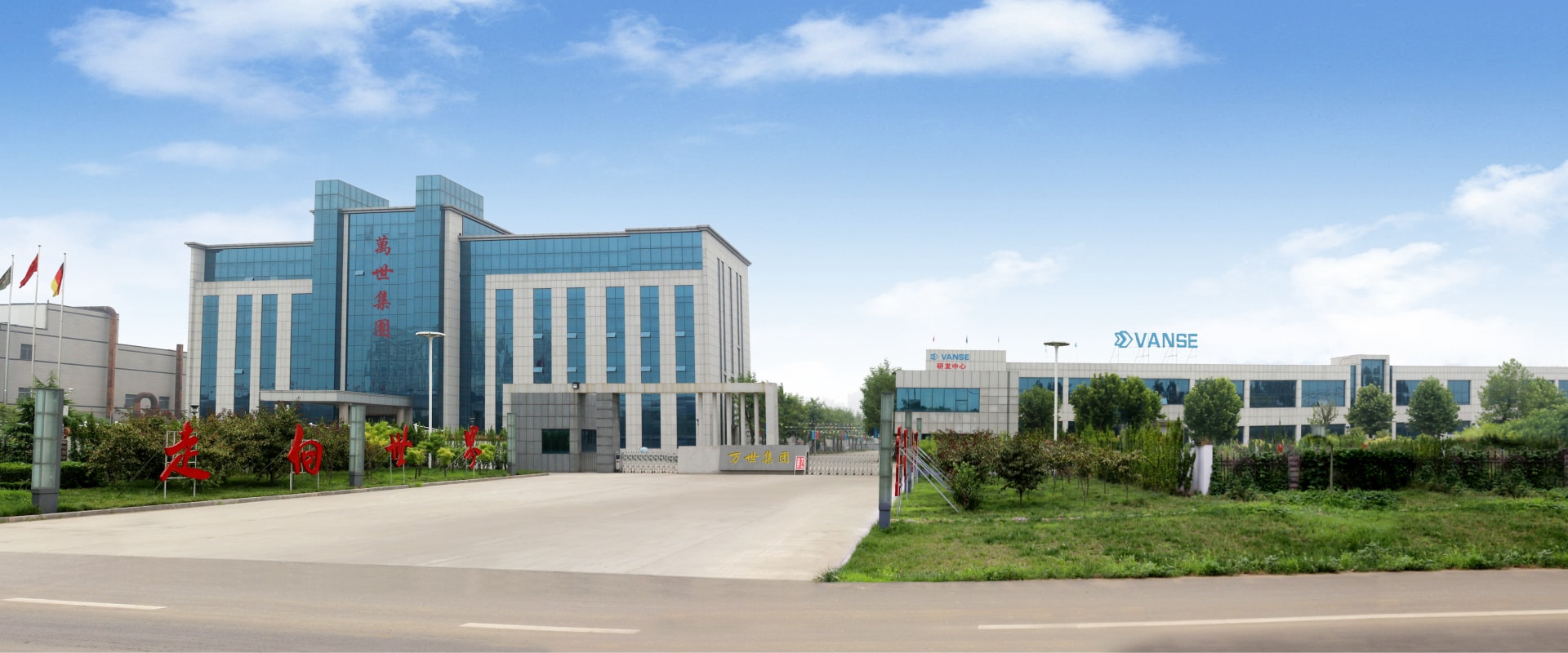
For those seeking an industrial partner in Italy, beyond just a supplier, VANSE represents a concrete proposition in the telehandler segment thanks to a specialised production base active since 2013, CE and ISO 9001 certified processes, and a cumulative output exceeding 8,000 units exported to over 40 countries, including mature European markets. VANSE telehandlers are designed with internationally recognised core components, such as Perkins and Cummins engines combined with premium hydraulic systems, transmissions and axles, while each machine undergoes load testing, safety inspections and performance validation before delivery – elements that provide technical evidence of standards aligned with global benchmarks. On the commercial side, the company serves end users, distributors, dealers, rental companies, brand owners and individual buyers through flexible models including direct sales, wholesale supply, OEM/ODM collaboration, customisation of specifications, colours and branding, as well as regional distribution partnerships; those wishing to explore the range can consult the section attrezzature e macchine. In terms of operational presence, VANSE already has consolidated experience with European customers and is strengthening its international infrastructure with branches and local capabilities abroad, expanding warehouses and after-sales organisation, supported by online technical support, pre-sales assistance, after-sales service and spare parts coordination through the dedicated team available on the page services; this approach demonstrates a long-term commitment to European and Italian buyers, not a simple remote export logic. To learn more about the company profile, visit chi siamo or request direct contact via the page contatti.
How to evaluate a quotation professionally
A serious quotation should include at least: exact model, load chart, engine, transmission, tyres, cab, accessories, delivery times, Incoterm or delivery terms, warranty, initial spare parts kit, training, compliance documents and service conditions. If any of these elements is missing, comparing offers becomes misleading.
It is also useful to ask the supplier for an annual cost simulation: routine maintenance, consumption, tyre wear, filters, expected downtime and residual value after three or five years. This approach is particularly important for rental companies and businesses with multiple fleets.
Errori comuni da evitare
- Buying based solely on nominal capacity without reading the actual load chart.
- Underestimating height and outreach, causing continuous repositioning on site.
- Ignoring the spare parts network and discovering too late that downtime is incompatible with the work.
- Neglecting accessories at the ordering stage, losing productivity or compatibility.
- Not checking dimensions for access to stables, sheds, tunnels or narrow yards.
- Comparing different brands without aligning equipment, warranty and service package.
Domande frequenti
What is the best telehandler to buy in Italy?
The best one is the one that meets the actual work requirements at the lowest total cost. In general, for mixed Italian use, models from 7 to 10 metres and 3–4 tonnes are in high demand, but for stables or low sheds a compact model is often preferable.
Meglio comprare nuovo o usato?
A new machine is advisable when warranty, specific configuration, high annual use or dedicated accessories are needed. A used one can be cost-effective if it has a traceable maintenance history, consistent hours and still readily available spare parts.
Is it worth considering international suppliers in addition to brands already present in Italy?
Yes, provided you verify CE certifications, reliable components, service, spare parts and commercial support. For some distributors and professional users, a well-structured international manufacturer can offer a very interesting cost-performance ratio.
What height is needed for agriculture?
Many farms work well with 5–7 metres, but it depends on the height of buildings, bale handling and the vehicles to be loaded. When working in tight spaces, compactness is as important as height.
How much does the port of arrival matter when importing a machine?
It matters a lot. Ports like Genoa, Trieste, La Spezia, Ravenna and Gioia Tauro affect times, internal costs and logistical fluidity. The subsequent transfer to the operational site or dealer must also be planned in advance.
What features will be most in demand in 2026?
Connectivity, predictive maintenance, lower consumption, greater safety, spare parts traceability and low-emission solutions. Attention will also grow towards digital documentation and technical training for operators.
Conclusione
A good purchasing guide for a telehandler in Italy always leads to the same conclusion: start from the application, check real working data, compare suppliers using uniform criteria and attach great importance to service. Local and global brands with a strong national network remain important references, but well-structured international suppliers can also become very valid options when they combine certifications, recognised components, commercial flexibility and tangible customer support. For companies, farms, rental firms and Italian distributors, the right choice is the one that ensures continuous productivity, operational safety and a sustainable total cost over time.
Gamma completa di attrezzature per carrelli telescopici
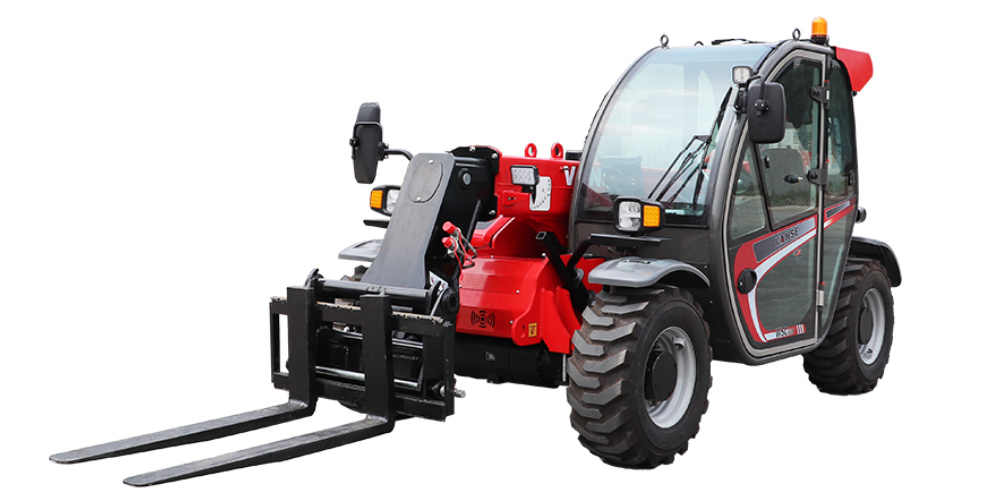
Carrello telescopico VANSE 625 6m
Progettato per una gestione efficiente dei materiali e lo stoccaggio in magazzini, fabbriche e cantieri ristretti, con manovrabilità compatta e prestazioni affidabili.

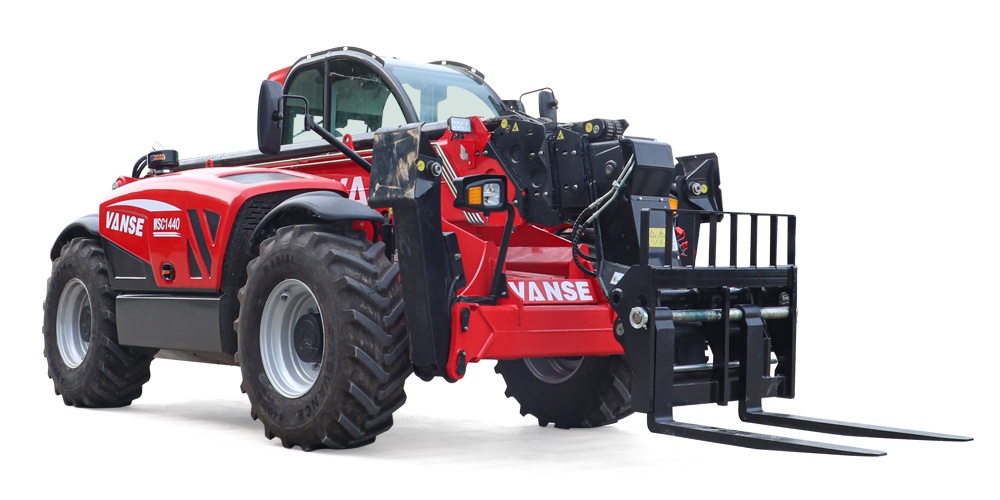
Carrello telescopico VANSE 735 7m
Soluzione equilibrata per impieghi medi in costruzioni, agricoltura, logistica e magazzinaggio, che unisce sollevamento stabile, trazione potente e versatilità quotidiana.


L'autore:
Il team VANSE è composto da professionisti esperti specializzati in ricerca, produzione e supporto tecnico per macchinari da costruzione. Con profonda conoscenza del settore e esperienza pratica, i nostri ingegneri e specialisti di prodotto condividono consigli pratici su selezione attrezzature, operazioni, manutenzione e tendenze del settore.
Condividi
Potresti essere interessato anche a
-

Ottobre 22, 2026
Telehandler for Grain Handling on Large Modern Farm Sites
Explore telehandler grain handling options in the United States, including suppliers, specs, farm uses, and cost-saving buying advice for grain operations.
-
Ottobre 21, 2026
Telehandler vs All Terrain Forklift: Which Lifts Better
Telehandler vs all terrain forklift in the United States: compare reach, lifting, terrain use, costs, and supplier options for smarter equipment buying.
-
Ottobre 20, 2026
10 Ton Telehandler: Extreme Lifting for Major Industrial
Explore 10-ton telehandler options in the United States, top suppliers, buying tips, applications, and service support for major lifting projects.
-
Ottobre 19, 2026
Telehandler for Demolition: Safe Structural Dismantling
Explore telehandler demolition options in the United States, including suppliers, attachments, safety, market trends, and cost-effective sourcing advice.