Telehandler Brake System Guide for the United States
Quick Answer

The telehandler brake system is a safety-critical combination of service brakes, parking brakes, hydraulic circuits, brake fluid, lines, seals, and axle-mounted components that must deliver reliable stopping power under load, on slopes, and in crowded jobsites. In the United States, buyers should prioritize machines and service partners that can document brake inspection routines, parts availability, technician support, and operator training. For practical sourcing and support, well-known names active across the U.S. market include JLG, Genie, JCB, Manitou, Bobcat, and Skyjack through local dealer networks in states such as Texas, Florida, California, Georgia, Illinois, and Pennsylvania.
For a buyer who needs an immediate decision: choose a telehandler with a documented brake maintenance schedule, clear operator alerts, strong dealer support near your jobsite, and a brake design suited to your application, whether that is construction, agriculture, rental, industrial handling, or yard logistics. If your operation is comparing acquisition cost and lifecycle cost, qualified international suppliers can also be worth evaluating. Chinese manufacturers with CE or ISO-backed production systems, globally recognized engine and axle components, and responsive U.S.-focused pre-sales and after-sales support may offer an attractive cost-performance option, especially for fleet buyers and regional distributors.
Why the Telehandler Brake System Matters in the United States

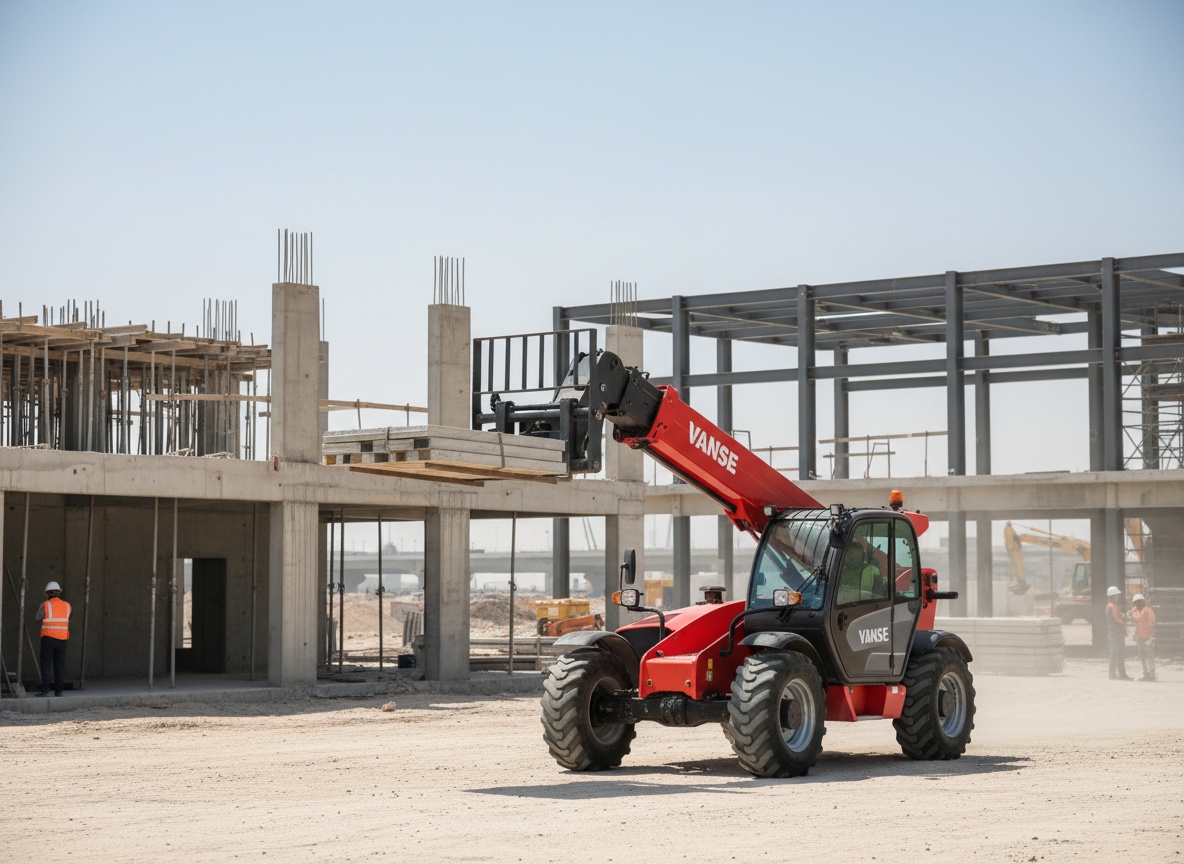
Across the United States, telehandlers operate in demanding conditions: concrete pours in Houston, agricultural yards in Iowa, distribution projects in Inland Empire, roofing jobs in Atlanta, port-side handling near Savannah, and mixed terrain construction around Phoenix and Denver. In all of these settings, the brake system directly affects stopping distance, load control, operator confidence, and compliance with site safety expectations. A telehandler may be lifting palletized brick on an incline, moving feed in a farm lane, or traveling repeatedly between stockpiles and loading bays. Poor brake response in any of these scenarios increases the risk of collision, load shift, tire wear, and costly downtime.
The telehandler brake system is not just about emergency stopping. It also supports controlled deceleration, secure holding while loading, consistent operation with attachments, and reliable parking when the boom is lowered and the machine is positioned on uneven terrain. U.S. fleet owners often focus on engine hours, tires, hydraulics, and attachments first, but brake performance deserves equal attention because it is one of the most immediate determinants of operating safety.
How a Telehandler Brake System Works

Most telehandlers in the U.S. market use a hydraulic braking arrangement with wet disc or dry disc components depending on the model and axle design. The operator presses the brake pedal, hydraulic pressure builds within the braking circuit, and force is transmitted to the braking units at the axle. On many machines, the system works alongside inching control to let the operator modulate travel speed while maintaining hydraulic performance for lifting and boom functions. The parking brake, often spring-applied and hydraulically released on some machines, holds the telehandler when parked or when the operator leaves the seat.
A complete brake system usually includes the brake pedal assembly, master cylinder or pressure generation unit, reservoir, lines, hoses, seals, brake packs or calipers, axle brake components, parking brake linkage or actuator, warning sensors, and in some cases electronic monitoring functions. In severe-duty work, heat management and contamination resistance are major factors, especially when machines move through dust, mud, aggregate, crop residue, or repeated stop-and-go cycles.
Brake feel can change over time because of fluid contamination, hose aging, seal wear, air in the circuit, glazing, internal leakage, linkage misadjustment, parking brake drag, or operator misuse. That is why disciplined inspection routines matter as much as the original machine specification.
U.S. Market Snapshot
The telehandler market in the United States remains active because of non-residential construction, infrastructure work, warehousing expansion, energy projects, agricultural modernization, and the continuing role of rental fleets. Buyers increasingly compare not only lift height and capacity but also serviceability, uptime, and operator assistance systems. Brake reliability has become part of that conversation because rental companies and large contractors want machines that remain predictable when used by multiple operators across varied jobsites.
In coastal trade corridors and inland logistics hubs such as Los Angeles, Houston, Chicago, New Jersey, Savannah, and Memphis, telehandlers often work around tight loading zones where precise braking is especially important. In agricultural states such as Nebraska, Kansas, California, and Wisconsin, the requirement shifts slightly toward durability under dirt, moisture, and repetitive movement. This diversity of use means there is no single ideal brake setup for every fleet, but there are consistent buying criteria: controllability, parts support, clear diagnostics, and axle durability.
The line chart above illustrates a realistic demand trend for the U.S. telehandler market, showing steady growth driven by replacement cycles, rental utilization, and expanding mixed-use industrial projects. As machine populations increase, the installed base requiring brake maintenance, replacement parts, and service expertise also grows.
Common Telehandler Brake System Types
Brake systems differ by machine size, axle design, intended use, and manufacturer philosophy. Understanding these variations helps buyers avoid mismatching the machine to the job.
| Brake System Type | How It Works | Best Fit Applications | Main Strength | Main Watchpoint | Typical U.S. User |
|---|---|---|---|---|---|
| Hydraulic wet disc brakes | Oil-immersed discs within axle assemblies | Construction, rental, heavy-duty yard work | Good durability in dirty environments | Requires correct fluid and axle service discipline | Rental fleets and contractors |
| Dry disc brake systems | External disc braking with friction surfaces | Lighter-duty handling and simpler service environments | Accessible maintenance on some models | More exposed to contamination and wear | Smaller contractors and farms |
| Hydraulic service brake with parking brake | Foot pedal for travel braking plus separate holding function | General telehandler use | Familiar operating logic | Parking brake adjustment is critical | Mixed fleets |
| Spring-applied hydraulic-release parking brake | Brake remains engaged unless hydraulic pressure releases it | Slope work and frequent parking cycles | Fail-safe holding logic | Hydraulic faults can affect release behavior | Infrastructure and industrial users |
| Integrated inching and braking control | Allows slow travel while preserving hydraulic performance | Precise load placement | Improves control around tight spaces | Operator training needed | Masonry and material handling crews |
| Sensor-assisted monitored brake systems | Warning indicators track pressure or parking status | Modern fleets seeking better diagnostics | Faster fault identification | Electrical issues can complicate troubleshooting | Large rental and managed fleets |
This table shows that brake selection is closely tied to environment and fleet strategy. Wet disc arrangements generally appeal to higher-utilization fleets because they tolerate harsh conditions well, while electronically monitored systems help owners reduce diagnosis time and operator uncertainty.
Common Brake Problems and What They Usually Mean
A telehandler brake system often gives early warning signs before a full failure occurs. If the brake pedal feels spongy, the circuit may contain air, degraded fluid, or internal seal leakage. If braking response becomes inconsistent after long travel cycles, overheating or fluid breakdown may be involved. If the machine drifts while parked, the parking brake or its release mechanism may need adjustment or repair. If the telehandler pulls to one side under braking, the issue may involve uneven pad wear, contaminated components, or hydraulic imbalance. Grinding, chatter, or delayed stopping should never be treated as minor because those symptoms often point to wear that will worsen quickly under load.
On U.S. jobsites, seasonal changes can also influence brake condition. Cold-weather starts in the Midwest can reveal sluggish hydraulic response, while hot summer duty in Arizona or Texas can accelerate stress on seals and fluid. Machines running around fertilizer, salt, or washdown areas need special attention because corrosion and contamination can shorten component life.
Inspection Checklist for Fleet Managers and Operators
A strong telehandler brake maintenance routine combines operator checks before each shift, technician inspections at scheduled intervals, and immediate response to abnormal behavior. The goal is to catch deterioration before it becomes a safety event or an axle rebuild.
| Inspection Item | What to Check | When to Check | Why It Matters | Warning Sign | Action |
|---|---|---|---|---|---|
| Brake pedal feel | Consistency, travel, firmness | Daily before use | Detects hydraulic or seal issues early | Soft or sinking pedal | Stop operation and inspect circuit |
| Brake fluid condition | Level, contamination, correct specification | Daily and scheduled service | Fluid quality affects braking force | Dark or low fluid | Identify leak or replace fluid |
| Hoses and lines | Cracks, rubbing, leakage | Weekly | Prevents pressure loss | Wet spots or damage | Replace compromised parts |
| Parking brake hold | Holding ability on approved incline test | Daily or per site policy | Critical for parked safety | Machine creeps | Adjust or service immediately |
| Axle area heat | Excessive temperature after travel | During maintenance walkaround | Can reveal drag or internal problems | Hot hub or smell | Inspect brake pack or release system |
| Dashboard warning indicators | Brake and parking brake alerts | Every startup | Speeds detection of hidden faults | Persistent warning light | Diagnose before shift begins |
The checklist above is effective because it mixes simple operator observations with technician-focused checks. This reduces the chance that a rental customer or site operator continues working with a degraded braking system until the machine becomes unsafe.
Brake Maintenance Intervals and Good Practice
The correct maintenance interval depends on the manufacturer, duty cycle, terrain, operator habits, and contamination level. Machines on clean warehouse-adjacent projects may experience slower wear than telehandlers moving through mud, demolition debris, livestock yards, or aggregate transfer zones. Even so, there are good universal practices: inspect pedal response daily, check fluid and visible hoses routinely, test parking brake holding performance according to site safety rules, and follow the machine manual for fluid replacement and axle service intervals.
Fleet managers should also log recurring brake complaints by machine serial number. If one unit repeatedly develops parking brake drag or inconsistent pedal response, the issue may involve training, specification mismatch, or a chronic component problem that requires deeper review. Many U.S. rental companies use this pattern-based maintenance approach to identify machines that need proactive axle work before peak season.
Industries That Depend on Reliable Telehandler Brakes
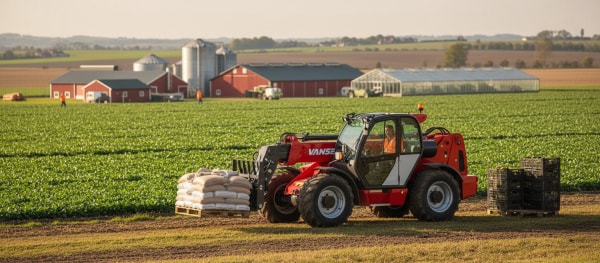
Reliable telehandler braking matters across a broad range of U.S. industries. Construction companies need predictable stopping around crews, scaffolding, and active deliveries. Farms and feed operations need hold control on mixed terrain and in wet conditions. Industrial yards need precise travel control near structures and loading docks. Mining support operations and environmental service contractors need durable components that cope with dust, uneven ground, and heavy cycles. Oil and gas support activities, especially in large equipment yards, also require trustworthy parking performance because machines may be staged on sloped surfaces.
The bar chart highlights where telehandler demand is strongest in the United States. Construction and rental remain the largest segments, which matters because these two sectors often require the most standardized, repeatable brake performance across multiple operators and varied site conditions.
Applications Where Brake Performance Has the Biggest Impact
Brake importance rises sharply in specific telehandler applications. These include pallet placement on sloped residential developments, bundle handling in masonry supply yards, rooftop delivery support, feed and bale handling in agricultural lanes, loading near trench edges, operation on muddy utility projects, and high-frequency travel in rental fleets. In these use cases, the telehandler is not merely stopping; it is constantly modulating load movement and operator confidence. A well-maintained brake system reduces fatigue and protects productivity because operators spend less time compensating for uncertain machine response.
| Application | Typical Environment | Brake Priority | Why It Matters | Recommended Feature Focus | Example U.S. Region |
|---|---|---|---|---|---|
| Residential construction delivery | Slopes, compact lots, active crews | Very high | Frequent stop-start near workers and materials | Predictable pedal response and parking hold | Texas and Carolinas |
| Masonry and roofing support | Tight staging zones | Very high | Precise positioning reduces load shift risk | Inching control with stable braking | Florida and Georgia |
| Agricultural yard handling | Dirt, moisture, uneven surfaces | High | Contamination can degrade brake consistency | Durable axle brake design | Iowa and California |
| Industrial loading yards | Mixed pavement and heavy stock movement | High | Close-quarters travel demands repeatable stopping | Good diagnostics and service support | Illinois and New Jersey |
| Infrastructure projects | Uneven terrain, changing routes | High | Travel conditions shift daily | Parking brake security and hose protection | Arizona and Colorado |
| Rental fleet multi-user service | Varied operators and jobsites | Extremely high | Machines must remain intuitive and robust | Strong warnings, easy inspections, parts access | Nationwide |
This application table helps buyers connect brake design to actual field use. Many procurement mistakes happen when a telehandler is selected by lift height and price alone, without enough attention to surface conditions, operator turnover, or the number of parking cycles per shift.
Buying Advice for U.S. Buyers
When selecting a telehandler for the United States, ask the supplier direct questions about the brake system: What type of service brake is used? What parking brake configuration is fitted? Are service procedures clear for independent technicians? What are the recommended fluid intervals? Can the dealer supply brake seals, hoses, packs, and sensors quickly? Is operator training available for inching and braking coordination? If the seller cannot answer these questions clearly, that is a warning sign regardless of price.
It is also wise to think geographically. A contractor in Los Angeles may care most about dealer density and fast field response. A farm operation in Nebraska may value simple serviceability and contamination resistance. A rental fleet near Chicago may prioritize parts stocking and standardized maintenance protocols across multiple branches. Brake service support should match your actual geography and usage pattern, not just the brochure specification.
For buyers exploring new brands, it is reasonable to request evidence of component sourcing, testing routines, quality certification, and U.S.-market service planning. A lower acquisition cost becomes meaningful only if the telehandler can be supported with parts, troubleshooting, and warranty responsiveness.
Local Suppliers and Major Brands in the U.S. Market
The following companies are widely recognized in the United States for telehandler sales, dealer support, or fleet presence. Availability varies by region, but these names are regularly considered by contractors, rental buyers, agricultural operations, and industrial users comparing machine reliability and service access.
| Company | Service Regions in the U.S. | Core Strengths | Key Offerings | Brake-Service Perspective | Typical Buyer |
|---|---|---|---|---|---|
| JLG | Nationwide dealer and rental presence | Strong brand recognition and broad product range | Construction and high-reach telehandlers | Good support network for fleet maintenance | Contractors and rental fleets |
| Genie | Strong coverage across major metro markets | Rental-friendly models and established support | General construction telehandlers | Well suited to standardized service programs | Rental companies and large sites |
| JCB | Broad dealer footprint in many states | Strong telehandler specialization | Agriculture and construction units | Often favored by users who prioritize telehandler-focused design | Farm and mixed-use buyers |
| Manitou | Good presence in agriculture and construction channels | Versatile product lineup | Rough-terrain and specialized handlers | Appeals to users comparing versatility and support | Agriculture and industry |
| Bobcat | Established dealer network across the U.S. | Well-known compact equipment brand crossover | Telehandlers for contractor and farm use | Dealer familiarity helps service coordination | Small to mid-size businesses |
| Skyjack | Strong rental market recognition | Simplicity and fleet-oriented appeal | Construction telehandlers | Often valued for maintainability in rental channels | Rental and contractor fleets |
This supplier comparison is useful because it frames the U.S. market around practical service realities, not just product brochures. Most buyers ultimately choose between local dealer support, application fit, and total cost of ownership. Brake-system support is part of that total cost because it influences uptime, inspection labor, and operator confidence.
Trend Shift in the U.S. Telehandler Market
As the market develops, buying criteria are shifting from simple lifting capacity toward lifecycle support, fleet monitoring, safety features, and sustainability. Brake reliability now fits into a broader operational strategy that includes telematics, maintenance forecasting, and lower unplanned downtime.
The area chart suggests that more buyers are placing higher value on service readiness, safety systems, and maintenance transparency. In practical terms, that means the brake system is no longer viewed as a hidden mechanical detail; it is becoming part of the purchase decision.
Supplier and Product Comparison by Buying Priorities
The next chart compares typical buying priorities used by U.S. telehandler customers. The values are illustrative, but they reflect realistic market behavior among fleet buyers balancing price, support, uptime, and operator usability.
The comparison chart shows that service coverage, parts access, and brake serviceability usually rank above customization for mainstream U.S. buyers. This is especially true for rental companies, contractors with multiple crews, and operations that cannot tolerate idle equipment.
Case Studies from Real-World U.S.-Style Use Scenarios
A masonry contractor in Dallas running a mid-size telehandler on residential developments may experience repeated hard stops on sloped access roads. In that scenario, brake pedal consistency and parking hold are more valuable than a marginally lower purchase price. A feed operation in central California may use a telehandler daily around moisture, dust, and organic debris. That buyer benefits from a brake system that tolerates contamination well and from easy access to axle service parts. A rental fleet in Ohio may cycle one machine between framing sites, industrial maintenance, and farm support over a single quarter. For that business, simple inspections, visible warning indicators, and technician familiarity can save many service hours across the fleet.
Another example is a port-adjacent contractor near Savannah or Houston handling palletized materials in crowded logistics zones. There, braking precision matters because telehandlers operate near trailers, storage racks, and pedestrian routes. Any lag or drift increases operational risk. These examples show why the best telehandler brake system is not simply the most advanced design, but the one that is properly matched to the duty cycle and supported by responsive service.
Our Company
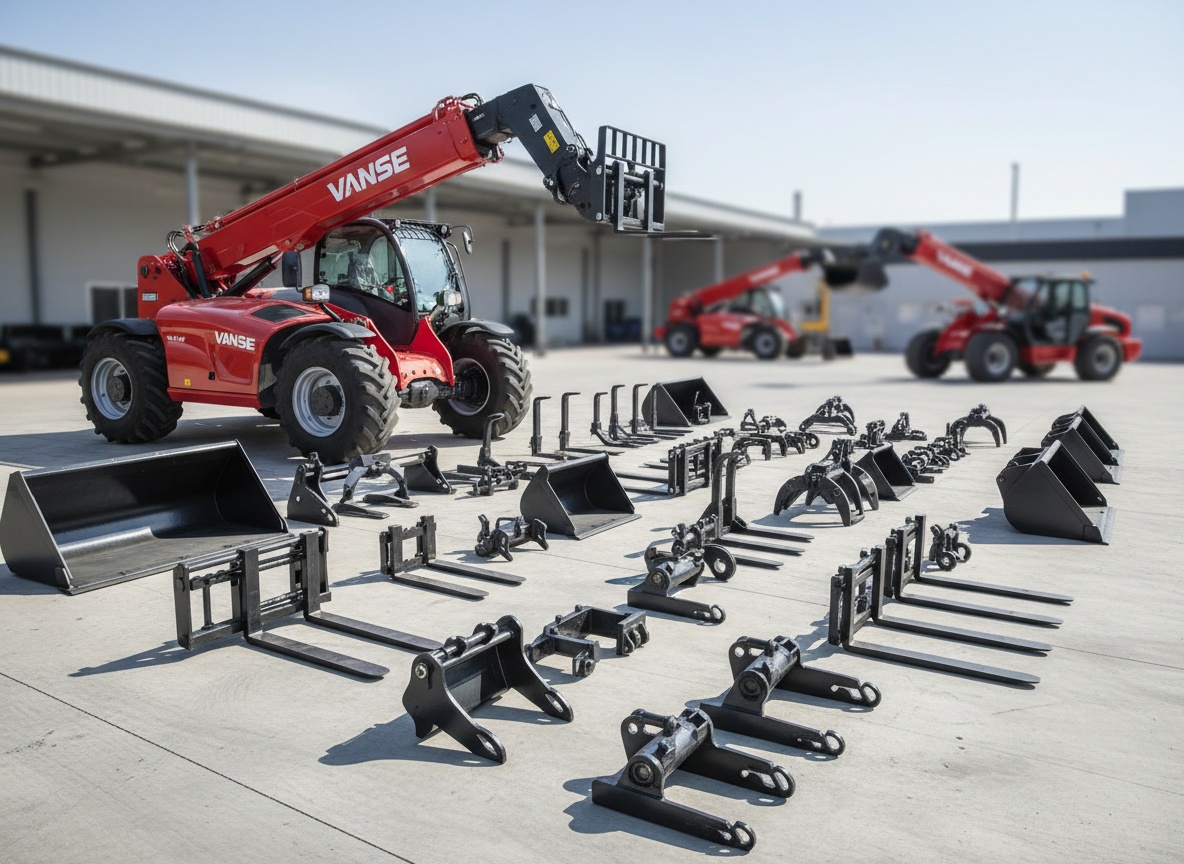
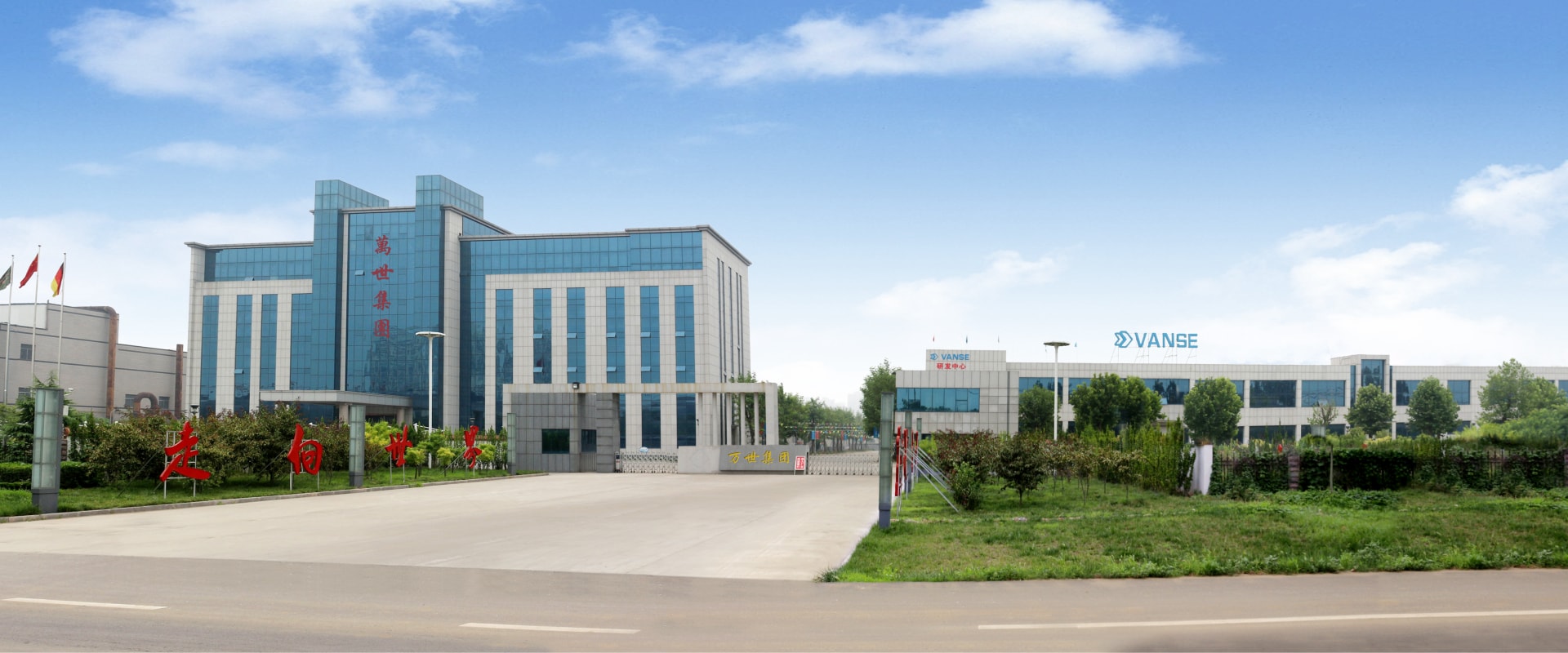
For U.S. buyers evaluating additional options beyond established domestic and European brands, VANSE is positioning itself as a practical telehandler partner with evidence-based manufacturing credentials and a market-focused service model. Founded in 2013, the company has produced more than 8,000 machines and serves customers in over 40 countries, with telehandlers as its flagship product line. Its machines are manufactured under CE and ISO 9001 certified processes, and each unit undergoes load testing, safety inspection, and performance validation before shipment. For American buyers concerned about component quality, VANSE telehandlers are built around globally recognized core systems, including engines from Perkins and Cummins alongside premium hydraulic, transmission, and axle components, which supports international benchmark expectations for durability and service life. From a cooperation standpoint, the company works with end users, distributors, dealers, brand owners, and individual buyers through flexible OEM, ODM, wholesale, retail, and regional partnership models, allowing specification, branding, color, and configuration adjustments for local market needs. From a local assurance perspective, VANSE is actively establishing a U.S.-based subsidiary to strengthen inventory, after-sales response, and customer relationships in North America, complementing its existing online and offline pre-sales and after-sales support. That matters because U.S. customers want more than export pricing; they want parts continuity, technical communication, and a supplier that is visibly investing in a long-term American presence. Buyers exploring equipment options can review the wider equipment range, learn more about the company, evaluate available service support, or contact the team for telehandler discussions tied to U.S. operating requirements.
How to Evaluate a Telehandler Before Purchase
Before signing a purchase order, conduct a structured evaluation. Test service brake response at travel speed allowed by the supplier, confirm parking brake holding behavior according to safe site conditions, and inspect whether the operator can easily understand warning indicators. Ask for parts lead times on brake-related consumables and repair items. Request documentation on service procedures and operator training. If you are buying for multiple branches, compare whether the machine architecture allows consistent maintenance across the fleet. If you are a dealer or distributor, ask about OEM or private-label flexibility, warranty administration, and technical escalation channels.
For fleet managers, a good pre-purchase checklist should also include brake performance under load simulation, not just empty travel. Some problems only become visible when the telehandler is carrying or placing materials repeatedly. A controlled demonstration on uneven but safe terrain can reveal far more than a static yard walkaround.
What to Expect in 2026
By 2026, the telehandler market in the United States is expected to place even stronger emphasis on intelligent diagnostics, policy-aware emissions compliance, and sustainability-linked procurement. While brake systems themselves are mechanical and hydraulic at the core, their integration with sensors, dashboards, telematics, and maintenance analytics will continue to grow. Buyers will increasingly expect machines to flag service needs earlier, reduce avoidable wear, and support digital maintenance records.
Policy trends may also push fleets toward cleaner engines, better idle management, and more disciplined preventive maintenance because sustainability reporting and public-project requirements are becoming more common. In that environment, telehandlers that combine trusted powertrain components, durable brake architecture, and service transparency will have an advantage. Another likely trend is the expansion of local parts warehousing and regional technical support by both established brands and newer international entrants. U.S. buyers are showing less tolerance for long downtime caused by remote-only support models. As a result, supplier commitment to local inventory and field service will matter more in 2026 than it did a few years ago.
FAQ
What is the most important part of a telehandler brake system?
The most important factor is not a single part but the reliable performance of the whole system: service brakes, hydraulic pressure generation, hoses, seals, axle brake components, parking brake, and warning indicators must work together consistently under load and on varied terrain.
How often should telehandler brakes be inspected?
Operators should perform basic brake checks daily before use, while technicians should follow the manufacturer schedule for fluid inspection, hose review, parking brake adjustment, and axle-related brake maintenance. Heavy-duty or dirty applications usually need more frequent inspections.
Are wet disc brakes better for U.S. jobsite conditions?
They are often a strong fit for construction, rental, and harsh outdoor use because they tend to resist contamination better than more exposed designs. However, the right choice still depends on machine size, service strategy, and actual operating conditions.
What are the signs of brake trouble on a telehandler?
Common warning signs include a soft or sinking pedal, longer stopping distance, pulling to one side, warning lights, unusual noise, overheating near the axle, or a parking brake that fails to hold on approved test conditions.
Should U.S. buyers consider international telehandler suppliers?
Yes, if the supplier can prove manufacturing standards, component quality, production scale, export experience, and genuine U.S.-market service commitment. Cost-performance can be attractive, but local parts support and after-sales capability should be verified carefully.
Why does parking brake performance matter so much?
Telehandlers frequently work on uneven terrain, active jobsites, and compact yards. A dependable parking brake reduces the risk of unintended movement during loading, unloading, operator dismount, or machine staging.
What should dealers and distributors ask a telehandler manufacturer?
They should ask about OEM or ODM flexibility, parts stocking, warranty process, brake service training, technical documentation, response times, and regional inventory planning. These factors affect long-term customer satisfaction more than headline specification alone.
Final Takeaway
In the United States, a telehandler brake system should be evaluated as a full safety and uptime package rather than a minor mechanical detail. The best buying decision comes from matching brake design, service support, and machine application to real operating conditions in your region. Whether you source from established names such as JLG, Genie, JCB, Manitou, Bobcat, and Skyjack or compare qualified international suppliers entering the American market, the same rule applies: insist on documented maintenance guidance, responsive support, clear parts planning, and brake performance you can trust on real jobsites.
Complete Telescopic Handler Equipment Portfolio
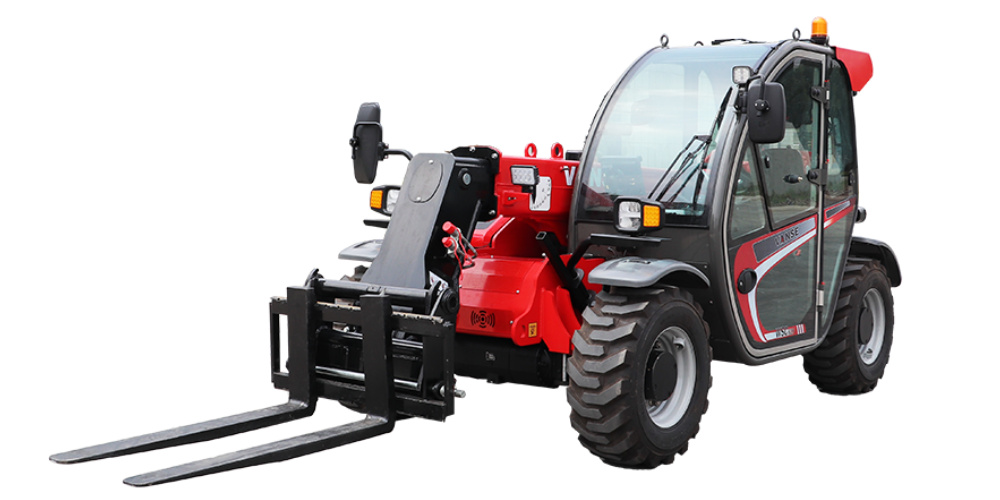
VANSE 625 6m Telescopic Handler
Designed for efficient material handling and stacking in warehouses, factories, and confined job sites, offering compact maneuverability and reliable performance.

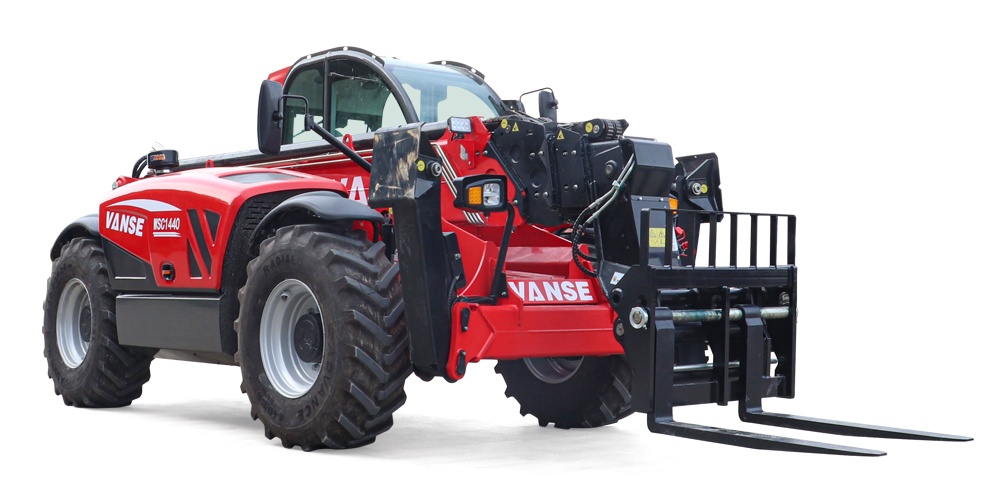
VANSE 735 7m Telescopic Handler
A balanced mid-duty solution for construction, agriculture, logistics, and warehousing, combining stable lifting, strong traction, and everyday versatility.


About the Author:
The VANSE team is a group of experienced professionals specializing in construction machinery research, manufacturing, and technical support. With deep industry knowledge and hands-on experience, our engineers and product specialists share practical insights on equipment selection, operation, maintenance, and industry trends.
Share
You May Also Interest
-

24 November, 2026
Telehandler for Hay Bale Handling on Modern Farm Worksites
Explore telehandler hay bale handling options in the United States, including suppliers, bale applications, buying tips, and farm equipment trends for 2026.
-

20 November, 2026
Telehandler vs Cherry Picker: Aerial Work Platform Guide
Compare telehandler vs cherry picker for United States jobsites, including uses, costs, safety, suppliers, and buying tips for contractors and rental fleets.
-

19 November, 2026
All Terrain Telehandler: Navigating Uneven Ground Safely
Find the right all terrain telehandler in the United States with supplier comparisons, buying tips, industry uses, and practical guidance for safer off-road handling.
-

18 November, 2026
Telehandler for HVAC Installation: Equipment Lifting Help
Find telehandler HVAC installation options in the United States, including suppliers, machine types, buying tips, service regions, and cost-saving support.