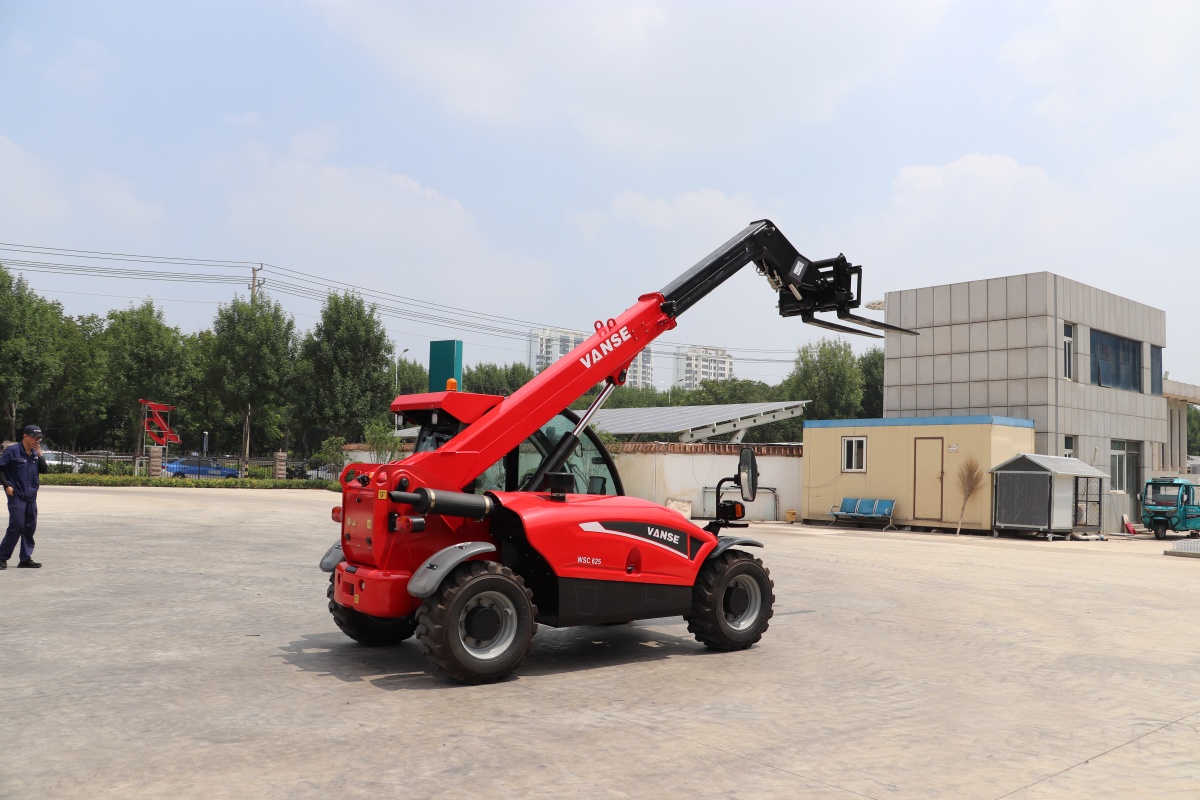
How to Choose a Telehandler in the United States
Quick Answer

To choose the right telehandler for a job in the United States, start with five practical checks: required lift capacity, maximum lift height, forward reach, terrain conditions, and attachment compatibility. For urban commercial work in cities such as Houston, Dallas, Atlanta, Phoenix, and Los Angeles, compact or mid-size models often fit tight access and mixed-material handling needs. For large-scale projects around Chicago, Denver, Kansas City, and logistics corridors near the Port of Savannah, Port of Houston, and Port of Los Angeles, higher-capacity telehandlers with stronger boom stability and rough-terrain performance are usually the better fit. Buyers should also compare local dealer service, parts availability, operator visibility, safety systems, and total cost of ownership rather than focusing only on purchase price.
A short list of practical suppliers to compare in the U.S. includes JLG, Genie, JCB, Bobcat, SkyTrak, and Caterpillar dealers where applicable in regional fleets. Qualified international suppliers can also be worth serious consideration if they hold recognized certifications, use globally trusted core components, and provide strong pre-sale and after-sale support in the U.S. market. This is especially relevant when buyers want better cost-performance, flexible specifications, and OEM or private-label options without giving up reliability or service assurance.
What the U.S. Telehandler Market Looks Like

The U.S. telehandler market is shaped by construction cycles, agricultural demand, industrial material handling, rental fleet purchasing, and infrastructure spending. Demand remains strongest in fast-growing states such as Texas, Florida, California, Arizona, Georgia, and the Carolinas, where contractors need versatile lifting equipment that can replace or supplement forklifts, cranes, and wheel loaders on mixed-use sites. Telehandlers are especially valuable when a project requires both reach and mobility across rough ground.
In the United States, telehandlers are widely used on commercial building sites, residential developments, road and bridge work, warehouse construction, precast yards, farms, feed operations, ports, energy projects, and equipment rental fleets. Rental companies often prefer models that are easy to train on, straightforward to maintain, and adaptable through fork carriages, buckets, truss booms, work platforms, and lifting hooks. End users often place more weight on task-specific performance, fuel economy, cab comfort, and site access.
Another defining feature of the market is service density. A machine that looks attractive on paper can become expensive if filters, cylinders, seals, tires, or electronic parts take too long to arrive. That is why U.S. buyers in places like Memphis, Columbus, Charlotte, and Salt Lake City often evaluate dealer networks and warehouse support as carefully as machine specifications.
U.S. Telehandler Market Growth Trend

The market has been supported by steady rental penetration, replacement of aging fleets, and investment in logistics, manufacturing, and infrastructure. The chart below illustrates a realistic demand trend for the U.S. telehandler market.
Core Factors That Determine the Right Telehandler
A telehandler should be selected by job requirement, not by brand popularity alone. The right machine is the one that safely lifts the actual load to the actual height and reach required under the real conditions of the site. That means a contractor handling palletized block at 24 feet on level ground may need something very different from a framing crew placing material at 44 feet on an uneven lot.
The first factor is rated lift capacity. Always base this on the heaviest routine load, not the average load. If the machine will handle brick packs, steel bundles, pipe, or bagged material, build in margin for attachment weight and changing load centers. The second factor is lift height. Buyers often underestimate required height because they focus on roofline rather than actual placement point. The third factor is forward reach. On congested jobsites, it may be more important than vertical lift because the machine cannot always get close to the structure.
The fourth factor is ground condition. Mud, loose aggregate, slopes, and unfinished subgrades all change machine behavior. In rough-terrain environments, axle strength, tire selection, weight distribution, and frame stability matter more than brochure numbers. The fifth factor is attachment use. A telehandler intended for forks only may not be the right choice if the job later requires a bucket, jib, personnel platform, or grapple. Finally, buyers should compare maintenance access, operator controls, emissions compliance, visibility, transport dimensions, and dealer response time.
Specification Checklist by Job Condition
The table below gives a practical way to connect job conditions to machine requirements. It is useful for contractors, rental managers, and farm operators who need a faster screening method before requesting quotations.
| Job Condition | Recommended Lift Capacity | Typical Lift Height | Best Machine Style | Important Attachments | Key Buying Note |
|---|---|---|---|---|---|
| Urban commercial construction | 5,500 to 8,000 lb | 19 to 42 ft | Compact or mid-size telehandler | Forks, bucket, truss boom | Check width, turning radius, and transport height |
| Residential framing and roofing | 5,500 to 10,000 lb | 36 to 55 ft | Mid-reach rough-terrain model | Forks, work platform, jib | Prioritize visibility and smooth boom control |
| Large infrastructure projects | 8,000 to 12,000 lb | 42 to 56 ft | Heavy-duty telehandler | Forks, lifting hook, pipe handling tools | Review stability charts for extended reach lifts |
| Agriculture and feed operations | 5,500 to 9,000 lb | 17 to 30 ft | Ag-focused telehandler | Bucket, bale clamp, pallet forks | Hydraulic flow and daily service access matter |
| Warehousing and industrial yards | 4,000 to 6,600 lb | 15 to 26 ft | Compact industrial telehandler | Forks, side-shift options | Measure aisle space and surface conditions |
| Mining, oil, and energy support | 10,000 to 12,000+ lb | 44 to 56+ ft | High-capacity rough-terrain model | Forks, winch, boom hook, specialty tools | Demand stronger cooling, filtration, and axle durability |
This checklist is most useful when paired with actual load charts from the manufacturer. A machine can have a strong maximum capacity on paper but lose usable lifting ability quickly as boom angle changes or as a heavier attachment is installed. U.S. buyers should always ask for the attachment-specific load chart before purchase.
Telehandler Types Available in the United States
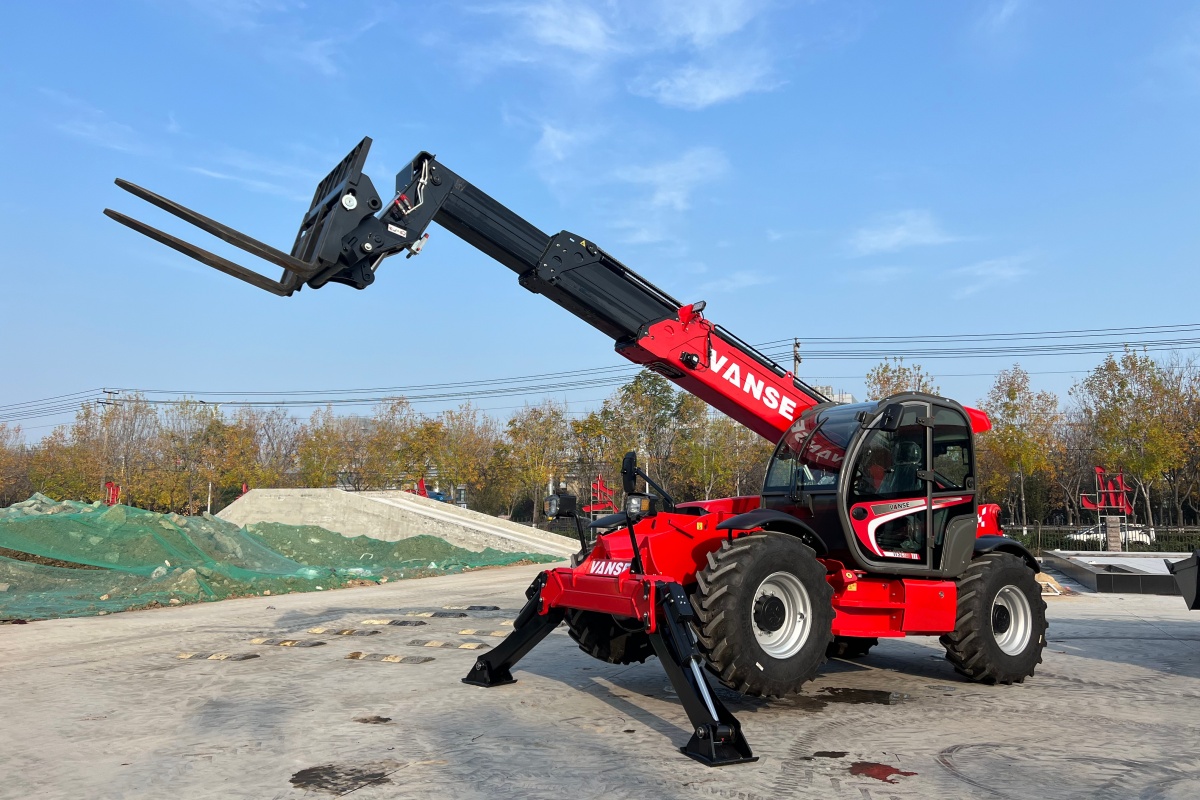
Most machines sold in the United States fall into several practical categories. Compact telehandlers are best for tighter access and lower structures. Mid-size telehandlers dominate general construction because they balance reach, payload, and rental appeal. High-capacity telehandlers are common in industrial, infrastructure, and energy projects. Agricultural telehandlers are designed around repetitive loading, attachment use, and long operating days. Some buyers also consider rotating telehandlers, though they are still more specialized and usually carry a higher acquisition and maintenance cost.
Compact units are useful for landscapers, masons, and contractors working in dense suburban environments. Mid-size units are often the default choice for homebuilders and commercial crews because they can place material to second or third-story elevations while still remaining transportable. Heavy units serve bridge contractors, steel erectors, and industrial plants where load weight matters more than tight-space maneuvering.
Industry Demand by Application
Demand differs by sector, and understanding where a machine will spend most of its time helps buyers avoid overbuying or underbuying. The bar chart below shows realistic comparative demand by major U.S. sectors.
How to Match Telehandler Type to Industry
Commercial construction typically needs flexible machines that can unload trucks in the morning, stage materials in the afternoon, and lift light structural elements when required. Residential builders often prioritize maneuverability, visibility, and enough reach to place framing and roofing materials efficiently. Agriculture requires strong hydraulics, repetitive cycle efficiency, and simpler maintenance routines. Industrial yards focus more on forks, load stability, and reliable daily uptime. Energy and mining sites often need stronger cooling packages, durable undercarriages, and higher-capacity lifting performance in harsh conditions.
Telehandler Type Comparison
The following table compares common machine categories used across the United States. It is intended to help buyers narrow the field before comparing specific models.
| Telehandler Type | Typical Capacity | Typical Height | Best For | Main Advantage | Main Limitation |
|---|---|---|---|---|---|
| Compact telehandler | 4,000 to 6,000 lb | 15 to 26 ft | Landscaping, warehousing, urban jobs | Easy access and lower transport profile | Limited reach for structural placement |
| Mid-size construction telehandler | 5,500 to 10,000 lb | 36 to 55 ft | General contracting, framing, masonry | Most versatile overall category | May be oversized for indoor or tight-yard work |
| High-capacity telehandler | 10,000 to 12,000+ lb | 44 to 56+ ft | Infrastructure, steel, energy | Handles heavier loads at jobsite scale | Higher cost and larger transport needs |
| Agricultural telehandler | 5,500 to 9,000 lb | 17 to 30 ft | Feedlots, dairies, hay, bulk materials | Attachment flexibility and repetitive cycle performance | Not always optimized for commercial construction height needs |
| Industrial telehandler | 4,500 to 8,000 lb | 15 to 30 ft | Plants, yards, ports, manufacturing | Fork handling and stable yard operation | Less suited to extreme rough terrain |
| Rotating telehandler | 8,000 to 13,000 lb | 50 to 100+ ft | Specialty urban and complex lifts | High flexibility in confined placement work | Higher purchase price and added complexity |
This comparison shows why the phrase “best telehandler” is too broad to be useful. The right answer depends on whether the machine is primarily lifting palletized materials, bulk feed, long structural items, or mixed attachments across changing terrain.
Buying Advice for U.S. Contractors and Fleet Managers
Start by defining the primary task and the secondary task. Many telehandlers are purchased for one main use but end up working across multiple crews. A contractor may intend to use the machine for unloading and staging but later rely on it for roof truss placement or elevated material delivery. If the secondary task is common, size the machine to perform both safely. Buying too small often creates hidden costs through repeated repositioning, limited reach, or inability to use heavier attachments.
Request complete documentation, including load charts, hydraulic specifications, engine brand, transmission type, axle configuration, turning radius, shipping dimensions, service intervals, and standard versus optional features. Confirm whether the quoted capacity assumes forks only or includes the attachment that will actually be used. Check local emissions and fleet compliance requirements, especially for municipal, institutional, and port-related work.
Total cost of ownership in the United States often depends on four long-term factors: service response, consumable cost, resale value, and utilization rate. Rental fleet buyers should pay extra attention to operator simplicity, telematics readiness, and recurring wear points. End users often benefit from more tailored specifications, such as enclosed cabs, lighting packages, stronger tires, or higher hydraulic flow for attachments.
Trend Shift in Buyer Priorities
Buyer preferences in the United States have shifted from simple maximum capacity comparisons toward serviceability, attachment versatility, and technology support. The area chart below shows a realistic trend in these priorities through 2026.
Common Mistakes When Choosing a Telehandler
One common mistake is buying based only on maximum lift capacity at ground level. That number does not tell you how much the machine can safely lift at full height or maximum forward reach. Another mistake is ignoring attachment weight. A bucket, jib, or work platform changes the usable load chart and can materially reduce lifting performance. Buyers also make errors by underestimating terrain, overestimating operator skill, or assuming all dealers offer the same service support.
A further mistake in the U.S. market is failing to consider transport and storage. If the machine needs to move frequently between jobs from Tampa to Orlando or between Dallas and Fort Worth, transport height, tie-down points, and trailer compatibility can affect operating efficiency. Finally, some buyers treat telehandlers like a one-size-fits-all replacement for forklifts. That can work on some sites, but ground conditions, mast needs, and load handling patterns still matter.
Applications Across Key U.S. Industries
Construction remains the largest application segment. Telehandlers unload masonry, drywall, rebar, framing packs, roofing bundles, and scaffold materials. In agriculture, they handle feed, bales, fertilizer, seed, and palletized inputs. In manufacturing and industrial yards, they support maintenance shutdowns, steel movement, and plant expansion projects. At ports and logistics centers near Savannah, Houston, Long Beach, and Newark, telehandlers can support yard material movement, container-adjacent operations, and project cargo handling where mobility matters more than continuous indoor forklift operations.
Infrastructure work introduces another layer of complexity because projects may involve unstable surfaces, bridge access constraints, and long-distance logistics. Here, durability, boom responsiveness, and quick maintenance access matter as much as peak specification numbers.
Typical Applications and Recommended Setups
The table below connects industries with common tasks and practical machine configurations.
| Industry | Typical Application | Recommended Capacity | Recommended Height | Useful Attachments | Operational Priority |
|---|---|---|---|---|---|
| Commercial construction | Unload and place palletized building materials | 6,000 to 10,000 lb | 36 to 55 ft | Forks, truss boom | Reach and versatility |
| Residential building | Roofing, framing, drywall staging | 5,500 to 8,000 lb | 36 to 44 ft | Forks, platform, jib | Maneuverability and visibility |
| Agriculture | Feed loading, bale handling, barn support | 5,500 to 9,000 lb | 17 to 30 ft | Bucket, bale clamp, forks | Hydraulics and daily uptime |
| Manufacturing | Equipment installation and yard movement | 5,000 to 8,000 lb | 19 to 30 ft | Forks, hook, side-shift tools | Precision handling |
| Infrastructure | Bridge materials, pipe, structural components | 8,000 to 12,000 lb | 44 to 56 ft | Forks, hook, winch tools | Stability on rough ground |
| Energy and mining support | Pipe, maintenance parts, heavy site logistics | 10,000 to 12,000+ lb | 44 to 56+ ft | Forks, hook, specialty attachments | Durability and cooling performance |
This table helps buyers translate industry language into equipment requirements. It is especially useful for procurement teams that need to compare multiple offers from regional dealers and manufacturers using one consistent framework.
Real-World Selection Scenarios
A general contractor in Austin building a mid-rise residential project may need a telehandler that can unload block, place framing materials, and support roofing crews. In this case, a mid-size machine around 6,000 to 8,000 pounds with 42 to 44 feet of lift height often offers the best balance. A farm operation in Iowa or Nebraska loading feed and handling bales may be better served by a lower-height agricultural machine with stronger hydraulic response, easy cab access, and durable bucket options. A steel-related project in Ohio or Pennsylvania may require higher capacity and careful review of load charts at forward reach rather than pure lift height.
In each case, the buyer should align the machine with the dominant task, not the occasional task. If the occasional task is unusually demanding, it may be more economical to rent a larger specialized unit when needed rather than overspecifying the fleet machine year-round.
Local Suppliers and Brands to Compare in the United States
The United States has a mature telehandler supply market with strong domestic, European, and international participation. Buyers typically compare not just the machine itself, but also dealer presence, training, attachment support, financing options, and parts lead times. The following table highlights well-known companies and practical reasons to include them in a buying shortlist.
| Company | Service Region | Core Strengths | Key Offerings | Best Fit Buyer | Practical Note |
|---|---|---|---|---|---|
| JLG | Nationwide U.S. dealer and rental coverage | Strong rental presence, broad model range, familiar controls | Construction telehandlers and access equipment | Rental fleets and general contractors | Good choice where fleet standardization matters |
| Genie | Nationwide with strong dealer support | Reliable jobsite performance and established support channels | Rough-terrain telehandlers and aerial platforms | Construction firms and rental houses | Often shortlisted for mixed fleet environments |
| JCB | Broad U.S. presence, strong in agriculture and construction | Brand recognition, application breadth, ag expertise | Construction and agricultural telehandlers | Farm operators, contractors, dealers | Strong option where ag and construction needs overlap |
| Bobcat | Wide U.S. dealer network | Compact equipment reputation, expanding material handling lineup | Telehandlers, loaders, compact equipment | Contractors wanting one-brand fleet support | Dealer relationship can be a major advantage |
| SkyTrak | Widely recognized across U.S. construction markets | Familiar telehandler platform in building trades | Construction telehandlers | Homebuilders and material handlers | Frequently considered for proven jobsite familiarity |
| Caterpillar dealers | Varies by dealer network and territory | Strong support culture and heavy equipment relationships | Material handling through dealer channels and related fleets | Large contractors and industrial buyers | Support quality often depends on local dealer capability |
| Manitou | Available in major U.S. markets through dealer partners | Strong heritage in telehandlers and specialized applications | Construction, agriculture, and rotating telehandlers | Specialty lifting buyers | Worth comparing where advanced configurations are needed |
This supplier comparison is intended as a practical starting point. The best choice can vary by state because service quality is often determined by the local branch, field technicians, and parts warehouse support rather than by the national brand name alone.
Supplier and Product Comparison View
The chart below compares realistic buyer evaluation scores across common purchase criteria. It helps show why some brands lead in one area while others remain attractive because of pricing or application fit.
How to Evaluate a Supplier Beyond the Machine
In the United States, a telehandler supplier should be evaluated on five practical dimensions: machine suitability, local service response, parts availability, operator support, and commercial flexibility. Local stock matters because waiting weeks for critical wear parts can stall a project. Technical support matters because modern machines increasingly combine mechanical, hydraulic, and electronic systems. Financing and partnership flexibility also matter for dealers, regional distributors, and rental firms.
When comparing quotations, ask whether the supplier supports attachment packages, private labeling, custom colors, fleet orders, warranty terms, and local technical training. A supplier that can adapt the machine to a regional application is often more valuable than one that only offers a fixed specification.
Our Company in the U.S. Market
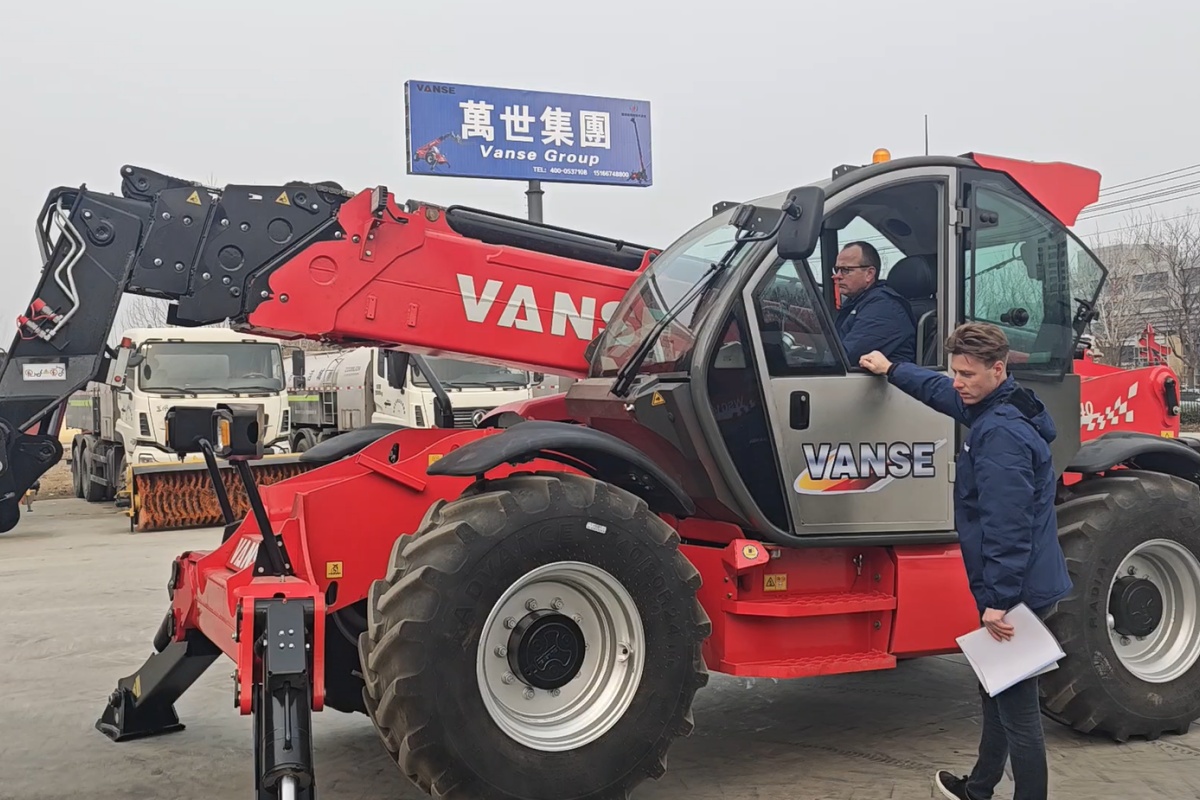
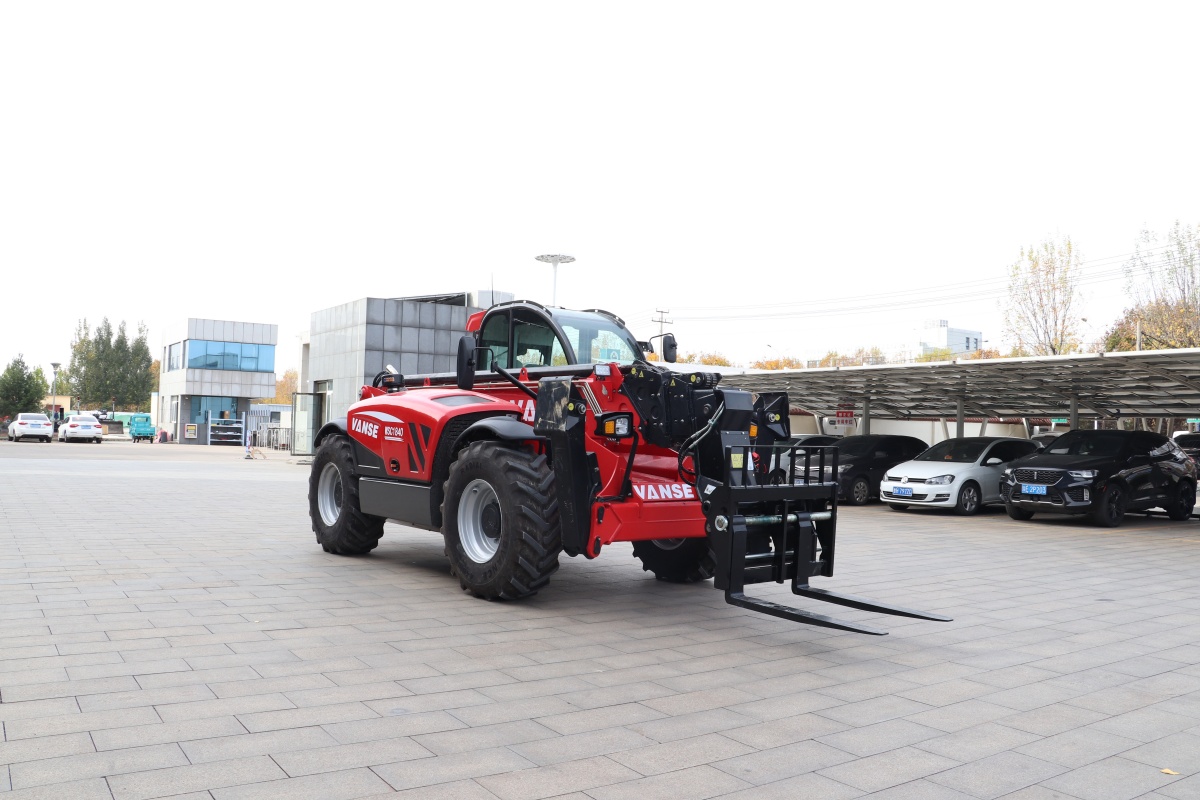
For buyers who are open to comparing qualified international manufacturers alongside established domestic brands, VANSE is worth evaluating because its telehandler line is built around internationally recognized quality controls and globally trusted core components rather than low-cost substitution. The company manufactures under CE and ISO 9001 certified processes, uses engines from well-known brands such as Perkins and Cummins, and subjects each machine to comprehensive load testing, safety inspection, and performance validation before shipment. That technical foundation is supported by more than a decade of manufacturing experience, cumulative output exceeding 8,000 units, and deliveries to more than 40 countries, including customers across North America. For the U.S. market, VANSE serves end users, distributors, dealers, rental partners, brand owners, and even smaller buyers through flexible wholesale, retail, OEM, ODM, and regional partnership models, allowing machines to be customized by specification, branding, color, and application package. The company is not approaching the market as a distant exporter only; it is actively building a U.S.-based subsidiary with local inventory, stocking plans, and after-sales capability to strengthen response time and long-term customer support. Buyers can review its broader equipment portfolio, learn more about the company, see available service support, or contact the team for a specification review tied to local job requirements.
Why International Suppliers Can Make Sense in the United States
U.S. buyers increasingly compare domestic and international sources because the market now values cost-performance, not just legacy brand familiarity. If a supplier offers documented testing standards, recognized certifications, globally sourced engines and hydraulics, customizable specifications, and credible local support, it can be a highly practical choice for contractors, dealers, and rental companies. This is especially true for buyers looking to stretch capital budgets without moving into an unverified equipment category.
The key is discipline in evaluation. International sourcing only works well when the supplier can prove real production capability, real export experience, clear parts planning, and tangible service commitments inside the U.S. market. Those points matter far more than marketing language.
Case Studies from Typical U.S. Buying Situations
A regional rental company in Georgia may compare telehandlers primarily on ease of operator handoff, replacement parts pricing, and residual value. For that buyer, machines in the 6,000 to 8,000 pound range with common attachments and intuitive controls often generate the best fleet utilization. A masonry contractor in Southern California may prioritize reach, stability, and transport efficiency because projects move frequently and access can be constrained. A feed operation in Kansas may focus on hydraulic responsiveness, visibility in dusty conditions, and simple maintenance because the machine works daily with buckets and bale tools.
These examples show that the right telehandler is rarely just the largest or least expensive option. It is the machine that minimizes idle time, matches attachment needs, and aligns with the service structure available in the buyer’s state or region.
What Will Matter Most in 2026
Looking ahead to 2026, the U.S. telehandler market will likely be shaped by three major forces: technology adoption, policy and emissions pressure, and sustainability-linked fleet decisions. Technology will continue moving toward telematics, remote diagnostics, load monitoring, camera integration, and simplified maintenance planning. Buyers with multi-state fleets will increasingly expect machine health data that can be tracked centrally. Policy pressure will continue influencing engine choices, jobsite compliance, and procurement documentation, especially in public infrastructure and environmentally sensitive areas. Sustainability will not replace productivity as the main buying driver, but it will increasingly influence fuel efficiency, idle reduction, parts lifecycle planning, and the appeal of machines designed for longer service intervals and lower operating waste.
By 2026, suppliers that combine durable mechanical performance with better diagnostics, easier maintenance access, and flexible configuration options will be in the strongest position. Contractors and rental firms should ask now whether a machine platform can support those future requirements rather than focusing only on current-year pricing.
FAQ
What size telehandler is best for general construction in the United States?
For many general construction jobs, a 6,000 to 8,000 pound telehandler with roughly 36 to 44 feet of lift height is a practical starting point. It covers a wide range of palletized materials and common placement tasks without becoming unnecessarily large for transport.
Is lift height more important than lift capacity?
Neither is more important by itself. The right choice depends on what you need to lift, how high it must go, and how far forward the boom must extend. A machine with good height but weak reach performance may still fail the job.
Should I buy or rent a telehandler?
Buy if utilization is consistent and the machine supports recurring work across your business. Rent if the need is occasional, highly seasonal, or requires a specialized high-capacity unit only a few times a year.
Are Chinese telehandler suppliers suitable for the U.S. market?
They can be, provided the supplier offers recognized certifications, proven export experience, globally trusted components, documented testing standards, and real U.S. service planning. Buyers should verify parts support and local response before purchase.
What attachments should I plan for at the time of purchase?
At minimum, define whether you need pallet forks only or also a bucket, jib, work platform, bale clamp, or hook. Each attachment affects cost, hydraulic needs, and usable load chart performance.
How important is local service support?
It is critical. Even a well-built machine becomes expensive if parts and technical support are slow. In the United States, dealer responsiveness and regional inventory are often decisive factors in total ownership cost.
Final Buying Perspective
If you are deciding how to choose telehandler options for a project in the United States, the most reliable method is to match machine capacity, lift height, reach, terrain suitability, and attachment plan to the actual job rather than the broadest possible use case. Then compare supplier support, local service coverage, training, and total ownership cost. For many buyers, the best result comes from evaluating both established U.S. market brands and qualified international manufacturers that can demonstrate certifications, trusted components, customization capability, and a real commitment to local support. That approach produces a more accurate, lower-risk buying decision and usually a better long-term return on equipment investment.
Complete Telescopic Handler Equipment Portfolio
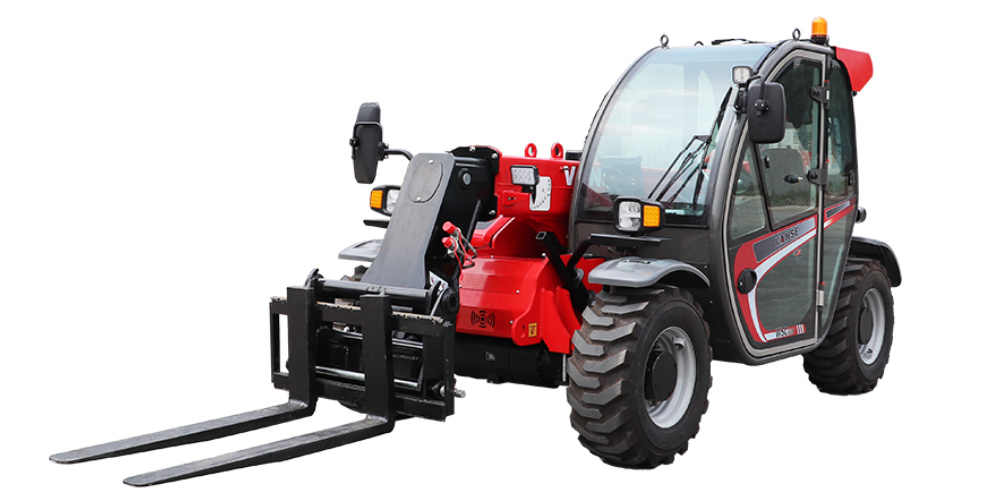
VANSE 625 6m Telescopic Handler
Designed for efficient material handling and stacking in warehouses, factories, and confined job sites, offering compact maneuverability and reliable performance.

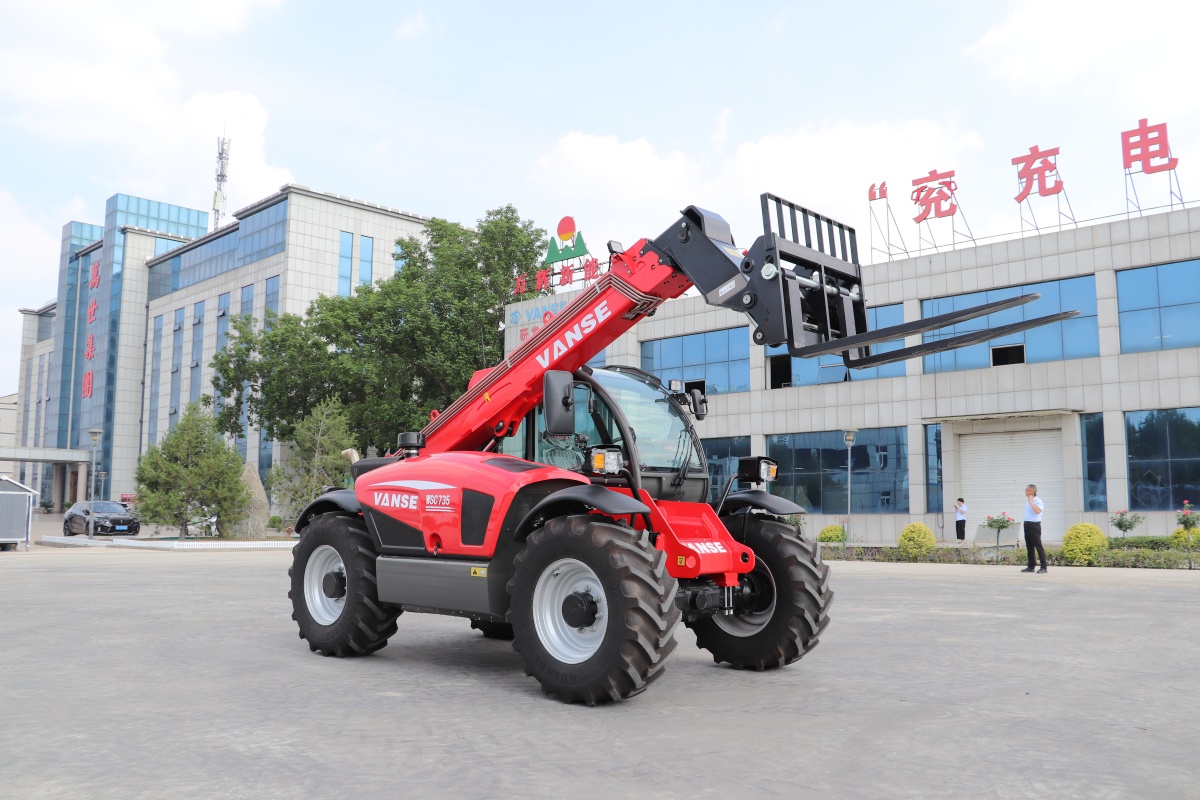
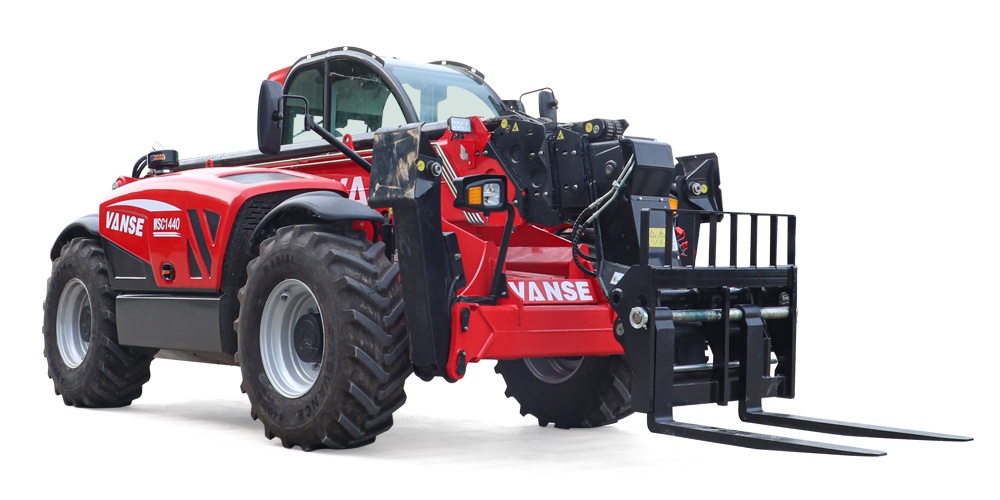
VANSE 735 7m Telescopic Handler
A balanced mid-duty solution for construction, agriculture, logistics, and warehousing, combining stable lifting, strong traction, and everyday versatility.


About the Author:
The VANSE team is a group of experienced professionals specializing in construction machinery research, manufacturing, and technical support. With deep industry knowledge and hands-on experience, our engineers and product specialists share practical insights on equipment selection, operation, maintenance, and industry trends.
Share
You May Also Interest
-

24 July, 2026
Telehandler for Landscaping: Outdoor Project Efficiency
Explore telehandler landscaping options in the United States, including suppliers, applications, costs, and buying advice for efficient outdoor projects.
-
23 July, 2026
6 Meter Telehandler: Ideal Mid-Rise Lift for All Sites
Explore 6 meter telehandler options in the United States, including top suppliers, key specs, applications, pricing factors, and buying tips for local buyers.
-
22 July, 2026
7 Meter Telehandler: Versatile Reach for Any Work Site
Find the right 7 meter telehandler for United States projects with supplier comparisons, use cases, pricing guidance, and local service insights.
-
21 July, 2026
Telehandler Operator Training: Certification Guide 2026
Telehandler operator training in the United States for 2026: certification steps, OSHA compliance, costs, providers, and practical buying guidance.