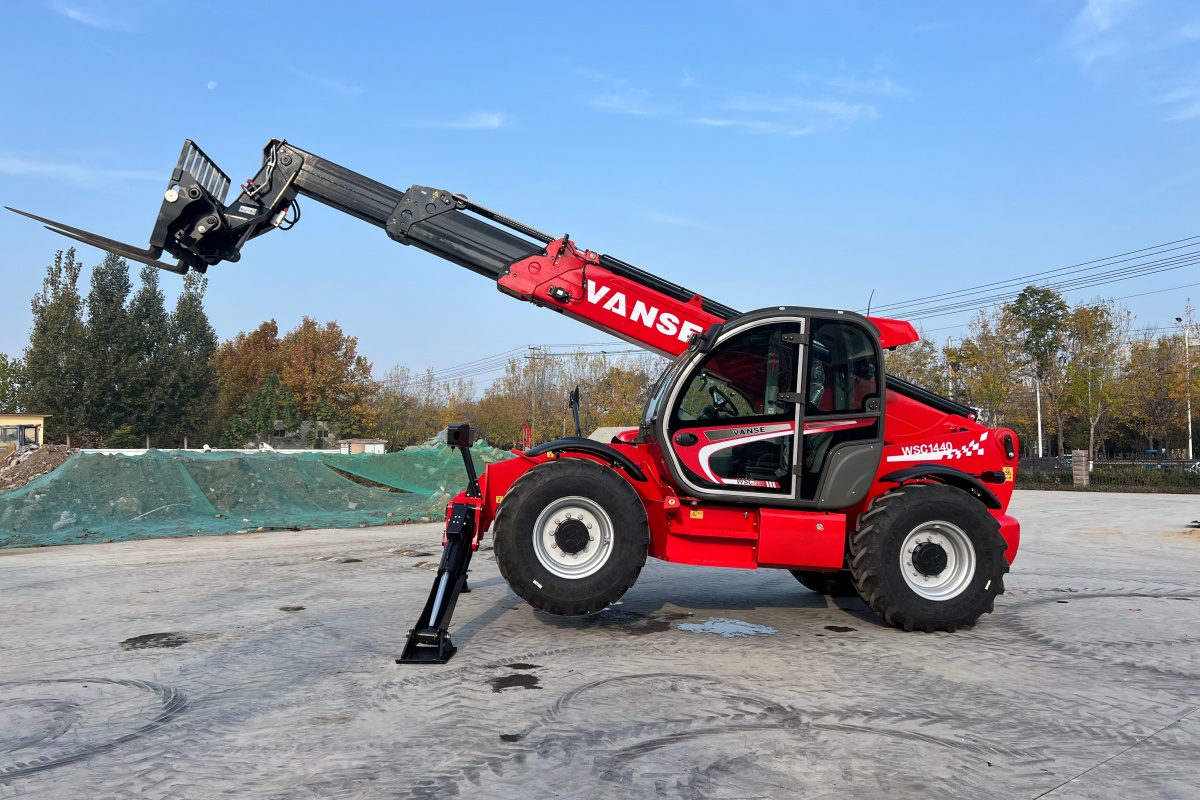
Heavy Duty Telehandler Options for United States Jobsites
Quick Answer

If you need a heavy duty telehandler for large projects in the United States, the most practical short list includes JLG, Genie, JCB, SkyTrak, Manitou, and Dieci because these brands already serve major construction, industrial, and rental markets from hubs such as Houston, Dallas, Atlanta, Chicago, Los Angeles, and the Port of Savannah corridor. For high-capacity work, buyers usually focus on lift capacity, reach, attachment compatibility, emissions compliance, dealer response time, and parts availability rather than sticker price alone.
For buyers that want direct value, strong specification flexibility, and fleet pricing, qualified international suppliers can also be worth evaluating. Chinese manufacturers with CE and ISO-backed production, globally recognized engines, documented load testing, and clear pre-sales and after-sales support can offer a better cost-performance ratio, especially for distributors, rental fleets, and contractors managing multiple machines across the United States.
- JLG: strong North American parts support and wide boom telehandler range for commercial jobsites.
- Genie: widely recognized in rental fleets and urban construction markets with broad service coverage.
- JCB: established heavy-lift models and strong reputation in agriculture and construction.
- SkyTrak: common on U.S. building sites, especially for contractors who prioritize operator familiarity.
- Manitou: flexible line for industrial handling, agriculture, and mixed-use fleet deployment.
- Dieci: notable option for specialized heavy lifting and rotating telehandler applications.
United States Market for Heavy Duty Telehandlers

The United States remains one of the most attractive telehandler markets in the world because project density, labor cost, and material movement requirements all reward machines that can lift more, reach farther, and reduce crane dependence on medium-size sites. Demand is especially strong in fast-growth construction belts such as Texas, Florida, Arizona, Georgia, Tennessee, and the Carolinas, where warehouse expansion, energy projects, data centers, utility upgrades, and mixed-use construction keep equipment fleets busy.
A heavy duty telehandler in the U.S. context usually means a machine selected for large framing packages, steel handling, precast placement support, bulk palletized material, infrastructure maintenance, plant shutdown work, mining support, port yards, and agricultural loading where machine uptime directly affects schedule risk. Buyers around Houston and Beaumont may prioritize port-adjacent and petrochemical use, while contractors in Phoenix and Las Vegas may look harder at cooling performance, dust sealing, and long-hour operation in hot climates. In the Midwest, snow, mud, and variable surfaces push demand for four-wheel drive, higher ground clearance, and enclosed cabs with operator comfort features.
The market is also shaped by the rental industry. National and regional rental houses want telehandlers that are intuitive for operators, easy to transport, and simple to service between customers. That has increased the importance of machine diagnostics, common service parts, quick-attach compatibility, and telematics that can help track location, idle time, and maintenance intervals across large fleets.
Import channels matter too. Equipment flowing through ports such as Los Angeles, Long Beach, Houston, Savannah, Newark, and Norfolk gives U.S. buyers more choices than in the past. This makes supplier evaluation more nuanced: the best option is not always the most famous badge, but the supplier that combines compliant equipment, dependable delivery, financing or stocking arrangements, and support close to the customer’s operating region.
The chart below illustrates a realistic view of U.S. heavy telehandler market momentum as infrastructure spending, logistics development, and industrial construction continue to support demand through 2026.
Product Types and Capacity Classes

Not every large telehandler fits the same duty cycle. Some buyers need maximum lift capacity at lower reach for placing masonry packs or structural bundles. Others need longer reach for elevated material placement on expansive projects. Rotating units, high-reach fixed boom units, and simpler contractor-focused models all sit in different value bands and service models.
Understanding the machine class helps prevent overbuying. Many U.S. contractors start with a headline capacity figure, but actual performance depends on load center, boom angle, attachment weight, tire choice, and whether the unit spends most of its time on slab, compacted aggregate, or rough terrain. Buyers should ask for load charts under realistic conditions rather than relying only on brochure maximums.
| Class | Typical Lift Capacity | Typical Max Lift Height | Best Fit Applications | Main Buyer Type | Notes |
|---|---|---|---|---|---|
| Contractor Mid-Heavy | 10,000 to 12,000 lb | 42 to 56 ft | Commercial builds, framing, packaged materials | General contractors, rental fleets | Good all-around class with broad operator familiarity |
| High-Capacity Fixed Boom | 12,000 to 15,000 lb | 44 to 56 ft | Steel, pipe, precast support, industrial yards | Industrial contractors, infrastructure firms | Popular where higher pick weight matters more than extreme reach |
| Extended Reach Heavy | 10,000 to 12,000 lb | 56 to 70 ft | Multistory construction, bridge support, large campuses | Large builders, specialty subcontractors | Longer reach adds flexibility but changes load chart behavior |
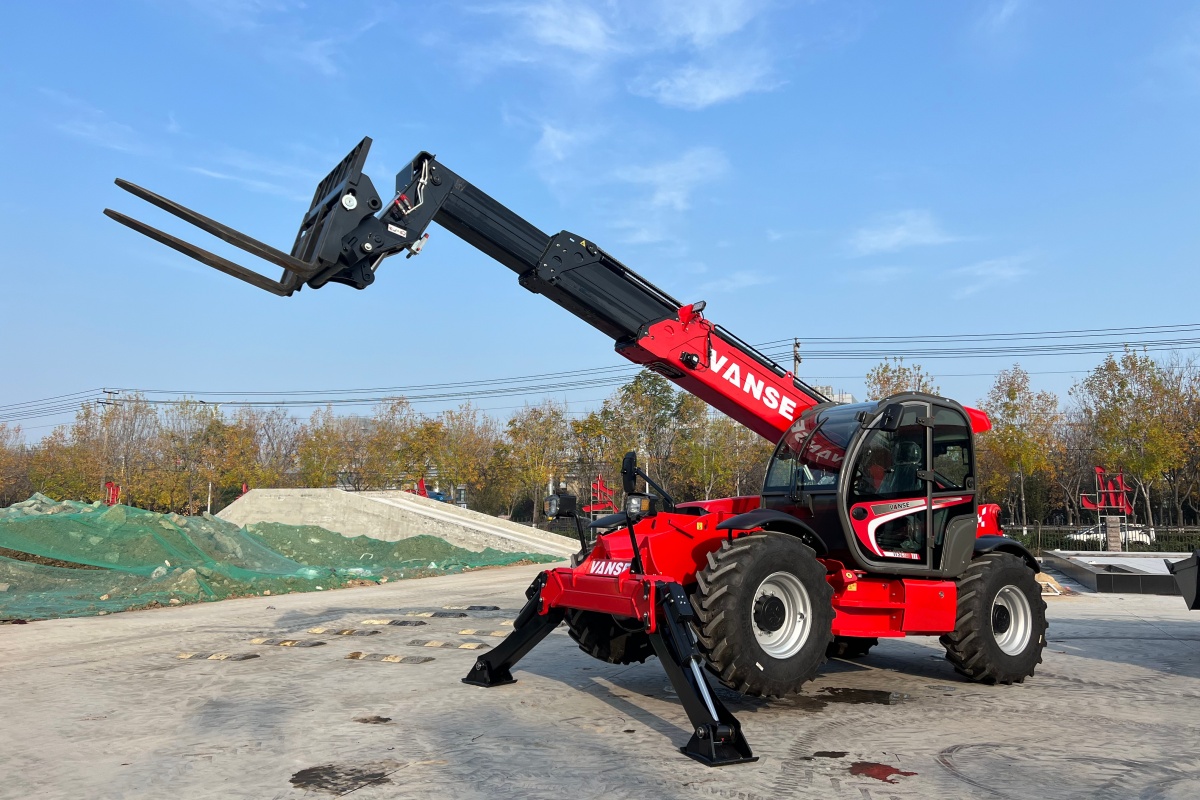
| Rotating Telehandler | 10,000 to 15,000 lb | 60 to 100+ ft | Tight urban jobs, facade work, crane substitute tasks | Specialty rental, complex project teams | High versatility with basket, winch, and jib options |
| Industrial Yard Telehandler | 12,000 to 16,000 lb | 36 to 55 ft | Ports, plants, pipe yards, manufacturing sites | Plant operators, logistics firms | Focus on cycle durability and heavy attachments |
| Agriculture Heavy-Lift | 8,000 to 12,000 lb | 30 to 45 ft | Feed, bale, bulk loading, farm infrastructure | Large farms, ag dealers | Often selected for visibility, hydraulic response, and attachment speed |
This table shows why machine selection should be tied to actual jobs rather than broad brand preference. A port operator in Houston may value durable axles and fork carriage stability, while a general contractor in Charlotte may place greater weight on boom visibility and jobsite maneuverability. Matching the class to the use case reduces both fuel waste and underutilized capacity.
How Demand Varies by Industry
Heavy duty telehandler demand is not evenly distributed. Commercial construction still drives large volumes, but industrial and infrastructure sectors often justify the highest specification units because lifting tasks are more repetitive, loads are more concentrated, and downtime costs are greater. Energy and utilities also create demand in the Gulf Coast and interior industrial corridors, where maintenance shutdowns require fast and reliable material placement around congested sites.
Warehousing and logistics projects around inland ports and major freight corridors such as Dallas-Fort Worth, Memphis, Chicago, and Southern California have further expanded the market for high-capacity telehandlers. These projects need machines that can unload, stage, and place heavy bundles efficiently while moving between uneven outdoor surfaces and structured construction zones.
The bar chart highlights a practical buying insight: if your company works in a high-demand sector, support coverage often matters more than a small acquisition discount. Machine downtime on a data center build in Northern Virginia or a refinery turnaround near Corpus Christi can cost far more than the savings from choosing a supplier with weaker parts infrastructure.
Buying Advice for U.S. Buyers
Buying a heavy duty telehandler in the United States should begin with a usage profile, not a brand list. Start with the heaviest real load, the highest required placement point, the most common attachment, and the tightest turning environment. Then consider trailer limits, state transport rules, and whether the machine must work across multiple crews or remain assigned to one project.
Three questions usually separate a good purchase from an expensive mismatch. First, can the machine safely handle your load at the boom positions you actually use? Second, will local service response meet your project schedule expectations? Third, is the supplier prepared to support the machine with training, parts, and technical troubleshooting over several years?
| Decision Area | What to Verify | Why It Matters | Typical Risk if Ignored | Best Buyer Action | Who Should Lead |
|---|---|---|---|---|---|
| Lift Chart | Capacity at real reach and attachment weight | Prevents underperforming machine selection | Unsafe picks or lost productivity | Request application-specific load chart review | Equipment manager |
| Engine and Emissions | Tier 4 Final or applicable compliance package | Supports legal operation and resale value | Registration or operating issues | Confirm engine brand and documentation | Fleet owner |
| Attachments | Forks, buckets, jibs, work platforms, couplers | Expands machine utilization | Extra unplanned cost after purchase | Bundle attachment plan at quote stage | Project operations |
| Service Network | Dealer radius, response time, field technicians | Minimizes downtime on active sites | Long repair delays | Ask for local references and parts policy | Procurement and maintenance |
| Total Cost | Fuel, maintenance, wear parts, financing, resale | Shows real ownership cost | Overpaying despite low initial quote | Compare 3-year or 5-year ownership models | Finance and fleet team |
| Supplier Flexibility | OEM, private label, stocking, fleet packages | Important for dealers and rental buyers | Growth limits and supply inconsistency | Review partnership model before order | Distributor principal |
This checklist is especially useful for multi-unit fleet acquisitions. A contractor buying one machine may accept a narrower service radius if the price is compelling, but a rental company placing several telehandlers in Texas, Florida, and the Midwest needs parts and technical support to scale with utilization. Buyers should also account for operator onboarding, because a machine that looks impressive on paper can still underdeliver if controls, visibility, or service access create adoption friction.
Industries and Applications
Heavy duty telehandlers are now common across more industries than many buyers realize. In commercial construction, they handle bundled lumber, rebar, drywall packs, trusses, scaffolding, and palletized materials. In infrastructure, they support bridge rehabilitation, precast delivery, waterworks construction, and staging for road widening or utility relocation. In industrial settings, they load pipe racks, support shutdown maintenance, move tanks or process components, and handle maintenance platforms.
Agriculture in large U.S. operations uses telehandlers for stacking feed, moving seed and fertilizer pallets, cleaning yards, handling wrapped bales, and supporting building maintenance. Mining and quarry environments use them for workshop support, parts handling, and site logistics. At ports and inland logistics yards, telehandlers provide flexible heavy material movement where dedicated port handling equipment is not justified for every task.
Applications also depend on attachments. Forks are the base requirement, but buckets, lifting hooks, truss booms, winches, jibs, and work platforms can transform one machine into a versatile support asset. That is why many U.S. buyers increasingly judge telehandlers by hydraulic performance, coupler efficiency, and attachment ecosystem, not only by rated capacity.
Trend Shift Through 2026
The market is shifting from simple ownership to data-aware, service-backed fleet management. Buyers in the United States are placing more emphasis on telematics, preventative maintenance scheduling, operator monitoring, and machine standardization across branches. At the same time, environmental expectations and fuel cost pressure are encouraging interest in cleaner engines, more efficient hydraulics, idle reduction systems, and in some niches, electrification or hybrid support equipment.
Policy also matters. Federal infrastructure spending, reshoring of manufacturing, utility modernization, and stricter site safety expectations will continue to support heavy telehandler demand through 2026. Sustainability requirements are unlikely to eliminate diesel heavy telehandlers in the near term, but they will favor suppliers that can document efficient engines, lower lifecycle waste, and more serviceable machine design.
The area chart reflects a realistic directional change in buyer priorities. The biggest shift is not only toward larger machines, but toward smarter fleet economics: uptime reporting, remote diagnostics, stronger residual value, and supplier accountability after delivery.
Local Suppliers and Market Players
For U.S. buyers, supplier choice should balance product specification with regional support. Brands with strong dealership coverage in major metros often command a premium because they reduce uncertainty. Still, buyers should compare local and imported options carefully, especially when large volume purchasing, regional distribution, or fleet standardization is involved.
| Company | Service Regions | Core Strengths | Key Offerings | Best Fit Buyers | Practical Notes |
|---|---|---|---|---|---|
| JLG Industries | Nationwide United States | Deep North American support network, rental familiarity | Fixed-boom telehandlers, high-capacity site handlers | Rental fleets, contractors, industrial operators | Strong parts availability and broad operator familiarity |
| Genie | Nationwide with strong metro dealer coverage | Well-known fleet support and dealer relationships | Rough-terrain telehandlers for commercial and industrial jobs | General contractors, rental companies | Common choice for standardized mixed fleets |
| JCB | United States construction and agriculture regions | Strong brand recognition, versatile product line | Construction and agricultural telehandlers | Contractors, farms, dealers | Useful for buyers needing crossover applications |
| SkyTrak | Broad U.S. contractor market | Strong contractor acceptance and straightforward operation | Fixed-boom telehandlers for building sites | Builders, masonry contractors, rental branches | Often preferred where operator familiarity is crucial |
| Manitou | United States and Canada dealer markets | Multi-sector lineup across agriculture and industry | Heavy lifting handlers, attachment-ready models | Industrial yards, farms, specialty users | Good fit for mixed-duty fleets |
| Dieci | Selective U.S. specialty dealer regions | Rotating models and specialized high-reach options | Rotating telehandlers, heavy specialty units | Facade, urban, high-complexity contractors | Appealing where one machine replaces several tools |
| Merlo America | Growing U.S. footprint in specialty applications | Operator visibility, advanced rotating concepts | Rotating and compact telehandler solutions | Specialty contractors, niche rental fleets | Worth review for technical projects and urban work |
| VANSE Group | United States-focused expansion with North America service commitment | Factory-direct value, customizable supply, internationally sourced core components | Telehandlers, attachments, OEM and ODM solutions | Distributors, dealers, rental companies, enterprise buyers | Competitive option for fleet buyers seeking cost-performance and customization |
This comparison is useful because supplier fit depends on operating model. A national rental chain may prioritize standardization, residual value, and branch-level service procedures. A distributor may care more about private branding, territory support, and supply continuity. An industrial end user may focus on duty cycle durability and uptime guarantees.
Supplier and Product Comparison
When buyers compare telehandler providers, the real question is not simply which brand is best, but which supplier profile best matches the intended business model. The chart below compares four broad decision factors that often determine purchase success in the U.S. market.
This comparison reflects a common reality. Established domestic and long-established imported brands often lead in branch coverage and immediate technician access. Qualified international suppliers, especially those willing to customize, private label, stock for partners, or support multi-unit orders, frequently lead on acquisition value and configuration flexibility. The best decision depends on whether your priority is immediate service density, lowest total fleet acquisition cost, or strategic channel development.
Case Studies from U.S. Use Scenarios
A concrete subcontractor in Dallas managing tilt-up and warehouse projects may need a 12,000-pound class fixed-boom telehandler with dependable fork carriage performance, easy trailer movement, and rapid field service. In this case, the contractor often prefers a model with strong local dealer support because schedule delays can affect crane bookings, slab pours, and steel sequencing.
An industrial contractor working around Baton Rouge and Houston may choose a heavier-duty unit with stronger hydraulic cooling, enclosed cab comfort, and clear maintenance intervals for shutdown work in hot climates. There, uptime and service planning matter more than paint color or brand image because the machine supports expensive labor crews during tightly managed outage windows.
A regional equipment rental company serving Georgia, Tennessee, and the Carolinas may evaluate a mix of established and emerging suppliers. The rental buyer may select mainstream models for the highest-turn categories while also adding competitively priced telehandlers from a qualified international manufacturer for contractor accounts that need value and are comfortable with newer supplier relationships. This blended strategy can improve return on fleet capital while preserving branch flexibility.
On large agricultural operations in California’s Central Valley or parts of the Midwest, buyers often prioritize visibility, quick hydraulic response, compatibility with bucket and bale attachments, and service intervals that align with seasonal peaks. In those settings, a telehandler is not just a construction machine but a daily material-handling tool whose economics depend on attachment usage and broad utility across the property.
Our Company
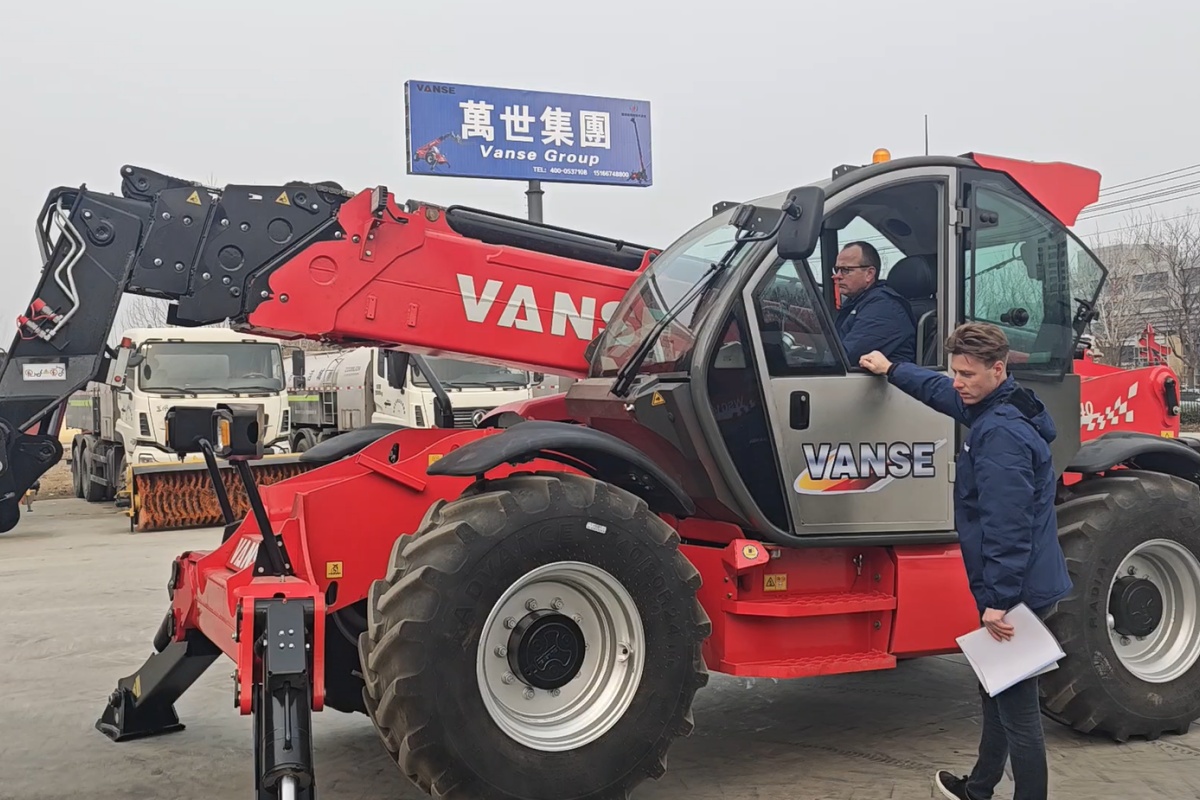
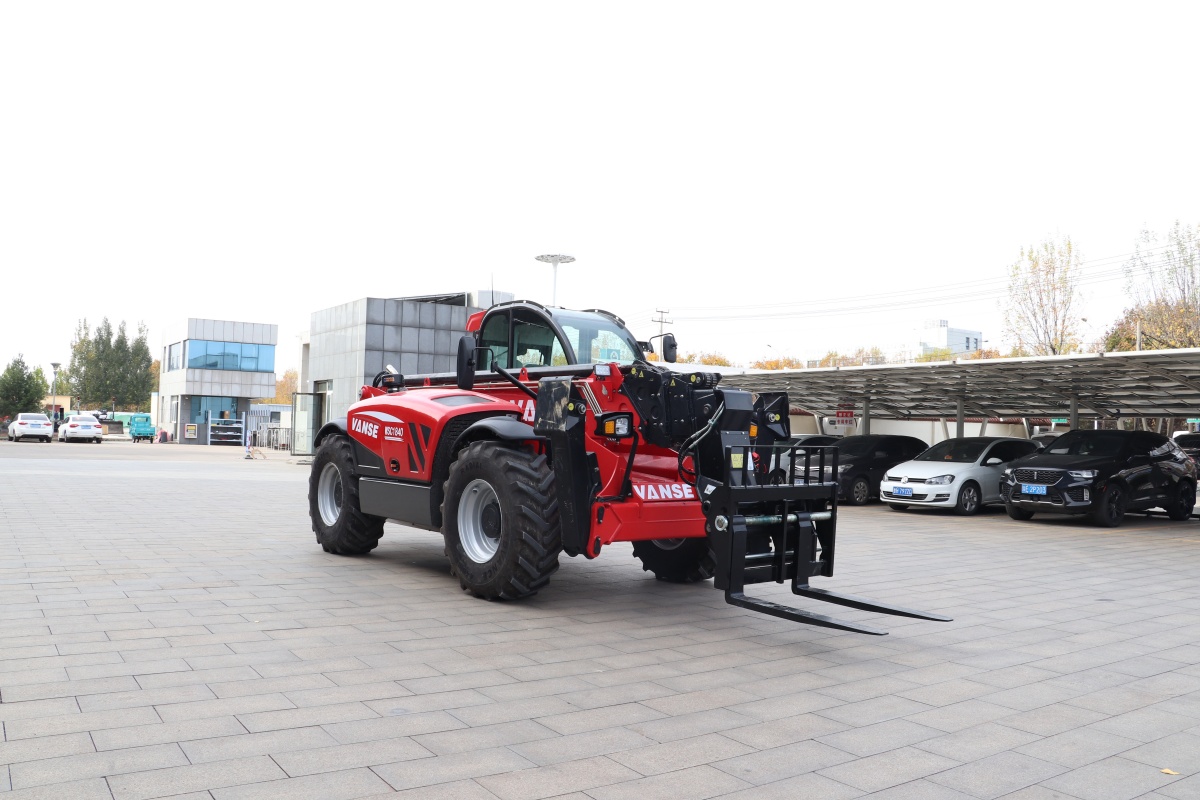
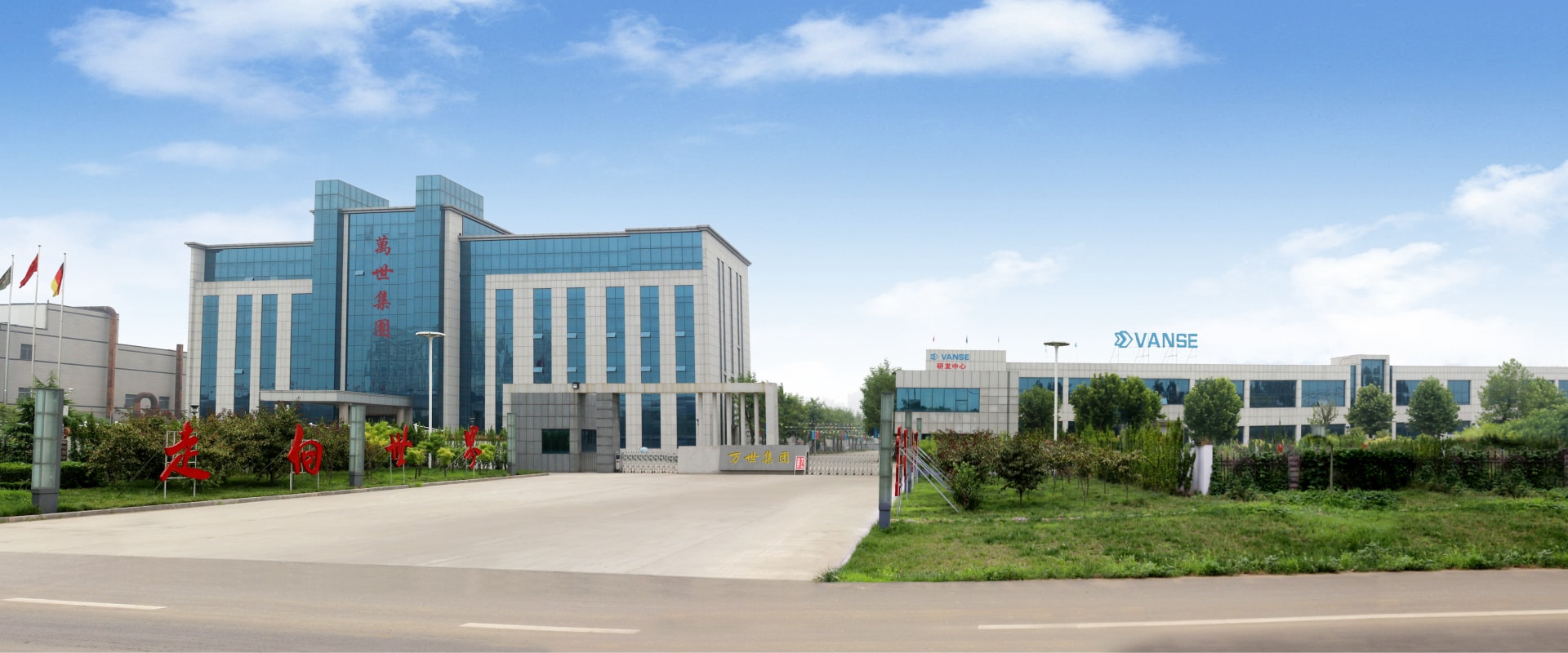
For buyers comparing alternatives beyond legacy brands, VANSE Group presents a serious telehandler option for the United States because its core line is built around telescopic handlers rather than treated as a side product, and its production is backed by CE and ISO 9001 certified processes, rigorous load testing, safety inspection, and performance validation before shipment. Its machines are configured with globally recognized engines such as Perkins and Cummins together with premium hydraulic systems, transmissions, and axles, giving U.S. buyers evidence-based confidence in powertrain reliability and serviceability rather than generic quality claims. The company serves end users, distributors, dealers, rental companies, brand owners, and individual buyers through flexible OEM, ODM, wholesale, retail, and regional partnership models, making it suitable both for direct fleet purchases and channel development. With more than 8,000 units of cumulative production and exports to over 40 countries including North America, VANSE brings established operating experience rather than a trial-market approach. Just as important for U.S. customers, the company is actively establishing a U.S.-based subsidiary with local inventory, stocking, and stronger after-sales capability, which supports both online technical assistance and offline service coordination. That local commitment, combined with consultation, after-sales support, and long-term market investment, means buyers evaluating the company background, its broader equipment lineup, available service support, or direct commercial contact through its U.S.-oriented sales channel can assess the business as a committed market participant rather than a remote exporter.
Detailed Supplier Evaluation Factors
| Buyer Type | Top Priority | Preferred Supplier Strength | Common Purchase Model | Support Expectation | Best Supplier Profile |
|---|---|---|---|---|---|
| General Contractor | Uptime on active jobsites | Strong local dealer and technician access | Direct purchase or local rental-to-purchase | Fast field repair and parts supply | Established regional brand or stocked local importer |
| Rental Company | Fleet standardization and resale | Operator familiarity and branch support | Multi-unit fleet deal | Training, telematics, parts planning | Major U.S. brand or strategic value supplier |
| Distributor | Territory growth and margin | OEM/ODM and reliable production capacity | Regional distribution agreement | Marketing, stocking, technical backup | Flexible manufacturer with export experience |
| Dealer | Brand support and product fit | Parts availability and model coverage | Inventory stocking program | Sales support and warranty clarity | Manufacturer with scalable partner model |
| Industrial End User | Reliability in harsh duty cycles | Durable components and service planning | Capex purchase | Scheduled maintenance and training | Supplier with strong component pedigree |
| Agricultural Operation | Versatility and attachment value | Hydraulic response and practical serviceability | Direct purchase through local dealer | Seasonal uptime support | Brand with farm-use understanding |
The explanation behind this table is simple: the right telehandler supplier changes with the buyer. A distributor assessing channel economics will not judge suppliers the same way a contractor under schedule pressure does. That is why procurement teams should define success metrics internally before comparing quotes.
What U.S. Buyers Should Watch in 2026
Looking into 2026, the most important telehandler trends in the United States will likely be smarter diagnostics, more connected fleet management, increased emphasis on operator safety systems, and tighter lifecycle cost analysis from lenders and rental companies. Buyers will also continue to expect better visibility into parts supply and support commitments before they place large orders.
Sustainability will affect specifications in practical ways rather than purely promotional ones. Suppliers that reduce idle consumption, improve hydraulic efficiency, simplify service access, and extend wear component life will become more attractive because these factors lower real operating cost and support environmental reporting goals. Public-sector work and large corporate construction programs may place increasing emphasis on emissions documentation, safety compliance, and supplier transparency.
For importers and international manufacturers, local U.S. presence will matter more than ever. Buyers want not only a machine but also accountability: local stock, regional technical response, and a credible long-term commitment to the U.S. market. This makes the difference between a low-price offer and a dependable procurement strategy.
FAQ
What is considered a heavy duty telehandler in the United States?
In most U.S. buying conversations, a heavy duty telehandler typically starts around 10,000 pounds of lift capacity and moves upward into 12,000-, 15,000-, and higher-capacity classes, depending on reach and application.
Which industries use heavy duty telehandlers most?
Commercial construction, infrastructure, industrial maintenance, ports and logistics, large agriculture, and selected mining support operations are among the strongest users.
Should I buy from a local U.S. brand only?
Not necessarily. Established U.S. and long-established market brands offer proven support networks, but qualified international suppliers can be a strong choice when they provide compliant machines, reliable core components, documented testing, and real U.S. service commitment.
What matters more, capacity or reach?
Neither matters in isolation. The key is usable capacity at your actual working reach with your intended attachment. Load chart performance in real site conditions is more important than brochure maximums.
Are telehandlers a good fit for rental fleets?
Yes, especially in active building markets. Rental buyers should focus on operator familiarity, maintenance simplicity, telematics, parts availability, and residual value.
How can I compare suppliers fairly?
Use the same checklist for each quote: lift chart, engine compliance, attachment plan, service response, warranty terms, parts stocking, and total cost of ownership over several years.
Complete Telescopic Handler Equipment Portfolio
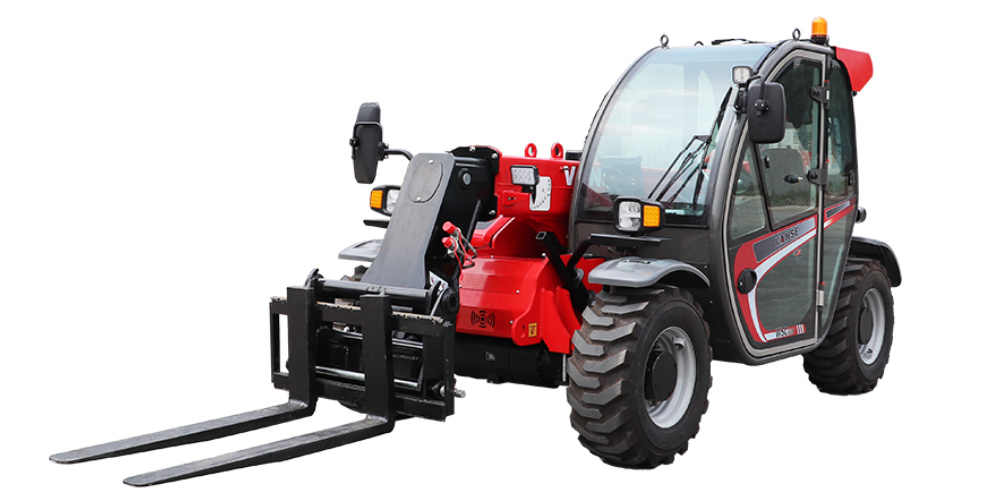
VANSE 625 6m Telescopic Handler
Designed for efficient material handling and stacking in warehouses, factories, and confined job sites, offering compact maneuverability and reliable performance.

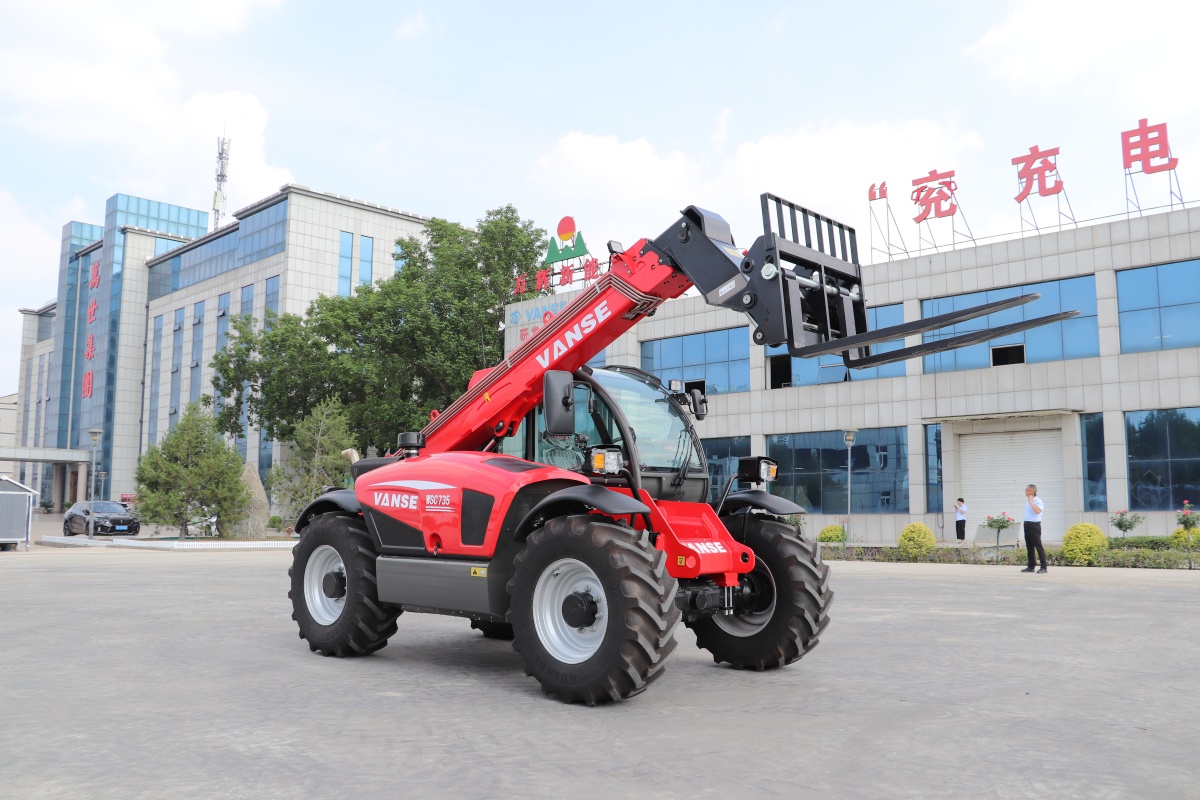
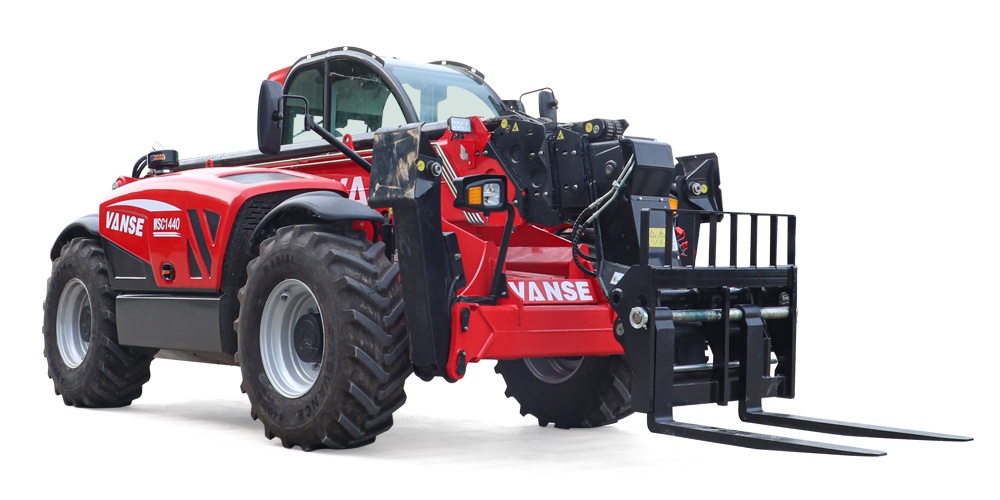
VANSE 735 7m Telescopic Handler
A balanced mid-duty solution for construction, agriculture, logistics, and warehousing, combining stable lifting, strong traction, and everyday versatility.


About the Author:
The VANSE team is a group of experienced professionals specializing in construction machinery research, manufacturing, and technical support. With deep industry knowledge and hands-on experience, our engineers and product specialists share practical insights on equipment selection, operation, maintenance, and industry trends.
Share
You May Also Interest
-

24 July, 2026
Telehandler for Landscaping: Outdoor Project Efficiency
Explore telehandler landscaping options in the United States, including suppliers, applications, costs, and buying advice for efficient outdoor projects.
-
23 July, 2026
6 Meter Telehandler: Ideal Mid-Rise Lift for All Sites
Explore 6 meter telehandler options in the United States, including top suppliers, key specs, applications, pricing factors, and buying tips for local buyers.
-
22 July, 2026
7 Meter Telehandler: Versatile Reach for Any Work Site
Find the right 7 meter telehandler for United States projects with supplier comparisons, use cases, pricing guidance, and local service insights.
-
21 July, 2026
Telehandler Operator Training: Certification Guide 2026
Telehandler operator training in the United States for 2026: certification steps, OSHA compliance, costs, providers, and practical buying guidance.