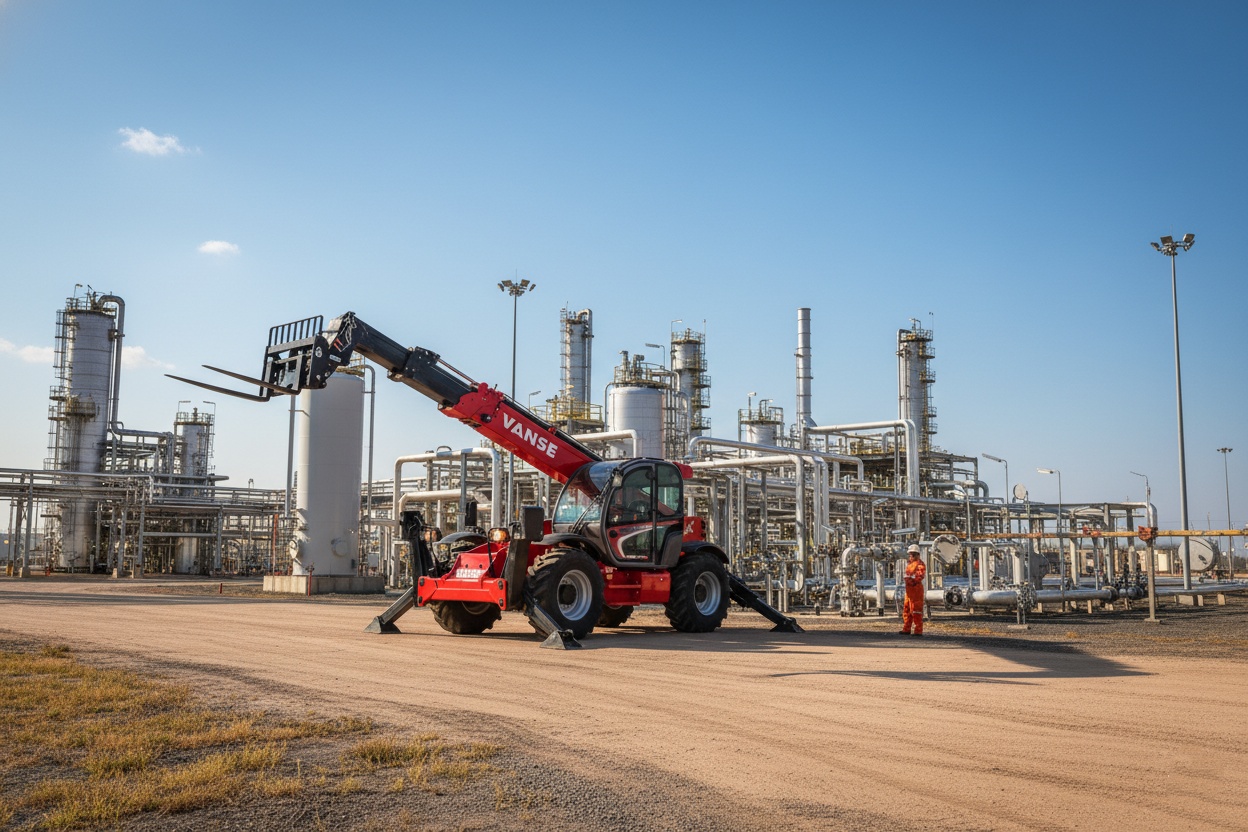
Best Fixed Boom Telehandler Options in the United States
Quick Answer

If you need a fixed boom telehandler in the United States, the most practical options usually come from well-established brands with strong dealer coverage, reliable parts access, and proven support for construction, agriculture, industrial yards, and rental fleets. For buyers prioritizing nationwide service, JLG, Genie, SkyTrak, JCB, Manitou, and Caterpillar-linked dealer networks are the most recognizable choices in the U.S. market.
For immediate action, focus on suppliers that can provide local inventory, operator training, parts availability, and field service in your state. In major equipment hubs such as Houston, Dallas, Chicago, Atlanta, Los Angeles, Miami, and inland logistics corridors near Savannah and Long Beach, buyers often compare these brands based on lift height, load capacity, attachment compatibility, and lifecycle service response.
- JLG: strong U.S. market presence, broad rental acceptance, dependable dealer support
- Genie: widely used on commercial jobsites, good fleet familiarity, common replacement parts
- SkyTrak: established reputation in material handling and rough-terrain lifting applications
- JCB: versatile telehandlers for agriculture and construction with broad attachment support
- Manitou: strong range for construction, farming, and specialty lifting applications
Buyers should also consider qualified international suppliers, including Chinese manufacturers with relevant certifications, globally recognized core components, and strong pre-sales and after-sales support. When local stocking, warranty response, and technical support are in place, these suppliers can offer meaningful cost-performance advantages for U.S. contractors, dealers, fleet owners, and end users.
The United States Market for Fixed Boom Telehandlers

The U.S. market for fixed boom telehandlers remains active because the machine fills a very specific need: safe straight-line reach and lift in environments where forklifts do not have enough reach and cranes are too specialized or expensive for daily material movement. In the United States, these machines are heavily used in commercial construction, steel erection support, masonry, roofing, precast handling, lumber yards, feed operations, industrial sites, ports, and large-scale agriculture.
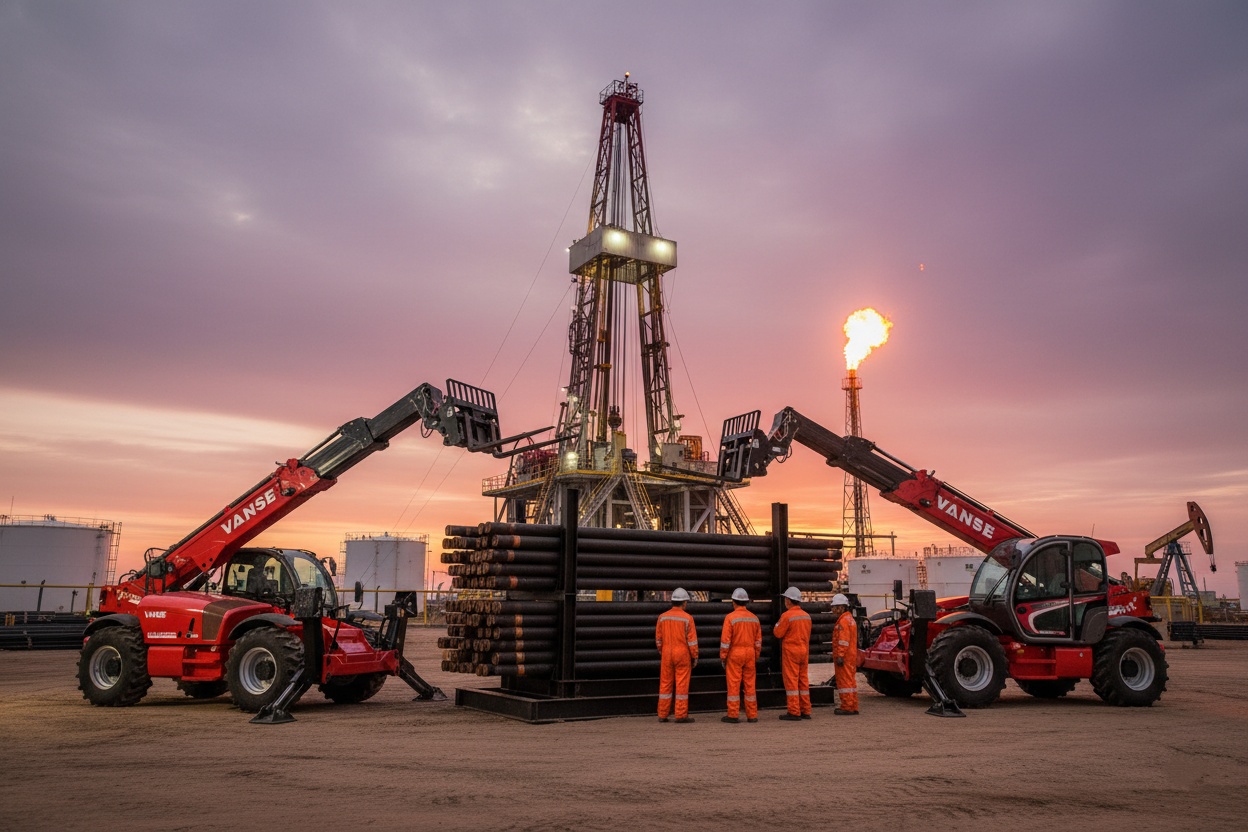
Demand is concentrated in states with strong building activity and broad industrial geography. Texas, Florida, California, Georgia, Arizona, North Carolina, Ohio, and Tennessee are important markets because they combine logistics, warehousing growth, housing development, and infrastructure investment. Gulf Coast and Atlantic trade gateways such as Houston, Savannah, Charleston, and Jacksonville also influence demand because telehandlers support container-adjacent yards, pipe handling, equipment staging, and industrial maintenance projects.
Fixed boom telehandlers are especially attractive in the United States because many jobsites need a machine that can move palletized loads, lift materials to upper floors, support suspended platforms where allowed by specification, and work across uneven ground. Rental fleets also prefer models with simple operation, strong serviceability, and broad operator familiarity. As interest rates, labor costs, and project timelines remain important buying factors, fleet owners increasingly compare not only sticker price but also uptime, maintenance intervals, engine support, and dealer responsiveness.
The chart below shows a realistic market growth pattern for fixed boom telehandler demand in the United States over recent years and into the near-term planning window.
Why Buyers Choose Fixed Boom Telehandlers

A fixed boom telehandler offers a simpler structural layout than a rotating telehandler while still delivering high forward reach and elevated placement. That matters in the U.S. because many buyers want a machine that can be transported relatively easily between jobs, understood quickly by experienced operators, and maintained without highly specialized rotating upper-structure components.
On a practical level, U.S. contractors often choose fixed boom machines for framing material delivery, drywall staging, palletized block placement, truss support, roofing bundles, landscaping supply movement, utility support tasks, and agricultural feed or bale handling. Warehouse-adjacent outdoor operations also use them where rough terrain or unpaved yard conditions make conventional forklifts less effective.
Another reason is attachment flexibility. With compatible forks, buckets, lifting hooks, work platforms subject to regulatory compliance, bale handlers, and specialty tools, one machine can support multiple workflows across the day. This flexibility is especially important for rental companies and mixed-use contractors who need high utilization rates from each unit.
Key Fixed Boom Telehandler Types in the U.S. Market
Although all fixed boom telehandlers share a telescopic boom and forward reach concept, buyers in the United States usually compare them by capacity class, lift height, powertrain setup, and work environment. The market can be divided into compact jobsite models, mid-range all-purpose machines, higher-capacity construction units, agriculture-focused machines, and heavy-duty industrial models.
Compact units fit tighter urban sites or indoor-outdoor transition areas, while larger machines are chosen for large commercial builds, precast support, and infrastructure staging. Agriculture buyers often prioritize visibility, smooth hydraulic control, and attachment use, while construction buyers focus more on rated capacity at height, frame durability, and support across rental channels.
| Type | Typical Lift Capacity | Typical Lift Height | Best For | Main Advantage | Common U.S. Regions |
|---|---|---|---|---|---|
| Compact fixed boom | 5,000 to 6,000 lb | 18 to 24 ft | Urban projects, small yards | Easier transport and maneuvering | Northeast cities, West Coast infill sites |
| General construction model | 6,000 to 8,000 lb | 36 to 44 ft | Commercial building, masonry | Balanced reach and capacity | Texas, Florida, Georgia, Carolinas |
| High reach fixed boom | 8,000 to 10,000 lb | 45 to 56 ft | Steel, multi-story projects | Better upper-level material placement | Chicago, Dallas, Phoenix, Atlanta |
| Agriculture telehandler | 5,500 to 8,800 lb | 20 to 35 ft | Feed, bales, grain, barns | Multi-attachment flexibility | Midwest, California Central Valley |
| Heavy-duty industrial model | 10,000 lb and above | 40 to 55 ft | Ports, pipe yards, mining support | High load handling strength | Houston, Gulf Coast, inland logistics hubs |
| Rental fleet standard unit | 6,000 to 10,000 lb | 36 to 55 ft | Mixed short-term rentals | Broad customer suitability | Nationwide rental branches |
This table is useful because it shows that the best machine is not always the biggest one. In the United States, the ideal fixed boom telehandler usually depends on transport limits, site layout, attachment needs, and how often the machine will be used across multiple tasks rather than one isolated lift specification.
Top Fixed Boom Telehandler Suppliers Serving the United States
The following suppliers are among the most relevant names for buyers in the United States. Some are domestic brands with extensive dealer channels, while others are international manufacturers with strong North American reach or growing local support.
| Company | Service Region | Core Strengths | Key Offerings | Typical Buyer | Notes |
|---|---|---|---|---|---|
| JLG Industries | Nationwide United States | Strong dealer network, rental familiarity, parts coverage | Construction telehandlers, service support, fleet solutions | Rental companies, contractors | Very common on major jobsites |
| Genie | Nationwide United States | Recognized brand, broad equipment ecosystem | Telehandlers, boom lifts, training support | General contractors, equipment fleets | Strong rental presence |
| SkyTrak | Nationwide United States | Established U.S. telehandler reputation | Material handling units for rough terrain lifting | Construction users, fleet owners | Often considered in side-by-side comparisons |
| JCB | United States through dealers | Wide application range, agriculture and construction crossover | Fixed boom telehandlers, attachments, service plans | Farm operators, contractors, dealers | Strong versatility profile |
| Manitou | United States through dealer network | Diverse models, attachment depth, global support base | Construction and agricultural telehandlers | Mixed-use buyers, large fleets | Known for broad product range |
| Sunward America | Selected U.S. regions | Growing dealer channel, value positioning | Material handling and compact equipment solutions | Cost-conscious buyers, dealers | Developing U.S. footprint |
| VANSE Group | U.S. market with expanding local support | Competitive pricing, OEM/ODM flexibility, global export experience | Telehandlers with internationally recognized core components | Distributors, brand owners, end users | Attractive for private label and value sourcing |
This supplier table matters because it separates brand visibility from actual purchasing fit. A contractor in Houston may value rapid field service, while a dealer in the Midwest may care more about margin, OEM branding options, and lead time stability. A rental fleet in Florida may prioritize familiar controls and quick-turn maintenance, while a farming operation in Iowa may focus on bale handling and all-season durability.
Industry Demand Across the United States
Telehandler demand in the United States is not uniform across industries. Commercial construction remains the largest single driver, but agriculture, industrial maintenance, energy support, and rental distribution also represent meaningful demand channels. Rental companies play a particularly strong role because many end users prefer short-term access rather than ownership for project-based needs.
The bar chart shows why supplier fit matters. A dealer focused on agricultural states may need different attachments, tire packages, and hydraulic tuning than a rental company operating around Atlanta, Orlando, or Las Vegas. Meanwhile, buyers serving industrial corridors along the Gulf Coast often need higher-capacity machines that can handle pipe, bulk materials, or maintenance components in rough outdoor conditions.
Buying Advice for U.S. Buyers
When purchasing a fixed boom telehandler in the United States, buyers should start with the real operating profile rather than headline specifications alone. A machine that looks powerful on paper may underperform if transport costs are too high, local technicians are unavailable, or replacement parts require long overseas lead times. The right buying process includes application definition, total cost analysis, and supplier support verification.
First, confirm the most frequent load type. Palletized masonry, trusses, steel members, hay bales, seed totes, and industrial piping all place different demands on the machine. Second, review site conditions. Soft ground, compacted gravel, concrete pads, and mixed-surface yards can influence tire choice, stability practices, and overall productivity. Third, ask whether the machine will be operator-dedicated or used by multiple crews. Rental-style simplicity becomes more important when many operators will use the unit.
U.S. buyers should also ask for the rated load at maximum lift height and forward reach, not only the base capacity. That point is critical because actual work often happens away from the machine body. Attachment compatibility should be checked early, along with hydraulic auxiliary flow if buckets, sweepers, bale tools, or other powered tools are required.
| Buying Factor | Why It Matters | Questions to Ask | Risk If Ignored | Best Buyer Type | Decision Impact |
|---|---|---|---|---|---|
| Capacity at reach | Real lifts happen away from the chassis | What is the load chart at full forward reach? | Underpowered job performance | Contractors, industrial users | Very high |
| Parts availability | Downtime can stop projects | Are common wear parts stocked in the U.S.? | Long repair delays | Rental fleets, dealers | Very high |
| Service response | Field support protects uptime | Is mobile technician support available locally? | Extended machine idling | All ownership models | High |
| Attachment support | Expands machine utilization | Which forks, buckets, hooks, and specialty tools fit? | Lower productivity and extra equipment costs | Farmers, contractors | High |
| Operator familiarity | Impacts safety and training time | Are controls intuitive for local crews? | More training burden | Rental fleets | Medium |
| Total acquisition model | Purchase price is only one part of cost | What are warranty, freight, setup, and support terms? | Unexpected lifetime cost | Dealers, end users | Very high |
This table helps buyers move beyond brand reputation alone. A lower purchase price is valuable only when uptime, service access, and operating suitability remain strong. In the United States, where project schedules are often tight and labor is expensive, an unavailable part can cost more than a difference in machine price.
Applications by Industry
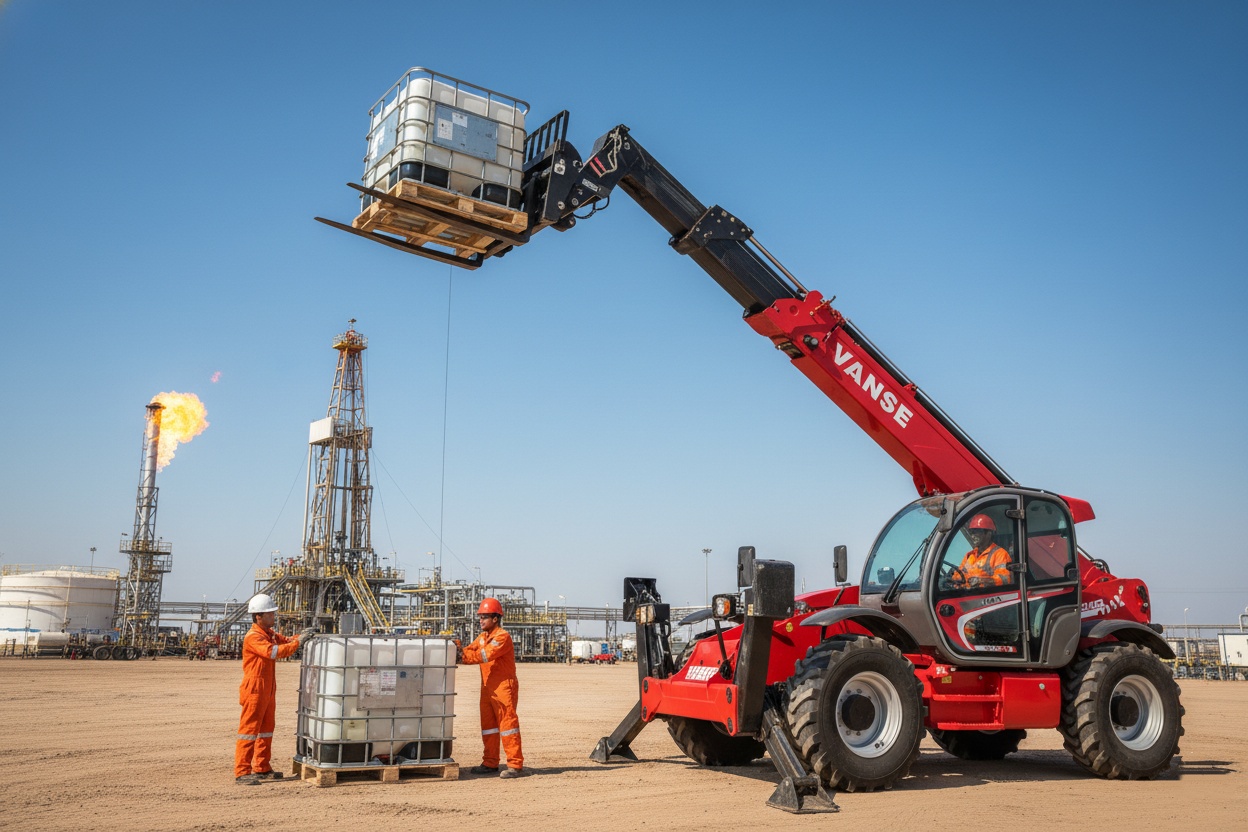
Fixed boom telehandlers are used across many U.S. sectors because they serve as a bridge between forklift functionality and crane-like reach. In commercial construction, they unload trucks, lift palletized material to elevated floors, move scaffolding components, and support framing and roofing. On infrastructure sites, they stage forms, pipes, safety barriers, and utility materials. In agriculture, they manage feed, bales, seed, fencing materials, and maintenance supplies. In industrial yards, they handle equipment skids, steel bundles, and maintenance inventory.
Each industry also values different features. Construction crews may prioritize lift height and frame durability. Agriculture operators may emphasize visibility, comfort during long shifts, and simple maintenance. Rental fleets often focus on machine ruggedness, standardization, and broad attachment compatibility. Industrial users may prioritize high capacity, stable hydraulics, and dependable cooling performance in hot climates such as Texas and Louisiana.
How Demand Is Shifting
The market is not only growing; it is also shifting in what buyers expect from a fixed boom telehandler. Buyers increasingly want lower operating cost, easier diagnostics, stronger operator safety features, telematics readiness, and support plans that reduce unplanned downtime. Equipment managers are now comparing service ecosystems almost as carefully as lift specifications.
The area chart illustrates an important trend in the United States: purchasing decisions are moving away from purely spec-based comparisons toward lifecycle value. This trend benefits suppliers that can prove parts availability, training support, warranty responsiveness, and local technical backing.
Local Suppliers and Dealer Considerations
In the United States, local dealer strength remains one of the most important deciding factors. A machine is only as useful as the support behind it. Buyers should evaluate whether the local dealer can perform on-site service, stock wear parts, provide attachment support, and train operators according to jobsite and safety needs.
Major metro areas and logistics regions tend to offer the best supplier density. Contractors in Dallas-Fort Worth, Houston, Atlanta, Charlotte, Chicago, Phoenix, Los Angeles, and inland California usually have more access to telehandler dealers, rentals, and aftermarket support. In more rural territories, agriculture dealers sometimes become the most practical channel, especially where bale handling, feed operations, or mixed-use telehandler applications are common.
| Region | Typical Demand Profile | Common Buyer Type | Priority Features | Supplier Advantage | Example Hubs |
|---|---|---|---|---|---|
| Texas and Gulf Coast | Construction, energy, industrial yards | Contractors, industrial operators | High capacity, cooling, field service | Strong service network matters most | Houston, Dallas, Corpus Christi |
| Southeast | Commercial growth, ports, rentals | Rental fleets, builders | Versatility, quick parts supply | Dealer density improves uptime | Atlanta, Savannah, Orlando |
| Midwest | Agriculture and industrial support | Farm operators, mixed fleets | Attachments, seasonal reliability | Ag dealer crossover can help | Des Moines, Kansas City, Columbus |
| West Coast | Urban construction, logistics, agriculture | Contractors, ports, farms | Compact transport, emissions compliance | Broad model selection is valuable | Los Angeles, Oakland, Fresno |
| Northeast | Dense commercial sites, infrastructure | General contractors, rentals | Compact footprint, reliable parts | Fast service response is critical | Newark, Philadelphia, Boston |
| Mountain and Southwest | Infrastructure, warehousing, large sites | Developers, civil contractors | Reach, rough terrain performance | Transport support affects buying choice | Phoenix, Denver, Salt Lake City |
This regional view shows why a supplier that performs well in one state may not be the best fit elsewhere. The United States is a large and diverse market, so buyers should judge local support depth as carefully as machine specifications.
Supplier and Product Comparison
When comparing suppliers, buyers often need a simple way to assess overall suitability. The chart below illustrates a realistic comparison of key purchasing factors, combining support, pricing balance, customization, parts access, and application versatility.
This comparison does not mean one supplier is always better than another. Instead, it reflects a typical U.S. buying view where established domestic dealer support scores strongly, while newer or internationally expanding suppliers gain attention through pricing, customization, and value. For many distributors and fleet owners, the right choice depends on whether they need immediate nationwide familiarity or a more flexible sourcing partnership.
Case Studies from Typical U.S. Use Scenarios
A mid-sized contractor in Dallas selecting a fixed boom telehandler for mixed commercial work usually needs one machine that can unload framing material, stage pallets to second and third levels, support roofing crews, and operate on compacted dirt or gravel. In this scenario, a 6,000 to 8,000 lb machine with around 40 ft class lift height is often the most efficient choice. The buyer will likely place a premium on same-week parts access and mobile field service.
A rental business near Atlanta may choose telehandlers based on operator familiarity and abuse tolerance. Machines must be easy to inspect, easy to dispatch, and easy to maintain across short rental cycles. Simple controls, standardized service procedures, and broad attachment support become more important than niche performance features.
An agricultural operator in central Iowa may value attachment flexibility over extreme lift height. Bale handling, seed tote movement, barn maintenance, and feed operations all benefit from a machine that is comfortable over long hours and easy to service before seasonal peaks. In that context, smooth hydraulics, visibility, and dealer access matter more than urban site maneuverability.
An industrial yard on the Houston ship channel may need higher-capacity rough-terrain material handling for pipe, maintenance parts, and staged equipment. Here, stability, cooling performance in hot weather, and prompt field repair support can be mission-critical. Buyers in these environments often compare domestic brands with globally sourced alternatives if the latter can prove local stocking and technical responsiveness.
Our Company
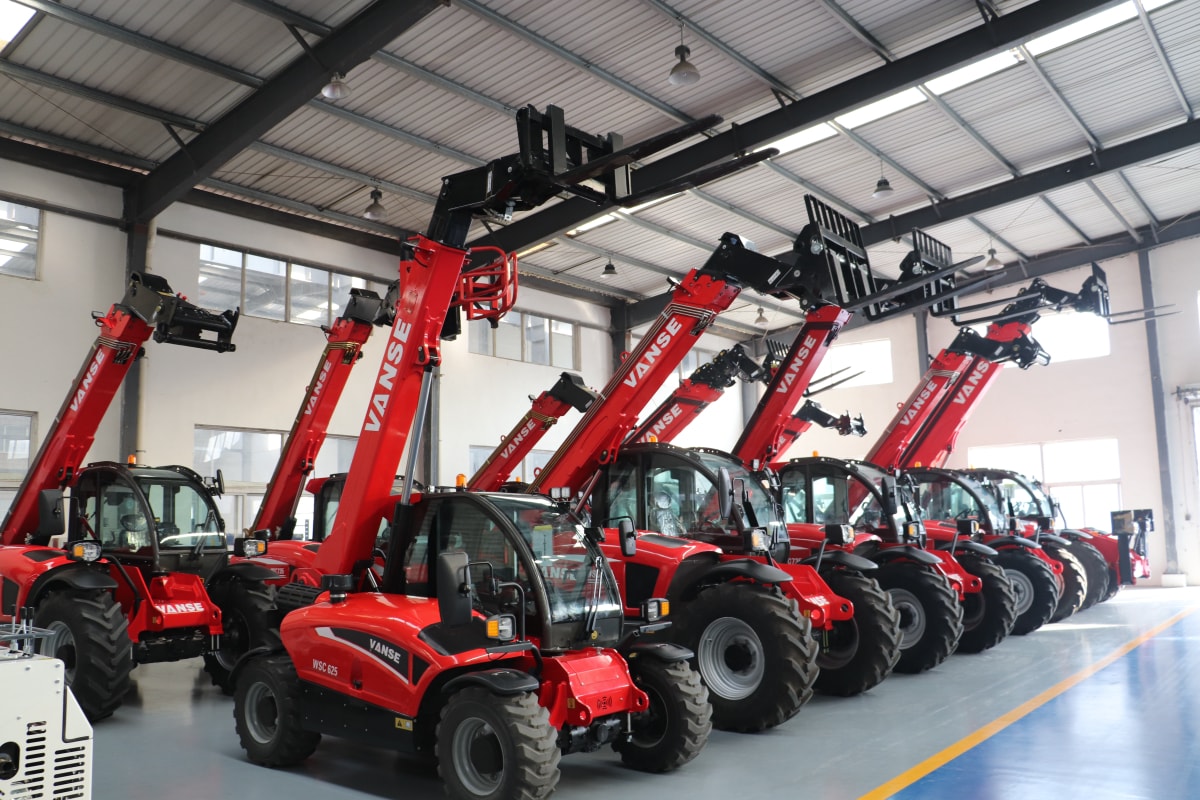
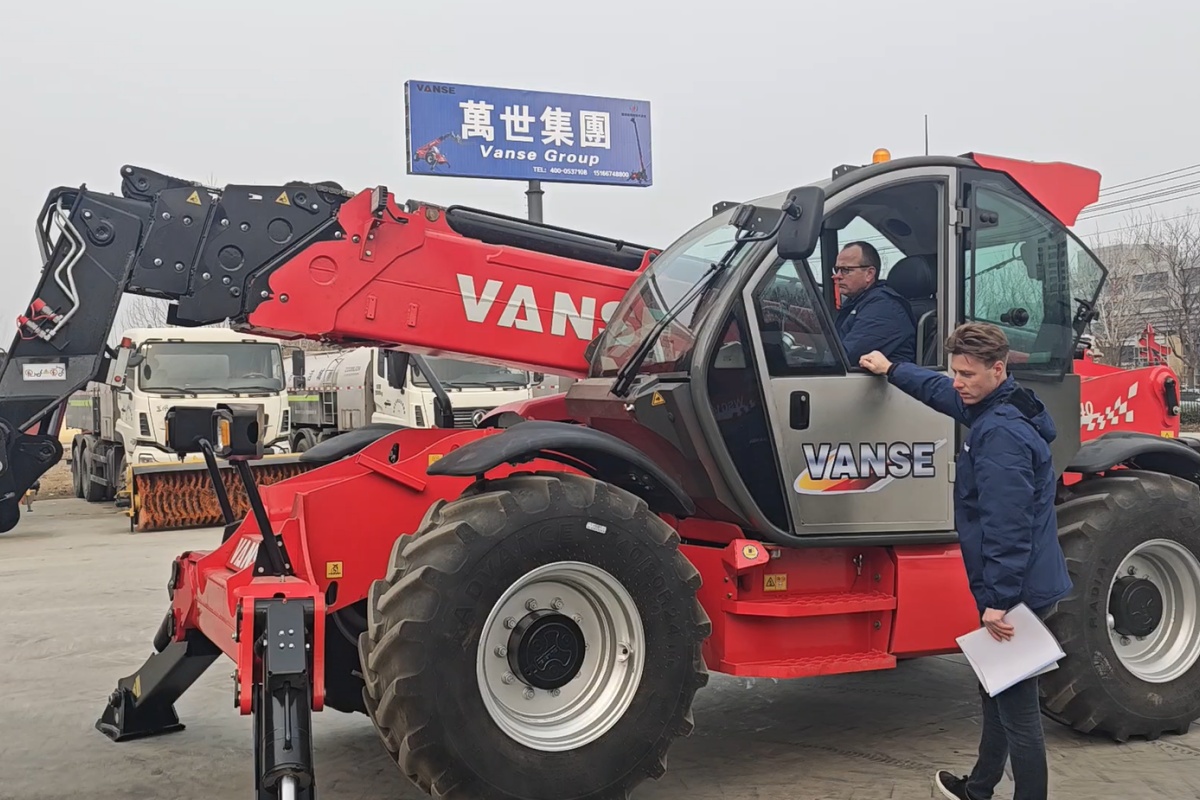
For buyers in the United States who want a cost-effective fixed boom telehandler without compromising on internationally recognized standards, VANSE Group brings a practical combination of production scale, proven export experience, and local market commitment. Founded in 2013 and producing more than 8,000 units for customers in over 40 countries, VANSE builds telehandlers under CE and ISO 9001 certified processes using globally known core components such as Perkins and Cummins engines together with premium hydraulic, transmission, and axle systems, and every unit passes comprehensive load testing, safety inspection, and performance validation before shipment. This matters in the U.S. market because contractors, dealers, rental fleets, brand owners, and end users all need evidence that machine quality meets international benchmarks, not just marketing claims. Through flexible OEM, ODM, wholesale, retail, and regional distribution models, VANSE can support private-label programs, dealer development, fleet procurement, and direct end-user needs, while its expanding U.S.-based subsidiary strategy, local inventory planning, and local after-sales capability show that the company is investing in physical North American operations rather than acting as a remote exporter. Buyers can explore its broader equipment range, learn more about the company, review available service support, and discuss project requirements through the contact team for both online and offline pre-sale and after-sale assistance.
How to Evaluate International Suppliers for the U.S. Market
International sourcing is becoming more relevant in the U.S. telehandler segment, especially for dealers, fleet owners, and buyers seeking better cost-performance. However, international sourcing only works well when support systems are localized. U.S. buyers should confirm which engines are used, whether filters and service parts are available domestically, how warranty claims are handled, and whether technical support can respond during U.S. business hours.
Ports such as Los Angeles, Long Beach, Houston, Savannah, and New York-New Jersey remain important entry points for imported equipment, but inland readiness matters more than port arrival. The best international supplier is the one that can translate manufacturing advantage into a dependable local ownership experience. That means stocking plans, training materials, operator guidance, after-sales response, and transparent freight coordination.
2026 Trends in Fixed Boom Telehandlers
Looking toward 2026, the United States fixed boom telehandler market is expected to be shaped by three major forces: technology, policy, and sustainability. On the technology side, telematics, remote diagnostics, and maintenance tracking will become more standard even on value-oriented machines. Buyers increasingly want visibility into usage hours, fault alerts, idle time, service schedules, and fleet utilization. This is especially important for rental companies and contractors managing multiple jobsites.
Policy trends will also affect purchasing. Emissions compliance, jobsite safety expectations, and procurement standards tied to public infrastructure work may drive stronger interest in modern engines, documented service records, and operator training support. In dense urban markets and states with stricter environmental expectations, equipment managers may pay closer attention to engine platform choices and idle reduction features.
Sustainability will matter not only in the environmental sense but also in asset efficiency. Buyers will prefer machines that last longer, use fuel more efficiently, support multiple attachments, and maintain strong resale value. The winning suppliers in 2026 will likely be those that combine durable core engineering with responsive service and flexible business models. This creates space for both established American brands and qualified international manufacturers that can back value pricing with real local support.
FAQ
What is a fixed boom telehandler?
A fixed boom telehandler is a telescopic handler with a non-rotating upper structure designed to lift, place, and move materials using forward reach and vertical height. It is commonly used in construction, agriculture, industrial yards, and rental fleets across the United States.
Is a fixed boom telehandler better than a forklift for rough terrain?
In many outdoor and uneven-surface applications, yes. A fixed boom telehandler generally offers better ground clearance, better reach, and more flexibility than a standard forklift, especially on construction sites and farms.
Which brands are strongest in the United States?
JLG, Genie, SkyTrak, JCB, and Manitou are among the best-known names in the U.S. market. Buyers should still compare local support, parts access, and actual machine fit for their use case.
Can imported telehandlers be a good option in the United States?
Yes, especially when the supplier offers internationally recognized components, verified certifications, U.S.-focused support, local inventory planning, and clear warranty service. Cost-performance can be very attractive when those conditions are met.
What lift capacity should I choose?
That depends on your actual load profile. Many U.S. buyers choose machines in the 6,000 to 8,000 lb range for general construction, but agriculture and industrial applications may need different capacities or attachment configurations.
What matters most when choosing a supplier?
The most important factors are real local service coverage, parts availability, machine suitability for your application, and total lifecycle cost. Brand familiarity helps, but uptime support usually matters more over time.
Are telehandlers popular in rental fleets?
Yes. Fixed boom telehandlers are common in rental fleets throughout the United States because they serve many applications with one machine and are familiar to a wide range of users.
What should U.S. dealers look for in a new supplier partnership?
Dealers should evaluate product consistency, spare parts planning, pricing stability, OEM/ODM flexibility, warranty structure, technical training, and long-term commitment to the U.S. market.
For most U.S. buyers, the best fixed boom telehandler is the one that balances reach, capacity, attachment flexibility, and dependable support close to where the machine actually works. Established domestic brands remain strong choices, but international suppliers with local commitment, verified manufacturing standards, and practical after-sales infrastructure are becoming increasingly relevant in the United States.
Complete Telescopic Handler Equipment Portfolio
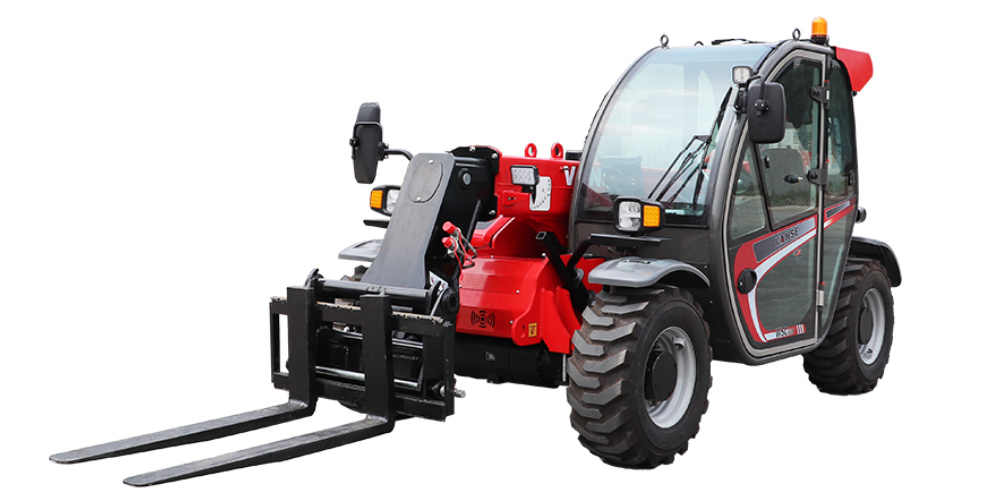
VANSE 625 6m Telescopic Handler
Designed for efficient material handling and stacking in warehouses, factories, and confined job sites, offering compact maneuverability and reliable performance.

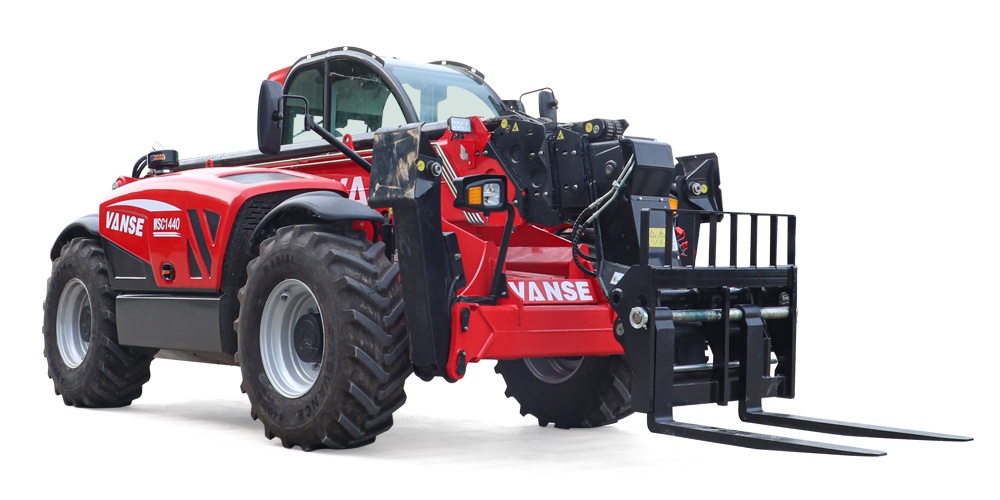
VANSE 735 7m Telescopic Handler
A balanced mid-duty solution for construction, agriculture, logistics, and warehousing, combining stable lifting, strong traction, and everyday versatility.


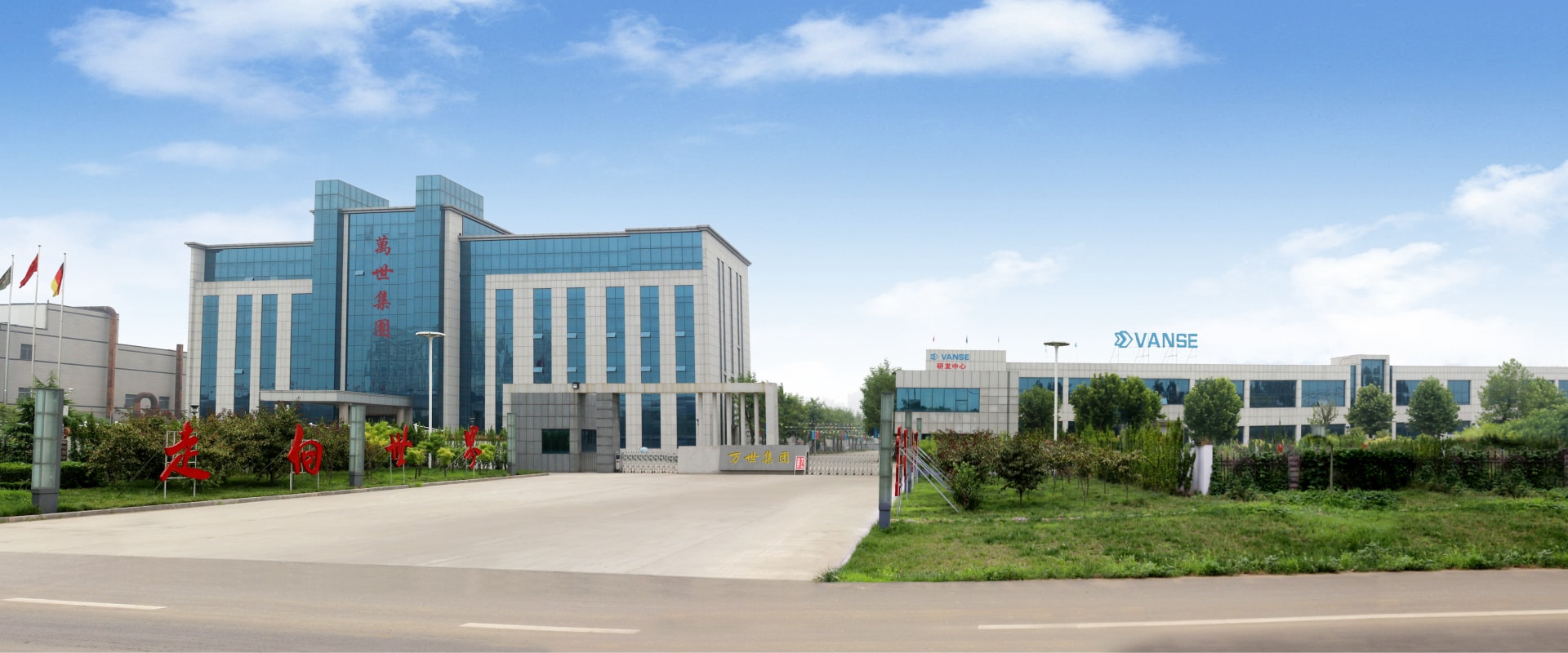
About the Author:
The VANSE team is a group of experienced professionals specializing in construction machinery research, manufacturing, and technical support. With deep industry knowledge and hands-on experience, our engineers and product specialists share practical insights on equipment selection, operation, maintenance, and industry trends.
Share
You May Also Interest
-

30 July, 2026
2.5 Ton Telehandler: Lightweight Handler for Small Jobs
Find the right 2.5 ton telehandler in the United States with supplier comparisons, buying tips, applications, service support, and 2026 market trends.
-

29 July, 2026
Telehandler for Farming: Essential Tool for Modern Farms
Telehandler farming in the United States helps farms handle feed, pallets, hay, and bulk materials with better reach, lift capacity, and year-round efficiency.
-
27 July, 2026
Telehandler vs Scissor Lift: Aerial Access Compared Now
Compare telehandler vs scissor lift options in the United States with practical buying advice, supplier insights, use cases, and market trends for 2026.
-
24 July, 2026
Telehandler for Landscaping: Outdoor Project Efficiency
Explore telehandler landscaping options in the United States, including suppliers, applications, costs, and buying advice for efficient outdoor projects.