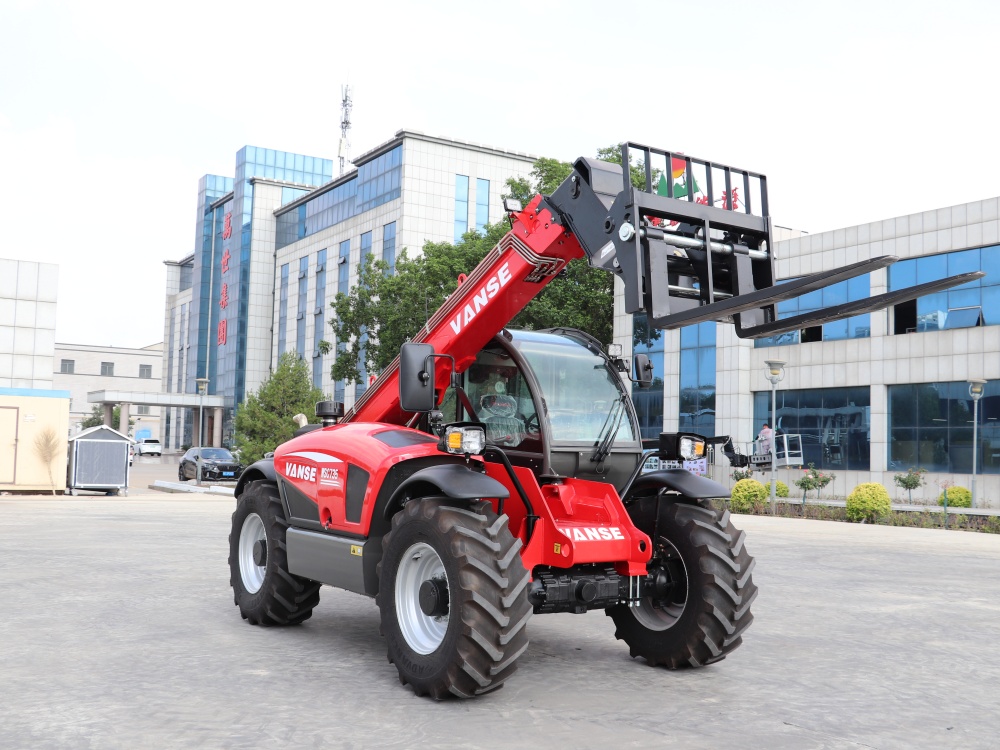
Electric Telehandler Buying Guide for the United States
Quick Answer

If you need an electric telehandler in the United States, the best fit usually depends on whether your priority is indoor emission compliance, urban jobsite noise reduction, agriculture, or rental fleet uptime. For buyers needing proven domestic support, strong options include JCB, JLG, Genie, Bobcat, Manitou, and Skyjack through established dealer networks across major markets such as Texas, California, Florida, Illinois, Georgia, and the Northeast. JCB is widely recognized for telehandler specialization, JLG and Genie are practical for fleet buyers with broad service coverage, Bobcat is attractive for compact site work, and Manitou is often shortlisted for agriculture and mixed-use handling.
For immediate action, start by confirming lift capacity, maximum lift height, charging setup, indoor versus outdoor duty cycle, and whether you need rough-terrain capability. In the United States, buyers operating near logistics corridors such as Los Angeles, Houston, Savannah, Chicago, New York, and inland distribution hubs often prioritize parts access and field service response more than purchase price alone. That said, qualified international suppliers can also be worth considering when they combine recognized certifications, strong pre-sales engineering, documented testing, and local support plans. This is especially relevant for cost-conscious contractors, rental companies, dealers, and private-label buyers seeking better value without giving up component quality or after-sales protection.
- Best for telehandler-focused buyers: JCB
- Best for nationwide access platform and fleet channels: JLG
- Best for rental fleet familiarity: Genie
- Best for compact equipment cross-buyers: Bobcat
- Best for agriculture and mixed material handling: Manitou
- Best value path for custom branding or distributor growth: certified international OEM and ODM suppliers with U.S. support planning
United States Market Outlook

The United States market for electric telehandler equipment is expanding as contractors, industrial operators, ports, municipalities, and rental companies respond to tighter indoor emission rules, sustainability targets, and growing demand for lower-noise machines. Battery-powered telescopic handlers are no longer limited to pilot projects. They are increasingly being evaluated for warehouse expansion, airport maintenance, food and beverage facilities, downtown redevelopment, tunnel and infrastructure support, utility compounds, and enclosed manufacturing plants where diesel exhaust and noise create compliance and worker-comfort issues.
Several regional factors support demand. California buyers often move first because of stricter air quality expectations and public project sustainability requirements. The Northeast sees strong interest in indoor renovation, institutional construction, and winter-season enclosed work. Texas and the Southeast remain more mixed, but demand is rising for fleets that want to differentiate on operating cost, low idle noise, and ESG reporting. Ports and distribution corridors near Los Angeles/Long Beach, Houston, Savannah, Newark, and Norfolk are also evaluating electrified handling equipment as charging infrastructure improves.
Another important driver is ownership economics. While electric models still carry a higher purchase price in many cases, they can reduce fuel volatility, simplify some maintenance tasks, and help owners win work on sites that restrict combustion equipment. For rental companies, electrified telehandlers can also open access to premium urban and industrial accounts. The challenge is matching machine duty cycle to battery capacity and charging reality. A machine that performs well in a single-shift precast yard may not fit a two-shift rough-terrain construction site without opportunity charging or battery swapping plans.
The line chart shows a realistic market index rather than a published shipment total. It illustrates the strong growth trajectory expected as the United States adds more battery-ready jobsites, dealer familiarity improves, and procurement teams become more comfortable comparing total cost of ownership instead of focusing only on sticker price.
Product Types and Configuration Options

Not every electric telehandler serves the same purpose. Some are compact machines designed for interior handling, confined access, and low-clearance work. Others are rough-terrain units intended for construction sites that still need stronger traction and more reach. Battery chemistry, axle design, hydraulic performance, tire choice, and attachment compatibility will all influence whether a machine feels capable in real conditions.
Buyers in the United States usually compare electric telehandlers by lift capacity, maximum lift height, operating weight, drive system, charging time, and suitability for concrete, asphalt, gravel, turf, or warehouse floors. In many cases, attachment flexibility matters almost as much as lift specs because fleets want one machine to handle pallet forks, buckets, work platforms, jibs, truss booms, and specialty agricultural tools.
| Type | Typical Capacity | Typical Lift Height | Best Fit | Main Advantage | Watch Point |
|---|---|---|---|---|---|
| Compact indoor model | 2,500 to 4,000 lb | 13 to 18 ft | Warehouses, manufacturing plants, food facilities | Low noise and zero tailpipe emissions | Limited rough-terrain performance |
| Compact rough-terrain model | 4,000 to 5,500 lb | 16 to 20 ft | Urban construction, landscaping, utilities | Good balance of size and site mobility | Battery runtime varies with slope and load |
| Mid-size jobsite model | 5,500 to 7,000 lb | 19 to 28 ft | General construction and rental fleets | Broader attachment range | Higher charging demand |
| Agriculture-focused model | 4,000 to 7,000 lb | 16 to 25 ft | Dairy, feed, barns, greenhouse operations | Indoor livestock and enclosed building suitability | Needs careful sealing for washdown environments |
| Industrial yard model | 5,000 to 8,000 lb | 18 to 26 ft | Ports, precast, recycling, manufacturing yards | Strong daily handling productivity | Battery cooling management under heavy duty |
| Specialized custom OEM model | Varies | Varies | Dealers, rental brands, private-label distributors | Tailored specs and branding | Requires supplier engineering depth |
This table helps U.S. buyers narrow the category before comparing brands. It is more useful to choose the right class first than to compare every supplier at once. Once the duty profile is clear, battery sizing, hydraulics, and support network can be assessed more accurately.
What Buyers Should Evaluate Before Ordering
In the United States, electric telehandler procurement decisions usually fail for one of four reasons: the machine is undersized for real load charts, the charging plan is too optimistic, the dealer support footprint is too thin, or the buyer assumes every electric machine is equally suitable for rough terrain. The best purchasing approach is to work from your actual site conditions rather than brochure claims.
Start with load profile. A telehandler that easily places palletized masonry at low reach may struggle when the boom is extended over uneven terrain. Next, look at duty cycle. If the machine spends long periods traveling loaded across a large site, energy use will be higher than in static pick-and-place work. Charging matters too. Some owners have 480V infrastructure and can support rapid charging windows; others have only basic overnight charging. Climate also matters. Operators in Minnesota, Colorado, and the upper Midwest should ask for cold-weather battery performance data, while buyers in Arizona, Nevada, Texas, and inland California should ask about thermal management in high summer heat.
Finally, ask what happens after the sale. A machine is only as strong as its uptime plan. Parts lead time, remote diagnostics, training, and warranty process often determine whether the purchase succeeds.
| Buying Factor | Why It Matters | Questions to Ask | Risk If Ignored | Best For | Decision Impact |
|---|---|---|---|---|---|
| Lift capacity and reach | Determines real jobsite productivity | What is the rated load at full reach? | Unsafe operation or underperformance | All buyers | Critical |
| Battery runtime | Affects shift coverage | How many hours under loaded cycling? | Mid-shift downtime | Rental fleets and industrial yards | Critical |
| Charging compatibility | Must match site power availability | Can it charge on existing power supply? | Unexpected infrastructure cost | Contractors and facility owners | High |
| Dealer service coverage | Controls repair speed | Who stocks parts in my state? | Extended downtime | Nationwide fleets | Critical |
| Attachment compatibility | Improves machine utilization | Does it support standard forks and jibs? | Lower asset flexibility | Rental and mixed-use owners | High |
| Warranty and remote support | Reduces ownership uncertainty | How are faults diagnosed and authorized? | Slow claim processing | Import buyers and dealers | High |
The table shows where U.S. buyers should spend time during technical review. Purchase price belongs in the discussion, but it should come after operating profile, support coverage, and energy planning because those issues have a larger impact on long-term cost.
Industries Driving Demand
Electric telehandlers are not replacing diesel machines everywhere, but they are expanding quickly in work environments where emissions, acoustic control, and indoor suitability matter. In the United States, the highest-potential sectors include commercial construction, manufacturing, logistics, agriculture, municipal services, and specialized infrastructure maintenance. Buyers in these sectors often work in mixed indoor and outdoor environments and want the maneuverability of a telehandler without the restrictions associated with combustion engines.
The bar chart highlights likely demand intensity by sector. Commercial construction leads because urban sites increasingly face emission and noise pressures, while manufacturing and warehousing remain strong due to indoor handling needs. Agriculture adoption is growing but depends heavily on charging convenience and washdown-ready design.
Applications Across U.S. Jobsites
In practical use, electric telehandlers solve a very specific operational problem: they deliver telescopic lift and forward reach in places where forklifts are too limited and diesel machines are undesirable or restricted. This is why they show up across renovation sites in New York and Boston, data center work in Northern Virginia, distribution expansion around Dallas and Atlanta, greenhouse operations in the Midwest, and mixed-use projects in Los Angeles and Seattle.
Typical applications include unloading materials inside partially enclosed buildings, moving palletized supplies across low-emission campuses, feeding materials to mezzanine levels, placing HVAC units on small commercial projects, transporting produce or feed in agriculture, and handling maintenance supplies in airports or industrial plants. In ports and rail-adjacent yards, electric telehandlers can support lower-intensity handling operations where full-size diesel units may be oversized or less compatible with environmental goals.
The strongest application fit appears when the machine’s daily cycle includes repeated short-distance travel, moderate lifting, and predictable breaks for charging. If your operation demands nonstop high-load pushing across rough terrain for multiple shifts, a diesel or hybrid machine may still be the better answer today. A smart buyer identifies where electric has an advantage instead of forcing it into every duty class.
Supplier Comparison in the United States
The supplier landscape in the United States includes domestic manufacturers, multinational equipment groups with strong dealer coverage, and increasingly competitive international OEM partners. For buyers, the right choice depends on whether they want fastest local service, broad rental familiarity, agricultural specialization, or a more flexible sourcing model for wholesale and branded distribution.
| Company | Service Region | Core Strength | Key Offerings | Typical Buyer | Notes |
|---|---|---|---|---|---|
| JCB | Nationwide through dealer network | Strong telehandler heritage | Telehandlers, construction equipment, service support | Contractors, rental fleets, agriculture | Often shortlisted first for telehandler-led fleets |
| JLG | Nationwide, especially strong in rental channels | Fleet access and service familiarity | Telehandlers, aerial platforms, fleet support | Rental companies, large contractors | Good fit where mixed fleet commonality matters |
| Genie | Broad U.S. dealer presence | Rental market recognition | Material handling and aerial access equipment | Rental fleets, regional contractors | Trusted in fleet-heavy procurement environments |
| Bobcat | Strong dealer network across states | Compact equipment ecosystem | Compact machines, handlers, attachments | Landscapers, builders, owner-operators | Useful for buyers already committed to Bobcat attachments and support |
| Manitou | Nationwide with agriculture relevance | Agriculture and mixed-use handling | Telehandlers, rough-terrain handling solutions | Farms, industrial users, dealers | Common in ag and material handling comparisons |
| Skyjack | Dealer-based coverage in major markets | Simple fleet-oriented ownership model | Telehandlers and access equipment | Rental businesses | Appeals to uptime-focused fleet managers |
| VANSE Group | Serving North America with expanding U.S. presence | Cost-performance, telehandler focus, customization | Telehandlers, electric equipment, OEM and ODM solutions | Distributors, dealers, end users, private-label buyers | Relevant for buyers seeking factory-direct value with local commitment |
This table is designed to help buyers compare channel fit, not just brand awareness. For example, a national rental company may prioritize service process and fleet standardization, while a regional distributor in Texas or the Midwest may value customization, wholesale pricing, and branding flexibility more heavily.
Detailed Supplier Analysis
JCB remains one of the most practical reference points because telehandlers are central to its identity. In the United States, buyers often trust JCB for broad model coverage and application depth. JLG and Genie are frequently favored where rental channel familiarity and dealer access are decisive. Bobcat has an advantage with owner-operators and compact equipment customers who want one brand ecosystem. Manitou often enters the conversation where agriculture and general handling overlap. Skyjack can be appealing to fleets that prefer operational simplicity and established service patterns.
International suppliers should not be dismissed if they present the right documentation and physical market commitment. An experienced manufacturer can offer stronger pricing leverage, flexible production planning, and private-label cooperation that domestic-first brands may not support. The key is to verify technical specifications, reference projects, quality systems, and local service capacity before signing.
The comparison chart highlights a common procurement tradeoff in the United States. Established domestic channels usually lead on immediate dealer reach and fleet familiarity, while strong international OEM partners often outperform on customization, value pricing, and regional distribution opportunities. The best option depends on your business model rather than brand reputation alone.
Case Studies and Practical Buying Scenarios
A contractor in Southern California renovating an occupied hospital wing may choose an electric telehandler because indoor air quality compliance and reduced noise are more important than extended off-grid runtime. In that case, charger location and compact turning radius matter more than all-day high-speed travel. A distribution center developer near Chicago may need a unit for enclosed loading areas and mezzanine material staging, where battery operation can reduce ventilation concerns and improve operator comfort. A greenhouse operation in Florida or a dairy in Wisconsin may prioritize low-emission daily use inside covered structures, but still need corrosion resistance and frequent washdown compatibility.
For a rental company in Texas, the decision is different. Rental fleets care about intuitive controls, fault-code clarity, common maintenance practices, and whether the machine can survive mixed operator experience. A fleet owner may still buy electric units, but only if the demand pipeline exists in urban projects, industrial maintenance accounts, or municipal contracts. In the Northeast, public agencies and universities may use electrified telehandlers for campus maintenance and low-disruption works where image, sustainability targets, and worker exposure concerns carry weight.
These scenarios show why a buyer should ask for use-case alignment, not just catalog pricing. The most successful electric telehandler purchases in the United States start with application mapping and dealer or factory support planning.
How the Market Is Shifting Toward 2026
By 2026, electric telehandler adoption in the United States is expected to accelerate because three trends are converging. First, battery and charging ecosystems are improving, making uptime planning more realistic for fleets outside pilot programs. Second, sustainability reporting is moving from optional branding language to formal procurement criteria in many municipal, institutional, and corporate projects. Third, equipment buyers are getting better at separating suitable electric duty cycles from applications that still favor diesel.
Technology will likely focus on smarter battery management, remote diagnostics, integrated telematics, regenerative functions where practical, and software tools that predict charging windows and maintenance needs. Policy pressure will remain strongest in states and cities with air quality or public procurement standards, especially on indoor, campus, port-adjacent, and dense urban work. Sustainability will also become more measurable, with buyers asking for lifecycle operating data, not just zero tailpipe emission claims.
The area chart reflects a realistic trend shift in buyer preference. It does not imply every fleet will electrify by 2026. Instead, it shows that electric and low-emission telehandlers are becoming a standard part of sourcing discussions, especially in states and cities where regulations, public perception, and indoor work requirements shape equipment choices.
Local Supplier and Partner Selection Checklist
When comparing local and international options in the United States, buyers should use a structured evaluation framework. A seller with a nearby branch but weak telehandler expertise may be less valuable than a specialized manufacturer with documented testing, responsive engineering, and a credible local parts plan. Buyers in major logistics markets such as Houston, Los Angeles, Savannah, Chicago, and New Jersey should also consider shipping access, replacement parts transit times, and technician coverage.
| Evaluation Area | What Good Looks Like | Red Flag | Best Verification Method | Why It Matters in the U.S. | Priority |
|---|---|---|---|---|---|
| Technical documentation | Clear load charts, battery data, attachment specs | Marketing claims without test detail | Request datasheets and engineering review | Needed for safety and compliance review | Critical |
| Certification and testing | Recognized quality systems and factory testing records | No proof of inspection process | Audit certificates and test reports | Builds procurement confidence | Critical |
| Local service readiness | Warehouse, dealer, technician, or local subsidiary plan | Support only by email from overseas | Ask for response workflow and stocking list | Minimizes downtime | Critical |
| Spare parts availability | Fast-moving parts stocked regionally | Long lead times for routine wear items | Review parts list and delivery promises | Important for rental and contractor uptime | High |
| Commercial flexibility | Retail, wholesale, OEM, ODM, dealer support | Rigid terms with no market adaptation | Compare proposal structures | Supports distributors and private brands | High |
| Market experience | Track record in North America and similar industries | No region-specific references | Check shipment history and client types | Shows real understanding of local needs | High |
This checklist gives buyers a practical due-diligence process. It is especially useful when evaluating lower-cost offers, because the right question is not whether a machine is cheap or expensive, but whether the support structure can protect uptime in the United States.
Our Company
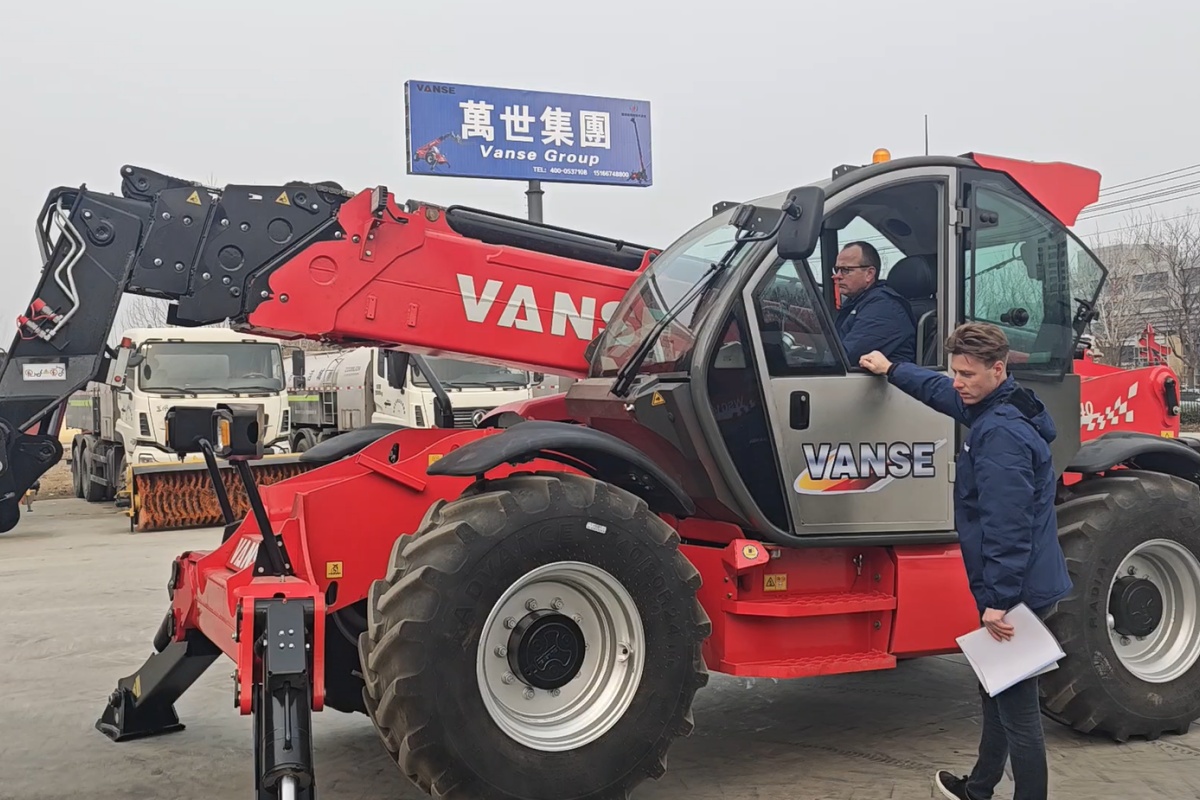
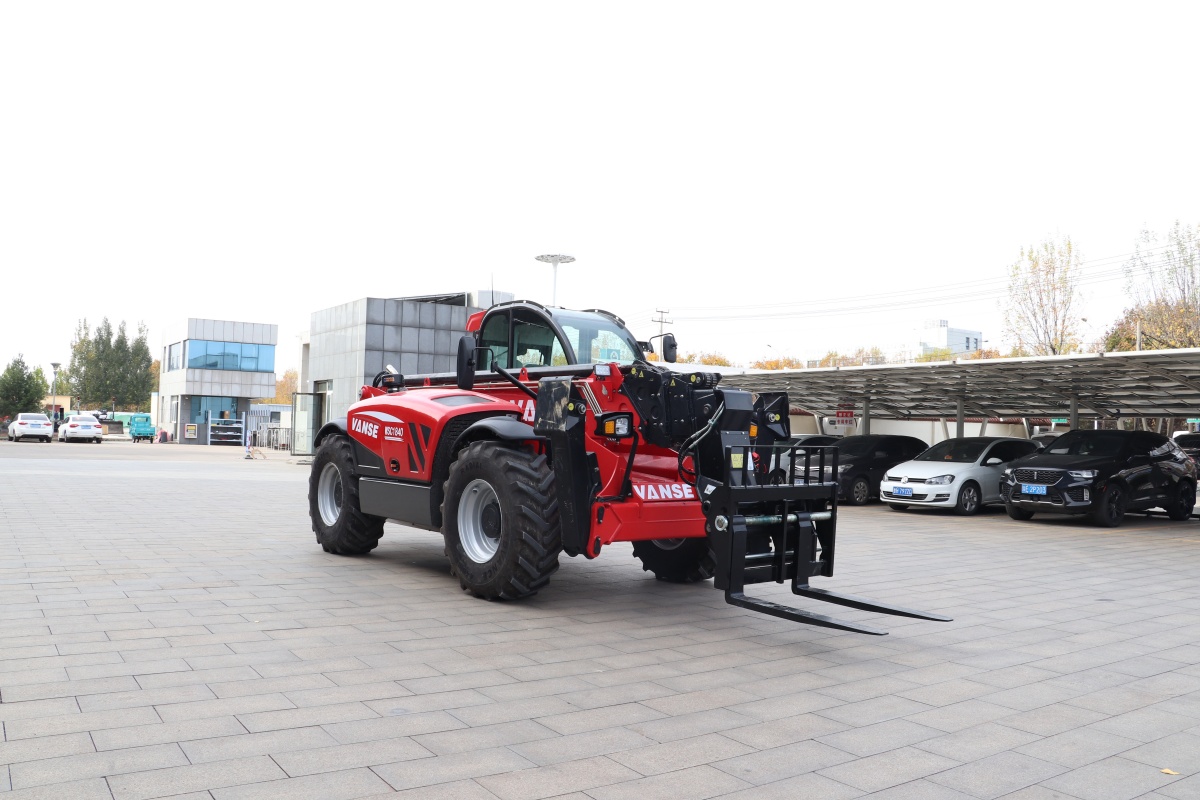
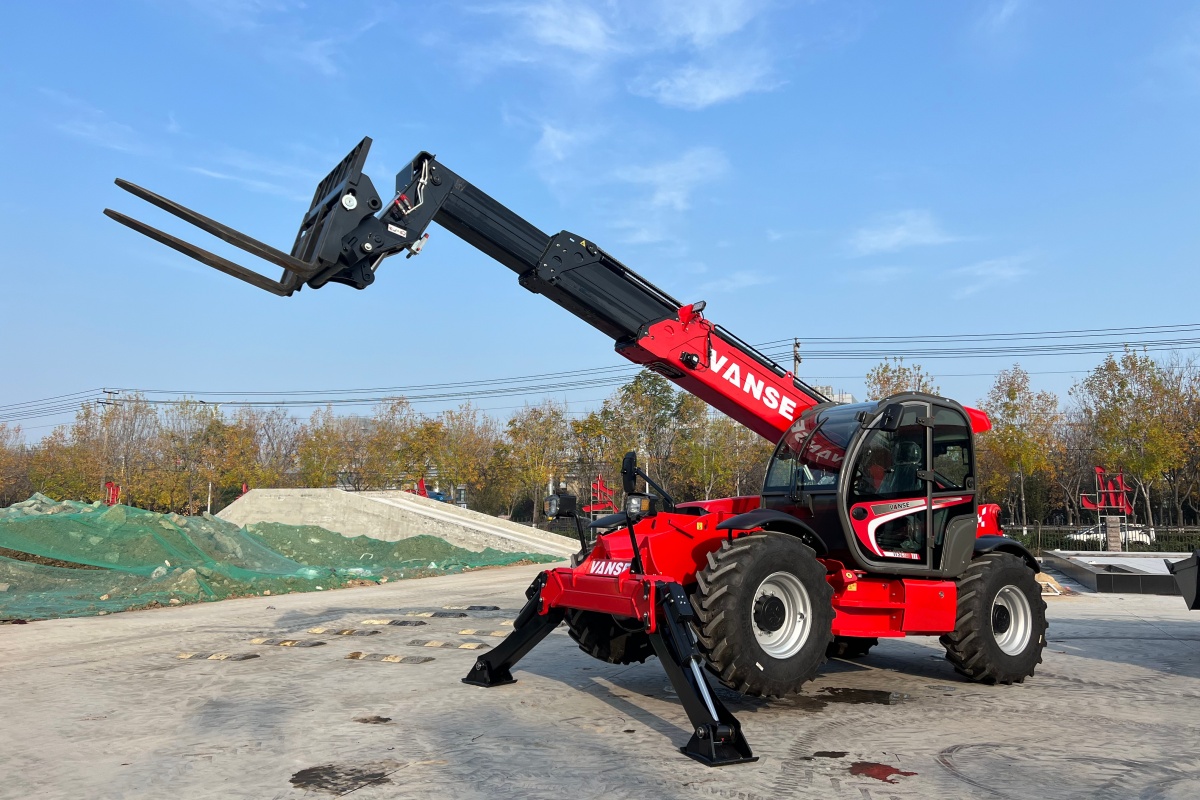
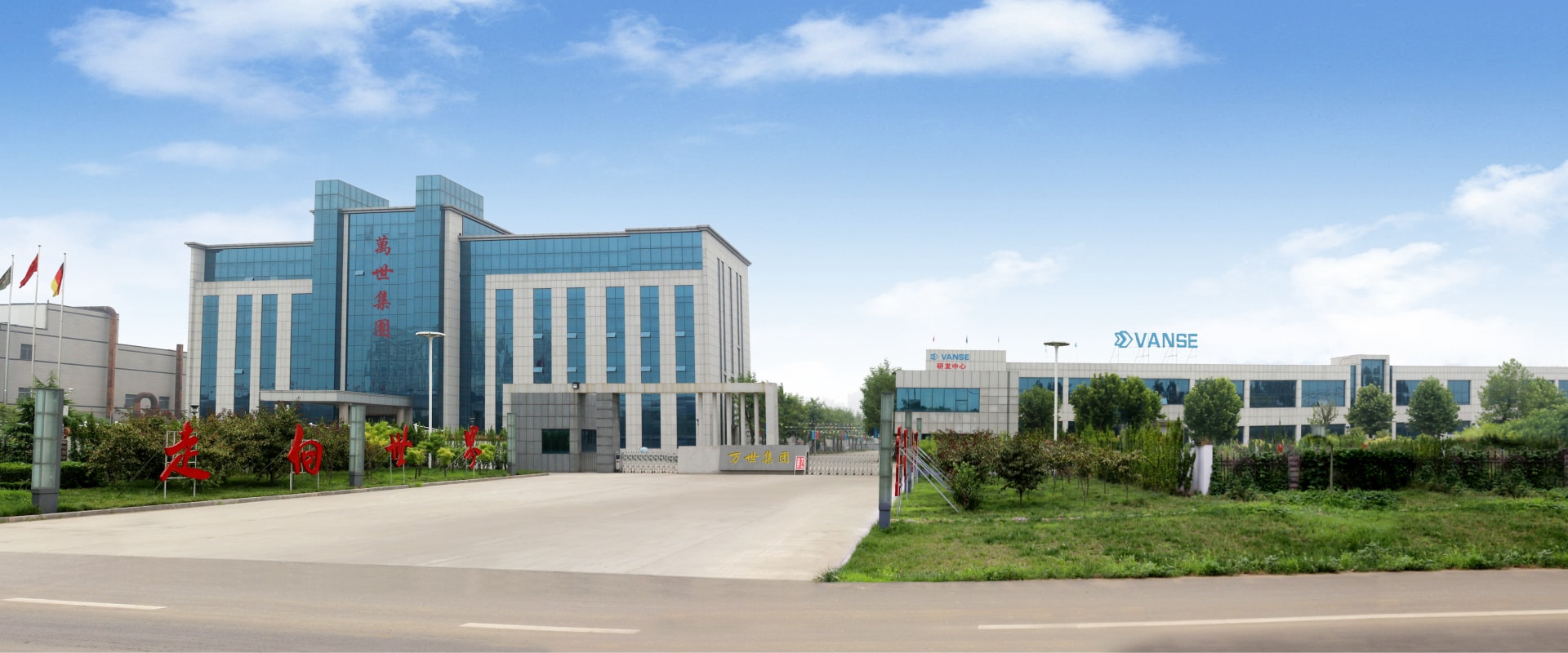
For buyers in the United States evaluating an electric telehandler alongside broader telescopic handler options, VANSE Group presents a telehandler-centered manufacturing model backed by measurable operating evidence rather than generic export claims. Founded in 2013, the company has produced more than 8,000 machines and serves customers in more than 40 countries, including North America, which gives U.S. distributors, dealers, rental companies, contractors, and end users a stronger basis for supplier assessment. Its production is managed under CE and ISO 9001 certified systems, and every machine goes through load testing, safety inspection, and performance validation before shipment. VANSE telehandlers are built around globally recognized core components such as Perkins and Cummins engines, together with premium hydraulic systems, transmissions, and axles, which is important for buyers benchmarking against European and American brands on reliability and serviceability. The company supports multiple cooperation models, including OEM, ODM, wholesale, retail, and regional distribution, making it relevant not only to direct equipment users but also to brand owners, private-label partners, and local dealer networks seeking specification, color, and branding customization. For the U.S. market, VANSE is actively establishing a local subsidiary with inventory, stocking, and after-sales capability to strengthen physical presence and shorten response time, while also providing online pre-sale consultation, technical support, and structured after-sales assistance through its expanding North American operations. Buyers exploring equipment solutions can review the company background at the company page, evaluate lifecycle support through service resources, and contact the team through the U.S.-focused inquiry channel for project matching, dealership discussion, or OEM and ODM cooperation.
Buying Advice for Contractors, Dealers, and Fleet Owners
For contractors, the best purchase decision usually comes down to matching one machine to a repeatable set of jobs. If you mainly work in enclosed commercial interiors, schools, hospitals, data centers, and occupied buildings, an electric telehandler can create real project advantages. If your work is mostly heavy outdoor rough-terrain lifting over long shifts with little access to charging, keep electric limited to selected jobs or pilot units.
For dealers and distributors, the opportunity is broader. Electric telehandlers can open growth in metro areas with stronger sustainability expectations and in industries where diesel alternatives are less attractive. However, dealer success depends on training technicians early, stocking common electrical and hydraulic service items, and explaining runtime honestly rather than overselling. Private-label and regional distribution partnerships can be attractive when the manufacturer offers stable production, engineering support, and traceable quality systems.
For rental fleets, utilization forecasting is everything. A fleet should place electric telehandlers where branch teams understand the customer base, can explain charging requirements, and can support recoveries if the machine is returned with battery issues or site-power limitations. It is better to deploy fewer units into high-fit urban and industrial accounts than to spread inventory across branches with no electric-ready demand.
Frequently Asked Questions
Are electric telehandlers practical in the United States today?
Yes, but mainly in the right applications. They are practical for indoor work, enclosed construction zones, low-noise urban sites, industrial facilities, campuses, and selected agricultural environments. They are less ideal for nonstop heavy-duty rough-terrain use without charging access.
Which U.S. regions are most active for electric telehandler demand?
California, the Northeast, and major urban logistics corridors are currently the strongest areas. Interest is also increasing in Texas, Florida, Illinois, Georgia, and Mid-Atlantic industrial markets where buyers balance productivity, compliance, and sustainability targets.
What is more important: purchase price or service support?
Service support usually has a bigger impact on ownership success. A lower-priced machine can become more expensive quickly if parts are delayed, local technicians are unavailable, or fault diagnosis is unclear.
Can an international supplier be a safe choice for the U.S. market?
Yes, if the supplier can prove certifications, testing standards, export experience, component quality, and local support planning. Buyers should verify warehouse strategy, warranty handling, technician response, and spare parts availability before ordering.
What should dealers ask before taking on a new electric telehandler brand?
Dealers should ask about training, fault-code support, parts stocking, battery warranty terms, regional exclusivity, marketing support, lead times, and customization options. They should also confirm whether the supplier understands U.S. customer expectations and compliance practices.
Will 2026 bring faster adoption?
Most likely yes. Better charging options, stronger telematics, public procurement pressure, ESG reporting, and improving operator acceptance are all expected to move electric telehandlers from niche interest into a standard category in more buying processes.
Complete Telescopic Handler Equipment Portfolio
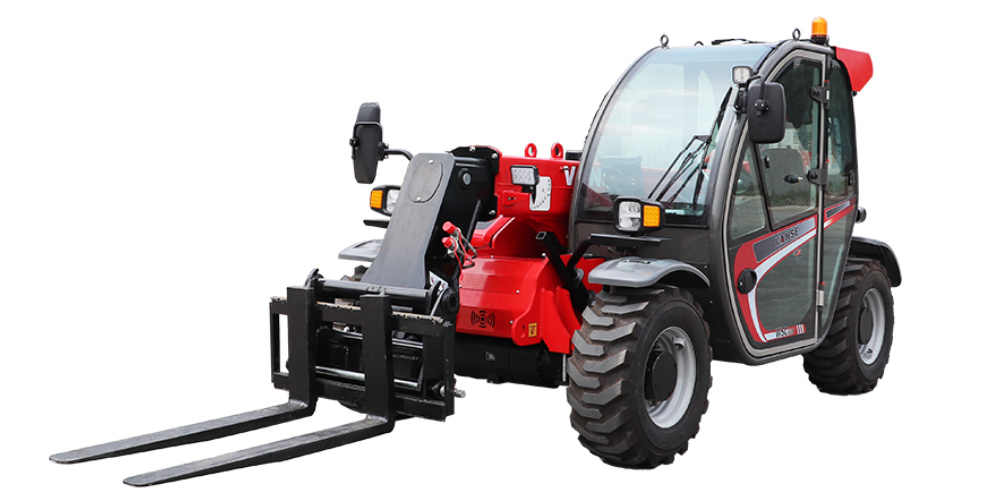
VANSE 625 6m Telescopic Handler
Designed for efficient material handling and stacking in warehouses, factories, and confined job sites, offering compact maneuverability and reliable performance.

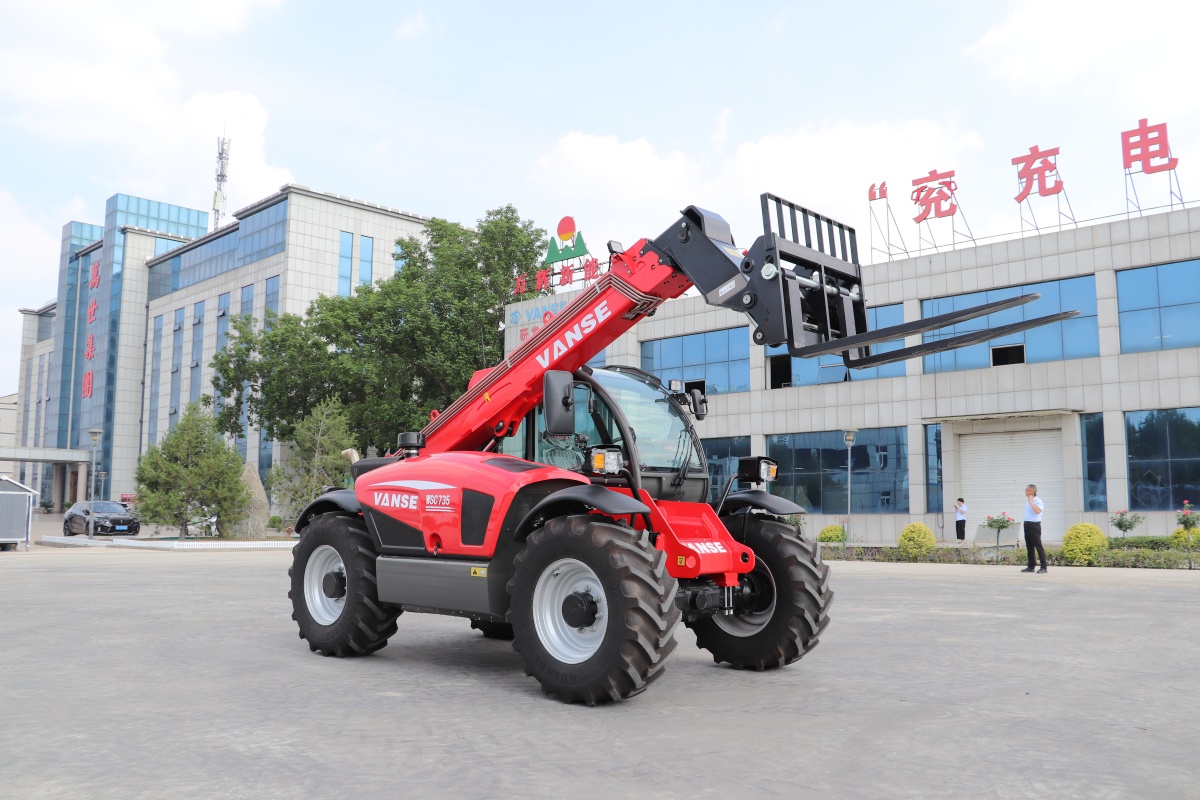
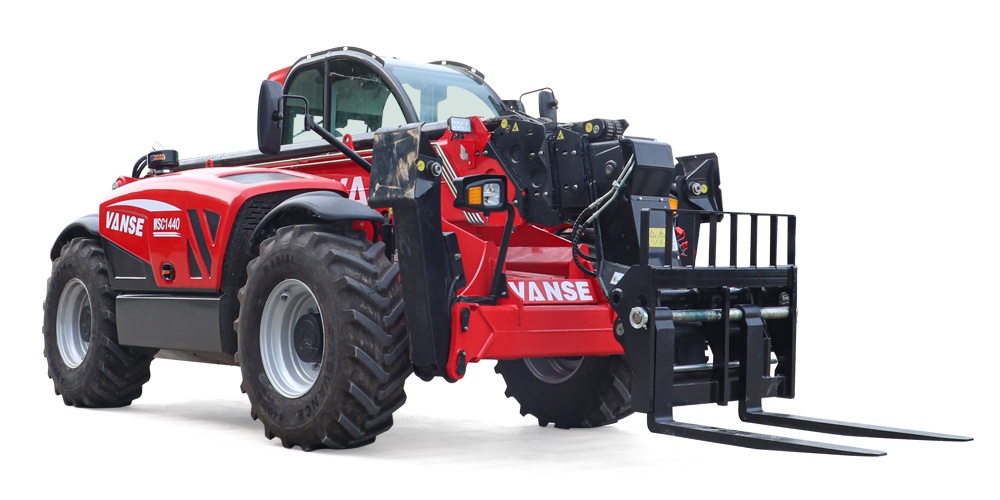
VANSE 735 7m Telescopic Handler
A balanced mid-duty solution for construction, agriculture, logistics, and warehousing, combining stable lifting, strong traction, and everyday versatility.


About the Author:
The VANSE team is a group of experienced professionals specializing in construction machinery research, manufacturing, and technical support. With deep industry knowledge and hands-on experience, our engineers and product specialists share practical insights on equipment selection, operation, maintenance, and industry trends.
Share
You May Also Interest
-

24 July, 2026
Telehandler for Landscaping: Outdoor Project Efficiency
Explore telehandler landscaping options in the United States, including suppliers, applications, costs, and buying advice for efficient outdoor projects.
-
23 July, 2026
6 Meter Telehandler: Ideal Mid-Rise Lift for All Sites
Explore 6 meter telehandler options in the United States, including top suppliers, key specs, applications, pricing factors, and buying tips for local buyers.
-
22 July, 2026
7 Meter Telehandler: Versatile Reach for Any Work Site
Find the right 7 meter telehandler for United States projects with supplier comparisons, use cases, pricing guidance, and local service insights.
-
21 July, 2026
Telehandler Operator Training: Certification Guide 2026
Telehandler operator training in the United States for 2026: certification steps, OSHA compliance, costs, providers, and practical buying guidance.