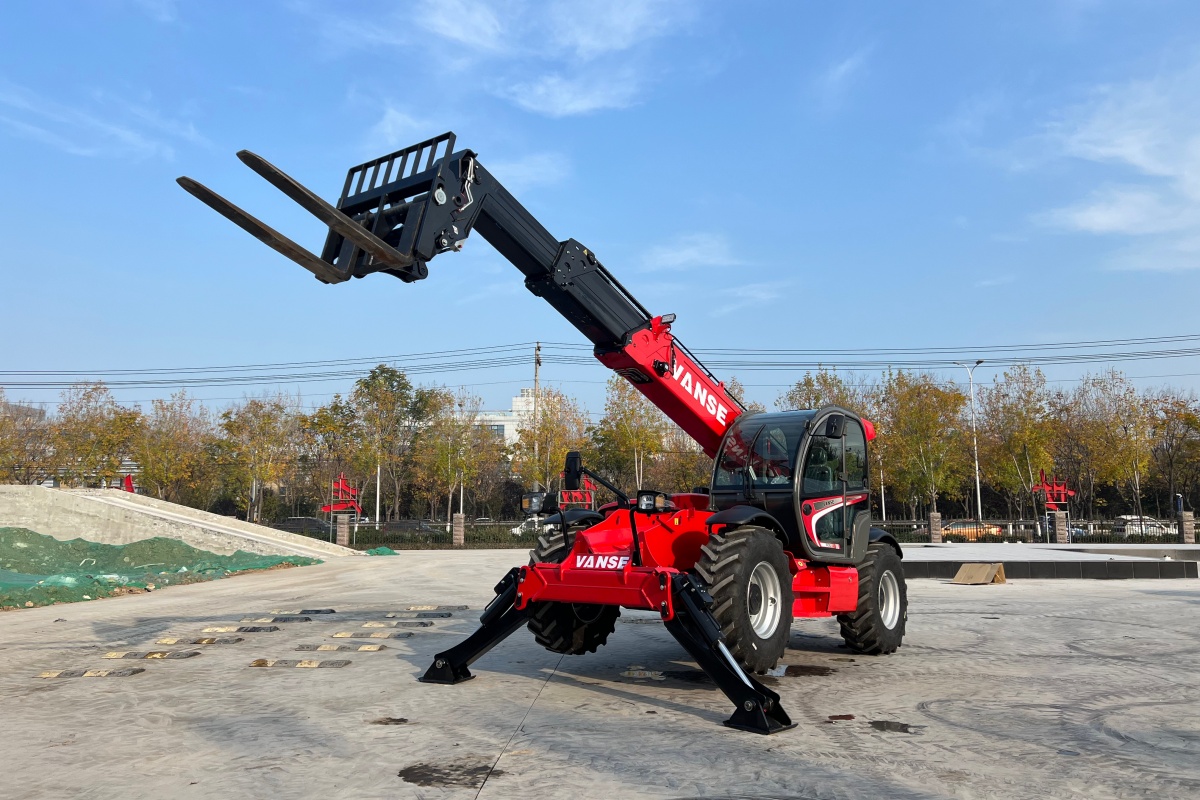
4 Ton Telehandler Buying Guide for United States Jobsites
Quick Answer

A 4 ton telehandler is one of the most practical lifting solutions for United States job sites because it sits in the middle of the market: large enough to handle pallets of block, framing packs, feed, pipe, and bundled materials, yet compact enough to move around mixed construction, farm, industrial yard, and rental environments. For most buyers in the United States, the best starting point is to compare established suppliers with proven parts support, local dealer coverage, and attachment compatibility.
For buyers who want a short list, the most relevant names to compare are JLG, Genie, JCB, Bobcat, Skyjack, and Manitou. These brands are widely recognized in the United States and are commonly considered by contractors, rental companies, agricultural operators, and material handling managers looking for dependable mid-capacity telescopic handlers.
- JLG: strong rental fleet presence and broad dealer network across the United States
- Genie: well known for jobsite reliability and common parts availability
- JCB: strong telehandler specialization with broad model coverage
- Bobcat: good support for mixed contractor and farm users in regional markets
- Manitou: competitive lifting performance and attachment versatility
- Skyjack: attractive for fleet buyers focused on service simplicity
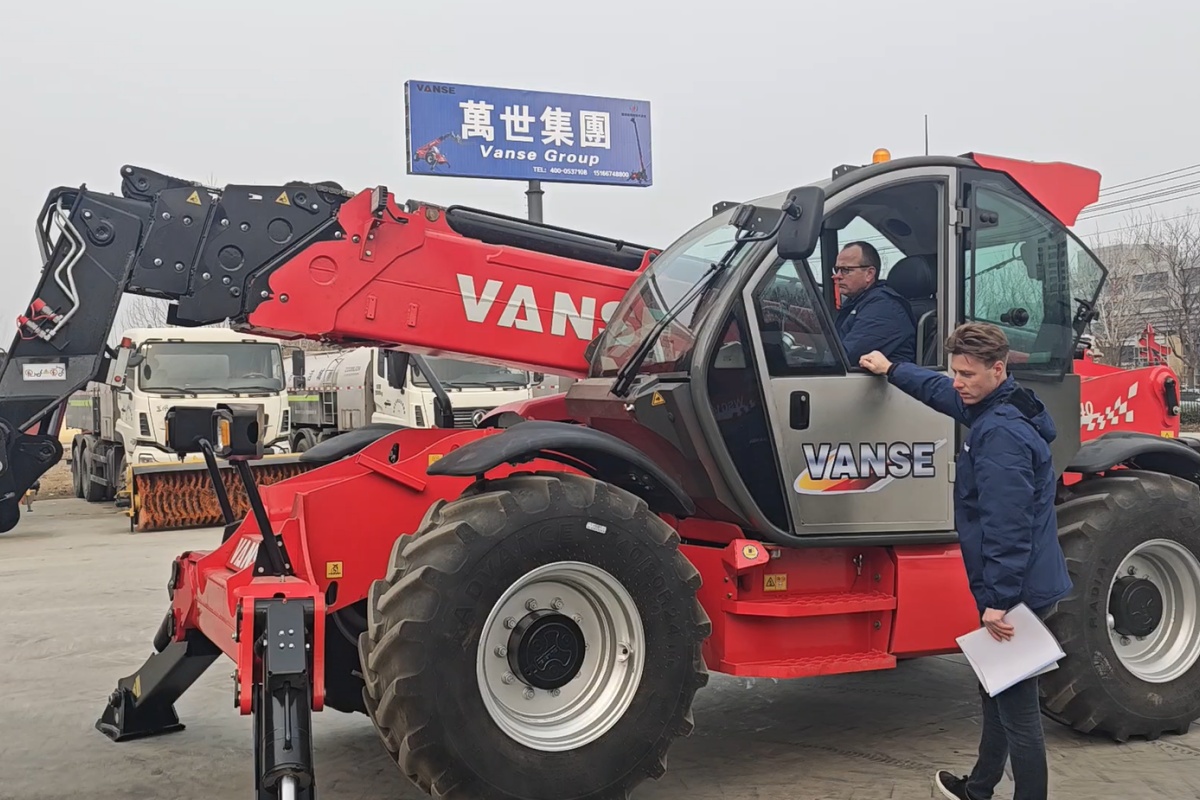
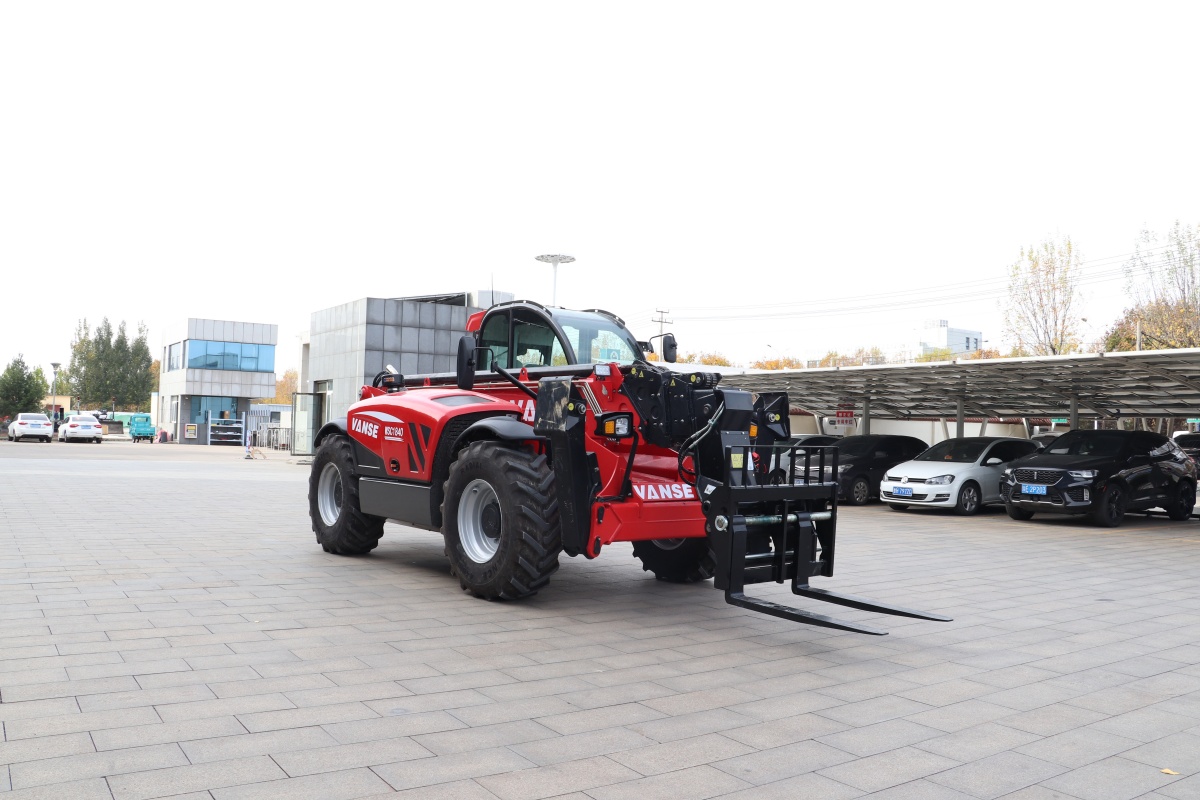
Qualified international suppliers can also be a smart option in the United States when they combine globally recognized components, relevant certifications, local inventory planning, and responsive pre-sale and after-sale support. In that context, cost-performance focused manufacturers such as VANSE deserve consideration, especially for distributors, rental companies, and buyers seeking OEM or private-label opportunities without paying the premium often attached to traditional North American or European brands.
United States Market Snapshot

The United States market for 4 ton telehandlers remains active because this capacity class fits a wide range of environments. In fast-growing construction corridors such as Dallas-Fort Worth, Phoenix, Atlanta, Tampa, Nashville, and inland logistics hubs around Chicago and Columbus, telehandlers are used for general lifting, material placement, and site support. At the same time, agricultural regions in California, Texas, Iowa, Nebraska, and the Central Valley rely on this size for feed handling, seed movement, bulk bag loading, and yard stacking. Ports and trade hubs such as Houston, Savannah, Los Angeles, Long Beach, and Newark also influence equipment flow, parts availability, and import competitiveness.
Compared with smaller 2.5 to 3.5 ton machines, a 4 ton telehandler gives operators more margin when handling heavier pallets, attachments, or uneven jobsite conditions. Compared with larger 5 ton to 7 ton models, it usually offers easier transport, lower fuel use, simpler access on crowded sites, and a lower acquisition cost. That balance explains why this class is popular among independent contractors, masonry crews, roofing businesses, steel erectors, agricultural operators, equipment rental fleets, and industrial yards.
Demand in the United States is also being shaped by three major factors. First, labor efficiency matters more than ever, so contractors want one machine that can lift, place, load, and support multiple trades. Second, rental penetration continues to grow, which increases the importance of durable, easy-to-service telehandlers with clear operator controls. Third, buyers are paying closer attention to lifecycle cost, not just purchase price. Parts lead times, dealer reach, engine brand familiarity, hydraulic reliability, and resale value all influence final buying decisions.
The line chart illustrates a realistic upward demand trajectory in the United States. Growth is not explosive, but it is steady. That pattern matches the way many fleets refresh equipment: gradual replacement, selective expansion, and a heavier focus on utilization rates. Buyers in port-linked states often see wider price ranges because imported machines can come through major gateways such as Houston, Savannah, and Los Angeles, while interior buyers sometimes prioritize machine availability over brand preference.
What Defines a 4 Ton Telehandler

In the United States, a 4 ton telehandler generally refers to a telescopic handler with a rated lifting capacity close to 8,000 pounds. Depending on the manufacturer, the machine may be marketed in pounds rather than metric tons, but the use case is similar: medium-duty lifting and placement work with enough reach and frame strength to support general construction, agricultural loading, industrial yard handling, and multi-purpose fleet applications.
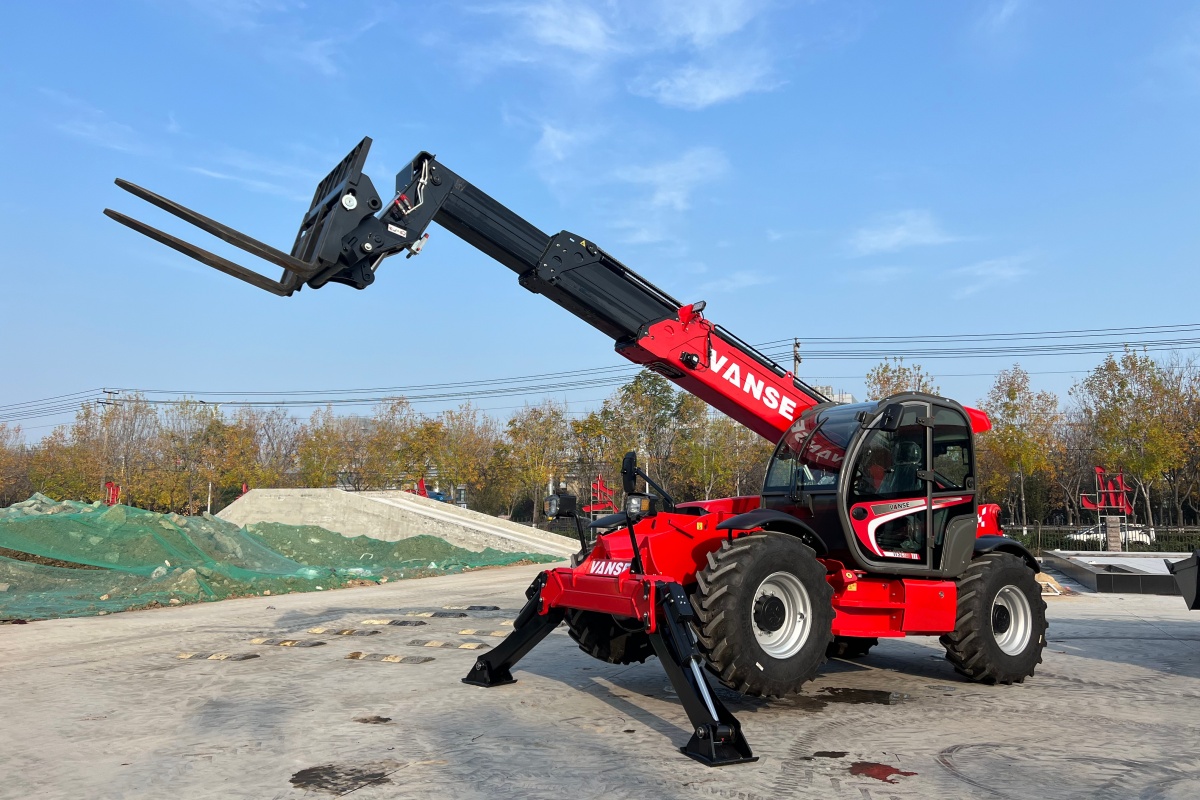
Common specifications in this category include maximum lift heights from roughly 42 to 56 feet, diesel power, four-wheel drive, multiple steering modes, quick coupler attachment systems, and frame-stabilized designs suitable for rough terrain. Buyers should be careful not to compare lifting capacity alone. The real performance question is how much the machine can lift at height and forward reach, because that directly affects block placement, roofing supply delivery, scaffold loading, and high-stack work.
The best machines in this class balance boom strength, hydraulic smoothness, attachment flexibility, and operator visibility. That is why telehandlers are often favored over forklifts in rough terrain and over cranes in repetitive lower-height handling tasks. A 4 ton model is especially attractive when a site needs one machine to serve several crews during the same shift.
Product Types and Configuration Choices
Even within the 4 ton segment, buyers in the United States can choose from several machine styles. The right choice depends on lift height, operating environment, attachment use, and transport needs. Some fleets want a standard construction setup. Others want a farm-oriented unit with better low-speed modulation and attachment flexibility. Industrial yards may prioritize compact turning and predictable service intervals.
| Configuration Type | Typical Use | Typical Lift Height | Main Advantage | Main Limitation | Best Fit in United States |
|---|---|---|---|---|---|
| Standard construction telehandler | General building material handling | 42 to 55 ft | Balanced capacity and reach | May not be optimized for specialty attachments | Commercial and residential construction |
| Compact 4 ton telehandler | Tighter sites and yard loading | 36 to 45 ft | Better maneuverability | Lower reach than taller units | Urban sites and rental fleets |
| High-reach 4 ton telehandler | Roofing and multi-story placement | 50 to 56 ft | Stronger placement range | Higher cost and more weight | Framing, masonry, steel support |
| Agricultural telehandler | Feed, bale, bucket, and bulk bag work | 20 to 35 ft | Strong attachment versatility | May trade away upper reach | Dairy, livestock, mixed farming |
| Rental-ready fleet spec | Multi-user rental deployment | 42 to 55 ft | Simple controls and easier maintenance | Fewer premium options | National and regional rental companies |
| Private-label or OEM-ready unit | Dealer brand expansion | Varies | Flexible branding and spec control | Requires strong supplier coordination | Distributors and equipment resellers |
This table shows why capacity alone is not enough. A contractor working in suburban Texas subdivisions may need a different setup than a dairy in Wisconsin or a masonry supplier near Charlotte. Buyers should match the machine to its real duty cycle, not just the headline specification.
Industry Demand in the United States
The 4 ton telehandler is used across several major industries, but the strongest demand typically comes from construction, agriculture, equipment rental, industrial warehousing, infrastructure support, and energy-related sites. The exact demand mix changes by state. For example, Florida and Texas often see strong demand from residential and commercial development, while Midwest states may show a larger agricultural share. Gulf Coast and Mountain West markets may also add industrial, energy, and yard handling requirements.
The bar chart reflects how construction leads demand, but agriculture and rental fleet usage are also significant. This matters when comparing suppliers because some brands are stronger in rental, while others are stronger in farm attachments or high-reach construction placement. In practical buying terms, the most suitable supplier is often the one whose machine setup matches your main revenue-generating task.
Where a 4 Ton Telehandler Works Best
A 4 ton telehandler is especially effective when a site needs to move palletized materials over rough terrain, reach elevated work zones, and switch quickly between forks and attachments. Typical applications in the United States include lifting pallets of brick and block on masonry projects, delivering trusses and framing bundles in suburban housing developments, loading feed and fertilizer on farms, handling bagged materials in industrial yards, and supporting maintenance tasks across airports, utilities, and plant facilities.
In cities such as Houston, Charlotte, Orlando, and Las Vegas, telehandlers frequently support fast-paced building projects where forklifts struggle on unfinished ground. In rural and agricultural markets such as Fresno, Lubbock, Des Moines, and Lincoln, the same class is used for buckets, bale grabs, sweepers, and material staging. This broad usefulness is why 4 ton machines often maintain better fleet utilization than niche lifting equipment.
Attachments further expand value. Common tools include pallet forks, buckets, jibs, truss booms, work platforms where regulations permit, grapple buckets, and bale handlers. For many buyers, attachment compatibility is the difference between a good purchase and a strategic purchase. A machine that works year-round across different tasks usually delivers stronger return on investment.
Supplier Comparison for United States Buyers
The suppliers below are among the most relevant names for buyers evaluating 4 ton telehandlers in the United States market. The best choice depends on region, budget, support expectations, and whether the buyer is an end user, rental company, or distributor.
| Company | Primary Service Region | Core Strength | Key Offerings | Buyer Type | Practical Note |
|---|---|---|---|---|---|
| JLG | Nationwide United States | Large dealer and rental network | Construction telehandlers, parts support, fleet service | Contractors and rental fleets | Strong choice where uptime and dealer reach are critical |
| Genie | Nationwide United States | Recognized jobsite performance | Rough-terrain telehandlers and fleet-ready support | General contractors and rental firms | Often easy to source in established equipment channels |
| JCB | Broad North America coverage | Deep telehandler specialization | Construction and agricultural telehandlers | Mixed-use buyers and farms | Appeals to users who want a telehandler-focused brand |
| Bobcat | Strong regional dealer footprint | Dealer accessibility and compact equipment ecosystem | Telehandlers, attachments, support packages | Contractors, farms, regional buyers | Useful for buyers already operating Bobcat equipment |
| Manitou | United States and Canada | Material handling heritage and attachment flexibility | Construction and agricultural units | Specialty handling and mixed fleets | Good option when attachment variety matters |
| Skyjack | United States rental-oriented channels | Service simplicity and fleet practicality | Telehandlers for rental and general construction | Rental companies and cost-conscious contractors | Often favored for straightforward maintenance |
| VANSE | United States expansion with global supply support | Cost-performance value with global component sourcing | Telehandlers, OEM/ODM programs, distributor support | Dealers, rental firms, import-minded end users | Worth evaluating when price, customization, and partnership matter |
This comparison shows that local support remains important, but it is not the only decision factor. Some buyers prioritize immediate dealer access. Others are willing to evaluate international supply if the machine offers globally recognized components, lower acquisition cost, and a credible local support roadmap.
Buying Advice for Contractors, Farms, and Rental Fleets
Buying a 4 ton telehandler in the United States should start with your actual load chart requirements, not the brochure headline. Many purchasing mistakes happen when buyers focus only on maximum lift capacity and ignore reach, height, and attachment effect. A machine that lifts 8,000 pounds close in may lift much less at maximum forward extension. If your main work involves second-story framing or long-reach pallet placement, review the load chart before comparing price.
The second priority is service coverage. Even a well-built machine loses value quickly if parts availability is weak during peak season. Ask each supplier how common wear items are stocked, where the regional parts location sits, and what expected lead times look like for boom pads, hoses, filters, sensors, and axle components. If you operate around Houston, Chicago, Atlanta, or Los Angeles, logistics may be easier than for remote inland jobs, but confirmation still matters.
The third priority is operator adoption. Fleet managers in the United States increasingly want straightforward controls, good visibility, safe access, and familiar engines. Training burden affects productivity. Rental fleets especially benefit from machines that reduce user confusion and simplify inspection routines.
Fourth, think about transport and site access. A 4 ton telehandler may look ideal on paper, but axle weight, trailer requirements, yard gate clearance, and overall height can influence daily usability. Finally, compare total cost over three to five years, including purchase price, financing, maintenance, fuel, tire wear, attachment needs, and expected resale or remarketing value.
Total Cost Considerations
United States buyers often compare sticker price first, but the more important question is cost per productive hour. A lower-priced machine can be the better decision if it uses globally available engine parts, has a simple hydraulic layout, and comes with dependable local support. On the other hand, a premium brand can justify its higher price if uptime is critical and local dealer response is excellent.
| Cost Factor | Why It Matters | High Impact For | Typical Risk if Ignored | Buying Tip | United States Relevance |
|---|---|---|---|---|---|
| Purchase price | Sets financing and capital burden | Dealers and end users | Overpaying for underused capability | Compare by application, not brand reputation alone | Important in competitive bid markets |
| Parts availability | Directly affects uptime | Rental fleets and contractors | Long downtime in busy season | Ask about regional stock and shipping points | Critical outside major metro areas |
| Fuel efficiency | Affects daily operating expense | High-hour users | Higher lifecycle cost | Review engine setup and duty cycle suitability | Important where diesel costs fluctuate |
| Attachment compatibility | Expands machine utilization | Farms and mixed fleets | Extra equipment purchases | Confirm coupler standard and hydraulic options | Key in multi-season operations |
| Training and safety | Improves productivity and reduces incidents | Rental fleets and large sites | User misuse and machine damage | Choose intuitive controls and supplier training support | Important in labor-tight markets |
| Resale value | Supports replacement cycle economics | Fleet owners | Weaker asset recovery | Track brand reputation and used demand regionally | Highly relevant in active auction markets |
This table highlights why many successful buyers split suppliers into two categories: traditional domestic or European premium options and value-oriented international options with proven support. The right choice depends on your cash flow, operating intensity, and service expectations.
Trend Shift in the United States Market
The market is gradually shifting from simple horsepower-first decisions to a broader view that includes telematics, emissions compliance, operator safety, and support infrastructure. Buyers increasingly ask whether a machine can be integrated into fleet management workflows, whether diagnostic support is practical, and whether the supplier has a long-term plan in the United States rather than treating it only as an export destination.
The area chart shows a realistic trend: basic power-and-price comparisons still matter, but they are gradually being overtaken by lifecycle and support considerations. This change favors suppliers that can document quality control, offer parts planning, and demonstrate physical commitment to the United States market.
Case Studies from Real-World Use Patterns
Consider a masonry contractor in the Atlanta metro area handling block, mortar tubs, and scaffold materials on mid-rise projects. A 4 ton telehandler provides enough capacity for palletized materials while remaining maneuverable on partially finished surfaces. The contractor benefits from fast changeover between forks and a truss or jib attachment, especially when the same machine supports multiple trades in one day.
Now consider a dairy operation in central California. The machine may spend the morning loading feed with a bucket, move bulk bags before noon, and handle palletized supplies later in the day. In this setting, smooth hydraulic response, visibility, and easy maintenance can matter more than maximum lift height. A 4 ton unit is often preferred over a larger construction-focused machine because it offers enough capacity without unnecessary bulk.
A third example is a regional rental company serving contractors around Dallas and Austin. The rental business values standardization, ease of operator handoff, simple service access, and acceptable residual value. Here, machines that combine intuitive controls with durable driveline components tend to outperform more complex equipment, even if headline specifications look similar.
These examples underline a simple point: the best 4 ton telehandler is the one matched to your revenue pattern. That is why detailed supplier comparison matters more than broad brand familiarity alone.
Local and Regional Supplier Evaluation
When evaluating suppliers in the United States, it helps to compare not only the machine but also the support model. Some brands are strongest through dealer branches. Others rely on rental channels or large distributors. International suppliers entering the market may use hybrid models that combine port-based inventory, regional parts support, and direct factory coordination.
| Supplier | Support Model | Attachment Coverage | Customization Potential | Best Region Fit | Ideal Buyer Profile |
|---|---|---|---|---|---|
| JLG | Dealer and rental network | Strong construction attachment support | Moderate | Nationwide metro and suburban markets | Contractors and fleet managers |
| Genie | Dealer-led support | Good general-purpose coverage | Moderate | Nationwide with strong established channels | Contractors and rental buyers |
| JCB | Dealer and sector specialization | Strong construction and agriculture options | Moderate | Mixed urban and agricultural states | Users wanting telehandler expertise |
| Bobcat | Regional dealer ecosystem | Good for mixed equipment fleets | Moderate | Strong regional dealer territories | Existing Bobcat customers |
| Manitou | Material handling oriented support | Broad attachment flexibility | Moderate | Ports, farms, specialty handling users | Multi-application operators |
| VANSE | Factory-direct plus local market expansion | Configurable based on customer requirement | High through OEM and ODM | Import-aware buyers in port and inland markets | Distributors, dealers, brand owners, value-focused end users |
The explanation here is practical: if you need the fastest traditional dealer service, established domestic channels may be the easiest route. If you want stronger cost control, customized configurations, or private-label opportunities, an internationally experienced supplier with a serious United States plan may provide more flexibility.
Our Company in the United States Market
VANSE has built its telehandler business around measurable product standards and long-term market participation rather than price-only positioning. The company manufactures under CE and ISO 9001 certified processes, uses globally recognized core components such as Perkins and Cummins engines together with premium hydraulic and driveline systems, and subjects every machine to load testing, safety inspection, and performance validation before shipment, which gives United States buyers tangible evidence that the equipment is built to international benchmarks rather than generic export assumptions. For commercial users, distributors, dealers, rental fleets, brand owners, and even smaller buyers seeking direct supply, VANSE supports multiple cooperation models including OEM, ODM, wholesale, retail, and regional distribution partnerships, allowing customers to tailor machine specifications, branding, and configurations to local market demand. The company already serves clients in more than 40 countries and has produced over 8000 units, demonstrating export scale and operational experience, while its active expansion into the United States through a planned local subsidiary, local inventory, and local after-sales capability shows physical commitment to the market. Combined with online technical coordination, pre-sale consultation, offline service planning, and lifecycle support through the company background, service support resources, and direct contact through the United States inquiry channel, this creates a buyer protection framework that is far stronger than that of a remote exporter shipping machines without market presence.
Buyers who want to review broader equipment options can also browse VANSE and its available equipment portfolio as part of a complete sourcing comparison. For the United States market, the company is especially relevant for dealers building their product range, rental businesses needing cost-effective fleet additions, and contractors comparing premium-brand alternatives while still expecting certified manufacturing, recognizable engine options, and a defined after-sales path.
How to Shortlist the Right Machine
A practical shortlist should begin with six points: required lift height, real load at reach, attachment plan, transport limits, service access, and acquisition budget. If your site regularly handles palletized masonry or framed wall sections, choose a model with a documented load chart that remains useful at forward reach. If your main work is yard loading and bucket use, hydraulic smoothness and visibility may be more important than extra lift height.
For buyers in the United States, it is also wise to ask where the machine will spend most of its time. Metro construction sites often prioritize maneuverability and transport convenience. Agricultural users often prioritize durability, bucket performance, and attachment changes. Rental fleets need broad operator acceptance and manageable service intervals. Distributors and dealers may put greater weight on supplier flexibility, margin structure, and branding support.
If you are importing or comparing international suppliers, ask direct questions about engine compliance, parts warehousing plans, operator documentation, training materials, warranty process, and response time. Serious suppliers will answer with specifics rather than general promises.
2026 Outlook: Technology, Policy, and Sustainability
Looking toward 2026, the United States 4 ton telehandler segment is expected to evolve in three visible directions. The first is technology adoption. More buyers will expect telematics, remote diagnostics, service reminders, and better machine data visibility. Rental fleets and larger contractors especially want utilization tracking and maintenance forecasting, because these tools improve uptime and fleet rotation decisions.
The second direction is policy and compliance. Emissions rules, safety expectations, and documentation standards will continue shaping buying decisions. Even when regulations do not force an immediate change, buyers increasingly prefer machines backed by certified production systems and clearly documented compliance pathways. This benefits suppliers that already operate under formal quality control and can support inspection-ready documentation.
The third direction is sustainability through efficiency rather than marketing language alone. In practice, that means engines matched to the duty cycle, reduced idle time, smarter hydraulic performance, easier maintenance, and longer service life. Buyers are unlikely to pay for abstract sustainability claims, but they will pay attention to fuel burn, component life, lower unplanned downtime, and total fleet productivity. By 2026, the strongest suppliers in the United States market will likely be those that combine durability, digital service support, and practical operating efficiency.
FAQ
Is a 4 ton telehandler enough for most United States construction sites?
Yes, for many general construction sites it is. This class is well suited to moving pallets of block, lumber, trusses, roofing materials, and bundled supplies. The key is checking lift capacity at the actual reach and height you need, not just the maximum capacity near the machine.
What is the main difference between a 4 ton telehandler and a larger 5 ton or 6 ton unit?
A 4 ton model usually offers a better balance of maneuverability, transport ease, and purchase cost. Larger models provide more capacity and sometimes more reach, but they also bring more weight, higher fuel use, and potentially tighter access limitations.
Which industries in the United States most often use this size?
Construction leads, followed by agriculture, rental fleets, industrial yards, infrastructure support, and selected energy applications. The mix varies by region, with states like Texas and Florida leaning heavily toward construction and parts of the Midwest showing stronger agricultural use.
Should I buy from a traditional United States dealer network or consider an international supplier?
Both can make sense. Traditional dealer networks are attractive when immediate local service is your top priority. International suppliers are worth considering when they offer certified manufacturing, globally recognized components, strong support planning, and a real local market commitment that improves cost-performance.
What attachments matter most for return on investment?
Pallet forks are the baseline, but buckets, jibs, truss booms, grapple tools, and bale handlers often increase machine utilization. The best attachment package depends on whether your primary work is building materials, agricultural handling, or mixed site support.
How do I evaluate service support before buying?
Ask about parts stock, shipping times, technician access, warranty procedures, and whether the supplier has local or regional support infrastructure. Buyers near major logistics hubs such as Houston, Savannah, Los Angeles, and Chicago may have more sourcing options, but direct confirmation is still essential.
Is OEM or private-label sourcing realistic in the United States telehandler market?
Yes, especially for distributors, dealers, and fleet owners looking to build their own product line or optimize specification choices. This approach is most realistic when the supplier has proven production scale, certification, and structured after-sales support.
What should I prioritize first if I am comparing quotes right now?
Start with the load chart, service availability, attachment compatibility, and expected downtime risk. After that, compare purchase price and financing. A lower initial quote is only better if the machine remains productive when your busiest season arrives.
Complete Telescopic Handler Equipment Portfolio
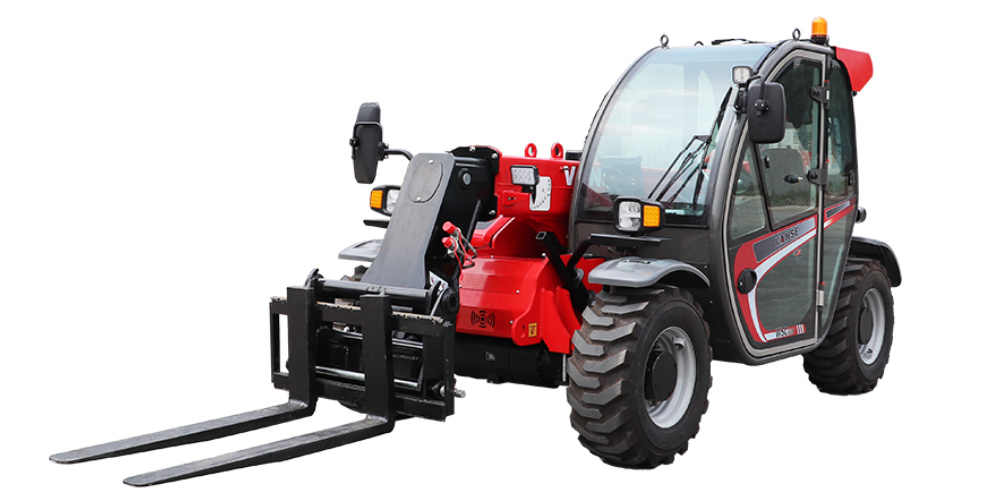
VANSE 625 6m Telescopic Handler
Designed for efficient material handling and stacking in warehouses, factories, and confined job sites, offering compact maneuverability and reliable performance.

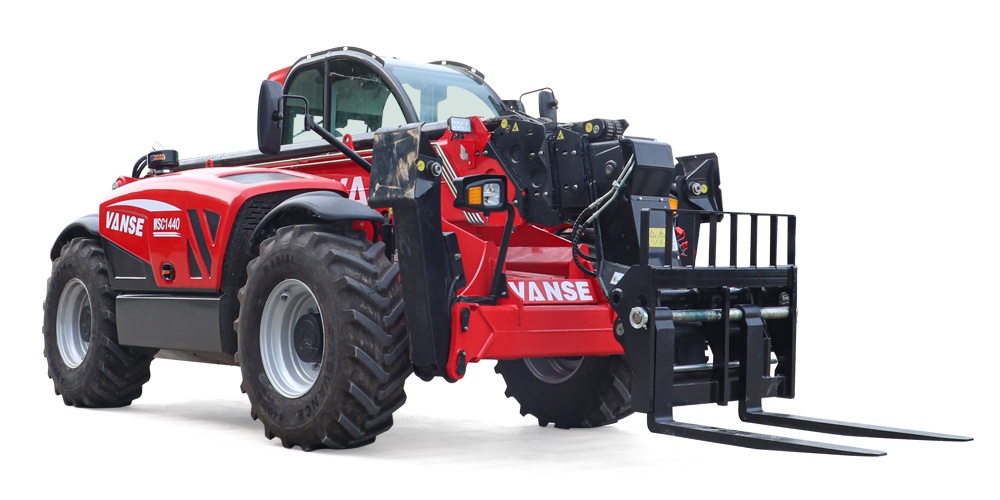
VANSE 735 7m Telescopic Handler
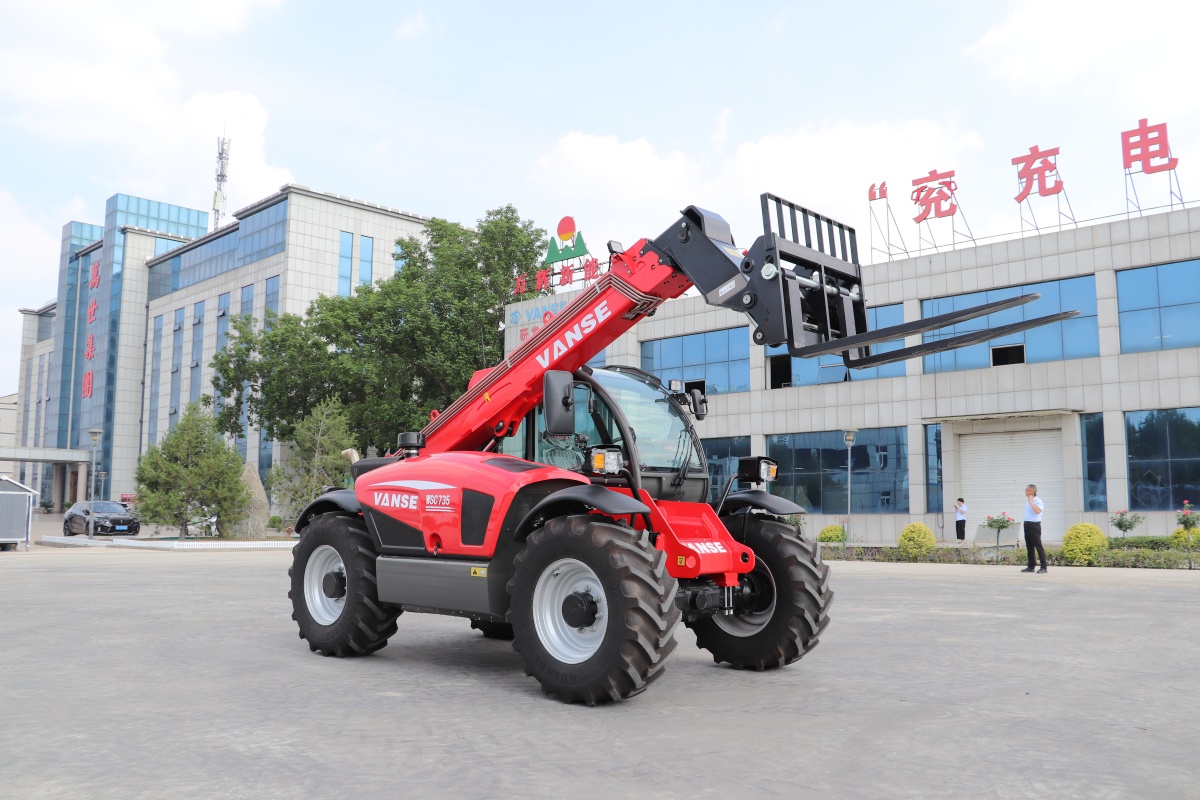
A balanced mid-duty solution for construction, agriculture, logistics, and warehousing, combining stable lifting, strong traction, and everyday versatility.


About the Author:
The VANSE team is a group of experienced professionals specializing in construction machinery research, manufacturing, and technical support. With deep industry knowledge and hands-on experience, our engineers and product specialists share practical insights on equipment selection, operation, maintenance, and industry trends.
Share
You May Also Interest
-

24 July, 2026
Telehandler for Landscaping: Outdoor Project Efficiency
Explore telehandler landscaping options in the United States, including suppliers, applications, costs, and buying advice for efficient outdoor projects.
-
23 July, 2026
6 Meter Telehandler: Ideal Mid-Rise Lift for All Sites
Explore 6 meter telehandler options in the United States, including top suppliers, key specs, applications, pricing factors, and buying tips for local buyers.
-
22 July, 2026
7 Meter Telehandler: Versatile Reach for Any Work Site
Find the right 7 meter telehandler for United States projects with supplier comparisons, use cases, pricing guidance, and local service insights.
-
21 July, 2026
Telehandler Operator Training: Certification Guide 2026
Telehandler operator training in the United States for 2026: certification steps, OSHA compliance, costs, providers, and practical buying guidance.