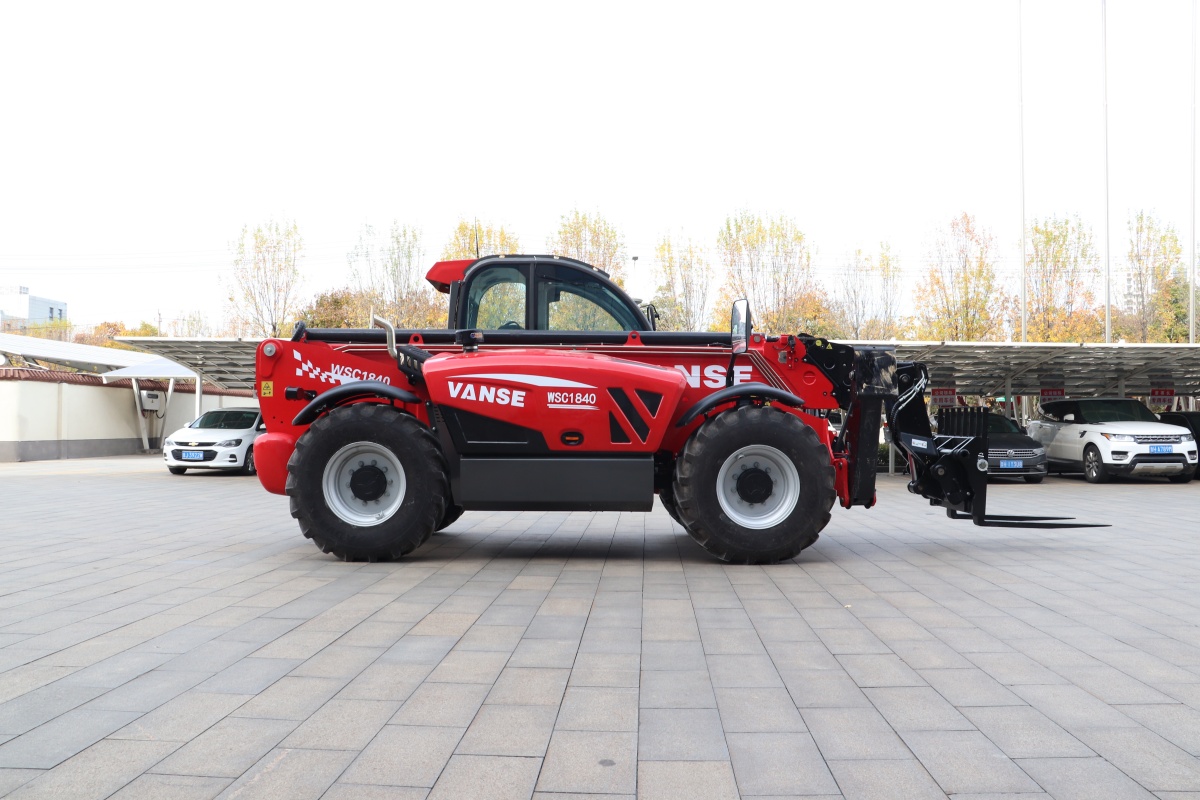
Best 3 Ton Telehandler Options in the United States
Quick Answer

If you need a 3 ton telehandler in the United States, the most practical choices usually come from established suppliers with strong dealer coverage, fast parts access, and proven support for construction, agriculture, industrial yards, and rental fleets. In the U.S. market, buyers often compare JCB, Genie, JLG, Skyjack, Bobcat, and Manitou because these brands are widely recognized for compact lifting performance, operator familiarity, and reliable field service. For buyers focused on budget discipline, fleet expansion, or private labeling, qualified international manufacturers can also be worth considering when they provide recognized certifications, dependable component sourcing, and responsive support. That is especially true when the supplier offers better cost-performance, flexible specifications, and a clear North American service plan.
For immediate action, start by matching lift height, maximum forward reach, enclosed cab needs, attachment compatibility, and local service coverage to your actual jobs. In major markets such as Houston, Dallas, Atlanta, Chicago, Los Angeles, Savannah, and New York-area logistics corridors, dealer response time matters almost as much as machine price. If your use is mixed between construction and material handling, a compact 3 ton telehandler with pallet forks, auxiliary hydraulics, and common tire options is often the safest choice.
United States Market Overview for 3 Ton Telehandlers

The U.S. telehandler market continues to grow because contractors, farms, industrial operators, and rental businesses need one machine that can lift, place, stack, and carry materials across changing ground conditions. A 3 ton telehandler sits in a useful middle range. It is more capable than a small rough-terrain forklift for many outdoor tasks, but it remains compact enough for tighter projects than heavy high-capacity handlers. That balance has made this class increasingly attractive for masonry crews, framing contractors, feed operations, lumber yards, roofing suppliers, and equipment rental companies.
Demand tends to be strongest in high-construction and logistics states such as Texas, Florida, California, Georgia, North Carolina, Arizona, and Tennessee. Port and inland freight hubs such as Houston, Savannah, Long Beach, Charleston, Newark, and Memphis also influence telehandler buying patterns because they support distribution, warehousing, infrastructure, and industrial expansion. In these regions, buyers typically prioritize uptime, fuel efficiency, operator comfort, and quick access to wear parts.
Another important U.S. trend is the widening gap between premium-brand pricing and budget expectations from rental firms and mid-sized contractors. This gap has created room for value-oriented alternatives, including international manufacturers that can document compliance, manufacturing control, and support readiness. The market is no longer driven only by name recognition. Fleet owners now compare total cost of ownership, financing flexibility, attachment availability, and local backup with greater discipline than in the past.
Market Growth Trend

The chart below illustrates a realistic growth pattern for U.S. demand related to compact and mid-capacity telehandlers, including the 3 ton telehandler segment. It reflects steady expansion tied to warehouse construction, infrastructure spending, agricultural mechanization, and rental fleet refresh cycles.
Common 3 Ton Telehandler Types in the United States
Not every 3 ton telehandler is configured the same way. Some are designed mainly for standard pallet work and rough-terrain movement, while others are optimized for greater lift height, tighter turning radius, or easier attachment switching. Understanding the main product types helps buyers avoid overpaying for specifications they do not need.
| Type | Typical U.S. Use | Main Advantage | Possible Limitation | Best Buyer Profile | Common Attachments |
|---|---|---|---|---|---|
| Compact construction telehandler | Residential builds, remodeling, urban jobsites | Easier maneuvering in tight areas | Usually lower maximum height than larger models | General contractors and small rental fleets | Pallet forks, bucket, jib |
| Agricultural telehandler | Feed yards, hay handling, barns, farm maintenance | Versatile for daily multi-task operations | Cab and cooling setup may vary by brand | Livestock and mixed-crop operators | Bale clamp, bucket, forks |
| Rental-ready general purpose unit | Mixed contractor use across many trades | Broad appeal and easier utilization | May not excel in specialized tasks | Equipment rental companies | Forks, truss boom, work platform |
| High-reach 3 ton model | Roofing, framing, elevated placement tasks | More placement flexibility | Can be heavier and costlier | Steel, roofing, and framing crews | Forks, lifting hook, truss boom |
| Industrial yard telehandler | Pipe, lumber, precast, and manufacturing sites | Good reach plus rough ground handling | Less specialized for field agriculture | Industrial users and yards | Forks, bucket, sweeper |
| OEM/ODM private-label model | Distributor and dealer brand programs | Flexible specs and branding | Requires supplier qualification effort | Regional distributors and importers | Custom package options |
This comparison shows that the right machine depends less on the label “3 ton telehandler” and more on working height, travel conditions, attachment use, and support structure. A contractor working in suburban Dallas may need a compact model for narrow residential access, while a farm in Iowa may value visibility, hydraulic flow, and cold-weather starting more than absolute lift height. A rental fleet in Florida will usually choose the widest-appeal machine, because utilization matters more than niche optimization.
Industry Demand in the United States
Telehandler demand is spread across several sectors, but the strongest pull comes from construction and agriculture. The chart below gives a practical view of how a 3 ton telehandler is commonly distributed by application intensity in the U.S. market.
How a 3 Ton Telehandler Fits Different Industries
In construction, a 3 ton telehandler often handles palletized block, lumber packs, roofing materials, scaffolding sections, and general site supply movement. It is especially useful when a skid steer does not provide enough lift height and a crane would be too expensive or too specialized. In fast-growing metro areas such as Austin, Nashville, Tampa, and Phoenix, this category remains popular because it supports small and mid-sized sites where versatility matters more than maximum capacity.
In agriculture, the machine becomes a daily utility platform. It can move feed, stack bales, unload seed or fertilizer, handle maintenance supplies, and support seasonal yard work. Operators in the Midwest and Great Plains often favor telehandlers over wheel loaders for certain tasks because of the boom reach, especially around stacked materials or elevated placement zones.
Industrial and manufacturing sites use these machines for loading, unloading, and relocating bulky materials where uneven ground or outdoor yards make standard forklifts less practical. In coastal states with active ports and distribution centers, telehandlers also support staging and site maintenance operations tied to expansion projects.
Rental companies value this capacity class because it serves many customer types without becoming too expensive to purchase or transport. For a rental branch, a machine that works for a framer on Monday, a mason on Wednesday, and a landscape supplier on Friday is far easier to keep profitable than a highly specialized model.
Typical Applications on U.S. Jobsites
A 3 ton telehandler is commonly chosen for tasks that need moderate capacity, rough-terrain travel, and practical reach. U.S. buyers often prefer this class when they want one machine to perform several material handling roles instead of adding multiple specialized units. Common applications include unloading flatbed trailers, lifting palletized brick or block onto elevated decks, moving bundles of lumber to upper floors, placing trusses, handling hay or feed, supporting barn maintenance, and loading bulk material with a bucket attachment.
In suburban housing developments, the machine helps crews move drywall, framing packs, and roofing supplies quickly around uneven ground. In municipal or infrastructure support work, it can transport pipes, barriers, and jobsite equipment. In manufacturing yards, it supports outdoor inventory movement where weather and surface conditions make a warehouse forklift less useful. Because of this flexibility, many buyers see the 3 ton telehandler as a core fleet machine rather than a niche tool.
Top Suppliers Serving the United States
The following supplier table focuses on real companies relevant to the U.S. market. These businesses differ in channel strategy, dealer footprint, and equipment specialization, so buyers should compare them based on support responsiveness, machine specification fit, and long-term operating cost rather than sticker price alone.
| Company | Service Region | Core Strengths | Key Offerings | Best For | Buyer Note |
|---|---|---|---|---|---|
| JCB | Nationwide United States through dealers | Strong telehandler brand recognition and broad model range | Construction and agricultural telehandlers, attachments, support | Buyers wanting an established telehandler specialist | Usually competitive for reach and versatility |
| Genie | Nationwide with strong rental presence | High familiarity in access and material handling fleets | Telehandlers for contractors and rental companies | Rental fleets and mixed contractor use | Good visibility in major metro rental channels |
| JLG | Nationwide United States | Large support network and jobsite equipment experience | Telehandlers, aerial equipment, service support | Fleet owners seeking integrated support relationships | Strong choice where existing JLG service is nearby |
| Skyjack | Broad U.S. dealer and rental coverage | Straightforward machine design and rental market familiarity | Telehandlers focused on practical fleet applications | Rental companies and cost-conscious contractors | Often appreciated for service simplicity |
| Bobcat | Nationwide through large dealer network | Strong brand presence with compact equipment customers | Telehandlers, compact equipment, attachments | Contractors already buying from Bobcat dealers | Convenient if one dealer can support multiple machine types |
| Manitou | United States with established dealer channels | Long telehandler experience and broad agricultural relevance | Agricultural and construction telehandlers | Farm and mixed-use operations | Worth comparing where farm support is critical |
| VANSE | Growing North American focus with U.S. service commitment | Cost-performance, flexible OEM/ODM, certified production | Telehandlers, custom configurations, dealer and wholesale support | Distributors, rental fleets, private label buyers, value-focused end users | Strong candidate when buyers want flexible sourcing and competitive pricing |
This supplier comparison is useful because the U.S. buying process is not just about machine features. A contractor in Houston may prefer one brand because the local dealer stocks hoses, seals, and common service parts, while a distributor near Savannah may look harder at private-label or wholesale potential from an overseas supplier. In practice, the best supplier is the one that can keep the machine earning revenue without long downtime or unclear warranty handling.
Supplier Comparison by Buyer Priority
Buyers often need a faster way to compare suppliers based on priorities such as local support, flexibility, pricing discipline, and fleet suitability. The following chart visualizes realistic scoring patterns across common purchasing criteria.
Detailed Local Supplier Analysis
JCB remains one of the most recognizable names in telehandlers, making it a natural benchmark for many U.S. buyers. Its machines are common on construction sites and farms, and that familiarity can reduce training friction. Genie and JLG are both strong where rental and contractor demand overlap, particularly in cities with active mixed-use development and commercial construction. Skyjack is often considered by rental fleets that prefer service-friendly equipment with broad user acceptance. Bobcat brings leverage for buyers already tied into compact equipment dealer relationships, which can simplify financing and support. Manitou remains relevant wherever agricultural and mixed-use requirements intersect.
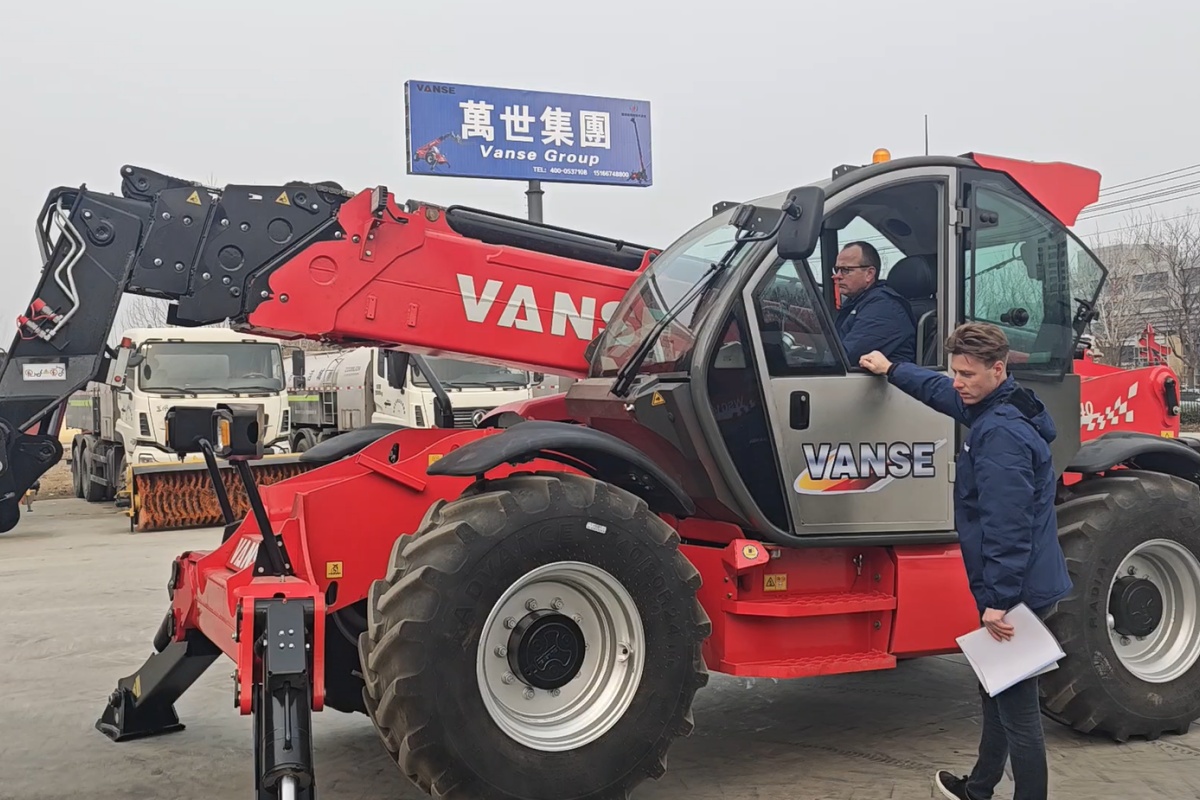
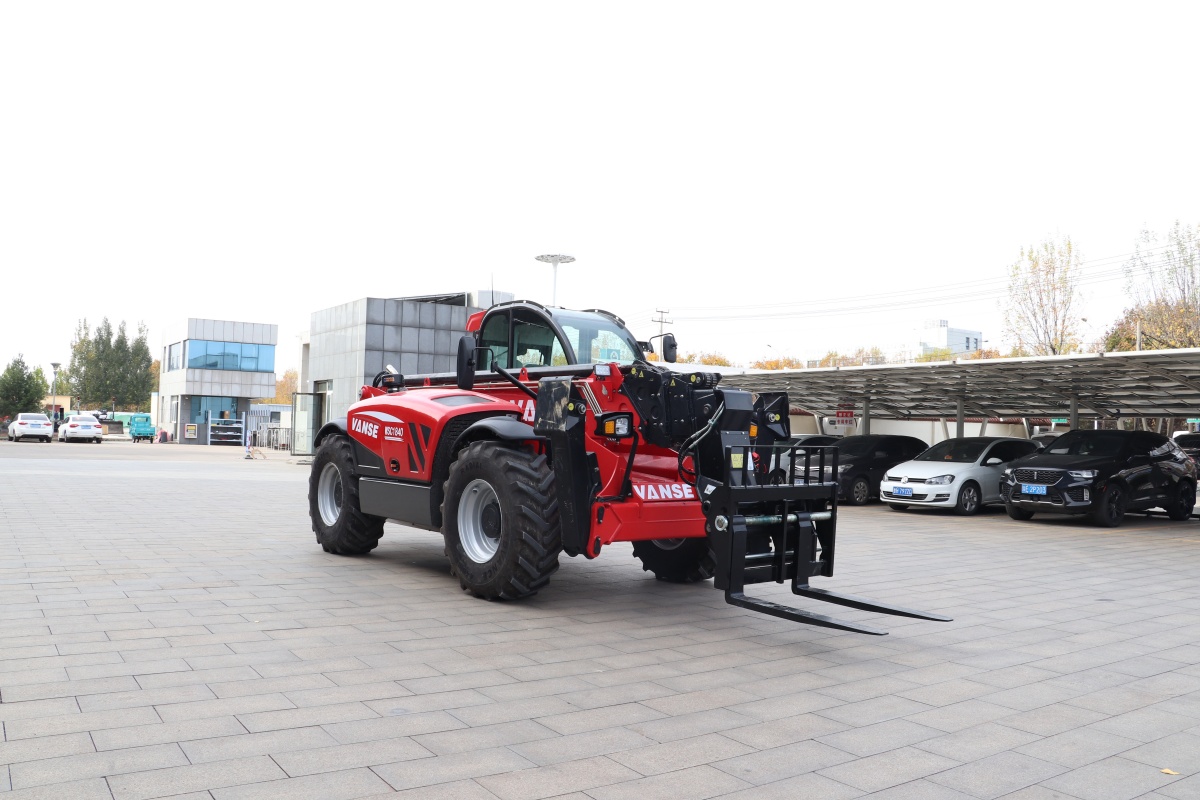
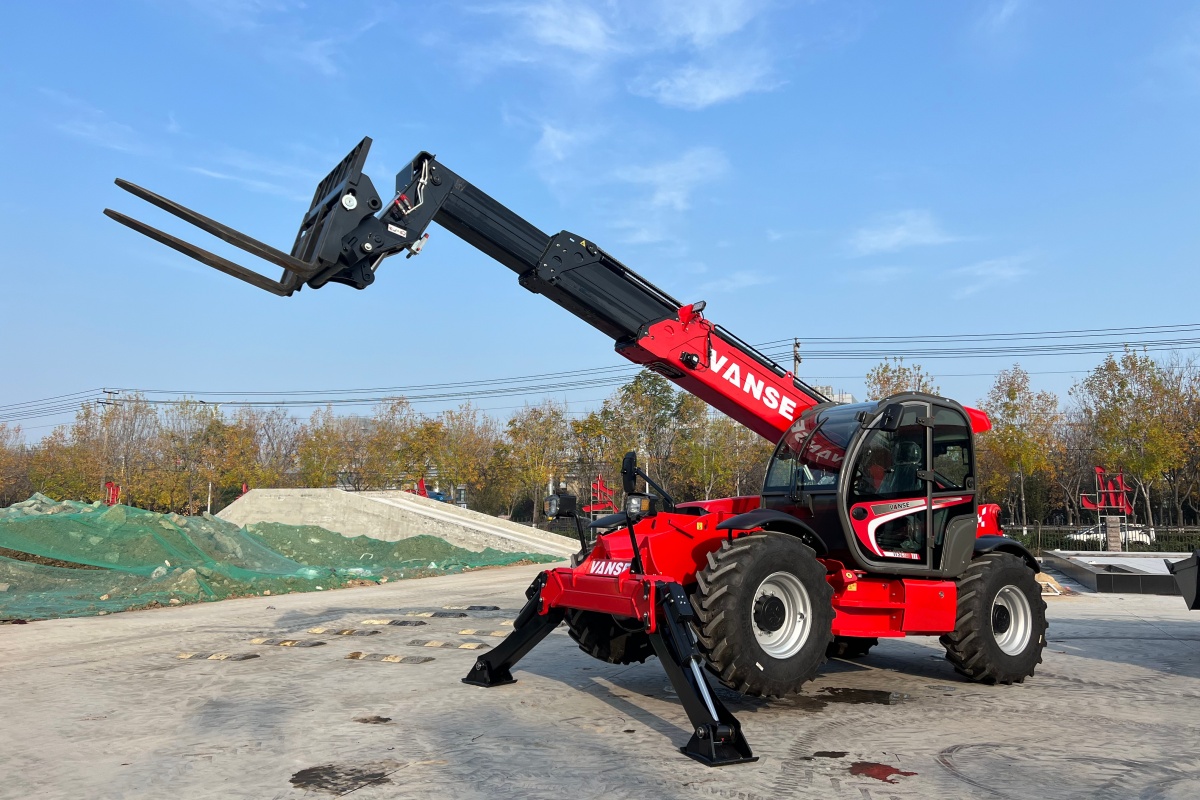
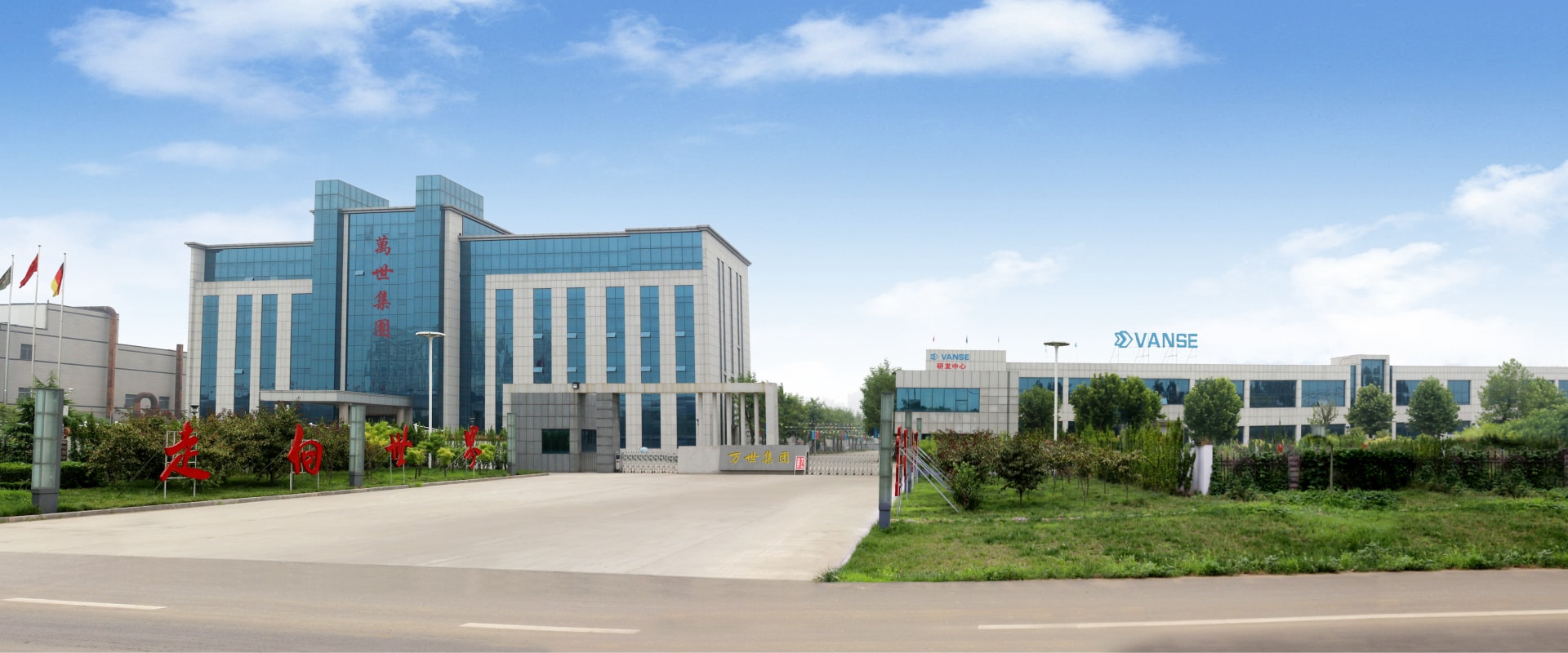
For buyers that are open to alternative sourcing, VANSE is worth evaluating on a practical basis rather than assuming all imported equipment is the same. The company has over a decade of manufacturing experience and has produced more than 8,000 machines for clients in over 40 countries, including North America. Its telehandlers are built under CE and ISO 9001 certified processes, with comprehensive load testing, safety inspections, and performance validation before shipment. The product side is supported by globally recognized component choices such as Perkins and Cummins engines together with premium hydraulic, transmission, and axle systems, which gives local buyers a clearer basis for judging reliability against international benchmarks. On the commercial side, VANSE serves end users, distributors, dealers, rental fleets, brand owners, and even smaller-volume buyers through OEM, ODM, wholesale, retail, and regional partnership models rather than a single rigid export format. For the U.S. market, the company is actively establishing a local subsidiary and service presence to support inventory, after-sales response, and closer customer relationships, while also maintaining online and offline pre-sale and technical support. That matters because it shows the company is building a physical North American commitment instead of operating only as a distant exporter. Buyers who want more detail can review the company through its company background, browse available equipment lines, learn about support services, or start a direct inquiry through the contact page. The main site at VANSE also provides a useful starting point for distributors and fleet buyers comparing sourcing options.
Buying Advice for a 3 Ton Telehandler in the United States
The best buying decision starts with the load chart, not the advertised maximum capacity alone. A machine that lifts 3 tons at a low height may lift far less at full extension. U.S. buyers should compare real placement tasks such as second-story framing materials, barn stacking height, palletized masonry, and trailer unloading patterns. If your crew regularly works on sloped or soft ground, tires, axle design, and stability become more important than a small difference in quoted lift height.
Cab specification is another major decision point. In hot states like Texas, Arizona, and Florida, air-conditioned enclosed cabs can improve operator productivity enough to justify the extra cost. In northern regions such as Minnesota, Wisconsin, and upstate New York, cold-weather starting and cab heat can be equally important. Visibility, joystick layout, camera options, and ease of attachment switching should not be ignored because these factors affect daily operator efficiency.
Dealers and distributors should also think beyond the initial machine purchase. They need to evaluate whether the supplier can support parts planning, technical documentation, training, branding, and response times. End users may focus on purchase price and monthly payment, but fleet buyers typically benefit more from analyzing residual value, common failure points, and lead time for major components.
| Buying Factor | Why It Matters | Good U.S. Practice | Risk If Ignored | Who Should Prioritize It | Decision Tip |
|---|---|---|---|---|---|
| Load chart performance | Real lifting capacity changes by height and reach | Match chart to actual pallet weights and placement heights | Machine underperforms on site | All buyers | Request application-specific chart review |
| Local parts support | Downtime costs can exceed price savings | Confirm stocked wear parts and shipping times | Long idle periods and missed schedules | Contractors and rental fleets | Ask for parts list and service contacts before purchase |
| Attachment compatibility | Improves machine utilization across tasks | Choose common forks, bucket, jib, and hydraulic options | Extra equipment may be needed | Mixed-use operators | Buy for the second and third job, not only the first |
| Operator comfort | Affects productivity and safety | Check cab, controls, visibility, and entry access | Fatigue and slower cycle times | High-hour users | Arrange a demonstration if possible |
| Transport dimensions | Impacts hauling cost and convenience | Verify trailer match and state transport limits | Unexpected logistics cost | Rental fleets and contractors | Compare weight with your existing trailers |
| Warranty and training | Protects uptime during early ownership | Clarify coverage, exclusions, and service workflow | Disputes and expensive repairs | First-time telehandler buyers | Get support terms in writing |
This table matters because many telehandler purchases go wrong for very predictable reasons. Buyers focus on price or rated capacity, then discover the machine is not ideal for their transport setup, local weather, attachment plan, or service footprint. A disciplined review of these six factors usually prevents the most common ownership frustrations.
Trend Shift in U.S. Telehandler Buying Behavior
Buyer behavior is shifting from brand-first selection toward performance-per-dollar analysis, lifecycle cost control, and service transparency. The area chart below reflects how value sourcing and specification-based procurement are gaining share as buyers become more data-driven.
Product Selection by Use Case
Not all users need the same telehandler configuration. The following table connects common U.S. use cases with practical machine priorities.
| Use Case | Typical Location | Recommended Priority | Preferred Features | Attachment Focus | Best Supplier Type |
|---|---|---|---|---|---|
| Residential framing | Dallas, Charlotte, Phoenix suburbs | Compact size and reach | Tight turning radius, fork positioning | Forks, truss boom | Local construction dealer |
| Masonry and block work | Florida, Texas, Georgia | Stable pallet handling | Strong low-to-mid height chart performance | Forks | Established telehandler brand |
| Farm feeding and stacking | Iowa, Kansas, Nebraska | Daily versatility | Cab comfort, hydraulic responsiveness | Bucket, bale tools, forks | Agricultural specialist or value supplier |
| Rental fleet expansion | Nationwide metro branches | Utilization and serviceability | Easy controls, broad jobsite appeal | Forks, bucket | Rental-oriented brand or OEM partner |
| Industrial yard handling | Houston, Savannah, Inland Empire | Durability and outdoor mobility | Rough-terrain capability, simple maintenance access | Forks, bucket, hook | Dealer with parts depth |
| Private-label distribution | Ports and regional dealer hubs | Customization and margin control | OEM/ODM flexibility, branding support | Market-specific package | Qualified international manufacturer |
This table helps buyers connect machine configuration to revenue logic. For example, a distributor in the Port of Savannah region may care more about flexible specification and branded inventory than about maximum local retail name recognition. Meanwhile, a contractor serving suburban Atlanta or Orlando may prefer a telehandler with the fastest local field service response because downtime immediately affects labor scheduling.
Case Studies from Realistic U.S. Scenarios
A regional contractor in central Texas expanded from custom homes into light commercial work and needed a machine that could unload lumber, stage block, and support roofing materials without stepping up to a much heavier telehandler. The buyer selected a 3 ton class machine with pallet forks, auxiliary hydraulics, and an enclosed cab. Because transport between sites was frequent, total weight and trailer compatibility were critical. The decision reduced subcontracted lifting costs and improved material placement speed on smaller sites where cranes were not economical.
An agricultural operator in Nebraska replaced an aging loader with a telehandler to gain stacking height for hay and feed handling. The switch improved visibility around storage areas and gave the operator better reach when loading and placing material inside tighter structures. In this case, attachment versatility and winter-start reliability mattered more than maximum road travel speed. The machine’s value came from daily utility across seasons rather than one single high-revenue task.
A rental business near Atlanta added two compact telehandlers after observing frequent customer demand from framers, masons, and landscape supply yards. The branch selected a configuration with broad appeal rather than a specialized high-reach package. Utilization improved because the units could serve several customer categories, and the branch was able to reduce turn-aways during peak building months.
A distributor evaluating private-label expansion through a Gulf Coast import route compared traditional domestic sourcing with a certified international supplier able to support OEM branding, specification adjustment, and structured after-sales planning. The distributor’s decision framework emphasized margin, parts package planning, and long-term exclusivity territory potential rather than simple unit purchase cost. This type of sourcing model is becoming more common as regional dealers seek better price positioning in competitive U.S. markets.
Local Supplier Access and Service Considerations
In the United States, equipment access is highly regional. A buyer in California may prioritize emissions compliance interpretation, inland freight timing from port, and dealer concentration across the Central Valley or Southern California. A buyer in the Southeast may care more about hurricane-season logistics resilience, parts flow through Savannah or Charleston, and fast service support for year-round construction. In the Midwest, winter reliability and seasonal agricultural cycles shape machine choice.
Because of these differences, buyers should evaluate whether they need a purely local dealer relationship, a national fleet procurement model, or a hybrid sourcing strategy. A local dealer is often the easiest route for a single machine purchase. A national supplier may be better for large rental groups or multisite contractors. An international manufacturer with local U.S. plans can make sense when the buyer wants specification control, pricing leverage, or dealership potential in underserved regions.
| Region | Typical Demand Pattern | Main Buying Concern | Common Applications | Key Logistics Nodes | Recommended Sourcing Focus |
|---|---|---|---|---|---|
| Texas and Gulf Coast | High construction and industrial activity | Fast parts and durable performance | Construction, yards, energy support | Houston, Dallas, Port Houston | Strong dealer support or inventory-backed importer |
| Southeast | Residential growth and agriculture mix | Versatility and branch response time | Framing, masonry, farming | Savannah, Atlanta, Charleston | Broad-use models with quick service |
| Midwest | Agriculture and industrial yards | Cold-weather reliability and attachment use | Feed, hay, yard handling | Chicago, Kansas City, Omaha | Agricultural-capable telehandlers |
| Northeast | Urban construction and infrastructure support | Compactness and uptime | Renovation, mixed-use construction | Newark, New York metro, Philadelphia | Compact units with dealer reach |
| West Coast | Logistics, construction, industrial operations | Availability and transport timing | Warehousing, building, yards | Long Beach, Los Angeles, Oakland | Inventory-ready channels and port planning |
| Mountain States | Spread-out projects and mixed terrain | Mobility and service coverage distance | Construction, ranching, energy support | Denver, Salt Lake City, regional freight hubs | Reliable field support and robust specs |
This regional view matters because “best supplier” often changes by geography. A company with an excellent reputation nationally may still be less practical if its nearest support point is several hours away. Conversely, a newer supplier can become very competitive if it backs the machine with local stock, technical support, and responsive field service in the buyer’s actual territory.
Why Buyers Also Consider Cost-Performance Imports
For many U.S. buyers, the strongest reason to consider a qualified international supplier is not simply lower price. It is the combination of lower acquisition cost, acceptable component quality, certification discipline, and flexibility in specification. This matters most for distributors, rental companies, and enterprise buyers that purchase multiple units and closely manage return on capital.
When an overseas manufacturer uses globally recognized engines, follows certified production systems, and provides real testing records, the discussion becomes more professional and evidence-based. Buyers can then compare machine layout, hydraulic performance, service package, and support process instead of making assumptions. For U.S. businesses facing tighter margins, this sourcing route can open opportunities in regional distribution, house branding, and faster fleet expansion at a more controlled budget level.
Future Trends Through 2026
By 2026, the U.S. telehandler market is likely to see stronger demand for smarter operator interfaces, telematics integration, and more transparent maintenance planning. Fleet managers increasingly want fault reporting, service reminders, utilization tracking, and geofencing because these features help manage multiple machines across wide territories. This trend benefits suppliers that can support digital fleet management rather than only mechanical delivery.
Policy and regulatory pressure will also influence machine design. Buyers will continue paying attention to engine compliance, noise exposure, idle reduction, and broader sustainability expectations from large contractors and public-sector projects. While diesel remains dominant in this class, more customers are evaluating lower-emission operating strategies, efficient hydraulic design, and better fuel management. Over time, hybrid concepts, electrified subsystems, and cleaner auxiliary functions may become more relevant for certain indoor-outdoor applications.
Sustainability in the telehandler segment is not only about emissions. It also includes machine life extension, rebuildability, parts support, and efficient logistics. A supplier that can keep a machine productive for years through stable component sourcing and technical backup may offer a more sustainable ownership model than a cheaper machine with weak service planning. In this sense, the 2026 market will reward both engineering quality and operational discipline.
Our Company
For buyers in the United States looking for a practical alternative to high-priced traditional brands, VANSE presents a business model built around telehandler specialization, verifiable production control, and market-specific cooperation. The company has focused on construction machinery since 2013 and has delivered more than 8,000 machines globally, including to North America, Europe, the Middle East, Southeast Asia, and Oceania. Its telehandlers are produced under CE and ISO 9001 certified systems and are backed by factory load testing, safety inspection, and performance validation before shipment, which gives U.S. buyers concrete quality evidence rather than marketing language alone. Product reliability is further supported by the use of globally recognized core components such as Perkins and Cummins engines together with premium hydraulic and drivetrain systems, helping the machines align with the durability expectations that American contractors, rental fleets, and distributors apply to established international brands. VANSE works through flexible cooperation models that fit end users, equipment dealers, distributors, rental companies, brand owners, and even emerging retail channels, offering OEM, ODM, wholesale, and regional partnership options for customers who need tailored specifications, private labeling, or channel exclusivity. Just as important for the U.S. market, the company is building a local subsidiary and service footprint to support local inventory, after-sales capability, and closer buyer relationships, while continuing to provide online and offline pre-sale consultation, technical response, and lifecycle support. This demonstrates that VANSE is investing in a lasting American presence, not operating as a remote exporter, and it reflects real commitment to serving U.S. customers with both competitive pricing and accountable support.
FAQ
Is a 3 ton telehandler enough for most light to medium lifting jobs in the United States?
Yes, for many contractors, farms, and rental customers, a 3 ton telehandler is enough for palletized materials, framing supplies, feed handling, and general yard work. The key is to verify the load chart at the exact height and reach you need.
Which U.S. buyers benefit most from this machine class?
General contractors, masonry crews, agricultural operations, industrial yards, and rental fleets are the most common buyers. It is especially useful where one machine must perform several handling tasks across rough ground.
What should I compare before choosing a supplier?
Compare load chart performance, dealer or service access, parts availability, attachment compatibility, warranty process, operator comfort, and transport dimensions. These factors usually matter more over time than the initial quoted price.
Are imported telehandlers a realistic option in the United States?
Yes, provided the supplier can document certifications, component quality, testing standards, and a real support plan for the U.S. market. They are increasingly considered by distributors, rental companies, and value-focused end users.
What attachments are most common for a 3 ton telehandler?
Pallet forks are the standard attachment, but many U.S. users also choose buckets, truss booms, lifting hooks, bale tools, and work platforms depending on the application and local safety rules.
How important is local service support?
It is extremely important. A telehandler can be profitable only when it is running. Fast access to parts, trained technicians, and clear warranty handling often determines the real value of the machine after purchase.
Will 2026 trends affect buying decisions now?
Yes. Buyers are already considering telematics, fuel efficiency, maintenance visibility, and sustainability expectations. Choosing a supplier prepared for these trends can protect resale value and long-term fleet relevance.
Complete Telescopic Handler Equipment Portfolio
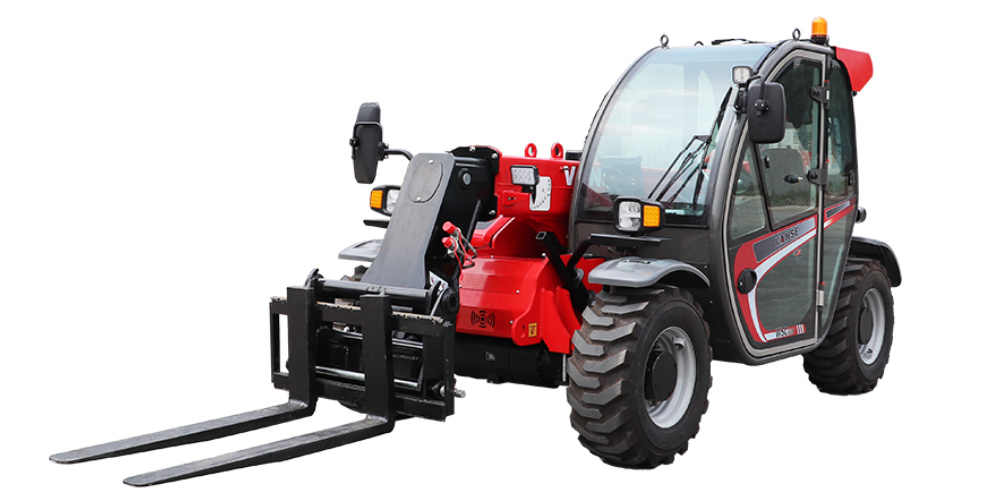
VANSE 625 6m Telescopic Handler
Designed for efficient material handling and stacking in warehouses, factories, and confined job sites, offering compact maneuverability and reliable performance.

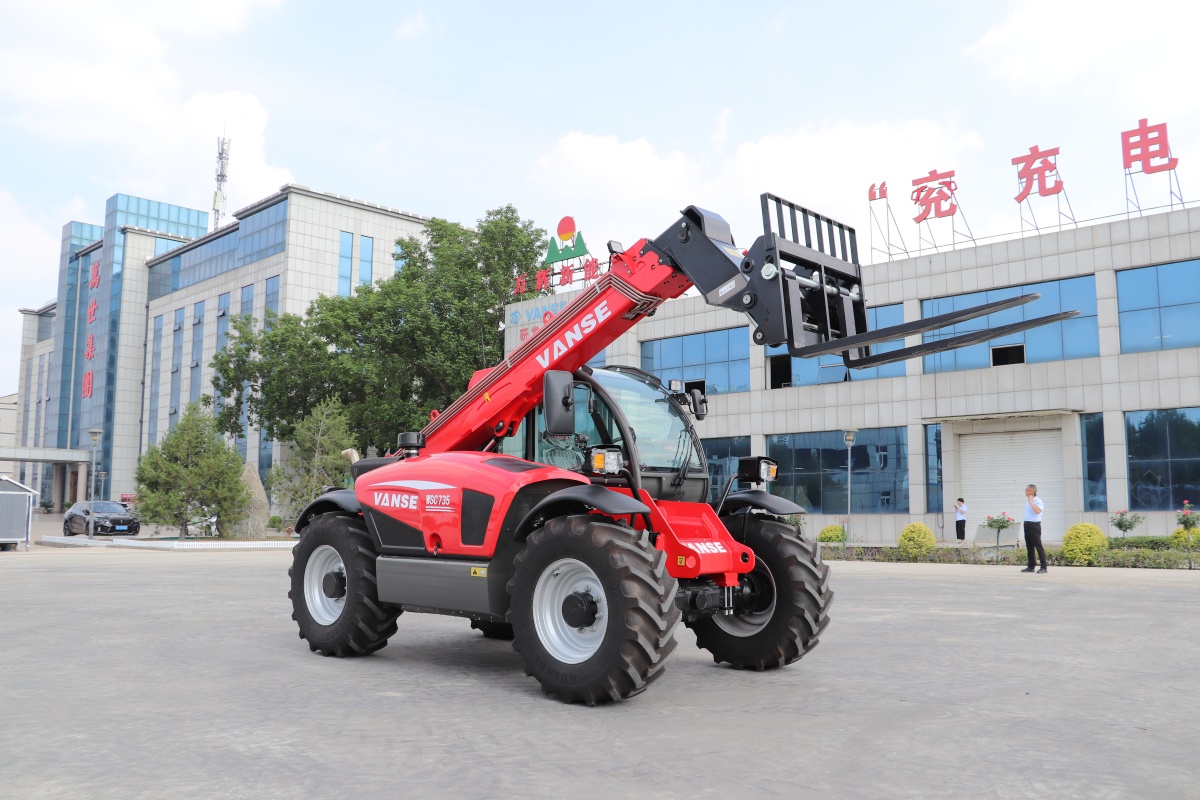
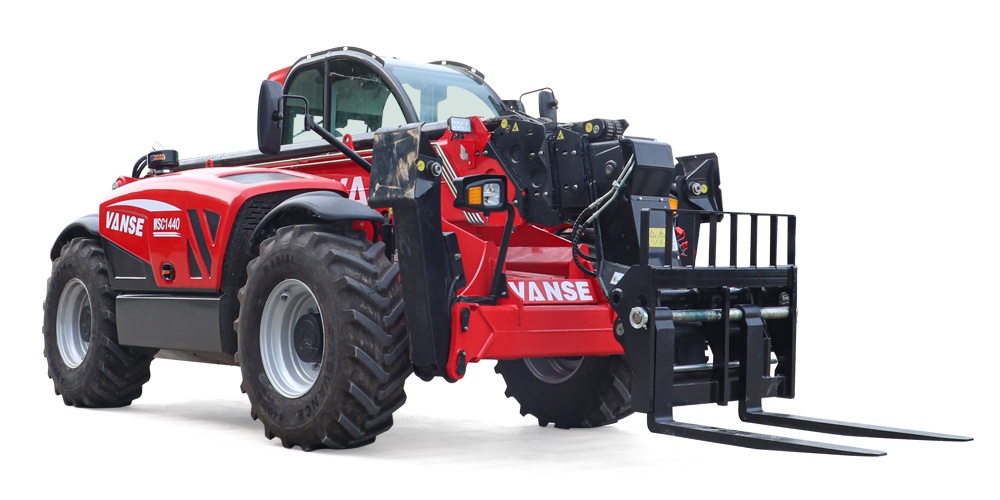
VANSE 735 7m Telescopic Handler
A balanced mid-duty solution for construction, agriculture, logistics, and warehousing, combining stable lifting, strong traction, and everyday versatility.


About the Author:
The VANSE team is a group of experienced professionals specializing in construction machinery research, manufacturing, and technical support. With deep industry knowledge and hands-on experience, our engineers and product specialists share practical insights on equipment selection, operation, maintenance, and industry trends.
Share
You May Also Interest
-

24 July, 2026
Telehandler for Landscaping: Outdoor Project Efficiency
Explore telehandler landscaping options in the United States, including suppliers, applications, costs, and buying advice for efficient outdoor projects.
-
23 July, 2026
6 Meter Telehandler: Ideal Mid-Rise Lift for All Sites
Explore 6 meter telehandler options in the United States, including top suppliers, key specs, applications, pricing factors, and buying tips for local buyers.
-
22 July, 2026
7 Meter Telehandler: Versatile Reach for Any Work Site
Find the right 7 meter telehandler for United States projects with supplier comparisons, use cases, pricing guidance, and local service insights.
-
21 July, 2026
Telehandler Operator Training: Certification Guide 2026
Telehandler operator training in the United States for 2026: certification steps, OSHA compliance, costs, providers, and practical buying guidance.