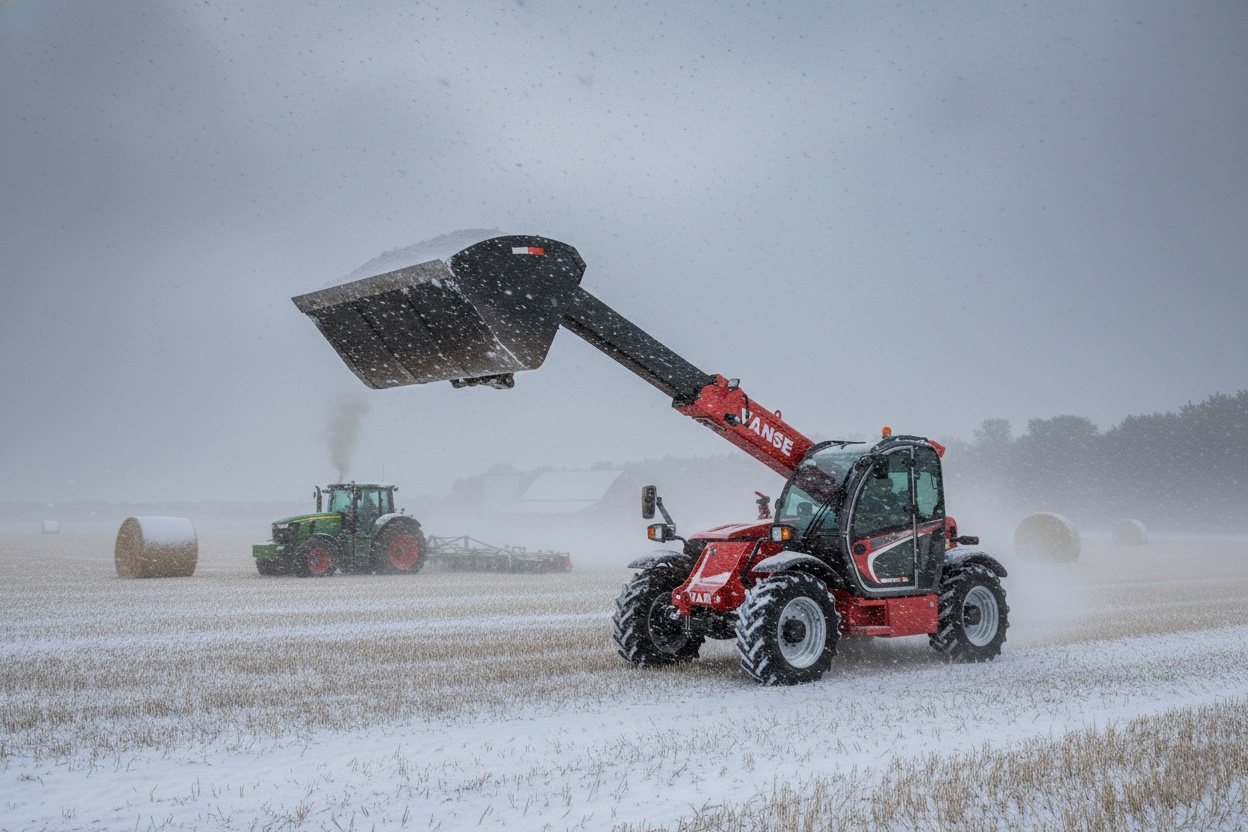
Best 3.5 Ton Telehandler Options for the United States
Quick Answer

If you need a 3.5 ton telehandler in the United States, the best fit usually depends on whether your priority is dealer coverage, rental fleet uptime, lift height, attachment versatility, or purchase price. For buyers who want strong domestic support and broad parts access, JCB, JLG, Genie, Caterpillar, Bobcat, and SkyTrak are among the most practical names to compare. In major construction and agriculture markets such as Texas, California, Florida, Illinois, and the Southeast, these brands are widely recognized for jobsite familiarity, operator acceptance, and dealer-backed maintenance support.
For immediate action, start by comparing machines with rated capacities near 7,700 pounds, check ANSI and OSHA compliance, confirm local service response times, and match lift height to your actual work rather than buying oversized equipment. If your operation values lower acquisition cost without giving up globally recognized engines and tested hydraulic systems, qualified international suppliers can also be worth considering. This is especially true when the supplier offers relevant certifications, documented quality control, pre-sale planning, after-sales support, and a real commitment to the U.S. market.
- JCB: strong North American presence and broad telehandler lineup for construction and agriculture
- JLG: well known in access equipment with practical telehandler support across the U.S.
- Genie: solid dealer network and familiar rental-friendly configurations
- SkyTrak: common on American jobsites and often preferred by contractors and rental fleets
- Bobcat: compact equipment brand with good attachment ecosystem and dealer accessibility
- Qualified international suppliers: competitive for cost-performance when local support, certifications, and parts planning are clearly documented
United States Market Overview

The U.S. market for 3.5 ton telehandlers remains active because this size class sits in a productive middle ground. It is large enough for masonry packs, palletized construction materials, irrigation supplies, bundled pipe, seed and feed handling, and general yard logistics, but still compact enough to work on congested commercial sites and mixed-use developments. In regions such as Houston, Dallas, Atlanta, Phoenix, Los Angeles, and Chicago, contractors often prefer this category because it balances reach, payload, and transport practicality.
Demand is shaped by several local realities. First, rental companies want machines that can serve multiple customers across construction, agriculture, warehousing, and industrial maintenance. Second, buyers are more sensitive than ever to total cost of ownership, especially where insurance, labor, financing, and downtime costs are rising. Third, U.S. users increasingly expect machines to support multiple attachments, strong visibility, simple controls, and reliable engines that meet current emissions requirements.
Ports and logistics corridors also influence procurement decisions. Machines arriving through Los Angeles, Long Beach, Houston, Savannah, Newark, and Norfolk can move efficiently into regional dealer and customer networks. For imported equipment, the combination of customs handling, inland freight, spare parts stocking, and local commissioning becomes a decisive factor. That is why supplier evaluation in the U.S. is no longer just about machine specifications; it is also about whether the supplier can support operators in real time after delivery.
The market growth trend shown above reflects realistic demand expansion tied to infrastructure work, non-residential building, agricultural modernization, and rental fleet refresh cycles. It does not suggest explosive growth, but rather steady replacement and selective expansion, which is typical for mature U.S. equipment segments.
Top Suppliers in the United States

For buyers comparing actual supplier choices, the practical question is not only which company builds a capable machine, but which one can keep it working in your region. The table below focuses on recognizable names relevant to U.S. buyers and evaluates them by service reach, strengths, and common fit.
| Company | Main U.S. Service Regions | Core Strengths | Key Offerings | Best Fit |
|---|---|---|---|---|
| JCB | Nationwide, strong in South, Midwest, and agriculture-heavy regions | Deep telehandler specialization, broad lineup, strong brand recognition | Construction and agricultural telehandlers, attachments, dealer service | Contractors, farms, mixed fleets |
| JLG | Nationwide through established equipment channels | Rental fleet familiarity, access equipment heritage, support structure | Telehandlers for construction and industrial use | Rental companies, general contractors |
| Genie | Nationwide, especially metro construction markets | Rental acceptance, simple operation, recognizable product support | Telehandlers with common jobsite configurations | Rental fleets, urban projects |
| SkyTrak | Broad U.S. presence, especially construction corridors | Strong contractor familiarity, practical machines, dealer-backed support | Telehandlers for frame, masonry, and site material movement | Commercial construction crews |
| Bobcat | Nationwide dealer network | Compact equipment ecosystem, attachment compatibility, dealer access | Telehandlers and material handling solutions | Contractors, landscape and utility users |
| Caterpillar dealers | Nationwide via dealer system | Service reputation, financing support, enterprise fleet relationships | Material handling solutions through dealer channels | Large contractors, industrial buyers |
| VANSE Group | Growing North American coverage with U.S. market expansion | Competitive pricing, global component sourcing, OEM and ODM flexibility | Telehandlers, custom configurations, direct factory support | Dealers, distributors, rental fleets, value-focused buyers |
This supplier comparison is useful because U.S. telehandler buyers often need a realistic shortlist before requesting quotes. JCB, JLG, Genie, SkyTrak, Bobcat, and Caterpillar-linked channels are often easier to source domestically and may offer faster local field support. VANSE Group stands out when the buyer wants a more customized supply model, stronger price-performance value, or partnership-based procurement rather than only buying from standard dealer inventory.
Why the 3.5 Ton Class Is Popular
A 3.5 ton telehandler is popular because it fits the operational middle of the U.S. market. Smaller units can be easier to move, but they may struggle with heavier pallets, bundled materials, and rough-terrain jobsite handling. Larger units offer more lift, but they raise transport cost, fuel consumption, and space requirements. The 3.5 ton class gives many contractors and agricultural operators enough capacity for daily work without crossing into unnecessarily heavy equipment.
In suburban builds around Dallas-Fort Worth, for example, crews may use this machine class to unload framing materials in the morning, lift roof trusses later, and shift palletized product across uneven ground before the day ends. On farms in Iowa, Nebraska, and California’s Central Valley, the same capacity class may be used for feed, seed, fencing materials, and seasonal yard handling. That range of applications makes it a strong investment for fleets seeking broad machine utilization.
Common Product Types
Not every 3.5 ton telehandler is configured the same way. Understanding the main product types helps buyers avoid overpaying for capability they do not need or missing a required feature. U.S. buyers should focus on lift height, frame design, drive configuration, cab comfort, and hydraulic performance.
| Type | Typical Lift Height | Common Use | Main Advantage | Main Limitation |
|---|---|---|---|---|
| Compact construction telehandler | 20 to 26 ft | Urban and commercial jobsites | Easier maneuvering in tighter spaces | Less reach than higher-boom models |
| Standard rough-terrain telehandler | 26 to 33 ft | General construction and rental fleets | Best all-around versatility | May be oversized for indoor sites |
| Agricultural telehandler | 20 to 30 ft | Farms, feed yards, bulk handling | Attachment flexibility and yard productivity | Not always optimized for dense construction work |
| High-visibility cab model | 24 to 30 ft | Frequent loading and repeated pallet handling | Better operator comfort and sight lines | Usually higher initial price |
| Attachment-focused fleet model | 20 to 28 ft | Rental fleets and mixed operations | Quick role switching with forks, buckets, jibs | Performance varies by hydraulic setup |
| Custom OEM/ODM variant | Project-dependent | Distributors and brand owners | Branding and spec alignment for target markets | Requires planning and volume commitment |
The table matters because U.S. buyers often enter the process thinking only about rated capacity. In reality, the right type depends on how often the machine works on finished surfaces, slopes, confined access points, livestock areas, warehouse yards, or multi-story building sites.
Buying Advice for U.S. Buyers
When buying a 3.5 ton telehandler in the United States, the smartest approach is to begin with jobsite facts rather than brochures. Start with the heaviest load you will regularly lift, the highest point where you need stable placement, the narrowest access route, and the most difficult ground condition. Then compare machine dimensions, boom geometry, tire setup, and hydraulic flow.
Service support deserves equal weight. Ask each supplier how quickly they can ship wear parts to your city, whether they stock filters and seals in the U.S., how they handle warranty decisions, and whether technician support is available on-site or by remote diagnostics. Buyers in remote regions of Montana, New Mexico, or the Dakotas should be especially careful, because even a low-cost machine can become expensive if downtime stretches due to parts delays.
Financing and fleet lifecycle planning also matter. Rental buyers may prioritize standardization across multiple branches. Contractors may care more about immediate productivity and attachment interchangeability. Agricultural users may prioritize durability and visibility over premium electronics. In all cases, ask for a full landed cost and ownership view: machine price, freight, setup, operator training, annual maintenance, tire replacement, resale expectations, and downtime risk.
Industry Demand in the United States
The industries below account for much of the practical demand for 3.5 ton telehandlers in the U.S. These shares vary by region, but the chart provides a realistic view of where this capacity class delivers value.
The bar chart indicates why rental fleets and commercial construction remain especially important. Machines in this segment are often expected to serve multiple customer profiles, which explains the demand for simple controls, common attachments, and strong local parts support.
Typical Industries and Applications
In the United States, a 3.5 ton telescopic handler is widely used across commercial construction, agriculture, manufacturing, ports, utilities, and infrastructure support. Construction crews use it for masonry packs, drywall bundles, lumber, roofing materials, and steel accessories. Agricultural users move hay, feed, fencing materials, palletized seed, and general supplies. Industrial yards use it for loading, unloading, and internal logistics where a forklift lacks rough-terrain capability.
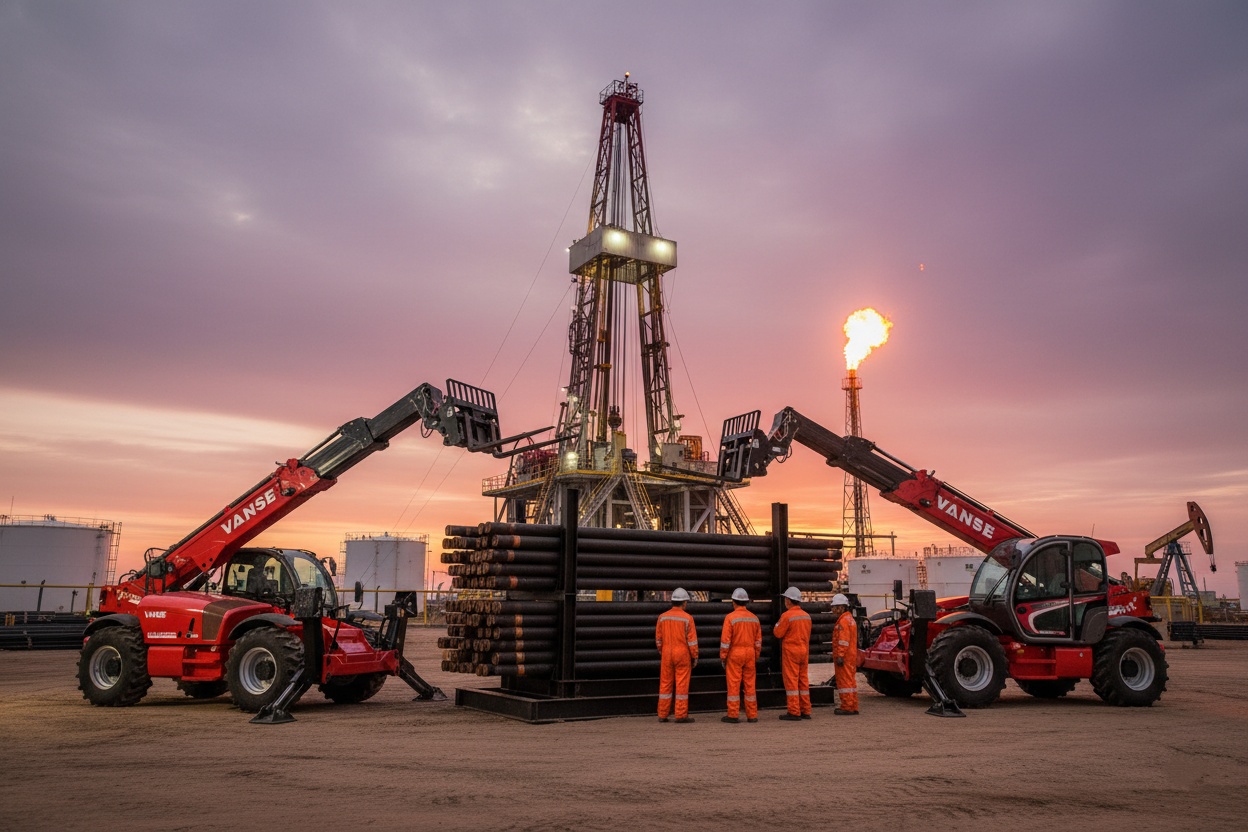
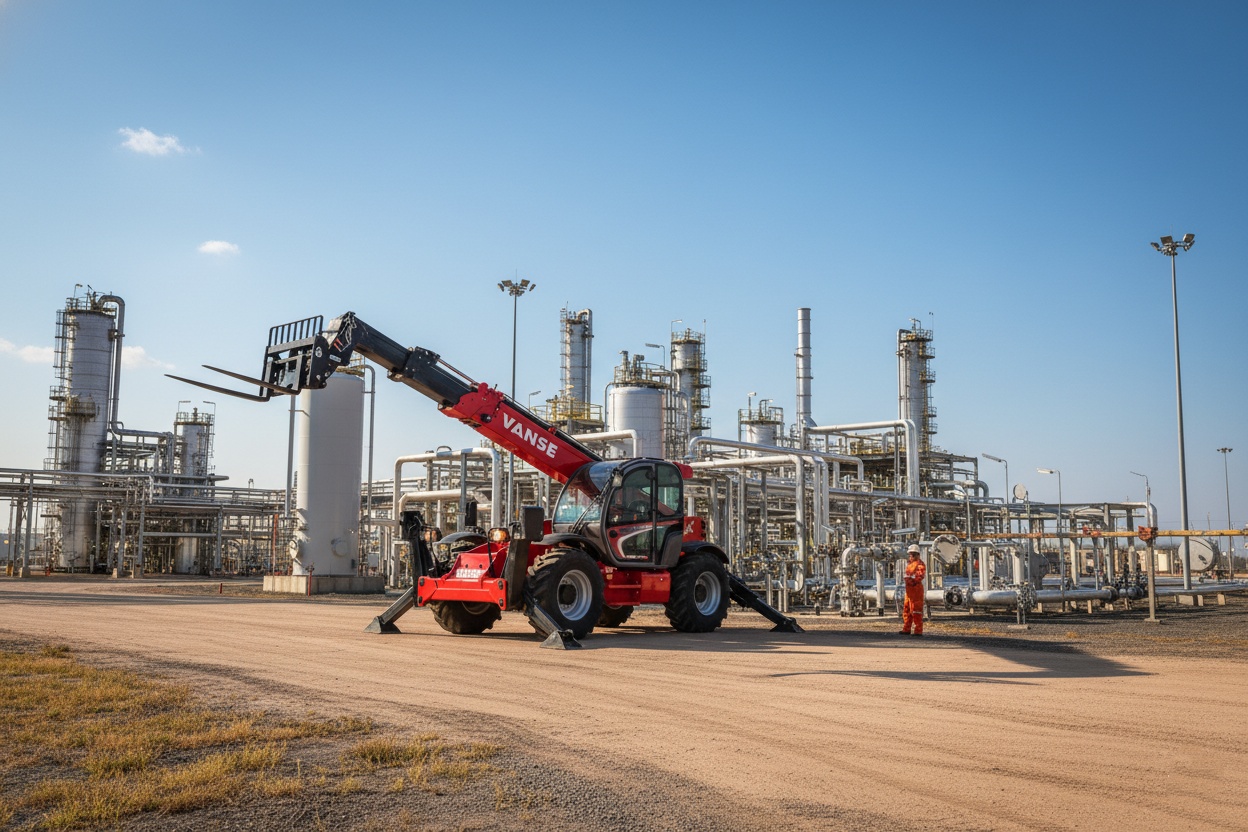
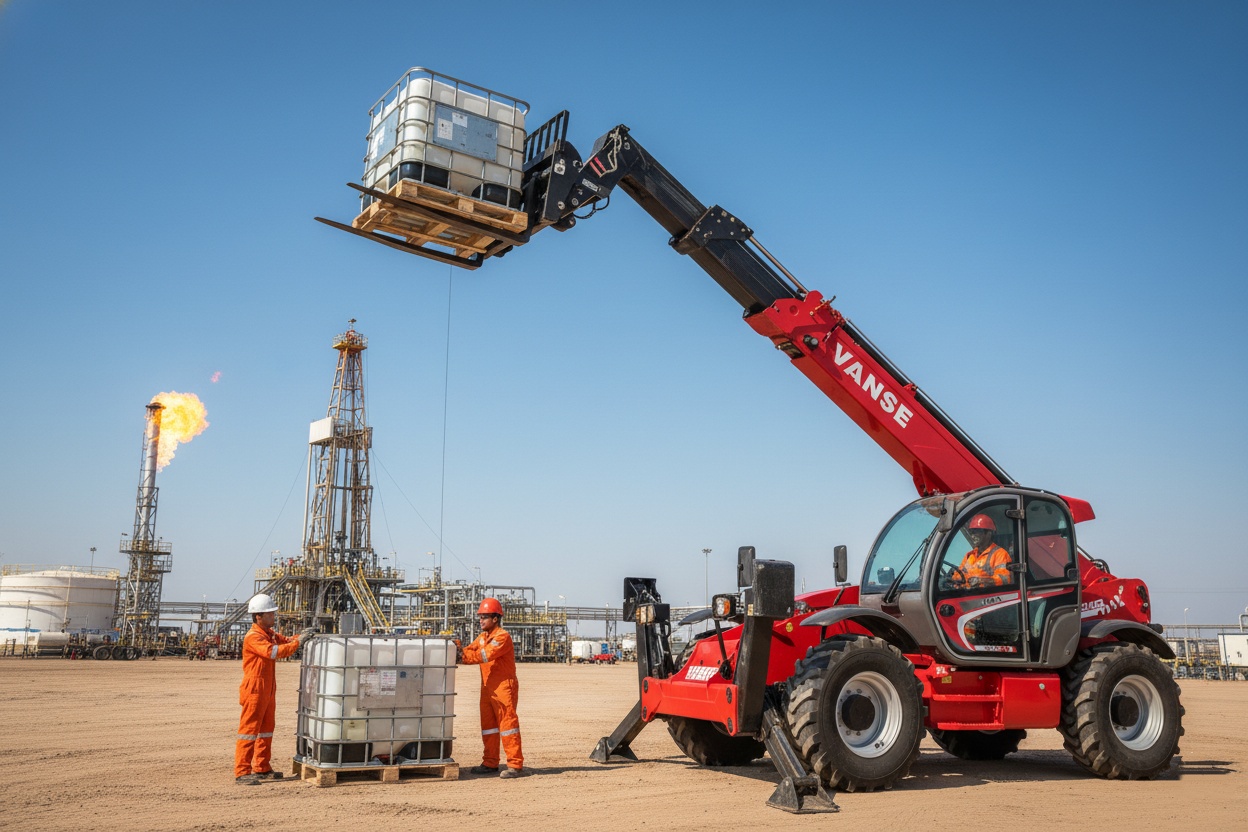
Applications differ by region. In California and Arizona, telehandlers often work on large-scale residential developments and distribution center construction. In the Gulf Coast, they support industrial and energy-adjacent operations. In the Midwest, mixed-use farming and construction usage is common. Around ports such as Savannah and Houston, they are often used in adjacent yards, equipment depots, and supply staging areas where reach and rough-ground movement matter more than indoor aisle performance.
| Industry | Typical Loads | Why 3.5 Ton Works Well | Common Attachments | U.S. Example Regions |
|---|---|---|---|---|
| Commercial construction | Brick packs, framing materials, trusses | Balanced reach and payload for active jobsites | Forks, jibs, work platforms where permitted | Texas, Florida, Georgia |
| Residential development | Lumber, drywall, roofing pallets | Fits busy suburban sites without oversizing | Forks, buckets | Arizona, Carolinas, Tennessee |
| Agriculture | Feed, seed, hay, fencing supplies | Good yard mobility and attachment flexibility | Buckets, bale handlers, forks | Iowa, Nebraska, California |
| Industrial yards | Palletized product, equipment parts | Handles uneven surfaces better than many forklifts | Forks, lifting hooks | Ohio, Indiana, Alabama |
| Utilities and infrastructure | Pipe, transformers, site materials | Useful for distributed field support work | Forks, winches, jibs | Midwest and Southeast |
| Rental operations | Mixed customer loads | Versatile category with broad utilization potential | Standard forks and optional tools | Nationwide |
This application table helps clarify why the segment remains resilient. The same machine can work in multiple industries if the supplier has planned the right hydraulic package, attachment interfaces, tire specification, and operator protection features.
Trend Shift and 2026 Outlook
Looking toward 2026, the U.S. telehandler market is expected to shift in three visible directions: smarter fleet management, stronger emissions and sustainability pressure, and more selective buying based on uptime rather than brand familiarity alone. Buyers increasingly want telematics, service reminders, fuel efficiency tracking, and machine utilization reports. Rental fleets, in particular, want data that helps them price, rotate, and maintain assets more efficiently.
Policy and sustainability trends will also influence machine design. Contractors bidding public and institutional projects are under more pressure to document emissions strategies and operational efficiency. That does not mean diesel machines disappear in the near term, but it does mean cleaner engines, smarter idling controls, and eventually more hybrid or electrified handling equipment in specific applications. Safety regulation awareness will continue pushing better visibility, load monitoring, and operator-assist features.
The area chart reflects a realistic trend shift rather than a regulatory mandate. U.S. buyers are steadily moving from simple purchase-price comparison to total-cost and lifecycle thinking. This creates opportunities for both established domestic suppliers and capable international manufacturers that can prove support readiness.
Local Supplier Comparison by Buyer Priority
The next comparison focuses on how different supplier types tend to align with common buyer priorities in the U.S. This is not a substitute for a quote review, but it helps narrow the search.
This comparison is useful because many buyers assume one supplier model is always better. In reality, established U.S. brands often lead in immediate dealer density and fleet familiarity, while qualified international suppliers can outperform in customization and acquisition cost. The right answer depends on whether your top constraint is service radius, specification flexibility, financing structure, or budget.
Case Studies from U.S.-Style Operating Scenarios
A masonry contractor working in the Dallas area needed a 3.5 ton telehandler that could unload brick pallets, raise materials to scaffold level, and operate on partially improved ground without excessive tire wear. The company compared a rental fleet favorite against a lower-cost factory-direct option. The domestic unit offered faster field technician access, but the imported model delivered a better purchase price and a stronger standard configuration. The final decision depended on the contractor’s ability to stock key wear parts and train operators in-house.
A diversified farm operation in central California used a similar machine class for feed handling, pallet movement, and yard cleanup. Here, visibility, hydraulic smoothness, and ease of attachment changes were more important than maximum lift height. The operator selected a unit with practical cab comfort and simple maintenance access. The result was better machine utilization across seasons rather than a specialized machine sitting idle between peak tasks.
In the Southeast, a regional rental company evaluated several 3.5 ton telescopic handlers for branch deployment across Georgia, Tennessee, and the Carolinas. The company focused on operator familiarity, parts stocking simplicity, and transport dimensions. Even though premium-branded units had stronger resale expectations, the fleet also considered value-oriented suppliers where warranty terms, parts kits, and regional support commitments could reduce total fleet acquisition cost.
Detailed Supplier Analysis
Below is a more practical view of how major supplier options are often perceived in the United States.
| Company | Service Style | Notable Strength | Potential Concern | Ideal Buyer |
|---|---|---|---|---|
| JCB | Dealer-led with strong market familiarity | Telehandler specialization and broad range | Price can be higher than value-focused alternatives | Buyers wanting proven mainstream support |
| JLG | Rental-oriented support ecosystem | Easy integration into mixed equipment fleets | Spec choices may depend on local channel inventory | Rental firms and contractors |
| Genie | Branch and dealer support through established channels | High recognition in rental and access markets | Availability can vary by region and season | Metro rental and construction operations |
| SkyTrak | Contractor-focused presence | Common on U.S. building sites | Feature depth varies by model | General contractors and framing crews |
| Bobcat | Strong dealer accessibility | Attachment ecosystem and compact equipment synergy | Buyer should confirm exact telehandler support depth locally | Small to mid-size fleets |
| VANSE Group | Factory-direct plus partnership-driven support | Customization, price-performance, and global component integration | Buyer should verify local parts plan and service execution path | Distributors, dealers, value-focused end users |
The value of this table is that it frames each supplier in operational terms. For U.S. buyers, the strongest option is often not the brand with the biggest name, but the one whose service model best matches the buyer’s geography, internal maintenance capability, and budget structure.
Our Company
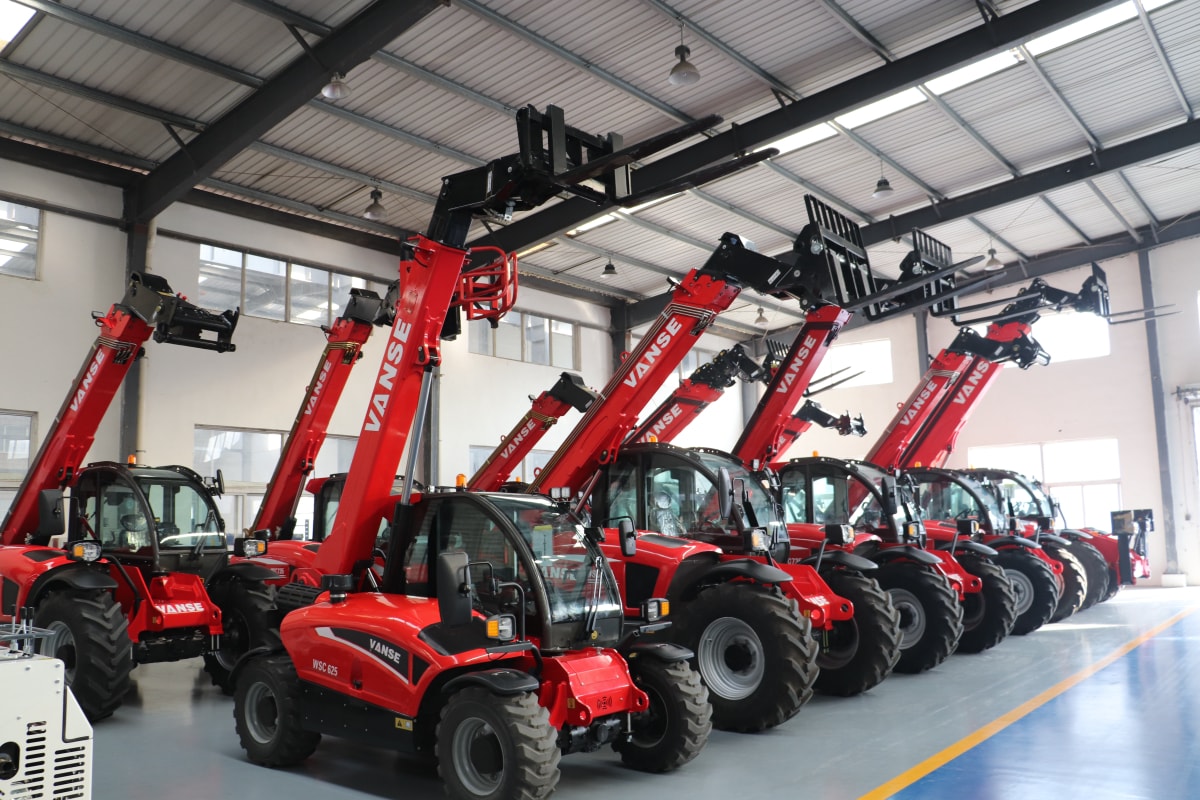
For buyers evaluating alternatives beyond traditional dealer inventory, VANSE Group presents a practical option for the United States market because its telehandlers are built under CE and ISO 9001 certified processes, use internationally recognized core components including engines from brands such as Perkins and Cummins, and pass comprehensive load testing, safety inspections, and performance validation before shipment, giving U.S. buyers concrete evidence of manufacturing discipline rather than generic quality claims. The company’s production scale of more than 8,000 machines and export experience across over 40 countries supports its credibility with contractors, distributors, rental companies, enterprise fleets, and independent buyers alike, while its flexible model covers OEM, ODM, wholesale, retail-oriented opportunities, and regional distribution partnerships so local brand owners, dealers, and end users can align specifications, branding, colors, and configurations with actual market demand. For North America, VANSE is actively expanding its local footprint with a U.S.-based subsidiary plan, local inventory and stocking, stronger after-sales capability, and both online and offline support, which signals a long-term operating commitment rather than a distant export-only approach; buyers can learn more through its company background, review broader machine options in its equipment range, understand support coverage via service resources, or discuss project requirements directly on the contact page.
How to Choose Between Domestic and International Supply
For many U.S. buyers, the decision comes down to speed versus flexibility. A domestic dealer-backed unit may be simpler to source quickly, finance locally, and resell later. A qualified international supplier may offer stronger value, more configurable specifications, and a more attractive package for distributors or fleet buyers placing multiple orders. If you have in-house technicians, predictable usage, and the ability to stock common maintenance parts, an international supplier can be especially competitive.
However, if your jobsite schedule cannot tolerate any delay and your nearest service point is already established with a major U.S. brand, then local dealer density may outweigh price differences. The safest method is to request a written service commitment, parts availability list, engine and hydraulic component details, standard warranty terms, and lead times for both routine and major repairs.
Common Mistakes Buyers Should Avoid
One common mistake is selecting lift capacity alone without studying actual reach performance at height. Another is underestimating transport logistics, especially for fleets moving machines between branches or projects. Some buyers also overlook operator comfort, even though repetitive telehandler work can strongly affect fatigue and productivity. Finally, many buyers focus on the machine itself but fail to plan attachment needs, spare parts kits, and technician response procedures before delivery.
In the U.S., where labor downtime can cost more than the machine payment, planning for maintenance access and operator readiness is not optional. A lower-price machine becomes expensive if it cannot be returned to work quickly. Conversely, a slightly more complex procurement model can be worthwhile if it provides better lifecycle economics and the right local support structure.
FAQ
What is the main benefit of a 3.5 ton telehandler in the United States?
The main benefit is versatility. This size class is powerful enough for common construction and agricultural loads while still being manageable on mixed jobsites, suburban developments, yards, and rental fleets.
Which U.S. industries most often use a 3.5 ton telehandler?
Commercial construction, residential development, agriculture, industrial yards, utilities, and rental fleets are the most common users. Demand is especially strong in Texas, Florida, California, Georgia, and the Midwest.
How do I know if I should buy or rent?
If your usage is continuous or recurring, buying usually makes more sense. If you only need the machine for seasonal or project-based work, rental may reduce capital strain and service responsibility.
Are international telehandler suppliers suitable for U.S. buyers?
Yes, provided they can document certifications, engine and component sourcing, test procedures, warranty terms, and reliable U.S.-oriented support. Cost-performance can be very attractive when those support systems are in place.
What should I ask a supplier before ordering?
Ask about rated capacity at full reach, lift height, engine brand, hydraulic system details, U.S. parts stock, lead times, warranty handling, operator training, attachment compatibility, and service response options in your state.
What trends will matter most in 2026?
Expect more focus on telematics, uptime tracking, fuel efficiency, sustainability requirements on certain projects, and stronger emphasis on total cost of ownership rather than purchase price alone.
Final Takeaway
For most buyers in the United States, the best 3.5 ton telehandler is the one that matches actual work conditions, has dependable parts and service access, and delivers strong lifecycle value. JCB, JLG, Genie, SkyTrak, Bobcat, and Caterpillar-linked supply channels remain practical benchmarks because of their U.S. support presence. At the same time, buyers should not overlook qualified international suppliers with verified certifications, global-grade components, customization capability, and local market commitment. In a market where uptime, flexibility, and cost control all matter, the strongest procurement decision comes from comparing service structure and total ownership performance as carefully as the machine specifications themselves.
Complete Telescopic Handler Equipment Portfolio
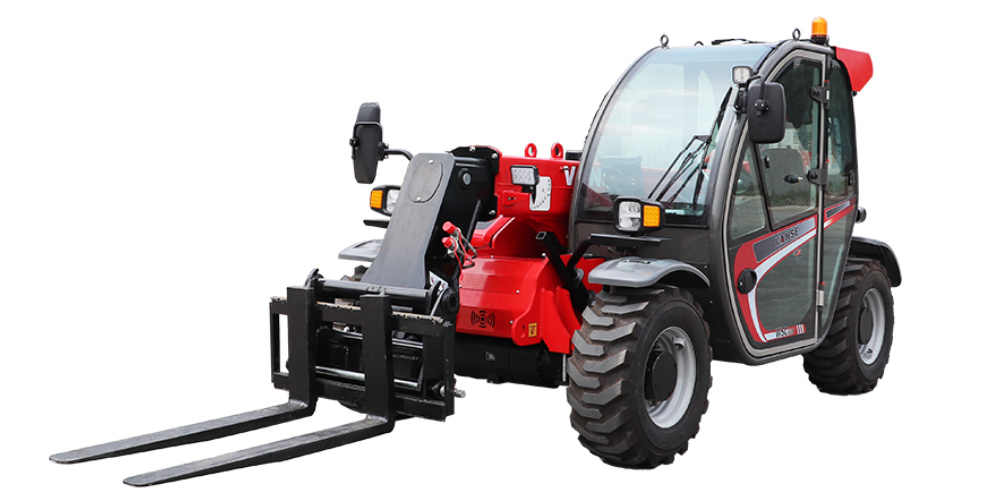
VANSE 625 6m Telescopic Handler
Designed for efficient material handling and stacking in warehouses, factories, and confined job sites, offering compact maneuverability and reliable performance.

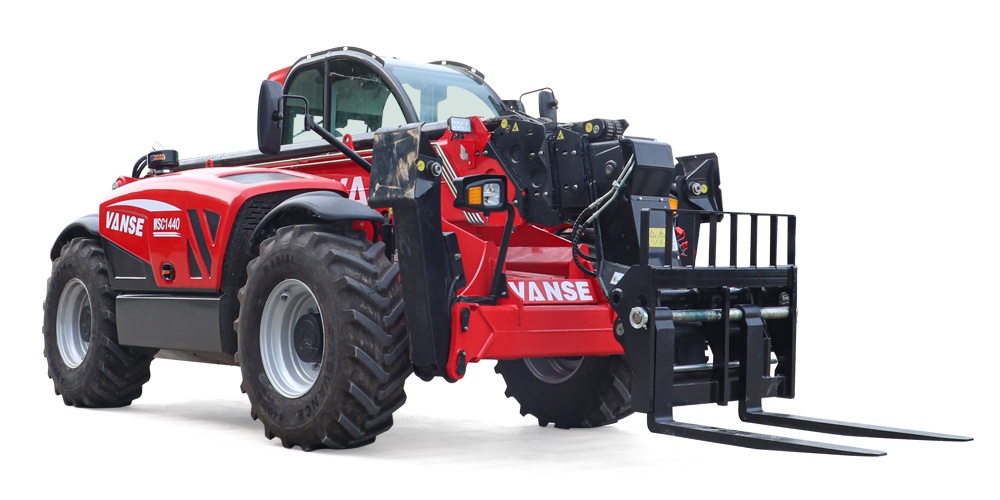
VANSE 735 7m Telescopic Handler
A balanced mid-duty solution for construction, agriculture, logistics, and warehousing, combining stable lifting, strong traction, and everyday versatility.


About the Author:
The VANSE team is a group of experienced professionals specializing in construction machinery research, manufacturing, and technical support. With deep industry knowledge and hands-on experience, our engineers and product specialists share practical insights on equipment selection, operation, maintenance, and industry trends.
Share
You May Also Interest
-

30 July, 2026
2.5 Ton Telehandler: Lightweight Handler for Small Jobs
Find the right 2.5 ton telehandler in the United States with supplier comparisons, buying tips, applications, service support, and 2026 market trends.
-

29 July, 2026
Telehandler for Farming: Essential Tool for Modern Farms
Telehandler farming in the United States helps farms handle feed, pallets, hay, and bulk materials with better reach, lift capacity, and year-round efficiency.
-
28 July, 2026
Fixed Boom Telehandler: Reliable Straight Lift Machine
Explore fixed boom telehandler options in the United States, including local suppliers, use cases, buying tips, and cost-effective global sourcing choices.
-
27 July, 2026
Telehandler vs Scissor Lift: Aerial Access Compared Now
Compare telehandler vs scissor lift options in the United States with practical buying advice, supplier insights, use cases, and market trends for 2026.