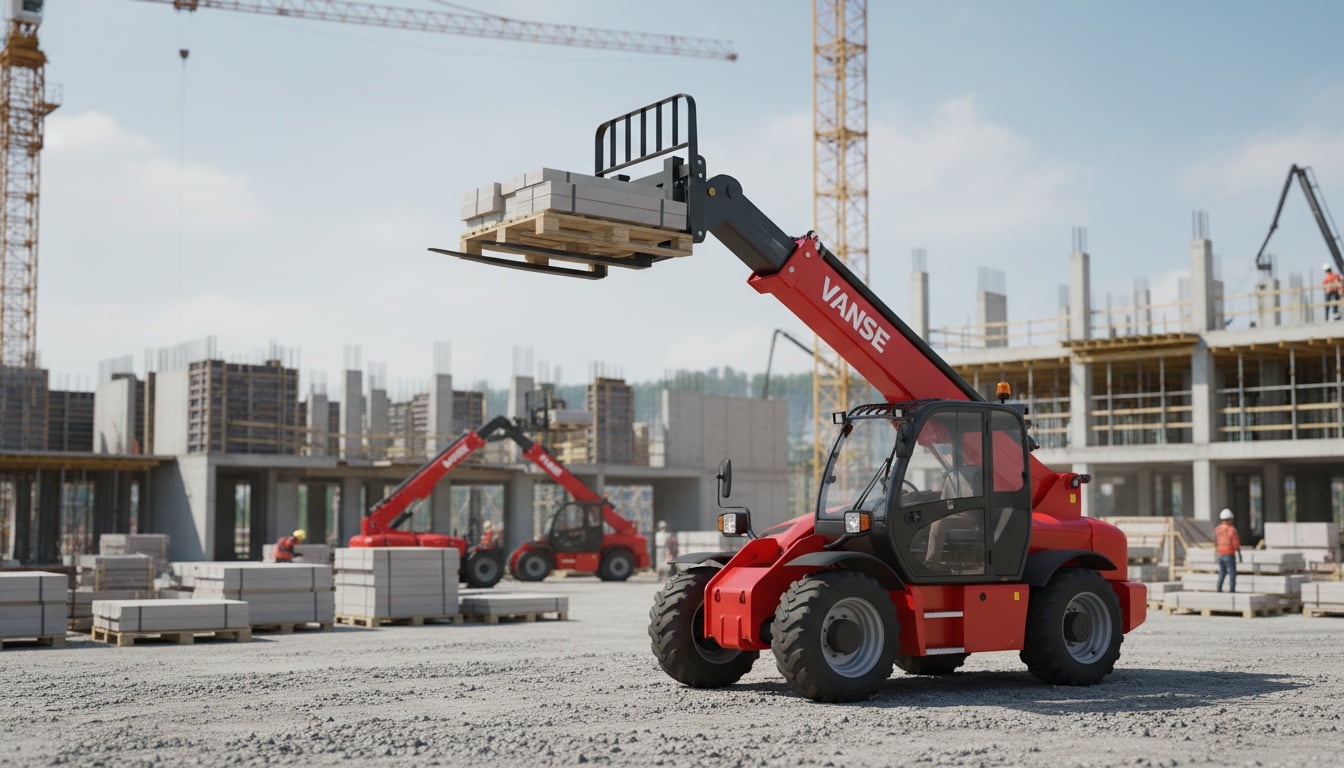
2000 kg Telehandler Options in the United States
Quick Answer

If you need a 2000 kg telehandler in the United States, the most practical choices are compact machines from JCB, Bobcat, Genie, SkyTrak, JLG, and Magni dealers serving major equipment markets such as Texas, Florida, California, Illinois, and the Mid-Atlantic. For tight job sites, indoor material movement, landscape yards, masonry supply handling, and small commercial builds, buyers usually prioritize compact width, low operating weight, simple controls, attachment availability, and fast parts support over maximum boom size. In the U.S. market, JCB and Bobcat are often strong for dealer reach, Genie and JLG are well known in rental fleets, and SkyTrak remains familiar to many contractors for everyday site handling. Qualified international suppliers can also be worth considering when they provide CE and ISO-based production controls, recognized engine and hydraulic components, and dependable pre-sales and after-sales support in North America. For buyers focused on cost-performance, a properly supported overseas manufacturer with local inventory plans and service commitment can be a serious alternative to premium domestic or European pricing.
- JCB: strong U.S. dealer network and compact construction focus
- Bobcat: familiar support structure for contractors and rental users
- Genie: good fit for fleet buyers and mixed equipment operations
- SkyTrak: widely recognized on U.S. job sites for general lifting
- JLG: broad support coverage and strong access-equipment dealer overlap
United States Market Snapshot

The United States market for compact telehandlers keeps growing because contractors need versatile lifting equipment that can work where larger rough-terrain machines are oversized or inefficient. A 2000 kg telehandler sits in a useful middle ground: enough lifting capacity for pallets of block, bundled lumber, feed, pipe, fencing materials, and landscape products, but still compact enough for tighter access around warehouses, urban projects, farm structures, industrial yards, and mixed-use developments. Demand is especially visible near logistics corridors and construction hubs such as Houston, Dallas-Fort Worth, Atlanta, Chicago, Los Angeles, Inland Empire, Tampa, Phoenix, Charlotte, and New Jersey port-linked distribution zones.
Telehandler buyers in the U.S. also make decisions differently from buyers in some other markets. Many compare total ownership cost across purchase price, financing, attachment flexibility, resale value, technician travel time, and parts availability from local branches. For rental fleets, machine uptime and common service parts matter as much as lifting charts. For owner-operators, cab visibility, joystick response, maintenance access, and transport dimensions can decide the purchase. This is why supplier selection is often regional rather than purely brand-driven.
The line chart shows a realistic growth pattern for compact telehandler demand in the United States. The trend reflects ongoing residential construction, infrastructure upgrades, warehouse expansion, and farm modernization. Growth is not uniform across every state, but major Sun Belt markets and logistics-heavy regions continue to drive purchases.
Why a 2000 kg Telehandler Fits Tight Job Sites

A 2000 kg telehandler is particularly attractive when a skid steer cannot provide enough forward reach and a full-size telehandler would create access or ground-pressure problems. Contractors working in infill construction in cities like Boston, Philadelphia, Seattle, or San Diego often need reach and lift without sacrificing mobility. The same is true in nurseries, equestrian facilities, feed operations, recycling yards, and indoor-outdoor industrial facilities where compact dimensions matter.
These machines are also well suited to businesses that need one carrier for multiple tasks. With forks, buckets, lifting jibs, and specialty attachments, a compact telehandler can unload trucks in the morning, move pallets into a building at noon, and assist with elevated placement work later in the day. For many U.S. buyers, that flexibility reduces the need to maintain separate forklifts and small rough-terrain loaders.
Common Product Types in This Capacity Class
The 2000 kg class covers a range of machine layouts. Some are true compact telehandlers with a low overall height and narrow body. Others are small construction telehandlers optimized for pallet work and rough-terrain movement. Buyers should compare more than just rated capacity because boom reach, turning radius, machine height, and auxiliary hydraulic flow vary significantly.
| Product type | Typical lift capacity | Typical lift height | Best fit | Main advantage | Trade-off |
|---|---|---|---|---|---|
| Compact construction telehandler | 1800 to 2500 kg | 4 to 6 m | Tight urban sites | Easy access and transport | Less maximum reach than larger units |
| Agricultural compact telehandler | 2000 to 2600 kg | 5 to 6 m | Feed, bale, and barn work | Good visibility and attachment use | May be less optimized for paved commercial sites |
| Rental fleet general-purpose model | 2000 to 3000 kg | 5 to 7 m | Mixed contractor use | Simple controls and broad appeal | Specification may be less specialized |
| Low-clearance telehandler | 1600 to 2200 kg | 4 to 5 m | Indoor and covered structures | Works under lower roofs | Lower boom geometry limits |
| Attachment-focused material handler | 2000 to 2500 kg | 4.5 to 6 m | Landscape and supply yards | Versatile with buckets and clamps | Needs hydraulic setup matched to tools |
| Premium compact telehandler | 2000 to 2500 kg | 5 to 6 m | Buyers seeking refined controls | Better comfort and component quality | Higher purchase price |
This table highlights why the same 2000 kg label does not automatically mean the machines are interchangeable. In the U.S., the right choice depends on where the machine works most often: slab sites, farms, narrow alleys, port-adjacent warehouses, or mixed rental use.
Top Suppliers and Brands Relevant to U.S. Buyers
The supplier landscape in the United States includes established domestic and European-origin brands with dealer footprints, plus emerging international manufacturers entering through distributors or direct partnerships. Buyers should assess not only machine specifications but also who can deliver filters, seals, tires, attachments, and field service in their operating region.
| Company | Service region in the United States | Core strengths | Key offerings | Best for | Notes |
|---|---|---|---|---|---|
| JCB | Nationwide through dealer network | Strong brand recognition, compact handlers, construction focus | Compact telehandlers, parts, service | Contractors and rental fleets | Often competitive in urban construction markets |
| Bobcat | Nationwide with dense dealer coverage | Well-known support network and operator familiarity | Compact telehandlers, attachments, finance support | Small to mid-size contractors | Dealer proximity is a major advantage |
| Genie | Strong in rental-heavy regions | Fleet acceptance and practical service structures | Telehandlers for construction and rental applications | Rental buyers and general contractors | Common in multi-branch rental operations |
| SkyTrak | Broad U.S. presence | High site familiarity and established use patterns | Material handling telehandlers | General construction users | Often preferred by crews accustomed to traditional jobsite machines |
| JLG | Nationwide with access-equipment overlap | Service support and fleet integration | Telehandlers, support programs, fleet solutions | National accounts and rental groups | Useful for mixed equipment fleets |
| Magni | Selective but growing dealer presence | Advanced engineering and premium features | Telehandlers with broader specification choices | Buyers seeking specialized configurations | More common in premium procurement decisions |
| Manitou | Wide agricultural and construction reach | Strong rough-terrain handling history | Compact and mid-size telehandlers | Farm, industrial, and construction users | Good fit where agriculture and construction overlap |
| Merlo | Selective U.S. coverage | Compact design and operator comfort | European-style compact telehandlers | Specialized buyers and niche fleet managers | Availability depends heavily on local representation |
This supplier comparison is useful because regional support can outweigh brand prestige. A contractor in Houston or Columbus may save more money with a nearby dealer and same-day parts access than with a more prestigious machine that needs longer service dispatch times.
Industry Demand by Application
Demand for 2000 kg telehandlers in the United States comes from a broad set of industries. Construction remains the leading segment, but agriculture, building supply distribution, industrial maintenance, and landscaping create strong year-round demand as well. Smaller capacity machines are especially attractive where floor loading, aisle width, trailer transport, and operator cross-training matter.
The bar chart indicates how demand is distributed across core U.S. sectors. Construction leads because compact telehandlers can place materials in constrained projects more effectively than standard forklifts. Rental fleets remain important because many buyers prefer flexible access over ownership during project cycles.
Typical U.S. Industries Using This Machine Class
In construction, a 2000 kg telehandler helps with framing packages, scaffold materials, palletized block, windows, roofing supplies, and mechanical components on low-rise projects. In agriculture, it moves seed bags, feed, mineral pallets, irrigation parts, and general barn materials. In industrial settings, it supports maintenance shutdowns, outdoor yard handling, and loading operations where a conventional warehouse forklift lacks rough-terrain performance.
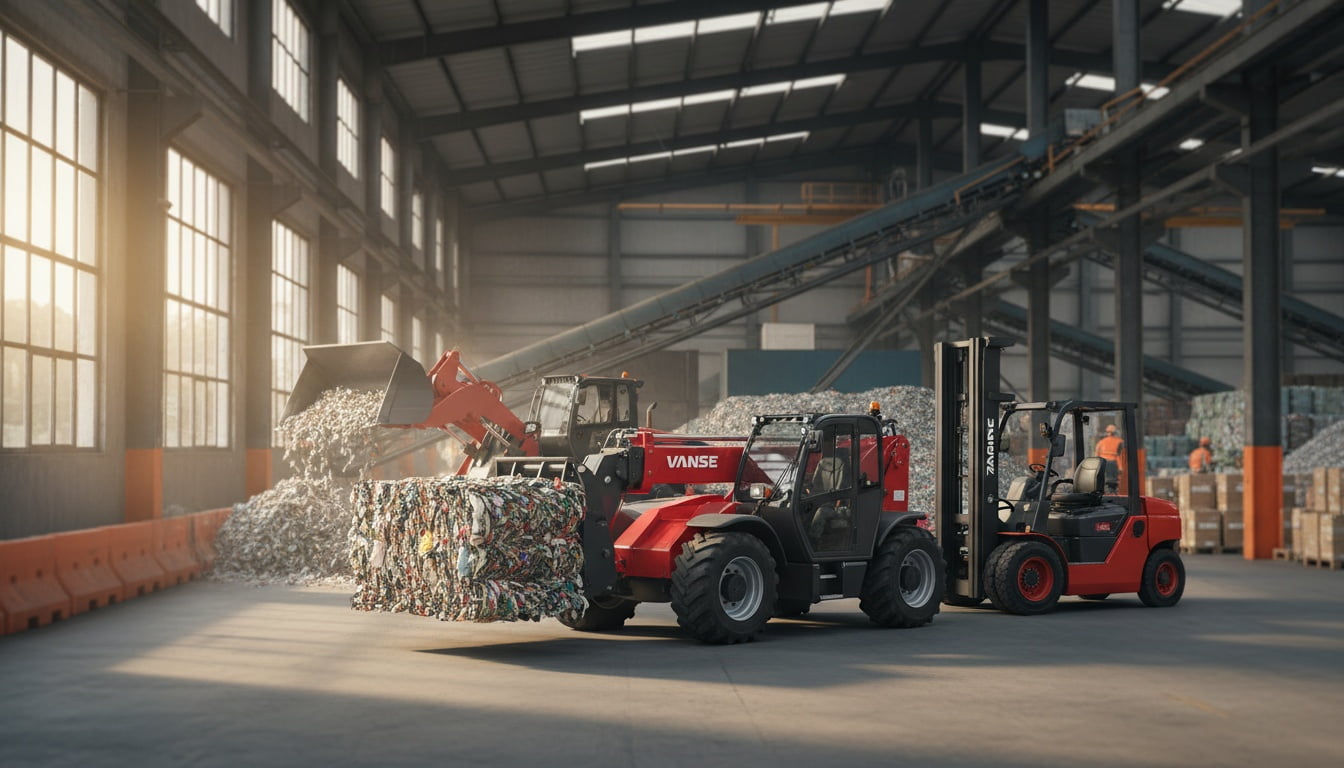
Landscape supply operators use compact telehandlers to move pavers, bulk bag materials, nursery stock, retaining wall products, and irrigation components. Municipal buyers may also use them in public works depots, parks maintenance centers, and port-adjacent yards where mixed surface conditions make rough-terrain capability valuable.
How to Buy the Right 2000 kg Telehandler
U.S. buyers should begin with the work envelope, not the brand. First identify the heaviest real load, then the furthest forward reach needed, and finally the tightest travel path. This prevents under-specification and avoids paying for boom size that the job never uses. A machine rated for 2000 kg at one position may lift less at maximum extension, so reading the load chart is essential.
Then evaluate transport and storage. Many buyers in the United States move compact equipment between projects on tag trailers or goosenecks behind medium-duty trucks. If the telehandler is too heavy, too tall, or too long, operating flexibility drops and transport cost rises. In cities with restricted access or garage entry limits, overall height becomes a critical factor.
After that, compare service support. Parts lead time, tire supply, hydraulic hose standards, and technician response windows often matter more than brochure features. Ask each supplier how they support customers in your city or state, whether they hold common filters and wear items, and whether they offer phone diagnostics, field service, or loaner support.
| Buying factor | Why it matters | Questions to ask | Risk if ignored | Best buyer type | Practical U.S. example |
|---|---|---|---|---|---|
| Lift chart | Capacity changes with boom position | What is capacity at full forward reach? | Unsafe or ineffective lifting | All buyers | Masonry pallet placement on urban sites |
| Machine dimensions | Determines site access and transport | Will it fit gates, trailers, and sheds? | Lost productivity and delivery issues | Contractors and farms | Narrow lot access in New Jersey suburbs |
| Attachments | Drives year-round utility | Which forks, buckets, and jibs are supported? | Reduced machine utilization | Owner-operators | Landscape yards in Florida |
| Service coverage | Controls downtime cost | Where is the nearest tech and parts point? | Long idle periods | Rental fleets and contractors | Remote site work in West Texas |
| Engine and hydraulics | Affects reliability and maintenance familiarity | Are components from recognized suppliers? | Harder troubleshooting and parts sourcing | Fleet managers | Industrial use near Chicago |
| Total ownership cost | Purchase price alone is misleading | What are expected annual service and resale values? | Budget overruns | Finance-conscious buyers | Multi-unit fleet planning in Georgia |
This table shows the practical lens used by experienced buyers. It is especially relevant in the U.S. because ownership models vary widely between owner-operators, rental chains, family farms, and regional contractors.
Applications on Tight Job Sites
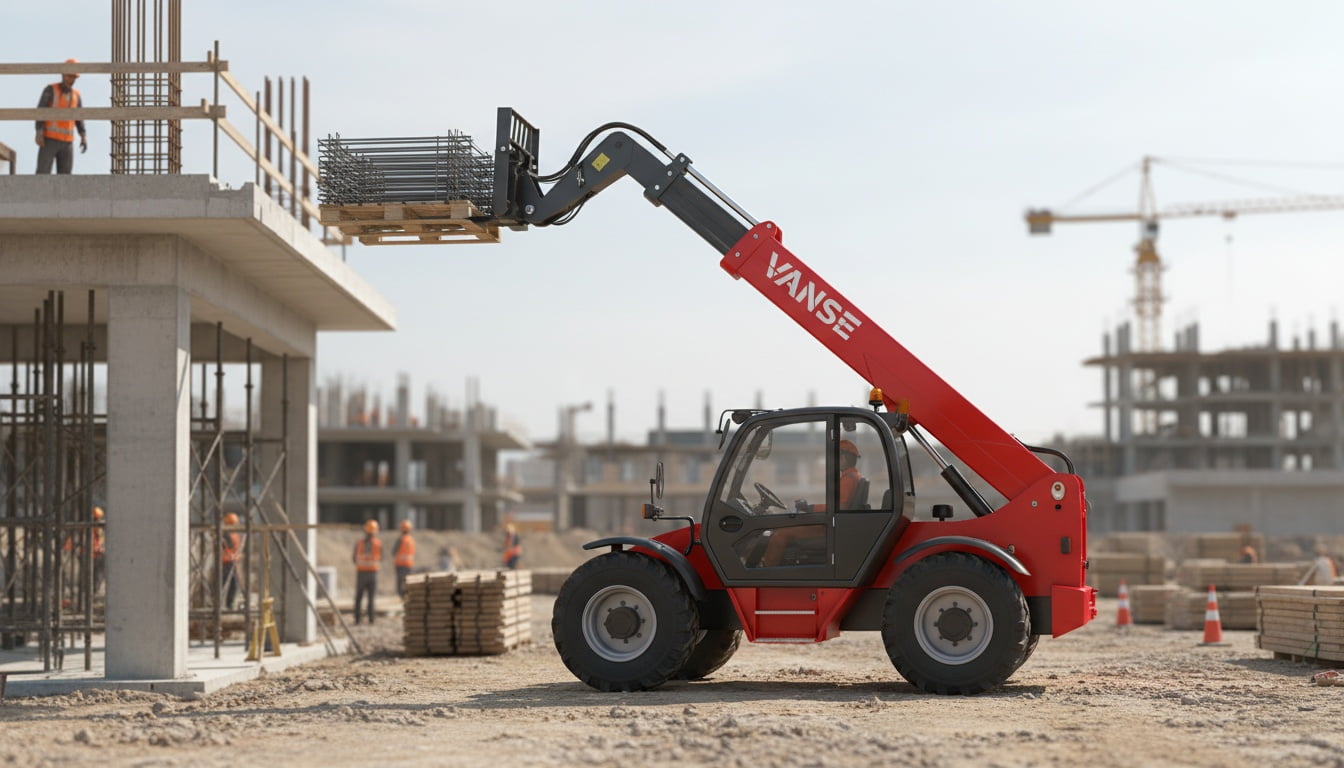
Compact telehandlers excel in places where maneuverability is worth more than high lift height. On small commercial sites, they can unload a flatbed, move product around obstacles, and place material near crews without requiring the staging space that a larger machine needs. On residential construction projects, they help with trusses, framing bundles, drywall loads, and roofing pallets where the footprint of a full-size unit would be excessive.
In warehouse-adjacent outdoor yards near ports such as Savannah, Houston, Long Beach, and Newark, these machines support mixed material flows from truck unloading to rough-surface yard handling. In renovation and retrofit projects, they move equipment and supplies through constrained entrances and around active facilities. This makes them attractive for schools, hospitals, municipal buildings, and manufacturing campuses where access is limited.
Detailed Local Supplier Perspective
Because the U.S. market is large, “best supplier” often means the supplier that can respond effectively within your region. A Florida citrus grower and a Denver framing contractor may need the same nominal lifting capacity, but their dealer expectations, tire preferences, and service priorities differ. The table below helps localize the supplier discussion.
| Region | Common buyer profile | Preferred machine traits | Likely leading suppliers | Important service expectation | Typical jobs |
|---|---|---|---|---|---|
| Texas Gulf and Dallas-Fort Worth | Commercial contractors and rental branches | Rugged cooling performance, quick transport readiness | JCB, Genie, JLG, SkyTrak | Fast field service and branch parts | Warehouses, tilt-wall support, site logistics |
| California and Inland Empire | Distribution, landscaping, urban construction | Compact dimensions, good visibility | Bobcat, JCB, Manitou | Dealer proximity and emission compliance knowledge | Urban infill, yards, material delivery support |
| Southeast including Georgia and Florida | Agriculture, landscape, residential construction | Attachment flexibility and mixed-surface performance | Bobcat, Manitou, JCB | Seasonal support and quick consumables supply | Nurseries, farm structures, homebuilding |
| Midwest including Illinois and Ohio | Industrial, farm, and contractor buyers | Reliability in variable weather and easy maintenance | SkyTrak, JLG, Bobcat, Manitou | Technician access and winter downtime planning | Plants, depots, grain and feed handling |
| Northeast corridor | Urban contractors and municipal users | Narrow access, transport efficiency | JCB, Bobcat, Genie | Responsive metro-area support | Renovation, streetscape, compact construction |
| Mountain West | Builders, yards, specialty contractors | Strong rough-terrain mobility | JCB, JLG, Magni | Remote support and robust parts stocking | Resort, slope-adjacent, and remote access work |
This regional comparison helps buyers focus on local suitability rather than generic national marketing. It also shows why machine selection in the United States is strongly tied to dealer density and climate conditions.
Case Studies from Realistic U.S. Use Scenarios
A masonry contractor in suburban Atlanta needed a compact lifting machine for townhouse development sites with narrow staging lanes. A 2000 kg telehandler proved more useful than a standard forklift because it could unload block and place material beyond temporary fencing without requiring a larger turning area. The contractor prioritized fork visibility, easy trailer loading, and same-day parts from a regional branch.
A landscape supply business near Phoenix used a compact telehandler to manage palletized pavers, irrigation kits, and bulk bags. Because traffic flow in the yard changed daily, the operator valued maneuverability and attachment changes more than maximum boom height. The machine improved truck turnaround and reduced manual handling around customer pickup zones.
An industrial maintenance contractor in the Chicago area chose a 2000 kg telehandler for shutdown work at manufacturing sites. The machine could move piping, motors, and maintenance crates over uneven exterior pavement and then work in tighter loading areas than larger rough-terrain handlers. The deciding factor was not only capacity but responsive field support and component familiarity for the contractor’s mechanics.
Supplier Comparison by Decision Criteria
When choosing between brands, many U.S. buyers compare practical criteria instead of brochure language. The comparison chart below illustrates how a buyer might evaluate options across support, compactness, versatility, price positioning, and fleet suitability.
This comparison chart does not claim a universal winner. Instead, it reflects a realistic decision trade-off in the U.S. market: established brands often lead in dealer coverage, while emerging international suppliers may deliver stronger price value when local support is credible.
Trend Shift Toward 2026
By 2026, U.S. telehandler buying patterns are expected to shift further toward compact, versatile, lower-total-cost machines. Contractors and rental fleets want fewer specialized machines and more multi-role units that can serve changing project mixes. Sustainability is also influencing procurement, not only through emissions regulation but through fuel efficiency, lower idle time, and more efficient fleet deployment. Digital diagnostics, telematics, and simplified maintenance planning are becoming more important even in smaller capacity classes.
The area chart shows the broad market transition toward compact, efficiency-oriented telehandlers in the United States. This trend is supported by urban job density, workforce efficiency pressures, and fleet managers seeking better utilization per machine.
Policy, Technology, and Sustainability Trends for 2026
Several 2026 trends will shape compact telehandler purchasing decisions in the United States. First, regulatory attention around engine emissions and jobsite environmental performance will continue to push buyers toward cleaner and better-managed powertrains. Second, telematics will become more common even on smaller machines, helping rental fleets and contractors monitor idle hours, service intervals, utilization, and misuse patterns. Third, attachment-driven machine strategy will keep expanding because buyers want one compact loader platform to handle more tasks without adding headcount or transport complexity.
Another key trend is procurement discipline. Buyers are increasingly comparing domestic, European, and international manufacturers based on documented service structure, not just machine origin. If a supplier can demonstrate real parts planning, local stocking, technical training, and field support in the United States, it becomes more competitive in a market that once defaulted to legacy brands.
Our Company
For U.S. buyers looking beyond legacy brands, VANSE presents a serious option in the compact telehandler category because its machines are produced under CE and ISO 9001-certified systems, built with globally recognized core components such as Perkins and Cummins engines together with premium hydraulic and driveline systems, and each unit is subjected to load testing, safety inspection, and performance validation before shipment. That manufacturing discipline is backed by more than a decade of specialization in construction machinery, total output exceeding 8000 units, and deliveries to over 40 countries, including customers across North America, which gives local buyers evidence of operating experience rather than theory. In commercial terms, the company supports end users, distributors, dealers, brand owners, and expanding retail channels through flexible OEM and ODM programs, wholesale supply, customization of branding and configuration, and regional partnership models that suit rental fleets, contractors, equipment resellers, and private buyers. Just as important for the United States, VANSE is actively building a local footprint through a U.S.-based subsidiary strategy with local inventory and after-sales capability, while already offering structured pre-sale consultation, technical support, and lifecycle service through online and offline channels. That combination of certified production, international component sourcing, measurable export scale, and physical North American service commitment makes the company more than a remote exporter; it positions VANSE as a long-term market participant for buyers evaluating compact telehandler value. Buyers can review equipment options, learn more about the company, explore service support, or contact the team for application matching and dealer discussions.
How International Suppliers Can Compete in the U.S.
The U.S. market is open to international manufacturers when they meet practical buyer expectations. Price alone is never enough. To win trust, a supplier must document component quality, certification standards, testing procedures, warranty process, spare-parts strategy, and North American response capability. Buyers in the United States often accept international sourcing when machines use familiar engines, standard service items, and transparent support commitments.
That is especially relevant in the 2000 kg segment because many purchasers are cost-sensitive and compare these machines against compact loaders, rough-terrain forklifts, and rented alternatives. If an international supplier offers the right telehandler at a substantially better price while still providing real support, the value proposition can be strong. This is why qualified Chinese suppliers with proven export history and local market planning are receiving more attention in fleet replacement discussions.
Practical Buying Checklist for U.S. Customers
Before placing an order, ask each supplier for a full specification sheet, load chart, component list, service plan, and delivery timeline. Request details on engine brand, hydraulic system supplier, attachment interface, tire options, and cab configuration. Confirm whether common maintenance parts are held in the United States or shipped internationally. If you operate in a port-adjacent or inland logistics area such as Houston, Savannah, Los Angeles, Memphis, or Chicago, also ask about delivery lead times and inbound spare parts routing.
It is wise to compare the machine under your actual load profile. A unit that looks similar on paper may behave differently with forks versus bucket use, on compacted stone versus pavement, or under repeated shuttle cycles. For buyers planning multiple units, pilot deployment with a single machine often reveals the real cost and service picture before wider fleet adoption.
FAQ
What is a 2000 kg telehandler best used for in the United States?
It is best for compact lifting and reach tasks on tight construction sites, farms, supply yards, industrial facilities, and mixed-surface material handling areas where a standard forklift lacks reach and a larger telehandler is too bulky.
Is 2000 kg enough capacity for construction materials?
For many low-rise and small commercial jobs, yes. It commonly handles palletized materials, framing bundles, feed, fencing products, and maintenance loads. The correct answer depends on the load chart at the actual boom position.
Which U.S. regions buy the most compact telehandlers?
High-demand markets include Texas, California, Florida, Georgia, the Midwest industrial belt, and dense Northeast urban corridors where access constraints and mixed jobsite conditions favor compact machines.
Are rental fleets interested in this class?
Yes. Rental companies value these machines because they fit varied customer needs, transport relatively easily, and can replace more specialized equipment on smaller jobs.
What matters more, brand or local support?
For most buyers, local support matters more once minimum machine quality is met. Fast parts, technician response, and attachment availability usually have a larger effect on ownership cost than brand image alone.
Can international suppliers be a safe choice for U.S. buyers?
Yes, if they can prove certification controls, use recognized core components, provide transparent warranty terms, and establish local inventory or after-sales support in North America.
What should I compare besides price?
Compare lift chart performance, machine dimensions, operating weight, transport practicality, attachment compatibility, service network, component brands, and expected resale value.
Will 2026 trends affect this market?
Yes. Buyers will increasingly look for telematics, lower operating cost, cleaner powertrains, stronger fleet utilization, and suppliers with verifiable local support in the United States.
Complete Telescopic Handler Equipment Portfolio
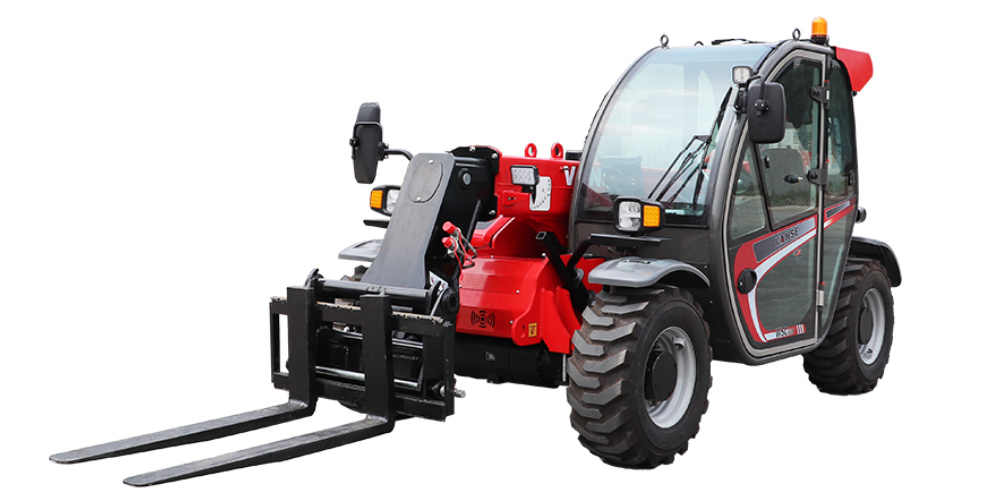
VANSE 625 6m Telescopic Handler
Designed for efficient material handling and stacking in warehouses, factories, and confined job sites, offering compact maneuverability and reliable performance.

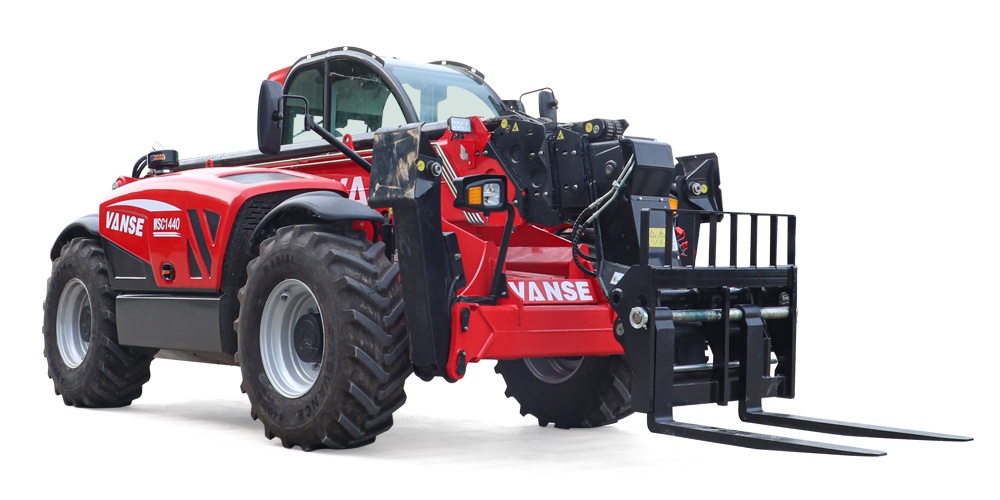
VANSE 735 7m Telescopic Handler
A balanced mid-duty solution for construction, agriculture, logistics, and warehousing, combining stable lifting, strong traction, and everyday versatility.


About the Author:
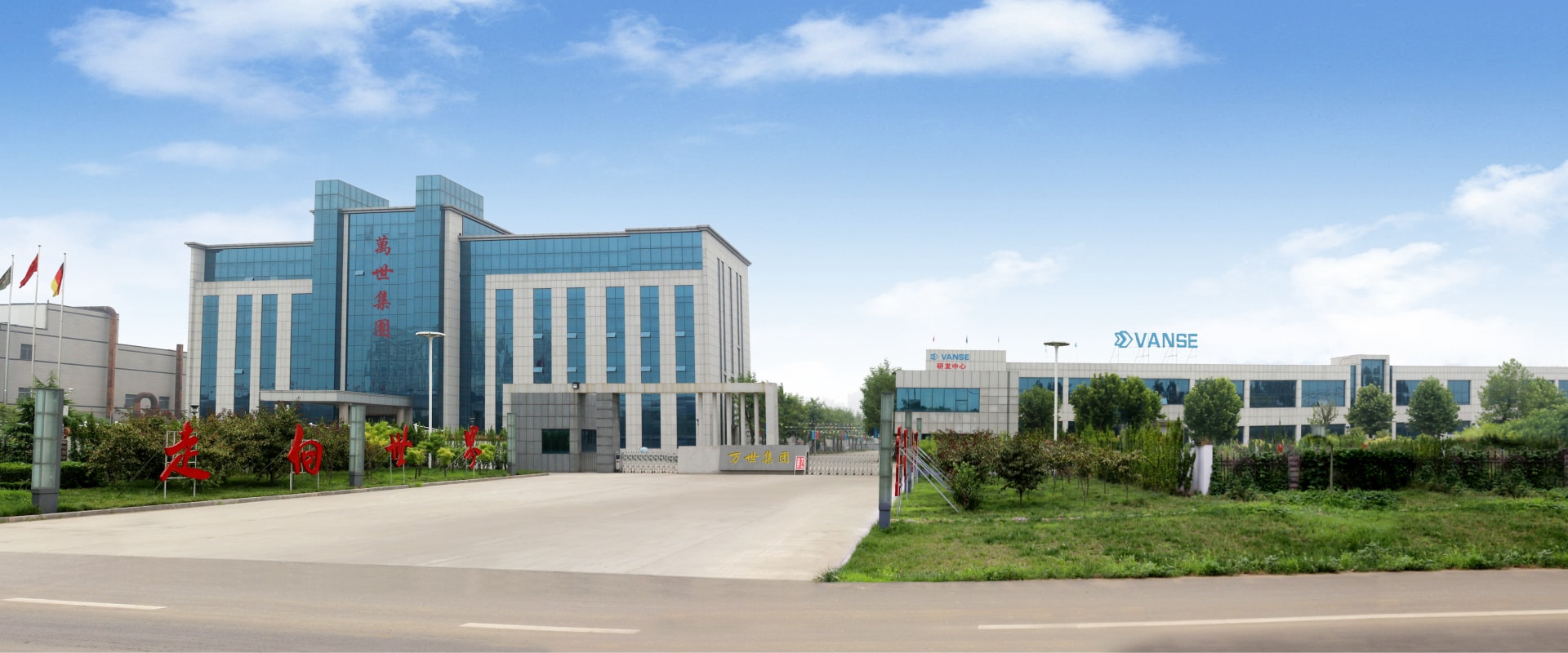
The VANSE team is a group of experienced professionals specializing in construction machinery research, manufacturing, and technical support. With deep industry knowledge and hands-on experience, our engineers and product specialists share practical insights on equipment selection, operation, maintenance, and industry trends.
Share
You May Also Interest
-

16 October, 2026
How to Transport a Telehandler to New Construction Sites
Learn how to transport telehandler equipment in the United States with legal, safe, and cost-effective steps for permits, trailers, loading, and delivery.
-

15 October, 2026
Telehandler Counterweight: Balance and Stability Essentials
Learn how telehandler counterweight design improves stability, lift safety, and jobsite performance in the United States with practical buying tips.
-
14 October, 2026
Telehandler for Cold Storage: Material Handling in Frost
Explore telehandler cold storage solutions in the United States, including suppliers, specs, costs, and buying tips for frozen warehouses and cold-chain operations.
-
12 October, 2026
Telehandler vs Mast Forklift: Indoor vs Outdoor Lifting
Compare telehandler vs mast forklift in the United States for indoor and outdoor lifting, with buying tips, supplier options, and practical use cases.