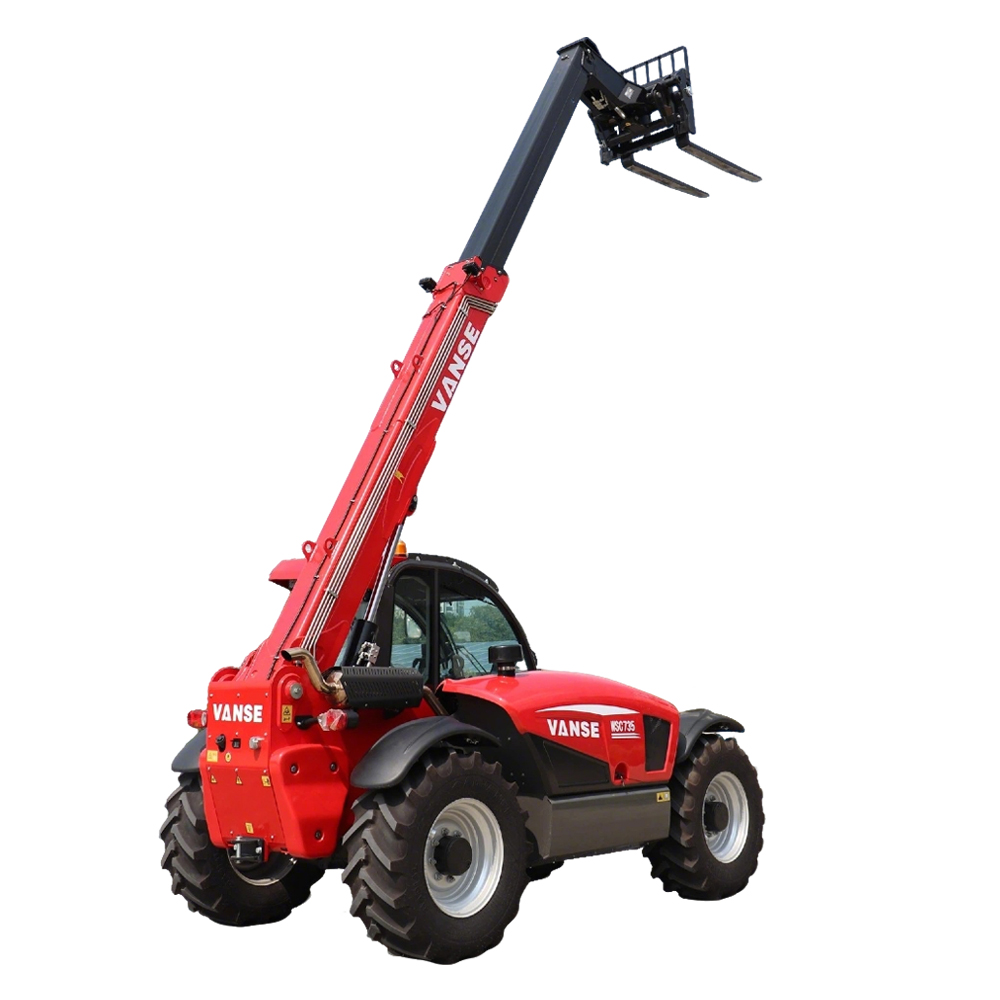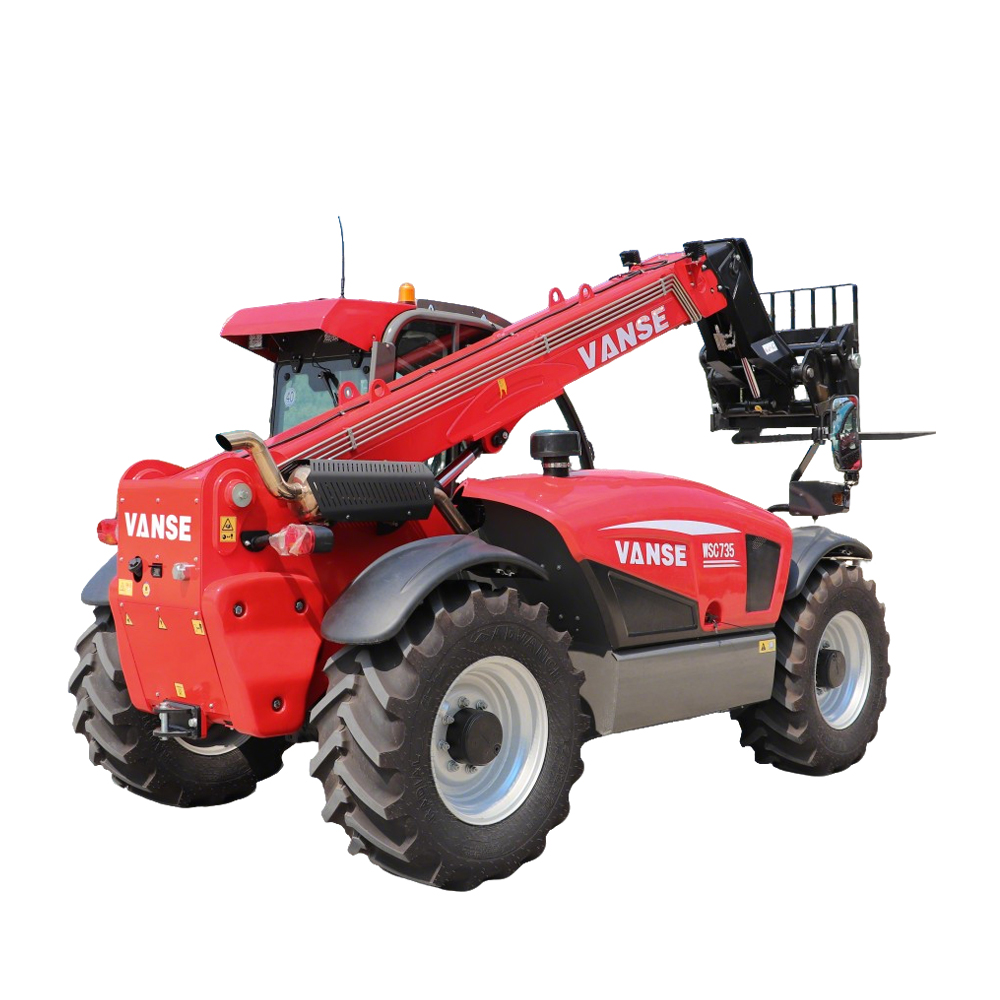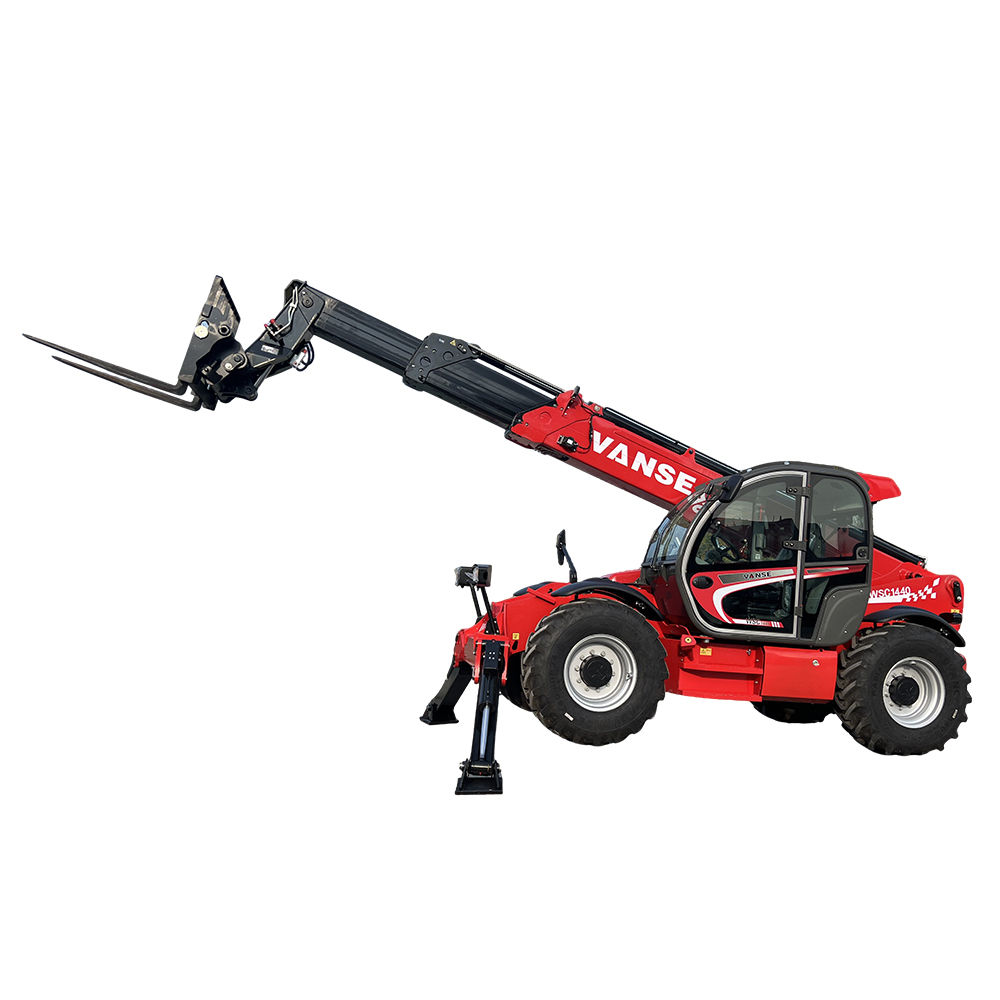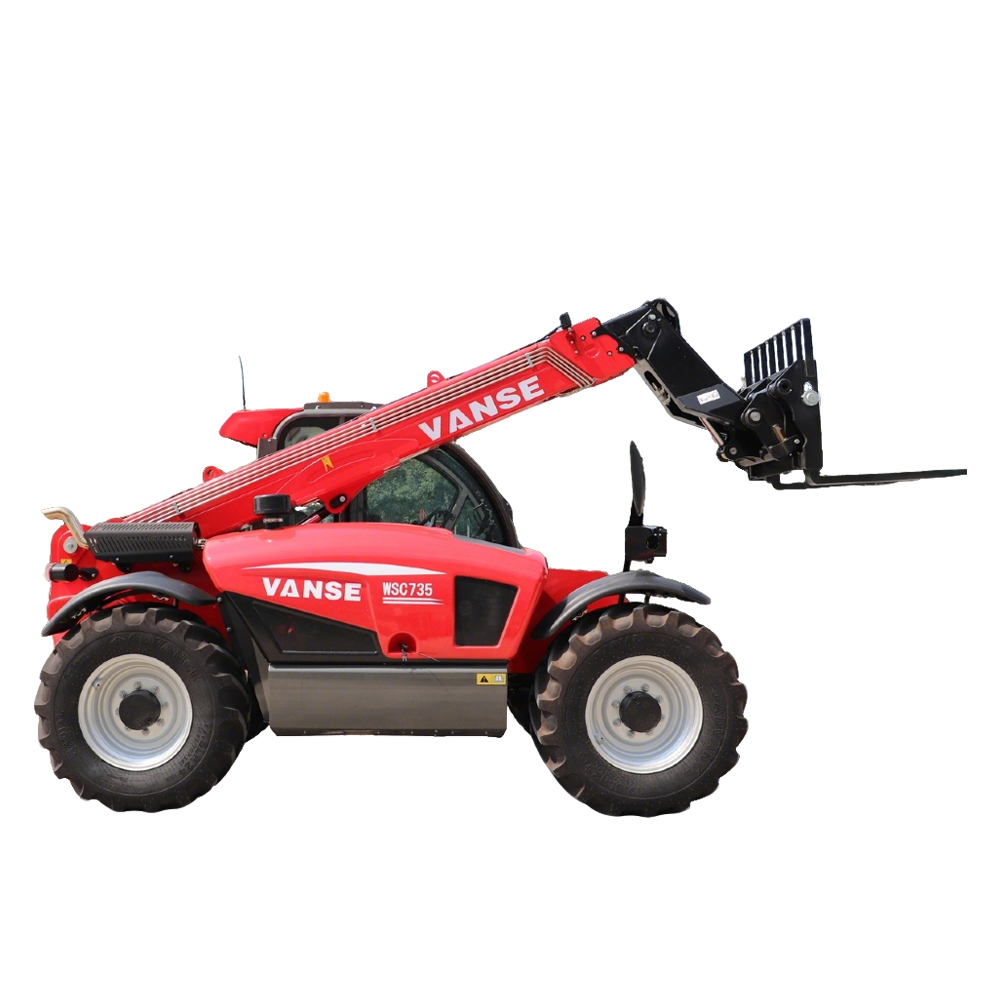
Telehandler vs Forklift: Which Machine Fits Your Job in the United States?
Quick Answer

If you need maximum reach, outdoor versatility, rough-terrain stability, and the ability to use multiple attachments, a telehandler is usually the better choice. If you need fast, repetitive pallet movement on smooth floors inside warehouses, plants, or distribution centers, a forklift is usually the right machine. In the United States, contractors in Houston, Dallas, Phoenix, Atlanta, and inland logistics corridors near Chicago often choose telehandlers for construction and agricultural yards, while warehouse operators around Los Angeles, Savannah, New Jersey, and Memphis typically favor forklifts for dock-to-rack handling.
For most buyers, the practical rule is simple: choose a telehandler for reach and terrain, choose a forklift for aisle efficiency and lower upfront cost. Well-known local and global suppliers active in the U.S. market include JLG, Genie, JCB, Manitou, CAT Lift Trucks, Toyota Material Handling, Hyster, and Bobcat. Qualified international suppliers can also be worth evaluating, especially when they provide recognized certifications, proven component brands, and dependable pre-sales and after-sales support in the United States. For buyers focused on cost-performance, this can open up attractive options beyond traditional domestic channels.
Why the U.S. Market Compares These Machines So Often

In the United States, the comparison between telehandlers and forklifts comes up because many businesses operate across mixed environments. A contractor may unload material from flatbed trailers in a muddy jobsite one day and stage palletized goods the next. A farm operation in Iowa or California may move seed, feed, hay, pipe, and bundled materials in different seasons. A rental company serving Florida, Texas, or the Carolinas may need equipment that fits several customer profiles without over-specializing.
That is why the telehandler versus forklift decision is not only about lifting capacity. It also involves ground conditions, building height, attachment requirements, labor efficiency, transport logistics, maintenance support, and fleet utilization. U.S. buyers increasingly look at total lifecycle value rather than just sticker price. This is especially true in regions with active infrastructure work, port expansion, energy projects, and large agricultural operations.
Ports and freight hubs influence equipment demand as well. Near the Port of Los Angeles, Port of Long Beach, Port of Houston, Port of Savannah, Port Newark, and major inland rail terminals, forklifts remain essential for warehouse and container-adjacent workflows. On large outdoor projects tied to highways, industrial plants, solar fields, and suburban development, telehandlers often provide better utilization because they can place materials at height and travel over uneven surfaces.
Core Differences at a Glance

The biggest difference is how each machine handles reach and terrain. A forklift lifts mostly straight up and is optimized for stable, flat surfaces and predictable pallet handling. A telehandler uses a telescopic boom that can extend forward and upward, allowing operators to place loads where a forklift cannot safely reach. This makes telehandlers more flexible, but also more specialized in operation and load management.
Below is a practical comparison table to help frame the decision for U.S. buyers evaluating fleet purchases, replacements, or first-time acquisitions.
| Factor | Telehandler | Forklift | Best For |
|---|---|---|---|
| Working surface | Rough terrain, gravel, mud, outdoor sites | Smooth concrete, warehouse floors, docks | Telehandler outdoors, forklift indoors |
| Lift path | Upward and forward with boom extension | Mainly vertical mast lift | Telehandler for reach placement |
| Typical attachments | Forks, buckets, jibs, work platforms, grapples | Forks, clamps, rotators, side shifters | Telehandler for multi-role use |
| Aisle efficiency | Lower in tight warehouse layouts | Higher in racking and dock operations | Forklift for warehouse flow |
| Lift height | Much higher reach capability | Moderate depending on mast type | Telehandler for elevated delivery |
| Operator complexity | Higher due to boom dynamics and load charts | Lower for standard pallet movement | Forklift for repetitive handling |
| Upfront cost | Generally higher | Generally lower | Forklift for lower entry budget |
This table shows the central tradeoff clearly. Telehandlers win on reach, site adaptability, and task variety. Forklifts win on speed, simplicity, and indoor handling efficiency. In most U.S. operations, one is not universally better than the other. The right choice depends on where the machine spends most of its working hours.
U.S. Equipment Demand and Market Direction
The American market is broad enough to support both categories strongly. Forklifts dominate warehousing, manufacturing, food and beverage, retail distribution, and logistics centers. Telehandlers remain strong in residential and commercial construction, framing, steel erection support, masonry, precast handling, agriculture, landscaping supply yards, and energy-related projects.
One reason telehandlers have gained attention is jobsite consolidation. Contractors want fewer machines doing more work. A telehandler can unload trucks, move pallets, position trusses, carry bulk materials with a bucket, and support accessory tasks with the right attachment. On labor-constrained projects, that flexibility matters.
The line chart below illustrates a realistic view of U.S. market growth in telehandler demand relative to forklift fleet replacement activity. It does not suggest forklifts are declining in absolute importance; rather, telehandlers are growing faster in sectors where outdoor flexibility and elevated placement are critical.
Where Each Machine Performs Best
Telehandlers perform best when a load must be moved over obstacles, delivered onto upper levels, or handled on unpaved surfaces. This includes placing palletized brick on scaffolding lines, lifting framing packages to second-story decks, moving pipe across uneven industrial sites, and handling hay or feed where ground conditions vary.
Forklifts perform best when the movement pattern is standardized and repetitive. Think unloading trailers at a distribution center near Columbus, replenishing racking in Dallas-Fort Worth, moving pallet loads inside a manufacturing plant in the Midwest, or supporting cold-chain and consumer goods operations in New Jersey or Georgia. In these settings, aisle speed, turning radius, operator familiarity, and battery or LPG management matter more than reach.
Product Types Buyers Should Understand
The telehandler category is not one-size-fits-all. Some machines are compact and ideal for tighter construction sites or feed yards. Others are high-capacity, heavy-duty models for industrial applications. Forklifts are also divided into electric, internal combustion, pneumatic-tire, cushion-tire, and rough-terrain variants. U.S. buyers often make mistakes by comparing the wrong subclasses.
| Machine Type | Typical Capacity | Main Environment | Key Advantage |
|---|---|---|---|
| Compact telehandler | 5,000 to 6,600 lb | Residential builds, farms, landscaping yards | Reach with smaller footprint |
| Mid-size telehandler | 6,600 to 10,000 lb | Commercial construction, rentals | Balanced reach and capacity |
| High-capacity telehandler | 10,000 lb and above | Industrial, energy, large sites | Heavy elevated material placement |
| Warehouse electric forklift | 3,000 to 8,000 lb | Indoor logistics and manufacturing | Low emissions and tight turning |
| Pneumatic-tire forklift | 5,000 to 15,000 lb | Mixed indoor-outdoor yards | Dock and yard flexibility |
| Rough-terrain forklift | 5,000 to 8,000 lb | Construction support areas | Outdoor pallet handling |
| High-capacity industrial forklift | 15,000 lb and above | Ports, steel, machinery handling | Extreme load handling on firm surfaces |
This classification matters because some buyers compare a telehandler against a standard indoor forklift and conclude the telehandler is too expensive, when the real operational alternative is a rough-terrain forklift or even multiple specialized machines. Once labor, rental substitution, and attachment versatility are considered, the telehandler can become the better economic choice.
Industry Demand in the United States
Demand varies sharply by industry. Warehousing and distribution remain forklift-heavy, while construction and agriculture are more favorable to telehandlers. Industrial plants and energy projects may use either depending on workflow. The bar chart below reflects realistic equipment preference intensity by sector in the U.S. market.
Buying Advice for U.S. Owners and Fleet Managers
Before choosing a machine, define the primary load, not just the heaviest load. Many businesses buy around maximum capacity even though most daily lifts fall well below that number. For telehandlers, boom extension changes effective capacity, so real operating loads should be evaluated by reach and height, not brochure headline capacity alone. For forklifts, attachment weight, load center, floor condition, and aisle width often matter more than nominal lift number.
Also consider where the machine spends at least 70 percent of its time. If most work is outdoors and includes unloading from uneven ground, telehandler ownership usually makes sense. If most work is repetitive pallet transport between dock, staging, and racking, a forklift is usually more productive and cheaper to run.
In the U.S., service footprint is often the deciding factor. A slightly more expensive unit with strong parts availability in Texas, the Midwest, the Southeast, or the West Coast can outperform a cheaper machine with weak support. Downtime costs are especially painful in construction schedules and agricultural harvest windows. Buyers should ask about parts stocking, response time, warranty labor handling, technician coverage, telematics support, and resale channels.
| Buying Question | If Answer Is Yes | Recommended Direction | Why It Matters |
|---|---|---|---|
| Do you need to place loads on upper floors or rooftops? | Yes | Telehandler | Forward reach and height are critical |
| Do you work mostly on smooth indoor floors? | Yes | Forklift | Higher efficiency in aisles and docks |
| Do you need one machine for multiple attachments? | Yes | Telehandler | Better multi-function fleet utilization |
| Is purchase budget your primary filter? | Yes | Forklift | Lower initial price in many classes |
| Do you handle pallets all day with little elevation change? | Yes | Forklift | Faster cycle times for repetitive movement |
| Do your sites have mud, gravel, slopes, or loose ground? | Yes | Telehandler | Better rough-terrain mobility |
| Do you need easy operator onboarding for standard tasks? | Yes | Forklift | Simpler workflows and training path |
The table above helps shorten the buying cycle. In many cases, the answer becomes clear after mapping the machine to the most common daily workflow rather than rare edge cases.
Applications by Industry
Construction companies use telehandlers to move drywall, lumber, brick, rebar bundles, and roofing materials across active sites. In suburban growth corridors around Austin, Nashville, Charlotte, and Orlando, telehandlers are frequently seen on framing and mixed-use projects because they reduce manual handling and place materials where crews need them.
Agricultural operations use telehandlers for hay stacking, feed movement, seed handling, fertilizer logistics, and general yard maintenance. Compared with standard forklifts, telehandlers are better suited to open fields, feedlots, and uneven barn access roads. In California’s Central Valley, the Texas Panhandle, and parts of the Midwest, this flexibility matters year-round.
Forklifts dominate e-commerce, retail replenishment, consumer packaged goods, and inbound-outbound dock operations. In markets tied to interstate freight routes and port drayage, forklifts remain the core machine because they support predictable pallet flow with less operating complexity.
Industrial and energy sectors often combine both. A refinery turnaround, utility yard, or fabrication facility may use forklifts for internal movement and telehandlers for outdoor laydown yards or elevated placement.
Trend Shift Toward Flexible Material Handling
U.S. buyers are increasingly shifting toward flexible fleets. The area chart below shows how demand for multi-purpose machines is rising as companies seek to reduce idle assets and cover more jobs with fewer units. Telehandlers benefit from this shift, while forklifts remain indispensable in controlled environments.
Case Studies from Typical U.S. Scenarios
A framing contractor outside Dallas compared adding a 6,000-pound telehandler with continuing to rent forklifts and small loaders separately. The telehandler reduced equipment swapping, handled jobsite unloading, and delivered trusses to upper levels. Even with a higher purchase price, the contractor improved machine utilization and reduced logistics friction across multiple sites.
A building products distributor near Atlanta tested a telehandler for yard use but kept forklifts inside the warehouse. The result was a split fleet strategy: forklifts for dock and rack movement, telehandlers for outdoor inventory, truck loading in uneven yard conditions, and occasional elevated placement. This hybrid approach is common in the United States because it aligns machine type with environment.
An agricultural supplier in Kansas evaluated replacing older forklifts with a telehandler for bulk bag movement and seasonal handling. The telehandler delivered better performance on gravel and muddy access routes, but the company retained one forklift in the indoor warehouse because it still outperformed the telehandler in narrow storage aisles. The lesson was that operational fit matters more than category loyalty.
Leading Suppliers and Brands Active in the United States
For buyers who want concrete market options, the supplier landscape in the United States includes long-established manufacturers and a growing number of internationally backed brands with local support. The table below focuses on recognizable companies and practical buying considerations rather than generic descriptions.
| Company | Main U.S. Service Regions | Core Strengths | Key Offerings |
|---|---|---|---|
| JLG | Nationwide, strong dealer presence in South, Midwest, West | Large telehandler lineup, rental market penetration, parts network | Construction telehandlers, high-reach models, fleet support |
| Genie | Nationwide with strong rental channel support | Reliable telehandler models, common in jobsite fleets | Telehandlers for construction and rental use |
| JCB | National coverage, good visibility in agriculture and construction | Strong brand recognition, operator-focused machines | Telehandlers, compact handlers, agricultural models |
| Manitou | Nationwide, notable in farming and mixed-use applications | Broad telehandler portfolio, agriculture expertise | Telehandlers, rotating handlers, specialized attachments |
| Toyota Material Handling | Extensive nationwide dealer network | Warehouse forklift leadership, service consistency | Electric forklifts, IC forklifts, warehouse trucks |
| Hyster | National industrial and port-adjacent coverage | Heavy-duty forklift solutions, fleet management options | Forklifts, high-capacity units, container-related handling |
| CAT Lift Trucks | Nationwide through dealer network | Balanced industrial forklift offering, recognizable support structure | Warehouse and pneumatic forklifts |
| Bobcat | Strong dealer coverage in construction-heavy states | Telehandler expansion, compact equipment customer overlap | Telehandlers and jobsite-oriented support |
This supplier table is useful because purchase decisions in the United States often start with service radius rather than machine features. Buyers should compare local dealer responsiveness, rental fleet availability, and used resale liquidity in addition to technical specifications.
Supplier and Product Position Comparison
The comparison chart below gives a practical supplier-product view based on broad market positioning in telehandler versatility and forklift specialization. It helps buyers understand why some brands dominate mixed outdoor work while others lead in warehouse operations.
How to Evaluate Local Suppliers and Dealers
In the United States, local support quality often determines whether ownership is smooth or frustrating. Buyers should request demonstration units if possible, especially when deciding between a telehandler and a forklift for mixed operations. Ask the dealer to observe your actual load types, turning areas, trailer unloading conditions, and target placement heights.
Good suppliers will provide attachment compatibility guidance, operating cost estimates, and realistic service response commitments. They should also explain financing, rental-to-purchase options, and used equipment trade-in support. This is particularly important for fleet buyers in states with strong seasonal demand swings, where uptime planning is essential.
Our Company
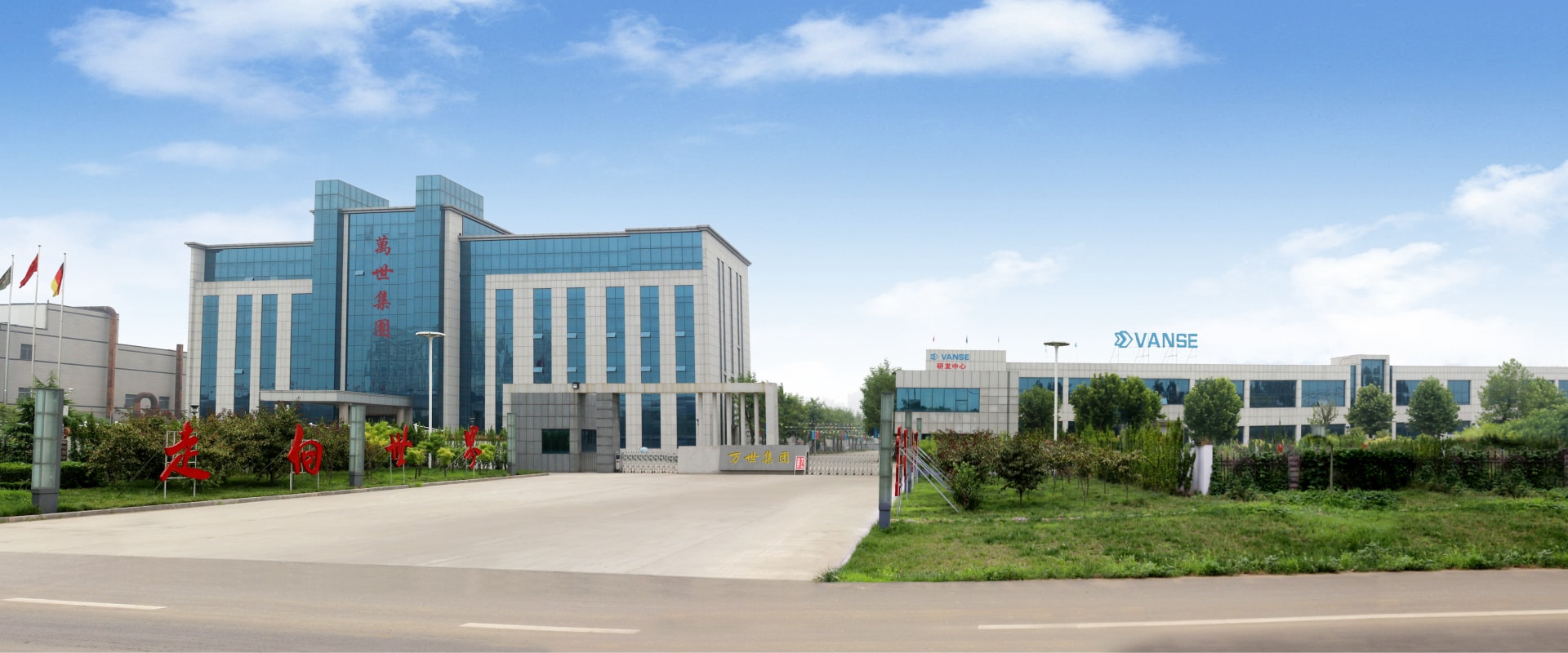
As a manufacturer with a strong telehandler focus, VANSE offers a practical option for U.S. buyers who want international-grade components with competitive pricing and a market-facing service model. Its telehandlers are built under CE and ISO 9001 certified processes, use recognized core components such as engines from Perkins and Cummins together with premium hydraulic and drivetrain systems, and each unit goes through load testing, safety inspection, and performance validation before shipment, which gives buyers concrete evidence of manufacturing discipline rather than marketing claims. The company serves a broad mix of customer types through flexible wholesale supply, OEM and ODM programs, retail-ready configurations, and regional partnership models suited to end users, distributors, dealers, rental companies, and brand owners seeking tailored specifications, branding, and attachments. For the United States, VANSE is not approaching the market as a distant exporter only; it is actively establishing a U.S.-based subsidiary with local inventory planning, stocking capability, and after-sales support to strengthen response time and buyer confidence, while its existing export record of more than 8,000 units and operations across over 40 countries demonstrates the scale, field experience, and long-term commitment that American customers expect. Buyers can explore equipment categories through the equipment lineup, review company background on the about page, assess support coverage through service resources, or discuss application needs directly via the contact team.
What U.S. Buyers Should Ask Before Signing
Buyers should ask for the real capacity at the required height and forward reach, not just rated capacity at ideal conditions. For forklifts, they should confirm actual performance with the intended attachment and load center. For telehandlers, they should review load charts in detail and make sure the operator team understands them.
Ask whether attachments are factory-approved, whether parts are stocked domestically, and how warranty claims are processed. In states with hotter climates such as Arizona, Nevada, and Texas, cooling system performance and dust handling are worth discussing. In colder northern regions, cold-start behavior and hydraulic performance in winter matter more. For operations near major ports or industrial corridors, resale channels and lead times can also influence long-term value.
Cost Considerations Beyond Purchase Price
Forklifts often have a lower acquisition cost, especially in standard warehouse classes, but that does not automatically mean lower ownership cost. If a telehandler can replace multiple support roles on a site, reduce manual handling, and limit rental dependency, it may generate stronger overall value. At the same time, if the work is mostly indoors and repetitive, a forklift’s lower price and higher pallet-cycle efficiency can produce a better return.
Fuel type, tire wear, attachment use, operator skill, service intervals, and transportation between locations all affect cost. Telehandlers may require more careful operator training and safety planning, but they can unlock productivity where forklifts simply cannot perform the job. The right financial comparison should include uptime, task coverage, and avoided subcontract or rental costs.
2026 Trends in Technology, Policy, and Sustainability
Looking toward 2026, several trends are shaping the telehandler versus forklift decision in the United States. First, telematics and remote diagnostics are becoming standard expectations. Fleet owners want better visibility into idle time, maintenance windows, fault alerts, and operator behavior. Second, electrification will continue to expand in forklift segments fastest, particularly for indoor logistics and municipal or low-emission environments. Telehandlers will also see more hybrid and low-emission development, but adoption is likely to be more gradual in heavy outdoor applications.
Third, policy and procurement standards are tightening around emissions, workplace safety, and reporting. Public-sector projects and large private developments are increasingly attentive to sustainability targets, fuel efficiency, and documented maintenance practices. Forklifts already fit well into indoor low-emission strategies, while telehandler manufacturers that improve engine efficiency, hydraulic control, and fleet monitoring will gain an advantage.
Fourth, labor shortages will keep driving interest in machines that simplify material placement and reduce the number of separate assets required on site. This supports continued telehandler growth in construction, agriculture, and infrastructure support work. Finally, local service presence will matter even more as buyers prioritize machines backed by domestic parts, trained technicians, and responsive support rather than lowest-price imports with weak follow-through.
Frequently Asked Questions
Is a telehandler better than a forklift?
Not universally. A telehandler is better for reach, rough terrain, and multi-purpose outdoor work. A forklift is better for indoor pallet handling, narrow aisles, and lower-cost repetitive operations.
Can a telehandler replace a forklift?
In some outdoor or mixed-use operations, yes. In tight warehouses or high-cycle dock environments, usually no. Many U.S. businesses use both because each machine excels in different settings.
Which machine is safer?
Both can be safe when correctly matched to the job and operated by trained personnel. Telehandlers require closer attention to load charts, boom position, and ground conditions. Forklifts require strict control of load stability, travel visibility, and pedestrian safety.
What is usually cheaper in the United States?
A standard forklift is usually cheaper to buy than a telehandler. However, total value depends on whether the machine can cover multiple roles and reduce other equipment or rental needs.
Do telehandlers work in warehouses?
They can, but they are usually less efficient than forklifts in warehouse aisles and racking environments. Their strengths are outdoors, on mixed terrain, and in elevated material placement tasks.
What industries choose telehandlers most often?
Construction, agriculture, building supply, landscaping materials, industrial yards, and energy projects are among the strongest telehandler sectors in the United States.
What industries choose forklifts most often?
Warehousing, manufacturing, retail distribution, food logistics, consumer goods, and dock-based freight operations rely heavily on forklifts.
Should U.S. buyers consider overseas manufacturers?
Yes, if the supplier can demonstrate recognized certifications, proven component quality, clear warranty terms, and reliable local support. For many buyers, the best decision balances price, specification, and domestic service assurance.
Final Takeaway
If your work in the United States centers on warehouses, docks, and predictable pallet movement, choose a forklift. If your jobs demand reach, elevation, rough-terrain handling, and attachment versatility, choose a telehandler. If you operate across both environments, a split fleet may produce the best result. The most successful buyers do not ask which machine is better in general. They ask which machine fits the majority of their daily work, their service network, and their long-term operating costs.
Complete Telescopic Handler Equipment Portfolio
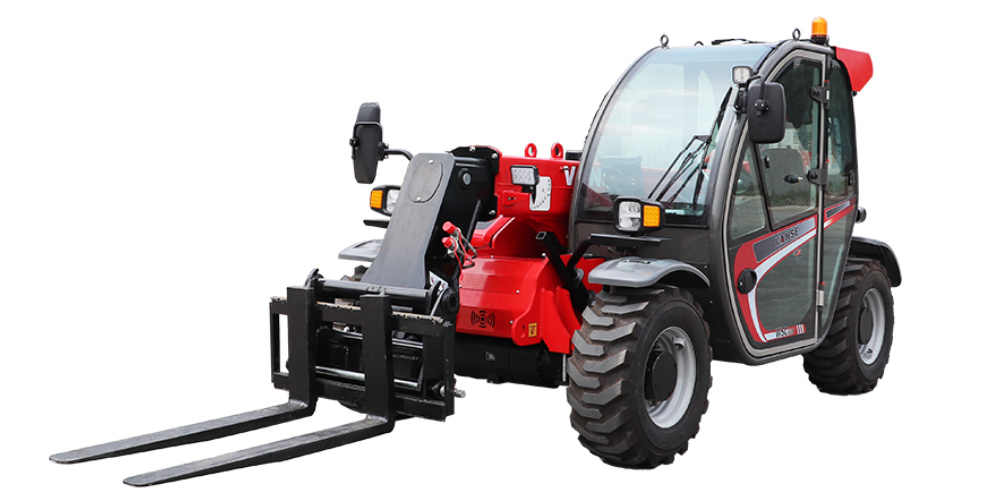
VANSE 625 6m Telescopic Handler
Designed for efficient material handling and stacking in warehouses, factories, and confined job sites, offering compact maneuverability and reliable performance.

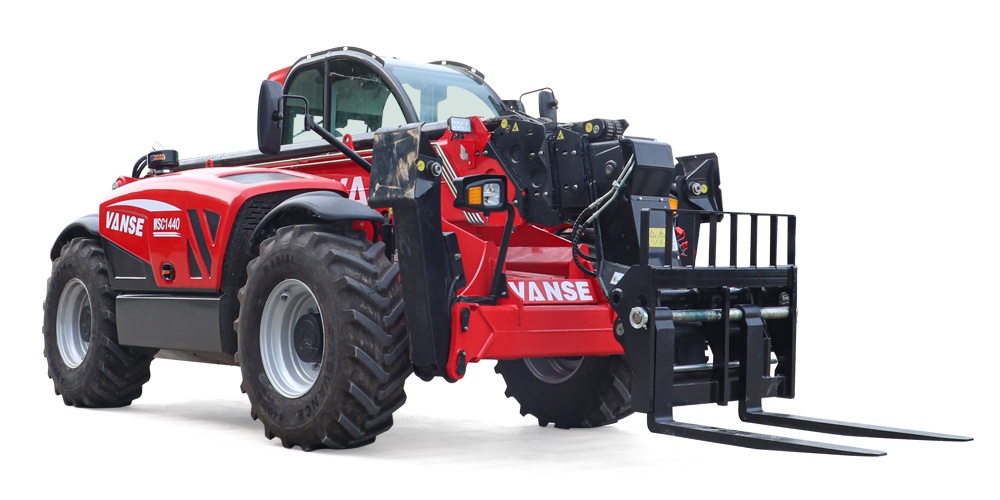
VANSE 735 7m Telescopic Handler
A balanced mid-duty solution for construction, agriculture, logistics, and warehousing, combining stable lifting, strong traction, and everyday versatility.


About the Author:
The VANSE team is a group of experienced professionals specializing in construction machinery research, manufacturing, and technical support. With deep industry knowledge and hands-on experience, our engineers and product specialists share practical insights on equipment selection, operation, maintenance, and industry trends.
Share
You May Also Interest
-

17 June, 2026
Telehandler Attachments: Forks Buckets and Platforms
Explore telehandler attachments in the United States, including forks, buckets, platforms, suppliers, buying tips, and 2026 market trends.
-
16 June, 2026
Best Telehandlers for Construction Projects Right Now
Explore the best telehandlers in the United States with top brands, buying tips, market trends, and cost-effective supplier options for 2026.
-
15 June, 2026
Telehandler Price Guide: Full Cost Breakdown for Buyers
Learn telehandler price ranges in the United States, compare brands, specs, ownership costs, and sourcing options for 2026 buyers.
-
12 June, 2026
Telehandler Forklift: Versatile Rough Terrain Lifting
Find the best telehandler forklift options in the United States, compare suppliers, models, applications, and service support for smart buying decisions.