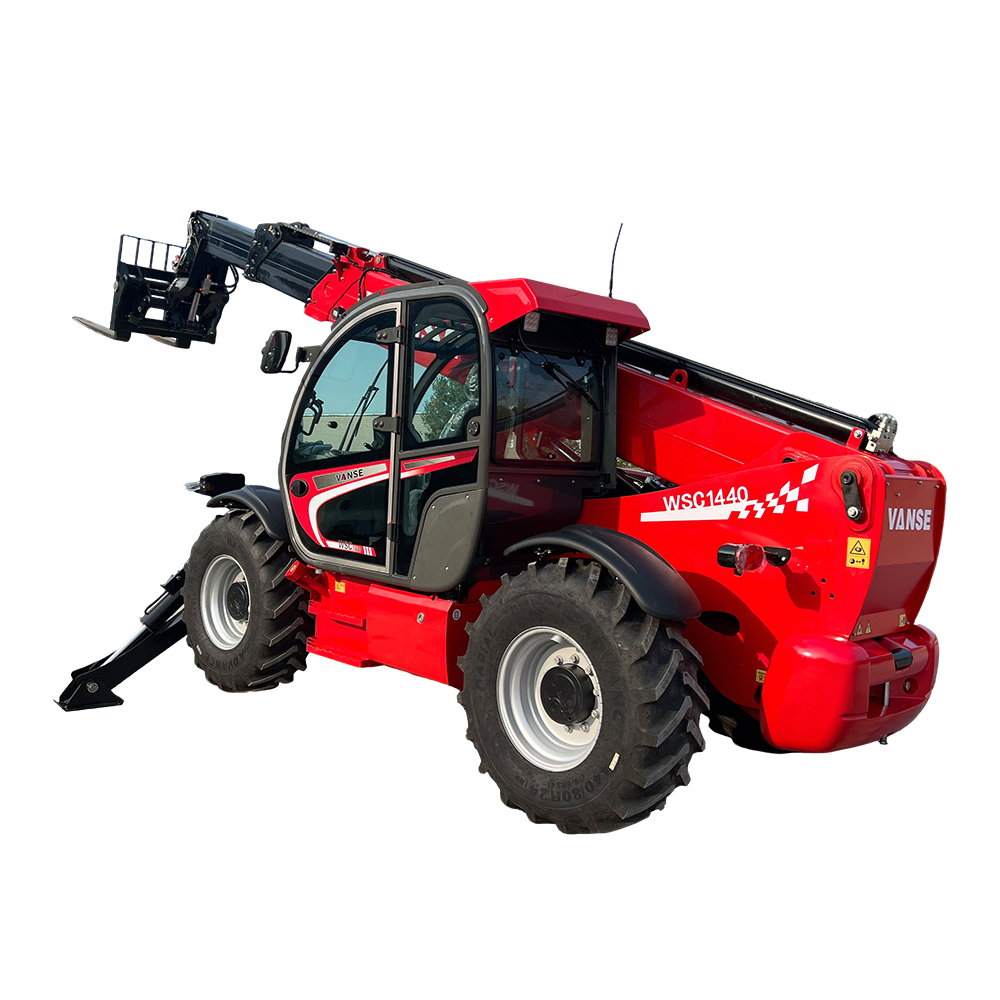
Telehandler vs Boom Lift in the United States
Quick Answer

If you need to lift pallets, bundled materials, pipes, trusses, feed, or heavy loads across uneven ground in the United States, a telehandler is usually the better choice. If you need to raise workers to perform overhead tasks such as steel work, facade access, electrical installation, glazing, painting, or facility maintenance, a boom lift is usually the right machine. In simple terms, telehandlers are built for material handling and site logistics, while boom lifts are built for safe personnel access at height.
For most U.S. buyers, the fastest decision rule is practical: choose a telehandler when load charts, fork work, rough-terrain transport, and attachment flexibility matter most; choose a boom lift when OSHA-focused personnel elevation, outreach around obstacles, and platform access are the priority. Rental-heavy markets such as Houston, Dallas, Atlanta, Chicago, Los Angeles, and Miami often keep both types because they solve different bottlenecks on commercial jobsites, ports, distribution yards, farms, and energy projects.
Leading suppliers active across the U.S. market include JLG, Genie, Skyjack, JCB, Manitou, and Bobcat, each with strong dealer or rental presence. Buyers should also consider qualified international suppliers with relevant certifications, proven export track records, and robust pre-sales and after-sales support, especially when cost-performance is important. That matters for fleet buyers, dealers, and contractors looking for competitive ownership costs without giving up dependable components and service planning.
Direct Comparison: What Actually Changes on the Jobsite

The telehandler and the boom lift may look similar to non-specialists because both use an extending structure to work at height, but they are fundamentally different. A telehandler, sometimes called a telescopic handler, is a rough-terrain lifting machine that moves materials. It usually works with forks, buckets, jibs, winches, and work platforms depending on local rules and machine approvals. A boom lift, by contrast, is a mobile elevating work platform designed to lift people in a guarded platform. In the United States, this distinction drives purchasing decisions because safety compliance, insurance, operator training, and job planning differ significantly.
On a commercial construction site in Phoenix or Charlotte, a telehandler may unload masonry packs from a flatbed, carry them across rough ground, and place them at upper floors. On the same project, an articulating boom lift may allow workers to reach over obstacles to install curtain wall systems. On a farm in Iowa or California’s Central Valley, the telehandler may move feed, seed, pallets, pipe, and fertilizer, while a boom lift may only be used occasionally for maintenance access. In a warehouse development near Savannah or inland logistics hubs around Dallas-Fort Worth, telehandlers often support site prep and material staging long before interior work begins, while boom lifts become more important during fit-out and MEP installation.
Core Differences Table

The table below gives a practical comparison for U.S. buyers who need to choose based on function, compliance, and operating conditions rather than appearance.
| Factor | Telehandler | Boom Lift | Best Fit in the United States |
|---|---|---|---|
| Main purpose | Lift and place materials | Lift personnel for work at height | Choose based on whether the load is material or people |
| Typical attachment | Forks, bucket, jib, winch, grapple | Personnel platform fixed to machine design | Telehandlers offer more jobsite versatility |
| Ground conditions | Very strong on rough terrain | Depends on model; rough-terrain booms available | Telehandlers usually perform better on unfinished sites |
| Primary industries | Construction, agriculture, ports, industry, oil and gas | Construction, maintenance, utilities, industrial shutdowns | Use industry needs to narrow the choice quickly |
| Operator goal | Move loads safely and efficiently | Provide safe access for workers | Different training and risk assessments apply |
| Common U.S. rental demand | Strong in framing, masonry, agriculture, logistics yards | Strong in steel erection, glazing, MEP, facility service | Rental fleets often stock both because demand overlaps by project phase |
| Purchase logic | Higher value when attachments and load handling matter | Higher value when elevated worker productivity matters | ROI depends on the task, not simply lift height |
United States Market Context
The U.S. equipment market remains one of the most sophisticated in the world, driven by large rental companies, regional dealer networks, strict safety requirements, and varied terrain from Gulf Coast industrial yards to Rocky Mountain infrastructure projects. Telehandlers are especially common in commercial construction, agriculture, distribution center builds, and energy worksites. Boom lifts dominate in overhead installation, plant maintenance, warehousing build-outs, and industrial contractor work where guarded platform access is non-negotiable.
Demand patterns vary by region. Texas, Florida, California, Georgia, Illinois, Ohio, and North Carolina are major decision zones due to active construction and logistics investment. Ports such as Los Angeles, Long Beach, Houston, Savannah, and Newark influence equipment procurement because cargo handling, warehousing, and inland freight movement create consistent material-handling requirements. Meanwhile, manufacturing corridors in the Midwest and Southeast continue to support aerial work platform demand for plant expansion and maintenance.
Used-equipment values in the U.S. also shape the decision. Telehandlers generally retain strong value when major components, service records, and attachment compatibility are documented. Boom lifts remain attractive in the resale market when maintenance history, battery or engine condition, and compliance readiness are clear. For buyers balancing capital expenditure and utilization, the choice often comes down to whether the machine will stay active across multiple project phases or only during a narrow installation window.
U.S. Market Growth Line Chart
Product Types and Variations
Not every telehandler or boom lift is configured the same way, so product type matters as much as category. In the U.S. market, telehandlers range from compact models for urban sites and livestock operations to high-capacity units for industrial handling. Standard rough-terrain models dominate general construction, while rotating telehandlers have grown in interest for specialized applications where one machine can reduce crane dependency in tight footprints.
Boom lifts also split into distinct groups. Telescopic boom lifts prioritize straight outreach and horizontal reach for steel, roofing, and exterior work. Articulating boom lifts prioritize flexibility around obstacles, making them valuable in retrofit, plant maintenance, and congested commercial sites. Electric booms continue to gain traction in data centers, warehouses, airports, and indoor-outdoor mixed environments where low emissions and lower noise matter.
Buyers in the United States should pay close attention to lift height, horizontal reach, platform capacity, machine width, transport dimensions, axle configuration, turning radius, and service access. These details can determine whether a machine works efficiently in a downtown redevelopment project in Boston, a housing development in Arizona, or an industrial corridor near Baton Rouge.
Common Product Types Table
This table helps buyers match the machine style to actual operating conditions rather than marketing labels.
| Machine Type | Typical Use | Advantages | Limitations |
|---|---|---|---|
| Compact telehandler | Urban sites, barns, landscaping, small contractors | Tight turning, easier transport, lower operating footprint | Lower lift height and capacity |
| Standard rough-terrain telehandler | General construction, masonry, framing, logistics yards | Strong material handling, versatile attachments, good off-road mobility | Not designed primarily for personnel access |
| High-capacity telehandler | Industrial plants, ports, large infrastructure jobs | Handles heavy loads and large material bundles | Higher purchase price and transport complexity |
| Rotating telehandler | Confined construction sites, multifunction use | 360-degree flexibility, crane-like utility in some tasks | Higher cost and more specialized maintenance |
| Telescopic boom lift | Steel erection, cladding, exterior access | Long outreach and direct access | Less flexible around obstacles |
| Articulating boom lift | Maintenance, glazing, retrofit, MEP | Excellent up-and-over reach | May have lower direct outreach efficiency |
| Electric boom lift | Indoor facilities, data centers, distribution buildings | Low noise, lower emissions, indoor compatibility | Charging strategy and duty cycle planning required |
Buying Advice for U.S. Contractors and Fleet Managers
The smartest purchase starts with the question, “What bottleneck costs us the most money?” If crews lose time waiting for materials, rehandling loads, or depending on multiple machines, a telehandler can deliver strong productivity gains. If skilled labor stands idle because access equipment cannot reach safely and fast enough, a boom lift will usually create better return on investment. That return should be evaluated against utilization hours, transport frequency, maintenance labor, attachment spend, and resale expectations.
For U.S. buyers, the second key question is ownership model. Large contractors and rental companies often standardize around dealer-supported brands because parts availability and technician coverage matter as much as purchase price. Smaller contractors and agricultural users may focus more on value, engine brand familiarity, hydraulics durability, attachment flexibility, and local service response time. Buyers at ports or in the oil and gas corridor from Houston to Louisiana often place extra weight on ruggedness, corrosion protection, and uptime support.
Always verify rated capacity at the required reach, not just the headline maximum. Many purchase mistakes happen because buyers compare only lift height or nominal load capacity. A telehandler that lifts a heavy pallet close to the machine may not handle that same load at full forward reach. A boom lift with a high working height may still be a poor fit if its platform capacity or outreach pattern does not match the task.
Inspection and support planning are also essential. U.S. buyers should review parts stocking, response times, service truck coverage, training options, warranty terms, and telematics support before signing. A machine that costs less upfront but has long parts lead times can quickly become more expensive than a premium-priced unit with strong regional support.
Industry Demand in the United States
Both machine types serve important sectors, but demand intensity is different by industry. The chart below shows a realistic comparison of current U.S. jobsite demand patterns.
Industries That Usually Prefer Telehandlers
Construction framing, masonry, roofing support, agriculture, ports, bulk materials, and general logistics are strong telehandler sectors. In these environments, the machine’s value comes from moving loads across rough ground quickly and adapting to multiple tasks with attachments. On a poultry or dairy operation, for example, one machine may feed livestock, stack materials, and load trucks. On a construction site, the same basic machine class may unload deliveries, place pallets on elevated decks, and support cleanup with a bucket.
The United States also has a strong telehandler case in infrastructure-adjacent projects such as bridge staging areas, utility yards, precast handling, and energy construction. Buyers from these industries often view telehandlers as workflow machines rather than specialty machines because they stay useful through many project stages.
Industries That Usually Prefer Boom Lifts
Industrial maintenance contractors, electrical installers, glazing companies, steel erectors, sign installers, airports, warehouses, and manufacturing plants generally lean toward boom lifts when the task is safe worker access rather than moving loads. In these sectors, guardrails, controlled platform positions, and outreach accuracy help reduce downtime and improve safety planning. In retrofit markets such as Chicago, Philadelphia, and New York metro areas, articulating boom lifts can be especially valuable where access is constrained by existing structures.
Facilities management teams also rely heavily on boom lifts for recurring maintenance such as lighting, overhead doors, piping, HVAC access, and exterior repairs. For these buyers, ease of maneuvering, emissions profile, and platform controls often matter more than raw capacity.
Applications by Job Type
Specific applications often make the decision obvious. If the job is unloading rebar, handling trusses, placing palletized block, moving irrigation supplies, or carrying pipe across a muddy laydown yard, a telehandler is more practical. If the job is installing conduit above a production line, glazing the side of a tower, repairing a warehouse sprinkler line, or painting high structural steel, a boom lift is the better fit.
Some projects need both. A new logistics warehouse near the Port of Savannah may use telehandlers to unload steel, insulation, and palletized goods during shell construction. Once the building envelope is in place, boom lifts take over for electrical, fire protection, lighting, and racking installation. This phased approach is common across the United States and is one reason rental companies maintain mixed fleets.
Application Fit Table
This table shows how common U.S. tasks line up with the best machine choice and why.
| Application | Preferred Machine | Why It Fits | Common U.S. Setting |
|---|---|---|---|
| Unload palletized brick or block | Telehandler | Fork work, rough terrain mobility, fast placement | Commercial and residential construction |
| Exterior steel or facade installation | Boom Lift | Safe worker access with outreach | Urban construction and industrial expansion |
| Move hay, feed, seed, or fertilizer | Telehandler | Attachment flexibility and lifting strength | Farms and ag supply yards |
| Indoor high-bay maintenance | Boom Lift | Controlled personnel elevation and maneuverability | Warehouses and factories |
| Pipe and equipment staging | Telehandler | Material handling efficiency on uneven ground | Energy, utility, and civil projects |
| Overhead wiring or sprinkler installation | Boom Lift | Platform access for skilled trades | Distribution centers and commercial buildings |
| General site support with multiple attachment needs | Telehandler | One machine can cover more logistics tasks | Contractor-owned fleets and rental yards |
Trend Shift Area Chart
The area chart below illustrates how U.S. buyer interest is shifting as projects demand both productivity and lower-emission options.
Case Studies from the U.S. Market
A masonry contractor in Dallas handling multi-story apartment construction typically gets more value from a standard rough-terrain telehandler because the machine unloads brick, mortar tubs, and framing materials all day. The same contractor may rent boom lifts only during specific trade phases. In this case, telehandler ownership and boom lift rental is often the most economical model.
A glazing and facade subcontractor in Atlanta, on the other hand, may depend on articulating boom lifts for most of the project because workers need safe side access and outreach around building geometry. Telehandlers are still useful on-site, but they are often supplied by the general contractor or rented only for receiving and staging materials.
In California agriculture, telehandlers have a strong advantage because they combine reach, lifting power, and flexibility for year-round use. Farms that manage feed, pallets, maintenance materials, and loading tasks can justify ownership far more easily than they can justify a dedicated boom lift. By contrast, a food processing facility in the same state may prioritize electric boom lifts indoors for sanitation, emissions, and aisle access reasons.
At Gulf Coast industrial sites, the decision can be especially context-specific. Telehandlers help with laydown yard logistics, pipe movement, and equipment support over rough ground. Boom lifts become critical inside shutdowns, turnarounds, and refinery maintenance windows when trades need elevated access fast and safely. Many buyers in Houston and along the Louisiana corridor therefore evaluate both fleet mix and rental strategy together rather than comparing the categories as substitutes.
Local Suppliers and Major Brands in the United States
The U.S. market includes a mix of OEMs, dealer-backed import brands, and large rental channels. The practical strength of a supplier depends not just on machine quality, but on service region, parts support, operator familiarity, and fleet resale. The table below highlights real companies active in the American market and what they are known for.
| Company | Primary Service Region | Core Strengths | Key Offerings |
|---|---|---|---|
| JLG Industries | Nationwide United States | Strong aerial platform reputation, broad support network | Boom lifts, telehandlers, telematics, fleet support |
| Genie | Nationwide United States | Well-known access equipment brand with wide rental presence | Articulating and telescopic boom lifts, material lifts |
| Skyjack | Nationwide through dealers and rental fleets | Simple serviceability and rental fleet popularity | Boom lifts, scissors, fleet-friendly access equipment |
| JCB | Strong dealer footprint in multiple U.S. states | Telehandler recognition and construction equipment range | Telehandlers, compact equipment, dealer service |
| Manitou | Broad U.S. dealer coverage | Material handling expertise and ag-market relevance | Telehandlers, rotating telehandlers, rough-terrain handling |
| Bobcat | Nationwide dealer network | Brand familiarity among contractors and farms | Telehandlers, compact loaders, attachments |
| United Rentals | Nationwide branch network | Rental accessibility and project-based fleet support | Telehandlers, boom lifts, short-term and long-term rentals |
Supplier and Product Comparison Chart
This chart compares broad U.S. buyer perceptions across key decision criteria. Scores are indicative and useful for shortlist planning rather than replacing machine-specific evaluation.
How to Evaluate Suppliers in Practice
A supplier should be judged on more than the brochure. In the United States, buyers should confirm parts availability near operating regions, technician response capability, documentation quality, financing options, telematics support, and attachment compatibility. For rental companies, standardization and ease of operator onboarding matter greatly. For end users, machine uptime, repair simplicity, and fuel efficiency may matter more.
Regional context is important. A contractor working around the Port of Houston or the Inland Empire in California may prioritize high utilization and short service windows. A dealer serving the Midwest farm belt may prioritize simple maintenance, cold-weather reliability, and fork-to-bucket versatility. Buyers should ask how the supplier supports operations before delivery, during commissioning, and after the machine enters regular service.
Our Company
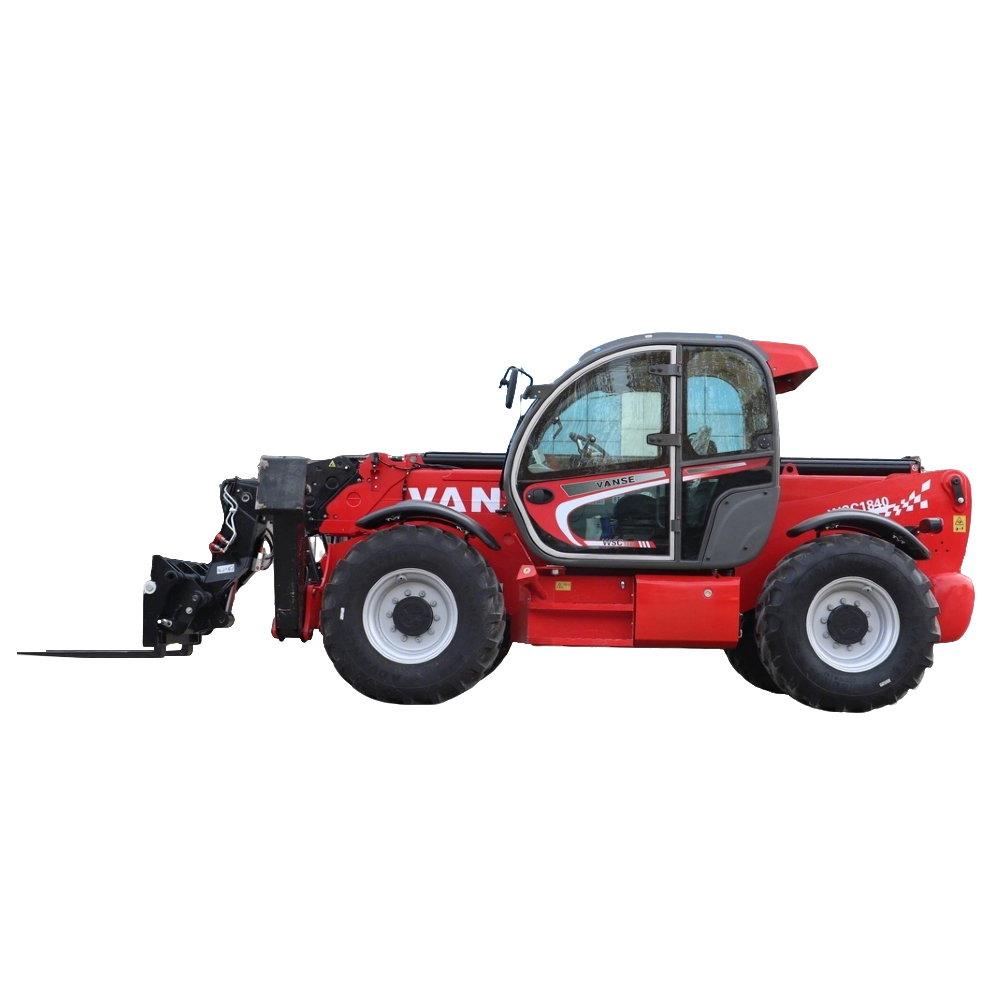
For U.S. buyers comparing telehandlers against boom lifts, VANSE is most relevant when the project demands strong material-handling performance and a lower total acquisition cost without sacrificing core mechanical credibility. Founded in 2013, the company has produced more than 8,000 units and serves customers in over 40 countries, including North America, with manufacturing under CE and ISO 9001 certified processes. Its telehandlers use globally recognized components such as Perkins and Cummins engines together with premium hydraulic systems, transmissions, and axles, and every unit goes through load testing, safety inspection, and performance validation before shipment. That gives end users, distributors, dealers, brand owners, and even smaller local buyers a more evidence-based value proposition than a generic low-price import. VANSE supports multiple cooperation models, including OEM, ODM, wholesale, retail, and regional dealership partnerships, which is useful for rental companies, contractor fleets, independent equipment resellers, and private-label programs. Just as important for the United States, the company is building a stronger physical market presence through a U.S.-based subsidiary plan, local inventory and stocking strategy, and localized after-sales capability, supported by both online technical assistance and offline service coordination. Buyers looking through the company’s equipment range, reviewing its operational background on the about us page, checking lifecycle support through service resources, or discussing project requirements via the contact channel can see that the business is investing in long-term U.S. market support rather than acting as a distant transactional exporter.
Cost, Ownership, and Rental Logic
In the United States, telehandlers and boom lifts are frequently compared on purchase price alone, but that is rarely the best financial lens. Telehandlers often generate value through broader task coverage. One machine can unload trucks, move pallets, carry bulk materials, and support multiple crews. This can reduce the need for separate forklifts or repeated rental spend. Boom lifts usually justify themselves through labor productivity and safety compliance in elevated work. When they eliminate scaffolding delays or repeated repositioning, they can save substantial labor hours.
Rental is often preferred when demand is intermittent or project-specific. A subcontractor that only occasionally needs elevated personnel access may rent boom lifts from a local branch instead of owning. But a contractor that constantly handles delivered materials may benefit from owning a telehandler even if it still rents boom lifts during fit-out phases. Ownership becomes more attractive when utilization is predictable, parts support is nearby, and operators are already trained.
What Changes in 2026
Looking ahead to 2026, three trends are likely to shape the telehandler versus boom lift decision in the United States. First, technology adoption will continue to improve fleet management. Telematics, remote diagnostics, maintenance alerts, and digital utilization tracking will make it easier for contractors and rental companies to determine whether a machine truly earns its keep. That favors buyers who compare equipment based on data rather than assumptions.
Second, policy and safety expectations will keep pushing buyers toward clearer task-specific machine selection. On jobs with stricter oversight, using a boom lift for personnel and a telehandler for materials becomes even more important from a compliance and risk-management standpoint. More documentation, operator records, and site planning will reinforce this separation.
Third, sustainability will increasingly influence fleet strategy. Electric and hybrid aerial platforms are already gaining traction in warehouses, campuses, airports, and municipalities. Telehandlers are also likely to see efficiency improvements through smarter hydraulics, lower-idle systems, and emissions-focused engine optimization. In urban and indoor-adjacent projects, low-noise and low-emission equipment will become more competitive in bid evaluations and facility access approvals.
These trends do not mean one category will replace the other. Instead, the U.S. market will likely become even more specialized: telehandlers for highly productive material movement across varied terrain, and boom lifts for safer, cleaner, and more precise worker access at height.
Frequently Asked Questions
Can a telehandler replace a boom lift?
Usually no. A telehandler is mainly a material-handling machine, while a boom lift is designed for personnel access. Even where platforms or attachments exist for telehandlers, buyers in the United States must follow machine approvals, site rules, and applicable safety requirements carefully.
Which is better for construction in the United States?
It depends on the phase of work. Telehandlers are better for receiving, moving, and placing materials. Boom lifts are better for overhead tasks where workers need guarded elevation and outreach.
Which machine is more versatile?
A telehandler is usually more versatile for mixed material-handling tasks because it can use multiple attachments. A boom lift is more specialized, but it is the correct and safer choice for many elevated work applications.
Are telehandlers common in agriculture?
Yes. In many U.S. agricultural regions, telehandlers are highly valued because they can move feed, pallets, seed, hay, and bulk materials while working effectively on rough terrain.
When should I rent instead of buy?
Rent when your need is temporary, seasonal, or highly project-specific. Buy when utilization is steady, operators are available, and local service support makes ownership practical.
Should U.S. buyers consider overseas brands?
Yes, if the supplier can show recognized certifications, dependable core components, a real export track record, and credible local support plans. Cost-performance can be attractive, especially for fleet buyers and dealers, but service readiness should always be verified.
Final Decision
For the United States market, the clearest answer is this: choose a telehandler when your priority is moving materials efficiently across active, uneven, or multi-phase jobsites; choose a boom lift when your priority is safe and productive worker access at height. The two machines are not direct substitutes in most professional settings. They solve different operational problems, follow different safety logic, and generate value in different ways.
If you are buying for a contractor fleet, rental branch, farm, port service operation, or industrial project, define the main task first, then compare load requirements, terrain, outreach, support coverage, and lifecycle cost. When those criteria are clear, the telehandler versus boom lift decision becomes much easier—and much more profitable.
Complete Telescopic Handler Equipment Portfolio
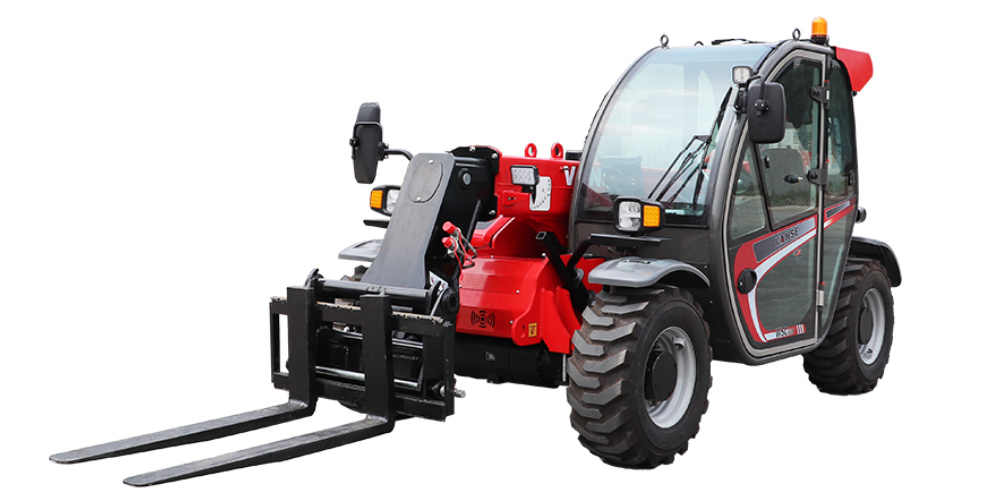
VANSE 625 6m Telescopic Handler
Designed for efficient material handling and stacking in warehouses, factories, and confined job sites, offering compact maneuverability and reliable performance.

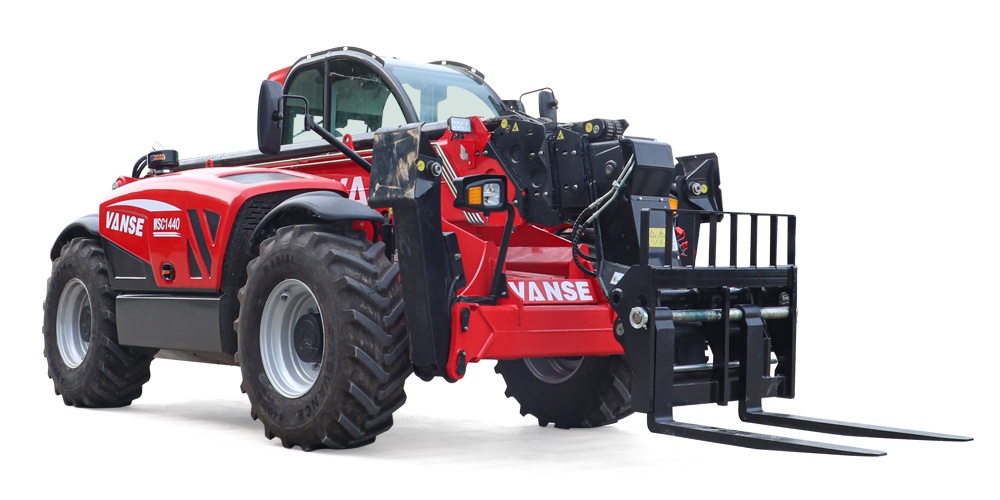
VANSE 735 7m Telescopic Handler
A balanced mid-duty solution for construction, agriculture, logistics, and warehousing, combining stable lifting, strong traction, and everyday versatility.


About the Author:
The VANSE team is a group of experienced professionals specializing in construction machinery research, manufacturing, and technical support. With deep industry knowledge and hands-on experience, our engineers and product specialists share practical insights on equipment selection, operation, maintenance, and industry trends.
Share
You May Also Interest
-

2 June, 2026
Telehandler vs Cherry Picker: Comparison
Compare telehandler vs cherry picker for United States jobsites, including costs, uses, suppliers, safety, and buying tips for contractors and fleets.
-
1 June, 2026
Telehandler vs Excavator: Comparison
Telehandler vs excavator in the United States: learn key differences, costs, jobsite uses, buyer tips, and supplier options for faster equipment decisions.
-
29 May, 2026
Telehandler vs Mast Forklift: Comparison
Telehandler vs mast forklift in the United States: compare reach, load, cost, safety, and jobsite fit to choose the right material handling machine.
-
28 May, 2026
Telehandler vs Backhoe: Comparison
Telehandler vs backhoe in the United States: compare reach, digging, lifting, costs, jobsite fit, suppliers, and buying tips for smarter equipment choices.