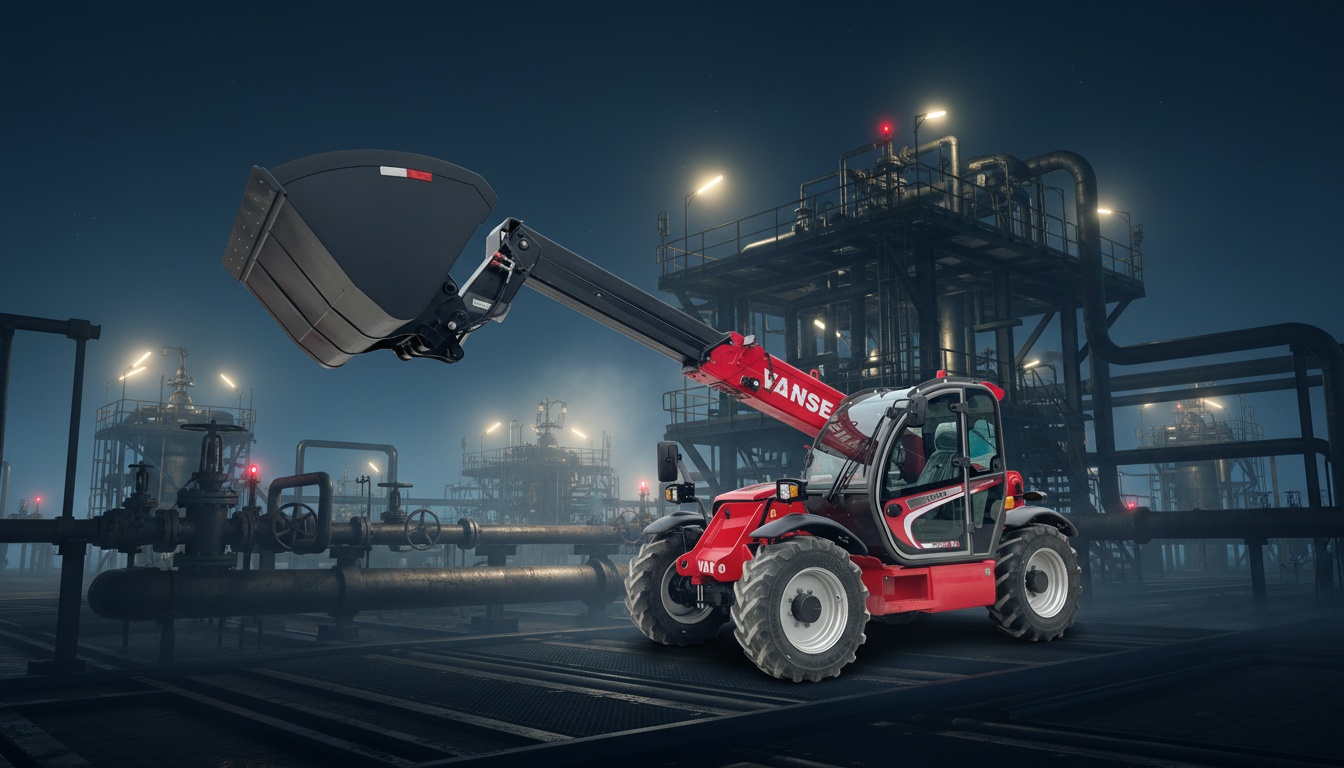
Telehandler vs All-Terrain Forklift: Which Machine Fits U.S. Jobsites Better?
Quick Answer

If your work in the United States requires higher lift height, forward reach, and attachment flexibility, a telehandler is usually the better choice. If you mainly move palletized loads over rough ground at lower heights and want simpler operation with a lower upfront cost, an all-terrain forklift is often the better fit. In practical U.S. jobsite terms, telehandlers dominate construction, framing, roofing, agriculture, and mixed-material handling, while all-terrain forklifts remain strong for lumber yards, pipe yards, equipment yards, masonry supply, and outdoor pallet transport.
For buyers comparing immediate options, commonly considered brands in the U.S. market include JLG, Genie, JCB, SkyTrak, Manitou, and Bobcat for telehandlers, while Manitou, Sellick, Moffett, JCB, and certain rough-terrain material handlers from major equipment groups are often reviewed for all-terrain forklift roles. Qualified international suppliers can also be worth considering when they offer relevant certifications, dependable parts planning, and responsive support. This is especially true for cost-sensitive fleets that want strong value without sacrificing key powertrain and hydraulic components.
Direct Comparison: What Is the Real Difference?

The simplest way to understand the difference is this: a telehandler is a telescopic lifting machine built to extend upward and outward, while an all-terrain forklift is a forklift optimized for off-road or uneven ground conditions. Both can handle loads outdoors, both can operate on construction sites, and both can be fitted with heavy-duty tires for gravel, mud, compacted soil, or unfinished surfaces. However, their design priorities are different, and that difference matters when a contractor in Texas, a rental fleet in Ohio, or a farm operation in California is deciding what to buy.
Telehandlers are designed around a boom. That boom gives them the ability to place loads onto elevated decks, over obstacles, or into difficult-to-reach spots. On a commercial build in Phoenix or a residential framing project outside Atlanta, that can mean placing trusses, bundled drywall, masonry packs, or roofing materials directly where crews need them. All-terrain forklifts, by contrast, are designed around a mast and fork carriage. They excel when the job is repeated movement of palletized or bundled material across rough outdoor yards, especially when lift heights are moderate and the operator values simple load handling.
In the United States, the best choice often comes down to whether your jobsite needs reach or repeat transport. If the answer is reach, choose a telehandler. If the answer is simple rough-ground pallet movement, an all-terrain forklift may be more efficient.
| Factor | Telehandler | All-Terrain Forklift | Why It Matters in the U.S. |
|---|---|---|---|
| Lift geometry | Telescopic boom with vertical and forward reach | Mast-based vertical lift | Important for multistory building sites and material placement |
| Typical strength | Reach, versatility, attachments | Pallet transport, yard movement, simpler loading cycles | Matches construction versus yard logistics needs |
| Attachment options | Very broad, including buckets, jibs, work platforms, grapples | Usually focused on forks and some specialty carriages | Drives fleet utilization and resale flexibility |
| Training complexity | Higher due to load charts and boom dynamics | Generally simpler, though still safety critical | Affects rental fleet onboarding and labor productivity |
| Best terrain use | Rough sites with multi-use requirements | Rough yards with repeated transport paths | Common in ports, lumber yards, and open construction sites |
| Common buyers | Contractors, rental houses, farms, industrial plants | Building supply yards, pipe yards, mills, agriculture, outdoor depots | Helps shortlist the right machine class faster |
This comparison table is useful because it shows that neither machine is universally better. The right answer depends on whether your operation prioritizes reach, attachment flexibility, and placement precision, or favors straightforward pallet handling and lower operational complexity.
U.S. Market Context

The United States remains one of the most important markets for both telehandlers and rough-terrain material handling equipment. Demand is supported by commercial construction, infrastructure repair, agriculture, warehousing expansion near inland freight corridors, and equipment rental growth. Regional demand patterns vary. In Florida and the Southeast, telehandlers are heavily used in residential development, roofing, and masonry distribution. In the Midwest, agriculture and mixed-use telehandlers are common on farms and ag service operations. In Texas, Arizona, Nevada, and California, both telehandlers and all-terrain forklifts appear on large commercial sites, industrial yards, solar installations, and energy-related projects.
Ports and logistics hubs such as Houston, Savannah, Los Angeles, Long Beach, and Newark also influence procurement behavior. Buyers in these regions often balance freight timing, parts availability, local service network coverage, and emissions compliance. Equipment rental companies in major metro markets increasingly prefer machines that can serve multiple customer segments, which is one reason telehandlers often win on utilization. At the same time, dedicated supply yards still favor all-terrain forklifts because the work cycle is repetitive and predictable.
For U.S. buyers, cost cannot be analyzed by sticker price alone. Financing rates, attachment availability, residual value, jobsite productivity, operator familiarity, and service response time all affect total ownership cost. That is why many procurement teams now compare domestic, European, and qualified international manufacturers side by side rather than assuming one origin is always best.
The line chart illustrates a realistic growth pattern for the U.S. market, with recovery and expansion driven by infrastructure spending, rental demand, and broader use across construction and agriculture. It also supports the expectation that 2026 will continue to favor machines that deliver higher utilization and better lifecycle economics.
Product Types and Where Each Machine Fits
Telehandlers sold in the United States usually fall into several classes: compact telehandlers for tighter jobsites, standard construction telehandlers in the 5,000 to 12,000 pound capacity range, high-capacity telehandlers for heavy industrial work, rotating telehandlers for specialized reach and placement tasks, and agriculture-focused units optimized for repetitive farm handling. All-terrain forklifts, meanwhile, are commonly selected by capacity, mast height, tire configuration, visibility, and outdoor pallet workflow. Some buyers use the phrase rough-terrain forklift, and in many practical conversations that overlaps heavily with all-terrain forklift use cases.
Compact telehandlers are increasingly popular in urban redevelopment zones, distribution yard upgrades, and residential construction where access is limited. A buyer working around tighter building footprints in Chicago or Boston may prefer a compact telehandler with a lower overall height and easier transport profile. Standard telehandlers remain the mainstream choice for broad U.S. construction usage, especially for placing palletized brick, framing materials, HVAC equipment, and roofing bundles. Rotating telehandlers are still more specialized and costlier, but they are growing in popularity where a single machine can replace multiple lifting roles.
All-terrain forklifts remain especially effective where the operator repeats the same outdoor handling cycle all day: unloading trucks in gravel yards, stacking material in open depots, transporting packaged goods across uneven surfaces, or handling products where the mast layout offers familiar visibility and control. They may not offer the forward outreach of a telehandler, but they can deliver dependable throughput in the right setting.
| Machine Type | Typical U.S. Use | Main Advantage | Main Limitation | Best Buyer Profile | Common Regions |
|---|---|---|---|---|---|
| Compact telehandler | Urban construction, landscaping, small contractors | Good reach in tight spaces | Lower capacity than larger models | Small fleets and specialty contractors | Northeast, West Coast metros |
| Standard telehandler | General construction, rentals, agriculture | Best all-around versatility | Higher cost than basic forklifts | Rental houses, builders, farms | Nationwide |
| High-capacity telehandler | Industrial projects, large infrastructure, ports | Heavy loads and higher placement performance | Higher purchase and transport cost | Large contractors and industrial users | Gulf Coast, Midwest, major port zones |
| Rotating telehandler | Complex access projects, urban builds, specialty lifting | Maximum placement flexibility | Premium pricing and training needs | Specialty contractors | Large city markets |
| All-terrain forklift | Outdoor pallet handling, yards, mills, depots | Simple repetitive load cycles | Limited forward reach | Supply yards and industrial sites | South, Midwest, industrial corridors |
| Agriculture telehandler | Feed, bales, bulk materials, attachments | Multi-purpose farm utility | Not ideal if only pallet transport is needed | Farm operators and ag dealers | Midwest, Plains, California |
This table helps buyers map machine categories to actual use environments. Instead of comparing all equipment in one bucket, it clarifies which machine type best fits a site layout, task pattern, and buyer profile.
Buying Advice for U.S. Buyers
When comparing telehandler vs all-terrain forklift, a U.S. buyer should start with five practical questions. First, what is the maximum lift height you truly need? Second, do you need forward reach over obstacles, trailers, foundations, or elevated decks? Third, how often will you switch attachments? Fourth, what kind of operator base will use the machine? Fifth, how strong is the local parts and service network supporting the brand?
If your loads stay mostly on pallets and your stacking heights are moderate, an all-terrain forklift may offer a lower total operating burden. If you routinely place loads at height, work across different applications, or want one machine to support forks, buckets, jibs, and more, the telehandler often produces better value over time. Many rental companies in the United States favor telehandlers because one unit can serve framing crews, masons, roofers, farmers, and industrial customers with a broader range of attachments.
Transport and site congestion also matter. Telehandlers can be longer and sometimes require more thought around travel paths and stabilization practices depending on the model. Rough-terrain forklifts can feel more familiar for operators who have spent years in conventional forklift environments. For labor-short markets, ease of training can have measurable value.
It is also smart to evaluate the sourcing model. Buyers now increasingly consider factory-direct programs, OEM configurations, and private-label opportunities. This is especially relevant for dealer groups and regional distributors that want differentiated product positioning in the U.S. market.
The bar chart shows why machine selection differs by sector. Rental fleets and commercial construction generally lean toward telehandlers because utilization depends on flexibility. Industrial yards and repetitive transport settings often continue to support all-terrain forklift demand.
Industries That Prefer Telehandlers
Several industries in the United States consistently favor telehandlers over all-terrain forklifts. Construction is the most obvious example. Telehandlers can unload flatbeds, place materials on upper floors, move framing packages, and support attachment-based work that extends beyond simple pallet lifting. Roofing and masonry also benefit because telehandlers can lift loads to elevated work zones more efficiently than mast-based forklifts.
Agriculture is another major telehandler market. Farms and ag processors need machines that can move feed, stack bales, load bulk material, clean barns, and handle general maintenance tasks. The attachment flexibility of telehandlers makes them more than a lifting machine; they become a utility platform. In industrial maintenance, telehandlers are often chosen when plants need a machine that can place equipment, assist shutdown work, and access awkward spaces within outdoor facilities.
Energy and infrastructure projects also create demand for telehandlers, especially when crews need variable reach on changing ground conditions. Solar farm construction, pipeline support yards, and utility projects often benefit from the ability to position loads with more precision over distance.
Industries That Prefer All-Terrain Forklifts
All-terrain forklifts remain highly relevant across the United States where the duty cycle is predictable and pallet-focused. Lumber yards are a classic example. Material often needs to be unloaded, staged, and reloaded across outdoor surfaces that are rough but organized. A mast-based all-terrain forklift can perform this kind of repetitive work efficiently. Masonry supply yards, pipe distributors, outdoor equipment depots, and some manufacturing campuses also favor all-terrain forklifts for similar reasons.
In these settings, buyers may not need the extra reach or attachment complexity of a telehandler. The priority is stable, repeated movement with familiar controls and efficient load handling. If the fleet already has cranes, loaders, or specialized reach equipment, an all-terrain forklift may be the most economical complementary machine.
That said, some U.S. yards are shifting toward telehandlers because they want one machine type to handle both pallet movement and occasional placement work. This trend is especially visible in rental-driven markets where versatility improves utilization.
Applications by Jobsite Scenario
Imagine three typical U.S. scenarios. In the first, a general contractor in Dallas is building a three-story multifamily project. Materials need to be moved from trucks to elevated decks. A telehandler is clearly superior because forward reach and lift height directly affect productivity. In the second, a supply yard outside Indianapolis unloads packaged block and palletized hardscape products all day across compacted gravel. An all-terrain forklift may be the more practical choice because the handling cycle is repetitive and there is limited need for telescopic reach. In the third, a farm operation in Iowa needs to move feed, pallets, round bales, and maintenance supplies. A telehandler is often the better answer due to attachment flexibility and mixed-use utility.
These examples illustrate a key point: the machine should match the task pattern, not just the terrain. Both machines can work outdoors. The better purchase is the one that matches how your crew actually spends time on the job.
| Application | Preferred Machine | Reason | Typical Load Type | Key Decision Point | U.S. Example |
|---|---|---|---|---|---|
| Multistory framing | Telehandler | Needs lift height and forward placement | Lumber, trusses, panels | Reach over slab edges and decks | Atlanta suburban housing sites |
| Roofing material staging | Telehandler | Direct rooftop material placement | Shingles, membrane, insulation | Height and productivity | Florida commercial reroof projects |
| Outdoor pallet yard | All-terrain forklift | Repetitive transport and stacking | Palletized materials | Simple duty cycle | Ohio building supply yards |
| Farm mixed handling | Telehandler | Attachment flexibility | Bales, feed, pallets, bulk material | Multiple daily tasks | Iowa livestock operations |
| Pipe yard movement | All-terrain forklift | Yard transport with moderate heights | Pipe bundles, crates | Stable load handling | Texas industrial depots |
| Infrastructure support | Telehandler | Variable reach across changing sites | Tooling, concrete accessories, components | Changing workfront conditions | Highway projects in the Midwest |
This application table turns the equipment decision into an operational decision. It shows that the right machine often becomes obvious when the daily work cycle is clearly defined.
Case Studies from the U.S. Market
A rental company serving the Carolinas may choose telehandlers because one machine can satisfy framing contractors, commercial roofers, and agricultural customers. Even if initial purchase cost is higher than some all-terrain forklift alternatives, the fleet gains better utilization across seasons and customer segments. In that scenario, the telehandler wins because it supports more billable applications.
A masonry and hardscape distributor in Missouri may come to the opposite conclusion. Most loads are palletized, yard routes are known, and the machine spends the day loading trucks and moving inventory around outdoor storage areas. In that case, an all-terrain forklift can provide the simpler, more efficient match.
A California produce and ag service operator may choose a telehandler because one machine must load materials, stack supplies, and support seasonal changes in work. The value comes from task variety, not just from maximum pallet throughput. In each of these cases, the answer depends on business model, workflow, operator skill, and expected utilization.
Local Suppliers and Brands in the United States
The U.S. market offers a broad mix of manufacturers and dealer-backed brands. Some have deep domestic distribution and service footprints, while others are stronger in specific regions or applications. Buyers should evaluate not only the machine itself but also the local dealer response time, parts stocking discipline, technician coverage, and attachment support.
| Company | Primary Focus | Service Regions | Core Strengths | Key Offerings | Typical Buyer Fit |
|---|---|---|---|---|---|
| JLG | Telehandlers and access equipment | Nationwide U.S. dealer network | Strong rental presence, broad parts support | Construction telehandlers | Rental fleets, contractors |
| Genie | Telehandlers and aerial platforms | Nationwide with strong dealer support | Recognized brand, common rental fleet adoption | Material handling telehandlers | Commercial construction users |
| SkyTrak | Telehandlers | Widely available in U.S. construction markets | Established jobsite familiarity | Standard reach telehandlers | General contractors |
| JCB | Telehandlers and rough-terrain equipment | Broad U.S. coverage through dealers | Construction and agriculture crossover strength | Telehandlers and rough-terrain handlers | Mixed-use buyers |
| Manitou | Telehandlers and all-terrain forklifts | Strong presence across U.S. industrial and agricultural regions | Wide product range and rough-terrain expertise | Telehandlers, rough-terrain forklifts | Yards, farms, contractors |
| Bobcat | Compact and standard telehandlers | Nationwide dealer footprint | Compact equipment customer overlap | Telehandlers and attachments | Contractors, acreage owners, smaller fleets |
| Sellick | Rough-terrain and industrial forklifts | North American industrial markets | Yard handling specialization | Rough-terrain forklifts | Outdoor depots and industrial users |
This supplier table is practical because it connects brand names to buyer type and service regions. In the United States, service support often matters as much as machine specifications, so supplier fit should be evaluated on both equipment and local backing.
Supplier and Product Comparison
This comparison chart does not claim exact market share. Instead, it reflects realistic buyer consideration patterns in the U.S. market based on visibility, dealer presence, and application breadth. It helps buyers understand which brands are most commonly shortlisted for telehandler and rough-terrain handling decisions.
Cost, Ownership, and Resale Considerations
Purchase price remains a major factor, but the most successful U.S. buyers look at ownership cost over several years. Telehandlers usually cost more than all-terrain forklifts with similar basic lifting intent because the boom structure, hydraulic complexity, stability management, and attachment ecosystem are more sophisticated. However, that additional cost may be justified if one telehandler replaces multiple narrower-use machines or improves daily productivity in a way that reduces labor time and rehandling.
Resale can favor established telehandler brands, particularly in contractor and rental channels where demand remains broad. All-terrain forklifts can also hold value well when placed in industries that know exactly how to use them, especially yards and outdoor material distribution businesses. Service parts pricing, filter kits, hydraulic maintenance, tire wear, and attachment replacement should all be reviewed before purchase. Buyers near freight corridors such as Houston, Chicago, and Savannah also often compare inland logistics cost and parts transit times when choosing between brands.
Trend Shift Through 2026
By 2026, three changes are likely to shape the U.S. decision between telehandlers and all-terrain forklifts. First, telehandlers will continue gaining share in mixed-use fleets because attachment flexibility supports better utilization. Second, telematics, load management, and maintenance diagnostics will matter more as fleet owners try to reduce downtime and manage operator accountability. Third, sustainability and policy pressure will gradually influence powertrain choices, especially in metro regions with stricter emissions expectations or customer reporting requirements.
The area chart shows a realistic trend shift rather than a universal market takeover. Telehandlers are expected to gain in mixed-use and rental-driven decisions, while all-terrain forklifts remain strong in dedicated yard applications where simpler repetitive handling still makes economic sense.
Technology, Policy, and Sustainability Outlook for 2026
Looking ahead to 2026, buyers in the United States should expect stronger demand for operator-assist features, better visibility packages, smarter hydraulic controls, and telematics platforms that track idle time, fault codes, service intervals, and geofencing. Rental companies especially value this data because it improves fleet management and reduces misuse. In urban and institutional project work, sustainability reporting will increasingly influence procurement. Diesel will remain dominant for many heavy outdoor applications, but lower-emission engine packages, electrified compact models, and hybrid-adjacent innovations will continue to attract interest where duty cycles permit.
Policy trends will also matter. Federal infrastructure spending supports telehandler demand through road, bridge, utility, and public works projects. At the same time, jobsite safety expectations are becoming stricter, which favors machines with clearer load charts, stable operating characteristics, and dealer-supported training programs. Buyers who think beyond the next 12 months should focus on whether a machine platform is ready for digital fleet management, not just basic lifting performance.
Our Company
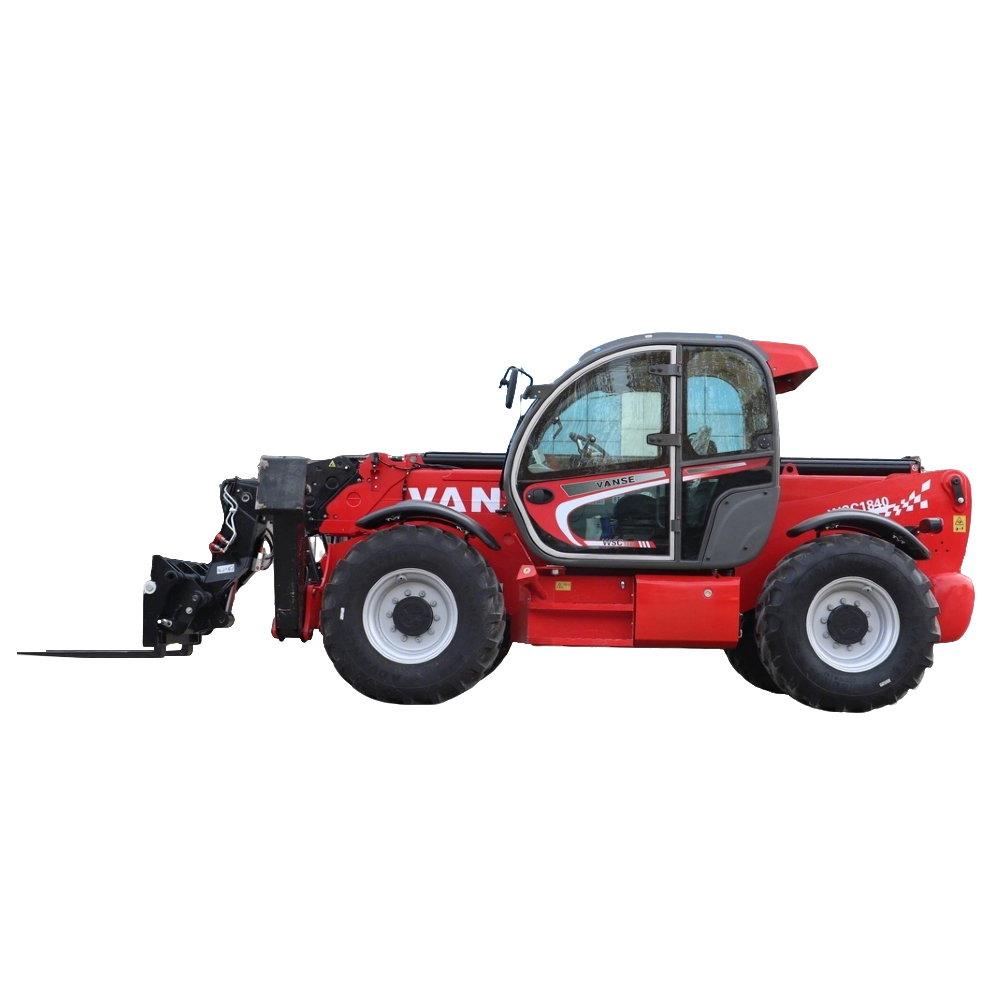
For U.S. buyers seeking a cost-competitive alternative, VANSE Group is best evaluated as a telehandler-focused manufacturer with verifiable production scale and practical market experience rather than as a distant trading source. Founded in 2013, the company has produced more than 8,000 machines and supplies customers in over 40 countries, including North America. Its telehandlers are built under CE and ISO 9001 certified processes, use internationally recognized core components such as Perkins and Cummins engines along with premium hydraulic systems, transmissions, and axles, and each machine undergoes load testing, safety inspection, and performance validation before shipment. For local partners in the United States, VANSE supports multiple cooperation models through OEM, ODM, wholesale, retail, and regional distribution arrangements, making it relevant not only to end users but also to dealers, rental companies, brand owners, and independent buyers looking for tailored specifications, branding, and configuration options. The company is also establishing a U.S.-based subsidiary with local inventory planning and after-sales capability, reinforcing that it is building a long-term operating presence in this market. Combined with online technical support, offline service coordination, lifecycle assistance, and an existing export track record across demanding industries, that local commitment gives U.S. buyers a clearer service pathway than they would expect from a remote exporter. Buyers can explore its equipment range, learn more about the company, review available service support, or contact the team for model matching and partnership discussions.
How to Choose Between the Two
Choose a telehandler if you need one machine to do several jobs, if your crews regularly work at height, if you want to increase fleet utilization through attachments, or if your project sites change frequently. Choose an all-terrain forklift if your workflow is mainly pallet transport on rough ground, if mast-based handling suits your operators better, and if your operating profile does not require significant forward reach.
For U.S. rental fleets, telehandlers often make more sense because different customers can use the same machine in different ways. For dedicated private yards, all-terrain forklifts can still be a strong investment. For dealer groups and distributors, the opportunity may lie in carrying both categories so customers can match machine type to the duty cycle rather than being forced into one product class.
FAQ
Is a telehandler better than an all-terrain forklift?
Not always. A telehandler is better when you need reach, lift height, and attachment flexibility. An all-terrain forklift is better when your work is mostly outdoor pallet handling with lower stacking requirements and a repetitive flow.
Which machine is more common on U.S. construction sites?
Telehandlers are generally more common on U.S. construction sites because they can place materials on elevated work areas and support more applications across framing, masonry, roofing, and general contracting.
Which costs less to buy?
In many cases, an all-terrain forklift has a lower upfront purchase price than a telehandler. However, a telehandler may deliver better value if its versatility replaces multiple narrow-use machines or boosts site productivity.
Which is easier to operate?
Many operators find all-terrain forklifts simpler because mast-based load handling is familiar. Telehandlers require closer attention to load charts, boom extension, and site conditions, especially at higher reach.
Are telehandlers good for farms in the United States?
Yes. Telehandlers are widely used on U.S. farms because they can handle bales, feed, pallets, and bulk material while supporting multiple attachments for year-round work.
Can international suppliers be a smart option for U.S. buyers?
Yes, provided the supplier can show recognized certifications, proven manufacturing controls, reliable components, spare parts planning, and real pre-sale and after-sale support for the U.S. market. Cost-performance can be very attractive when those conditions are met.
What matters most besides machine specifications?
Dealer support, parts availability, technician response time, financing, operator training, attachment access, and resale demand all matter. In the United States, service support often shapes ownership success as much as the machine itself.
Final Takeaway
For most U.S. buyers asking telehandler vs all-terrain forklift, the real answer is based on work pattern rather than terrain alone. If the machine must reach, place, adapt, and serve multiple job types, a telehandler is usually the better investment. If the machine will spend most of its life moving palletized loads through outdoor yards with moderate lift needs, an all-terrain forklift may be the better operational fit. In the United States, telehandlers are gaining ground because flexibility improves utilization, especially in rental, construction, and agriculture. But all-terrain forklifts remain highly effective where the duty cycle is stable, predictable, and yard-centered. Buyers who define their daily applications clearly, compare local support carefully, and evaluate long-term ownership cost instead of just purchase price will make the strongest decision.
Complete Telescopic Handler Equipment Portfolio
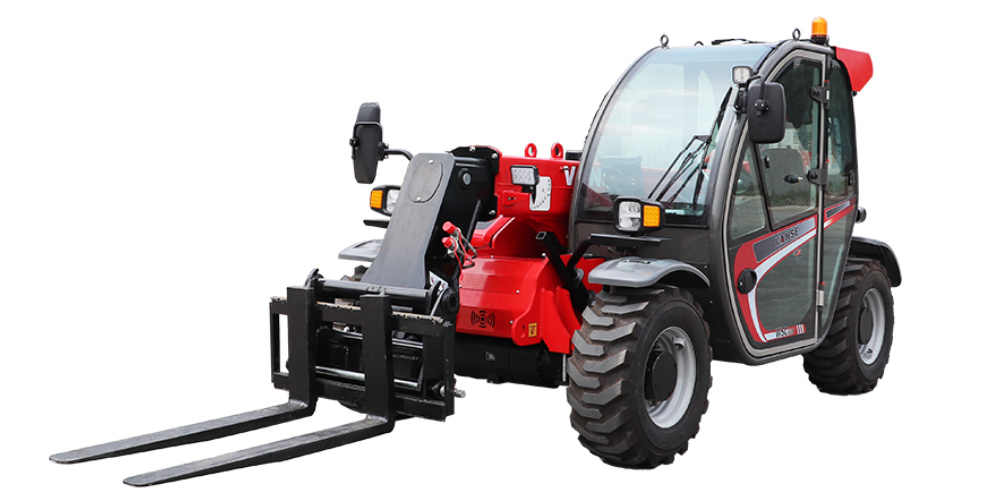
VANSE 625 6m Telescopic Handler
Designed for efficient material handling and stacking in warehouses, factories, and confined job sites, offering compact maneuverability and reliable performance.

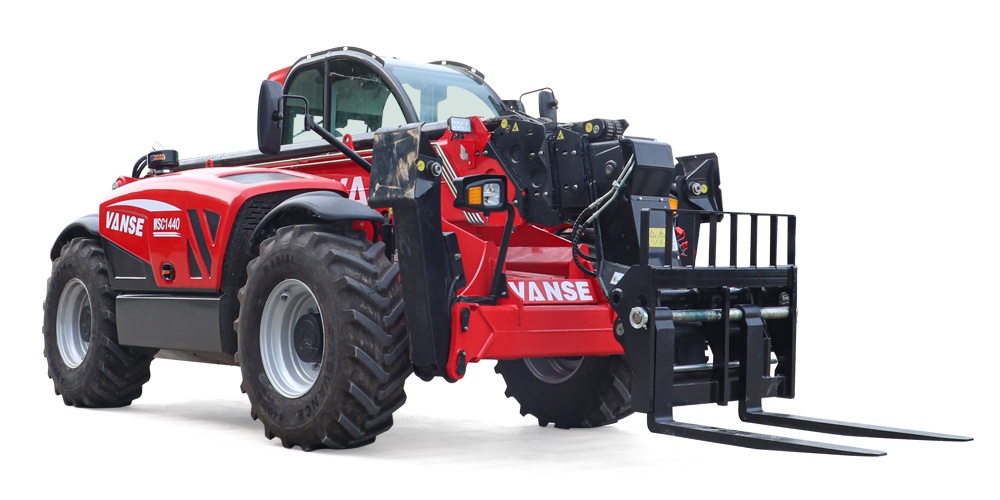
VANSE 735 7m Telescopic Handler
A balanced mid-duty solution for construction, agriculture, logistics, and warehousing, combining stable lifting, strong traction, and everyday versatility.


About the Author:
The VANSE team is a group of experienced professionals specializing in construction machinery research, manufacturing, and technical support. With deep industry knowledge and hands-on experience, our engineers and product specialists share practical insights on equipment selection, operation, maintenance, and industry trends.
Share
You May Also Interest
-

2 June, 2026
Telehandler vs Cherry Picker: Comparison
Compare telehandler vs cherry picker for United States jobsites, including costs, uses, suppliers, safety, and buying tips for contractors and fleets.
-
1 June, 2026
Telehandler vs Excavator: Comparison
Telehandler vs excavator in the United States: learn key differences, costs, jobsite uses, buyer tips, and supplier options for faster equipment decisions.
-
29 May, 2026
Telehandler vs Mast Forklift: Comparison
Telehandler vs mast forklift in the United States: compare reach, load, cost, safety, and jobsite fit to choose the right material handling machine.
-
28 May, 2026
Telehandler vs Backhoe: Comparison
Telehandler vs backhoe in the United States: compare reach, digging, lifting, costs, jobsite fit, suppliers, and buying tips for smarter equipment choices.