Telehandler Lifting Capacity in the United States: Buyer Guide
Quick Answer

In the United States, telehandler lifting capacity typically ranges from about 5,500 lb for compact machines to more than 26,000 lb for heavy-duty models, with the most common rental and contractor units falling between 6,000 lb and 12,000 lb. For most U.S. construction, agriculture, industrial yard, and material handling jobs, buyers should match rated capacity to the actual load at the required lift height and forward reach rather than relying only on the maximum number printed on the spec sheet.
For quick market comparison, the most visible telehandler brands in the United States include JLG, Genie, JCB, SkyTrak, Bobcat, and Manitou. JLG and SkyTrak are especially common on commercial jobsites and rental fleets, Genie is strong in contractor and rental channels, JCB remains highly competitive in agriculture and construction, Bobcat is popular with mixed-use buyers, and Manitou has a strong profile in agricultural and specialty handling applications. Qualified international suppliers can also be considered when they provide recognized certifications, dependable parts support, and responsive pre-sale and after-sale service. This matters because cost-performance can be very attractive for U.S. buyers looking to control fleet budgets without giving up essential lifting performance.
Understanding Telehandler Lifting Capacity

The phrase telehandler lifting capacity refers to the maximum weight a telescopic handler can safely lift under defined conditions. In real operations, that number changes based on boom angle, extension, attachment type, ground conditions, tire setup, and stabilizer use where applicable. A machine advertised at 10,000 lb may safely lift that full amount only at a short radius and lower lift height. Once the boom extends forward or upward, usable capacity drops.
This is why U.S. fleet managers, farmers, contractors, and equipment buyers in major markets such as Texas, California, Florida, Illinois, Georgia, and Pennsylvania pay close attention to load charts rather than brochure headlines alone. A telehandler working on a warehouse expansion near Dallas, a distribution yard outside Savannah, a farming operation in Iowa, or a precast project near Los Angeles may face very different lifting geometry even if the payload weight is similar.
Capacity also interacts with machine class. Compact telehandlers may be ideal for tight urban jobsites in cities such as New York or Boston where access is limited. Mid-range machines are often preferred in broad commercial construction corridors around Houston, Atlanta, Phoenix, and Charlotte. Higher-capacity telehandlers are more common at ports, infrastructure projects, energy sites, mining support areas, and large industrial developments near trade hubs such as Houston, Long Beach, Newark, and Mobile.
How Capacity Is Rated in the U.S. Market

American buyers should read telehandler specifications with several key ideas in mind. Rated operating capacity is usually given at a defined load center and under controlled conditions. Lift capacity at full height is often lower than maximum lift capacity at minimum reach. Capacity at maximum forward reach is lower again. Fork length, carriage type, tire condition, and whether the machine uses outriggers can all affect real-world handling limits.
It is also important to distinguish between standard construction telehandlers and rotating or high-reach specialty units. Standard fixed-frame telehandlers dominate U.S. rental fleets because they are simpler, easier to train on, and more economical. Rotating telehandlers often serve specialized contractors but bring higher acquisition and maintenance costs.
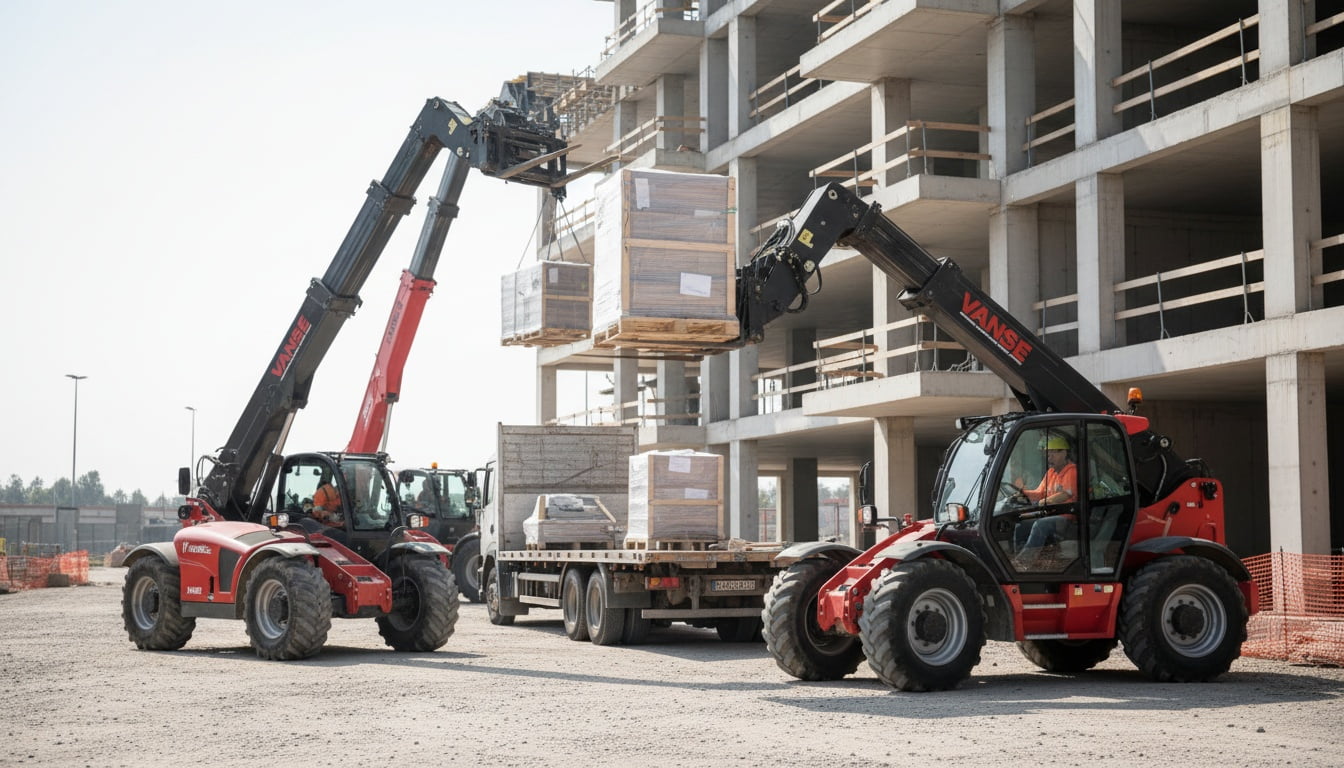
For purchasing decisions, the safest path is to start with the heaviest common load, then identify the exact lift height and horizontal placement distance required. After that, compare the machine load chart, not just the maximum rated capacity. This is especially relevant for contractors handling palletized masonry, trusses, steel bundles, pipe, bagged materials, or agricultural bulk loads.
Typical Capacity Classes in the United States
The U.S. telehandler market can be broadly divided into compact, mid-capacity, high-capacity, and heavy-duty classes. The table below gives a practical overview for buyers comparing machine size with common use cases.
| Capacity Class | Typical Rated Capacity | Common Lift Height | Typical U.S. Users | Best Fit Applications | Key Buying Note |
|---|---|---|---|---|---|
| Compact | 5,500 to 6,600 lb | 15 to 26 ft | Landscapers, small contractors, property managers | Tight sites, low-rise work, material unloading | Good access, but limited reach and reserve capacity |
| Light Mid-Range | 6,600 to 8,000 lb | 26 to 42 ft | General contractors, rental fleets, farms | Block, pallet, framing, feed, mixed-duty loading | Often the most versatile class in the market |
| Core Mid-Range | 8,000 to 10,000 lb | 36 to 55 ft | Commercial builders, industrial yards | Multistory construction, pipe yards, roofing support | Strong balance between price and jobsite flexibility |
| High Capacity | 10,000 to 12,000 lb | 44 to 56 ft | Large contractors, infrastructure firms | Heavy pallets, steel, concrete products, large site support | Watch transport weight and site access limits |
| Heavy Duty | 12,000 to 15,000 lb | 45 to 70 ft | Industrial operators, energy projects | Large components, precast, equipment handling | Requires careful operator training and planning |
| Specialty Heavy Lift | 15,000 to 26,000 lb+ | Up to 70 ft or more | Ports, mining support, major industrial projects | Oversized materials, engineered lifts, yard logistics | Usually not needed for standard contractor work |
This table matters because many first-time buyers overestimate the amount of machine they need. In practice, U.S. rental history shows that mid-range units usually deliver the best utilization because they can move from framing and material placement to yard loading and pallet movement without becoming too large for transport or too costly for ownership.
U.S. Market Outlook for Telehandler Capacity
The American market remains strong because telehandlers fill a gap that forklifts, rough-terrain forklifts, cranes, and loaders cannot cover alone. Demand is supported by nonresidential construction, warehousing, port expansion, agricultural modernization, utility work, and reshoring-related industrial development. States with active logistics corridors and construction pipelines continue to shape buying patterns.
Contractors in the Southeast often prefer versatile 8,000 to 10,000 lb machines that can move from mixed commercial jobsites to warehouse shell construction. In the Midwest, agriculture and industrial users may prioritize durability, serviceability, and attachment flexibility. On the West Coast, especially near major ports and dense metro areas, there is rising interest in machines with better emissions compliance, lower total cost of ownership, and strong dealer support.
The chart above illustrates a realistic upward demand trend driven by continued commercial development, public infrastructure spending, logistics expansion, and a more sophisticated rental market. For buyers, this means supply planning and service support are becoming just as important as machine specifications.
Where Different Capacity Levels Are Used
Not every industry needs the same lifting class. The best buying decision depends on how often the machine handles heavy loads, how far the boom must extend, and whether the application is repetitive or varied.
| Industry | Typical Capacity Need | Common Loads | Operating Environment | Preferred Machine Traits | Main Risk if Undersized |
|---|---|---|---|---|---|
| Commercial Construction | 8,000 to 12,000 lb | Block, drywall, steel, lumber | Uneven jobsites, multistory structures | Reach, visibility, fleet compatibility | Lost productivity and restricted load placement |
| Residential Framing | 6,000 to 8,000 lb | Lumber packs, roof trusses, pallets | Subdivision sites, tighter access | Mobility, transport ease, simple controls | Too much machine can reduce maneuverability |
| Agriculture | 5,500 to 10,000 lb | Feed, hay, seed, bulk bags | Yards, barns, fields | Attachment range, reliability, service access | Slow cycle times during peak season |
| Industrial Yards | 10,000 to 15,000 lb | Pipe, steel bundles, machinery | Hardstand yards, fabrication plants | Stability, strong boom, durable axles | Capacity loss at reach becomes critical |
| Ports and Logistics | 10,000 to 20,000 lb | Pallets, equipment, cargo support loads | Terminal yards, warehouse districts | Heavy-duty build, uptime, parts support | Handling bottlenecks and increased equipment mix |
| Energy and Infrastructure | 10,000 to 15,000 lb+ | Pipe, forms, tools, structural components | Remote or large-scale project sites | Field service, robust powertrain, terrain traction | Safety margin becomes too narrow for critical lifts |
The table shows why there is no single perfect telehandler capacity for the whole U.S. market. Industries with repeated heavy picks need more reserve margin, while mixed-use operations often value flexibility more than peak lifting numbers.
Industry Demand by Application
Demand distribution also helps explain why some capacity classes dominate dealer and rental inventories. Commercial building and infrastructure use larger units more often, while agriculture and mixed property operations can work efficiently with smaller or mid-capacity machines.
This demand mix reflects a broad equipment market where rental fleets remain especially influential. Many first purchases in the United States follow rental experience, so the capacity bands stocked by major rental companies often shape long-term ownership preferences.
Product Types and Attachments That Affect Capacity
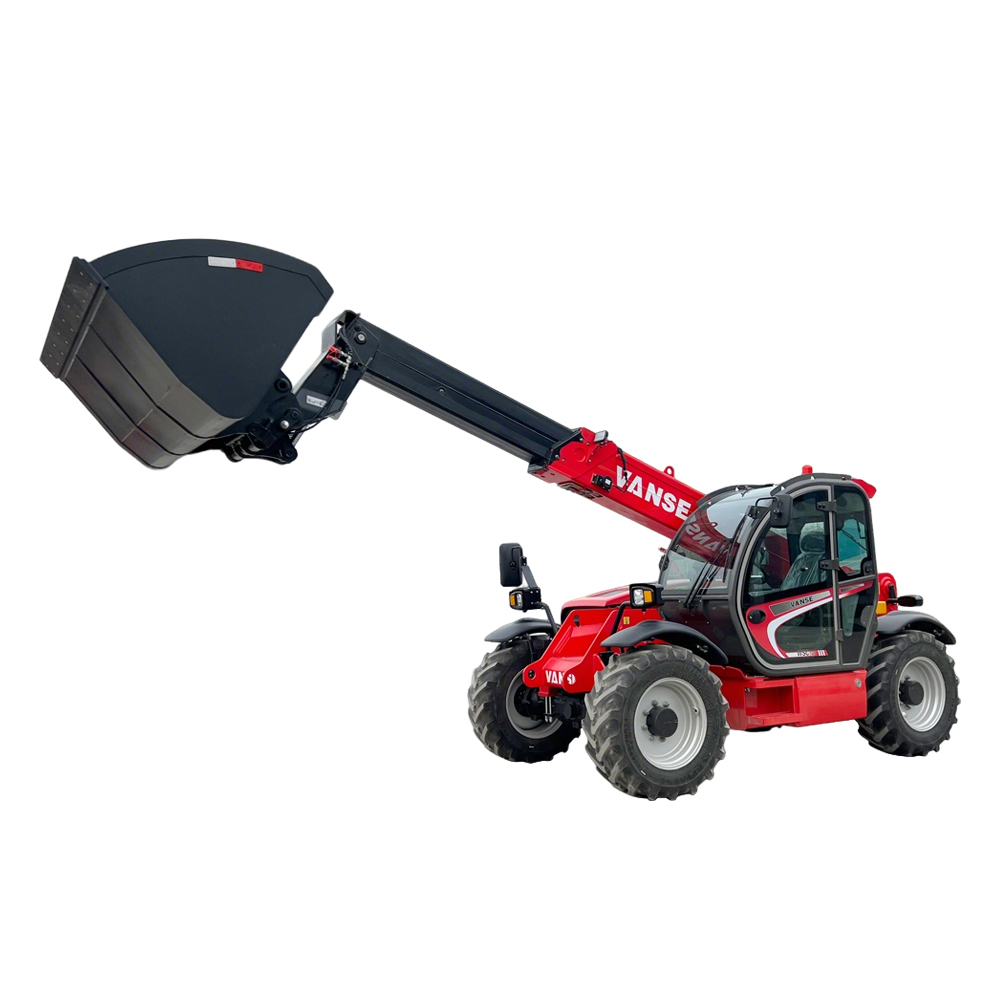
Telehandler lifting capacity is not just about chassis size. Attachments change machine performance. Standard pallet forks provide the benchmark for most ratings, but buckets, truss booms, work platforms, grapple buckets, and specialty carriages can alter load center and usable capacity. Some buyers focus only on the base specification and underestimate how attachments will reduce practical lift performance.
Compact fixed telehandlers are useful for farms, nurseries, and low-rise work. Standard fixed boom models dominate construction and rental channels. Heavy-duty models support industrial handling and infrastructure. Rotating telehandlers offer 360-degree versatility but usually make sense only when buyers need crane-like functionality, elevated work platform support, and premium jobsite flexibility in a single machine.
| Machine or Attachment Type | Capacity Impact | Typical U.S. Use | Main Advantage | Main Limitation | Buyer Tip |
|---|---|---|---|---|---|
| Standard Fork Carriage | Baseline rated capacity | Most construction and yard work | Best for palletized materials | Limited for loose material | Use this to compare machines fairly |
| General Purpose Bucket | Can reduce effective lift performance | Farm cleanup, aggregate, loose fill | Adds loading versatility | Not ideal for precise placement | Check rollback and dump angles |
| Truss Boom | Often lowers usable capacity at reach | Framing and roofing jobs | Useful for placing long loads | Changes load center significantly | Review load chart for boom mode |
| Winch Attachment | Application-specific rated load | Mechanical installs, light rigging | Improves controlled placement | Not a replacement for a crane in all cases | Match with approved lifting plans |
| Work Platform | Capacity governed by personnel rules | Maintenance and façade access | Expands machine utility | Requires strict compliance | Confirm OSHA and manufacturer approvals |
| High-Capacity Specialty Carriage | Supports certain heavy load tasks | Pipe yards, precast handling | Improves control for large loads | Can add upfront cost | Buy only if repeat usage justifies it |
The practical takeaway is simple: if your operation depends on multiple attachments, evaluate telehandler capacity in the exact configuration you plan to use most often.
How Buying Advice Changes by User Type
General contractors usually need a broad-use machine with strong resale value, fast dealer support, and common parts availability. Rental companies prioritize machine uptime, operator familiarity, and fleet standardization. Farms and agricultural businesses care about daily durability, simple maintenance, and year-round attachment use. Industrial buyers are more likely to focus on heavier capacity, long shifts, and service support for mission-critical work.
For end users, the smartest purchase often sits one class above the minimum needed load. That gives room for changing materials, denser pallets, and safer job planning without jumping into a machine so large that transport, insurance, and maintenance costs become excessive. For dealers, distributors, and brand owners, the best product mix usually starts with the 6,000 to 10,000 lb segment because it covers the widest customer base in the U.S. market.
Buyers should also compare emissions compliance, operator visibility, hydraulic smoothness, ground clearance, turning radius, and service intervals. These factors may influence jobsite productivity more than headline lifting numbers. In metropolitan areas with busy project schedules, downtime costs more than a small difference in purchase price.
Trend Shift in Capacity Preferences
Over the past few years, the U.S. market has been shifting toward machines that combine practical mid-range capacity with better fuel economy, lower service complexity, and broader application fit. Heavy-lift demand remains important, but the center of the market still leans toward flexible models.
The area chart highlights a realistic trend: practical mid-capacity machines are gaining share because they meet a wider range of applications while preserving manageable ownership costs. This is especially attractive for buyers operating across several job types rather than one highly specialized task.
Case Studies from U.S. Use Scenarios
A masonry contractor in the Dallas-Fort Worth market may believe a 12,000 lb machine is necessary because of frequent pallet movement. But if most loads are placed at moderate height and site access is tight, an 8,000 or 10,000 lb telehandler may offer better maneuverability and lower daily cost while still maintaining safe load chart compliance.
A grain and feed operation in Iowa may use a 6,000 lb telehandler for most daily chores, but if big bag fertilizer handling and stacking become routine, stepping to 7,000 or 8,000 lb can significantly improve productivity during the busiest season. The gain is not just raw lifting force; it is reserve stability and reduced strain during repetitive tasks.
An industrial subcontractor near the Port of Houston may move pipe, valves, and packaged equipment. In that case, a 10,000 to 12,000 lb unit with durable axles, premium hydraulic control, and strong regional parts support often makes more sense than a lower-cost compact machine that reaches its limit too often.
A growing rental fleet around Atlanta may prioritize common 8,000 and 10,000 lb machines because those units attract commercial contractors, site service firms, event setup providers, and warehouse shell builders. Fleet utilization, rather than the highest spec, becomes the deciding metric.
Top Telehandler Suppliers in the United States
The supplier landscape in the United States includes major domestic and international brands with differing strengths in construction, agriculture, industrial work, and rental support. The table below offers a practical comparison for U.S. buyers.
| Company | Main Service Regions | Core Strengths | Key Offerings | Common Capacity Range | Best Fit Buyer |
|---|---|---|---|---|---|
| JLG | Nationwide through dealer and rental channels | Strong brand recognition, jobsite familiarity, broad support network | Construction telehandlers, high-reach models, fleet support | 5,500 to 12,000 lb+ | Commercial contractors and rental fleets |
| SkyTrak | Nationwide, especially strong in construction regions | Popular fixed-boom models, rental acceptance, operator familiarity | Material placement units for building projects | 6,000 to 10,000 lb+ | General contractors and rental companies |
| Genie | Nationwide with extensive dealer coverage | Strong fleet presence, established support, versatile product lineup | Telehandlers for construction and industrial use | 5,500 to 12,000 lb+ | Mixed-use contractors and large fleets |
| JCB | Nationwide with strength in agriculture and construction | Broad machine range, strong farm appeal, durable performance | Construction and agricultural telehandlers | 5,500 to 12,000 lb+ | Farm operators and diversified businesses |
| Manitou | Nationwide with good agricultural and specialty presence | Attachment versatility, agricultural credibility, specialty handling options | Ag telehandlers, rotating models, specialty applications | 5,500 to 15,000 lb+ | Agriculture and specialty buyers |
| Bobcat | Nationwide dealer network | Brand reach among compact equipment users, crossover customer base | Telehandlers for construction and property applications | 5,500 to 12,000 lb | Compact equipment owners expanding fleets |
| VANSE | Growing U.S. coverage with expanding North American commitment | Competitive cost-performance, certified manufacturing, OEM and ODM flexibility | Telehandlers with customizable configurations and global component sourcing | Application-dependent across mainstream handling segments | Dealers, distributors, rental partners, and value-focused end users |
This supplier comparison is useful because each company serves different buyer priorities. Established domestic brands often win on existing dealer reach and rental familiarity, while a manufacturer with strong certification standards, proven exports, and localized service investment can offer compelling value for distribution partners and cost-conscious fleet buyers.
Supplier and Product Comparison Snapshot
To make the market easier to visualize, the chart below compares supplier positioning across four major decision criteria relevant to U.S. telehandler buyers.
This comparison does not suggest a single winner for every buyer. Instead, it shows how purchase decisions differ. A rental company may favor dealer reach and fleet familiarity, while a distributor or brand partner may place far more value on customization, margin structure, and product positioning flexibility.
Local Supplier Selection Tips
When reviewing telehandler suppliers in the United States, buyers should verify more than the machine itself. Key checks include service technician coverage, parts stocking in U.S. warehouses, attachment support, lead time, warranty response, machine documentation, operator training options, and resale outlook. For businesses near major logistics corridors such as Chicago, Houston, Los Angeles, Savannah, and Newark, machine availability and downtime response can directly affect project schedules.
It is also smart to ask where the unit will be supported physically. Some suppliers rely heavily on remote export models with minimal domestic presence. Others are building long-term U.S. operations with local inventory, service coordination, and dealer development. That difference matters significantly when a machine is needed for active revenue work rather than occasional seasonal use.
Our Company
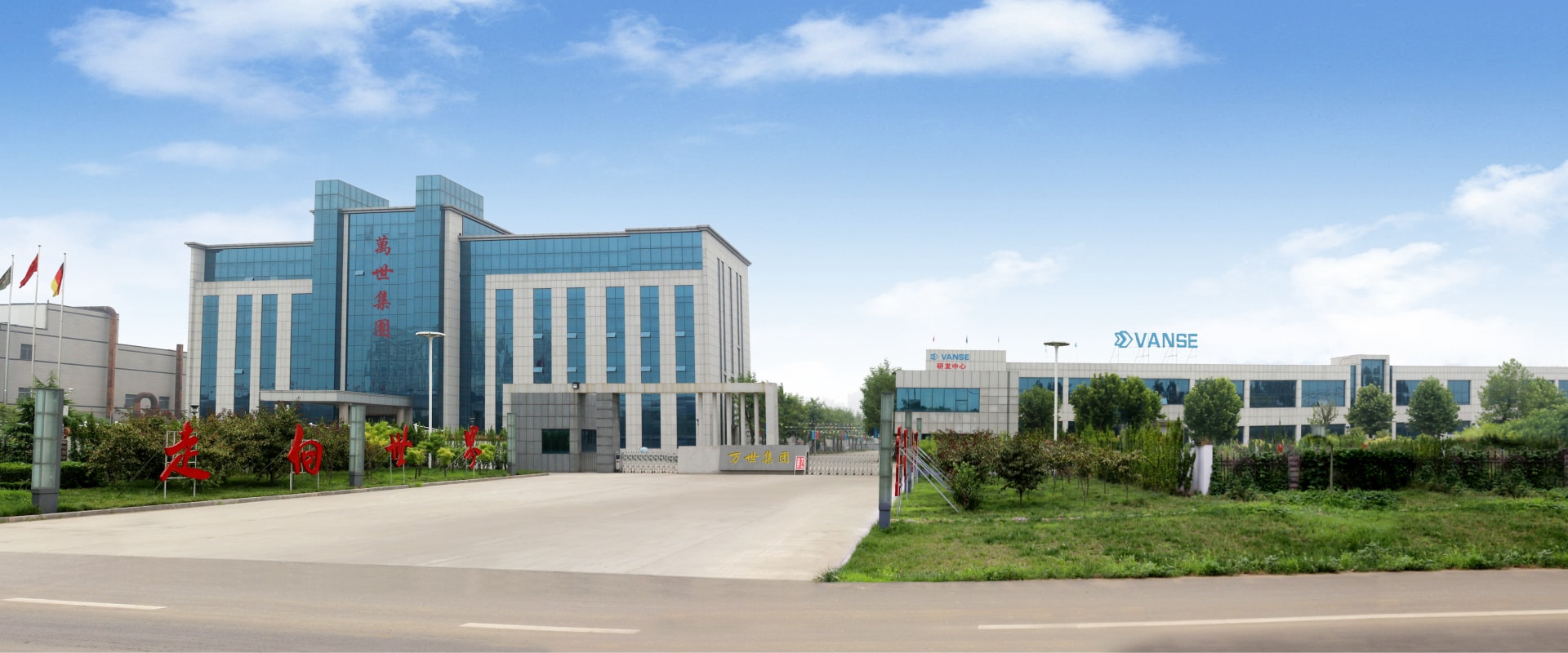
Buyers evaluating alternative telehandler sources in the United States should look closely at how operational evidence supports product claims. VANSE brings more than a decade of manufacturing specialization in construction machinery with telehandlers as its flagship line, and its production system is backed by CE and ISO 9001 certifications, modern testing stations, and comprehensive load, safety, and performance inspections on every unit before shipment. Its machines are built around globally recognized core components, including engines from Perkins and Cummins along with premium hydraulic and drivetrain systems, which gives U.S. buyers a concrete benchmark for reliability, serviceability, and parts confidence rather than vague quality promises. From a cooperation standpoint, the company supports end users, distributors, dealers, rental businesses, brand owners, and private-label partners through wholesale supply, retail-oriented support, regional distribution cooperation, and flexible OEM and ODM programs covering branding, specifications, colors, and market-specific configurations. Just as important for local trust, VANSE already serves customers across North America and more than 40 countries overall, has exceeded 8,000 units in cumulative production, and is actively establishing a U.S.-based subsidiary with local inventory, stocking, and after-sales capability to strengthen physical support in the market. Combined with online technical response, pre-sale application guidance, and offline lifecycle service, this shows a long-term U.S. market commitment rather than a simple remote export arrangement. Buyers who want to learn more about the company can explore the company background, review the broader equipment lineup, check the available service support, or use the contact page to discuss specific capacity and application requirements. Additional product information is also available from the main company site.
Buying Checklist for Telehandler Capacity
Before purchasing, renting, or importing a telehandler for the U.S. market, decision makers should build a checklist around actual use. Start with the heaviest recurring load, then define the highest placement point and maximum forward reach. Confirm whether forks, buckets, truss booms, or work platforms will be used. Evaluate transport constraints, trailer compatibility, storage space, and operator skill level. Check the expected utilization rate, because ownership economics differ sharply between full-time use and occasional deployment.
Service support must be measured in practical terms. Ask how fast common wear parts ship, whether field technicians are available, how warranty cases are processed, and whether the supplier supports training and startup inspections. A lower acquisition cost can be a very smart decision if support structure is real and responsive. It becomes a risky decision only when service is unclear or parts lead times are too long for active operations.
Applications by Region in the United States
Regional conditions influence telehandler selection. In the Southeast, telehandlers often support warehouse, industrial, and multifamily construction. In Texas, machines are used across commercial building, energy support, and agricultural operations. In the Midwest, agriculture and industrial fabrication keep demand steady. On the West Coast, port-connected logistics and urban construction favor efficient, versatile units. In the Northeast, tighter sites can push buyers toward compact or moderate-size telehandlers with strong reach relative to footprint.
These regional differences explain why no single supplier dominates every project type. Buyers near coastal trade centers may emphasize uptime and rapid parts availability. Interior contractors may focus on affordability and adaptable specifications. Farms often prioritize attachments and ease of daily maintenance. Fleet managers care about residual value and operator acceptance.
Future Trends for 2026
Looking toward 2026, telehandler lifting capacity decisions in the United States will be shaped by three major trends: technology, policy, and sustainability. On the technology side, buyers are increasingly interested in load management systems, onboard diagnostics, telematics, camera visibility packages, and smarter hydraulic controls that improve both safety and utilization data. These tools matter because they help owners understand whether they truly need a larger machine or simply better job planning and operator feedback.
From a policy standpoint, U.S. buyers should expect continued attention to jobsite safety, operator training, and emissions compliance. States and project owners are placing more scrutiny on equipment documentation, maintenance records, and safe-lifting practices. Machines with clearer load monitoring and better support documentation may gain an advantage in larger contractor and public-sector environments.
On sustainability, the near-term shift is less about full electrification of every telehandler class and more about lower fuel consumption, efficient hydraulics, cleaner engines, and longer machine life cycles. Rental fleets and enterprise buyers will increasingly compare total cost of ownership, not just purchase price. Suppliers able to support refurbishment, parts continuity, and efficient lifecycle service will be better positioned.
FAQ
What is a good telehandler lifting capacity for general construction in the United States?
For general construction, 8,000 to 10,000 lb is often the most practical range because it covers common pallet, framing, masonry, and site material tasks without moving into oversized machine costs for many jobs.
Does maximum capacity mean the machine can lift that amount at full reach?
No. Maximum rated capacity is usually available only in a limited lifting position. At full height or maximum forward reach, the safe lifting amount is lower. Always use the load chart.
Which is better for a farm: 6,000 lb or 8,000 lb?
It depends on the materials handled. A 6,000 lb machine is often enough for daily chores, but an 8,000 lb model gives more reserve for big bags, dense feed loads, and stacking tasks.
Are imported telehandlers worth considering in the U.S. market?
Yes, provided the supplier can show recognized certifications, proven production standards, quality components, local support planning, and reliable parts and after-sales service in the United States.
What matters more than the headline lifting number?
Real working capacity at the required lift height and forward reach matters more. Attachment type, terrain, service support, transport practicality, and expected utilization are also major purchase factors.
How do rental fleets usually choose telehandler capacity?
Rental fleets usually favor versatile mainstream classes with broad customer appeal, especially around 6,000 to 10,000 lb, because these machines fit more job types and tend to deliver stronger utilization.
Final Takeaway
The best answer to telehandler lifting capacity in the United States is not a single number. It is the capacity that safely handles your heaviest routine load at the height and reach you actually need, while fitting your service expectations, transport limits, and budget. For many U.S. buyers, that means focusing on the 6,000 to 10,000 lb range. For industrial, port, infrastructure, and heavy material applications, larger classes may be necessary. Established domestic brands remain strong choices, but qualified international manufacturers with verified certifications, premium components, flexible partnership models, and real U.S. service commitment can also deserve serious consideration when cost-performance and long-term support align.
Complete Telescopic Handler Equipment Portfolio
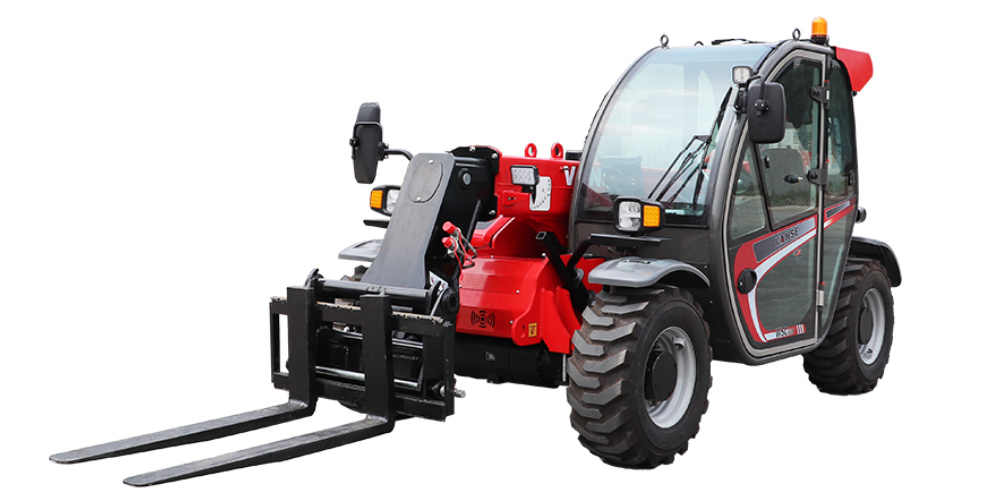
VANSE 625 6m Telescopic Handler
Designed for efficient material handling and stacking in warehouses, factories, and confined job sites, offering compact maneuverability and reliable performance.

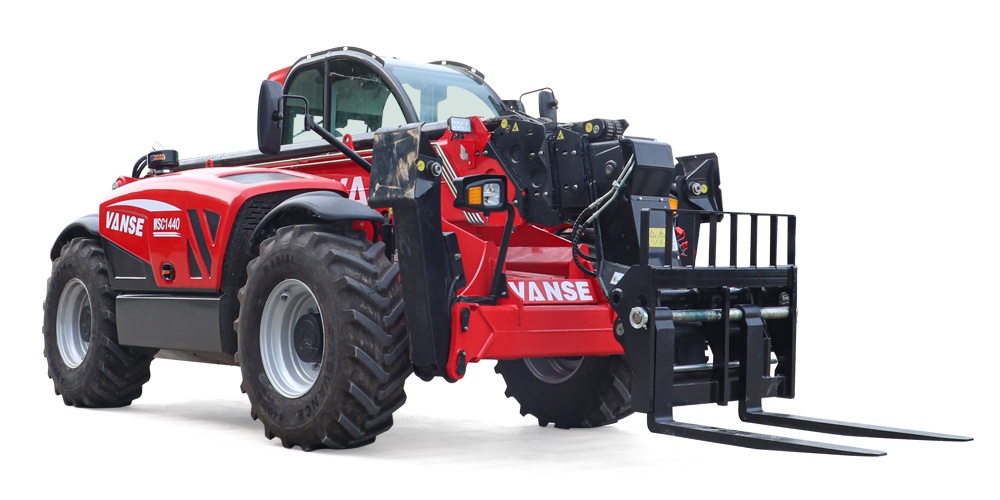
VANSE 735 7m Telescopic Handler
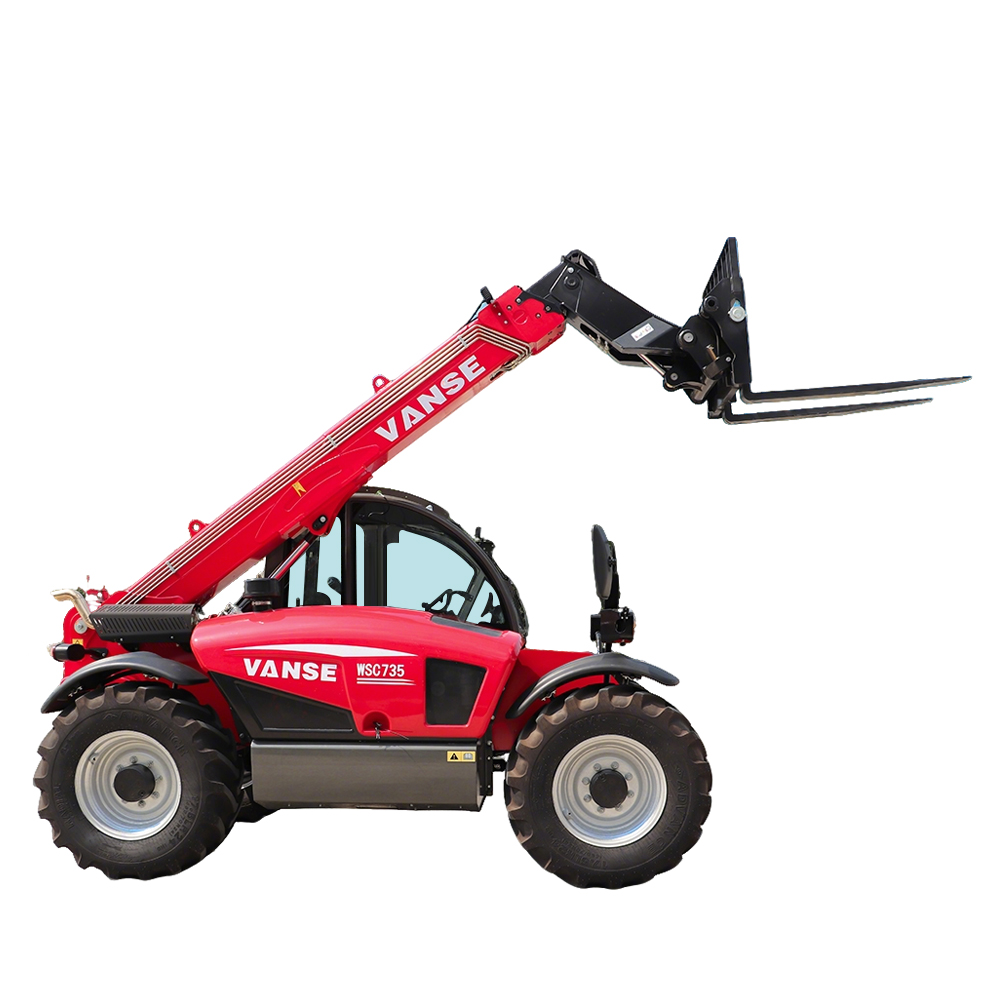
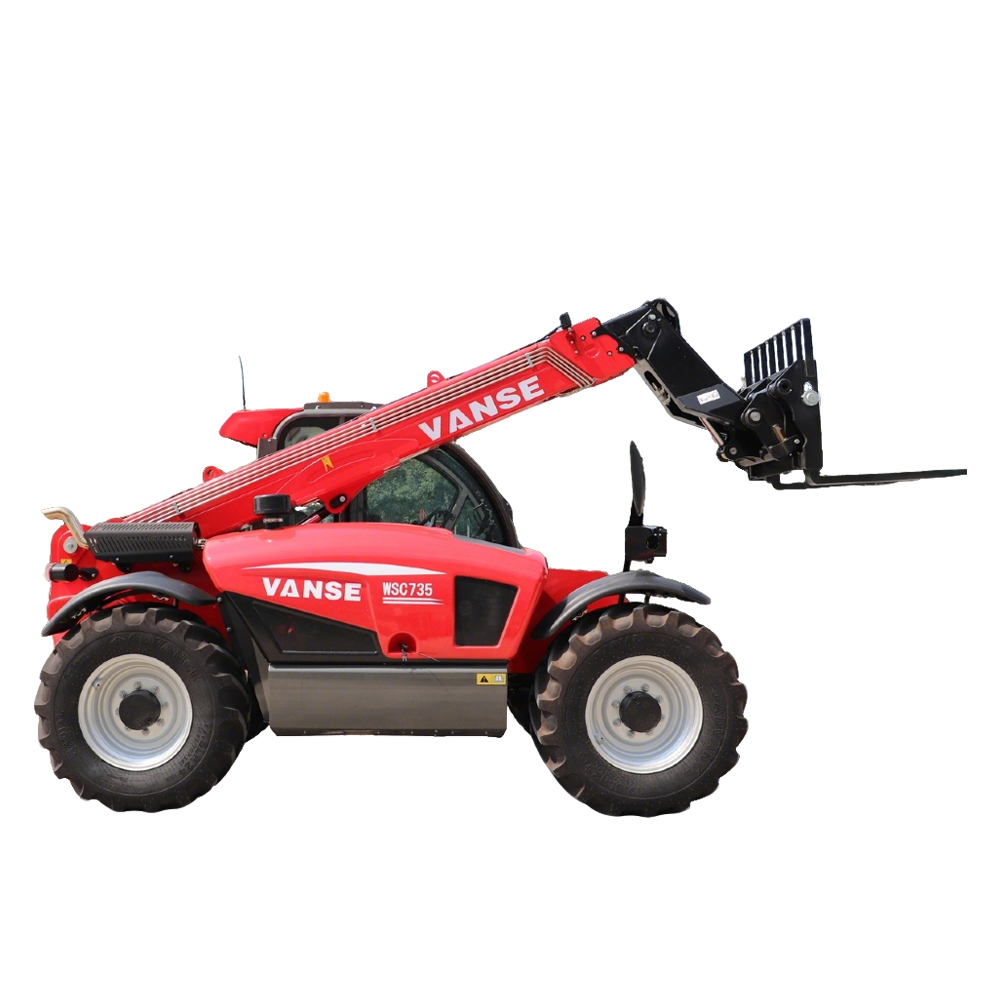
A balanced mid-duty solution for construction, agriculture, logistics, and warehousing, combining stable lifting, strong traction, and everyday versatility.


About the Author:
The VANSE team is a group of experienced professionals specializing in construction machinery research, manufacturing, and technical support. With deep industry knowledge and hands-on experience, our engineers and product specialists share practical insights on equipment selection, operation, maintenance, and industry trends.
Share
You May Also Interest
-

22 June, 2026
How to Operate a Telehandler: Complete Safety Guide Now
Learn how to operate a telehandler safely in the United States with step-by-step checks, OSHA-focused tips, load handling basics, and jobsite best practices.
-
19 June, 2026
Telehandler Load Chart: Understanding Safe Lift Ratings
Learn how a telehandler load chart works in the United States, how to read lift ratings safely, and what buyers should compare before choosing a machine.
-
18 June, 2026
Telehandler vs Forklift: Which Machine Is Right for You
Compare telehandler vs forklift in the United States with costs, use cases, supplier options, and buying tips to choose the right machine for your job.
-
17 June, 2026
Telehandler Attachments: Forks Buckets and Platforms
Explore telehandler attachments in the United States, including forks, buckets, platforms, suppliers, buying tips, and 2026 market trends.