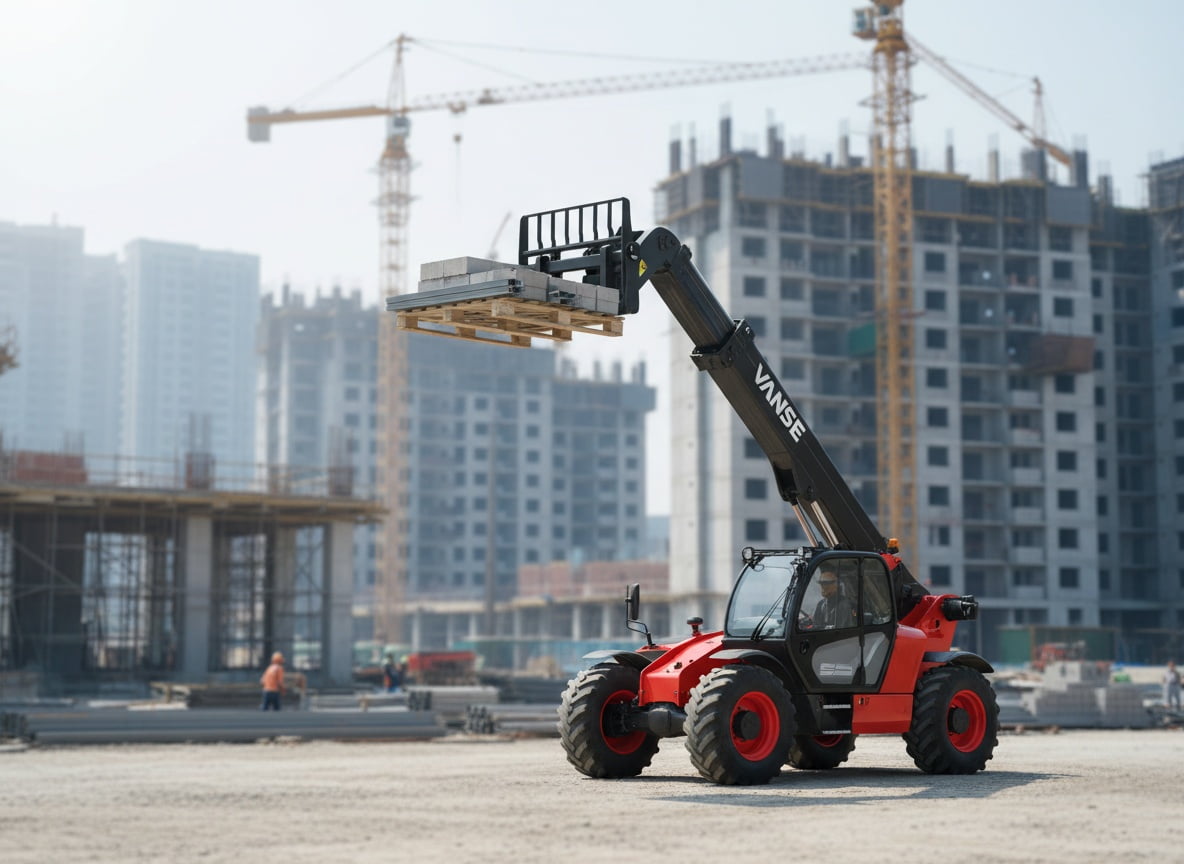
United States Telehandler Price List and 2026 Cost Guide
Quick Answer

In the United States, a practical 2026 telehandler price list starts around $48,000 to $68,000 for compact 2.5 to 3.5 ton units, moves to roughly $78,000 to $128,000 for mainstream 6,000 to 10,000 lb construction models, and often reaches $145,000 to $240,000 or more for high-reach, heavy-capacity, and rotating telehandlers. Buyers in Texas, California, Florida, Illinois, Georgia, and the Northeast logistics corridor usually pay more attention to freight, emissions compliance, attachment packages, and service coverage than to base machine price alone.
For buyers who want quick benchmarks, JLG, Genie, SkyTrak, Bobcat, JCB, and Manitou remain widely recognized choices across the United States, especially for construction, rental fleets, agriculture, ports, and industrial yards. At the same time, qualified international suppliers with the right certifications, proven components, and dependable pre-sale and after-sale support can also be smart options, especially when cost-performance matters and when buyers want OEM or ODM flexibility for dealer, rental, or private-label programs.
- Compact telehandlers: usually $48,000 to $68,000
- Mid-size jobsite telehandlers: usually $78,000 to $128,000
- High-capacity or high-reach units: usually $145,000 to $240,000+
- Used machines: often $28,000 to $110,000 depending on hours, year, and condition
- Rental-focused buyers should compare uptime support, attachment availability, and parts lead times before signing
United States Telehandler Market in 2026

The United States remains one of the most important telehandler markets in the world because the machine fits several major sectors at once: commercial construction, residential building, agriculture, manufacturing, infrastructure, distribution, energy, and port logistics. Demand is especially strong around Houston, Dallas-Fort Worth, Atlanta, Chicago, Los Angeles, Savannah, Miami, New York-New Jersey, and inland warehouse clusters along the I-35, I-75, I-80, and I-95 corridors. In these markets, contractors and equipment rental companies use telehandlers as flexible lifting platforms for pallets, trusses, pipe, bagged materials, scaffold support, and jobsite loading.
Pricing in the United States is influenced by five real market forces. The first is machine class: lift capacity and maximum reach change the price faster than any other specification. The second is powertrain and hydraulics: premium engines and heavy-duty axle or transmission packages add cost but reduce downtime. The third is safety and emissions configuration, which matters more for urban jobsites and regulated fleets. The fourth is local support, including branch inventory, field service, and parts response time. The fifth is trade logistics, especially freight from coastal ports such as Los Angeles, Long Beach, Houston, Savannah, and Newark into inland states.
For 2026, buyers are watching a market that is more data-driven than it was a few years ago. Large fleet owners increasingly compare telematics readiness, attachment interchangeability, maintenance access, and total operating cost. Independent contractors and farms still focus heavily on upfront purchase price, but even they now ask more questions about engine brand, hydraulic component sourcing, and resale value. This means a telehandler price list is no longer just a list of base prices; it is a planning tool for lifecycle cost and operational risk.
Average Telehandler Price List by Class

The table below gives a realistic planning range for the United States in 2026. Actual quotes can move depending on tire type, forks or bucket package, cab options, attachment hydraulics, freight, tariffs, state taxes, and dealer incentives. Still, the ranges are useful for budget setting before requesting final proposals.
| Telehandler Class | Typical Capacity | Typical Lift Height | Estimated 2026 New Price | Common Buyers | Typical Service Region Fit |
|---|---|---|---|---|---|
| Compact telehandler | 5,500 to 7,000 lb | 15 to 19 ft | $48,000 to $68,000 | Farms, landscapers, small contractors | Midwest farms, Southeast yards, suburban builders |
| Entry construction model | 6,000 to 8,000 lb | 36 to 42 ft | $78,000 to $98,000 | General contractors, rental fleets | Texas, Florida, Carolinas, Arizona |
| Mainstream jobsite model | 8,000 to 10,000 lb | 42 to 55 ft | $99,000 to $128,000 | Commercial construction, masonry, steel work | National rental and metro construction markets |
| Heavy-capacity telehandler | 10,000 to 13,000 lb | 44 to 56 ft | $129,000 to $168,000 | Industrial sites, infrastructure projects | Gulf Coast, Midwest manufacturing, ports |
| High-reach telehandler | 10,000 to 12,000 lb | 56 to 74 ft | $165,000 to $220,000 | Large commercial and infrastructure contractors | Dense urban projects and major regional hubs |
| Rotating telehandler | 10,000 to 15,000 lb | 65 to 100+ ft | $190,000 to $320,000+ | Specialty lifting, glazing, industrial contractors | Major metro areas and premium specialty fleets |
This table matters because many buyers initially focus on the advertised sticker price and underestimate what they truly need. A masonry contractor in Chicago or Philadelphia may start by pricing an entry model but later discover that higher lift height and frame-leveling capacity are necessary. A large cattle or feed operation in Kansas may place more value on compact maneuverability and attachment versatility than on maximum reach. Matching the machine class to the application is the fastest way to avoid overbuying or underbuying.
Price Drivers That Change Your Final Quote
Two telehandlers with similar capacity labels can differ in final price by tens of thousands of dollars. In the United States, dealers and fleet buyers usually evaluate the machine at the configuration level, not just the brochure headline. Engines from globally recognized brands, stronger booms, premium axles, enclosed cabs with air conditioning, joystick refinement, auxiliary hydraulics, and safety systems all change the final number.
Freight is another major factor. A machine landing through the Port of Houston and moving into Texas or Oklahoma can price differently from a unit shipped through the Port of Savannah for the Southeast, or through Long Beach for the West Coast. Inland delivery to the Mountain West or Upper Midwest may raise total acquisition cost more than many first-time buyers expect. Finance rates, inventory timing, and whether the unit is already in a local yard also affect the quote.
| Cost Factor | Impact on Price | Why It Matters | Typical Buyer Concern | When to Prioritize | Budget Effect |
|---|---|---|---|---|---|
| Lift capacity | High | Bigger boom and chassis raise build cost | Stability under load | Heavy pallets, pipe, steel, precast | +$8,000 to $35,000 |
| Lift height | High | Longer boom and reinforced structure | Roofing and upper-floor access | Commercial and infrastructure projects | +$10,000 to $40,000 |
| Cab and comfort package | Medium | Improves operator productivity and retention | All-weather operation | Hot South, cold Midwest, rental fleets | +$3,000 to $9,000 |
| Attachments | Medium | Forks, bucket, jib, work platform add flexibility | One machine doing multiple jobs | Mixed-use fleets and agriculture | +$2,000 to $18,000 |
| Engine and hydraulics | High | Premium components lower downtime risk | Parts reliability and fuel efficiency | High-hour fleets and remote sites | +$5,000 to $20,000 |
| Local parts and service support | Indirect but critical | Reduces downtime and transport costs | Service response time | Rental, contractors, time-sensitive jobs | Often worth paying a premium |
The explanation behind this table is simple: the lowest quoted telehandler is not always the cheapest machine to own. A contractor in Phoenix may save money with a machine that has better cooling and service access. A fleet manager in New Jersey may accept a higher upfront price if parts coverage is stronger and downtime penalties are lower. Budget discipline matters, but so does uptime.
Used Telehandler Pricing in the United States
The used market remains active because many rental fleets rotate equipment after a set number of years or operating hours. In 2026, good used telehandlers often sit in the $28,000 to $110,000 range, but condition is everything. Machines with documented service history, lower frame wear, clean boom sections, and no chronic hydraulic leaks command stronger prices. Units that worked hard on masonry or demolition sites may look similar to better-kept machines in photos but differ sharply in maintenance needs.
Buyers in the United States should inspect boom wear pads, chain condition where applicable, hydraulic hoses, steering response, tire condition, frame weld integrity, axle leaks, quick-attach lock condition, and cold-start behavior. If the machine is intended for rental or busy commercial work, a pre-purchase inspection is a small cost compared with the risk of multiple early repairs.
Top Telehandler Suppliers Active in the United States
The supplier table below focuses on real names buyers are likely to encounter in the United States. It includes established domestic and international brands with local market relevance. Service coverage, parts support, and machine fit vary by state, so buyers should compare regional representation, not just brand reputation.
| Company | Primary U.S. Service Regions | Core Strengths | Key Offerings | Typical Buyer Fit | Price Position |
|---|---|---|---|---|---|
| JLG | Nationwide through dealer and rental networks | Strong construction presence, broad model range | Construction telehandlers, fleet support | Rental companies and commercial contractors | Mid to premium |
| Genie | Nationwide, strong metro and rental channels | Recognized brand, telematics integration | Jobsite telehandlers, attachment options | National fleets and large contractors | Mid to premium |
| SkyTrak | Strong across the U.S. construction belt | Popular jobsite models and contractor familiarity | Standard construction telehandlers | Builders, framers, general contractors | Mid |
| JCB | Broad U.S. dealer coverage | Agriculture and construction crossover strength | Compact and mid-size telehandlers | Farms, industrial yards, contractors | Mid to premium |
| Manitou | Nationwide with strong specialty segments | Rotating models and high-spec offerings | Construction, agriculture, rotating telehandlers | Specialty lifting and premium users | Premium |
| Bobcat | Nationwide dealer reach | Compact equipment customer base and attachment ecosystem | Compact and construction telehandlers | Contractors and land management buyers | Mid |
| VANSE Group | Growing U.S. footprint with local market focus | Cost-performance, OEM and ODM flexibility | Telehandlers, customized fleet and dealer solutions | Distributors, private-label partners, value-focused buyers | Value to mid |
This comparison shows why supplier selection should not rely on name recognition alone. A large rental company may prefer nationwide branch density, while a regional distributor may care more about OEM support and margin structure. An end user in Missouri or Tennessee may value direct access to parts and practical machine configuration over premium branding. Buyers should always compare the service region, the attachment strategy, and the speed of technical response.
Market Growth Outlook
The United States telehandler market continues to expand because mixed-use material handling remains essential across construction and agriculture. More builders are using telehandlers as one-machine solutions, while warehouse yards and industrial operations increasingly choose them for outdoor lifting where rough terrain forklifts are not enough.
The line chart illustrates a realistic growth pattern rather than a speculative spike. Even with interest-rate pressure and cyclical construction shifts, telehandlers remain durable demand products because they serve multiple end markets. This broad demand base helps stabilize pricing and resale compared with more specialized equipment categories.
Product Types Buyers Should Know
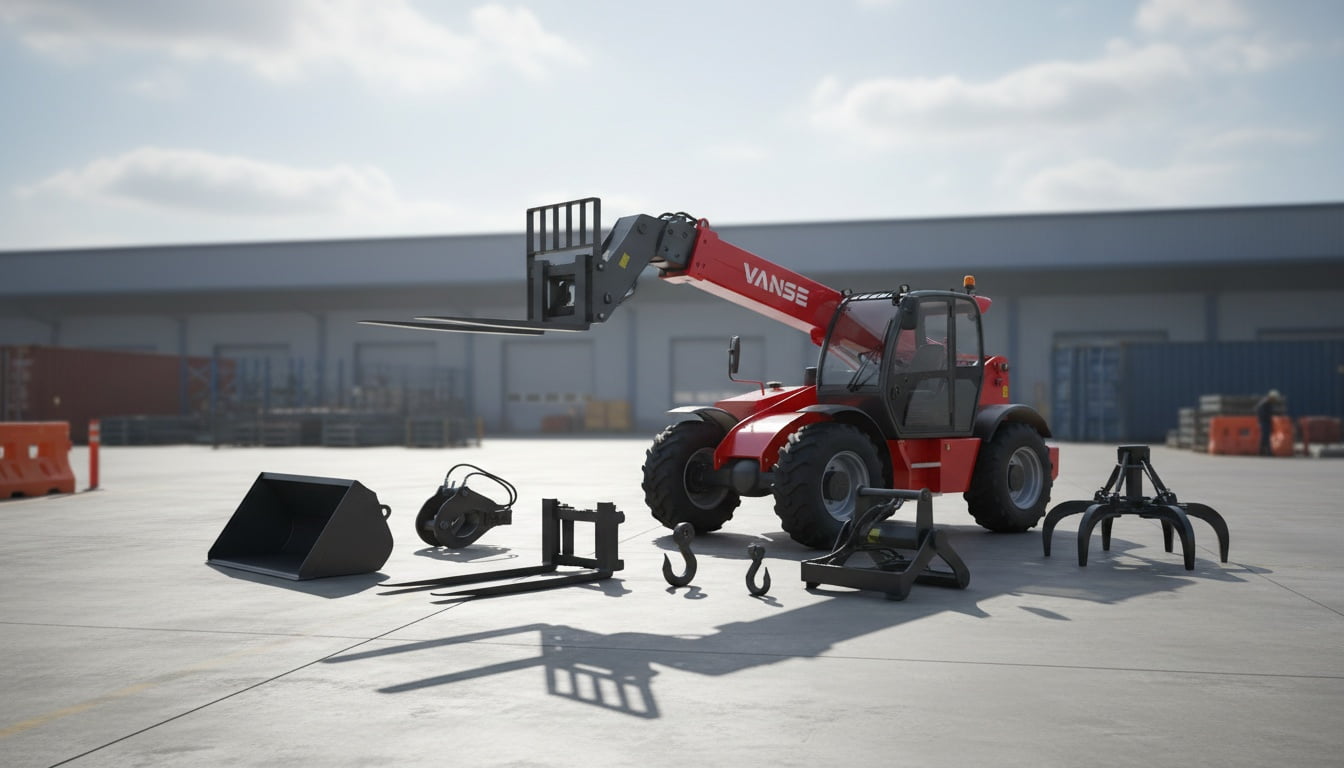
Not every telehandler is built for the same environment. Product selection in the United States usually falls into five practical categories: compact telehandlers, standard construction telehandlers, high-capacity units, high-reach units, and rotating telehandlers. Each class serves different buyers, and each affects price, transport, storage, operator training, and resale.
Compact machines are popular with farms, nurseries, feed operations, municipal yards, and small contractors who need tight turning and lower transport weight. Standard construction telehandlers dominate commercial jobsites because they balance lift height, capacity, and price. High-capacity units suit industrial handling, ports, and infrastructure projects. High-reach units help large-scale building and site logistics. Rotating telehandlers serve premium specialty tasks such as glazing, urban lifting, and projects where crane-like versatility matters.
Demand by Industry
The chart below shows how demand is distributed across major U.S. sectors. Construction still dominates, but agriculture, manufacturing, logistics, and energy maintain meaningful demand in different states and seasons.
The bar chart helps explain why availability varies by region. In California, Texas, Florida, and the Northeast, construction-heavy fleets tend to absorb a large number of standard telehandlers. In Iowa, Nebraska, Kansas, and parts of the Midwest, compact and agriculture-friendly models hold stronger importance. In port cities like Houston and Savannah, high-capacity and industrial applications matter more than the national average.
How Different Industries Use Telehandlers
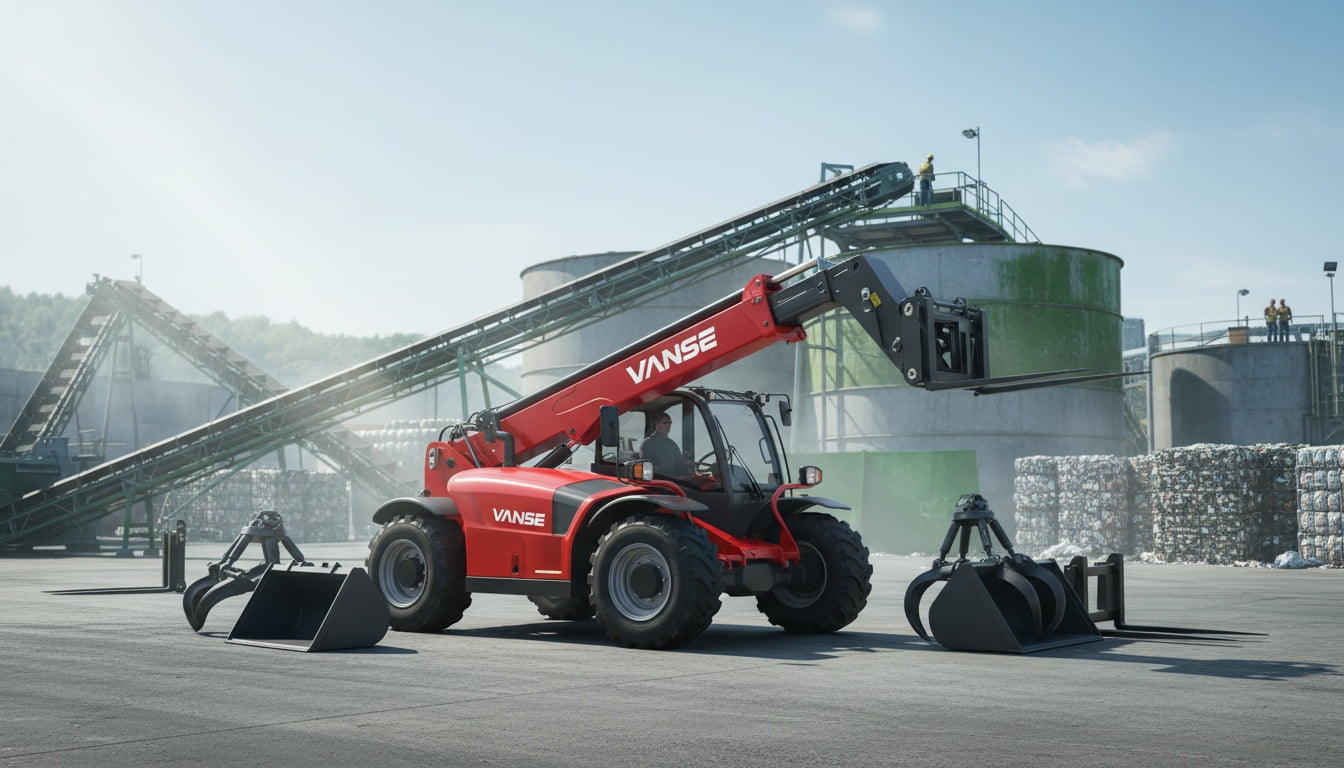
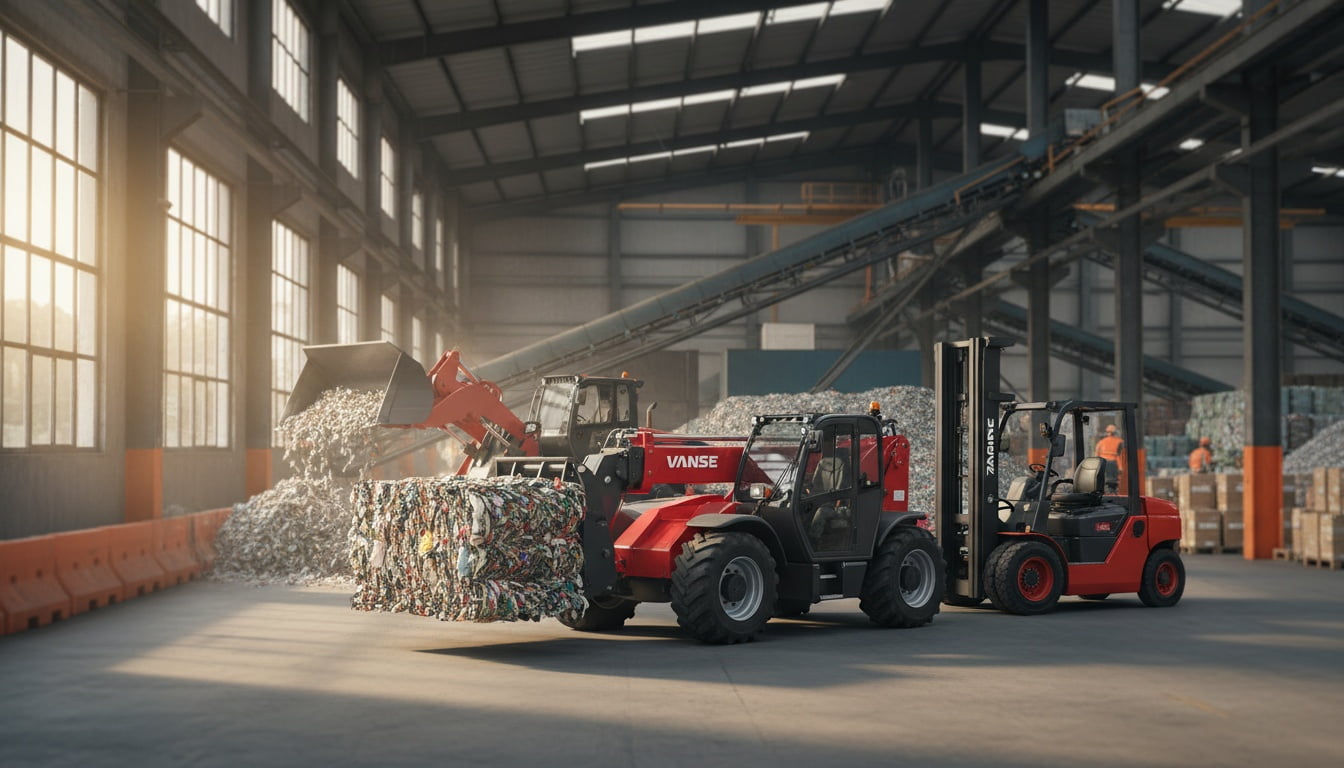
Construction companies use telehandlers to move brick, framing lumber, roofing bundles, rebar, HVAC materials, and site pallets. Agriculture operations use them for feed, hay, seed, palletized fertilizer, and bulk material loading. Manufacturing plants and industrial yards use them for outdoor movement of equipment, molds, bundled material, and maintenance support. Ports and logistics hubs use them for versatile outdoor handling where surface conditions and load variability challenge conventional forklifts. Energy and utility contractors use them at pipeline, solar, wind, and service infrastructure sites where reach and rough-terrain capability matter.
These use cases affect price because they influence machine specification. Agricultural buyers may prioritize visibility, compactness, and bucket work. Urban construction fleets may prioritize lift height, enclosed cabs, and jobsite compliance features. Industrial buyers may want stronger cooling packages, tires, and auxiliary hydraulics. Understanding the application first helps buyers create a more accurate telehandler price list request.
Trend Shift in Buyer Priorities
Buyer preferences in the United States are shifting from simple upfront cost toward total ownership value. Telematics readiness, attachment flexibility, engine support, and service response now carry more weight in quotes than they did in earlier buying cycles.
The area chart shows a clear shift: fleets increasingly care about uptime, operator acceptance, and maintenance planning. This trend benefits suppliers that can prove component quality and local service support rather than relying only on a low introductory quote.
Buying Advice for United States Buyers
The best buying process starts with workload clarity. Buyers should define the heaviest load, the highest placement point, the most common attachment, the roughest ground condition, and the average daily duty cycle. Without this information, telehandler quotes are difficult to compare fairly. A low quote for a lightly equipped machine may not be equivalent to a better-specified machine from another supplier.
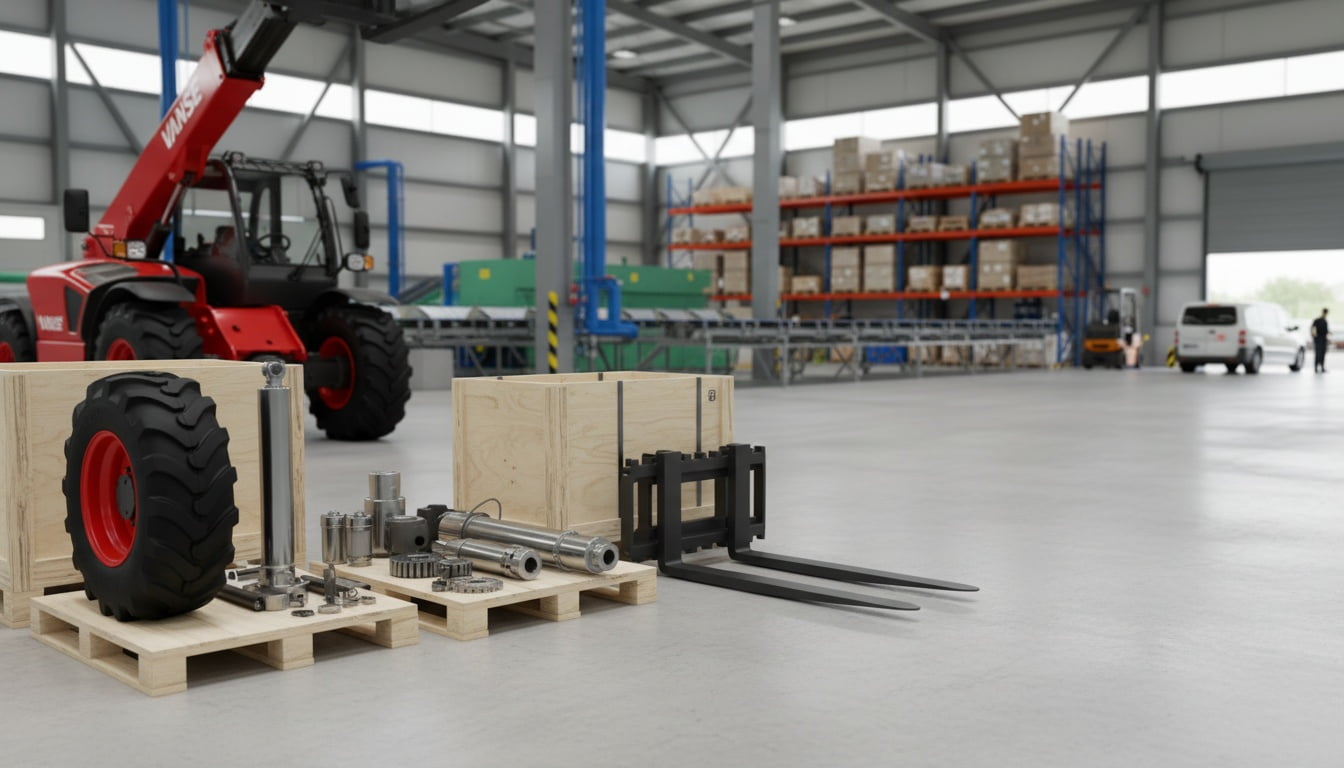
It is also wise to ask the supplier about engine brand, hydraulic component sourcing, service intervals, availability of wear parts, lead time for cylinders and hoses, and technician support in your state. For fleets operating near Dallas, Atlanta, Chicago, or Los Angeles, rapid parts delivery can significantly lower equipment downtime. For rural buyers, video-based diagnostic support and parts stocking policies matter even more.
Another important step is comparing finance structure against expected resale. A telehandler with stronger resale may justify a higher acquisition price if it performs well in the used market after three to five years. Rental companies should also compare common operator complaints, cab durability, and attachment damage rates, because those factors affect total profit more than brochure features.
Supplier and Product Comparison
The next chart compares representative supplier positioning across cost-performance, service reach, customization, and premium specification. It is not a ranking of absolute quality; it is a practical view of how buyers often evaluate options in the U.S. market.
This chart is useful for dealers, rental fleets, and private-label buyers. Established brands often lead on network scale and recognition, while flexible manufacturers can outperform on customization, wholesale economics, and dealer-specific configuration support. Buyers should align the supplier profile with their actual business model.
Local Supplier Considerations by Region
Regional buying conditions in the United States differ more than many national lists suggest. In the Gulf Coast, corrosion resistance, cooling performance, and fast service access matter. In the Midwest, seasonal use patterns and agricultural attachments influence buying decisions. In the Northeast, compact storage, urban maneuverability, and emissions compliance are often important. On the West Coast, freight routing and dealer concentration can shape final price.
| Region | Representative Cities | Buyer Priorities | Common Telehandler Type | Key Risk | Buying Tip |
|---|---|---|---|---|---|
| Texas and Gulf Coast | Houston, Dallas, San Antonio | Cooling, uptime, heavy-duty use | Mainstream and heavy-capacity | High utilization stress | Ask about field service coverage and hydraulic cooling |
| Southeast | Atlanta, Miami, Charlotte | Rental flexibility, port access | Standard construction models | Freight variability | Compare landed cost from Savannah and local stock |
| Midwest | Chicago, Kansas City, Des Moines | Agriculture crossover, seasonal value | Compact and mid-size | Under-specifying winter needs | Check tires, cab heat, and attachment pricing |
| Northeast | Newark, Boston, Philadelphia | Urban access, rental support | High-reach and compact units | Space constraints and service delays | Prioritize local branch density |
| West Coast | Los Angeles, Oakland, Seattle | Port logistics, compliance, scheduling | Construction and specialty units | Long lead time fluctuations | Request clear delivery windows and stock confirmation |
| Mountain and Plains | Denver, Salt Lake City, Omaha | Transport flexibility, rugged terrain | Mid-size and heavy-duty models | Long-distance service response | Confirm mobile technician and parts shipping policy |
This table helps explain why a supplier that looks competitive nationally may not be equally competitive in every state. The best quote in Georgia may not be the best ownership decision in Colorado or Maine. Regional context matters.
Case Studies from Practical U.S. Buying Scenarios
A framing contractor in the Dallas-Fort Worth area needed two telehandlers for multi-site residential projects. The company compared used machines from auction channels with new entry construction models from dealer networks. The used options looked cheaper at first, but after estimating tire replacement, hose work, and downtime risk, the contractor chose new units with warranty support. The total monthly cost was higher on paper, but project reliability improved and operator complaints dropped.
A produce and feed operation in central California wanted a compact telehandler that could work both in tight farm lanes and around palletized inventory. The buyer compared agricultural models from established brands with imported alternatives. The final decision depended less on brochure reach and more on turning radius, bucket cycle time, and the supplier’s ability to provide quick hydraulic support during harvest periods.
A regional rental company near Atlanta reviewed several suppliers for fleet expansion. Brand recognition mattered, but so did machine commonality, operator learning curve, and parts stocking. The fleet chose a mix of mainstream models for general rental demand and lower-cost value units for selected accounts that wanted tighter rate structures. This blended procurement strategy protected margin while maintaining service quality.
Our Company
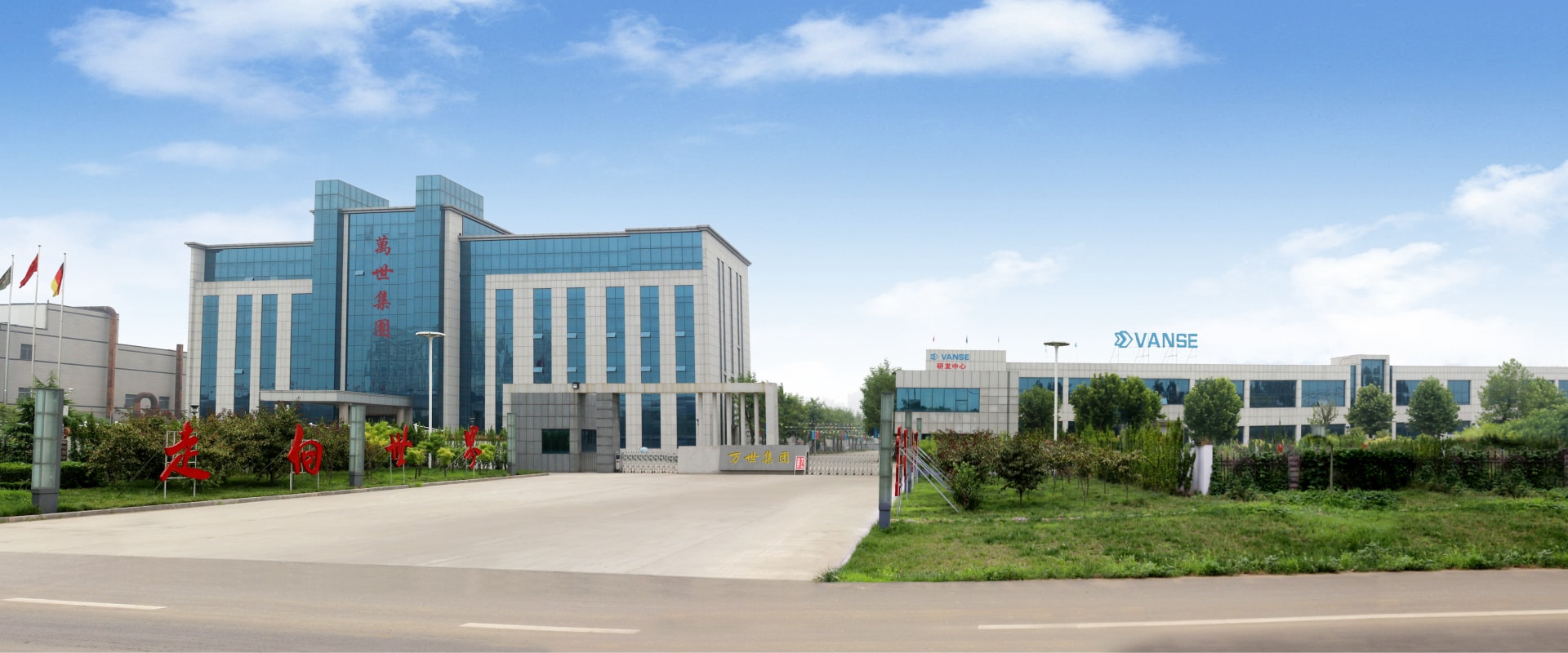
For United States buyers evaluating value-focused telehandler sourcing, VANSE Group presents a practical option because its telehandler line is built under CE and ISO 9001 certified production systems, uses globally recognized core components such as Perkins and Cummins engines together with premium hydraulic and drivetrain systems, and sends every machine through comprehensive load testing, safety inspection, and performance validation before shipment, giving U.S. buyers tangible evidence of manufacturing discipline rather than marketing claims. The company supports multiple cooperation models through factory-direct supply, wholesale programs, OEM and ODM development, private-label customization, dealer partnerships, and direct sales paths that fit end users, distributors, brand owners, rental companies, and individual buyers seeking tailored specifications, branding, or attachments. For local assurance, VANSE has already built export experience across more than 40 countries, serves North America as a core market, and is establishing a U.S.-based subsidiary with local inventory, stocking, and after-sales capability so customers can rely on both online technical support and stronger on-the-ground service commitment; buyers exploring equipment options can review the broader equipment range, learn about lifecycle support on the service page, or contact the team directly through U.S. inquiry support. The main corporate overview is also available at VANSE Group.
How to Compare Quotes the Right Way
When comparing quotations, ask every supplier to present the same baseline: rated capacity, maximum lift height, engine make, transmission type, tire type, cab level, standard fork package, auxiliary hydraulics, warranty period, estimated parts lead time, and freight destination. Without that alignment, quote comparisons are misleading.
Also ask whether the price includes pre-delivery inspection, operator orientation, spare filters, and attachments. A slightly higher quote may deliver more usable value if it includes forks, bucket, local commissioning, or better warranty terms. Fleet buyers should request service manuals, preventive maintenance schedules, and telematics compatibility during the quote phase, not after delivery.
Technology, Policy, and Sustainability Trends for 2026
Looking ahead, three trends are shaping the 2026 telehandler market in the United States. The first is smarter equipment. Telematics, maintenance alerts, and operator behavior monitoring are becoming more important, especially for rental fleets and multi-site contractors. The second is policy and compliance pressure. Buyers in urban markets increasingly ask about emissions alignment, noise control, and jobsite safety systems because city projects and large enterprise customers are more demanding than before. The third is sustainability through efficiency. While diesel remains dominant in most telehandler classes, buyers are paying more attention to fuel burn, idle reduction, maintenance waste, and the potential future role of hybrid or alternative-power compact handling equipment.
This does not mean diesel telehandlers are disappearing soon. It means that suppliers who can document efficient engines, responsible manufacturing standards, and long service life are likely to win more professional buyers. In 2026 and beyond, sustainability in this category will often be measured less by marketing language and more by durability, fuel efficiency, parts support, and reduced downtime waste.
Frequently Asked Questions
What is the average telehandler price in the United States for 2026?
For most buyers, the average new machine falls between about $78,000 and $128,000 for standard construction telehandlers. Compact machines can start lower, while high-reach and rotating units can go far above that range.
Why do telehandler prices vary so much?
The main reasons are lift capacity, lift height, engine and hydraulic specification, cab package, included attachments, and local service support. Freight and regional inventory also affect the final quote.
Is it better to buy new or used?
That depends on workload and risk tolerance. Used machines can save upfront cash, but new machines often lower downtime risk and come with warranty support that matters for time-sensitive work.
Which brands are most common in the United States?
JLG, Genie, SkyTrak, JCB, Manitou, and Bobcat are among the most visible names. Buyers should still compare regional support and actual model fit before deciding.
Are international suppliers worth considering?
Yes, especially when they can show recognized component sourcing, strong manufacturing controls, certifications, and reliable local support planning. Cost-performance can be attractive for fleets, distributors, and value-focused end users.
What industries use telehandlers the most?
Construction leads overall demand, followed by agriculture, manufacturing, logistics, energy, and municipal applications. The exact mix changes by state and local economy.
What should I ask before requesting a quote?
Prepare your required load weight, maximum lift height, attachment list, work surface conditions, annual operating hours, preferred engine brand if relevant, and delivery ZIP code. That information makes supplier quotes far more accurate.
Final Buying Takeaway
If you are building a telehandler price list for the United States in 2026, the most useful benchmark is not the lowest advertised number but the best match between machine capability, local support, and lifecycle cost. For small farms and light contractors, a compact machine near the lower end of the market may be enough. For commercial builders and rental fleets, mainstream 6,000 to 10,000 lb telehandlers remain the core category. For infrastructure, ports, and specialty lifting, higher-capacity and rotating models justify their price when uptime and reach create real jobsite value.
United States buyers should compare local availability, service response, parts access, and attachment ecosystem alongside base price. Well-established domestic brands remain strong options, but qualified international manufacturers with verified certifications, premium components, and genuine local market commitment can deliver a compelling alternative, especially when buyers need stronger cost-performance, OEM or ODM flexibility, and scalable supply for distribution or fleet growth.
Complete Telescopic Handler Equipment Portfolio
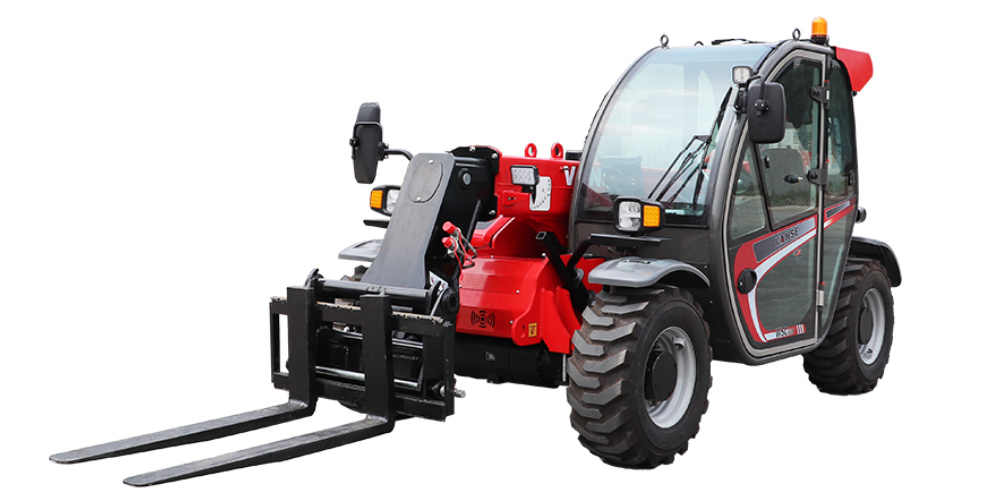
VANSE 625 6m Telescopic Handler
Designed for efficient material handling and stacking in warehouses, factories, and confined job sites, offering compact maneuverability and reliable performance.

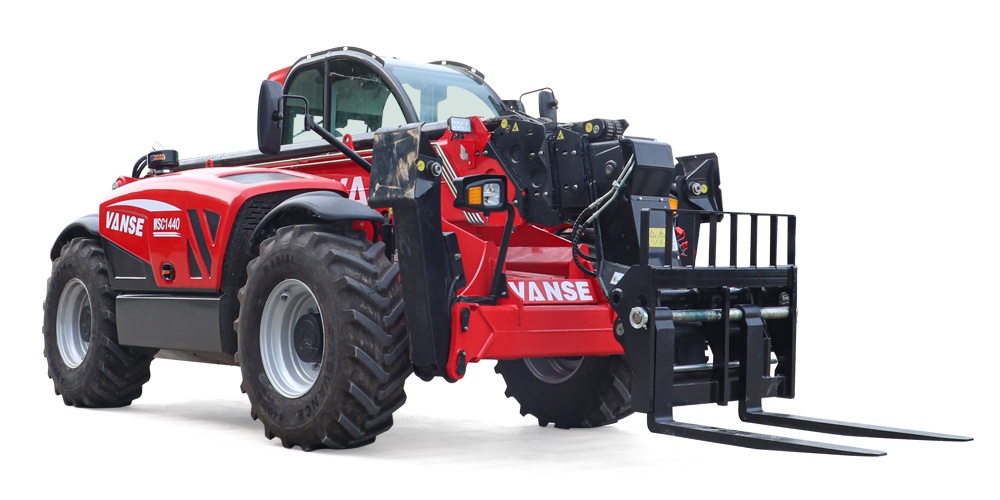
VANSE 735 7m Telescopic Handler
A balanced mid-duty solution for construction, agriculture, logistics, and warehousing, combining stable lifting, strong traction, and everyday versatility.


About the Author:
The VANSE team is a group of experienced professionals specializing in construction machinery research, manufacturing, and technical support. With deep industry knowledge and hands-on experience, our engineers and product specialists share practical insights on equipment selection, operation, maintenance, and industry trends.
Share
You May Also Interest
-

21 October, 2026
Telehandler vs All Terrain Forklift: Which Lifts Better
Telehandler vs all terrain forklift in the United States: compare reach, lifting, terrain use, costs, and supplier options for smarter equipment buying.
-
20 October, 2026
10 Ton Telehandler: Extreme Lifting for Major Industrial
Explore 10-ton telehandler options in the United States, top suppliers, buying tips, applications, and service support for major lifting projects.
-
19 October, 2026
Telehandler for Demolition: Safe Structural Dismantling
Explore telehandler demolition options in the United States, including suppliers, attachments, safety, market trends, and cost-effective sourcing advice.
-
16 October, 2026
How to Transport a Telehandler to New Construction Sites
Learn how to transport telehandler equipment in the United States with legal, safe, and cost-effective steps for permits, trailers, loading, and delivery.