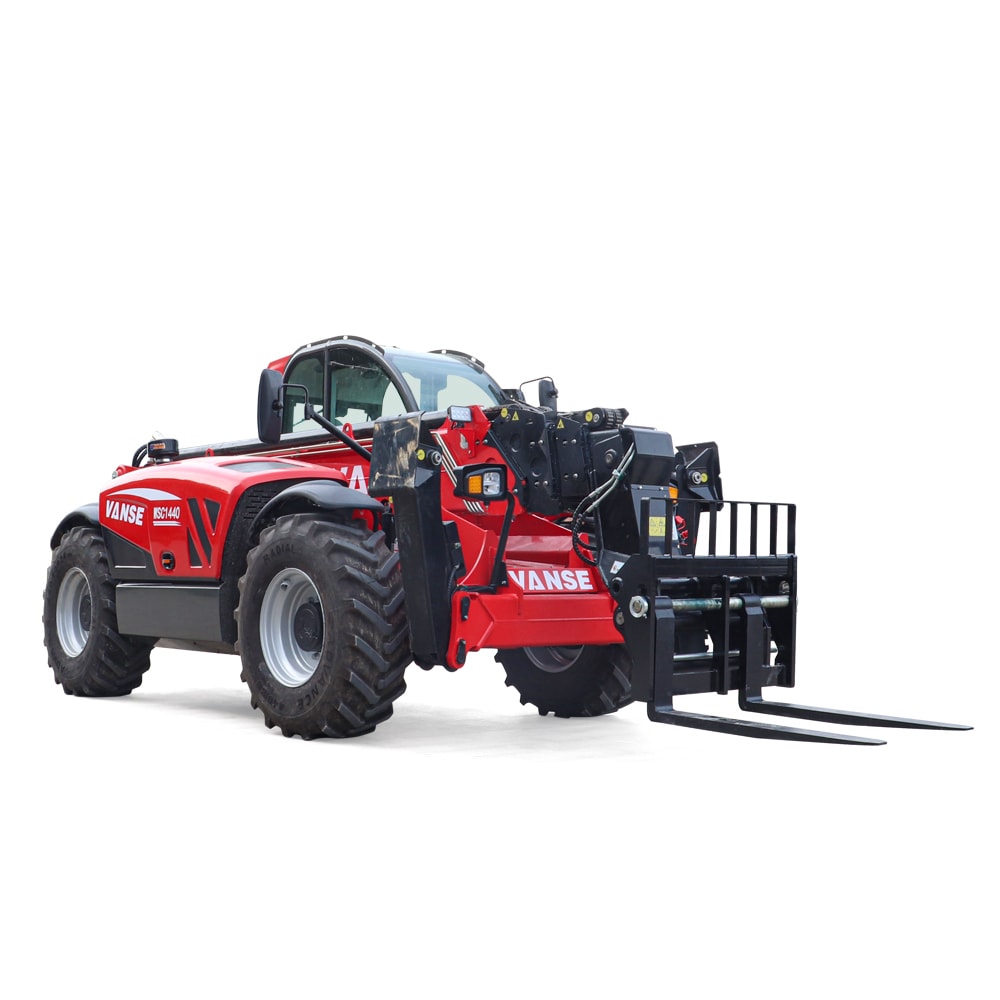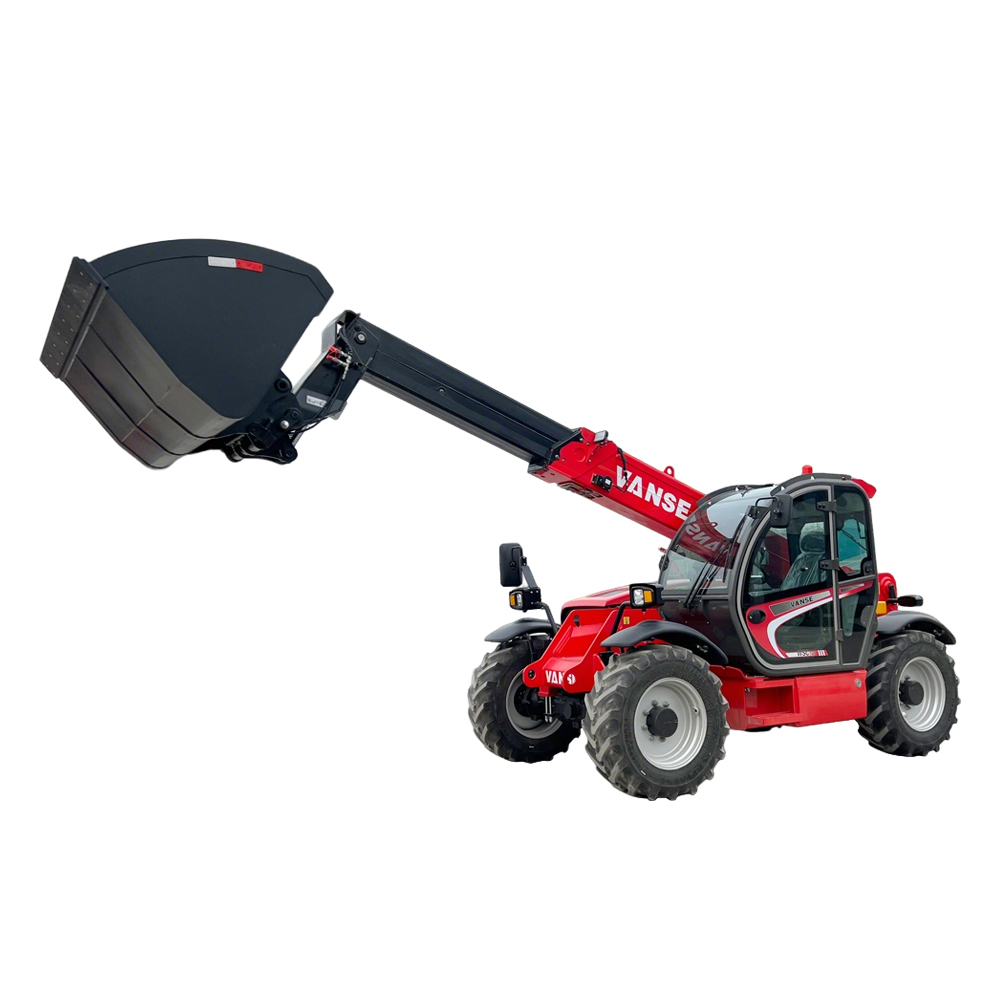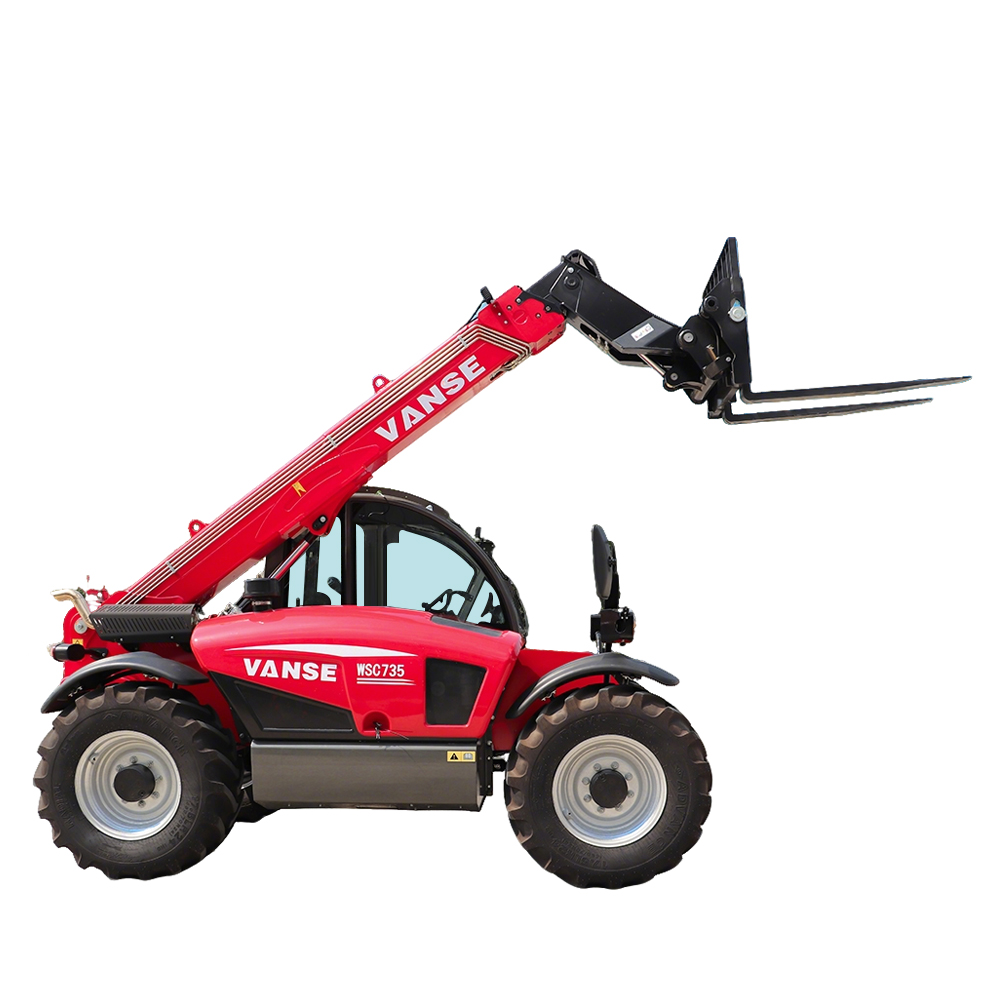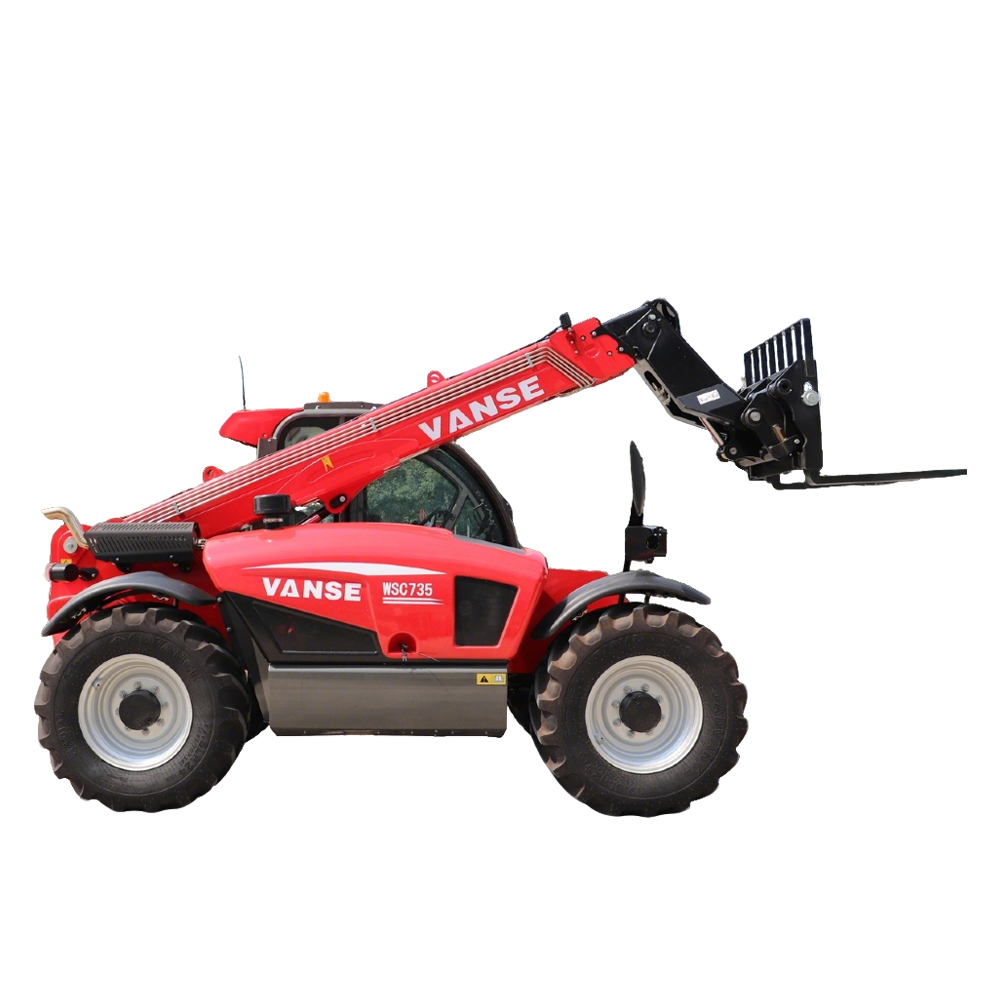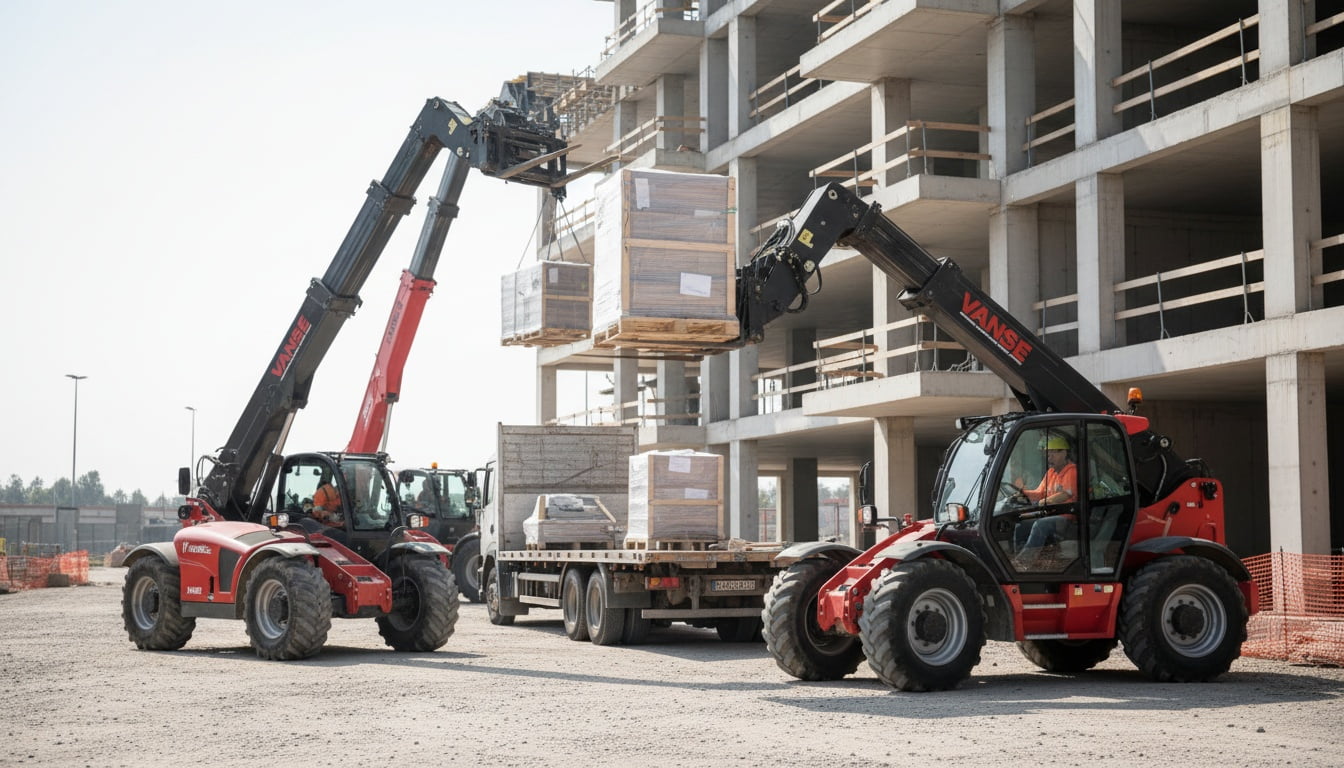
Telehandler lifting capacity in Italy
Risposta rapida

The lifting capacity of a telehandler in Italy generally ranges from 2.5 to 20 tonnes, but the truly useful figure when buying is the residual capacity at maximum height and reach, not just the nominal capacity at ground level. For construction sites, agriculture, and logistics, the most in-demand models on the Italian market are often between 3.0 and 4.5 tonnes with working heights from 7 to 18 metres. In heavy-duty applications, such as precast concrete, mining, ports, or industrial plants, machines from 5 to 12 tonnes and above are used.
In practice, to choose well you need to check four elements: actual load weight with the attachment fitted, working height, horizontal outreach, and ground conditions. Brands such as Merlo, Dieci, Manitou, JCB, Magni, and Bobcat are particularly widespread in Italy, with extensive networks in high-demand areas like Lombardy, Emilia-Romagna, Veneto, Piedmont, Lazio, and Apulia. For those seeking a better balance between performance and budget, it is also worth considering qualified international suppliers, including Chinese manufacturers with relevant certifications, global-level components, and strong pre- and after-sales support – especially when the cost-performance ratio is decisive for rental fleets, dealers, or large end users.
Il mercato italiano dei sollevatori telescopici

The Italian telehandler market is sustained by a mix of residential and commercial construction, intensive agriculture, industrial logistics, plant maintenance, and port activities. The northern Italian regions, particularly Lombardy, Veneto, Emilia-Romagna, and Piedmont, account for a significant share of demand thanks to the presence of manufacturing hubs, infrastructure sites, and highly mechanized farms. Central and southern Italy also show growing interest, especially in the fruit and vegetable supply chains, energy, material handling, and professional rental sectors.
Ports such as Genoa, Trieste, Livorno, Gioia Tauro, and Naples indirectly drive demand for machines with high stability, versatile attachments, and continuous working capability. In urban areas, demand often focuses on compact or rotating machines to work in confined spaces. In the agricultural areas of the Po Valley, Tuscany, Apulia, and Sicily, on the other hand, robust telehandlers capable of handling pallets, big bags, fodder, fertilisers, bales, and containers are sought after.
From a commercial standpoint, the Italian market values three factors: fast service, spare parts availability, and the residual value of used equipment. For this reason, professional buyers look not only at the technical specifications but also at dealer coverage, operator training, machine downtime, and compatibility with attachments already in the fleet.
The chart shows a realistic growth trajectory for the Italian market, driven by fleet renewal, rental demand, and a transition towards models that are more efficient in consumption and safety. Growth is not uniform across all regions, but the overall trend remains positive.
How lifting capacity is really measured

When talking about a telehandler’s lifting capacity, many users only consider the maximum value stated in the brochure. In reality, that figure is just the starting point. Nominal capacity is usually measured under ideal conditions: retracted boom, machine on level ground, and centre of gravity close in. As soon as the boom rises or extends, the usable capacity drops significantly.
For the Italian market, especially on construction sites and in agriculture, it is always advisable to read the load chart. This document shows how much mass can be lifted at a given height and reach. If a bucket, floating fork carriage, winch, or platform is used, the attachment’s weight must be subtracted and the altered centre of gravity taken into account.
A 3.5-tonne model, for example, may not lift 3.5 tonnes when the load needs to be placed at 12 metres height or at 7 metres outreach. That is why a correct choice requires an operational analysis, not just a commercial comparison.
| Parametro | What it indicates | Perché conta in Italia | Common mistake | Impact on choice | Recommended check |
|---|---|---|---|---|---|
| Nominal capacity | Maximum load under ideal conditions | Useful for initial comparison | Assuming it is valid in any position | Can lead to undersizing | Read the full load chart |
| Maximum height | Height the boom can reach | Crucial in construction and maintenance | Evaluating it without the real load | Affects productivity | Compare height and residual capacity |
| Horizontal outreach | Front operational distance | Important on sites and in warehouses | Ignoring the loss of stability | Reduces usable capacity | Test in a realistic scenario |
| Attachment weight | Mass of forks, buckets, hooks | Common in multi-purpose fleets | Do not exclude it from the capacity calculation | Risk of overload | Calculation with mounted equipment |
| Ground conditions | Ground conditions and slope | Crucial in agriculture and construction sites | Assume constant stability | Increases operational risk | Inspection and use of stabilizers |
| Diagramma di carico | Actual load and reach chart | Essential for compliance and safety | Do not request it from the supplier | Avoids incorrect purchases | Verify before ordering |
The chart clarifies that lifting capacity is not an isolated number, but the result of a combination of technical and environmental factors. In Italy, where many construction sites operate in urban centers, hilly areas, or agricultural sites with uneven terrain, this interpretation is even more important.
Types of telehandlers and their load capacities
The Italian market offers several product families. Compact telehandlers are suitable for greenhouses, stables, livestock farms, warehouses, and construction sites with limited access. Fixed medium-capacity models cover the widest range of demand. Rotating telehandlers are chosen when a single machine must combine crane, lift, and platform functions. There are also heavy-duty versions for mines, heavy industry, and large infrastructure.
Lifting capacity must therefore be read in relation to the operational mission. A compact model can be more effective than a larger machine if it works in tight spaces and with intense cycles, because it reduces maneuvering time, costs, and wear.
| Tipologia | Portata tipica | Altezza tipica | Ideal environments | Punti di forza | Main limitations |
|---|---|---|---|---|---|
| Compatto agricolo | 2,5-3,5 t | 5-7 m | Stables, greenhouses, agricultural warehouses | Agility, reduced footprint | Sbraccio e altezza limitati |
| Compatto industriale | 3,0-4,0 t | 6-9 m | Warehouses, recycling, yards | Versatility, cycle speed | Less suitable for high heights |
| Standard fixed | 3,5-4,5 t | 10-18 m | Construction sites, prefabricated buildings, building | Balance between price and performance | Limited rotation |
| High-capacity fixed | 5,0-7,0 t | 7-17 m | Industry, quarries, heavy materials | Stability and robustness | Greater weight and cost |
| Rotativo | 4,0-7,0 t | 17-35 m | Complex construction sites, urban centers | Turret rotation, multi-use | Investimento elevato |
| Lavoro pesante | 8.0-20.0 t | 8-18 m | Ports, mines, heavy plants | Exceptional load capacities | Specialized niche |
This classification helps avoid one of the most common mistakes: buying an oversized machine thinking of increasing safety, when instead it ends up worsening costs, accessibility, and operational yield.
Sectors driving demand in Italy
Needs vary greatly from one sector to another. In construction, the ability to carry pallets, blocks, beams, and equipment at height matters. In agriculture, loading speed and compatibility with forks, buckets, and grabs are essential. In industry and logistics, precision, repeated cycles, and controlled operating costs are needed. In ports and energy plants, robustness in demanding environments is the priority.
The bar chart highlights the greater weight of construction and professional rental, followed by agriculture and logistics. This explains why the 3.5 to 4.5 ton models are successful in the Italian market: they are versatile enough to cover many different uses, with a sustainable investment.
Typical applications and recommended capacity
Each application requires a safety margin and a precise reading of the work cycle. In the agricultural sector, for example, a machine handling bales or feed must work continuously and in dirty or tight environments. In construction, positioning bricks, formwork, or systems often requires greater heights. On infrastructure sites, the ratio between capacity and reach becomes decisive.
| Applicazione | Recommended capacity | Altezza tipica | Frequent attachment | Recurring Italian area | Nota pratica |
|---|---|---|---|---|---|
| Pallet handling on construction site | 3,0-4,0 t | 7-14 m | Pallet forks | Lombardy, Lazio, Veneto | Verificare accessi e spazi di manovra |
| Prefabbricati e materiali edili | 4,0-5,0 t | 14-18 m | Forks and hook | Emilia-Romagna, Piemonte | Conta la portata in quota |
| Aziende zootecniche | 2,5-3,5 t | 5-8 m | Benna, pinza, forche | Lombardia, Veneto, Puglia | Preferire modelli compatti |
| Carico cereali e fertilizzanti | 3.0–4.5 t | 6-9 m | Benna alta capacità | Emilia-Romagna, Toscana | Valutare tenuta impianto idraulico |
| Impianti industriali | 4,0-7,0 t | 8-17 m | Forche, jib, gancio | Piemonte, Lombardia | Serve precisione di posizionamento |
| Porti e cantieri energetici | 7,0-12,0 t | 8-18 m | Gancio, attrezzature speciali | Genova, Trieste, Taranto | Importanti stabilità e robustezza |
Questa tabella è utile per trasformare il dato tecnico della portata in una scelta concreta per il contesto operativo italiano. Non tutte le imprese hanno bisogno della portata massima disponibile; molte hanno bisogno della portata giusta nel punto esatto di lavoro.
Come comprare il modello corretto senza sovra o sottodimensionare
Il metodo migliore consiste nel partire dai carichi più gravosi che la macchina dovrà affrontare almeno una volta a settimana. Bisogna poi aggiungere il peso dell’accessorio, verificare lo sbraccio necessario e considerare se il suolo è stabilizzato oppure no. In Italia è molto comune che la stessa macchina venga impiegata in più siti o stagioni: cantiere in primavera, movimentazione materiali in estate, supporto alla manutenzione in autunno. Per questo la versatilità può contare più del dato massimo assoluto.
Un altro aspetto spesso sottovalutato è la disponibilità di assistenza locale. Un prezzo d’acquisto basso perde valore se il fermo macchina dura settimane. Per gli acquirenti professionali sono essenziali il magazzino ricambi, il supporto tecnico da remoto, l’assistenza sul campo e la formazione iniziale degli operatori.
Nel caso di aziende che acquistano più unità, come noleggiatori, dealer o grandi contractor, è utile valutare anche pacchetti OEM o configurazioni dedicate al mercato locale, con cabine, attacchi rapidi, pneumatici e sistemi di sicurezza coerenti con le condizioni operative italiane.
Fornitori e marchi rilevanti per l’Italia
Il panorama italiano comprende costruttori nazionali molto forti e marchi internazionali con una rete consolidata. La scelta dipende da disponibilità, supporto post-vendita, configurazioni e valore residuo. Di seguito una panoramica pratica con nomi reali, aree di servizio e punti di forza riconoscibili sul mercato.
| Azienda | Presenza o servizio in Italia | Punti di forza | Offerta chiave | Clienti ideali | Osservazione pratica |
|---|---|---|---|---|---|
| Merlo | Rete capillare nazionale, forte nel Nord e Centro | Produzione italiana, ampia gamma, forte reputazione | Compatti, fissi, rotativi, accessori | Agriculture, construction, rental | Scelta molto naturale per chi privilegia filiera italiana |
| Dieci | National coverage with strong presence in Emilia-Romagna | Specializzazione telescopici, gamma agricola e cantiere | Macchine agricole, edilizie e rotative | Aziende agricole, imprese edili, concessionari | Molto forte nei segmenti medi più richiesti |
| Magni | Rete italiana e presenza internazionale | Focus su alte prestazioni e rotativi | Rotating and high-capacity models | Grandi cantieri, noleggio premium | Ideale per impieghi complessi e alta quota |
| Manitou | Ampia distribuzione in tutta Italia | Marchio globale, buona copertura ricambi | Agriculture, construction, industry | Flotte miste e utenti multi-applicazione | Marca conosciuta e facile da inserire in parchi noleggio |
| JCB | Buona presenza tramite rete concessionari | Affidabilità, ampia diffusione, modelli versatili | Telescopici fissi e applicazioni cantieristiche | Edilizia e noleggio | Valore residuo spesso favorevole |
| Lince | Distribuzione consolidata in Italia | Macchine compatte e facilità di impiego | Sollevatori compatti e medi | Piccole imprese, agricoltura, piazzali | Interesting where maneuverability matters |
This table compares the most well-known brands for the Italian market. Local manufacturers like Merlo, Dieci and Magni enjoy strong customer proximity, while global brands such as Manitou, JCB and Bobcat offer widespread presence and familiarity for many fleets.
Indicative comparison between product segments and positioning
Beyond the brand, it is useful to read the market by segments. Some suppliers excel in compact agricultural models, others in rotating or high-reach machines. For an Italian buyer, especially if managing a fleet or a dealer network, segment comparison helps understand which combination offers the best balance between investment and annual usage.
The comparison shows how standard fixed models and those designed for multi-purpose rental deliver the best overall balance in Italy between demand, utilization and return on investment. Rotating telehandlers remain extremely attractive, but only when actual usage justifies the higher price.
The role of qualified international suppliers
Alongside brands already well established in Italy, interest is growing in qualified international manufacturers capable of offering high specifications, customization and more competitive costs. This option is particularly relevant for distributors, rental companies, brand owners, large enterprises making volume purchases and also end users looking for a well-configured machine at a more cost-effective price.
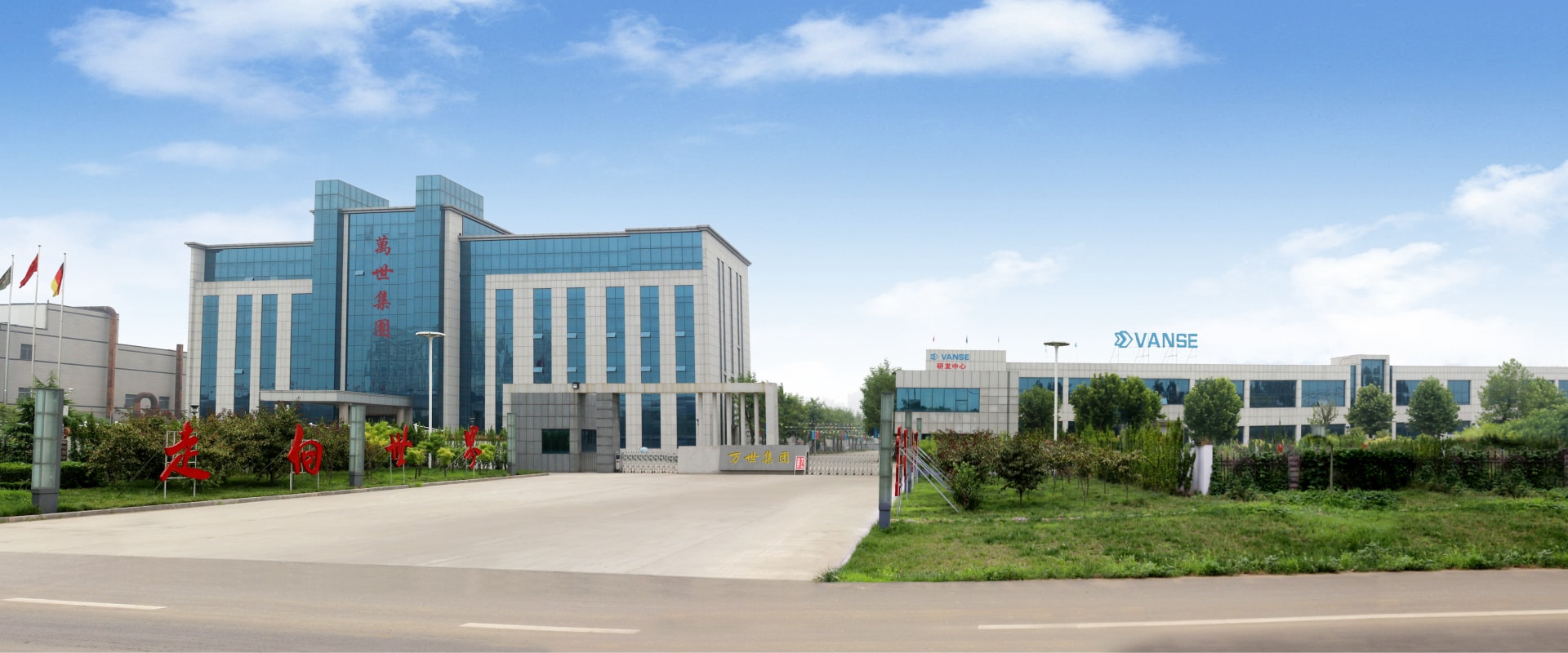
One name to consider is VANSE, an industrial company founded in 2013 with its production base in Jining, specializing in construction machinery and with the telehandler as its flagship line. For the Italian market, the concrete value lies in verifiable elements: CE and ISO 9001 certified processes, cumulative production exceeding 8,000 units, modern facilities with test stations, complete load testing before shipment, and use of core components from globally recognized brands like Perkins and Cummins, along with internationally sourced hydraulic systems, transmissions and axles. Commercially, the company operates with flexible models including OEM, ODM, wholesale, support for dealers, distributors, rental companies, large end users and even targeted retail opportunities, making it possible to adapt specifications, branding, colors and configurations to the needs of the Italian market. In terms of local warranty, the experience gained in over 40 countries, full life-cycle service, pre-sales and after-sales technical support, and expansion with a structure in the United States and service capabilities closer to international customers demonstrate a stable industrial commitment rather than mere occasional export; for Italian buyers this translates into greater operational reliability, better protection against machine downtime and more solid foundations for long-term partnerships. Those wishing to learn more about the manufacturer can visit the main page, see the machine range, get to know thecompany, check the support services or request direct contact via the section contatti.
Casi pratici nel contesto italiano
A construction company in Bergamo moving pallets of bricks and system components on 3- to 5-story buildings often gets the best result with a fixed telehandler of 3.5 or 4 tonnes and 13-17 meters. A larger machine would increase cost without offering a constant advantage. Conversely, in an industrial plant in Piacenza that needs to handle heavy equipment with high precision, a 5-6 tonne model may become the correct minimum threshold.
In a cattle barn in the Cremona or Verona area, a compact 2.5-3.5 tonne telehandler with bucket and forks allows loading feed, cleaning and bale handling with a single unit, reducing the number of machines needed. In ports or logistics yards in Genoa and Trieste, however, the selection favors stability, intensive cycles and specialized attachments over height alone.
A rental company based between Milan and Bologna often tends to build its fleet around 3.5-4.0 tonne models to cover the largest number of customers. Rotating models are included as high-margin, high-specialization machines, not as the main volume.
Evolution of demand towards 2026
Looking to 2026, the Italian telehandler market will be influenced by three main drivers: technology, regulations and sustainability. Technologically, there will be wider adoption of onboard weighing systems, telematics, dynamic load control, remote diagnostics and fleet management. On the regulatory front, demand will favor machines with better safety standards, maintenance traceability and reduced emissions. From an environmental perspective, interest will grow in more efficient engines, consumption optimization and, in some segments, hybrid or electrified solutions for enclosed environments and special applications.
The area chart represents the shift in demand towards smarter and more efficient machines. In Italy this is particularly relevant for rental companies, large enterprises and companies with ESG objectives, which need to demonstrate cost control and greater workplace safety.
Final advice for buyers, dealers and rental companies
If the goal is to choose the right lifting capacity, the correct path starts from real jobs, not from the brochure. Before signing an order, it is wise to build a mini-matrix with maximum load, height, outreach, attachment, terrain and annual hours of use. From this the correct segment emerges.
For an Italian end user, the 3.0 to 4.5 tonne range often remains the most efficient. For dealers and rental companies, it pays to diversify with a few standard, easy-to-maintain and support platforms. For those seeking better margins and customization, international suppliers with certifications and a concrete support structure represent an increasingly interesting commercial lever.
The key rule is simple: the best lifting capacity is not the highest possible, but the one that is truly available at the point where the work is performed every day.
Domande frequenti
What is a good lifting capacity for an average construction site in Italy?
For many average Italian construction sites, a telehandler from 3.5 to 4.0 tonnes is adequate, provided the residual capacity at the required height is sufficient. It is the most versatile range for pallets, blocks and equipment.
Does the nominal capacity always correspond to the actual load I can lift?
No. The nominal capacity applies under ideal conditions. With greater height or outreach, the useful capacity decreases. The load chart is the correct reference.
For Italian agriculture, is a compact or standard model better?
It depends on spaces and materials. In barns, greenhouses and narrow lanes a compact 2.5-3.5 tonne model is often advisable. In larger farms or with high stacking, a standard machine may be needed.
When does a rotating telehandler make sense?
It makes sense when a single machine must replace multiple pieces of equipment and operate in complex settings, such as urban centers, major renovations or high-altitude construction sites.
Is it sensible to also consider non-European suppliers?
Yes, if they have certifications suitable for the market, recognized components, rigorous testing processes and a concrete pre- and after-sales support structure. For many Italian companies, the economic advantage can be significant.
Which Italian regions show the strongest demand?
Lombardy, Veneto, Emilia-Romagna and Piedmont remain core areas for construction, industry and mechanized agriculture. Lazio, Puglia, Tuscany and Sicily also show solid demand in various application segments.
Gamma completa di attrezzature per carrelli telescopici
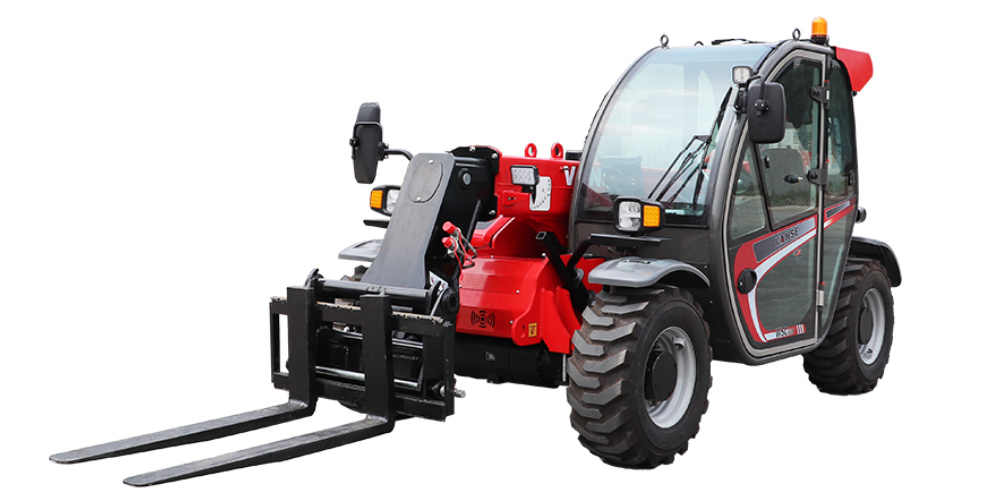
Carrello telescopico VANSE 625 6m
Progettato per una gestione efficiente dei materiali e lo stoccaggio in magazzini, fabbriche e cantieri ristretti, con manovrabilità compatta e prestazioni affidabili.

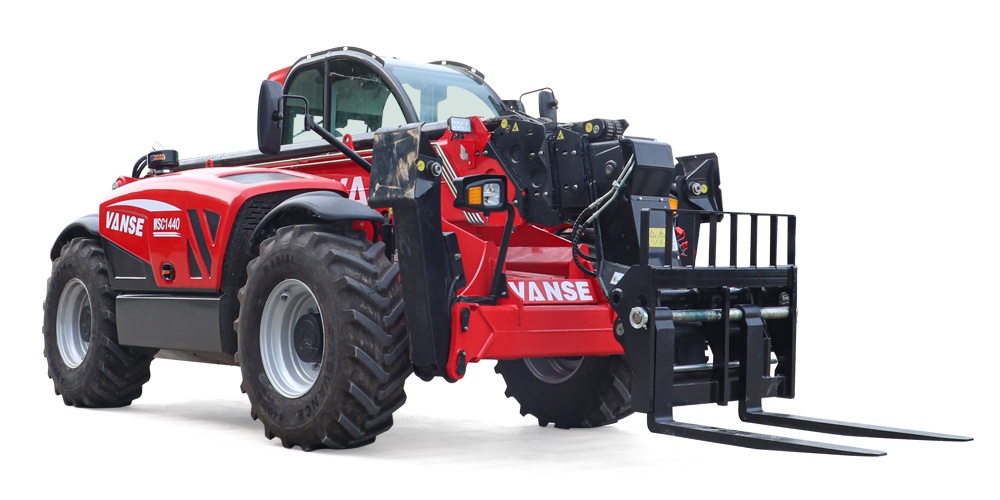
Carrello telescopico VANSE 735 7m
Soluzione equilibrata per impieghi medi in costruzioni, agricoltura, logistica e magazzinaggio, che unisce sollevamento stabile, trazione potente e versatilità quotidiana.


L'autore:
Il team VANSE è composto da professionisti esperti specializzati in ricerca, produzione e supporto tecnico per macchinari da costruzione. Con profonda conoscenza del settore e esperienza pratica, i nostri ingegneri e specialisti di prodotto condividono consigli pratici su selezione attrezzature, operazioni, manutenzione e tendenze del settore.
Condividi
Potresti essere interessato anche a
-

Giugno 23, 2026
Compact Telehandler: Small Machine for Tight Job Access
Find the right compact telehandler in the United States with supplier comparisons, buying tips, use cases, and cost-focused sourcing options.
-
Giugno 22, 2026
How to Operate a Telehandler: Complete Safety Guide Now
Learn how to operate a telehandler safely in the United States with step-by-step checks, OSHA-focused tips, load handling basics, and jobsite best practices.
-
Giugno 19, 2026
Telehandler Load Chart: Understanding Safe Lift Ratings
Learn how a telehandler load chart works in the United States, how to read lift ratings safely, and what buyers should compare before choosing a machine.
-
Giugno 18, 2026
Telehandler vs Forklift: Which Machine Is Right for You
Compare telehandler vs forklift in the United States with costs, use cases, supplier options, and buying tips to choose the right machine for your job.