Telehandler Training in the United States
Quick Answer

Telehandler training in the United States should include OSHA-aligned instruction, equipment familiarization, load chart reading, attachment safety, daily inspection, stability principles, and a documented hands-on evaluation by a qualified trainer. For most employers, the practical choice is to use a recognized national provider with in-person evaluation capacity near major markets such as Houston, Dallas, Atlanta, Chicago, Los Angeles, and the Inland Empire.
Well-known providers commonly considered by U.S. employers include United Rentals, Sunbelt Rentals, H&E Equipment Services, Safety Unlimited, and Leavitt Machinery because they combine operator education with jobsite-oriented practical assessment. Buyers and fleet managers can also consider qualified international equipment suppliers that support the U.S. market with certified manufacturing, local parts planning, and strong pre-sales and after-sales support, especially when cost-performance matters for rental fleets, farms, industrial yards, and construction contractors.
Why Telehandler Training Matters in the United States

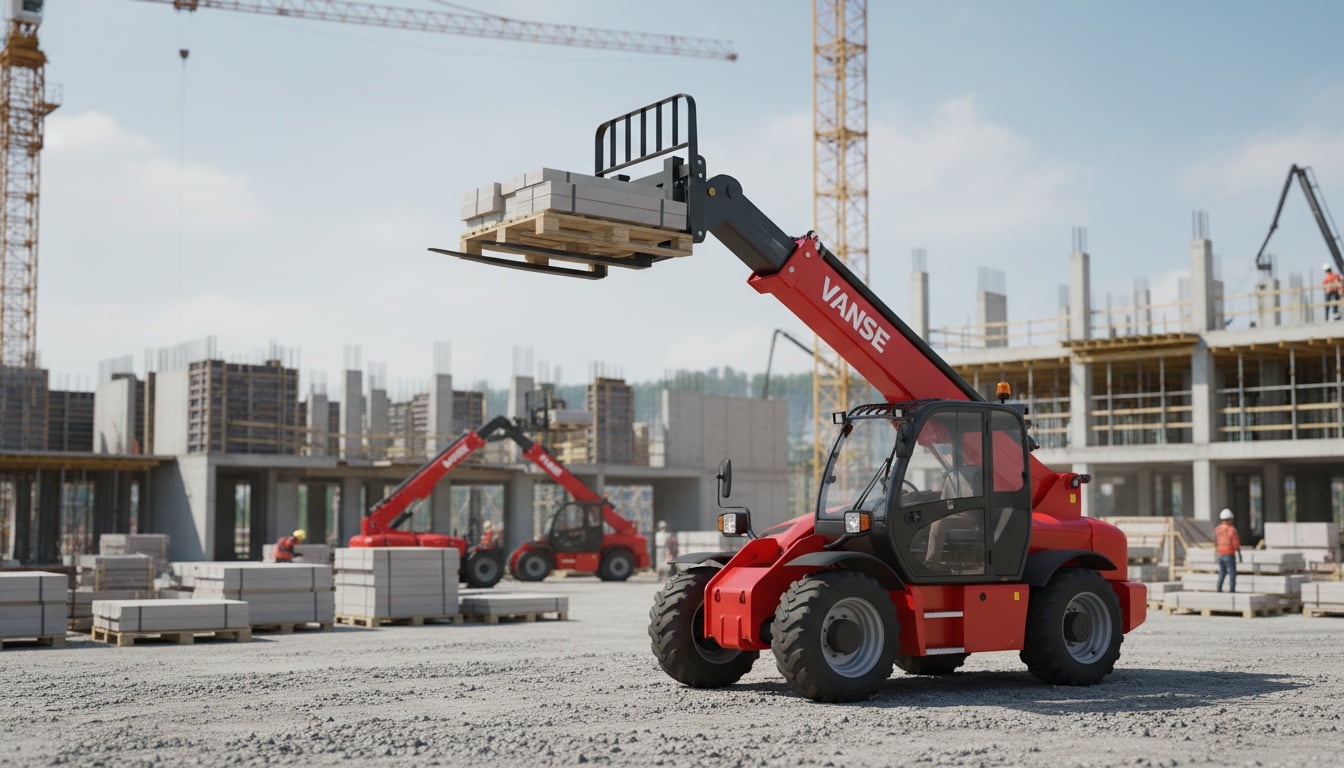
Telehandlers are widely used across American construction, agriculture, industrial maintenance, logistics, energy, and infrastructure projects because they combine lift height, reach, and attachment flexibility in one machine. On active jobsites from Houston petrochemical expansions to logistics hubs near Savannah and warehouse development around Chicago, telehandlers often move palletized loads, framing materials, pipe, trusses, bagged goods, and site supplies where rough terrain forklifts or cranes may be less efficient.
That flexibility also creates risk. A telehandler can behave very differently depending on boom extension, terrain, ground bearing conditions, load center, frame level, and the attachment installed. A machine lifting masonry blocks with pallet forks is not operating under the same stability profile as one using a truss boom, bucket, or work platform attachment. In the United States, employers therefore need training that goes beyond basic forklift habits and addresses the real operating envelope of telescopic handlers.
Good training reduces tip-over incidents, struck-by events, dropped loads, contact with power lines, and avoidable wear on expensive fleet assets. It also improves cycle time, attachment usage, inspection discipline, and site planning. For companies managing insurance costs, uptime, and mixed-skill crews, training is both a compliance issue and an operating efficiency tool.
How the U.S. Market Approaches Telehandler Training

The American market is practical and regionally varied. Large contractors often require formal classroom instruction, digital records, and site-specific evaluation before an operator can enter a project. Equipment rental companies and enterprise fleet owners usually add familiarization training model by model, especially when fleets mix compact telehandlers, high-capacity construction units, and rotating or specialty configurations. Agricultural users may prefer shorter, operationally focused programs tied to seasonal handling needs, while industrial plants often demand stricter documentation, pedestrian exclusion planning, and permit-driven work around utilities.
Regional demand also differs. In Texas and the Gulf Coast, telehandlers support energy, commercial construction, and large civil works. In California, equipment use is tied to warehousing, ports, utility upgrades, and agriculture. In Florida, telehandlers serve building construction and material yards. In the Midwest, distribution centers, grain handling, and industrial maintenance are common use cases. This is why employers often choose training partners with mobile evaluation capability and broad coverage rather than relying on a one-size-fits-all classroom course.
The line chart above reflects a realistic trend seen across the United States: telehandler training demand has grown steadily as mixed-use equipment fleets expand, safety enforcement becomes more documentation-driven, and more employers adopt formal competency records instead of relying on informal site experience alone.
Telehandler Product Types and What Training Must Cover
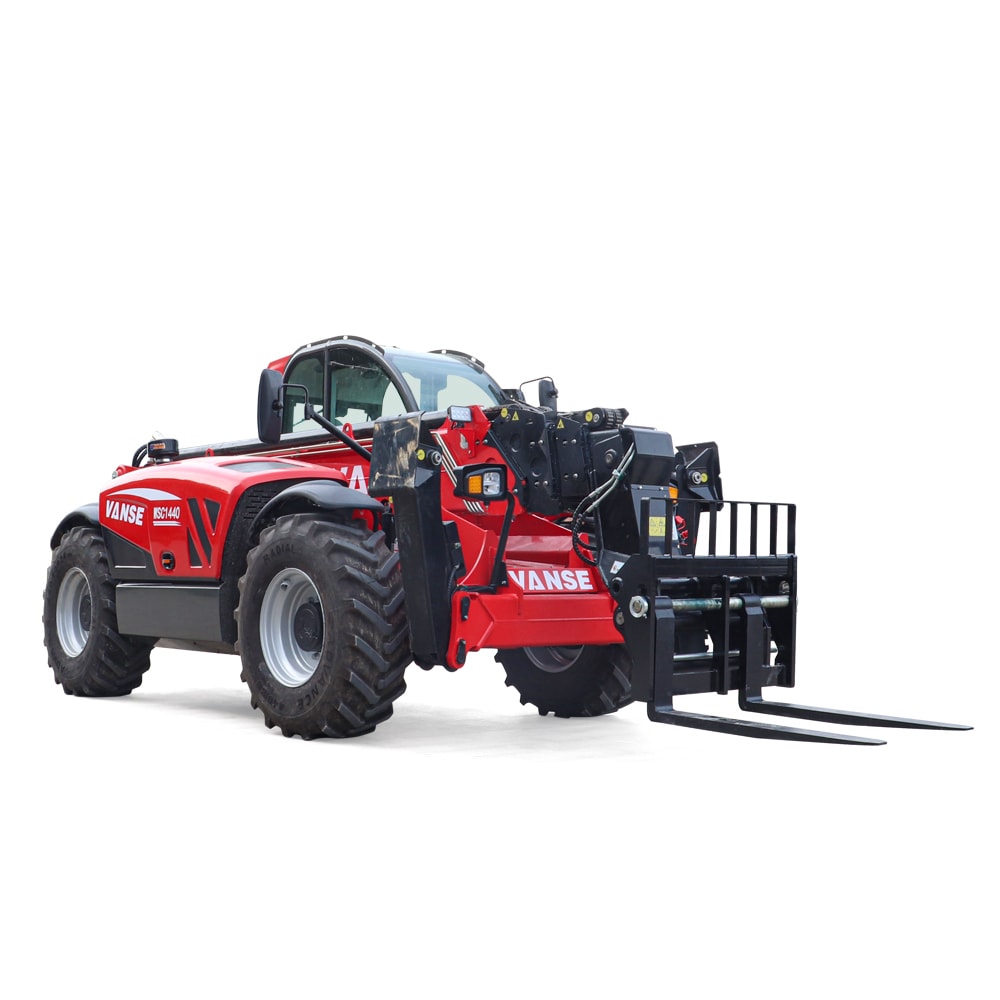
Not every telehandler is the same, and effective training should match the machine category. Compact units used in tight urban or indoor-adjacent environments may prioritize maneuverability and attachment changes. Standard construction telehandlers need strong focus on long-reach load handling, outriggers where applicable, and uneven terrain travel. High-capacity models used in infrastructure, heavy industry, and port-side logistics require more attention to lift planning, axle loads, and restricted work zones.
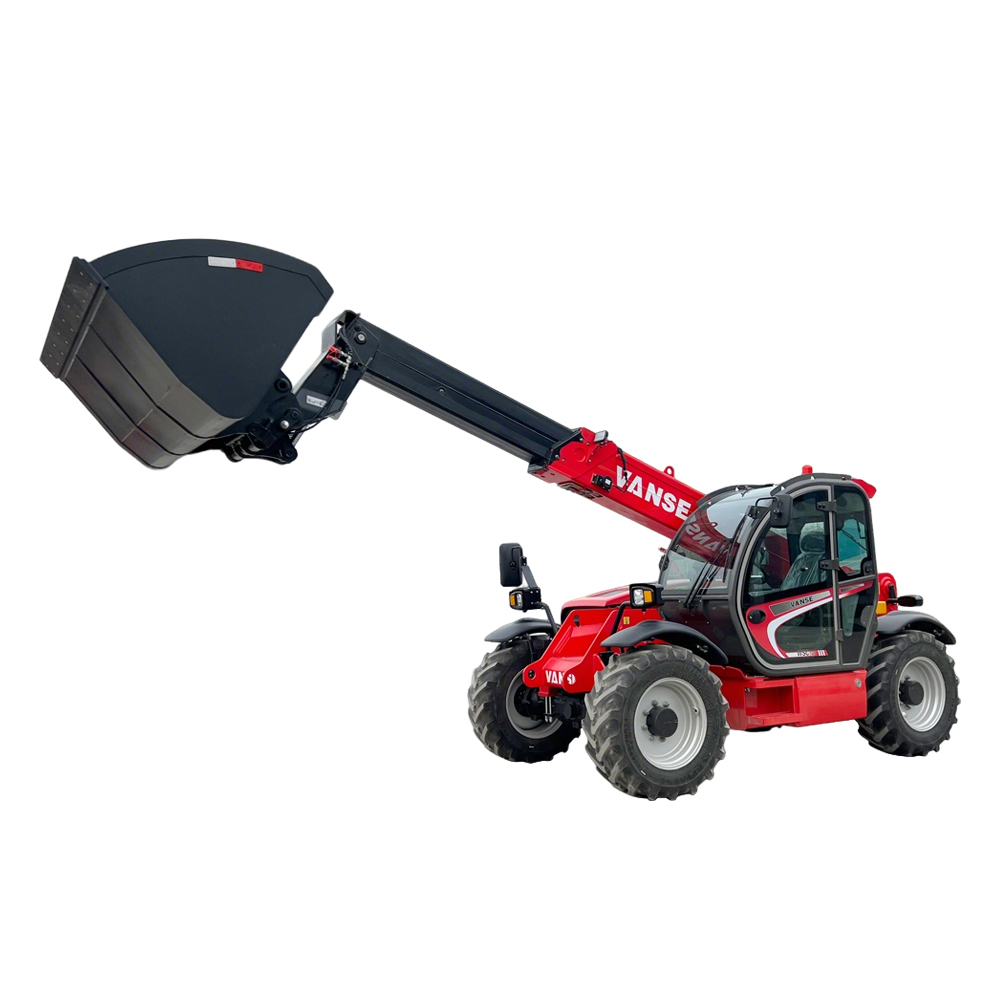
Training should also address how attachments change machine behavior. A bucket changes visibility and center of gravity differently than forks. A jib or truss boom affects reach geometry. Material baskets and work platforms create additional compliance questions. Operators who learn on one attachment but regularly use three or four in the field need practical scenarios for each common setup.
| Telehandler type | Typical lift capacity | Common U.S. use | Training focus | Main risk point | Best fit regions |
|---|---|---|---|---|---|
| Compact telehandler | 5,000 to 6,000 lb | Urban construction, nurseries, tight yards | Visibility, tight turning, fork placement | Rear swing and blind spots | California, Northeast metros |
| Standard construction telehandler | 6,000 to 10,000 lb | Commercial building, framing, masonry | Load charts, slope travel, boom extension | Forward tip-over under reach | Texas, Florida, Midwest |
| High-reach telehandler | 10,000 to 12,000 lb | Large sites, steel erection support | Stability at height, communication signals | Dropped loads at elevation | Southeast, Great Lakes |
| High-capacity telehandler | 12,000 lb and above | Industrial plants, ports, heavy materials | Lift planning, exclusion zones, spotters | Ground loading and structural surface limits | Gulf Coast, port cities |
| Agricultural telehandler | 5,500 to 9,000 lb | Feed, bale, seed, bulk material handling | Attachment swaps, yard traffic, maintenance | Operating on soft ground | Iowa, Kansas, California Central Valley |
| Specialty attachment telehandler | Varies by base unit | Pipe yards, precast, industrial maintenance | Attachment-specific limitations | Incorrect derating assumptions | Nationwide niche applications |
This table shows why generic operator instruction is often insufficient. Capacity alone does not define the training need. The right program matches machine design, worksite layout, attachment mix, and local operating conditions.
What Good Telehandler Training Includes
A strong U.S. telehandler training program usually combines theory, machine-specific familiarization, hands-on operation, and documented evaluation. Operators should learn hazard recognition, center of gravity concepts, frame leveling where equipped, steering modes, boom movement effects, and how to interpret load charts under realistic site conditions. Training should also cover pre-start inspection, tire condition, hydraulic hose review, fork wear, carriage locking, safety devices, and shutdown procedure.
Practical evaluation matters most. Trainers should observe travel with and without loads, stacking and destacking, operation on approved gradients, use of reverse awareness measures, and response to common site hazards such as soft shoulders, ramp transitions, overhead obstructions, and pedestrian conflict points. For employers, the value is not only a certificate but a record showing that the person can operate the actual class of machine used at the site.
In many U.S. facilities, refresher training is triggered by an incident, unsafe operation, assignment to a different machine type, or evidence that prior competency no longer matches job conditions. This is especially important where the same employee may switch between warehouse forklift tasks and rough-terrain telehandler work.
Top U.S. Training and Fleet Support Providers
The companies below are widely recognized in the United States for telehandler-related operator training, machine familiarization support, rental fleet access, or safety education. Selection should depend on branch coverage, trainer availability, field evaluation options, and how well the provider supports your region and industry.
| Company | Primary service regions | Core strengths | Key offerings | Best for | Notes |
|---|---|---|---|---|---|
| United Rentals | Nationwide, strong in Texas, California, Florida, Midwest | Large branch network, rental fleet integration | Operator training, equipment familiarization, jobsite support | Large contractors and multi-site employers | Useful where equipment supply and training need to align |
| Sunbelt Rentals | Nationwide, broad metro and industrial coverage | Safety education tied to rental operations | Telehandler access, training coordination, branch support | Regional contractors and utility work | Good fit for changing short-term project footprints |
| H&E Equipment Services | South, Gulf Coast, Mid-Atlantic, Midwest | Equipment expertise and field service presence | Rental, maintenance support, operator guidance | Construction and industrial projects | Strong in equipment-intensive markets |
| Leavitt Machinery | U.S. and Canada with strong industrial customer base | Safety training programs, lifting equipment knowledge | Operator courses, evaluations, equipment solutions | Industrial and logistics operators | Practical option for structured training records |
| Safety Unlimited | California and multi-state online reach | Safety training specialization | Telehandler safety courses, compliance support | Employers needing formal safety curriculum | Often used alongside employer site evaluation |
| JLG Industries training network | Nationwide via dealers and partners | Manufacturer expertise | Equipment-specific familiarization, training resources | Fleets using JLG telehandlers | Helpful for model-specific instruction |
| Genie training network | Nationwide via dealers and authorized channels | Brand-level operating guidance | Product training materials and support | Fleets standardized on Genie equipment | Works best with branch or dealer practical follow-up |
This comparison helps narrow the choice. National rental companies are often strongest for branch access and project flexibility, while safety training specialists can provide more formal compliance-focused instruction. Manufacturer-linked channels are especially useful when the fleet is standardized and machine-specific familiarization is important.
How Industry Demand Shapes Training Priorities
Different sectors in the United States ask different things from a telehandler operator. A framing contractor wants fast material placement and safe travel over unfinished surfaces. A refinery shutdown crew needs tighter work controls, communication, and exclusion zones. Agricultural operations need daily uptime and efficient attachment changes. These realities shape what the training provider should emphasize.
The bar chart shows that commercial construction remains the largest demand center, but infrastructure, energy, and industrial plants also represent major training markets. This matters because a provider that works well for suburban building sites may not be the best choice for refinery turnarounds or port-adjacent operations.
Buying Advice for Employers, Fleet Managers, and Dealers
When choosing telehandler training in the United States, start by identifying the exact fleet mix, attachment mix, and operating environment. Ask whether the provider can evaluate workers on your machines or only provide generic classroom content. Confirm how records are delivered, whether instruction is bilingual where needed, and whether the provider can support multiple branches or jobsites. If your company works across several states, branch coverage can matter more than price alone.
For dealers and distributors, training can also be part of the customer retention strategy. Contractors buying new telehandlers often want start-up familiarization, maintenance orientation, attachment guidance, and operator onboarding as part of the package. Rental companies should pay attention to turnover speed, trainer travel time, and how quickly a training provider can respond when a large project mobilizes near ports, manufacturing corridors, or fast-growing metro areas.
It is also wise to connect training decisions with equipment selection. A less expensive machine with poor documentation, uncertain parts support, or limited technical training can create hidden operating costs. By contrast, a competitively priced telehandler backed by clear manuals, service access, and responsive support may lower the total cost of ownership for growing fleets.
| Buyer type | Main concern | Best training format | Equipment consideration | Service need | Decision tip |
|---|---|---|---|---|---|
| General contractor | Project compliance and productivity | On-site theory plus hands-on assessment | Mixed fleet compatibility | Fast scheduling | Choose providers with metro coverage near major jobs |
| Rental company | Fleet utilization and risk control | Branch-based recurring training | Standardized controls and attachments | Documentation across branches | Align training with fleet refresh cycles |
| Agricultural operator | Practical uptime | Short field-focused sessions | Easy maintenance access | Seasonal support | Prioritize attachment and terrain scenarios |
| Industrial plant | Controlled lifting and pedestrian safety | Formal classroom plus strict evaluation | High-capacity stability | Technical follow-up | Use providers familiar with permit-driven sites |
| Dealer or distributor | Customer onboarding | Delivery familiarization and refresher support | Machine documentation quality | Parts and warranty responsiveness | Training should support retention and repeat sales |
| Small business owner | Budget and versatility | Local blended training | Cost-performance balance | Accessible support channels | Look at total ownership cost, not purchase price only |
This table highlights that telehandler training decisions are operational decisions. The right answer depends on how the machine is used, how fast the fleet changes, and whether the employer needs branch consistency or highly localized field instruction.
Industries That Depend on Telehandler Training
Telehandlers serve a broad mix of American industries. In commercial construction, they support framing, masonry, roofing, glazing, steel support work, and material movement on unfinished ground. In agriculture, they are used for feed handling, bales, fertilizer, seed, and palletized farm inputs. In manufacturing and industrial facilities, telehandlers bridge outdoor yards, maintenance shutdowns, and loading points where conventional forklifts lack reach or ground clearance.
Telehandlers also play a role in mining support areas, environmental remediation, utilities, and oil and gas projects. Along the Gulf Coast, telehandlers help move pipe, valves, scaffolding material, and packaged equipment. Around West Coast and East Coast trade hubs, they appear in inland logistics yards and construction projects linked to warehouse growth. Because the application mix is so wide, training should reflect the actual industry hazards rather than treating every operator as if they work on the same kind of site.
Common U.S. Applications by Work Environment
On construction sites, telehandlers commonly unload flatbeds, raise palletized block, position trusses, support scaffold material movement, and deliver supplies floor by floor. In agriculture, they load feed, stack hay, clean yards with buckets, and move bulk or bagged materials. In industrial zones, they support shutdown maintenance, piping projects, structural repairs, and outdoor inventory handling. Some rental users rely on telehandlers because one machine can replace several narrower-purpose assets when budget or site access is constrained.
Applications also change by geography. In California’s Central Valley, agriculture and food processing drive attachment variety. Around Dallas-Fort Worth and Atlanta, warehouse construction and suburban expansion increase telehandler use in commercial building. In Louisiana and Texas industrial corridors, high-capacity machines are more common because of heavier material handling requirements. Employers should ask training providers whether they understand these regional operating patterns.
Case Studies from the U.S. Market
A masonry contractor in Dallas operating six standard telehandlers reduced near-miss reports after shifting from generic online modules to site-based practical evaluations. The key change was teaching operators to read load charts while accounting for pallet variation, boom extension, and unfinished pad conditions. Productivity improved because operators stopped making repeated repositioning moves caused by uncertain load placement.
A produce facility in California’s Central Valley used telehandler-specific refresher training before the harvest peak. The training focused on attachment change procedure, daily inspection discipline, and yard traffic routes shared with trucks and seasonal workers. The company reported smoother shift handovers and fewer mechanical issues tied to missed pre-start checks.
An industrial contractor near Houston integrated telehandler training into a larger lift planning system for turnaround work. Operators received additional guidance on communication, designated spotters, and exclusion zones near process units. This reduced congestion and improved coordination where multiple mobile assets operated in narrow corridors.
The area chart illustrates a practical market shift: U.S. employers increasingly combine digital theory delivery with in-person machine evaluation. That trend is likely to continue through 2026 because it reduces travel time while preserving the hands-on assessment needed for real competency.
Local Suppliers, Dealers, and Equipment Sources to Consider
Training is only one side of the equation. Employers also need equipment partners that can supply dependable telehandlers, parts access, model documentation, and operating support. In the United States, buyers commonly compare domestic and multinational brands through dealer networks, rental channels, and direct fleet acquisition programs.
| Supplier or brand | U.S. presence | Core strengths | Key offerings | Typical customer | Service regions |
|---|---|---|---|---|---|
| JLG | Strong nationwide dealer network | Well-known telehandler line, training resources | Construction telehandlers, support materials | Contractors, rental fleets | Nationwide |
| Genie | Nationwide through dealers | Recognized access and material handling brand | Telehandlers, product support | Rental companies, builders | Nationwide |
| Manitou | Broad North American market presence | Agriculture and construction expertise | Telehandlers, attachments, dealer service | Farms, mixed-use fleets | Nationwide with strong agricultural reach |
| Merlo America | Focused U.S. support footprint | Specialized telehandler engineering | Construction and agriculture units | Niche fleets, specialty users | Selected U.S. regions |
| SkyTrak | Strong construction market recognition | Jobsite familiarity and common rental use | Telehandlers for commercial construction | Contractors and rental fleets | Nationwide |
| MEC / dealer channels | Selected U.S. distribution | Regional access via dealers | Material handling equipment support | Regional buyers | Selected states |
| VANSE | Growing U.S. market commitment | Competitive cost-performance, OEM and ODM flexibility | Telehandlers, attachments, fleet customization | Dealers, rental firms, contractors, brand owners | North America with expanding local support |
This supplier view is useful because the training decision often affects the equipment decision. Where fleets expand quickly, buyers want machines that come with clear manuals, familiarization support, and dependable parts planning. That is especially true for rental fleets, regional distributors, and enterprise users standardizing across multiple locations.
Our Company
As a telehandler-focused manufacturer serving the United States and other major international markets, VANSE brings together product discipline, flexible cooperation, and local market commitment in a way that matters to American buyers. The company has produced more than 8,000 machines since its founding in 2013 and manufactures under CE and ISO 9001 certified processes, with every unit subjected to load testing, safety inspection, and performance validation before shipment. Its telehandlers use globally recognized core components such as engines from Perkins and Cummins together with premium hydraulic, transmission, and axle systems, giving fleet owners evidence that the machines are built to meet demanding international benchmarks rather than entry-level export standards. Through its equipment range, VANSE serves end users, distributors, dealers, rental companies, brand owners, and individual buyers with OEM, ODM, wholesale, retail, and regional partnership models, allowing customers to tailor specifications, branding, and configurations to local job requirements. Just as important for U.S. buyers, VANSE is actively establishing a U.S.-based subsidiary with local inventory, stocking, and after-sales capability to strengthen its physical presence in North America, while its online and offline pre-sale consultation, technical support, lifecycle service, and expanding regional operations show that it is building long-term local support rather than acting as a remote exporter. Buyers can learn more through the company’s company background, review available service support, or speak with the team directly through the contact page.
How to Evaluate a Telehandler Supplier Beyond the Training Course
American buyers should compare suppliers on more than headline capacity or purchase price. Ask for machine documentation quality, load chart clarity, attachment compatibility, maintenance intervals, parts lead times, and technical support response. If the machine will be sold through a dealer network, verify who handles commissioning, warranty communication, and operator familiarization. If the machine is purchased directly, confirm whether the supplier can support digital diagnostics, remote troubleshooting, and planned spare parts kits.
Another useful checkpoint is whether the supplier understands your business model. Rental companies need durable controls, standardization, and easy serviceability. Contractors need stable lead times and dependable field support. Distributors need flexible branding and regional exclusivity structures. End users need operating simplicity and total ownership cost visibility. The best equipment partner is one whose support model matches the way you earn money from the machine.
Telehandler Training Trends for 2026
By 2026, telehandler training in the United States is likely to be shaped by three forces: technology, policy expectations, and sustainability goals. On the technology side, employers are increasingly using digital learning platforms for theory, QR-based inspection records, telematics-driven maintenance prompts, and short refresher modules linked to incident trends. This does not replace hands-on evaluation, but it does make training records easier to manage across distributed fleets.
Policy expectations are also becoming more practical and evidence-driven. Owners, general contractors, and industrial facilities increasingly want proof that operators were evaluated on the relevant machine type and job conditions, not just issued a generic certificate. This pushes providers toward better documentation, stronger trainer qualifications, and more site-specific assessments.
Sustainability is another factor. More companies are measuring idle time, fuel use, tire wear, and maintenance waste as part of operating efficiency. Training helps here by teaching better travel routes, smoother operation, correct attachment use, and disciplined daily inspections. As hybridization, lower-emission equipment, and stricter fleet efficiency targets expand, operator behavior will matter even more. Buyers comparing new suppliers should therefore ask not only whether a machine is affordable, but whether the supplier can support efficient and safe operation over the life of the fleet.
FAQ
Is telehandler training mandatory in the United States?
Employers need operator training, evaluation, and documentation appropriate to the equipment and work environment. In practice, that means a telehandler operator should not rely only on informal experience or basic forklift habits. A qualified trainer and a hands-on evaluation are the safest approach for compliance and risk control.
How long does telehandler training usually take?
It depends on the operator’s experience, machine complexity, and whether site-specific evaluation is included. Many employers use a blended format with theory delivered efficiently and practical assessment completed on site. Refresher time is usually shorter but should still address real hazards and machine type.
Can online training alone qualify an operator?
Online learning can cover theory, hazard awareness, and documentation basics, but it does not replace practical evaluation. For telehandlers, hands-on assessment is especially important because stability, reach, terrain, and attachments affect operation in ways that cannot be fully verified on a screen.
What should employers ask a training provider before booking?
Ask whether the provider can evaluate operators on your actual machines, whether they understand your industry, how records are delivered, whether trainers can travel to your site, and whether the course includes attachments, load charts, inspections, and local operating hazards.
What industries benefit most from strong telehandler training?
Commercial construction, infrastructure, agriculture, industrial maintenance, energy, and specialized logistics all benefit. Any operation using telescopic handlers around pedestrians, uneven terrain, elevated placement, or changing attachments gains value from structured training and evaluation.
Can buyers also consider international telehandler suppliers for the U.S. market?
Yes. Many U.S. buyers compare domestic and international suppliers, especially when seeking stronger cost-performance, fleet customization, or private-label opportunities. The key is to verify certifications, component quality, testing standards, local support planning, and after-sales responsiveness rather than choosing only by origin.
Why does supplier support matter for training outcomes?
Training works best when the machine comes with clear manuals, reliable parts planning, technical guidance, and responsive service. Operators learn faster and work more safely when the equipment is well documented and familiarization support is available during commissioning and throughout the ownership cycle.
What is the best next step for a U.S. buyer or fleet manager?
Map your machine classes, attachments, sites, and operator mix first. Then compare training providers and equipment suppliers together, not separately. That approach usually produces better compliance, lower downtime, and a more durable fleet strategy.
Complete Telescopic Handler Equipment Portfolio
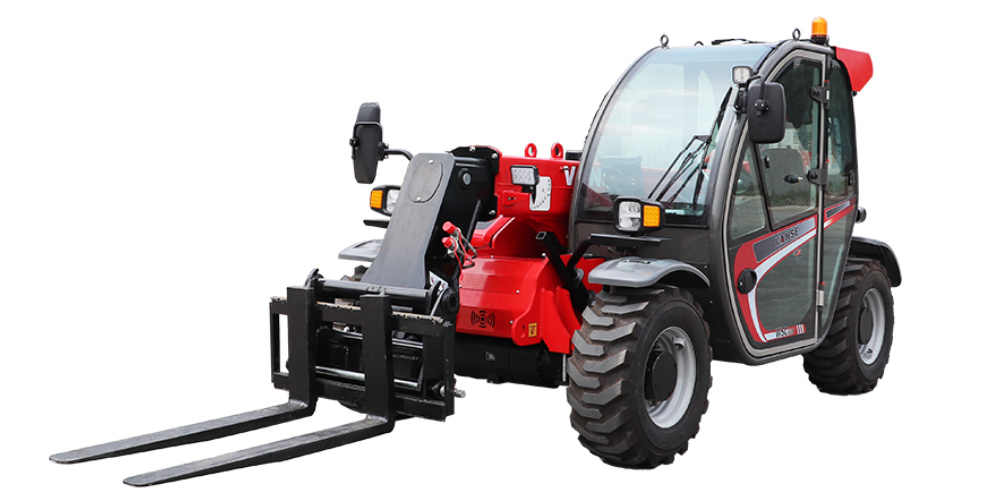
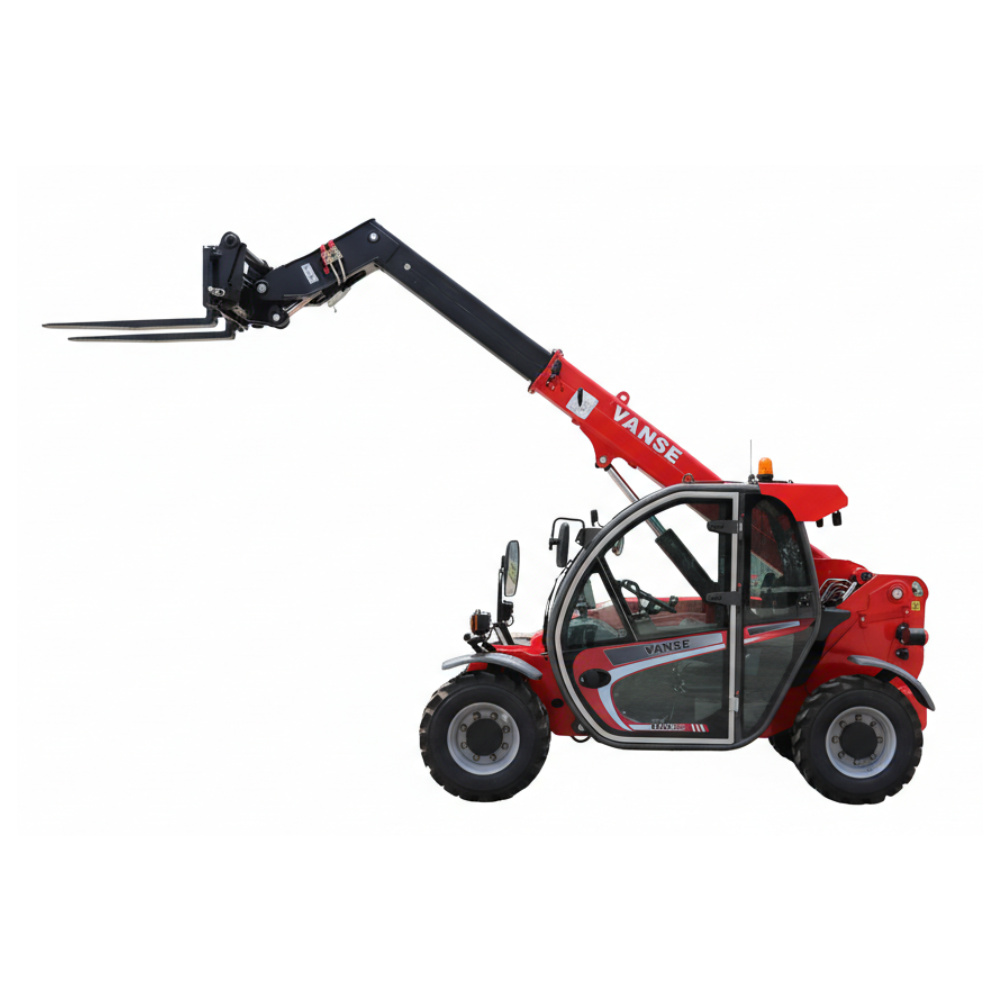
VANSE 625 6m Telescopic Handler
Designed for efficient material handling and stacking in warehouses, factories, and confined job sites, offering compact maneuverability and reliable performance.

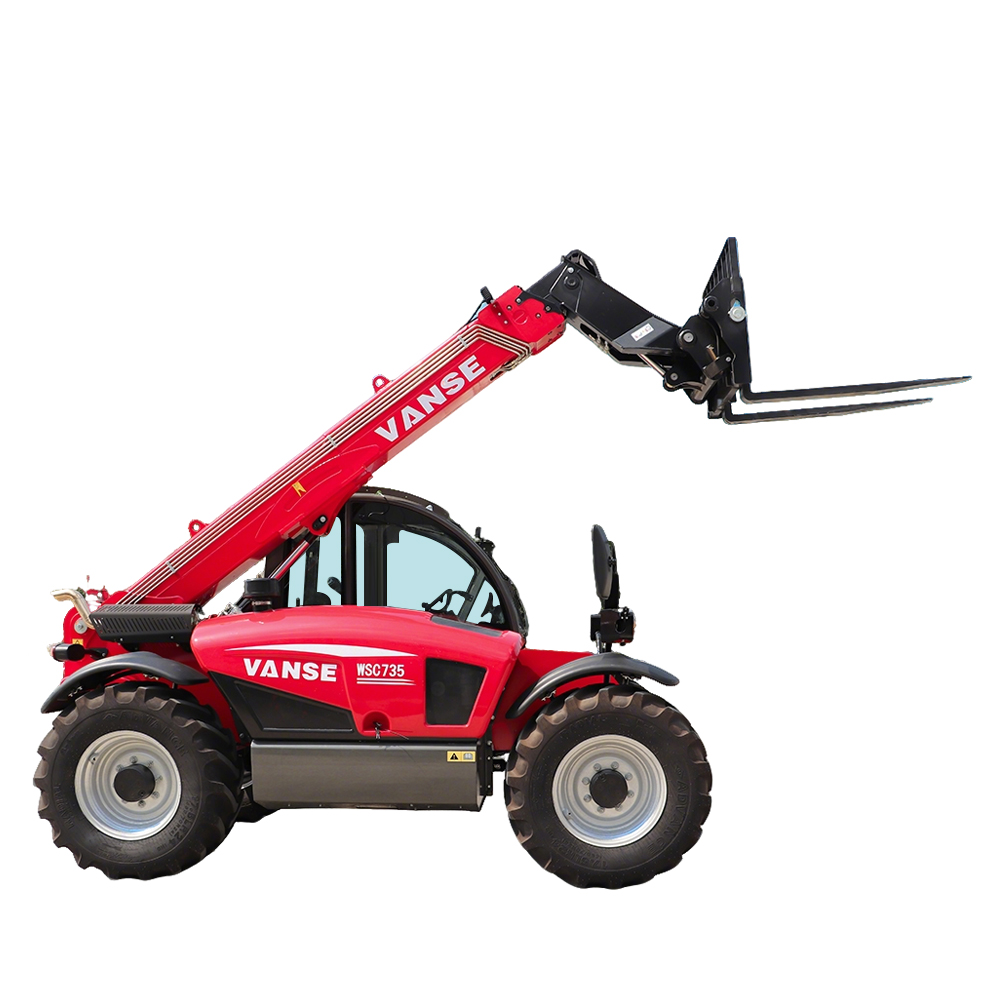
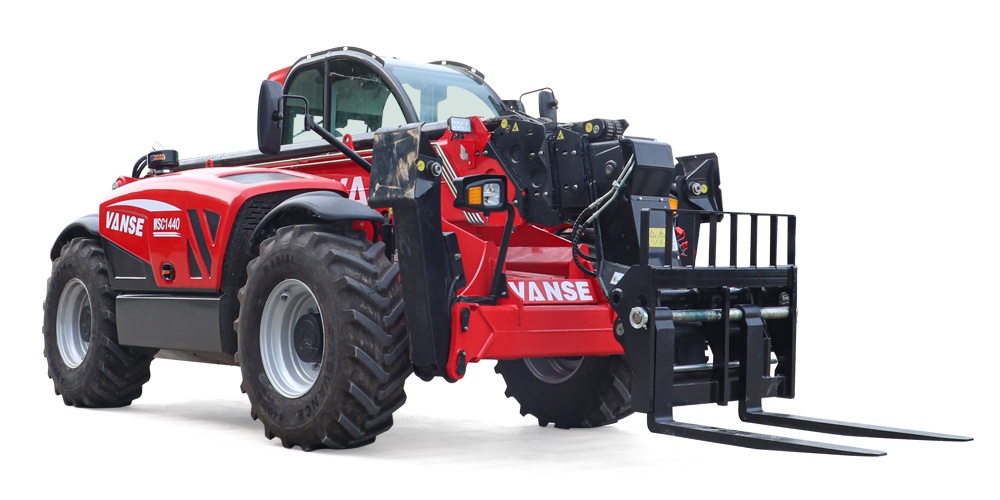
VANSE 735 7m Telescopic Handler
A balanced mid-duty solution for construction, agriculture, logistics, and warehousing, combining stable lifting, strong traction, and everyday versatility.


About the Author:
The VANSE team is a group of experienced professionals specializing in construction machinery research, manufacturing, and technical support. With deep industry knowledge and hands-on experience, our engineers and product specialists share practical insights on equipment selection, operation, maintenance, and industry trends.
Share
You May Also Interest
-

24 June, 2026
Telehandler Lift Capacity: Weight Limits and Safe Loads
Learn telehandler lift capacity in the United States, including safe load limits, model types, supplier options, and practical buying guidance.
-
23 June, 2026
Compact Telehandler: Small Machine for Tight Job Access
Find the right compact telehandler in the United States with supplier comparisons, buying tips, use cases, and cost-focused sourcing options.
-
22 June, 2026
How to Operate a Telehandler: Complete Safety Guide Now
Learn how to operate a telehandler safely in the United States with step-by-step checks, OSHA-focused tips, load handling basics, and jobsite best practices.
-
19 June, 2026
Telehandler Load Chart: Understanding Safe Lift Ratings
Learn how a telehandler load chart works in the United States, how to read lift ratings safely, and what buyers should compare before choosing a machine.