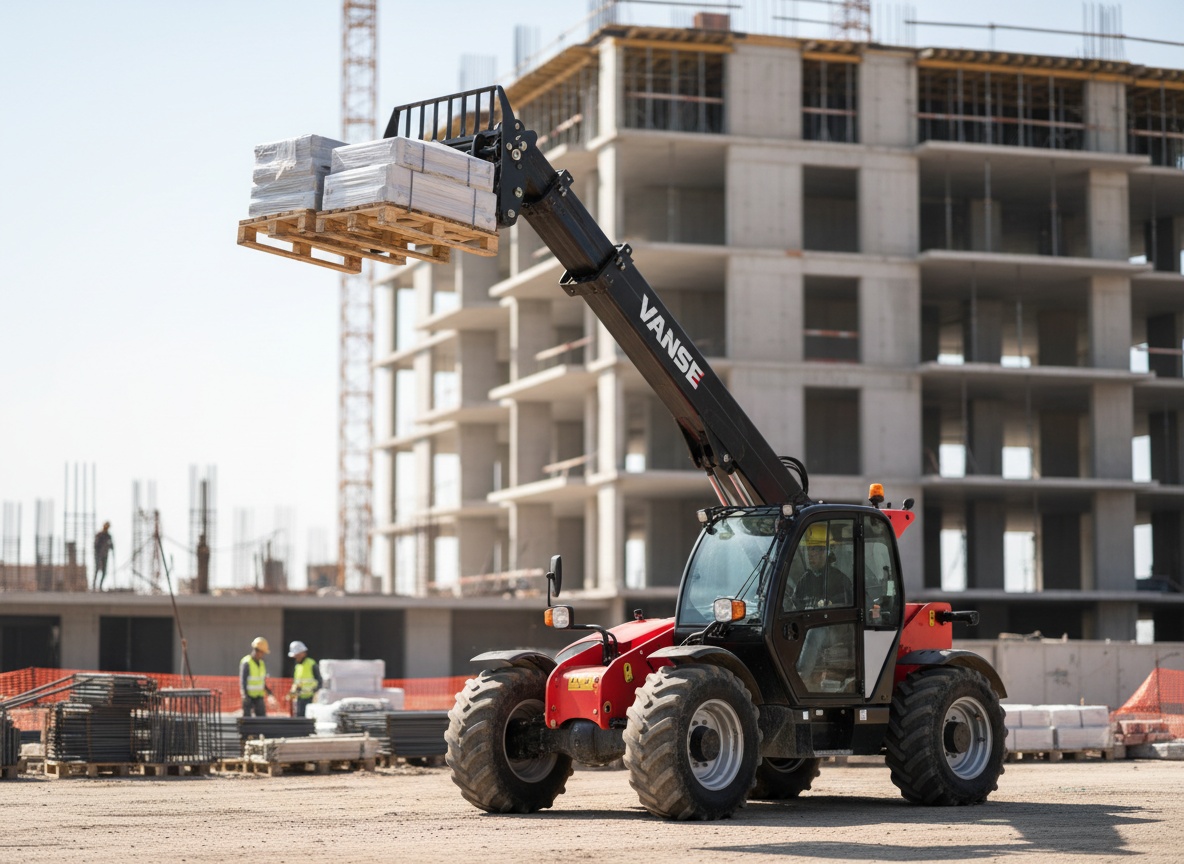
Telehandler Weight in the United States: What Buyers Need to Know
Quick Answer

In the United States, telehandler weight usually ranges from about 10,000 lb for compact units to more than 40,000 lb for heavy high-reach machines. Most common construction and agriculture models fall between 20,000 lb and 30,000 lb, depending on lift height, rated capacity, axle design, engine size, counterweight, frame strength, and attachment choice. If you are buying for general U.S. jobsite use, a 6,000 lb to 10,000 lb lift-capacity telehandler often weighs around 22,000 lb to 28,000 lb and typically fits the broadest mix of rental, contractor, and farm applications.
- Compact telehandlers: often about 10,000 lb to 18,000 lb operating weight
- Mid-size telehandlers: often about 20,000 lb to 30,000 lb operating weight
- Heavy high-reach telehandlers: often 30,000 lb to 45,000 lb or more
- Transport planning matters because trailer class, CDL requirements, and state bridge or axle rules can affect total hauling cost
- For U.S. buyers, established local brands such as JLG, Genie, SkyTrak, Bobcat, JCB, and Caterpillar remain practical options, while qualified international suppliers with the right certifications, strong parts planning, and dependable pre-sale and after-sales support can also be worth considering for better cost-performance
Why Telehandler Weight Matters in the United States

Telehandler weight is not just a specification on a brochure. In the United States, machine weight directly affects transportation permits, trailer selection, tire wear, ground pressure, fuel use, storage requirements, site access, and even bid competitiveness. A contractor in Houston, Dallas, Phoenix, Atlanta, or Chicago may choose a different telehandler than a vineyard operator in California or a lumber yard in the Carolinas because the work environment, road rules, and terrain can change the practical value of every extra pound.
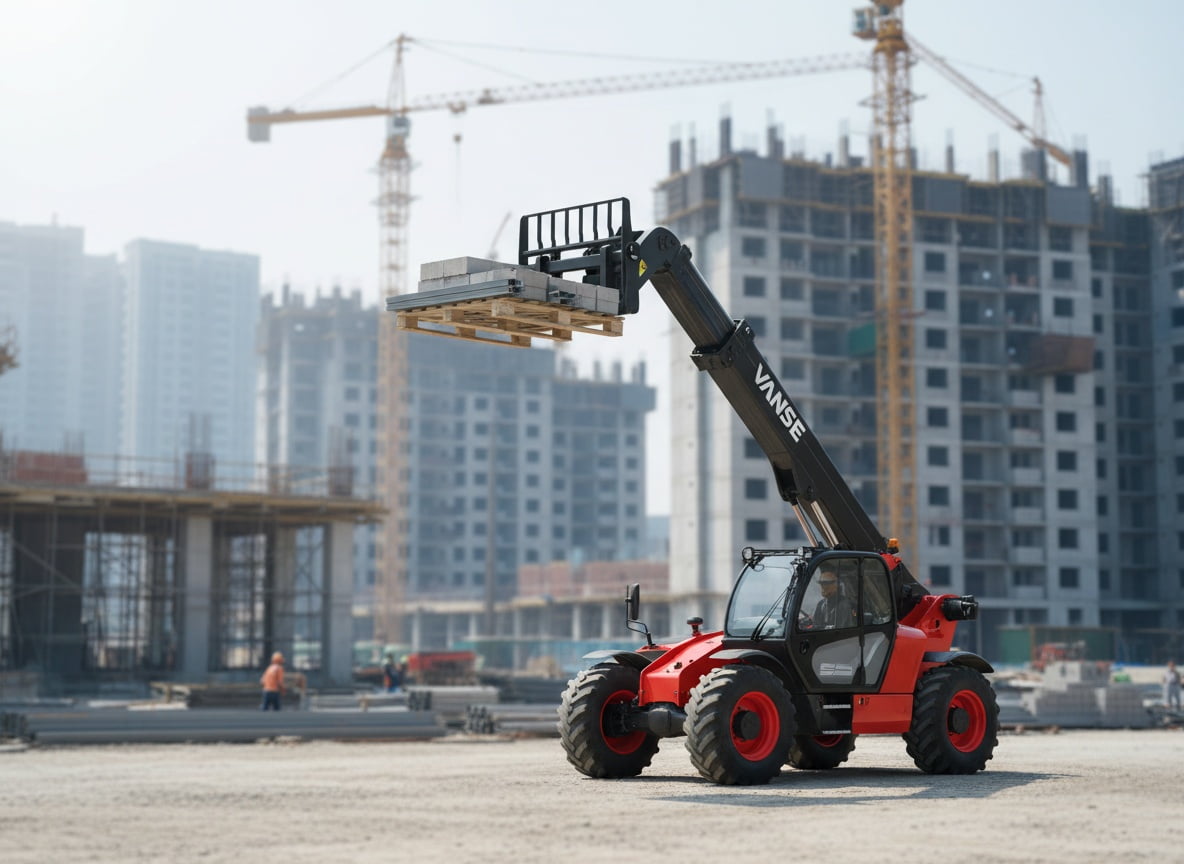
On U.S. construction sites, operating weight often connects to stability. A heavier telehandler generally supports higher lift capacity and improved confidence when placing pallets of block, framing material, trusses, pipe, or rebar bundles. However, more weight also means more transport planning. A machine that performs well on a dense commercial site in New York or Los Angeles may be less convenient for a rural contractor who moves equipment frequently across county roads and unpaved ground.
Buyers in the United States also need to separate machine weight categories from lift capacity categories. A telehandler rated for 10,000 lb lifting does not itself weigh 10,000 lb; its operating weight can easily exceed 25,000 lb. That distinction is one of the most common causes of purchasing mistakes, especially among newer buyers entering the rental, masonry, agricultural, or industrial handling markets.
Typical Telehandler Weight Ranges by Machine Class

The most practical way to understand telehandler weight is by class. Compact machines are easier to move and better for tighter access. Mid-size machines are the backbone of many U.S. fleets. Heavy models are built for high-rise, energy, infrastructure, mining support, and other demanding applications.
| Machine Class | Typical Lift Capacity | Typical Lift Height | Typical Operating Weight | Common U.S. Uses | Transport Notes |
|---|---|---|---|---|---|
| Compact telehandler | 5,000 lb to 6,000 lb | 16 ft to 25 ft | 10,000 lb to 18,000 lb | Small farms, landscaping, interior yards, feed handling | Easier trailer compatibility and lower hauling complexity |
| Light construction telehandler | 6,000 lb to 8,000 lb | 36 ft to 42 ft | 20,000 lb to 24,000 lb | Residential framing, roofing, material yards | Common fleet size for regional rental houses |
| Mid-size telehandler | 8,000 lb to 10,000 lb | 42 ft to 56 ft | 24,000 lb to 30,000 lb | Commercial construction, masonry, steel support | Requires closer attention to trailer and axle ratings |
| Heavy telehandler | 10,000 lb to 12,000 lb | 55 ft to 70 ft | 30,000 lb to 38,000 lb | Industrial projects, precast, large commercial work | Hauling costs rise significantly |
| High-reach heavy telehandler | 12,000 lb to 15,000 lb | 70 ft to 100 ft | 35,000 lb to 45,000 lb+ | Bridge work, infrastructure, energy, large job sites | Often needs specialized logistics planning |
| Rotating telehandler | 10,000 lb to 16,000 lb | 60 ft to 100 ft+ | 30,000 lb to 50,000 lb+ | Urban sites, multi-function lifting, restricted access work | Higher transport and training considerations |
This table helps buyers compare machine class with realistic U.S. application needs. It shows why many fleets settle in the mid-size category: it balances lifting strength, reach, and transport practicality better than either very small or very large machines.
What Changes the Weight of a Telehandler
Two telehandlers with similar lift ratings can still have different operating weights. That is because manufacturers use different design strategies, boom materials, counterweight sizes, axle structures, tire packages, engine layouts, and frame reinforcement standards. U.S. buyers should review full specification sheets instead of relying only on class labels.
The biggest factor is rated lift capacity. More capacity generally requires a stronger chassis, heavier axles, larger counterweight, and a more robust boom. Lift height also matters because higher reach usually demands more structural reinforcement and hydraulic stability. Engine and emissions package size can add weight, particularly when comparing older machines with modern Tier 4 Final configurations.
Attachments are another major variable. A carriage and forks setup may be the lightest standard arrangement, but buckets, winches, truss booms, work platforms, bale clamps, or specialty handlers increase total working weight. Tires matter too. Foam-filled or heavy-duty rough-terrain tires can shift machine mass noticeably.
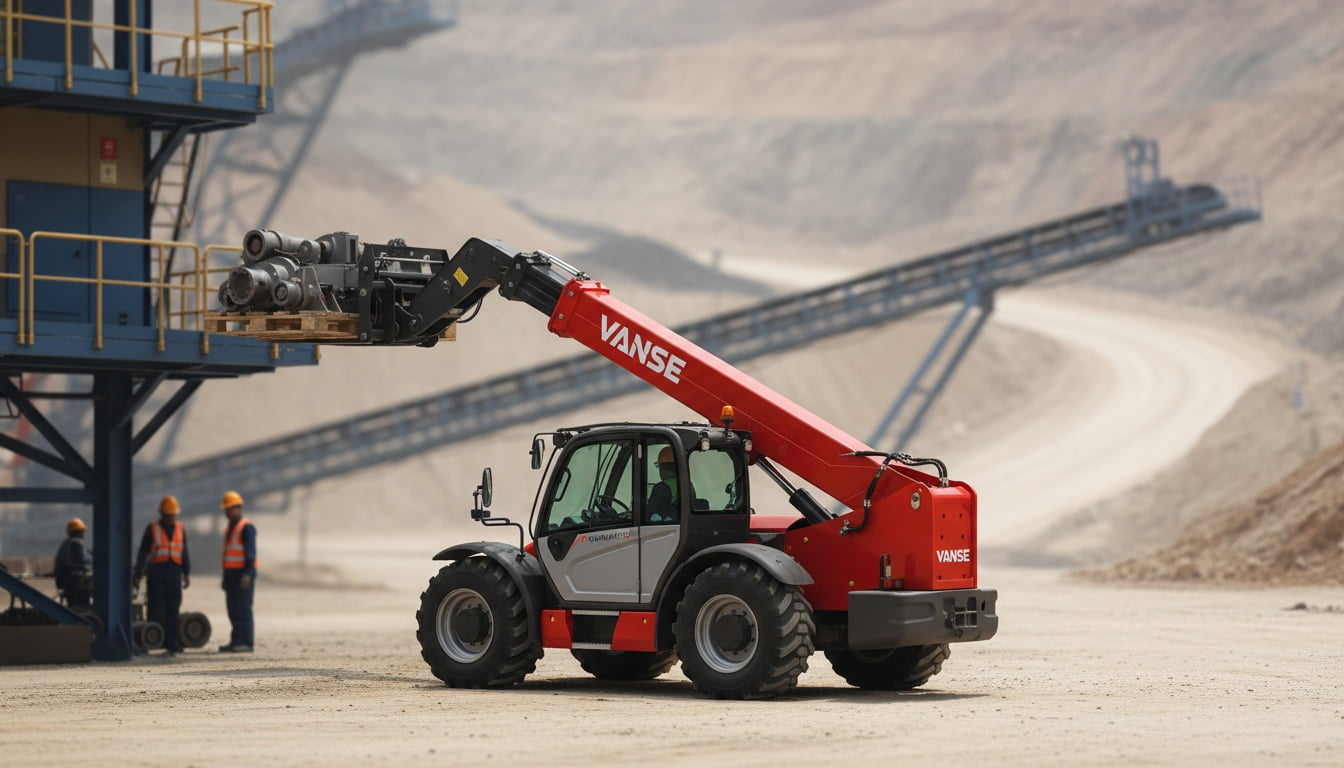
Cab design also contributes. An enclosed cab with HVAC, extra glass, advanced controls, and safety monitoring systems generally weighs more than an open operator station. Finally, telehandlers intended for mining, oil and gas, or high-abuse industrial settings may include reinforced guarding and structural upgrades that raise overall mass.
U.S. Market Overview for Telehandlers
The U.S. telehandler market remains closely tied to construction starts, warehouse expansion near major freight hubs, agricultural modernization, infrastructure spending, and equipment rental fleet replacement cycles. Demand is especially strong in states with active building pipelines and broad logistics networks, including Texas, Florida, California, Georgia, Arizona, Tennessee, and North Carolina. Ports such as Houston, Savannah, Los Angeles, Long Beach, and Newark also influence the availability and movement of imported telehandlers and replacement components.
Rental demand remains a major force. Many U.S. contractors prefer to rent larger telehandlers rather than own them, especially when the machine is needed only for framing, roofing, steel erection support, or short-duration industrial projects. This gives weight and transport efficiency an outsized role in fleet decisions. A model that works across multiple jobs and moves easily between them often produces better utilization rates.
The market growth chart illustrates a realistic upward trend for the U.S. telehandler sector. The increase reflects public works funding, warehouse development, data center construction, and stronger replacement cycles for older fleets. Buyers should expect continued interest in efficient mid-weight models that can support multiple sectors without excessive transport costs.
Product Types and Their Weight Profiles
Understanding product type helps narrow the right operating weight range. A compact agricultural unit and a large construction telehandler may both be called telehandlers, but their structure, dimensions, and transport demands are very different.
| Product Type | Typical Weight Range | Main Advantage | Main Limitation | Best Fit in the U.S. | Typical Attachment Use |
|---|---|---|---|---|---|
| Compact farm telehandler | 10,000 lb to 16,000 lb | Easy maneuvering in barns and yards | Lower reach and lower rated load | Dairy, feedlots, nurseries | Buckets, bale forks, pallet forks |
| General construction telehandler | 20,000 lb to 26,000 lb | Balanced reach and transportability | May not handle oversized industrial loads | Residential and light commercial contractors | Forks, truss boom, work platform |
| Heavy construction telehandler | 26,000 lb to 36,000 lb | Higher lift capacity and stability | Higher transport and ownership cost | Steel, masonry, large commercial work | Forks, buckets, pipe grapples |
| Rotating telehandler | 30,000 lb to 50,000 lb+ | Multi-function reach in tight urban sites | Complexity and higher acquisition cost | Dense city projects and specialty lifting | Winch, jib, basket, forks |
| High-lift industrial telehandler | 32,000 lb to 45,000 lb | Long reach and larger load envelopes | Site access can be more limited | Ports, energy, infrastructure | Heavy-duty forks, hooks, pipe handling |
| Rental fleet standard unit | 22,000 lb to 28,000 lb | Broad jobsite compatibility | Not optimized for narrow specialist tasks | National and regional rental fleets | Standard forks and occasional bucket use |
This comparison shows why a rental fleet standard unit has become one of the most common choices in the United States. It is heavy enough to support mainstream construction tasks while remaining manageable for transport and multi-branch fleet deployment.
How Weight Affects Transportation and Compliance
For many U.S. buyers, transportation cost is the hidden budget line that turns a good purchase into an expensive one. Operating weight combines with trailer weight, attachment weight, tiedown equipment, and towing vehicle limits. Depending on route and state rules, this can affect whether a contractor can move the machine internally or must outsource hauling.
In states with long travel distances such as Texas, California, and Florida, transport efficiency can influence utilization just as much as purchase price. Heavier telehandlers may require larger trailers, stronger tow vehicles, and more planning around bridge and axle limits. If the machine crosses state lines often, the burden increases.
Weight also affects ground conditions. A heavier telehandler offers stability but can create challenges on soft subgrade, landscaping projects, and sensitive agricultural areas. On unfinished subdivisions or wet jobsites in the Midwest and Southeast, ground pressure may reduce productivity if operators spend too much time preparing access paths.
Industry Demand by U.S. Sector
Demand for telehandlers varies by industry, and weight preference changes with it. Construction remains the largest sector, but agriculture, logistics, industrial maintenance, and energy all create distinct demand profiles.
The industry demand chart highlights how construction, rental, and agriculture dominate the U.S. telehandler landscape. This helps explain why mid-weight models are so common: they satisfy the largest cross-section of practical needs across these leading sectors.
Applications Across U.S. Industries
Telehandlers are used widely because they combine lift, reach, rough-terrain capability, and attachment flexibility. Weight matters differently depending on the application. In roofing supply placement, moderate weight with good stability is often enough. In precast or steel support work, buyers typically prefer heavier machines with stronger counterbalance and frame rigidity.
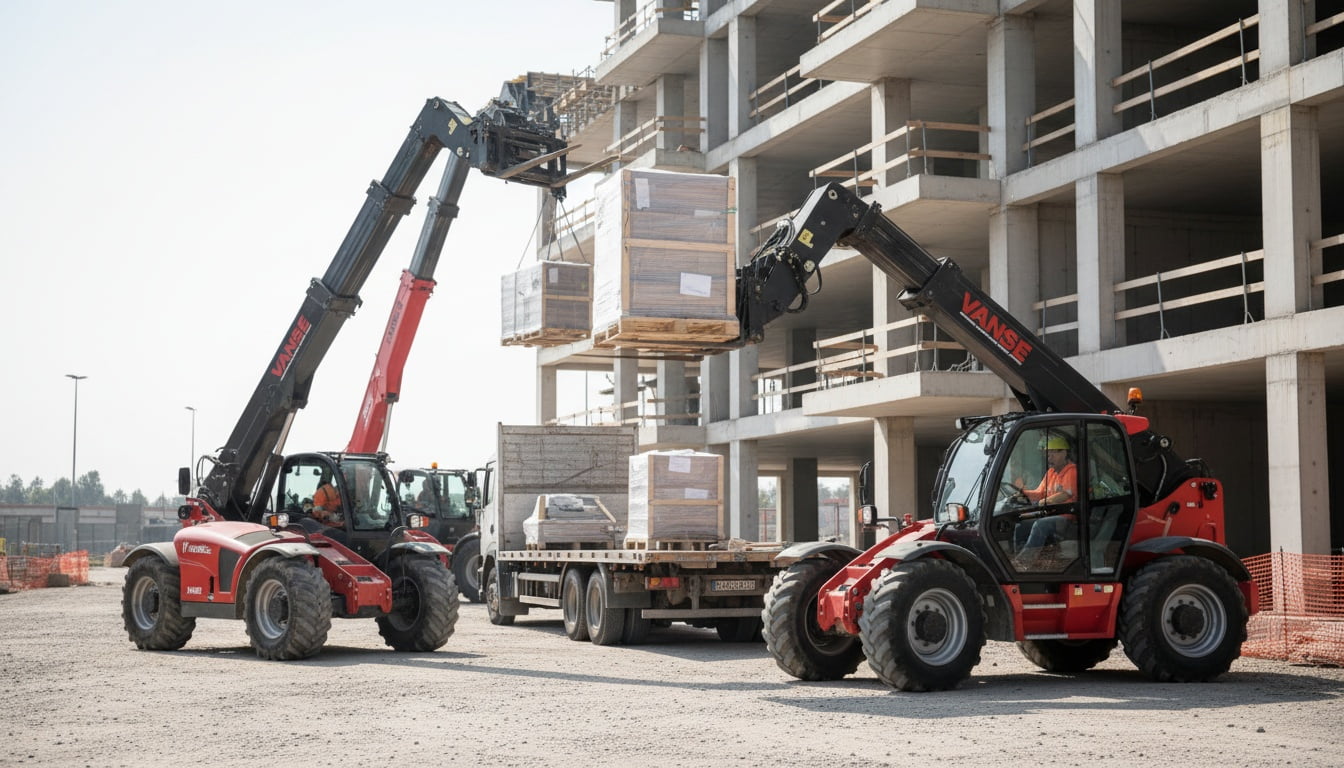
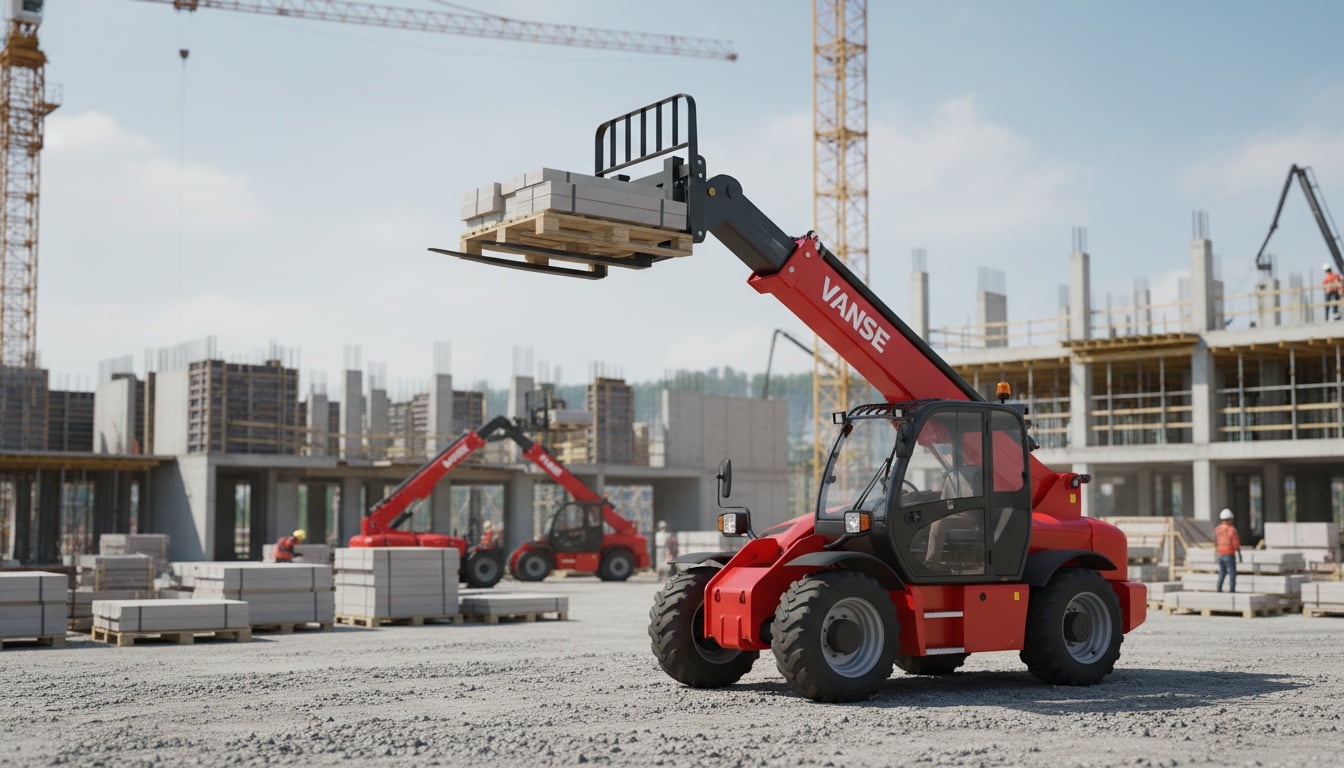
Construction contractors use telehandlers for unloading flatbeds, moving pallets of block, lifting trusses, transporting drywall bundles, placing scaffolding materials, and supporting elevated access work with approved attachments. Agriculture operators use them for hay handling, feed movement, seed and fertilizer loading, and maintenance tasks around large barns or storage yards. Industrial users handle pipe, heavy components, maintenance materials, and yard logistics. Ports and energy contractors may need larger, heavier units that manage higher loads over longer reach envelopes.
In urban markets such as New York, Boston, Seattle, and San Francisco, the choice may depend as much on site restriction as on lifting need. In open suburban and Sun Belt growth markets such as Austin, Nashville, Orlando, and Raleigh, the standard mid-size construction telehandler remains the most versatile option.
Buying Advice for U.S. Buyers
Start by matching real lift requirements to actual daily use, not peak wish-list demand. Many buyers oversize the machine for occasional jobs, then spend years paying more for transport, fuel, and maintenance. If 80 percent of your work involves palletized construction material, a balanced mid-range unit is often the right answer.
Ask suppliers for the machine operating weight with standard forks, full fluids, enclosed cab, and the tire package you plan to use. Then ask for weight changes with common attachments. This is especially important for fleet managers comparing several models for a branch network.
Also review dimensions, turning radius, boom retraction footprint, and service access. A slightly lighter telehandler with better serviceability may outperform a heavier machine over time. Parts availability matters too. In the United States, fast access to filters, sensors, hydraulic hoses, seals, and drivetrain components often matters more than a small price difference at purchase.
For buyers evaluating imported brands, it is smart to ask where inventory is stocked, where warranty decisions are handled, whether technical support is available during U.S. business hours, and how quickly wear parts can ship to major regions such as the Gulf Coast, Midwest, Northeast, and West Coast.
Local and Major Suppliers in the United States
Below is a practical supplier comparison using real company names active in or relevant to the U.S. market. Some are original equipment manufacturers, while others are best known through dealer and rental networks. The point is to help buyers connect machine weight categories with practical sourcing choices.
| Company | Service Region | Core Strengths | Key Offerings | Typical Weight Segment | Best For |
|---|---|---|---|---|---|
| JLG | Nationwide U.S. through dealers and rental channels | Strong brand recognition, broad telehandler line, established support | Construction telehandlers, high-capacity models, parts network | Mid to heavy | Contractors and rental fleets |
| Genie | Nationwide U.S. | Large installed base, common in rental fleets, good uptime familiarity | Rough-terrain telehandlers, support through dealer branches | Mid to heavy | Rental houses and commercial sites |
| SkyTrak | Broad U.S. presence | Well known on North American jobsites, simple operator familiarity | Standard construction telehandlers | Mid | Residential and general construction |
| JCB | Strong U.S. dealer network | Construction and agricultural experience, broad product ecosystem | Ag telehandlers, construction telehandlers, attachments | Compact to heavy | Mixed-use buyers |
| Bobcat | Nationwide U.S. dealer network | Strong compact equipment reputation and local dealer access | Compact and mid-size telehandlers | Compact to mid | Landscaping, farms, light construction |
| Caterpillar | U.S. dealer footprint in major regions | Dealer support depth and established service reputation | Selected telehandler models and jobsite support solutions | Mid to heavy | Enterprise fleets and industrial buyers |
This supplier table is useful because it links company choice to actual U.S. service reach, support style, and likely machine weight class. Buyers should compare not only purchase price, but also local branch coverage, delivery speed, and training support.
Detailed Supplier Considerations
JLG and Genie are often strong choices for contractors that want easy integration into established rental and service ecosystems. SkyTrak remains highly familiar to many U.S. crews, which lowers training friction. JCB offers a solid bridge between agricultural and construction use. Bobcat can be attractive for buyers focused on smaller machines and dealer convenience. Caterpillar may appeal to enterprise-level buyers that prefer centralized vendor relationships and integrated fleet management support.
Regional dealer quality can matter more than brand reputation alone. A telehandler with excellent paper specifications still becomes a poor investment if the nearest competent service branch is too far away. U.S. buyers should ask each supplier how many technicians support their area, what parts are stocked locally, and how long a hydraulic pump, boom wear pad, or drivetrain component usually takes to arrive.
Weight Trends Shifting by Product Preference
One notable shift in the U.S. market is the movement toward machines that offer stronger capacity without becoming unnecessarily oversized. Buyers increasingly want telehandlers that sit in the middle of the weight spectrum but still meet stricter safety expectations and digital fleet management needs.
The area chart reflects a realistic shift toward mid-weight telehandlers. Buyers want enough machine for stability and jobsite flexibility, but they also want simpler hauling and better fleet utilization. This trend is especially visible in rental, suburban commercial construction, and mixed-use contractor fleets.
Case Studies from Common U.S. Buying Scenarios
A framing contractor in Texas running multiple suburban housing sites often does best with a telehandler in the roughly 22,000 lb to 26,000 lb range. This weight class supports common pallet loads and truss handling while remaining practical for frequent moves between projects around Dallas-Fort Worth, Austin, and San Antonio.
A dairy and feed operation in Wisconsin or Idaho may choose a more compact telehandler around 12,000 lb to 16,000 lb for barn access, feed loading, and pallet handling. Here, lower overall size and better maneuverability often matter more than maximum reach.
A masonry subcontractor working high-volume commercial jobs in Chicago or Atlanta may prefer a 26,000 lb to 32,000 lb machine. The heavier weight brings stability for repeated block and material placement across larger footprints. Meanwhile, a port or energy support contractor near Houston or along the Gulf Coast may step into a 35,000 lb plus class because the material profile and site scale justify it.
These examples show that “best” telehandler weight depends on the job mix, haul distance, operator environment, and expected attachment use, not simply the biggest load rating available.
Supplier and Product Comparison by Buyer Priority
| Buyer Priority | Lighter Weight Preference | Mid-Weight Preference | Heavy Weight Preference | Why It Matters | Recommended Buyer Type |
|---|---|---|---|---|---|
| Frequent transport between sites | Very strong | Strong | Limited | Lower hauling burden and simpler logistics | Regional contractors and small fleets |
| Highest lift stability | Limited | Strong | Very strong | Counterweight and chassis mass improve confidence | Steel, masonry, industrial users |
| Tight yard or farm access | Very strong | Moderate | Weak | Compact footprint and lower mass suit confined areas | Agriculture and property operations |
| Rental fleet versatility | Moderate | Very strong | Moderate | Broadest usage across customers and jobs | Rental companies |
| Urban specialist work | Moderate | Strong | Strong | Depends on height, reach, and site constraints | Specialty contractors |
| Lowest ownership cost | Strong | Strong | Weak | Fuel, tires, transport, and service usually cost less | Budget-conscious owners |
This table explains tradeoffs clearly. In many U.S. buying situations, mid-weight machines win because they provide the best overall balance. Lighter units make sense when access and hauling dominate, while heavy machines fit specialized high-load environments.
Our Company
For buyers comparing domestic and international sourcing options, VANSE presents a practical telehandler alternative for the United States because its flagship product line is built around telescopic handlers rather than being a side offering within a broad catalog. The company manufactures under CE and ISO 9001 certified processes, uses globally recognized core components such as Perkins and Cummins engines together with premium hydraulic systems, transmissions, and axles, and subjects each machine to comprehensive load testing, safety inspection, and performance validation before shipment, giving U.S. buyers specific evidence of product consistency rather than generic quality claims. VANSE also supports multiple cooperation models through OEM and ODM programs, wholesale supply, direct project support, dealer development, and customized branding or configuration work, which makes it relevant not only to end users and contractors but also to distributors, rental fleets, equipment brand owners, and buyers seeking regional product strategies. Just as important for trust in the U.S. market, the group already serves customers across North America and more than 40 countries, has produced over 8,000 units, and is actively establishing a U.S.-based subsidiary with local inventory, stocking, and after-sales capability so buyers are working with a supplier building physical market presence, supported by both online technical assistance and offline service coordination rather than a remote exporter with no regional commitment. Buyers who want more information on equipment availability can explore the broader equipment range, review the company background on the company page, learn about maintenance and support through the service section, or discuss U.S. project needs directly through the contact page.
Telehandler Weight and 2026 Trends
Looking toward 2026, three major trends are shaping telehandler weight decisions in the United States. The first is technology. Buyers increasingly expect better load management systems, telematics, camera visibility, fleet diagnostics, and operator assistance features. These systems can add some complexity, but they improve safety and make it easier to run mixed fleets across multiple branches and jobsites.
The second trend is policy and compliance. Infrastructure investment, site safety expectations, and emissions-related fleet renewal continue to influence demand. Even when the machine weight itself is not directly regulated, supporting systems and modern powertrains affect total machine design and ownership patterns. Fleet managers are paying more attention to whole-life cost rather than headline purchase price.
The third trend is sustainability. In practice, U.S. buyers are looking for telehandlers that deliver better fuel efficiency, longer service intervals, and smarter utilization. That does not always mean the lightest machine. Instead, it means choosing the right weight for the work, reducing unnecessary transport, and maximizing productivity per gallon, per hour, and per labor shift. As the market evolves, expect stronger interest in optimized mid-weight machines, lower idle losses, and eventually more hybrid or electrified specialized material handlers where duty cycle supports adoption.
Common Mistakes Buyers Make
One common mistake is confusing lift capacity with machine weight. Another is buying too much machine for occasional edge-case tasks. A third is ignoring transport. U.S. owners who move machines frequently should calculate total annual hauling cost before choosing a heavier class. It is also a mistake to compare only purchase price while overlooking service footprint, component brand quality, attachment compatibility, and resale reputation.
Some buyers also forget that attachments can materially change performance and operating practicality. A telehandler chosen for fork work alone may feel very different when fitted with a bucket, jib, or platform. Ask for attachment-specific load charts and transport implications before making the final decision.
FAQ
What is the average telehandler weight in the United States?
For many mainstream construction applications, the average telehandler falls around 22,000 lb to 28,000 lb. Compact units can be much lighter, and high-capacity or rotating units can be much heavier.
Does a higher telehandler weight mean better performance?
Not always. More weight often improves stability and supports greater capacity, but it also raises transport cost, fuel use, and site access challenges. The best weight is the one that matches your workload.
How much does a 10,000 lb capacity telehandler weigh?
A 10,000 lb lift-capacity telehandler commonly weighs about 25,000 lb to 32,000 lb in many U.S. configurations, depending on height, chassis design, cab, and tire setup.
Why do rental fleets prefer mid-weight telehandlers?
Mid-weight machines tend to serve the largest range of customer jobs while remaining manageable to transport and maintain. That makes them attractive for fleet utilization and branch flexibility.
Can imported telehandlers be a good fit for U.S. buyers?
Yes, if the supplier provides credible certifications, transparent specifications, dependable parts planning, and real pre-sale and after-sales support in the U.S. Cost-performance can be attractive when those support elements are in place.
What should I ask a supplier before buying?
Ask for operating weight with your actual attachment setup, transport dimensions, local parts availability, warranty response process, technician coverage, and expected lead time for common repairs.
Final Takeaway
If you need a direct answer, telehandler weight in the United States most often falls between 20,000 lb and 30,000 lb for the machines that dominate mainstream construction and rental use, while compact units start much lower and high-reach heavy units go well beyond that range. The right choice depends on jobsite conditions, transport frequency, material profile, and local service support. Buyers who compare real operating weight, attachment impact, logistics cost, and supplier backing will make better long-term decisions than those who shop by price alone.
Complete Telescopic Handler Equipment Portfolio
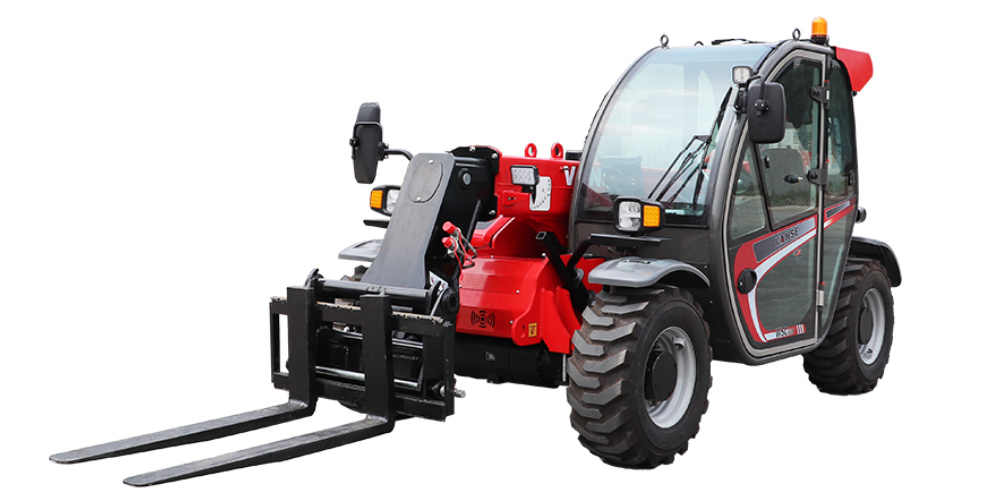
VANSE 625 6m Telescopic Handler
Designed for efficient material handling and stacking in warehouses, factories, and confined job sites, offering compact maneuverability and reliable performance.

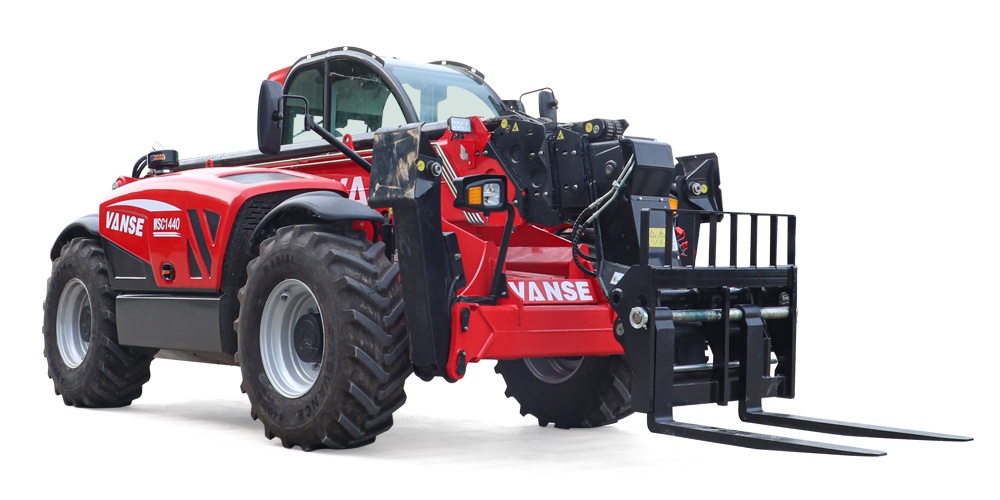
VANSE 735 7m Telescopic Handler
A balanced mid-duty solution for construction, agriculture, logistics, and warehousing, combining stable lifting, strong traction, and everyday versatility.


About the Author:
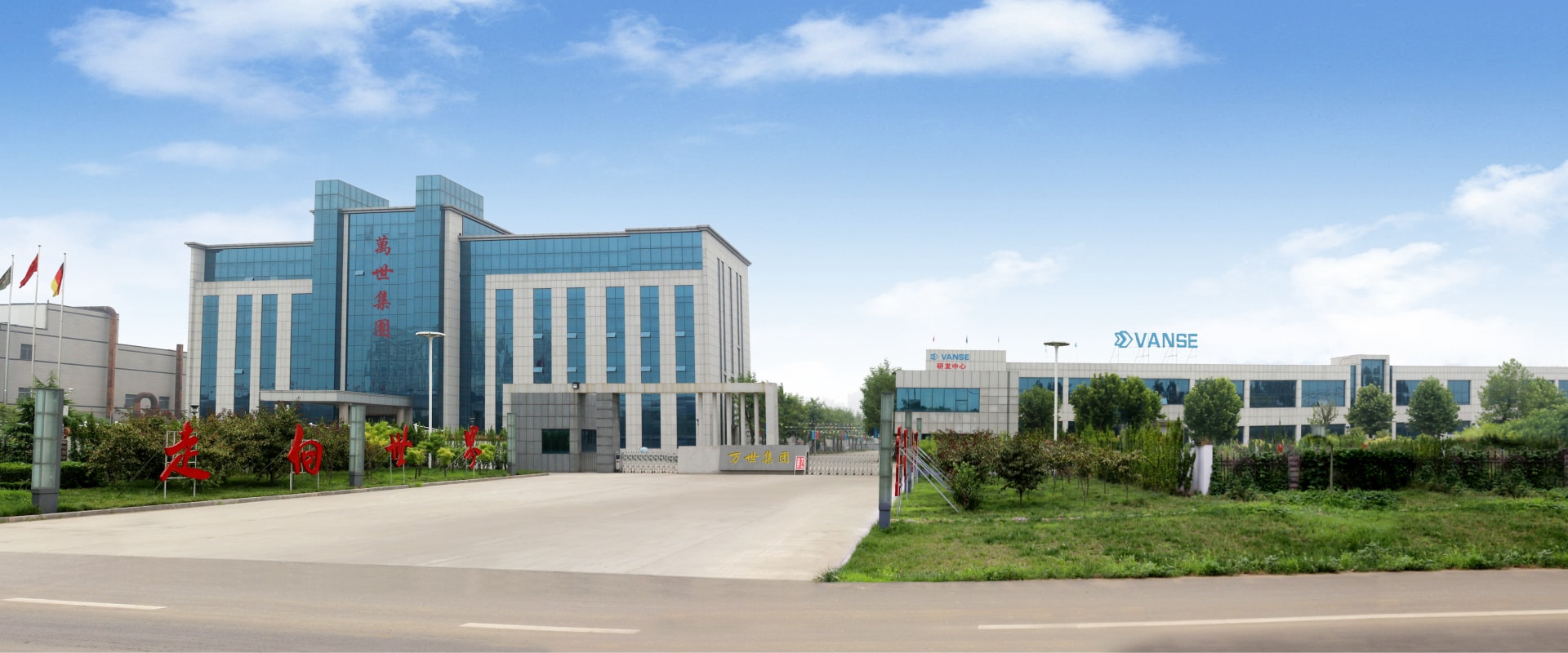
The VANSE team is a group of experienced professionals specializing in construction machinery research, manufacturing, and technical support. With deep industry knowledge and hands-on experience, our engineers and product specialists share practical insights on equipment selection, operation, maintenance, and industry trends.
Share
You May Also Interest
-

April 30, 2026
Telehandler Lifting Capacity: Max Guide
Learn telehandler lifting capacity in the United States, compare machine classes, suppliers, applications, and buying tips for safer, smarter fleet decisions.
-

April 29, 2026
Telehandler Price List: 2026 Cost Guide
Explore the telehandler price list for the United States with 2026 cost ranges, supplier comparisons, buying tips, and market trends for smart equipment buyers.
-
April 28, 2026
Telehandler Training: Complete Guide
Telehandler training in the United States should cover OSHA rules, load charts, attachments, site hazards, and hands-on evaluation for safer operation.
-
April 27, 2026
Telehandler Safety Tips: Essential Rules
Learn telehandler safety tips for United States jobsites, including inspections, load handling, operator training, site planning, and compliance steps.