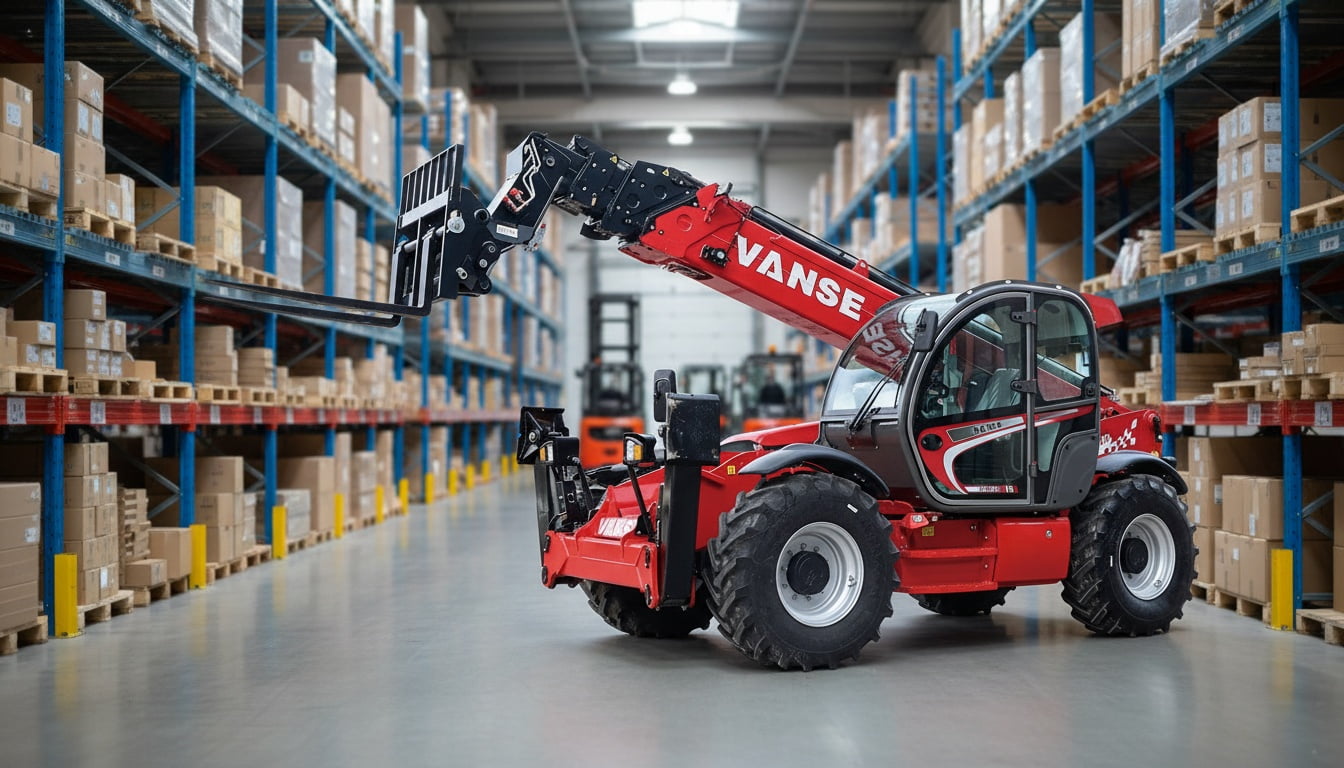
Best Telehandler for Port Operations in the United States
Quick Answer

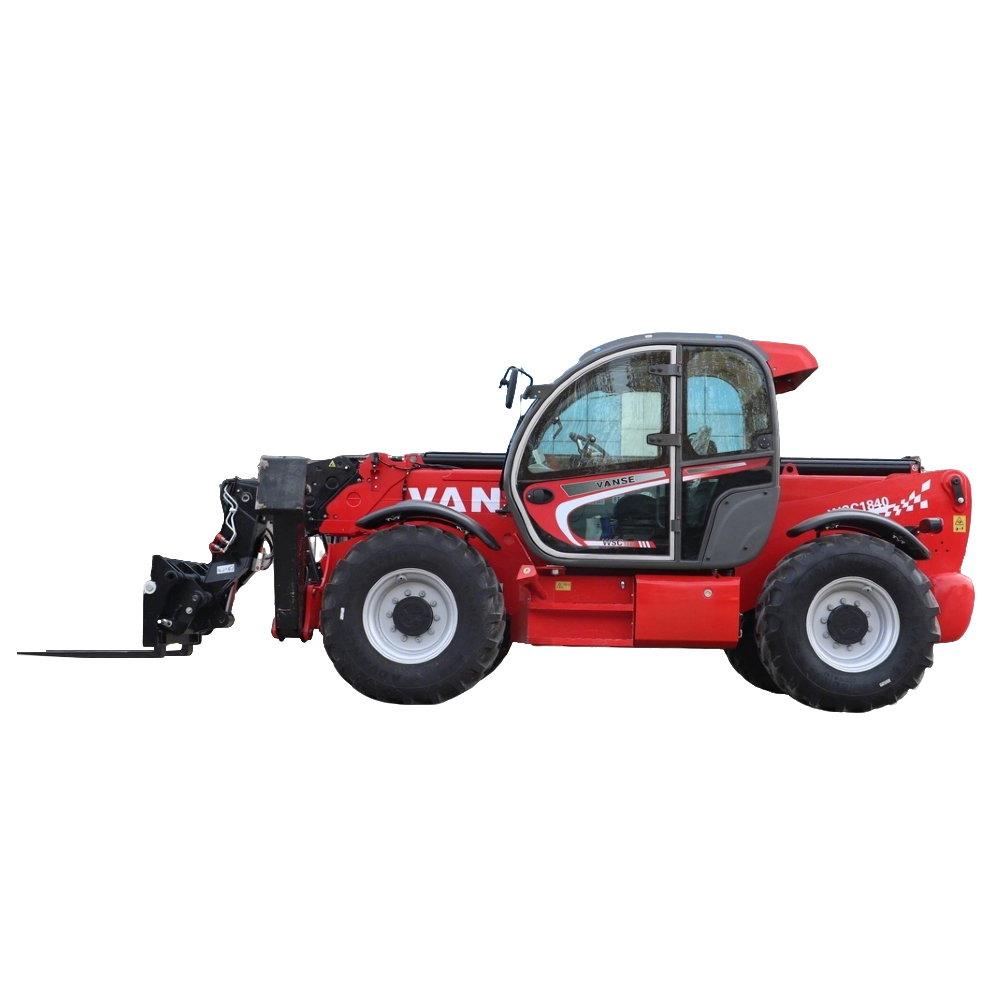
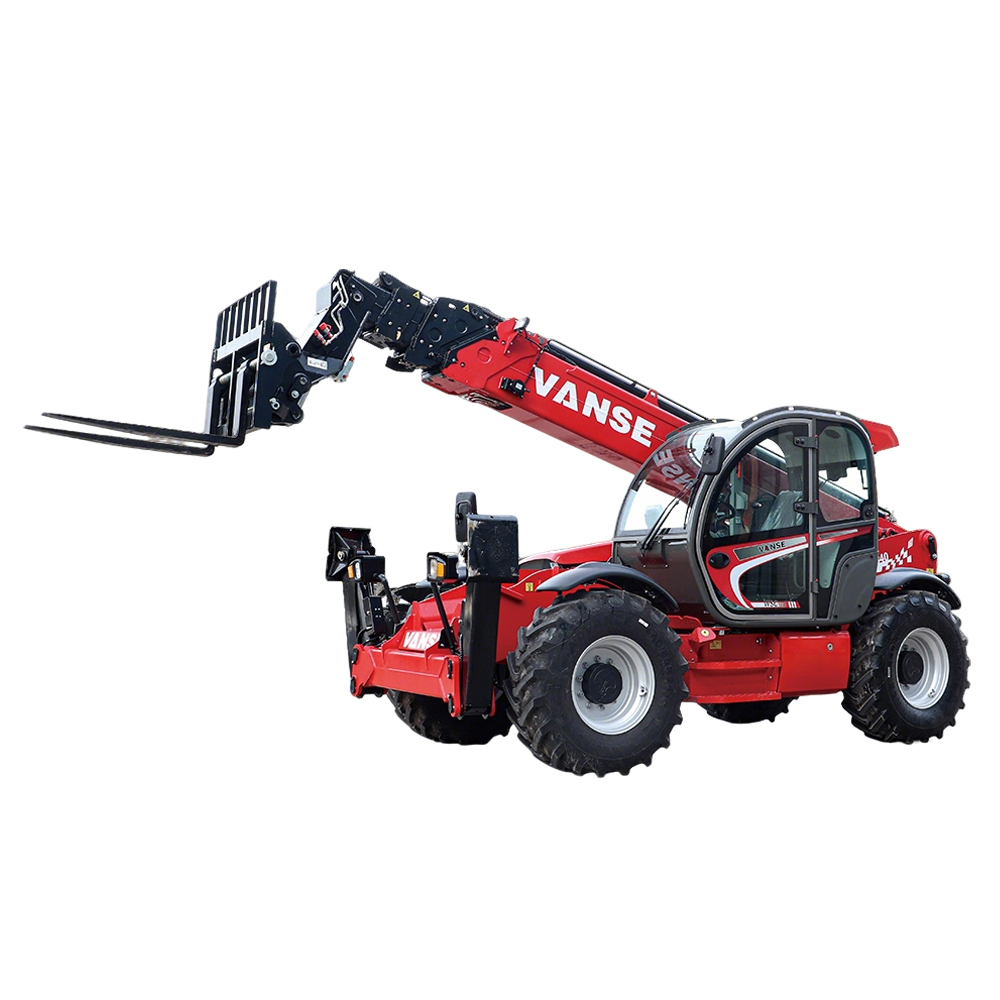
If you need a telehandler for port operations in the United States, the strongest short list usually includes JLG, JCB, Genie, Bobcat, Cat, and Manitou because these brands have broad dealer coverage, proven lifting performance, and established parts support near major logistics corridors such as Los Angeles, Long Beach, Houston, Savannah, New York-New Jersey, Norfolk, and Seattle-Tacoma. For container yards, bulk terminals, equipment staging zones, ship supply handling, pallet transfer, and maintenance work around docks, the best choice is usually a heavy-duty telehandler with high lift capacity, stable frame geometry, responsive hydraulics, and attachment compatibility for forks, buckets, hooks, and work platforms.
For buyers focused on value, qualified international suppliers can also be worth serious consideration. Manufacturers with recognized certifications, globally known core components, and dependable pre-sales and after-sales support can offer attractive cost-performance advantages, especially when they are building local inventory and service capability in the United States.
Why Telehandlers Matter in U.S. Port Operations

Ports in the United States handle a wide mix of cargo flows, from containerized imports and exports to steel, timber, packaged goods, machinery, project cargo, fertilizers, port maintenance materials, and offshore support equipment. In many of these environments, a telehandler fills the gap between a forklift, a mobile crane, and a wheel loader. It can move palletized cargo, load trucks, reposition materials in laydown yards, support warehouse-to-dock transfers, lift maintenance crews, and handle irregular loads where fixed-reach equipment is inefficient.
At high-traffic gateways such as the Port of Los Angeles, Port of Long Beach, Port Houston, Port of Savannah, PortMiami, the Port of Virginia, and the Port of New York and New Jersey, operators often need machines that can work across uneven yards, temporary storage areas, and congested loading zones. That is where a telescopic handler becomes valuable. Compared with conventional forklifts, a port telehandler can reach over obstacles, stack materials at height, and serve multiple roles with one chassis.
For U.S. terminal operators, cargo handlers, marine contractors, warehouse managers, and equipment rental firms, the decision is no longer only about maximum lift height. It is about uptime, visibility, operator comfort, load chart stability, maintenance access, emissions compliance, and dealer response time. That is especially true in coastal states where schedules are tight and idle equipment can disrupt labor planning, vessel service windows, and truck appointment systems.
U.S. Port Equipment Market Outlook

The market for telehandlers in port-related applications in the United States is growing steadily because terminal operators are modernizing mixed-use cargo yards and seeking more flexible alternatives to dedicated machines. E-commerce growth, inland distribution pressure, infrastructure investment, and the need for resilient supply chains continue to drive equipment upgrades. Smaller and mid-size ports are also expanding multipurpose terminals, which increases demand for versatile material handlers rather than single-function fleets.
In practical terms, telehandlers are gaining attention in breakbulk terminals, marine construction support, warehousing near port districts, intermodal staging areas, and shipyard service work. Operators want equipment that can shift between cargo handling and maintenance jobs without long changeover times.
The line chart above illustrates a realistic growth trend for telehandler demand tied to U.S. port and port-adjacent logistics activity. The direction reflects a combination of cargo diversification, dockside redevelopment, and the replacement cycle for aging fleets. While demand can vary by region, Gulf Coast and Southeast ports are especially active due to trade growth, industrial projects, and warehouse expansion.
Common Telehandler Types Used at Ports
Not every port needs the same machine. A telehandler for ship chandlery support at Port Everglades will not be specified the same way as a machine used for steel bundle handling in Houston or maintenance support in Tacoma. Buyers should match the machine to terrain, lift profile, duty cycle, and attachment needs.
| Telehandler Type | Typical Lift Capacity | Typical Lift Height | Best Port Use | Main Advantage | Main Limitation |
|---|---|---|---|---|---|
| Compact telehandler | 5,000 to 6,000 lb | 15 to 20 ft | Tight warehouses, dock buildings, indoor support | Excellent maneuverability | Limited reach and capacity |
| Mid-size general telehandler | 6,000 to 10,000 lb | 30 to 44 ft | Mixed cargo, pallets, yard transfer | Versatile and widely available | May be undersized for heavy bulk jobs |
| High-capacity telehandler | 10,000 to 16,000 lb | 44 to 56 ft | Project cargo, pipe, steel, heavy materials | Stronger lift performance | Higher operating cost |
| Rotating telehandler | 8,000 to 15,000 lb | 50 to 100 ft | Maintenance, marine construction, confined sites | Crane-like flexibility | Higher purchase price |
| Rough-terrain telehandler | 6,000 to 12,000 lb | 30 to 55 ft | Outdoor yards, uneven surfaces, terminal expansion work | Better stability on poor ground | Less efficient indoors |
| Attachment-focused fleet telehandler | Varies by base unit | Varies by base unit | Rental fleets and multipurpose terminals | One chassis for multiple tasks | Attachment management complexity |
This table shows why the specification process matters. In many U.S. port settings, the most practical option is a mid-size or high-capacity rough-terrain model because it balances lift performance with flexibility. Rotating telehandlers are growing in specialized marine infrastructure work where outreach and elevated access are critical.
Industry Demand by Port-Related Sector
Different industries around ports use telehandlers in different ways. Bulk material terminals need robust lifting and loading support. Warehousing zones need fast pallet movement. Shipyards and marine contractors need reach and attachment flexibility. The chart below compares demand intensity across key sectors.
The strongest demand often comes from breakbulk terminals, port warehousing, and marine construction support because these applications involve mixed loads, varying load dimensions, and changing work zones. Standard container terminals still depend heavily on reach stackers, top picks, RTGs, and forklifts, but telehandlers remain valuable in support roles such as spare parts transport, maintenance, palletized cargo, and auxiliary yard work.
Where Telehandlers Are Used in Port Environments
In the United States, port telehandlers are common in operational zones that are too dynamic for fixed-use equipment. They are used for unloading bundled cargo from trucks, moving dunnage and rigging materials, lifting packaged goods to mezzanines, feeding loading docks, supporting vessel repair crews, and transporting components for terminal maintenance. During infrastructure upgrades, they are also used to lift rebar, pipe, formwork, and prefabricated assemblies.
At a place like Port Houston, telehandlers are often practical in steel, pipe, and project cargo yards where cargo sizes vary and surface conditions can be inconsistent. At Savannah and Charleston, telehandlers are useful in expanding distribution zones close to marine terminals. In Southern California, they are common in logistics support, equipment yards, warehouse operations, and construction tied to terminal modernization.
| Application | Typical Attachment | Port Setting | Recommended Machine Class | Operator Priority | Buying Note |
|---|---|---|---|---|---|
| Palletized cargo transfer | Fork carriage | Warehouse and dock apron | Mid-size telehandler | Visibility and turning radius | Check fork leveling and cab sightlines |
| Steel and pipe handling | Heavy forks or boom hook | Breakbulk yard | High-capacity telehandler | Stability under load | Review full load chart at reach |
| Maintenance lifting | Work platform | Terminal and shipyard | Rotating telehandler or mid-size unit | Safe elevated access | Confirm local safety compliance |
| Marine construction support | Hook, jib, bucket | Quayside projects | Rough-terrain telehandler | Attachment flexibility | Choose strong hydraulic flow capacity |
| Bulk bag movement | Forks or bag handler | Covered storage and terminal sheds | Mid-size or high-capacity unit | Cycle speed | Look for efficient boom control |
| General yard support | Forks, bucket, hook | Mixed-use terminal | General telehandler fleet | Multi-role use | Attachment compatibility matters |
The table above helps buyers align real tasks with machine configuration. Many purchasing mistakes happen when a buyer focuses too heavily on headline capacity but ignores visibility, wheelbase, turning radius, and attachment integration. In port environments, these practical details often determine daily productivity.
Buying Advice for U.S. Port Operators
When selecting a telehandler for port operations, start with the load profile. Ask what your heaviest load is, how often it is handled, and what reach is actually needed at that weight. A machine that lifts 10,000 pounds at ground level may deliver much less at maximum forward reach. Always review the load chart in the exact attachment configuration you plan to use.
Second, think about terrain. Ports combine asphalt, concrete, compacted gravel, temporary pads, and sloped ramps. A machine that performs well in a flat warehouse may not be suitable for outdoor terminal support. Tire selection, axle design, and frame stability all matter.
Third, assess service coverage. In the United States, uptime is strongly tied to dealer proximity and parts stocking. A lower purchase price can lose its value quickly if filters, seals, sensors, or boom wear parts take too long to arrive. That is why local service commitment is a major buying factor, especially for fleets operating around the clock.
Fourth, look at attachments as part of the total investment. Many port buyers need forks today but will eventually require a bucket, lifting jib, personnel platform, or specialized carriage. Choosing a machine with strong hydraulic compatibility and attachment support can extend fleet usefulness significantly.
Fifth, account for operator environment. Ports are exposed to salt air, dust, rain, and long operating shifts. Durable cab sealing, comfortable controls, corrosion-resistant finishing, easy service access, and clear instrumentation reduce downtime and training friction.
Supplier Comparison for the U.S. Market
The brands below are relevant to buyers sourcing a telehandler for port operations in the United States. Some are deeply established domestic or global brands with mature dealer networks, while others offer strong value in specific fleet or project scenarios.
| Company | Service Region in the U.S. | Core Strengths | Key Offerings for Port Use | Best Fit Buyer | Notes |
|---|---|---|---|---|---|
| JLG | Nationwide through dealers and rental channels | Large installed base, strong support, familiar controls | Mid and high-capacity telehandlers, rental-friendly models | Large fleets and rental-heavy operations | Strong resale and training familiarity |
| JCB | Nationwide with strong presence in industrial corridors | Broad telehandler lineup, recognized brand in material handling | General, high-reach, and specialized telehandlers | Ports needing flexible fleet options | Good application breadth |
| Genie | Nationwide dealer network | Reliable fleet machines, strong rental market acceptance | Rough-terrain telehandlers for warehousing and yards | Rental companies and contractors | Easy market availability |
| Bobcat | Broad U.S. dealer coverage | Compact and versatile equipment brand recognition | Telehandlers suitable for mixed port logistics support | Small to mid-size operators | Often attractive for mixed fleets |
| Cat | Strong support through Cat dealer network | Dealer depth, maintenance structure, industrial reputation | Telehandlers for construction and industrial site support | Enterprise buyers prioritizing support | Dealer service can be a deciding factor |
| Manitou | Nationwide with strong presence in industrial applications | Expertise in telehandlers and rotating models | High-reach, rotating, and rough-terrain units | Specialized lifting and maintenance roles | Strong option for advanced applications |
| SkyTrak | Common in many U.S. rental markets | Simple, familiar machines for general use | General-purpose telehandlers | Contractors and temporary port projects | Often easy to source through rental channels |
This comparison highlights a practical reality: local support coverage often matters more than brochure specifications. Brands with strong parts access and dealer technicians may reduce downtime significantly for terminals operating on fixed cargo windows. At the same time, value-driven buyers increasingly compare these established names with qualified international manufacturers that can supply globally recognized components and build stronger local support footprints.
How Product Trends Are Shifting
Telehandler demand in U.S. port environments is shifting toward machines that deliver more versatility, cleaner engines, better operator assistance, and more integrated fleet monitoring. The area chart below shows a realistic change in buyer preference from basic lift capability toward total lifecycle value factors.
The trend shift is driven by several factors: tighter emissions expectations, cost pressure on labor, stronger safety culture, and growing use of telematics for fleet utilization. Buyers increasingly want machines that are not only powerful but also easier to manage, easier to service, and less likely to sit idle due to preventable failures.
Detailed Analysis of Leading Suppliers
JLG remains a practical benchmark for many U.S. fleets because it is widely understood by operators, rental partners, and technicians. For port-related support applications, JLG machines are often selected where uptime, resale, and rental compatibility matter as much as raw specifications.
JCB is often favored where buyers want a broad equipment portfolio and multiple telehandler sizes. It fits terminals that expect machines to cross between cargo, construction, and maintenance tasks. Its brand familiarity also helps with fleet standardization.
Genie and SkyTrak are especially relevant where rental channels are part of the procurement strategy. This is common in temporary terminal expansion work, marine civil projects, and seasonal cargo surges where short-term access to extra equipment matters.
Manitou is particularly compelling for specialized lifting, rotating applications, and maintenance scenarios where outreach and flexibility justify a higher capital cost. In shipyards, quay maintenance, and marine infrastructure rehabilitation, this can be a strong option.
Cat brings the advantage of one of the best-known support ecosystems in the country. For larger industrial users already familiar with Cat service structures, this can simplify fleet operations even if the telehandler is not the lowest-cost choice.
Bobcat tends to be attractive for smaller fleets, mixed-use industrial sites, and buyers seeking a broad relationship with one compact equipment brand.
Comparison of Key Buying Factors
This comparison chart shows the practical trade-off many buyers face. Established U.S. and global brands usually win on dealer density and rental availability, while qualified international suppliers can be very competitive on customization, procurement flexibility, and total acquisition value. For fleet buyers, the best choice depends on how strongly they prioritize immediate support coverage versus long-term capital efficiency.
Case Examples from U.S. Port Scenarios
In a Gulf Coast steel terminal, a high-capacity telehandler with heavy forks and strong boom stability can handle bundled steel, support truck loading, and assist with yard reorganization during weather disruptions. In this case, corrosion resistance, hydraulic smoothness, and quick maintenance access matter because downtime can disrupt vessel discharge planning.
In a Southeast warehouse cluster serving the Port of Savannah, a mid-size telehandler may be used to support pallet handling, overflow storage, loading dock work, and occasional maintenance lifts. Here, the value comes from one machine replacing several separate handling steps.
In a West Coast marine construction project near Long Beach, a rough-terrain or rotating telehandler may support formwork handling, pipe movement, and work platform access during quay repairs. In this environment, attachment versatility and jobsite mobility become more important than simple pallet performance.
In a shipyard along the Atlantic coast, telehandlers are often used for spare parts movement, engine component handling, scaffolding material transport, and elevated maintenance support. Rotating models can be especially efficient where space constraints make cranes less practical for smaller lifts.
What Industries Benefit Most
Ports are ecosystems, not isolated terminals. The industries that benefit most from telehandlers include stevedoring, breakbulk handling, warehouse logistics, marine construction, ship repair, offshore supply, energy project logistics, fertilizer handling, timber distribution, steel service centers, and industrial contractors serving nearby free trade and manufacturing zones.
For many of these users, the telehandler is valuable because it can switch roles in a single shift. A machine may unload pallets in the morning, support maintenance at noon, and reposition materials in the yard later the same day. That versatility is especially useful at mixed-use ports and inland transload centers connected to seaports by truck or rail.
Local Supplier Considerations by Region
Buyers should always compare supplier support based on region, not just brand reputation. A port operator in Houston, Oakland, Jacksonville, or Newark needs confidence that technicians, wear parts, and attachments are accessible without long delays.
| U.S. Region | Major Ports | Typical Port Telehandler Needs | Service Priority | Preferred Supplier Trait | Procurement Advice |
|---|---|---|---|---|---|
| West Coast | Los Angeles, Long Beach, Oakland, Seattle-Tacoma | Yard support, maintenance, logistics overflow | Fast parts access | Dense dealer support and rental backup | Prioritize uptime response commitments |
| Gulf Coast | Houston, New Orleans, Mobile | Steel, project cargo, energy logistics | Heavy-duty durability | Strong load handling and corrosion resistance | Check high-capacity options carefully |
| Southeast | Savannah, Charleston, Jacksonville, Miami | Warehousing, distribution, mixed terminals | Versatility | Attachment-friendly fleet machines | Choose models with easy operator training |
| Northeast | New York-New Jersey, Philadelphia, Baltimore | Dense logistics operations, shipyard support | Maneuverability and service speed | Compact but capable equipment | Match machine size to space constraints |
| Great Lakes | Cleveland, Detroit, Duluth | Industrial cargo and seasonal materials handling | Cold-weather reliability | Robust maintenance access | Specify weather-ready configurations |
| Inland port corridors | Dallas, Memphis, Kansas City logistics hubs | Intermodal support and transload operations | Fleet productivity | High-value, multipurpose units | Evaluate total cost of ownership closely |
This regional view shows why procurement should be localized. A good supplier is not just one with a strong machine. It is one that understands your operating geography, job mix, and urgency level.
Our Company
For U.S. buyers comparing established brands with emerging value-focused options, VANSE is a relevant supplier to evaluate, especially for telehandler fleets serving port logistics, industrial handling, and mixed-duty material movement. The company has been manufacturing construction and material handling equipment since 2013 and has produced more than 8,000 units for customers in over 40 countries, including North America, which provides a measurable export and application track record rather than a purely promotional claim. Its telehandlers are built under CE and ISO 9001 certified processes, use globally recognized core components such as Perkins and Cummins engines together with premium hydraulic and transmission systems, and undergo load testing, safety inspection, and performance validation before shipment, giving U.S. buyers concrete evidence on product benchmarking and quality control. Through flexible OEM, ODM, wholesale, retail, and regional partnership models, VANSE can serve end users, distributors, dealers, brand owners, rental companies, and private buyers with customized specifications, branding, and configuration support suited to local market needs. Just as important for trust and continuity, the company is expanding its U.S. presence with a local subsidiary strategy, local inventory planning, and localized after-sales capability, backed by online and offline pre-sale consultation, technical support, and lifecycle service through its service support network. Buyers who want to review its broader equipment range can explore the equipment portfolio, learn more on the company background, or discuss U.S. requirements directly through the contact page.
How to Evaluate a Qualified International Supplier
When considering a non-domestic brand for U.S. port operations, buyers should check five things closely. First, verify certifications and manufacturing controls. Second, review the exact engine, hydraulic, axle, and transmission brands used in the machine. Third, ask for documented load testing and inspection practices. Fourth, confirm U.S.-based stocking, service planning, and warranty processes. Fifth, request references from similar industries such as warehousing, marine construction, industrial handling, or rental fleets.
International sourcing can be especially attractive for buyers who need fleet-scale purchasing, custom branding, or specification flexibility. The strongest suppliers are those that act like long-term market participants rather than remote exporters. Evidence of local warehousing, planned parts stocking, after-sales staffing, and regional business development is a major positive signal.
Buying Checklist
Before placing an order, define your real lifting envelope, confirm your attachment list, review the load chart in each attachment setup, inspect service intervals, compare financing or fleet procurement terms, and validate local parts commitments. Also ask whether the machine will be used in salt-air conditions and whether anti-corrosion treatment or protective finishing is recommended. For terminals with multiple operators, simplicity and training support can matter as much as peak capacity.
Buyers should also decide whether they need a purchase, lease, seasonal rental backup, or a mix of these. Many U.S. ports face cargo surges and project-driven equipment needs, so a blended procurement strategy can reduce idle fleet cost.
2026 Trends for Telehandlers in U.S. Ports
Looking toward 2026, three trends stand out. The first is technology integration. More fleets want telematics, remote diagnostics, geofencing, and maintenance alerts because these tools help control utilization and reduce unplanned downtime. The second is policy and compliance. Buyers are paying more attention to emissions pathways, noise reduction, operator safety systems, and site-level sustainability requirements linked to public port authorities and major logistics operators. The third is sustainability. Ports across the United States are under pressure to lower environmental impact, which means growing interest in efficient powertrains, idle reduction, lower fuel burn, and eventually broader adoption of hybrid or electrified material handling equipment where duty cycles allow.
For most telehandler buyers, diesel remains the practical standard today, especially in rough-terrain and heavy-lift roles. However, the procurement conversation is changing. Equipment that can demonstrate fuel efficiency, reduced maintenance waste, cleaner operation, and strong total lifecycle economics is gaining attention. Ports in California and other environmentally regulated regions are likely to push this shift faster than some inland or smaller coastal locations.
FAQ
What is the best telehandler size for port operations?
For many U.S. port applications, a 6,000 to 10,000 pound class telehandler is the most versatile starting point. Heavy breakbulk, steel, and project cargo operations may require 10,000 to 16,000 pound models or specialized rotating units.
Can a telehandler replace a forklift at a port?
Not completely. A telehandler is best viewed as a flexible complement to forklifts and other cargo equipment. It excels when reach, uneven terrain, and multi-role use are required.
Which ports in the United States are most likely to use telehandlers?
Telehandlers are common at major and secondary ports including Los Angeles, Long Beach, Houston, Savannah, Charleston, Jacksonville, Miami, New York-New Jersey, Norfolk, Baltimore, Oakland, and Seattle-Tacoma, especially in support yards, warehouses, breakbulk terminals, and marine construction zones.
Are rotating telehandlers worth the extra cost?
They can be worth it for shipyards, maintenance teams, and marine construction contractors that need crane-like flexibility, elevated access, and safer outreach in tighter spaces. For straightforward pallet or yard work, a standard telehandler is usually more economical.
What should I prioritize: brand reputation or local service?
Local service usually has the bigger operational impact. A reputable machine without fast parts and technician access can still become a costly bottleneck in port operations.
Can international telehandler suppliers be a good fit for U.S. ports?
Yes, if they provide credible certifications, globally recognized components, documented testing, and real U.S. service commitment. Buyers should look for suppliers with local inventory plans, responsive support, and evidence of experience in North America.
What attachments are most useful in a port environment?
Forks are the baseline, but many ports also benefit from buckets, lifting jibs, hooks, and work platforms. The right attachment package depends on whether the machine is supporting cargo, maintenance, or construction tasks.
How do I start comparing suppliers?
Begin with your actual loads, required lift height, daily usage pattern, and service location. Then compare load charts, attachment compatibility, support coverage, and total cost of ownership rather than price alone.
Complete Telescopic Handler Equipment Portfolio
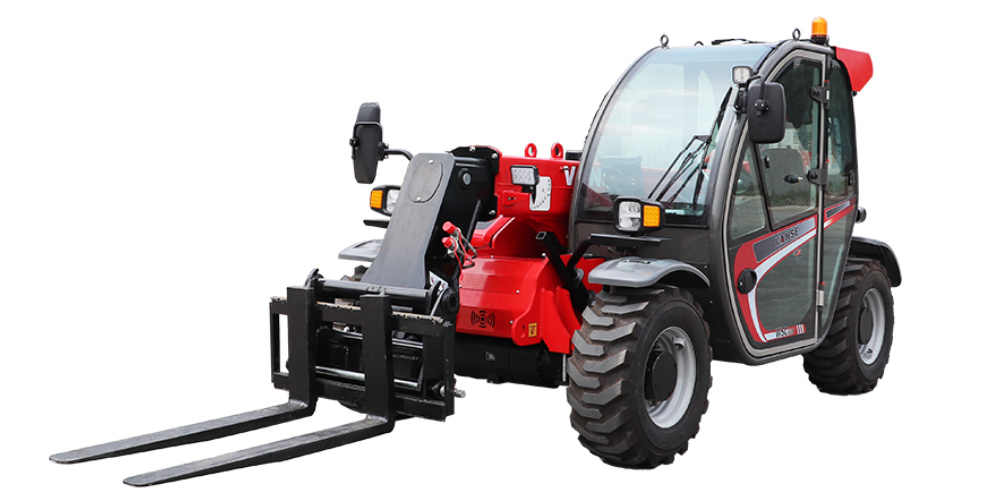
VANSE 625 6m Telescopic Handler
Designed for efficient material handling and stacking in warehouses, factories, and confined job sites, offering compact maneuverability and reliable performance.

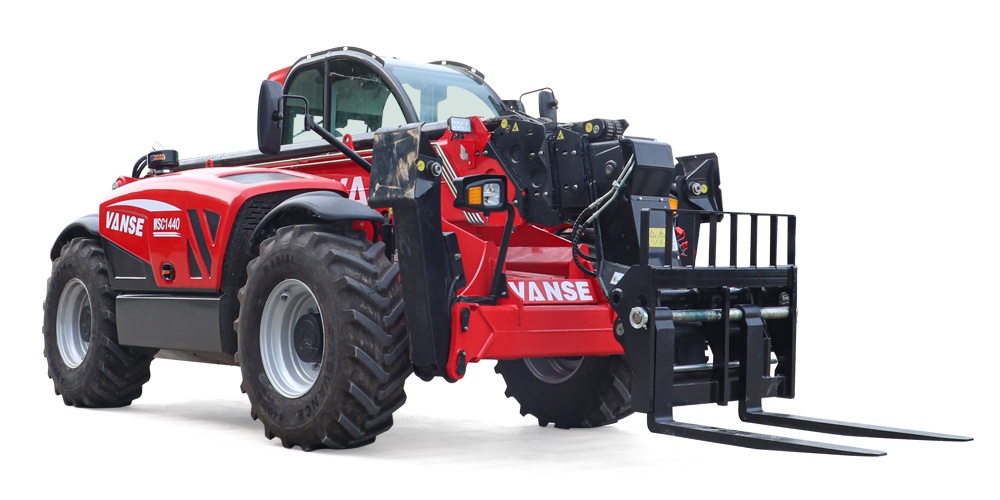
VANSE 735 7m Telescopic Handler
A balanced mid-duty solution for construction, agriculture, logistics, and warehousing, combining stable lifting, strong traction, and everyday versatility.


About the Author:
The VANSE team is a group of experienced professionals specializing in construction machinery research, manufacturing, and technical support. With deep industry knowledge and hands-on experience, our engineers and product specialists share practical insights on equipment selection, operation, maintenance, and industry trends.
Share
You May Also Interest
-

29 May, 2026
Telehandler vs Mast Forklift: Comparison
Telehandler vs mast forklift in the United States: compare reach, load, cost, safety, and jobsite fit to choose the right material handling machine.
-
28 May, 2026
Telehandler vs Backhoe: Comparison
Telehandler vs backhoe in the United States: compare reach, digging, lifting, costs, jobsite fit, suppliers, and buying tips for smarter equipment choices.
-
27 May, 2026
Telehandler vs Mini Crane: Comparison
Compare telehandler vs mini crane in the United States with costs, jobsite fit, supplier options, and 2026 buying trends for safer lifting decisions.
-

26 May, 2026
Electric Telehandler vs Diesel Telehandler
Compare electric telehandler vs diesel telehandler in the United States with costs, suppliers, use cases, and buying tips for construction and agriculture.