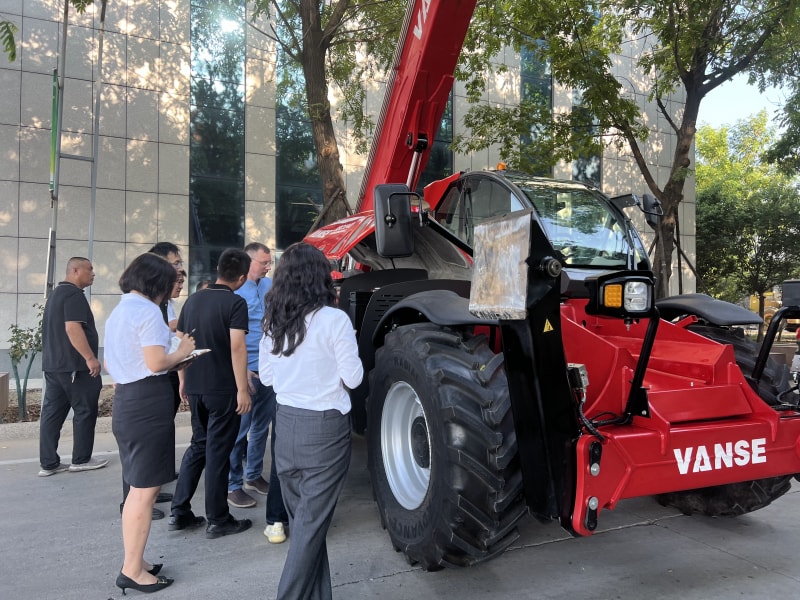
Best Telehandler for Material Handling in the United States
Quick Answer

If you need a telehandler for material handling in the United States, the strongest short list usually includes JLG, Genie, JCB, Bobcat, SkyTrak, and Caterpillar dealers depending on lift height, site conditions, attachment needs, and service coverage. For commercial construction in cities such as Houston, Dallas, Atlanta, Chicago, Los Angeles, and inland logistics hubs near Kansas City and Memphis, buyers typically prioritize local dealer response time, parts availability, rated lift capacity, and attachment compatibility over sticker price alone. For agriculture, masonry yards, ports, recycling operations, and industrial plants, the best choice is often the machine that balances reach, stability, operator visibility, and easy maintenance. Qualified international suppliers can also be worth serious consideration, especially when they hold recognized certifications, use globally trusted components, and provide strong pre-sales and after-sales support in the United States. In that context, cost-performance-focused Chinese manufacturers with clear quality controls and local support plans can provide meaningful value for fleet buyers, distributors, and end users seeking competitive acquisition costs.
United States Market Overview

The United States remains one of the most active markets for telehandlers because material movement is central to nearly every major sector: commercial construction, residential development, agriculture, warehousing support, infrastructure works, mining support services, manufacturing plants, and port-linked cargo handling. Telehandlers are especially valued because one machine can lift, place, stack, and transport materials while also switching roles through forks, buckets, work platforms, jibs, truss booms, and clamps.
Demand is concentrated in high-growth metropolitan and logistics regions. Texas continues to generate demand through large-scale building activity around Houston, Dallas-Fort Worth, Austin, and San Antonio. California supports demand in Los Angeles, Inland Empire distribution corridors, and Central Valley agriculture. Florida remains active around Tampa, Orlando, Miami, and Jacksonville. Midwest demand is tied to warehousing, manufacturing, and food processing around Chicago, Indianapolis, Columbus, and St. Louis. Gulf Coast and Southeast ports such as Houston, Savannah, Charleston, and New Orleans also influence equipment purchasing decisions where mixed outdoor handling conditions require reach and versatility.
In the United States, telehandler buying criteria are shaped by total cost of ownership more than by initial machine cost. Fleet managers assess financing, residual value, training requirements, OSHA alignment, maintenance access, local dealer reach, and the availability of service technicians who can be dispatched quickly when a machine goes down. That is why local distribution and support matter so much, even when a buyer is sourcing from an overseas manufacturer.
The line chart shows a realistic upward demand pattern in the U.S. market. The increase is driven by sustained warehouse construction, infrastructure investment, labor-saving machine adoption, and a broader preference for multifunctional equipment that can replace several specialized machines on one site.
Why Telehandlers Matter for Material Handling

A telehandler occupies a useful middle ground between a forklift, crane, and wheel loader. For many U.S. buyers, that flexibility is the entire point. A rough-terrain forklift can carry palletized materials, but it cannot match the forward reach needed to place loads onto elevated decks or over obstacles. A crane can reach, but it is often less efficient for repeated short-cycle lifting of bundled materials, pipe, brick, feed, or palletized inventory. A loader can move bulk material, but it is not the ideal machine for controlled placement at height. The telehandler is valuable because it combines reach, lift, and attachment versatility in one platform.
That combination matters on congested U.S. jobsites where labor costs are high and machine utilization must remain strong. A general contractor may use a telehandler in the morning to unload rebar and framing packages, at midday to lift HVAC materials onto a slab, and later to handle debris or bulk aggregate with a bucket. In agriculture, the same principle applies across hay handling, seed loading, pallet movement, manure management, and seasonal storage operations.
Product Types Used in the United States
U.S. buyers generally sort telehandlers into broad categories based on use, terrain, and reach requirements. Compact models serve low-clearance sites, urban infill, nurseries, and interior-adjacent work. Mid-range construction telehandlers are common for framing, masonry, and palletized site supply work. High-reach models are selected for multistory projects, industrial maintenance, and larger rental fleets. Heavy-duty models serve sectors such as mining, ports, energy, and steel handling where attachment loads and cycle severity are more demanding.
| Telehandler Type | Typical Lift Capacity | Typical Lift Height | Best Fit in the U.S. | Main Advantages | Common Limits |
|---|---|---|---|---|---|
| Compact telehandler | 5,000 to 6,600 lb | 15 to 25 ft | Urban construction, landscaping, barns, nurseries | Easy transport, tight turning, lower operating footprint | Shorter reach, lower capacity on extended boom |
| Standard construction telehandler | 6,000 to 10,000 lb | 30 to 44 ft | General contractors, masonry, rental fleets | Balanced versatility, strong attachment options | May be oversized for tight indoor areas |
| High-reach telehandler | 8,000 to 12,000 lb | 45 to 70 ft | Multistory building, industrial shutdowns, ports | Greater placement range, fewer machine moves | Higher purchase cost, more demanding operator planning |
| Heavy-duty telehandler | 12,000 lb and above | 35 to 56 ft | Mining, steel, energy, infrastructure yards | Handles large loads, strong frame and axle design | Transport complexity, larger site requirement |
| Ag telehandler | 5,500 to 9,000 lb | 20 to 32 ft | Dairy, feedlots, hay operations, grain support | Good visibility, repetitive loading efficiency | Not always ideal for dense urban construction |
| Attachment-focused multi-use model | Varies | Varies | Mixed fleets serving several sectors | High utilization, multiple job functions | Requires careful attachment and training management |
This table helps clarify that “best” does not mean one universal machine. The right telehandler for material handling in the United States depends on whether the site prioritizes compact maneuverability, high placement height, repetitive loading cycles, or heavy-duty handling conditions.
Where Demand Comes From by Industry
Material handling demand for telehandlers is spread across many sectors, but some industries generate consistently higher rental and purchase volumes. Construction leads because telehandlers reduce manual handling and support faster installation sequencing. Agriculture remains a major category, especially in states with strong dairy, feed, hay, or specialty crop operations. Industrial and manufacturing facilities use telehandlers for maintenance shutdowns, equipment moves, and warehouse overflow handling. Recycling and waste facilities rely on attachment flexibility. Ports and intermodal yards often use telehandlers in specialized support roles rather than as container handlers.
The bar chart shows why suppliers that focus only on one segment may miss opportunities in the United States. Construction remains dominant, but agriculture and manufacturing create large, steady demand streams, especially in regions where machine versatility and year-round use justify ownership rather than short-term rental.
Common U.S. Applications
On a typical U.S. project site, telehandlers are used to unload flatbed trucks, move palletized block and brick, carry framing materials, place trusses, stage roofing materials, transport drywall packs, lift piping bundles, and support elevated work with approved attachments. At feedlots and dairies, telehandlers are used to handle bales, move feed, clean yards, and load materials into mixing systems. In manufacturing and industrial maintenance, they can support rigging crews, transport components, and place equipment in hard-to-access areas.
Applications vary significantly by region. In the Southwest, machines often operate on dry, uneven terrain with long travel distances between handling points. In the Southeast, mud traction and corrosion resistance become more important due to humidity and frequent rain. In the Midwest, cold-weather starts, service access, and heater-equipped cabs matter more. At port-connected industrial hubs such as Savannah, Houston, and Los Angeles, buyers may prioritize high uptime because delayed material flow creates direct cost pressure across the supply chain.
Buying Advice for U.S. Buyers
The most common mistake in buying a telehandler for material handling is selecting a machine based only on maximum lift height or nominal capacity. Capacity decreases as the boom extends, and that is exactly when many buyers need performance. Ask for a proper load chart, and review real operating scenarios rather than headline specifications. If your heaviest loads must be set at forward reach, the machine must be evaluated for that exact point, not just for its maximum vertical lift number.
Another critical issue is attachment planning. Forks may cover daily pallet movement, but many U.S. operations also need buckets, sweepers, clamps, jibs, truss booms, or work platforms. The hydraulic flow, quick-coupler system, and control logic must match intended attachments from the start. Buyers should also evaluate cab ergonomics, visibility to the right-hand side, backup camera options, ease of daily checks, DEF access where relevant, and service interval simplicity.
Dealer and parts support remain central in the United States because downtime is expensive. Buyers should ask where parts are stocked, average response times for field service, technician coverage by ZIP code, and whether common filters, hoses, seals, and electronic components are available domestically. A lower-priced machine without local support can become the more expensive option over the life of the fleet.
| Buying Factor | Why It Matters | Questions to Ask | Best Fit For | Risk If Ignored | Buyer Tip |
|---|---|---|---|---|---|
| Load chart performance | True working capacity changes with boom extension | What can it lift at my actual reach point? | Construction, industrial, rental | Unsafe or underperforming lifts | Request job-specific load scenarios |
| Attachment compatibility | Determines utilization and machine flexibility | Which attachments are approved and supported? | Mixed fleets, agriculture, yards | Extra equipment spend later | Plan 12-month attachment needs before purchase |
| Service coverage | Downtime cost is often higher than price difference | How fast can a technician reach my site? | All U.S. buyers | Long stoppages and project delays | Check local branch network and parts stock |
| Operator environment | Impacts safety, fatigue, and productivity | What visibility and comfort features are included? | Long-shift operators | Lower productivity and more incidents | Demo the cab before buying |
| Transport and dimensions | Determines legal and practical mobility | Can I move it with my current trailer setup? | Contractors, rental fleets | Higher mobilization cost | Verify width, height, and weight with attachments |
| Emissions and fleet policy | Affects compliance and long-term fleet planning | How does the engine align with current regulations? | Corporate fleets, municipalities | Future replacement pressure | Compare lifecycle cost, not just engine output |
This table is useful because it moves the conversation from brochure claims to operational reality. In the U.S. market, the strongest purchasing decisions are grounded in workload analysis, attachment planning, and service support, not just quoted horsepower or discount levels.
Top Suppliers Serving the United States
The following suppliers are widely recognized or commercially relevant in the U.S. market for telehandler material handling needs. Some are domestic or deeply established through dealer networks, while others represent international sourcing opportunities with growing relevance for fleet and distribution buyers.
| Company | Primary Service Region | Core Strengths | Key Offerings | Best Buyer Profile | Notes |
|---|---|---|---|---|---|
| JLG Industries | Nationwide U.S. | Strong dealer support, broad model range, rental market presence | Construction and high-reach telehandlers | Rental fleets, contractors, industrial buyers | Very strong recognition in North America |
| Genie | Nationwide U.S. | Large installed base, service familiarity, equipment rental penetration | Rough-terrain and high-reach telehandlers | General construction and rental firms | Often selected for fleet standardization |
| JCB | Nationwide with dealer network | Telehandler specialization, agriculture and construction crossover | Construction and ag telehandlers | Mixed-use buyers and farms | Strong telehandler brand identity |
| Bobcat | Nationwide U.S. | Dealer footprint, attachment familiarity, compact equipment synergy | Compact and mid-size telehandlers | Contractors, landscapers, farms | Attractive for existing Bobcat fleet users |
| SkyTrak | United States and Canada | Simple construction-focused models, strong jobsite recognition | Straight-boom telehandlers | General contractors and rental fleets | Especially common on U.S. building sites |
| Caterpillar dealers | Regional U.S. coverage | Dealer infrastructure, fleet management support | Material handling solutions through dealer channels | Enterprise buyers and contractor fleets | Strength depends on local dealer support |
| Manitou | Nationwide through partners | Global telehandler experience, agriculture and industrial relevance | Construction, ag, and rotating models | Specialty users and larger fleets | Strong in diversified applications |
| Shandong VANSE Group | Growing U.S. presence with North America focus | Cost-performance, OEM/ODM flexibility, certified production | Telehandlers with customizable specifications | Distributors, dealers, fleet buyers, brand owners | Relevant for value-driven sourcing strategies |
This supplier table shows that U.S. buyers have two practical routes: established local dealer-backed brands and qualified international manufacturers building stronger local support. The right route depends on whether the buyer values immediate branch proximity above all else or seeks a more customized and price-competitive procurement model for fleet expansion, dealership growth, or private-label distribution.
Supplier Comparison by Selection Priorities
This comparison chart reflects real U.S. purchasing logic. Dealer coverage remains the most important factor, but price competitiveness and fleet familiarity are close behind. Customization and export partnership potential matter especially for distributors, regional dealers, and private-label programs rather than one-off retail purchases.
Detailed Supplier Analysis
JLG and SkyTrak remain especially strong in U.S. construction because they are deeply familiar to project managers, rental yards, and operators. Genie also holds a powerful position due to fleet commonality and service comfort among large rental networks. JCB stands out where buyers want telehandler-focused product development with strong crossover into agriculture. Bobcat is often attractive to buyers already invested in Bobcat loaders and compact equipment, because they can simplify operator transition and dealer relationships.
Manitou is relevant for buyers with specialized handling needs, including agricultural and industrial work where lift flexibility and attachment range are key. Caterpillar-related channels can be attractive when local dealers are strong in enterprise support, financing, and broad fleet service. These established suppliers generally win on familiarity, parts stocking, and a lower perceived risk profile.
At the same time, international suppliers are becoming more relevant in the United States, especially for distributors, growing rental fleets, and enterprise buyers who need strong value at scale. When evaluating such suppliers, American buyers should not rely on price alone; they should review certifications, component brands, production controls, export volume, support commitments, and local stocking plans. Those are the markers that separate serious long-term suppliers from opportunistic exporters.
Our Company in the U.S. Market
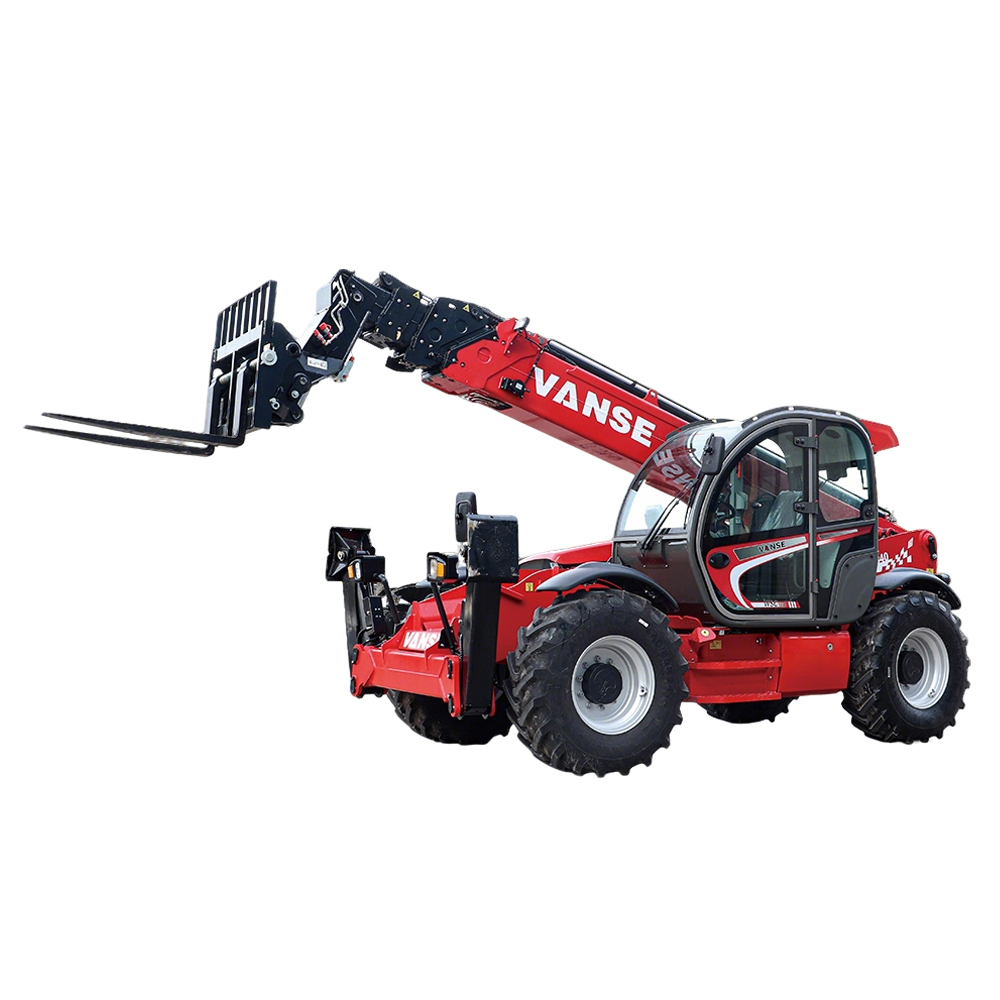
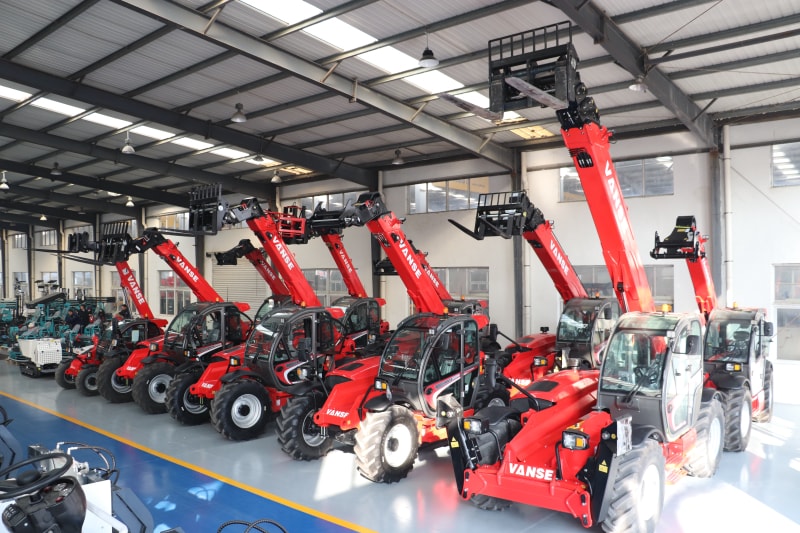
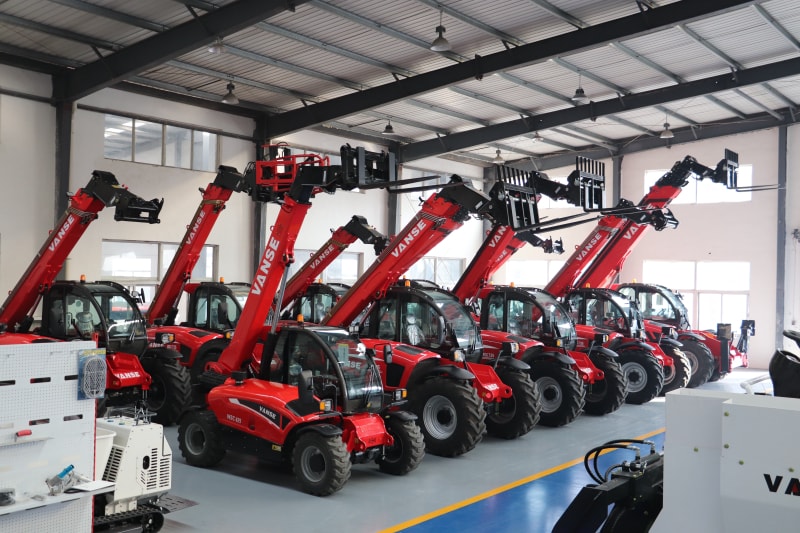
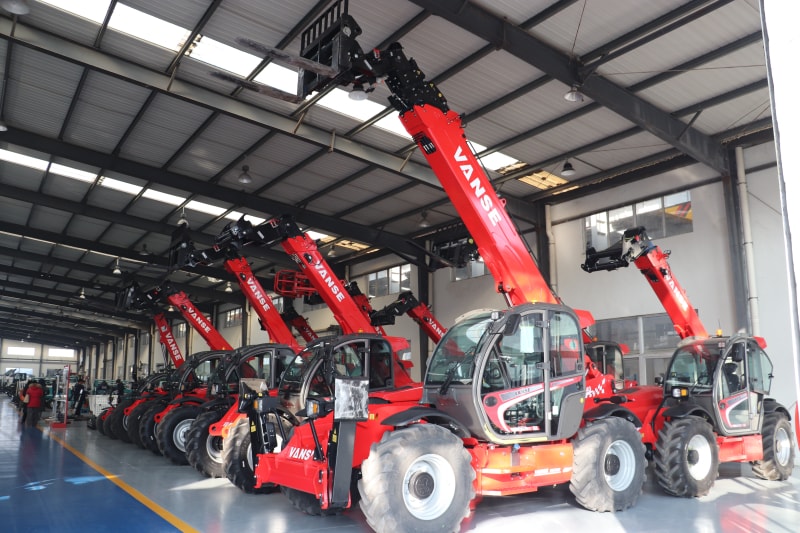
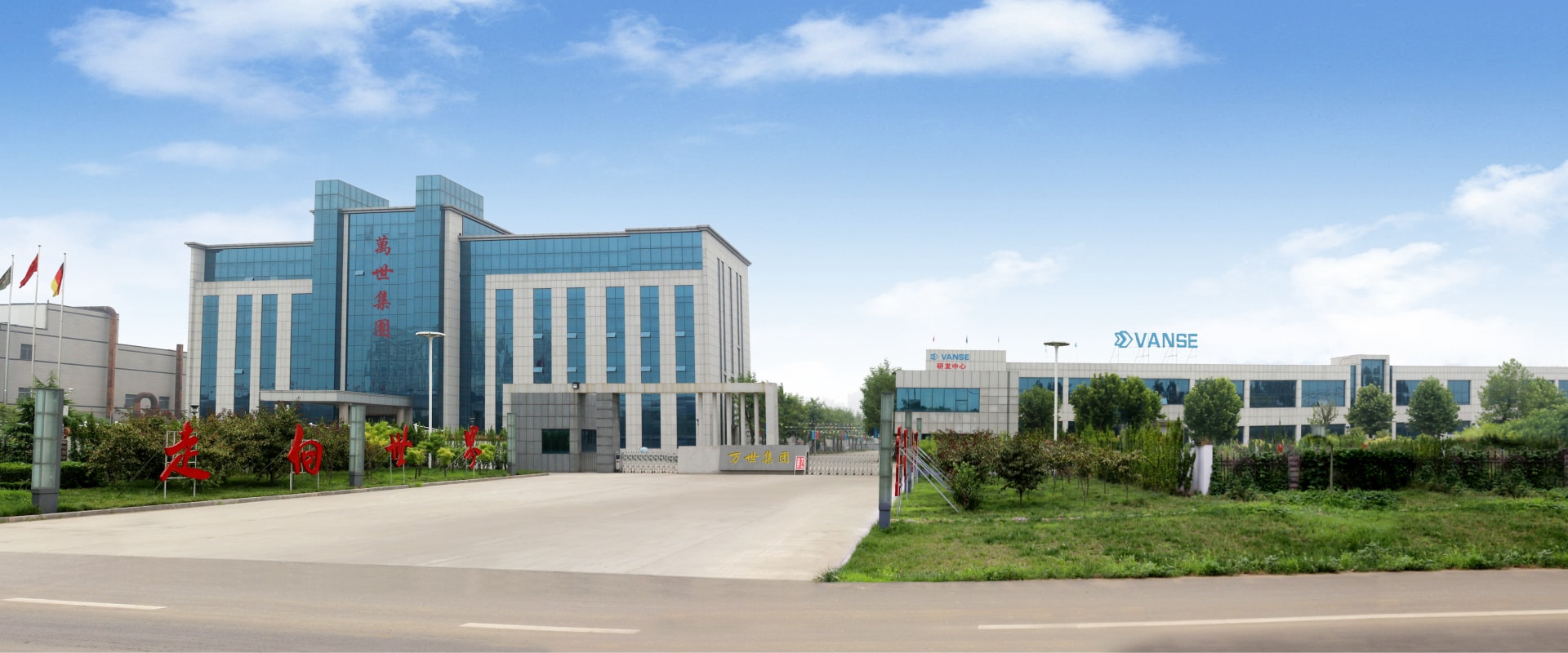
As a telehandler-focused manufacturer, Shandong VANSE Group brings more than a decade of specialized experience to the U.S. market and has already built export relationships across North America and more than 40 countries, with total production exceeding 8,000 units. For U.S. buyers evaluating product strength, VANSE telehandlers are produced under CE and ISO 9001 certified systems, use internationally recognized core components such as Perkins and Cummins engines together with premium hydraulic, transmission, and axle systems, and undergo comprehensive load testing, safety inspection, and performance validation before shipment, which gives procurement teams concrete evidence that the machines are built to meet demanding international benchmarks rather than only entry-level export expectations. From a cooperation standpoint, the company serves end users, distributors, dealers, brand owners, rental businesses, and even smaller-volume buyers through flexible wholesale, retail, OEM, and ODM models, allowing customized specifications, branding, color schemes, and market-specific configurations through its equipment portfolio. For local service assurance, VANSE is actively establishing a U.S.-based subsidiary to support the North American market with local inventory, stronger after-sales capability, and closer client relationships, reinforcing that it is building a physical long-term presence rather than operating as a remote exporter; this complements factory-direct technical support, pre-sale consultation, lifecycle service through its service team, and direct commercial access through U.S.-oriented contact channels and the main company website.
How U.S. Buyers Can Evaluate an International Supplier
For many American buyers, buying from a manufacturer outside the United States becomes realistic when four conditions are met: the machine specification is competitive, the component brands are recognizable, certifications and testing are documented, and local support is credible. If one of those elements is missing, the risk rises quickly. A low purchase price does not offset weak parts support, poor documentation, or unclear warranty execution.
Buyers should ask for a full specification sheet, load chart, hydraulic system details, engine model, transmission source, axle source, QC process description, warranty scope, and parts stocking plan for the United States. They should also review whether the supplier supports branding customization, market-exclusive models, training materials, and distributor protections. These details matter most for dealer groups and fleet buyers that intend to expand over time rather than buy a single machine.
| Evaluation Area | What Strong Suppliers Provide | Why U.S. Buyers Should Care | Warning Sign | Ideal Buyer | Decision Impact |
|---|---|---|---|---|---|
| Certifications | Documented CE, ISO, and factory QC systems | Shows structured production and process control | Vague claims without certificates | Distributors, enterprise fleets | Reduces sourcing risk |
| Core components | Recognized engines and major drivetrain brands | Improves serviceability and confidence | Unclear or constantly changing component sourcing | All buyers | Supports uptime planning |
| Testing process | Load test, safety inspection, performance validation | Confirms machine readiness before shipment | No documented pre-shipment checks | Fleet managers | Reduces delivery surprises |
| Local commitment | U.S. subsidiary, warehouse, or regional stocking plan | Improves response time and trust | Only remote email-based support | Contractors and dealers | Strong effect on lifetime value |
| Commercial flexibility | OEM, ODM, dealership and private-label options | Helps market-specific growth strategies | Rigid one-size-fits-all selling model | Distributors, brand owners | Improves margin potential |
| After-sales structure | Training, spare parts, warranty path, technical assistance | Protects uptime and operator productivity | Unclear escalation route after delivery | All U.S. buyers | Critical for final supplier approval |
This table is practical because it gives buyers a due-diligence framework. In the United States, a qualified international telehandler supplier becomes viable only when product evidence and local operating assurance are both strong.
Real-World Use Cases and Case Studies
A masonry contractor in Texas typically values a telehandler that can unload block early in the morning, reposition pallets around muddy ground conditions after rain, and place materials reliably at slab and scaffold height. In this case, a standard construction telehandler with robust cooling, simple maintenance access, and a strong local support network usually outperforms a more specialized high-reach machine that adds cost without matching daily needs.
A dairy operation in Wisconsin faces a different usage pattern. The machine may cycle several times per day between bale handling, feed support, and yard cleanup. Here, visibility, cab comfort, joystick responsiveness, and easy attachment changeover matter more than extreme lift height. An ag-focused telehandler or attachment-friendly standard model often gives the best return.
At a port-adjacent industrial yard near Savannah or Houston, operators may need to move palletized supplies, structural components, and maintenance materials in a mixed environment that combines rough outdoor surfaces with strict uptime requirements. In such settings, telehandlers that offer dependable powertrain components, easy technician access, and fast parts replenishment become more valuable than machines that win only on acquisition cost.
Rental companies across the United States often choose models that are familiar to operators, straightforward to maintain, and broad in application. Their decision is shaped less by one specific job and more by utilization across dozens of customer types. This is where standard boom telehandlers from leading established brands dominate, but it is also where alternative sourcing can make sense when fleet expansion costs rise and buyers need dependable machines at a more competitive entry price.
Trend Shift in U.S. Buyer Priorities
The area chart shows a clear pattern in the United States: buyers increasingly want lower acquisition cost, but they are not willing to sacrifice local support. This is exactly why overseas suppliers with credible U.S. infrastructure are gaining attention in fleet procurement discussions.
Regional Buying Patterns in the United States
Telehandler selection changes by region. In Texas and the Gulf Coast, heat management, tire selection, and machine stability on mixed jobsite surfaces often rank high. In the Northeast, jobsite density and transport restrictions can make compact or mid-size telehandlers more attractive. In the Midwest, agricultural crossover and all-season performance are major factors. In the Southeast, corrosion exposure and mud traction matter more than many first-time buyers expect. Along the West Coast, buyers often emphasize fleet standardization, emission planning, and uptime in dense commercial and logistics projects.
Trade and logistics geography also shapes purchasing. Companies operating near major ports such as Los Angeles, Long Beach, Houston, Savannah, Charleston, and New York-New Jersey can benefit from more efficient inbound equipment logistics and parts distribution. Inland hubs such as Chicago, Dallas-Fort Worth, Kansas City, Memphis, and Columbus are equally important because they connect construction growth with warehousing, trucking, and regional distribution networks.
How to Choose Between Renting and Buying
Buying makes sense when the telehandler will be used regularly across multiple months, especially if attachment changes increase the machine’s value within the fleet. Renting is often the better option for short-term peak demand, specialized high-reach work, or trial use before standardizing a model. Many U.S. contractors start by renting and then purchase once they understand what lift height, attachment mix, and service expectations fit their workflow.
Fleet buyers should compare monthly rental cost against financed ownership cost, expected annual utilization, operator training continuity, attachment ownership, and local service rates. Ownership becomes especially attractive when a machine is used for repeat pallet handling, site logistics, agricultural loading, or maintenance support tasks that occur throughout the year.
What to Expect in 2026
By 2026, the U.S. telehandler market is likely to be shaped by three parallel trends: technology integration, policy pressure, and sustainability-driven fleet strategy. On the technology side, buyers will expect stronger telematics, predictive maintenance alerts, camera systems, operator access control, digital service diagnostics, and easier data integration into mixed fleet platforms. These features are becoming more important because large contractors and rental groups want measurable uptime and usage data rather than relying only on manual fleet checks.
On the policy side, safety documentation, operator training expectations, and emissions compliance will continue influencing model choice. Even where regulations do not immediately ban conventional powertrains, many enterprise buyers are using internal sustainability policies to guide procurement. This means telehandler manufacturers will increasingly need to show fuel efficiency, reduced idle losses, and lifecycle support that helps fleets operate more responsibly.
Sustainability trends will not eliminate diesel telehandlers in the near term, especially in heavy outdoor U.S. applications, but they will increase interest in cleaner engines, better hydraulic efficiency, lower noise, and eventually more electrified solutions in lighter-duty or indoor-adjacent material handling roles. Buyers who plan fleets for 2026 and beyond should ask manufacturers about telematics readiness, emissions pathway, parts support for evolving engine systems, and long-term service strategy in North America.
Frequently Asked Questions
What is the best telehandler for material handling in the United States?
The best machine depends on your real lift requirement, reach point, attachment plan, and local support access. JLG, Genie, JCB, Bobcat, SkyTrak, and Manitou are common choices, while qualified international suppliers can be strong alternatives when they offer certified production, trusted components, and credible U.S. service support.
Is a telehandler better than a forklift for outdoor material handling?
For rough terrain and placement at height, yes. A telehandler is generally better because it offers forward reach, stronger ground capability, and greater attachment flexibility. A forklift is still efficient for smooth-surface, repetitive, low-height pallet handling.
What lift capacity should I choose?
Choose based on your heaviest real load at the maximum reach you actually use, not just the machine’s top advertised number. Review the load chart carefully and ask suppliers to confirm performance in your specific use case.
Are Chinese telehandlers a viable option in the U.S. market?
They can be, provided the supplier has documented certifications, uses recognized engines and core components, performs structured testing, and shows real U.S. market commitment through parts, support, and local operations. Without those elements, the risk is much higher.
Which industries use telehandlers the most in the United States?
Construction is the largest segment, followed by agriculture, manufacturing, industrial maintenance, recycling, warehousing support, and some port-related operations.
Should I prioritize price or dealer support?
Dealer support usually has the greater long-term impact because downtime is expensive. However, the best value often comes from balancing competitive pricing with credible parts and after-sales capability.
What attachments are most useful for material handling?
Forks are the standard starting point, but buckets, jibs, truss booms, clamps, and work platforms can significantly increase utilization if they match your daily tasks and are approved for the machine.
How important is local inventory in the United States?
It is very important. Local parts and machine inventory reduce downtime, improve delivery speed, and give buyers confidence that support will continue after the sale.
Final Buying Perspective
For U.S. buyers searching for the right telehandler for material handling, the smartest path is to match machine type to actual workload, then filter suppliers by service strength, component credibility, and total cost of ownership. Established North American brands remain strong choices because of their dealer networks and familiar operating profiles. At the same time, international manufacturers with real certifications, proven production scale, globally recognized components, and growing U.S. service infrastructure are increasingly relevant for buyers who want better cost-performance without stepping into unsupported risk.
That makes the best decision a practical one rather than a brand-only decision. If you operate in construction, agriculture, manufacturing, logistics, or industrial support anywhere from Los Angeles to Houston, from Chicago to Savannah, the winning machine is the one that reaches your loads safely, keeps operators productive, accepts the right attachments, and stays serviceable through a dependable support channel over the long term.
Complete Telescopic Handler Equipment Portfolio
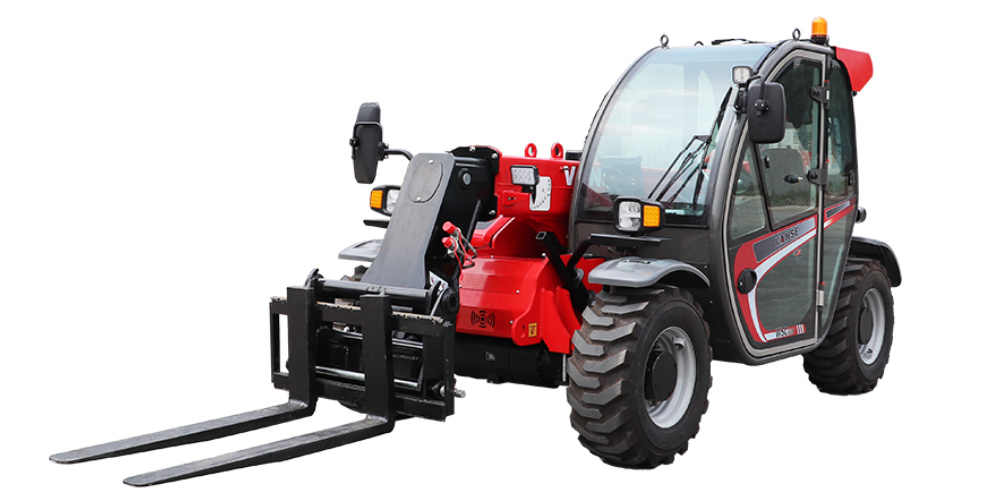
VANSE 625 6m Telescopic Handler
Designed for efficient material handling and stacking in warehouses, factories, and confined job sites, offering compact maneuverability and reliable performance.

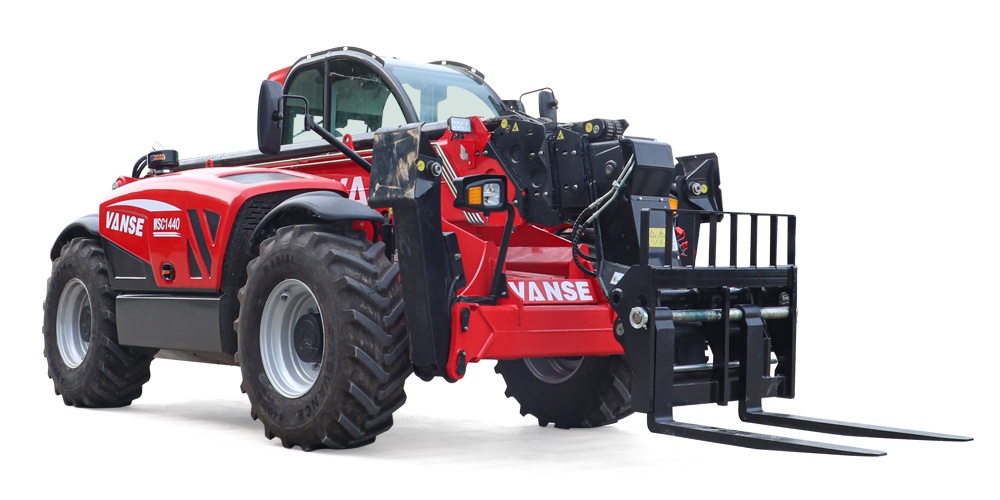
VANSE 735 7m Telescopic Handler
A balanced mid-duty solution for construction, agriculture, logistics, and warehousing, combining stable lifting, strong traction, and everyday versatility.


About the Author:
The VANSE team is a group of experienced professionals specializing in construction machinery research, manufacturing, and technical support. With deep industry knowledge and hands-on experience, our engineers and product specialists share practical insights on equipment selection, operation, maintenance, and industry trends.
Share
You May Also Interest
-

27 May, 2026
Telehandler vs Mini Crane: Comparison
Compare telehandler vs mini crane in the United States with costs, jobsite fit, supplier options, and 2026 buying trends for safer lifting decisions.
-

26 May, 2026
Electric Telehandler vs Diesel Telehandler
Compare electric telehandler vs diesel telehandler in the United States with costs, suppliers, use cases, and buying tips for construction and agriculture.
-
25 May, 2026
Telehandler for Bridge Construction Guide
Find the right telehandler for bridge construction in the United States with supplier insights, machine types, buying tips, and local support options.
-
22 May, 2026
Telehandler for Demolition: Full Guide
Find the best telehandler for demolition in the United States with supplier comparisons, buying tips, safety advice, and practical jobsite guidance.