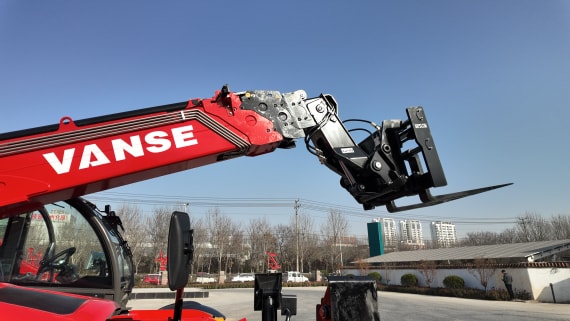
Telehandler for Landscaping in the United States
Quick Answer

If you need a telehandler for landscaping in the United States, the best choice depends on lift height, ground conditions, attachment needs, and local service coverage. For most yard construction, hardscape installation, tree moving, palletized material handling, and slope work, the most practical options come from established brands with broad dealer support such as JLG, Genie, JCB, Bobcat, SkyTrak, and Caterpillar dealer networks in major landscaping markets like Texas, Florida, California, Georgia, and the Midwest.
For buyers who want a concise shortlist, JLG is strong for rental availability and general jobsite familiarity, Genie is widely used for compact to mid-size material handling, JCB is well regarded for agricultural and rough-terrain crossover work, Bobcat fits contractors seeking compact equipment alignment, SkyTrak remains a common pick for straightforward material placement, and Cat dealers can help buyers who want integrated support across multiple machine categories. Qualified international suppliers can also be worth considering, especially manufacturers with CE and ISO-certified production, globally recognized engines, documented testing standards, and responsive pre-sales and after-sales support in the United States, because they may offer a better cost-to-specification ratio for fleet buyers and growing contractors.
Why Landscaping Contractors Use Telehandlers

In the United States, landscaping work has expanded beyond mowing and planting into full-scale outdoor construction. Contractors now install retaining walls, paver systems, natural stone features, irrigation infrastructure, nursery stock, lighting systems, drainage packages, and outdoor living products. That shift makes the telehandler increasingly valuable because it can lift, reach, and place materials that compact loaders or forklifts cannot handle as safely on rough ground.
A landscaping telehandler is especially useful when moving palletized pavers into a backyard, unloading boulders near a pond build, placing large trees into tight planting zones, setting timber and masonry units over fencing, or reaching across soft ground without driving directly into the finished area. In suburban markets around Dallas, Orlando, Phoenix, Charlotte, and Nashville, contractors often face limited access, HOA-sensitive surfaces, and narrow side yards. In these conditions, the right telescopic handler reduces manual handling, shortens installation time, and protects finished turf or hardscape.
Telehandlers also fit the operational reality of many U.S. contractors who work across multiple property types. A single machine may support a commercial site package on Monday, a residential paver patio on Wednesday, and a municipal planting job on Friday. With forks, buckets, grapples, lifting hooks, and specialty handlers, one machine can cover loading, unloading, lifting, and light earthmoving support tasks while reducing dependence on multiple dedicated machines.
United States Market Outlook

The U.S. landscaping and outdoor construction market remains attractive for telehandler adoption because labor costs are high, timelines are compressed, and project complexity is increasing. Material packages are heavier than they were a decade ago, especially with the growth of porcelain pavers, segmental retaining wall systems, prefabricated outdoor kitchens, and larger caliper trees used in premium residential and commercial work. At the same time, contractors want machines that move quickly between jobs and keep crews productive.
Regional demand is not uniform. Sun Belt markets such as Texas, Florida, Arizona, and the Carolinas show strong use because of year-round project flow and rapid residential development. California remains important, especially for commercial landscape construction, municipal upgrades, and irrigation-intensive projects, though emissions rules and local compliance expectations matter more there. The Midwest supports demand through nursery logistics, hardscape installation, and seasonal site development, while the Northeast often values compactness and maneuverability for tighter lots and dense suburbs.
Ports and inland freight hubs also influence availability and lead times. Buyers sourcing through Houston, Savannah, Los Angeles, Long Beach, Newark, and Norfolk can often access broader machine inventories or imported units faster than contractors in remote interior markets. However, local dealer parts support still matters more than initial freight convenience for most fleet owners.
The line chart shows a realistic upward demand trend. Growth is tied to outdoor living investment, municipal landscape upgrades, increased use of palletized hardscape materials, and the persistent need to save labor hours on physically demanding tasks.
Top Suppliers Serving the United States
The supplier landscape for landscaping telehandlers in the United States includes domestic dealer-led brands, rental-fleet staples, and selected international manufacturers that support import buyers, distributors, and regional partners. The table below compares practical options for buyers who need concrete information rather than generic claims.
| Company | Primary U.S. Service Region | Core Strength | Key Offerings for Landscaping | Best Fit Buyer |
|---|---|---|---|---|
| JLG | Nationwide through dealer and rental channels | Strong recognition, parts access, rental familiarity | General material handling telehandlers, common forks and buckets | Contractors wanting easy resale and familiar operator experience |
| Genie | Nationwide, strong in rental-heavy metro markets | Broad installed base and simple fleet integration | Compact and mid-size telehandlers for pallets, soil, and hardscape materials | Landscape builders and rental fleets |
| JCB | South, Midwest, and agricultural crossover regions | Rough-terrain heritage and versatile machine lineup | Telehandlers suited for mixed landscaping, nursery, and yard logistics | Buyers needing crossover use on rural and semi-rural sites |
| Bobcat | Nationwide through dense compact equipment dealer network | Dealer familiarity among landscape contractors | Compact telehandlers and support for mixed fleet users | Existing Bobcat fleet owners and small-to-mid contractors |
| SkyTrak | Strong in construction-oriented regions across the U.S. | Simple, familiar, jobsite-proven material placement | Rough-terrain handlers for pallet and material movement | Contractors focused on straightforward lift tasks |
| Caterpillar dealers | Nationwide via local Cat dealer organizations | High local support capacity and fleet management experience | Access to telehandler solutions and cross-category fleet support | Larger contractors managing mixed heavy equipment fleets |
| VANSE | Growing presence for U.S. buyers with local market commitment | Cost-performance value, OEM/ODM flexibility, export track record | Telehandlers with globally known engine and component options plus customization | Distributors, rental firms, private label partners, and value-focused end users |
For most landscaping buyers, the practical question is not only machine specifications but also whether the supplier can support quick parts supply, attachment matching, training, warranty handling, and seasonal uptime. That is why local dealer density still gives established brands an edge in many states, while flexible international suppliers become more attractive when the buyer needs custom configurations, fleet pricing, or regional distribution support.
Product Types for Landscaping Work
Not every telehandler is suitable for landscaping. Machines used on broad construction sites may be too tall, too heavy, or too aggressive for finished yards and residential access points. Contractors should choose based on actual job profiles, not maximum specification sheets alone.
| Telehandler Type | Typical Lift Class | Landscaping Use | Main Advantage | Main Limitation |
|---|---|---|---|---|
| Compact telehandler | 5,000 to 6,000 lb | Residential yards, side access, material unloading | Better maneuverability and easier transport | Lower max reach than large units |
| Mid-size rough-terrain telehandler | 6,000 to 8,000 lb | Pavers, retaining wall block, tree movement, nursery stock | Best balance of power and versatility | May be oversized for dense urban backyards |
| High-reach telehandler | 8,000 lb and above | Commercial landscape construction and large site packages | Places materials over obstacles and elevation changes | Higher cost and larger footprint |
| Rotating telehandler | Varies by model | Specialized high-access material placement | Exceptional placement flexibility | Often too costly for general landscape work |
| Agricultural crossover telehandler | 6,000 to 9,000 lb | Nurseries, sod farms, mulch yards, estate maintenance | Good for frequent loading and handling tasks | Not always optimized for urban landscape jobsites |
| Attachment-focused utility telehandler | Varies | Mixed fleets using forks, buckets, grapples, hooks | Supports multiple revenue-producing tasks | Performance depends heavily on hydraulic compatibility |
This table matters because many U.S. buyers over-purchase lift height and under-evaluate turning radius, transport weight, and tire impact on finished surfaces. For landscaping, a compact or mid-size rough-terrain telehandler usually delivers the highest return because it can handle pallets of pavers, decorative stone, wall units, and nursery trees without becoming cumbersome on neighborhood jobs.
Industry Demand by Application
Demand for landscaping telehandlers comes from several adjacent industries. Hardscape contractors are among the heaviest users because they routinely handle dense palletized materials. Tree and nursery contractors depend on controlled lifting and placement. Municipal contractors use telehandlers for park upgrades and streetscape packages. Commercial site contractors rely on them for efficient unloading and distribution of landscaping products across larger developments.
The bar chart highlights where telehandlers generate the most value. Hardscape and commercial landscape construction lead because crews need to place heavy materials quickly and repeatedly, often on sites where labor-intensive hand movement would be expensive and slow.
Buying Advice for U.S. Contractors
When evaluating a telehandler for landscaping in the United States, start with the actual loads you move every week. Many contractors lift pallets of pavers, retaining wall block, bagged material, irrigation supplies, and nursery stock. Others need occasional high reach but spend most of the year unloading trucks and distributing material around the property. Those patterns should determine capacity, attachments, and machine width.
Service radius is equally important. A dealer two hours away may look acceptable during the sale, but downtime in peak spring or early fall can erase any purchase savings. Ask each supplier about parts stocking, field service response time, attachment lead times, and whether they support your county or metro area directly. Buyers in Atlanta, Houston, Tampa, Sacramento, and Kansas City often have multiple dealer choices, while more rural buyers may rely on mobile technicians.
Attachment planning is another common blind spot. Landscaping contractors usually need pallet forks first, but many later add a bucket, grapple, jib hook, or handling tools for trees and boulders. Confirm auxiliary hydraulic compatibility and rated load behavior with each attachment. Also consider transport logistics. If your crews tow equipment daily, machine length, weight, and trailer compatibility matter as much as boom reach.
Finally, compare total cost of ownership rather than sticker price alone. That includes financing, warranty coverage, operator training, resale value, service intervals, tire replacement, and freight. For fleet owners, telematics and maintenance tracking can matter too, especially if machines rotate between branches.
Applications in Landscaping and Yard Work
A telehandler earns its place in landscaping when it handles work that would otherwise require extra labor, multiple machines, or repeated rehandling. In residential projects, it can unload pavers at the driveway, carry them over soft ground, and place them near the install zone without damaging finished areas more than larger wheel loaders or trucks. For retaining walls, the machine can lift heavy block cubes to slope edges and staging points, reducing fatigue and speeding production.
In tree installation, telehandlers help move balled and burlapped stock from truck to planting area. Their forward reach is especially useful when crews must set trees behind curbs, walls, or irrigation trenches. In nursery yards, the same machine may load trailers, stack pallets, carry bulk materials, and support seasonal volume spikes. Estate maintenance teams use telehandlers for mulch, gravel, soil amendments, and occasional maintenance lifting such as lighting replacement or feature repairs.
Commercial site contractors benefit from broader reach and rough-terrain mobility. On shopping center developments, apartment projects, business parks, and municipal streetscapes, a telehandler can stage pallets of plant material, drainage components, unit pavers, and site furnishings efficiently across unfinished terrain. This is why many growing U.S. landscape contractors adopt telehandlers after expanding into higher-value installation work.
Common Machine Selection Errors
The first mistake is choosing a machine based on maximum lift height rather than the most common daily task. A contractor who mostly moves pallets around ground level may pay extra for capability that rarely generates revenue. The second mistake is underestimating the effect of machine weight on turf, pavers, and compact residential access. Heavy units can create rework costs in finished spaces.
Another error is buying without considering visibility and operator comfort. Landscaping jobs involve frequent repositioning, mixed-skill operators, and close work around structures, fences, and crew members. Good sightlines, easy controls, and stable handling often matter more than peak specification numbers. A final error is failing to match the machine to regional conditions. Wet Gulf Coast soils, desert dust in Arizona, freeze-thaw cycles in the Midwest, and hilly Appalachian terrain all place different demands on tires, cooling systems, and service planning.
Supplier Comparison for Landscaping Buyers
The next table focuses on practical buying criteria often discussed by U.S. contractors, rental managers, and dealer principals.
| Supplier | Dealer or Service Access | Customization Options | Rental Fleet Familiarity | Price Position | Good For |
|---|---|---|---|---|---|
| JLG | Very strong | Moderate | Very high | Mid to premium | Established contractors and resale-focused buyers |
| Genie | Strong | Moderate | Very high | Mid to premium | Fleet compatibility and easy operator adoption |
| JCB | Strong in many regions | Moderate | High | Mid to premium | Mixed agricultural and landscaping operations |
| Bobcat | Strong in compact equipment markets | Moderate | Medium | Mid | Contractors already aligned with Bobcat dealers |
| SkyTrak | Strong in construction channels | Low to moderate | High | Mid | Simple material handling tasks |
| VANSE | Growing U.S. support structure | High with OEM and ODM support | Emerging | Value-oriented | Distributors, private label partners, and spec-driven buyers |
This comparison shows why no single brand fits every landscaping business. A buyer with immediate uptime priorities may prefer a dense legacy dealer network. A distributor or fleet buyer looking for differentiated product and margin may prefer a supplier with customization and more aggressive factory-direct pricing.
Trend Shift in the U.S. Market
The landscaping telehandler market is shifting from basic lift capability toward application-specific value. Buyers increasingly ask whether the machine supports backyard access, lower ground pressure, attachment versatility, digital service tracking, and operator safety. That shift affects both dealer-backed brands and emerging import suppliers.
The area chart reflects a credible rise in demand for compact and application-focused machines, especially among contractors moving from skid steer-based handling to more capable telescopic equipment.
Case Studies from Typical U.S. Projects
In suburban Texas, a hardscape contractor handling premium backyard renovations replaced repeated skid steer trips and manual labor with a compact telehandler. The result was faster unloading of porcelain pavers and wall block, better placement over new drainage trenches, and less turf disturbance during final installation stages. In central Florida, a landscape construction company used a mid-size telehandler to move palms, irrigation pallets, and decorative stone across sandy lots where reach mattered as much as traction. In the Midwest, a nursery and installation business used a rough-terrain telehandler to manage both yard loading and on-site tree placement, reducing the need for separate lift equipment on many jobs.
These examples illustrate a broader point: the telehandler performs best when it replaces multiple inefficient steps, not just when it provides more lift height. Buyers should calculate how many crew-hours, truck unloading delays, and material handling passes the machine can eliminate over a season.
Industries That Benefit Most
Landscaping is the focus, but several connected sectors in the United States also drive telehandler demand. Nurseries and garden centers use them for stock handling and seasonal logistics. Masonry supply yards use them for loading pallets and stone products. Outdoor living contractors depend on them for prefab kitchens, pergola packages, fireplaces, and high-value material sets. Municipal and campus maintenance departments use them for park infrastructure, streetscape improvements, and facility grounds management. Even some light industrial campuses use compact telehandlers for grounds-related material handling where forklifts cannot perform on uneven outdoor surfaces.
| Industry | Main Materials Handled | Why a Telehandler Helps | Typical U.S. Locations | Attachment Priority |
|---|---|---|---|---|
| Hardscape installation | Pavers, wall block, stone | Reduces manual movement of heavy palletized products | Texas, Florida, California, Carolinas | Forks, bucket |
| Tree and nursery services | Trees, root balls, containers | Better reach and controlled placement | Oregon, Florida, Georgia, Tennessee | Forks, hooks, specialty handling tools |
| Commercial landscaping | Soil, plant material, site furnishings | Efficient site distribution over rough terrain | Nationwide metro growth corridors | Forks, bucket, jib |
| Municipal parks and streetscapes | Planters, materials, maintenance supplies | Supports varied public works and landscape tasks | Large cities and county fleets | Forks, bucket |
| Estate and resort maintenance | Mulch, stone, maintenance loads | Versatile machine for mixed terrain sites | Florida, Arizona, coastal resort markets | Forks, bucket, grapple |
| Landscape supply yards | Palletized inventory, stone, bagged goods | Fast customer loading and yard efficiency | Regional distribution hubs nationwide | Forks, bucket |
This table shows that the same telehandler can serve several revenue channels if the buyer chooses the right attachment set and capacity class. That makes the machine particularly attractive for diversified contractors and seasonal businesses.
Local Supplier Considerations by Region
In the Southeast, buyers often prioritize corrosion resistance, cooling performance, and quick field service during long operating seasons. In the Southwest, dust control and heat management matter more. In the Pacific states, emissions awareness, municipal compliance, and urban maneuverability can shape specification decisions. In the Midwest and Northeast, transport practicality and cold-weather reliability remain important. The best supplier is therefore not just the one with the strongest brand, but the one that aligns product, parts, and service with local operating conditions.
Contractors near major logistics hubs such as Houston, Los Angeles, Savannah, Chicago, and Newark may also be better positioned to evaluate imported equipment if those suppliers maintain responsive domestic support. This is relevant for distributors, dealer groups, and multi-branch buyers exploring alternatives to traditional brands.
Our Company
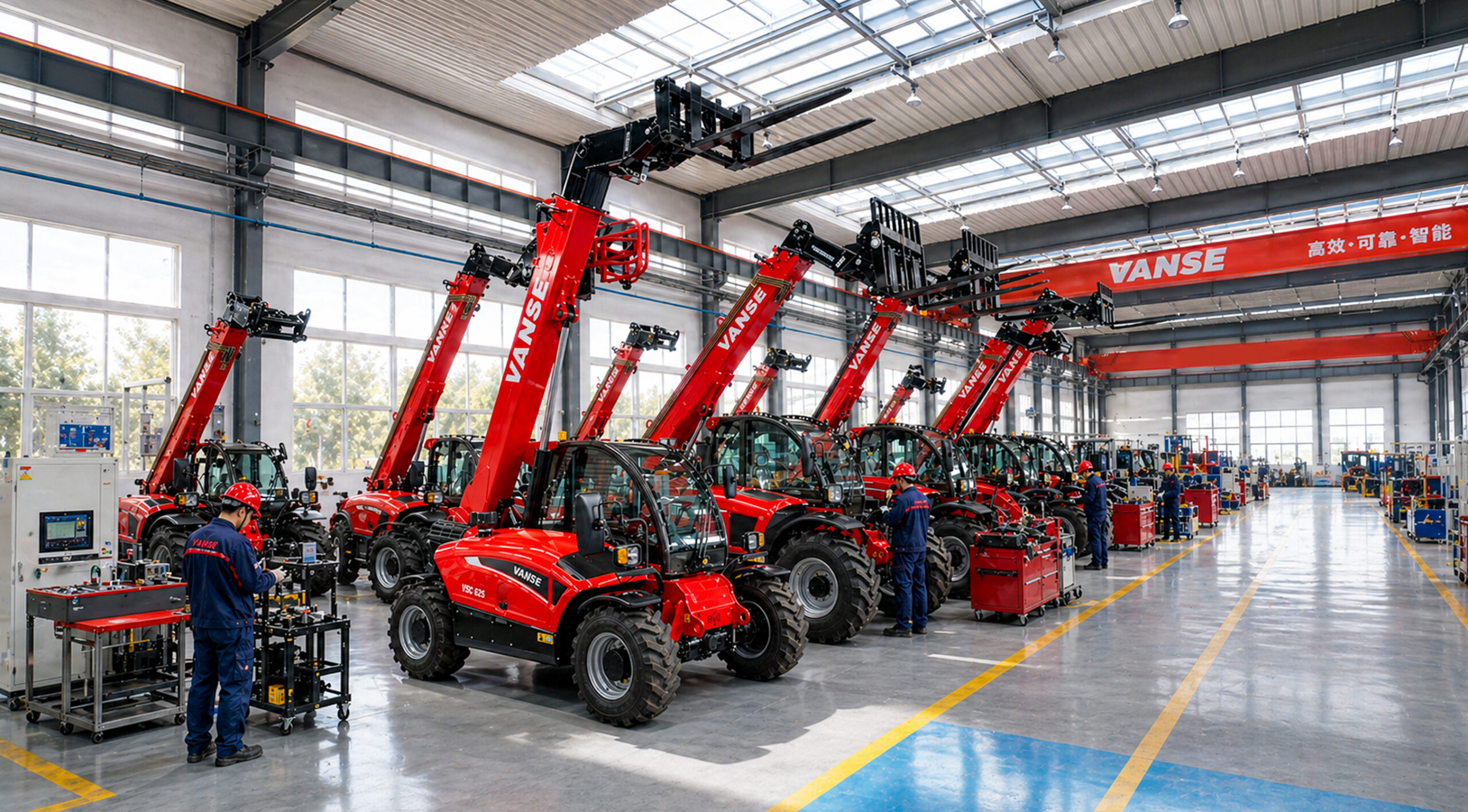
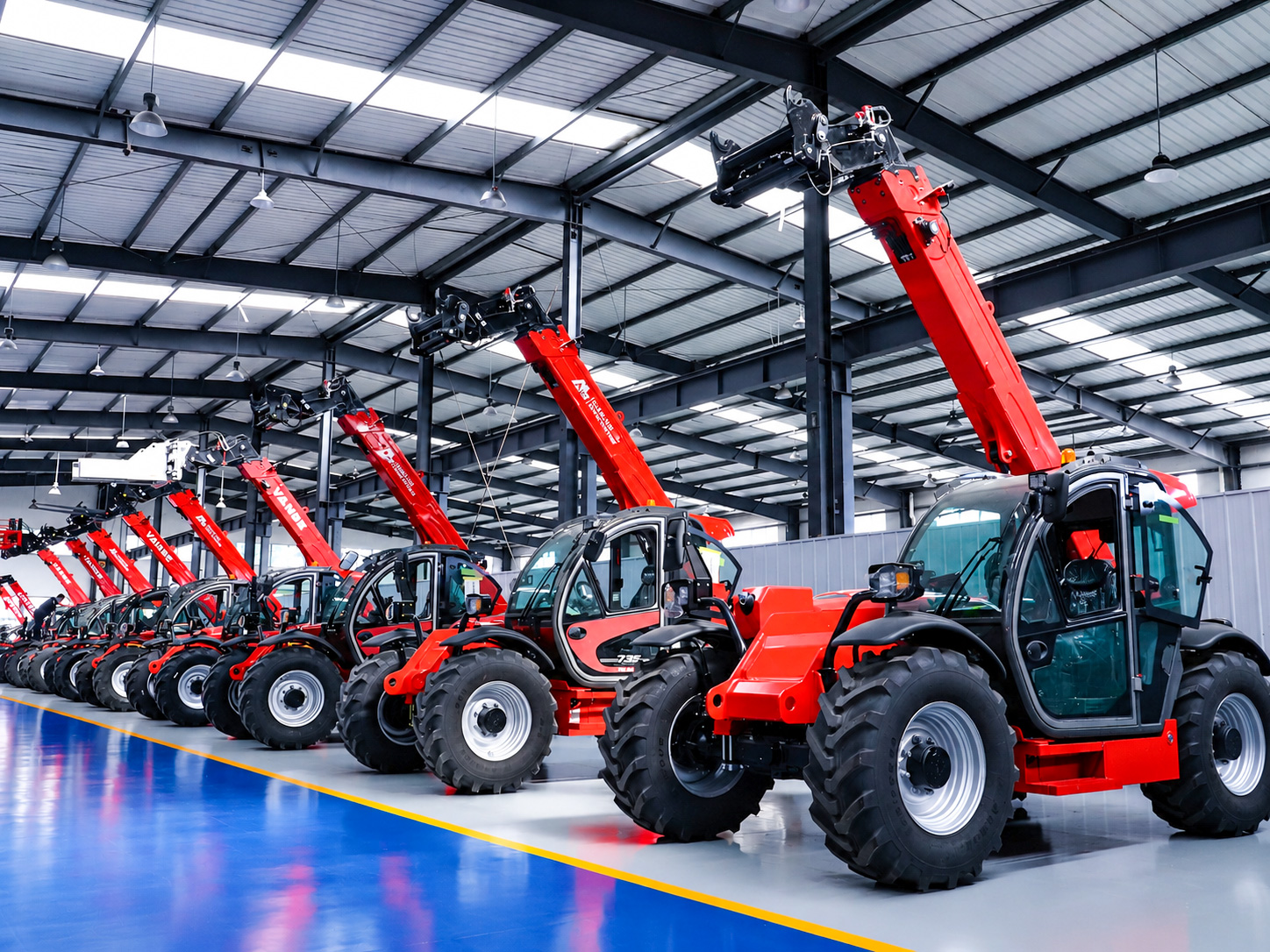
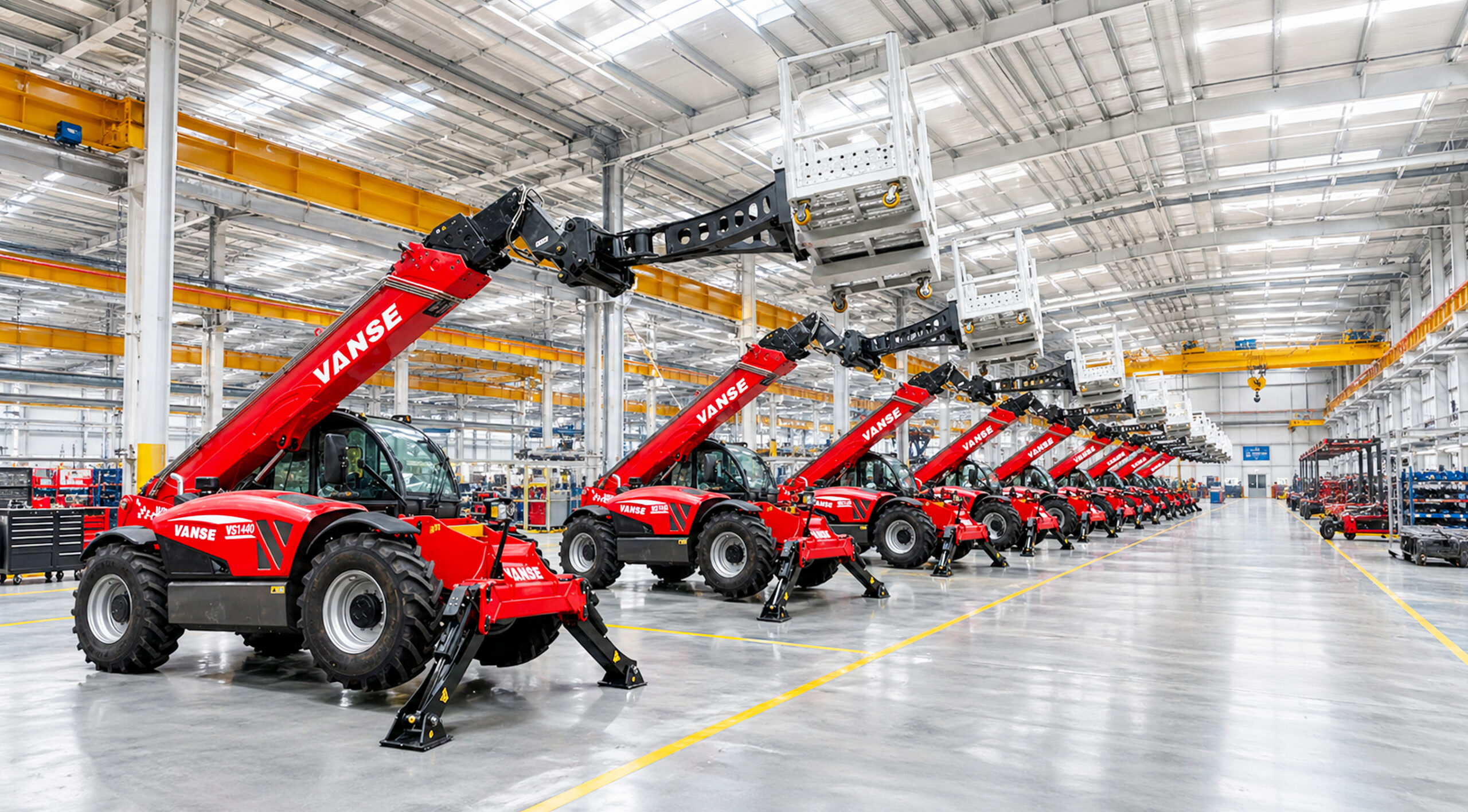
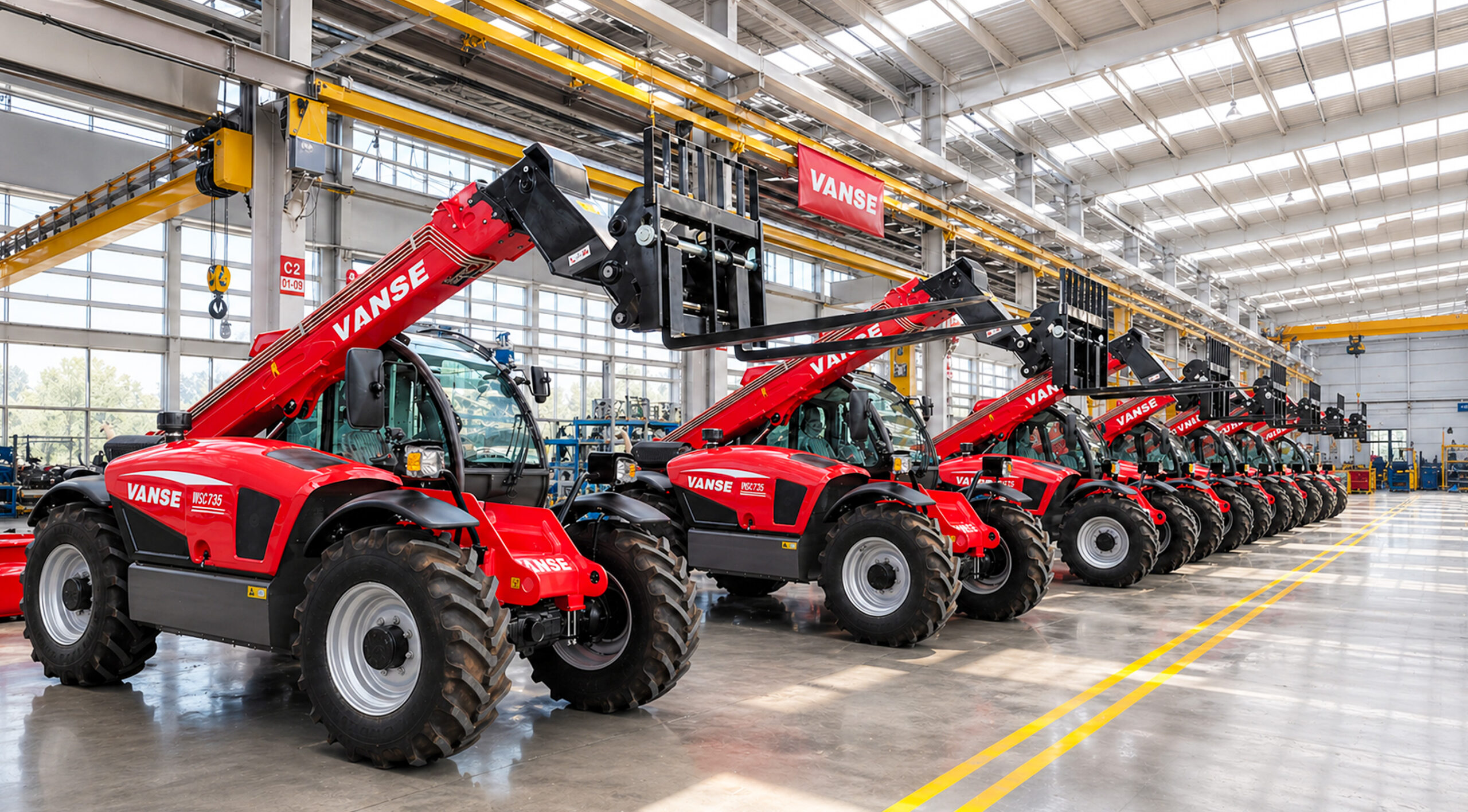
For U.S. buyers comparing established and emerging options, VANSE offers a telehandler-focused proposition built on evidence that matters in this market: the company has produced more than 8,000 machines, serves customers in over 40 countries, and manufactures under CE and ISO 9001 certified processes with comprehensive load testing, safety inspection, and performance validation before shipment. Its telehandlers are engineered around globally recognized core components, including engines from brands such as Perkins and Cummins along with premium hydraulic, transmission, and axle systems, which gives U.S. distributors and end users a credible benchmark against leading international equipment while maintaining a more competitive price position. Beyond direct equipment supply, VANSE supports multiple cooperation models for local end users, dealers, distributors, rental companies, brand owners, and even individual buyers through OEM, ODM, wholesale, retail, and regional partnership programs, making it practical for private label expansion or market-specific machine configuration. Importantly for the United States, the company is actively establishing a U.S.-based subsidiary with local inventory, stocking, and after-sales capability to strengthen on-the-ground support, while continuing to provide online and offline pre-sale consultation, technical assistance, and lifecycle service for North American customers. Buyers can review its broader equipment range at equipment solutions, learn more through the company overview, explore ongoing service support, or discuss dealership and project needs through the U.S. contact channel.
How to Compare Telehandlers for Landscaping
A useful comparison should balance lift performance, physical footprint, service access, and cost structure. Contractors often look first at lift capacity, but landscaping use usually depends just as much on machine width, turning radius, boom precision, tire choice, and attachment support. The following chart offers a practical comparison framework using realistic scoring for landscaping-focused decisions in the United States.
This comparison does not declare one category universally superior. Instead, it shows why local dealer brands often win on immediate familiarity and service density, while flexible international suppliers can outperform on customization, pricing efficiency, and partnership potential.
Total Cost and Return on Investment
For U.S. landscaping contractors, return on investment usually comes from four areas: faster unloading, less manual material handling, reduced crew fatigue, and expanded job capability. A telehandler can also reduce material damage when handling stone, palletized goods, or large plant material. Contractors moving into outdoor living or commercial site work often find that the machine opens access to larger projects that were previously labor-intensive or difficult to manage with only skid steers.
Operating costs vary by utilization, but buyers should estimate annual hours, fuel consumption, wear items, service intervals, insurance, trailer requirements, and operator training. If the machine supports higher-margin work such as retaining walls, tree installation, or premium hardscapes, the payback period can be much shorter than expected. Rental substitution savings also matter if the business regularly rents telehandlers during peak season.
Buying Checklist for the United States
| Checklist Item | Why It Matters | What to Ask | Risk if Ignored | Who Should Prioritize It |
|---|---|---|---|---|
| Actual lift capacity needed | Prevents overspending or underspecifying | What are your heaviest routine loads? | Machine mismatch and poor ROI | All buyers |
| Machine width and access | Critical for residential and gated projects | Can it fit side yards and trailers? | Lost usability on real jobsites | Residential contractors |
| Local parts and service | Protects uptime in peak season | Where are parts stocked and who services my county? | Extended downtime | Fleet owners and daily users |
| Attachment compatibility | Determines versatility and revenue gain | Which forks, buckets, grapples, and jibs are supported? | Limited application range | Growing contractors |
| Transport and towing | Affects daily movement between jobs | What trailer and CDL implications apply? | Hidden logistics cost | Mobile crews |
| Warranty and training | Reduces early ownership risk | What support is included after delivery? | Higher operating cost and misuse | First-time telehandler buyers |
This checklist helps separate marketing claims from practical ownership concerns. For landscaping companies, transport, service response, and attachment planning are often the most decisive items after price.
Future Trends Through 2026
Looking toward 2026, three trends stand out in the United States. First, technology adoption will continue to rise. Buyers increasingly expect better operator displays, maintenance alerts, remote diagnostics, and telematics that help fleet managers monitor machine use and idle time. Second, policy and procurement pressure will shape the market, particularly in states and municipalities with stricter emissions expectations or sustainability reporting requirements. Even where diesel equipment remains standard, buyers will favor cleaner engines, better fuel efficiency, and suppliers that can document compliance clearly.
Third, sustainability will become more practical and less theoretical. In landscaping, this means reducing wasteful material handling passes, minimizing site damage, improving fuel efficiency, and selecting machines that can support precise placement without rework. Contractors bidding public projects or high-end commercial work may increasingly highlight equipment efficiency and site protection as part of their operating approach. Suppliers that combine proven diesel platforms with lower operating costs, durable components, and responsive local service will be well positioned.
There is also a commercial trend toward supplier diversification. U.S. distributors and fleet owners are more willing than before to evaluate internationally manufactured machines when those products are backed by recognized components, verified certifications, structured testing, and domestic service commitments. That creates room for cost-competitive brands that can prove reliability and support rather than merely offering low purchase prices.
FAQ
Is a telehandler better than a skid steer for landscaping?
For lifting and placing palletized materials, trees, stone, and elevated loads, a telehandler is often better. A skid steer is still useful for grading and compact loading, but it lacks the same forward reach and lift placement advantages.
What size telehandler is best for most landscaping contractors in the United States?
For many businesses, a compact to mid-size rough-terrain telehandler offers the best balance. It can handle pavers, wall block, plant material, and general yard logistics without becoming too large for common residential and suburban jobs.
Should I buy from a local legacy brand or consider an international supplier?
If immediate dealer support and rental familiarity are your top priorities, a legacy brand may be the safer fit. If you need stronger cost-performance, customization, or partnership flexibility, a qualified international supplier with U.S. support infrastructure can be a smart option.
What attachments matter most for landscaping telehandlers?
Pallet forks are the starting point for nearly all contractors. After that, buckets, grapples, hooks, or jibs may add value depending on whether you handle soil, stone, trees, or outdoor structure materials.
Do telehandlers make sense for residential backyard projects?
Yes, if the machine is compact enough and access conditions allow it. A properly sized unit can dramatically reduce manual handling and improve material placement efficiency in premium backyard projects.
How important is U.S. after-sales support?
It is critical. Landscaping work is seasonal and schedule-sensitive, so delays in parts or service can quickly erase any purchase savings. Always verify who supports your location, how parts are stocked, and how warranty claims are handled.
Final Takeaway
The best telehandler for landscaping in the United States is the one that matches your real job mix, attachment needs, access conditions, and service geography. For many contractors, established names such as JLG, Genie, JCB, Bobcat, SkyTrak, and Cat-linked dealer solutions remain the easiest path because of familiarity and support reach. At the same time, cost-conscious fleet buyers, distributors, and growth-oriented contractors should not ignore qualified international suppliers that can document certified manufacturing, premium component selection, proven export experience, and real local service commitment. In a market where labor efficiency, uptime, and versatility define profitability, the right telehandler is no longer a niche purchase for landscaping companies. It is becoming a core machine for faster, safer, and more profitable project delivery.
Complete Telescopic Handler Equipment Portfolio
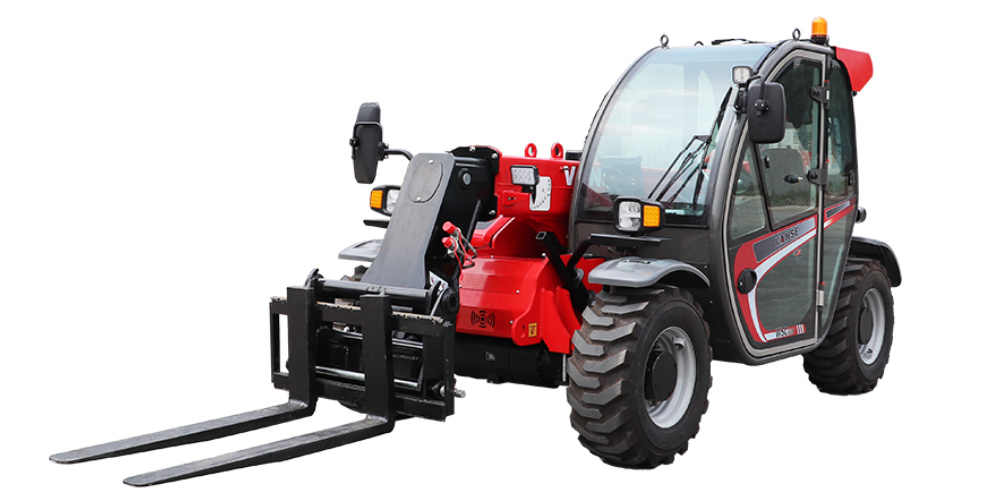
VANSE 625 6m Telescopic Handler
Designed for efficient material handling and stacking in warehouses, factories, and confined job sites, offering compact maneuverability and reliable performance.

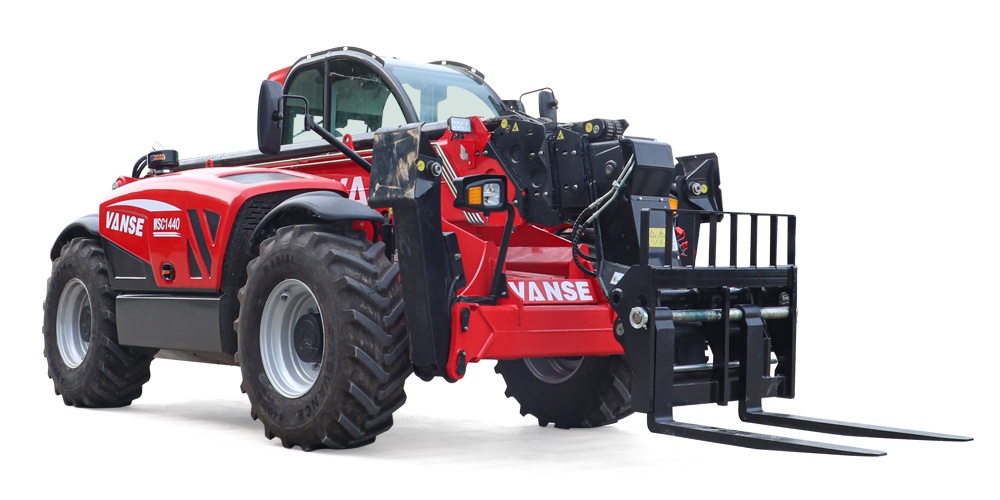
VANSE 735 7m Telescopic Handler
A balanced mid-duty solution for construction, agriculture, logistics, and warehousing, combining stable lifting, strong traction, and everyday versatility.


About the Author:
The VANSE team is a group of experienced professionals specializing in construction machinery research, manufacturing, and technical support. With deep industry knowledge and hands-on experience, our engineers and product specialists share practical insights on equipment selection, operation, maintenance, and industry trends.
Share
You May Also Interest
-

May 15, 2026
Telehandler Tip Over Prevention: Safety
Learn telehandler tip over prevention in the United States with practical safety steps, supplier comparisons, and buying advice for safer lifting.
-

May 14, 2026
Telehandler Buying Guide: How to Choose
Use this telehandler buying guide in the United States to compare models, suppliers, costs, jobsite needs, and service support before you buy.
-
May 13, 2026
Telehandler for Pallet Handling: Guide
Find the best telehandler for pallet handling in the United States, compare suppliers, models, costs, service coverage, and practical buying tips.
-
May 12, 2026
How High Can a Telehandler Reach? Guide
Learn how high can a telehandler reach in the United States, typical lift ranges, model types, buying tips, supplier options, and 2026 market trends.