How to Operate a Telehandler Safely in the United States
Quick Answer

To operate a telehandler safely in the United States, the operator should first complete site-specific training, review the machine’s load chart, inspect forks or attachments, confirm tire and hydraulic condition, test steering and brakes, fasten the seat belt, and keep the boom as low as possible while traveling. Before lifting, the operator must verify ground conditions, know the load weight and center of gravity, use the correct attachment, and never exceed rated capacity at a given lift height and reach. During operation, keep people clear of the work zone, avoid sudden turns, travel slowly on slopes, and use a spotter when visibility is limited. For employers comparing equipment options, local suppliers such as JLG, Genie, SkyTrak, Manitou, Bobcat, and Caterpillar dealers remain important sources across major U.S. markets, while qualified international manufacturers with strong certifications, dependable pre-sale guidance, and after-sales support can also be practical choices when cost-performance matters.
Understanding Telehandler Operation in the U.S. Market

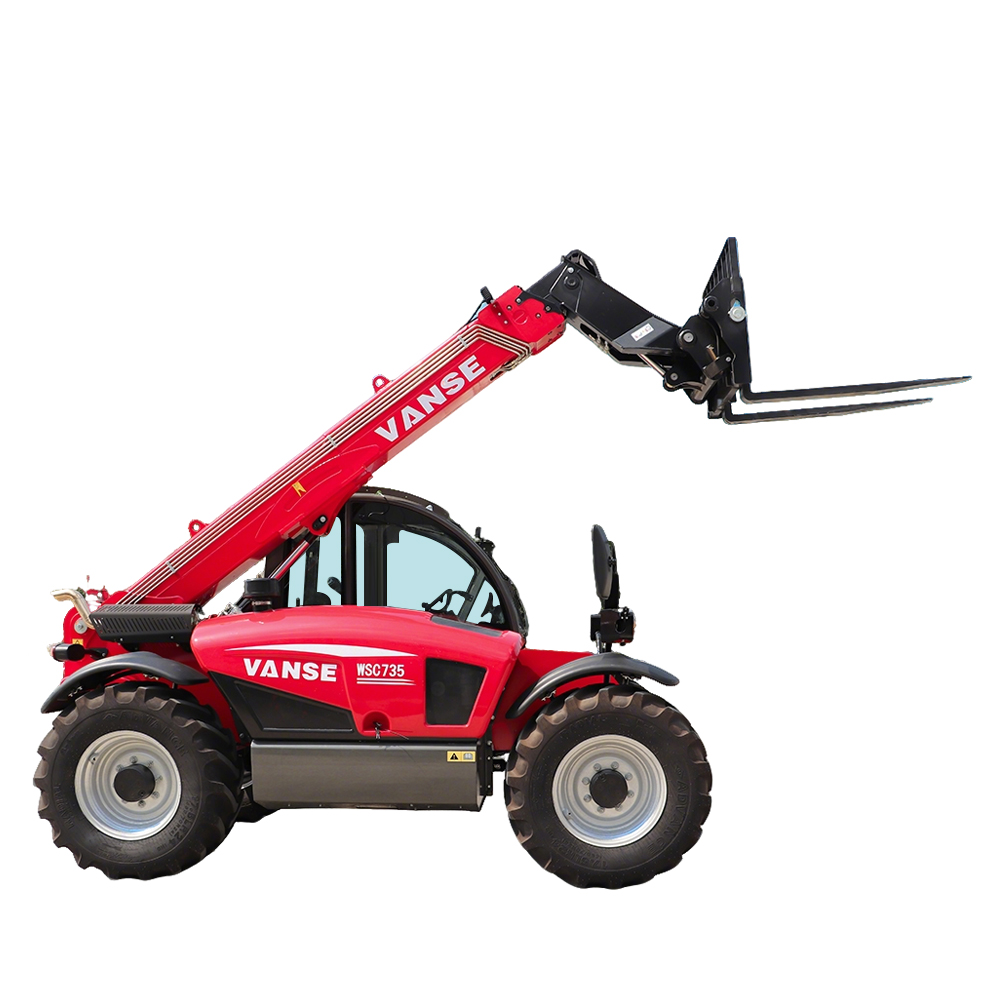
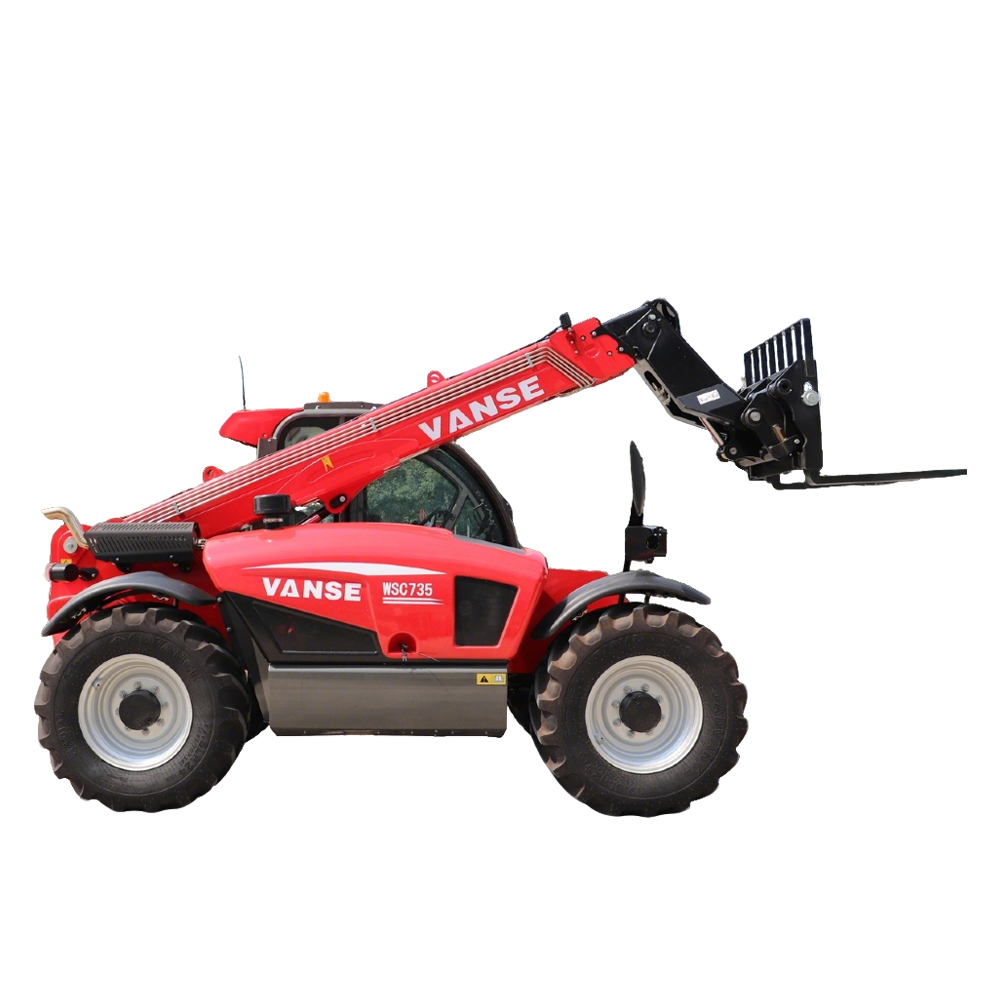
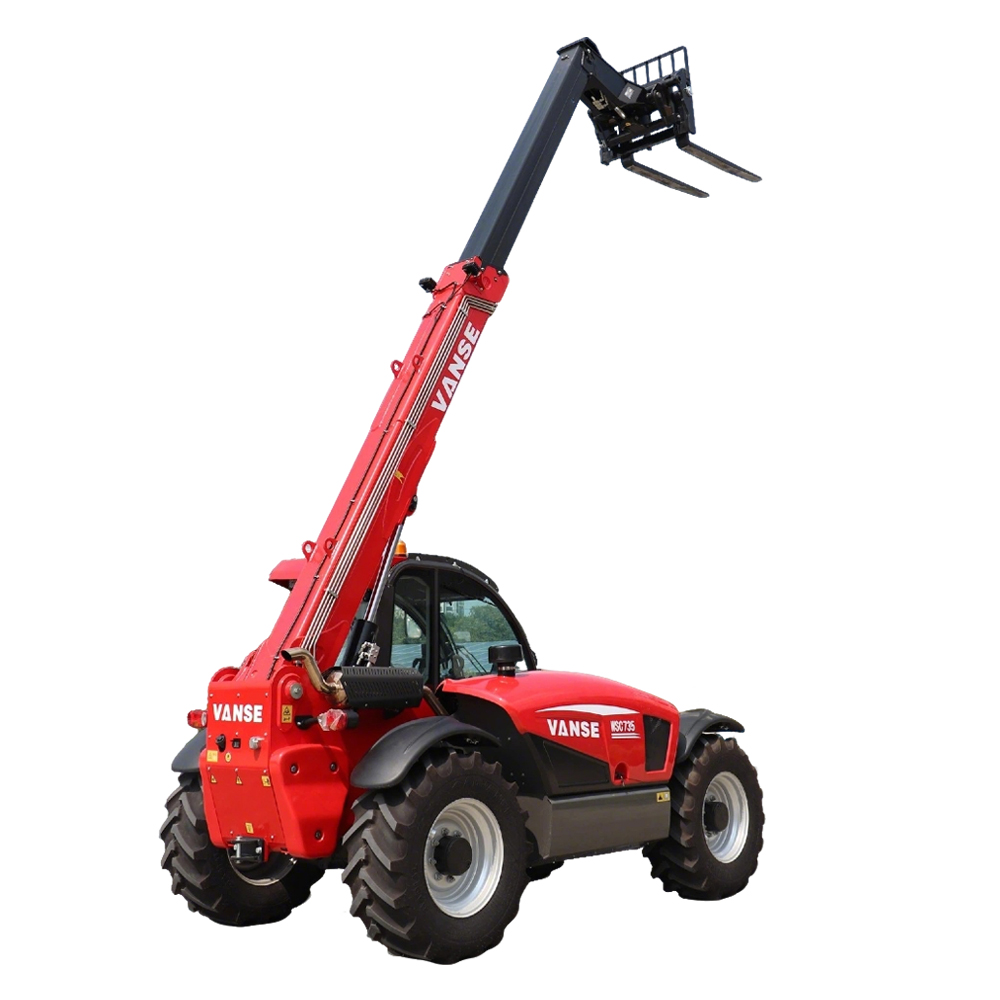
A telehandler, also called a telescopic handler, is a lifting machine designed to move materials vertically and horizontally using a boom that extends forward. On U.S. jobsites, it is widely used in commercial construction, residential framing, agriculture, industrial maintenance, port handling, and energy projects. Unlike a standard forklift, a telehandler can place loads at height and reach across obstacles, making it useful in congested sites from Houston and Dallas to Los Angeles, Chicago, Atlanta, Miami, and inland logistics hubs near Kansas City and Memphis.
Safe operation matters because telehandlers combine lifting, driving, and load positioning risks in one machine. In the United States, buyers and operators commonly evaluate telehandlers through the lens of OSHA training expectations, ANSI stability principles, jobsite visibility, attachment compatibility, and service support. The practical question is not only how to start and drive the machine, but how to operate it in a way that reduces tip-over risk, avoids overload, protects nearby workers, and keeps productivity high.
For companies sourcing equipment, the U.S. market includes domestic dealer networks, rental fleets, and established import channels through ports such as Los Angeles, Long Beach, Savannah, Houston, and New York/New Jersey. That broad market access has made telehandler selection more competitive, especially for contractors and equipment rental companies seeking dependable machines with lower acquisition cost and stronger lifecycle value.
What a Telehandler Operator Must Know Before Starting

Operating a telehandler safely begins before the engine starts. The operator must understand the machine’s rated operating capacity, boom extension limits, attachment effect on capacity, steering mode, braking behavior, and the site-specific hazards around the machine. A telehandler is not a simple lift-and-go machine. Capacity changes as the boom rises or extends, and the machine may become unstable long before the load appears visually unsafe.
In real U.S. jobsite conditions, the operator should review the operator’s manual, the machine data plate, and the load chart mounted in the cab. These documents define what the machine can handle at specific heights and forward reach distances. Soft ground, trenches, uneven gravel, wind exposure, and partially secured loads all affect safe operation. The operator should also know whether local site rules require a signal person, a work zone barrier, or documented daily inspections.
Step-by-Step Guide to Operating a Telehandler
Begin with a walk-around inspection. Look for hydraulic leaks, cracked welds, damaged hoses, loose wheel nuts, worn fork heels, bent carriage parts, and any issue with lights, horn, mirrors, backup alarms, or tires. Confirm fluid levels and inspect the boom wear pads if accessible by service procedure. If the machine uses an attachment such as a bucket, truss boom, or work platform, ensure it is approved for that specific machine and properly locked in place.
Next, enter the cab using three points of contact. Adjust the seat, mirrors, and steering position. Fasten the seat belt, verify the parking brake status, and check warning indicators. Start the engine and let the machine idle briefly if recommended by the manufacturer, especially in cold conditions. Test steering response, service brakes, parking brake, and boom functions in a clear area before approaching any load.
When traveling without a load, keep the boom retracted and low to the ground. Use a low speed, particularly on rough terrain. If the machine has multiple steering modes, select the correct mode for the task and verify wheel alignment before moving. On slopes, follow the manufacturer’s direction for travel orientation. Avoid sudden acceleration, hard braking, and fast turns. Most telehandler incidents on active sites occur during travel, turning, or repositioning rather than during the final lift itself.
Before picking a load, identify the load weight. Do not guess. Check packaging labels, shipping documents, pallet count, material schedules, or supervisor instructions. Estimate the load center and make sure forks are spread properly and fully inserted beneath the load. Tilt the carriage back slightly if the machine design allows, and lift only enough to stabilize the load before traveling.
When raising the load, stop on level ground whenever possible. Extend and elevate the boom smoothly, watching machine attitude and load behavior. Use a spotter if visibility is blocked by the boom or the load. Never allow workers under a suspended load. Place the load gently and retract the boom before traveling away. If the load feels unstable, the rear axle becomes light, or warning systems activate, stop and reassess immediately.
Pre-Operation Inspection Checklist
The checklist below reflects practical inspection points widely used by contractors, rental users, and fleet managers in the United States. The purpose is to catch obvious failures before they become tip-over, brake loss, or hydraulic-control incidents during work.
| Inspection Item | What to Check | Why It Matters | Typical Action if Problem Found |
|---|---|---|---|
| Tires and wheels | Pressure, cuts, chunking, sidewall damage, loose nuts | Directly affects stability and steering control | Remove from service until repaired or replaced |
| Forks and carriage | Cracks, bent tips, heel wear, locking pins, alignment | Damaged forks can fail under load | Tag out and inspect per service standard |
| Hydraulic system | Leaks, hose abrasion, cylinder damage, fluid level | Hydraulic failure can drop or drift a load | Stop use and repair before lifting |
| Brakes and steering | Pedal feel, steering response, parking brake hold | Travel safety depends on full control | Do not operate until fault is corrected |
| Safety devices | Horn, lights, alarms, mirrors, seat belt, indicators | Protects operator and nearby workers | Repair before use on active site |
| Boom and structure | Cracks, deformation, unusual noises, wear pads | Structural integrity is critical at full reach | Hold machine for technician review |
| Load chart and decals | Present, readable, correct for machine and attachment | Operator needs exact capacity information | Replace missing or unreadable labels |
This checklist is important because safe telehandler operation depends on machine condition as much as operator skill. A machine with weak brakes or unreadable load data can create serious risk even in experienced hands.
How Load Charts Affect Safe Operation
A telehandler load chart is the operator’s main decision tool. It shows how much weight the machine can lift at different boom heights and reach distances. As the boom extends outward, the safe lifting capacity drops. As attachment weight increases, available payload often decreases. This is why a telehandler that can lift a very heavy load near the front wheels may handle far less at maximum reach.
For U.S. users, this matters especially on sites where the same machine may unload palletized block in the morning, place trusses in the afternoon, and support material movement around scaffolding later in the day. Operators should never rely on a single rated capacity figure from brochures. The working limit changes with the task. If outriggers or stabilizers are present on a particular model, the chart may contain separate capacities for deployed and undeployed conditions.
Common Telehandler Types in the United States
Telehandlers sold in the United States generally fall into several practical categories: compact models for residential or urban access, standard construction telehandlers for everyday lifting, high-capacity units for heavy materials, high-reach machines for tall structures, and agriculture-focused models optimized for bulk material handling. Understanding the type helps operators choose the correct procedure, visibility setup, and attachment strategy.
| Telehandler Type | Typical Lift Capacity | Typical Max Lift Height | Common U.S. Use |
|---|---|---|---|
| Compact telehandler | 5,000 to 6,000 lb | 15 to 20 ft | Residential construction, tight urban sites |
| Standard construction telehandler | 6,000 to 10,000 lb | 36 to 55 ft | Commercial framing, masonry, roofing |
| High-reach telehandler | 8,000 to 12,000 lb | 56 to 74 ft | Large commercial and infrastructure work |
| High-capacity telehandler | 12,000 to 26,000 lb | 40 to 70 ft | Precast, steel, industrial projects |
| Rotating telehandler | 10,000 to 15,000 lb | 60 to 100+ ft | Specialized urban, industrial, and complex sites |
| Agriculture telehandler | 5,500 to 9,000 lb | 20 to 35 ft | Feed, bale, bulk yard, farm logistics |
This table helps buyers and operators match machine class to the work. Using a larger machine than needed can reduce maneuverability, while using a smaller machine may push operators to unsafe load placements.
U.S. Telehandler Market Growth and 2026 Outlook
The U.S. telehandler market continues to expand as contractors seek versatile lifting equipment that can reduce reliance on multiple machines. Growth remains strongest in Sun Belt construction zones, warehousing expansion corridors, and infrastructure-related projects. Rising use in rental fleets also increases operator exposure, making training and intuitive controls even more important.
The line chart shows a realistic market index trend based on sustained demand from construction, agriculture, distribution, and equipment rental channels. By 2026, technology upgrades such as load management systems, telematics, camera visibility packages, lower-emission engines, and electric or hybrid development paths are expected to shape purchasing decisions more strongly.
Industries Driving Telehandler Demand
Telehandlers are demanded by multiple sectors, but not all industries use them in the same way. Construction values lift height and reach. Agriculture values maneuverability and attachment flexibility. Industrial plants focus on controlled material movement and downtime prevention. Ports and logistics yards need strong support and service access because machine utilization is often intense.
This bar chart highlights how commercial construction remains the largest demand segment in the United States, while agriculture and energy projects continue to support strong regional equipment purchasing, especially in Texas, California’s Central Valley, the Midwest, and Gulf Coast industrial corridors.
Applications on Real Jobsites
On a construction site, telehandlers commonly unload pallets of brick, drywall, lumber, insulation, roofing material, rebar bundles, and mechanical equipment. On industrial sites, they support shutdown work, moving parts, valves, and maintenance materials into elevated areas. In agriculture, they stack bales, load feed, clean yards with buckets, and manage seed or fertilizer totes. In oil and gas support yards, telehandlers are used for pipe accessories, skids, maintenance supplies, and general site logistics.
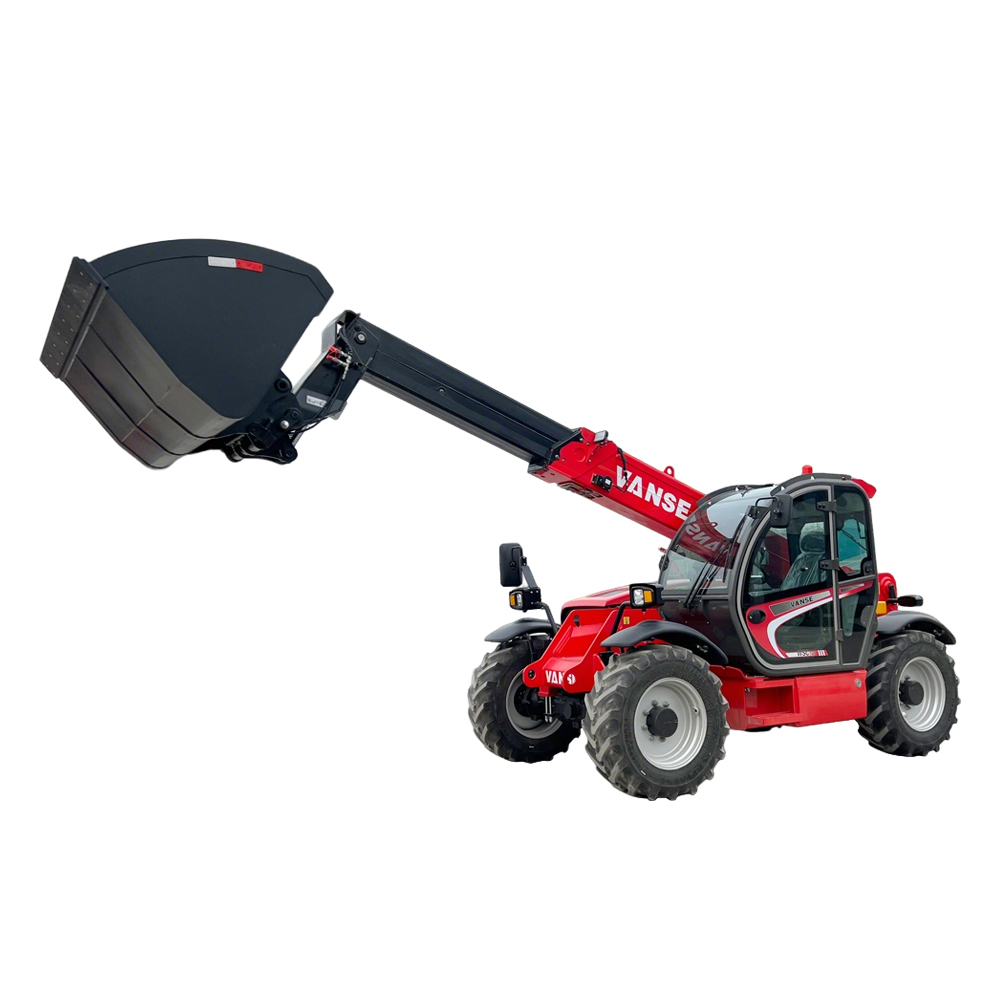
Each use case changes the safe operating method. A pallet of block requires stable fork support and level placement. A truss placement job requires careful boom extension and communication with the receiving crew. Bucket use requires different visibility and spillage control. Operators who switch between attachments must remember that the approved load chart may also change.
Trend Shift in Telehandler Buying Criteria
U.S. buyers no longer select telehandlers only by lift height and capacity. The market is shifting toward total operating value: service responsiveness, operator-friendly controls, engine brand familiarity, parts access, telematics, training support, financing, and residual value. This is especially true for rental fleets and multi-site contractors.
The area chart reflects a realistic shift toward lifecycle value. Buyers increasingly want machines that are easy to train on, simple to service, and backed by parts and technical support in their region. This is one reason imported equipment can perform well in the U.S. market when supported by strong local inventory and service planning.
Buying Advice for U.S. Contractors and Fleet Managers
When choosing a telehandler, start with the actual load profile rather than brand familiarity alone. Define the heaviest routine load, highest placement point, most common attachment, site surface condition, trailer transport limits, and service radius. A machine that looks cost-effective upfront can become expensive if parts lead times are long or if technicians are not available in your market.
For contractors in states such as Texas, Florida, Georgia, California, and Arizona, climate and dust conditions also influence cooling package design, filtration needs, and tire choice. Buyers working around ports or chemical environments may need corrosion protection planning. Rental companies should place extra emphasis on intuitive controls, clear cab displays, robust boom construction, and training materials that help reduce operator misuse across many end users.
| Buying Factor | Questions to Ask | Why It Matters in the U.S. | Best Fit Example |
|---|---|---|---|
| Lift performance | What are real loads at full height and reach? | Prevents under-spec or overload problems | Masonry, steel, truss placement |
| Attachment support | Are forks, buckets, jibs, and platforms approved? | Many U.S. users need one machine for many tasks | Rental fleets and general contractors |
| Engine and components | Are engines and hydraulics from known suppliers? | Improves service familiarity and resale confidence | Multi-state fleet buyers |
| Local parts access | Where are parts stocked and how fast can they ship? | Downtime costs are high on active projects | Industrial and infrastructure work |
| Training and support | Is operator guidance available online and onsite? | Reduces misuse and safety incidents | Rental and mixed-skill operators |
| Total cost of ownership | What are fuel, tires, service, and resale expectations? | Better measure than purchase price alone | Long-term fleet planning |
This table is useful because it turns telehandler buying from a catalog exercise into an operating-cost decision. In the U.S., the best machine is often the one that balances specification, service, and usable training support.
Local Suppliers and Brands Serving the United States
The U.S. telehandler market is supported by major brands with broad dealer coverage and large rental presence. Buyers in major regional markets such as Houston, Phoenix, Atlanta, Charlotte, Sacramento, Columbus, and Denver often compare availability, support, and machine simplicity as much as raw performance.
| Company | Primary Service Region | Core Strengths | Key Offerings |
|---|---|---|---|
| JLG Industries | Nationwide U.S. dealer and rental network | Strong brand recognition, broad support footprint | Construction telehandlers, high-capacity models, attachments |
| Genie | Nationwide with strong rental channel presence | User familiarity, broad fleet adoption | Material handling telehandlers, jobsite access equipment |
| SkyTrak | Strong presence across construction markets in the U.S. | Simple operation, widespread jobsite use | Standard construction telehandlers and support parts |
| Manitou | National coverage with emphasis on construction and agriculture | Wide range including rotating and specialty models | Construction, agriculture, and high-reach telehandlers |
| Bobcat | Nationwide dealer channels, strong regional support | Contractor familiarity, compact equipment crossover | Telehandlers, attachments, compact equipment packages |
| Caterpillar dealers | Regional dealer territories across the United States | Service infrastructure and fleet account support | Material handling solutions and dealer-backed support |
| Merlo America | Selected U.S. regions with specialty demand | Rotating telehandler specialization | High-reach rotating telehandlers |
This supplier table provides a practical comparison for buyers who need real company names, service coverage, and a sense of where each brand fits. The right choice often depends on whether the buyer prioritizes rental familiarity, high-reach specialization, agriculture use, or dealer density.
Supplier and Product Comparison
Comparing brands by one data point alone can be misleading. A more useful view combines support coverage, attachment flexibility, operator familiarity, and value orientation. The chart below shows a practical comparison index used for buyer discussion, not a formal lab score.
The comparison chart illustrates how established U.S. brands lead in familiarity and installed support base, while value-focused import options can remain competitive when they combine certified production, recognized components, and stronger local service commitment.
Case Studies from Common U.S. Operating Scenarios
In a Dallas commercial build, a general contractor used a standard telehandler for palletized block, framing lumber, and rooftop mechanical support. The main success factor was not only lift capacity but disciplined load chart use and clear spotter communication around blind corners. The contractor reduced delays by keeping one trained operator assigned full-time rather than rotating multiple partially trained workers.
In California’s Central Valley, an agriculture operation selected a telehandler with good visibility and versatile attachments for bale stacking, yard cleanup, and fertilizer tote handling. The buyer prioritized simple daily inspection points, local service response, and component reliability during peak season. The machine delivered value because attachment changes were planned and operators understood how each tool altered balance and capacity.
At a Gulf Coast industrial site near Houston, a telehandler supported maintenance shutdown work involving valves, pipe supports, and palletized materials. Because ground conditions changed after rainfall, the site supervisor limited travel lanes and required a spotter near congested work areas. That job demonstrated a key U.S. operating lesson: site control and travel planning are often as important as the machine itself.
Our Company
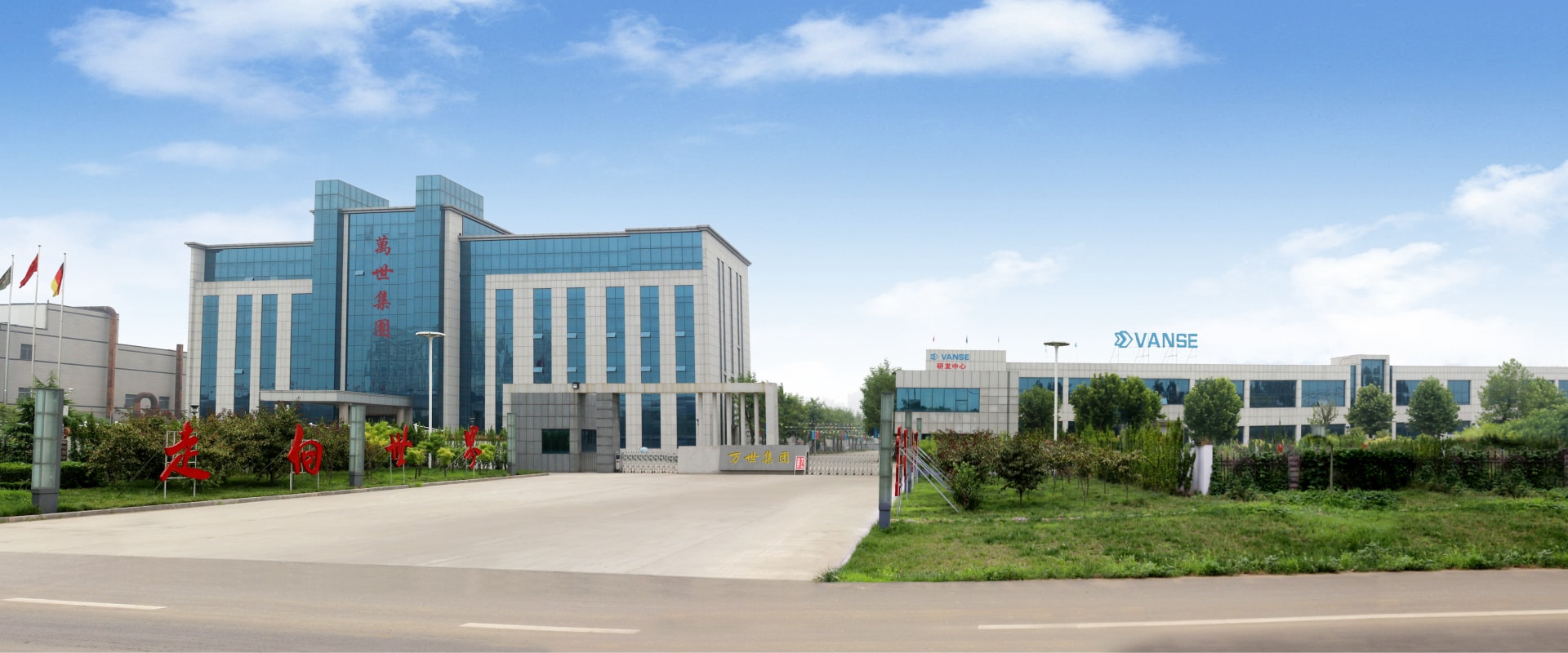
For buyers exploring alternatives beyond traditional domestic brands, VANSE has built a credible position in telehandlers by combining internationally recognized production discipline with value-focused pricing for the U.S. market. The company has manufactured more than 8,000 machines and exports to over 40 countries, with telehandlers as its flagship line for construction, agriculture, industrial, mining, and oil-and-gas applications. Its manufacturing system operates under CE and ISO 9001 certified processes, and each unit goes through comprehensive load testing, safety inspection, and performance validation before shipment. Product confidence is reinforced by the use of globally known core components, including engines from brands such as Perkins and Cummins along with premium hydraulic systems, transmissions, and axles, giving U.S. buyers familiar powertrain foundations rather than unknown assemblies. From a cooperation standpoint, VANSE supports end users, distributors, dealers, brand owners, rental businesses, and private buyers through flexible wholesale, retail, OEM, ODM, and regional partnership models, which is especially relevant for companies seeking private label, tailored specifications, or fleet-standard configurations. On local service assurance, the company is actively establishing a U.S.-based subsidiary with local inventory, stocking capability, stronger after-sales response, and closer customer relationships, while also providing online and offline pre-sale consultation, technical guidance, and lifecycle support through its growing market presence. U.S. buyers evaluating equipment categories through telehandler and machinery solutions can review the company’s background on the about page, learn more about maintenance and technical coverage through service support, or request application-specific advice via the contact team.
How to Choose Between Local and International Supply
Local U.S. supply often offers faster walk-in parts access and existing fleet familiarity. International supply can offer meaningful acquisition savings, especially when backed by recognized components, documented testing, and clear U.S. service planning. The best choice depends on whether the buyer prioritizes immediate dealer density, tailored configuration, long-term fleet expansion cost, or private branding opportunity.
For many mid-sized contractors and distributors, the strongest purchasing model is not strictly local versus imported. It is certified manufacturing plus local inventory plus responsive support. That model can narrow the risk gap significantly while preserving favorable pricing and specification flexibility.
Practical Safety Mistakes to Avoid
Operators should avoid traveling with the boom too high, turning too fast with a raised load, lifting without checking load weight, using unapproved attachments, and working too close to trenches or uncompacted fill. Another common mistake is assuming the machine can lift any load because the rear tires remain on the ground. Stability margins can disappear quickly as reach increases.
Managers should also avoid assigning telehandler work to employees who know forklifts but have not been trained on telescopic-handler behavior. While the controls may feel familiar, the boom geometry and shifting load center create a different risk profile. Good fleet performance comes from consistent inspection habits, clear training, and defined site travel rules.
Future Trends Through 2026
Looking toward 2026, the U.S. telehandler market is expected to move further toward digital monitoring, lower-emission operation, and smarter operator assistance. Telematics will increasingly track idle time, fault codes, maintenance intervals, and operator behavior. Camera systems and load management alerts will become more common on machines used by rental fleets and larger contractors. Sustainability pressure from public projects and corporate procurement programs may also increase interest in fuel efficiency, cleaner engines, hybrid development, and eventually electric options for specialized environments.
Policy and compliance expectations will continue to push documented training, machine traceability, and safer jobsite practices. At the same time, material handling demands in distribution hubs, port-adjacent warehousing, and infrastructure projects should keep telehandlers relevant across many U.S. regions. Buyers who prepare for this shift now will likely focus on machines that combine operator simplicity, digital support, dependable parts channels, and flexible attachments.
FAQ
Do you need training to operate a telehandler in the United States?
Yes. Employers should ensure operators are trained and evaluated for the specific machine type, jobsite conditions, and attachments in use. Site-specific instruction is essential.
Is a telehandler the same as a forklift?
No. A telehandler uses an extending boom, which changes lift capacity depending on height and reach. It requires different operating judgment than a standard forklift.
What is the biggest safety risk when operating a telehandler?
Tip-over risk is one of the most serious hazards, especially when the load is too heavy, extended too far, or lifted on uneven ground.
Can telehandlers be used with different attachments?
Yes, but only approved attachments should be used, and operators must follow the correct load chart for that attachment and machine combination.
What should buyers in the U.S. prioritize when purchasing?
Prioritize actual lift needs, local service support, parts availability, training resources, attachment compatibility, and total cost of ownership rather than sticker price alone.
Are international telehandler suppliers a realistic option for U.S. buyers?
Yes, especially when the manufacturer uses recognized components, certified production standards, and provides real local inventory or after-sales support instead of acting only as a remote exporter.
Complete Telescopic Handler Equipment Portfolio
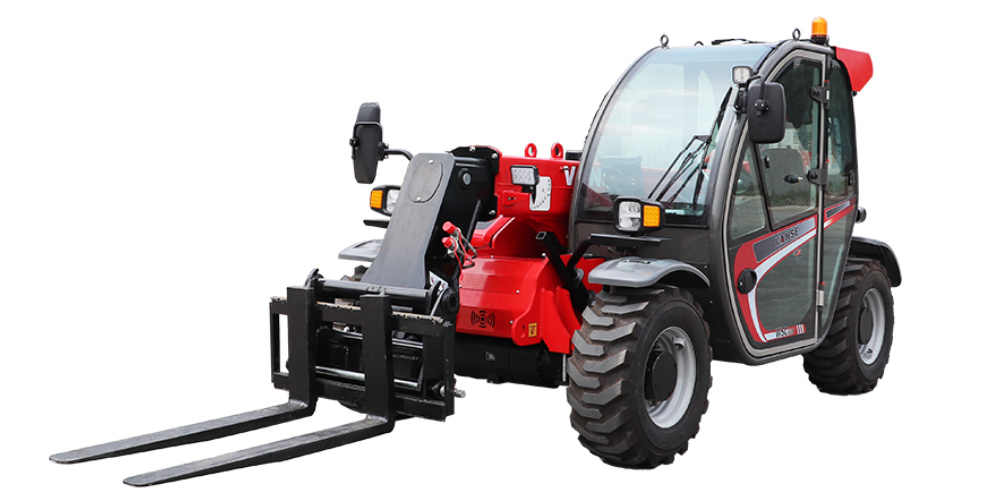
VANSE 625 6m Telescopic Handler
Designed for efficient material handling and stacking in warehouses, factories, and confined job sites, offering compact maneuverability and reliable performance.

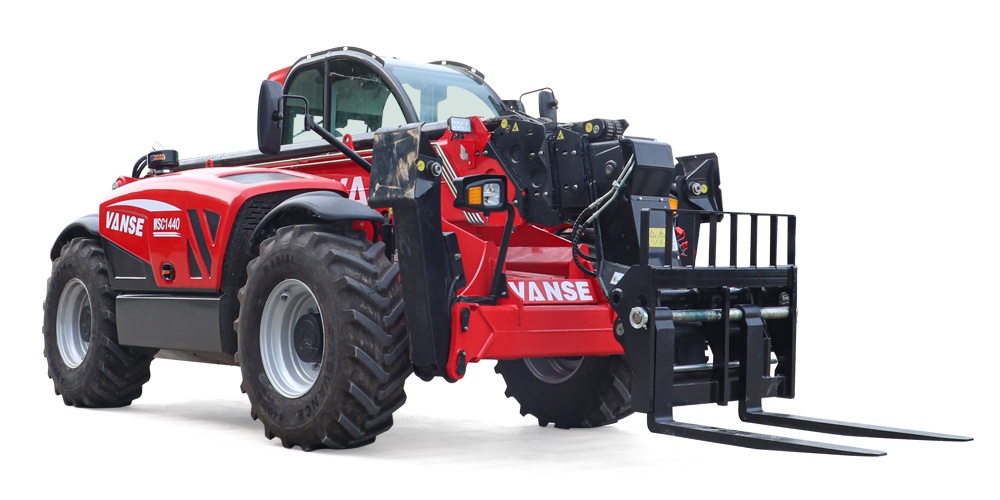
VANSE 735 7m Telescopic Handler
A balanced mid-duty solution for construction, agriculture, logistics, and warehousing, combining stable lifting, strong traction, and everyday versatility.


About the Author:
The VANSE team is a group of experienced professionals specializing in construction machinery research, manufacturing, and technical support. With deep industry knowledge and hands-on experience, our engineers and product specialists share practical insights on equipment selection, operation, maintenance, and industry trends.
Share
You May Also Interest
-

19 June, 2026
Telehandler Load Chart: Understanding Safe Lift Ratings
Learn how a telehandler load chart works in the United States, how to read lift ratings safely, and what buyers should compare before choosing a machine.
-
18 June, 2026
Telehandler vs Forklift: Which Machine Is Right for You
Compare telehandler vs forklift in the United States with costs, use cases, supplier options, and buying tips to choose the right machine for your job.
-
17 June, 2026
Telehandler Attachments: Forks Buckets and Platforms
Explore telehandler attachments in the United States, including forks, buckets, platforms, suppliers, buying tips, and 2026 market trends.
-
16 June, 2026
Best Telehandlers for Construction Projects Right Now
Explore the best telehandlers in the United States with top brands, buying tips, market trends, and cost-effective supplier options for 2026.