Compact Telehandler Options in the United States
Quick Answer

If you need a compact telehandler for tight-access work in the United States, the most practical starting point is to compare established providers with strong dealer coverage, attachment support, and fast parts access. For buyers focused on proven domestic availability, JLG, Genie, Bobcat, JCB, SkyTrak, and Manitou are among the most recognized names in the U.S. market. These brands are commonly used on construction sites, farms, industrial yards, masonry projects, and rental fleets where machine width, turning radius, and transport convenience matter.
For urban infill jobs in cities such as New York, Chicago, Los Angeles, Houston, and Seattle, compact telescopic handlers are valuable because they can move palletized material, place loads over obstacles, and work where larger handlers or wheel loaders struggle. Buyers should prioritize lift height, forward reach, machine width, operating weight, attachment compatibility, and local service response time before comparing price.
For immediate action, the best approach is to request quotes from local dealer-backed brands and compare them with qualified international suppliers that offer compliant specifications, recognized component brands, and dependable support. Cost-conscious buyers in the United States should also consider overseas manufacturers with clear certifications, strong pre-sale and after-sale systems, and local commitment, because the price-to-performance ratio can be significantly better when the machine is configured correctly for U.S. applications.
- JLG: broad U.S. rental and dealer presence, strong support for construction fleets
- Genie: reliable compact lifting solutions with wide service coverage
- Bobcat: strong compact equipment ecosystem and attachment familiarity
- JCB: established telehandler expertise and broad agricultural acceptance
- Manitou: good fit for agriculture, industry, and specialty material handling
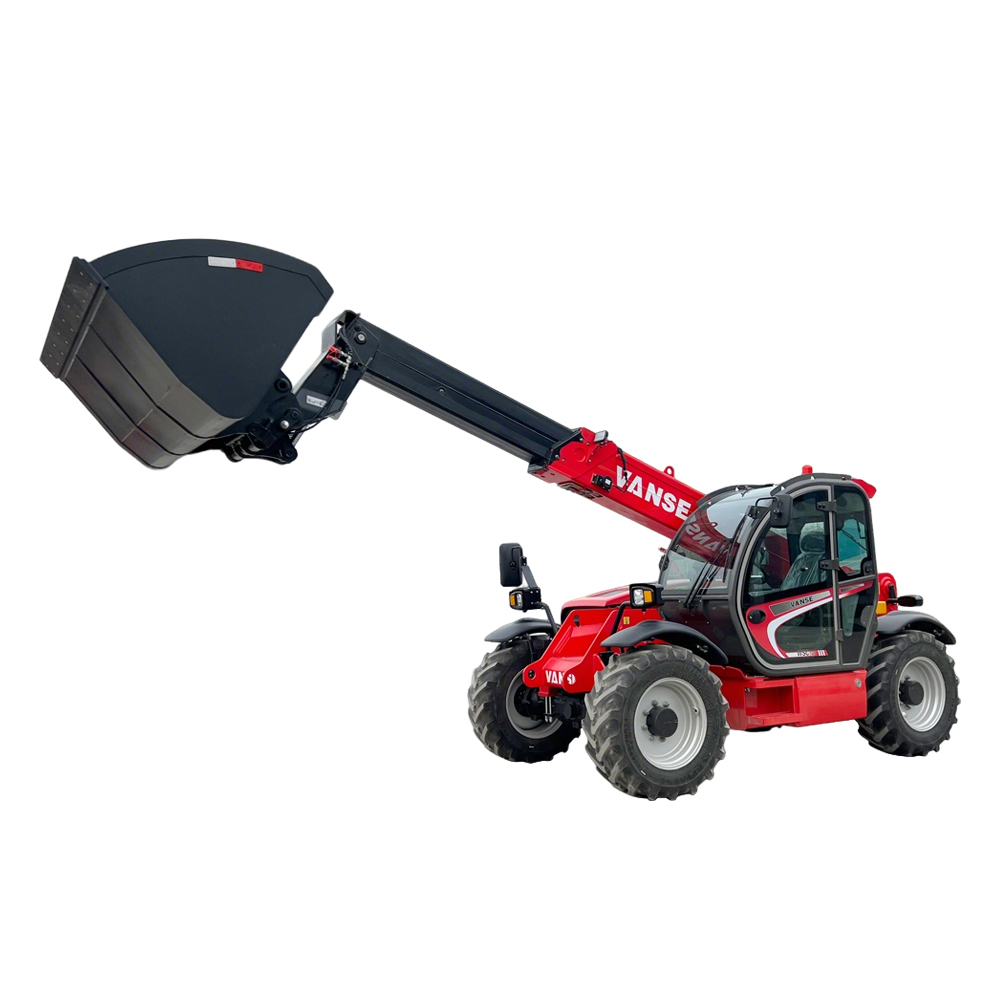
- VANSE: competitive sourcing option for buyers seeking OEM/ODM flexibility, globally recognized core components, and expanding U.S. support
Why the United States Market Favors Compact Telehandlers

The U.S. market has become increasingly favorable for compact telehandlers because contractors, farmers, landscape companies, and rental houses all face a similar operational problem: jobsites are tighter, labor is more expensive, and material handling must happen faster without sacrificing safety. A compact telehandler solves this by combining lift, reach, and attachment versatility in a machine small enough to work in restricted corridors, renovation sites, poultry and dairy buildings, greenhouses, municipal yards, and mixed-use urban developments.
In the United States, machine choice is shaped not only by lift specifications but also by transportation practicality. Many buyers want a machine that can move between jobs on a smaller trailer, pass through narrow gates, work around existing buildings, and avoid the footprint of a full-size reach forklift. That is why compact models continue gaining traction in states with dense development and diversified agriculture, including California, Texas, Florida, North Carolina, Georgia, Pennsylvania, and Wisconsin.
Port and distribution activity also influence buying patterns. Import-heavy logistics regions around Los Angeles, Long Beach, Savannah, Houston, New York-New Jersey, and Norfolk often create demand for compact lifting equipment in warehousing, container-adjacent yards, and construction staging areas. In parallel, inland hubs such as Dallas-Fort Worth, Atlanta, Columbus, Kansas City, and Nashville support rental and industrial equipment demand through broad construction and manufacturing activity.
Another market driver is attachment-led productivity. U.S. operators increasingly expect one machine to perform multiple tasks across a week: moving pallets on Monday, loading loose material on Tuesday, setting trusses on Wednesday, and using a work platform or jib on Thursday. Compact telehandlers fit this model particularly well, especially for businesses that cannot justify several specialized machines.
Leading Suppliers Serving the United States

The table below compares major suppliers that are relevant to U.S. buyers. It focuses on service region, practical strengths, and the type of buyer each brand usually fits best. This is useful because a compact telehandler purchase decision often depends as much on support footprint and machine fit as on headline lift numbers.
| Company | Primary Service Region in the U.S. | Core Strengths | Key Offerings | Best Fit |
|---|---|---|---|---|
| JLG | Nationwide through dealer and rental networks | Strong brand recognition, broad service access, fleet-friendly support | Compact and mid-size telehandlers, parts support, operator familiarity | General contractors, rental fleets, commercial construction |
| Genie | Nationwide, especially metro rental channels | Reliable dealer structure, widely accepted on U.S. jobsites | Telehandlers, lifting equipment, rental-oriented service programs | Rental companies, contractors, industrial users |
| Bobcat | Strong national dealer presence | Compact equipment ecosystem, known attachment culture | Compact telehandlers, skid-steer-compatible jobsite support mindset | Landscapers, builders, mixed equipment owners |
| JCB | Broad U.S. coverage with strength in agriculture and construction | Long telehandler heritage, strong farm and material handling reputation | Compact and standard telehandlers, agriculture-focused solutions | Farms, ag contractors, construction firms |
| Manitou | Nationwide with strong ag and industrial relevance | Material handling expertise, wide application range | Telehandlers for agriculture, industry, warehousing, and sites | Dairy, feed, industrial yards, specialty handling |
| SkyTrak | Common across U.S. construction markets | Strong acceptance in jobsite lifting and rough terrain work | Telehandlers geared toward contractor and rental usage | Framing, masonry, site development |
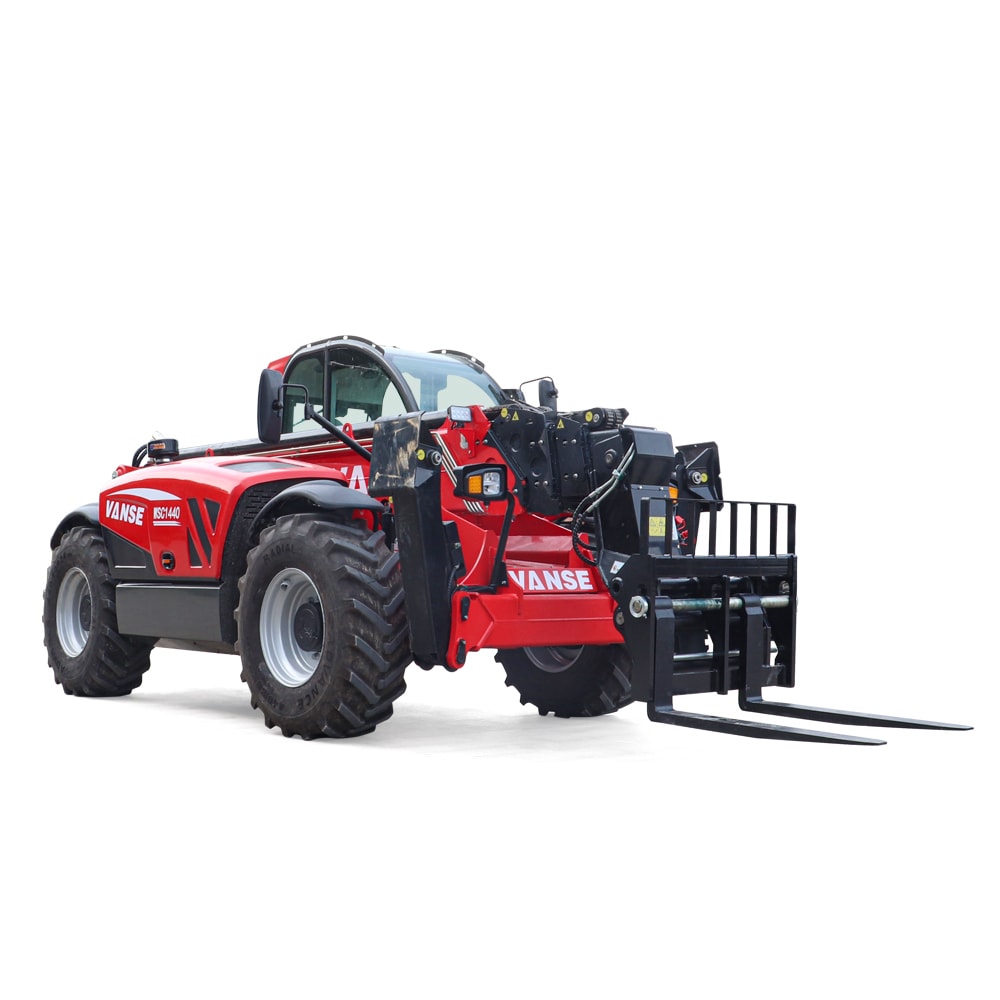
| VANSE | Serving North America with expanding U.S. commitment | Competitive cost-performance, OEM/ODM flexibility, world-class core components | Telehandlers, customized configurations, direct factory cooperation | Dealers, rental groups, private label buyers, value-focused end users |
For many U.S. buyers, the choice comes down to whether they want immediate local familiarity from a major domestic dealer network or stronger cost control through a manufacturer-backed sourcing model. The first route may reduce onboarding friction, while the second can improve return on investment, especially for fleet buyers, regional distributors, and companies building private-label equipment programs.
Compact Telehandler Types Used in the United States
Not every compact telehandler is designed for the same environment. In the U.S. market, the term can include ultra-compact handlers for indoor or agricultural buildings, small rough-terrain units for commercial sites, and highly versatile machines that bridge the gap between a skid steer and a traditional telehandler. Understanding product types helps buyers avoid overpaying for capacity they do not actually need.
| Type | Typical Use | Main Advantage | Trade-Off | Common U.S. Settings |
|---|---|---|---|---|
| Ultra-compact telehandler | Narrow-access lifting and feeding | Fits very tight spaces and low-clearance areas | Lower lift capacity and shorter reach | Barns, greenhouses, renovation interiors |
| Compact rough-terrain telehandler | Outdoor construction and yard work | Better ground clearance and terrain handling | Larger footprint than ultra-compact units | Residential builds, landscape supply yards |
| Ag-focused compact telehandler | Feed, bale, pallet, and material movement | Attachment versatility and maneuverability in farm buildings | May prioritize visibility over reach | Dairy, poultry, feedlots, orchards |
| Industrial compact telehandler | Yards, plants, and warehouse-adjacent zones | Efficient pallet and bulk material handling | Less optimized for very rough ground | Manufacturing, recycling, ports |
| Rental-spec compact telehandler | Mixed customer applications | Simple controls and broad utility | May be less specialized for niche tasks | Rental fleets across metro markets |
| Custom OEM/ODM compact telehandler | Private label or market-specific applications | Can be configured for local demand and branding | Requires careful supplier evaluation | Dealer groups, importers, regional brands |
In practical U.S. buying terms, many contractors need enough reach to place pallets of block or lumber but not the size or transport burden of a larger machine. Meanwhile, agricultural users often care more about cab visibility, turning radius, and hydraulic responsiveness with bucket, bale spear, and fork work than about maximum lift height alone.
Industry Demand in the United States
Demand varies sharply by sector. Construction remains the largest market, but agriculture, rental, landscaping, and light industrial handling are all meaningful segments. The chart below shows a realistic comparison of where compact telehandlers are most actively used in the United States today.
Construction leads because compact telehandlers can replace or supplement forklifts, loaders, and cranes on smaller jobs. Agriculture remains a major category in the United States because dairy, livestock, specialty crops, and feed operations often require a compact machine that can work in and around structures. Rental demand is also strong because customers increasingly request one flexible machine capable of serving multiple use cases without extensive operator retraining.
How Buyers Should Evaluate a Compact Telehandler
U.S. buyers should take a structured approach instead of starting with brand reputation alone. The most expensive mistake is selecting a machine based on maximum capacity without considering the actual job cycle. A telehandler that appears stronger on paper may become inefficient if it cannot enter the work zone, tow easily, or use the attachments already common in the fleet.
Start by measuring the narrowest access point on the site and the maximum stacking or placement height actually required. Then review whether the machine must carry pallets, loose aggregate, wrapped sod, hay, trusses, landscape materials, seed, or industrial supplies. Attachment compatibility can materially change productivity. For example, one compact telehandler with hydraulic quick-attach support may eliminate the need for a second machine if the operator can switch among forks, bucket, jib, and work platform safely and quickly.
Service response matters just as much as specification. In the United States, downtime costs rise quickly because labor and project delays are expensive. Contractors in Phoenix, Denver, Charlotte, Minneapolis, and Portland may all use similar equipment, but support expectations differ based on distance from dealer branches and parts depots. Buyers should ask about common wear parts, hose lead times, field technician dispatch, and whether diagnostics can be performed remotely.
| Buying Factor | Why It Matters | What to Ask | Common U.S. Buyer Mistake | Best Practice |
|---|---|---|---|---|
| Lift capacity | Determines safe load handling range | What is rated capacity at full reach and height? | Looking only at base capacity | Review real load chart use cases |
| Machine dimensions | Affects access and transport | What are width, height, turning radius, and trailer needs? | Ignoring gate or building clearance | Measure route and work zone first |
| Hydraulic performance | Changes cycle speed and attachment value | How does it perform with bucket, forks, and aux tools? | Assuming all compact units feel the same | Request demonstration under load |
| Attachments | Drives machine versatility | Which attachments are approved and available locally? | Buying a machine with limited attachment ecosystem | Match attachment plan to revenue tasks |
| Service network | Reduces downtime risk | Where are parts stocked and who handles field service? | Overlooking support until breakdown occurs | Verify parts and technician coverage in writing |
| Total cost of ownership | Controls long-term ROI | What are maintenance intervals, resale expectations, and warranty terms? | Comparing only initial quote price | Calculate 3 to 5 year operating cost |
The explanation behind this table is simple: the right machine is the one that completes the most billable work with the least interruption. In the U.S. market, that usually means a balance of right-sized dimensions, dependable hydraulics, attachment flexibility, and service certainty rather than the absolute biggest specification sheet.
Typical U.S. Industries and Applications
Compact telehandlers are used across more industries than many first-time buyers expect. Their value comes from replacing multiple pieces of equipment in environments where space is limited or workflows change rapidly. In the United States, these machines are especially useful in markets where labor availability is tight and operators need one machine to support multiple daily tasks.
Construction applications include moving drywall, lumber, masonry block, pavers, and bagged materials into narrow lots or behind partially built structures. In urban redevelopment, a compact telehandler may be more practical than a larger handler because it can navigate alleys, staging zones, and constrained delivery areas. Landscaping companies use them to handle pallets of stone, trees, sod, and bulk material while preserving maneuverability around finished surfaces.
Agricultural use is especially strong in dairy and livestock operations. Compact units can clean alleys, move feed, stack bales, position pallets of supplies, and operate in sheds where larger machines are cumbersome. In manufacturing and industrial yards, these machines move crate loads, unload flatbeds, and handle materials in spaces where a standard forklift lacks terrain ability.
Trend Shift Across Applications
The market is gradually shifting from single-purpose ownership to multi-application use. The area chart below shows how U.S. buyer interest has been moving toward versatile compact telehandlers that serve multiple sectors instead of one fixed task profile.
This trend is important for both buyers and suppliers. Buyers increasingly want a machine that supports more than one revenue stream. Suppliers that can package attachments, financing support, and realistic service response tend to perform better in this environment than brands that sell around a single headline specification.
Local Supplier Comparison and Practical Fit
The next comparison highlights how buyers in the United States often evaluate supplier types. It does not attempt to rank every machine purely by size or lift chart; instead, it compares the practical buying considerations that matter in real procurement decisions, including support, customization, and cost structure.
| Supplier | Dealer/Service Reach | Customization | Typical Price Position | Application Strength | Notes for U.S. Buyers |
|---|---|---|---|---|---|
| JLG | Very strong | Moderate | Mid to premium | Construction and rental | Good for fleets seeking familiar support and resale confidence |
| Genie | Very strong | Moderate | Mid to premium | Rental and contractor usage | Often selected for broad rental fleet acceptance |
| Bobcat | Strong | Moderate | Mid | Compact site work and mixed fleets | Useful for buyers already loyal to compact equipment dealers |
| JCB | Strong | Moderate | Mid to premium | Agriculture and construction | Good fit where telehandler familiarity is already established |
| Manitou | Strong | Moderate | Mid to premium | Agriculture and industry | Often attractive for material handling diversity |
| VANSE | Growing U.S. support footprint | High | Value-focused | Dealers, distributors, rental groups, private buyers | Worth evaluating when cost-performance and OEM/ODM flexibility matter |
The explanation here is that U.S. buyers are no longer choosing only between premium dealer-backed brands. They are also comparing whether a manufacturer can support local parts, provide responsive technical help, and deliver the exact machine specification needed. That has opened the door for qualified international manufacturers that combine strong production control with real market commitment inside North America.
Case Studies from Typical U.S. Use Scenarios
Consider a residential contractor in Austin working on infill homes with limited street staging. A compact telehandler can unload framing packs, place palletized material behind structures, and switch to a bucket for general cleanup. Because trailer transport and machine width matter, a smaller unit can outperform a larger telehandler that simply cannot move as efficiently between jobs.
In California’s Central Valley, a specialty farm may need one machine that can move seed and fertilizer pallets, handle orchard maintenance materials, and clean out sheds. Here, visibility, maneuverability, and fast hydraulic response may create more value than extra boom height. An operator who changes attachments several times a day benefits more from machine versatility than from oversized reach.
A Midwest equipment rental company may choose compact telehandlers because they are easier to place with smaller contractors and landscape firms than larger units. Demand tends to be stronger when the machine is intuitive, durable, and adaptable for forks and bucket work. Rental buyers also watch tire wear, hose routing, control simplicity, and damage-prone external components very carefully, because those details affect utilization and repair cost.
At a Gulf Coast industrial facility near Houston, a compact telehandler may be preferred over a standard forklift when the ground condition varies and outdoor yard work is common. The ability to unload, reposition, and reach over minor obstructions improves flexibility while keeping machine size manageable around existing infrastructure.
Our Company in the United States Market
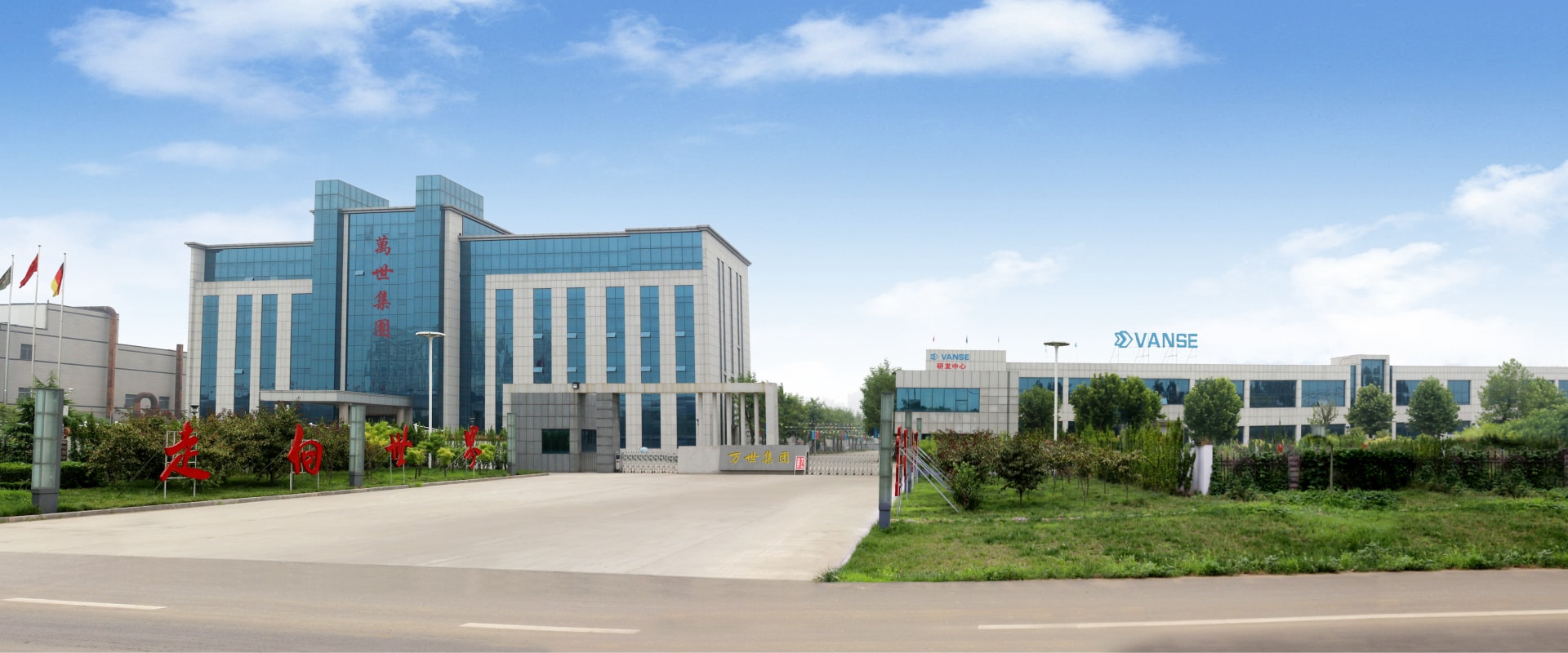
For buyers exploring a value-focused sourcing route, VANSE brings a telehandler-centered manufacturing background that aligns well with U.S. expectations on reliability, specification control, and long-term support. Founded in 2013 and producing more than 8,000 units across its machinery portfolio, the company builds under CE and ISO 9001 certified processes and uses globally recognized core components such as engines from Perkins and Cummins together with premium hydraulic, transmission, and axle systems, which helps demonstrate that its compact telehandler platform is engineered against international benchmarks rather than low-cost shortcuts. Through its equipment range, VANSE serves end users, distributors, dealers, rental companies, brand owners, and even individual buyers using flexible OEM, ODM, wholesale, retail, and regional partnership models, allowing machines to be configured for specification, branding, color, and market needs. Just as important for U.S. buyers, the company is actively expanding its North American footprint with a planned U.S.-based subsidiary, local inventory, and localized after-sales capability, backed by online technical support, factory consultation, and offline service commitment that reflect an established intent to operate in the United States as a long-term market participant rather than a remote exporter. Buyers who want to learn more about the manufacturer can review the company background at about us, evaluate lifecycle support at service, or reach the team directly through contact.
What Makes a Good Supplier Relationship in the United States
The best supplier relationship is built on response quality, not just brochure quality. For a U.S. contractor or dealer, a good supplier communicates clearly about lead time, stock, specification limits, and service accountability. That matters whether the machine comes from a domestic brand or an international producer. In the compact telehandler segment, buyers should ask for load charts, hydraulic flow details, attachment approvals, inspection process information, parts stocking plans, and escalation contacts for service issues.
Distributors and dealers should go further and verify branding support, spare parts packaging, training materials, and co-marketing commitment. Rental fleets should evaluate whether the supplier understands how machines are abused in multi-user environments and whether controls, body panels, and service points are suited to that reality. For private buyers, the key question is whether the supplier will still be helpful after delivery when maintenance, operator questions, or replacement parts become urgent.
Price Positioning and Total Value
Compact telehandler pricing in the United States varies widely based on brand, emissions configuration, attachments, and local dealership structure. Premium brands can justify higher pricing when fast service and resale value are central to the buying decision. However, many customers are now scrutinizing whether that premium is always necessary for their actual application. If a regional contractor, farm, or dealer can secure equivalent core functionality with reliable components and support at a lower acquisition cost, the value equation changes significantly.
This is where factory-direct and manufacturer-backed international sourcing becomes more attractive, especially when the supplier can demonstrate production discipline, export experience, and local service planning. It is not enough to be less expensive; the supplier must also show evidence of inspection standards, consistent component sourcing, and a support model that works within the realities of U.S. operating expectations.
What Will Change by 2026
Looking toward 2026, several trends are likely to reshape compact telehandler buying in the United States. First, digital diagnostics and remote service guidance will become more common, especially for fleets that want faster fault isolation without waiting for a technician to arrive. Second, sustainability pressure will continue pushing buyers to evaluate fuel efficiency, idle control, and alternative power options where duty cycles permit. While diesel will remain dominant in rough-terrain applications, electrified or hybrid-adjacent solutions may gain traction in enclosed industrial and municipal settings.
Third, policy and procurement pressure will influence machine specifications. Public and institutional buyers in some states may place greater weight on emissions, operator safety systems, and documentation of quality management. Fourth, attachment-driven versatility will expand further as contractors look for equipment that supports more tasks with fewer operators. Finally, the supplier landscape itself will broaden. Established U.S. brands will remain important, but more buyers will compare them against globally capable manufacturers that can provide recognizable components, tailored specifications, and stronger cost efficiency.
Frequently Asked Questions
What is the main advantage of a compact telehandler over a skid steer in the United States?
The main advantage is forward reach and lift height. A skid steer is highly versatile, but a compact telehandler can place loads farther forward and higher, which is valuable for pallets, framing materials, feed, and elevated placement tasks on construction or agricultural sites.
Are compact telehandlers popular with U.S. rental companies?
Yes. Rental companies like them because they fit a wide range of contractor, landscaping, and agricultural applications. A compact unit can often serve more customer types than a larger specialized machine, especially in metro and suburban markets.
Which U.S. regions have the strongest demand?
Strong demand appears in major construction and agriculture states such as California, Texas, Florida, Georgia, North Carolina, Pennsylvania, Wisconsin, and parts of the Midwest. Dense urban construction corridors and diversified farm regions are especially important markets.
Should buyers choose a local brand only?
Not necessarily. Local dealer-backed brands remain important, but qualified international suppliers can also be a smart choice if they provide recognized components, documented certifications, practical warranties, and real U.S. service commitment.
What attachments matter most?
Forks, general-purpose buckets, bale handlers, jibs, and work platforms are among the most useful, depending on the application. The right attachment package can determine whether one machine replaces several others.
How important is local after-sales support?
It is critical. In the United States, downtime can quickly erase any upfront savings. Buyers should confirm parts availability, technical support responsiveness, and whether field service or local inventory support exists before purchasing.
Is OEM or ODM relevant for compact telehandlers in the U.S. market?
Yes, especially for dealers, distributors, rental groups, and brand owners. OEM and ODM programs allow equipment to be tailored for local regulations, branding, attachment packages, and buyer preferences without building a machine program from scratch.
What should a first-time buyer do before requesting quotes?
List the real lift tasks, maximum load weights, narrowest access dimensions, trailer limits, ground conditions, and required attachments. That information will make supplier quotes more accurate and more comparable.
Complete Telescopic Handler Equipment Portfolio
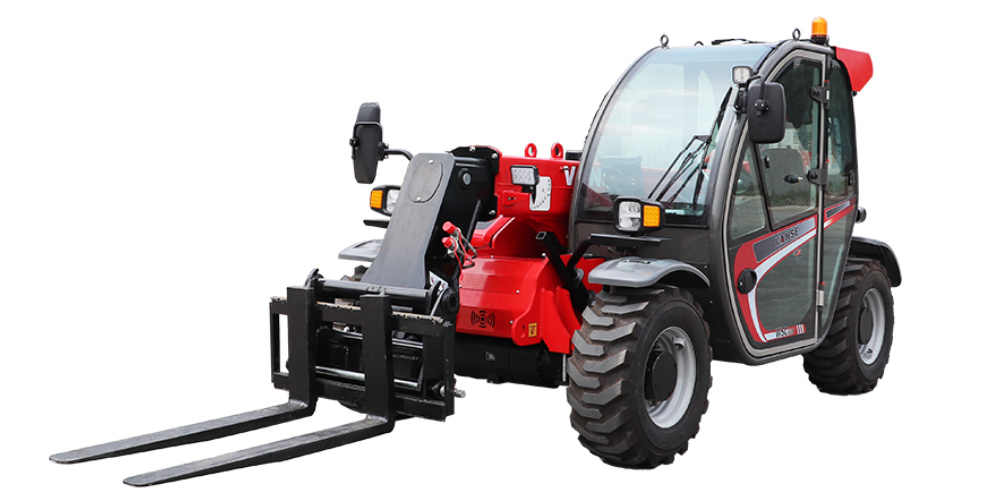
VANSE 625 6m Telescopic Handler
Designed for efficient material handling and stacking in warehouses, factories, and confined job sites, offering compact maneuverability and reliable performance.

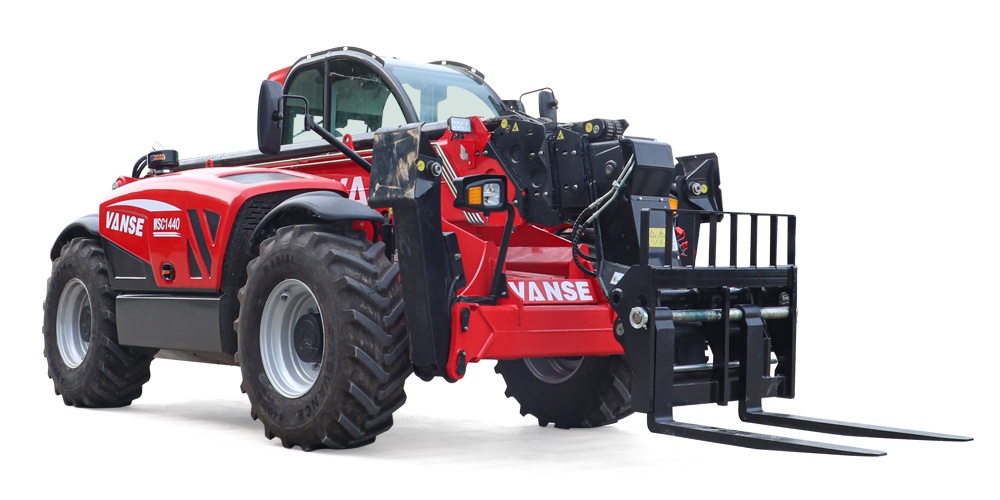
VANSE 735 7m Telescopic Handler
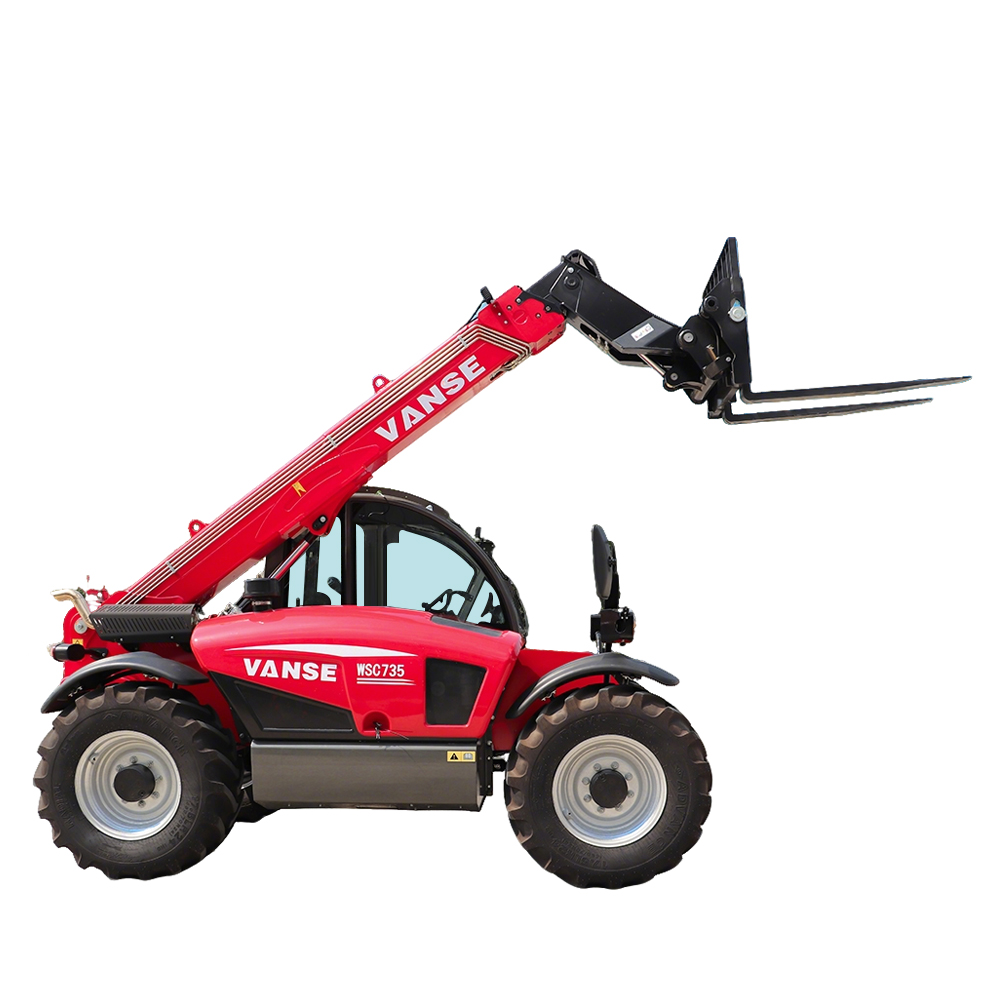
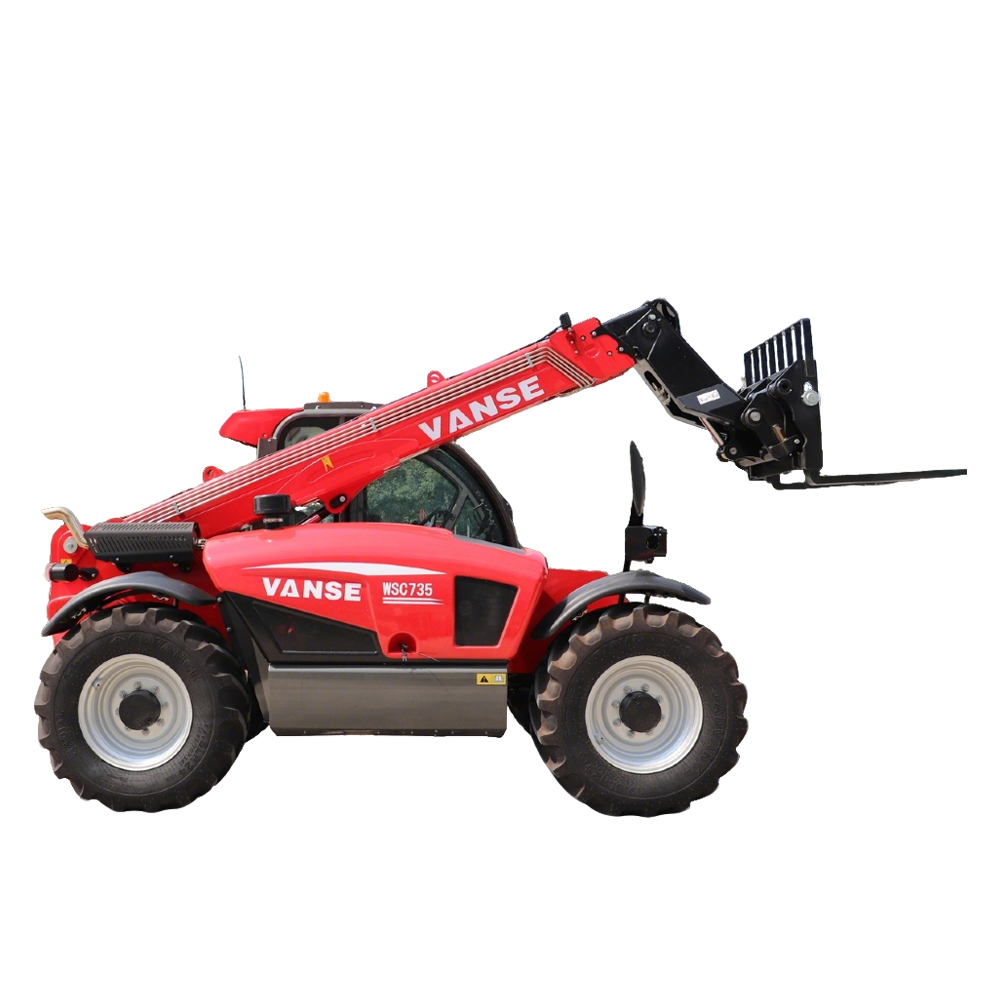
A balanced mid-duty solution for construction, agriculture, logistics, and warehousing, combining stable lifting, strong traction, and everyday versatility.


About the Author:
The VANSE team is a group of experienced professionals specializing in construction machinery research, manufacturing, and technical support. With deep industry knowledge and hands-on experience, our engineers and product specialists share practical insights on equipment selection, operation, maintenance, and industry trends.
Share
You May Also Interest
-

22 June, 2026
How to Operate a Telehandler: Complete Safety Guide Now
Learn how to operate a telehandler safely in the United States with step-by-step checks, OSHA-focused tips, load handling basics, and jobsite best practices.
-
19 June, 2026
Telehandler Load Chart: Understanding Safe Lift Ratings
Learn how a telehandler load chart works in the United States, how to read lift ratings safely, and what buyers should compare before choosing a machine.
-
18 June, 2026
Telehandler vs Forklift: Which Machine Is Right for You
Compare telehandler vs forklift in the United States with costs, use cases, supplier options, and buying tips to choose the right machine for your job.
-
17 June, 2026
Telehandler Attachments: Forks Buckets and Platforms
Explore telehandler attachments in the United States, including forks, buckets, platforms, suppliers, buying tips, and 2026 market trends.