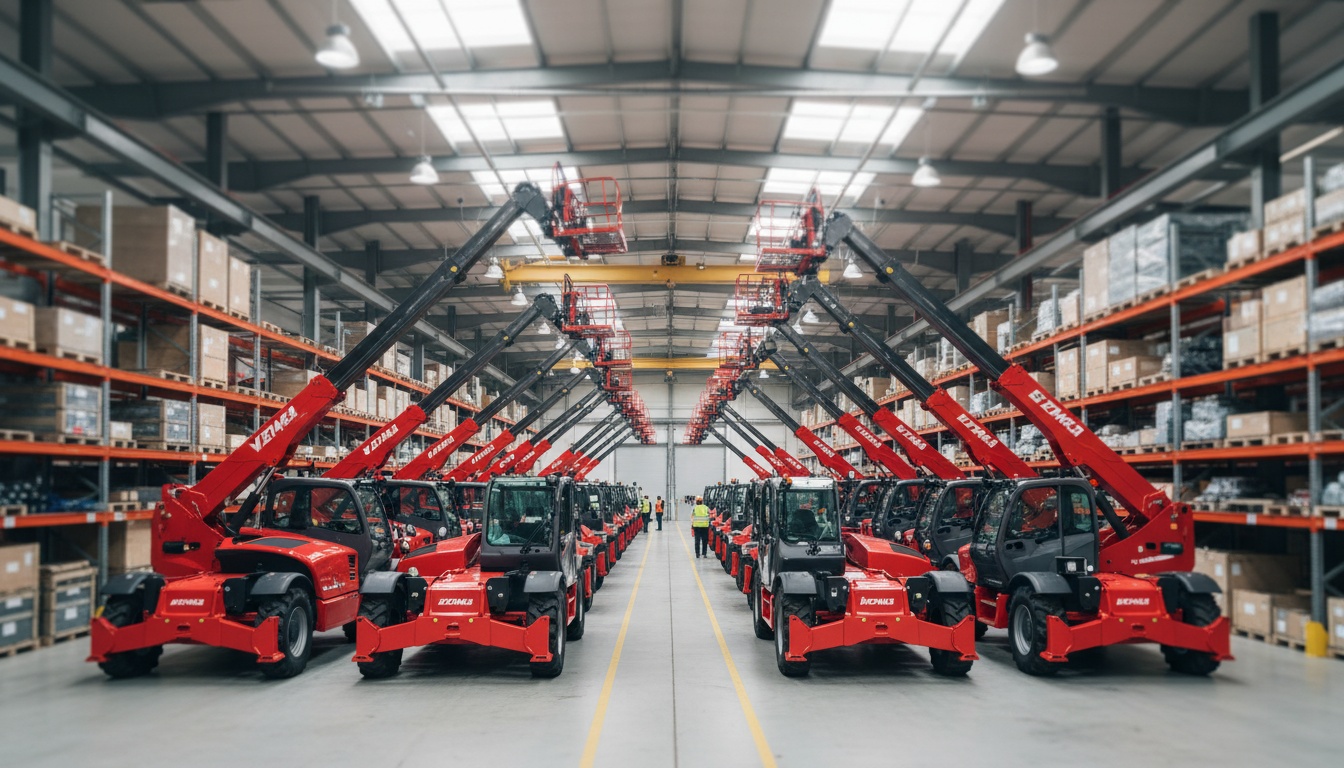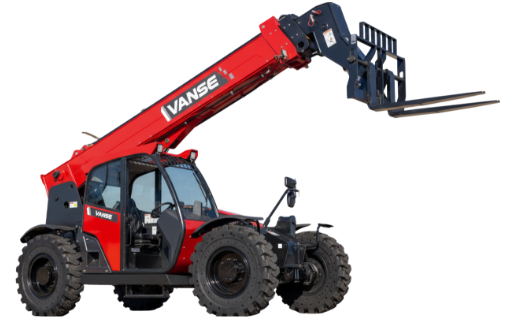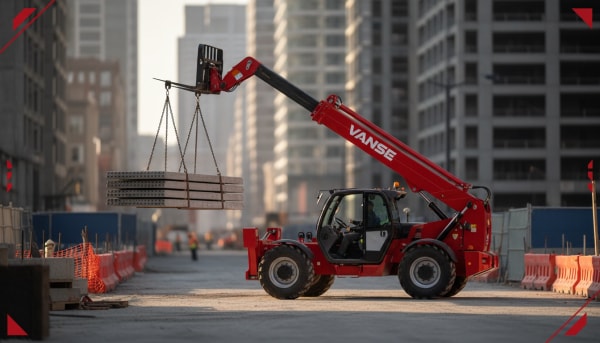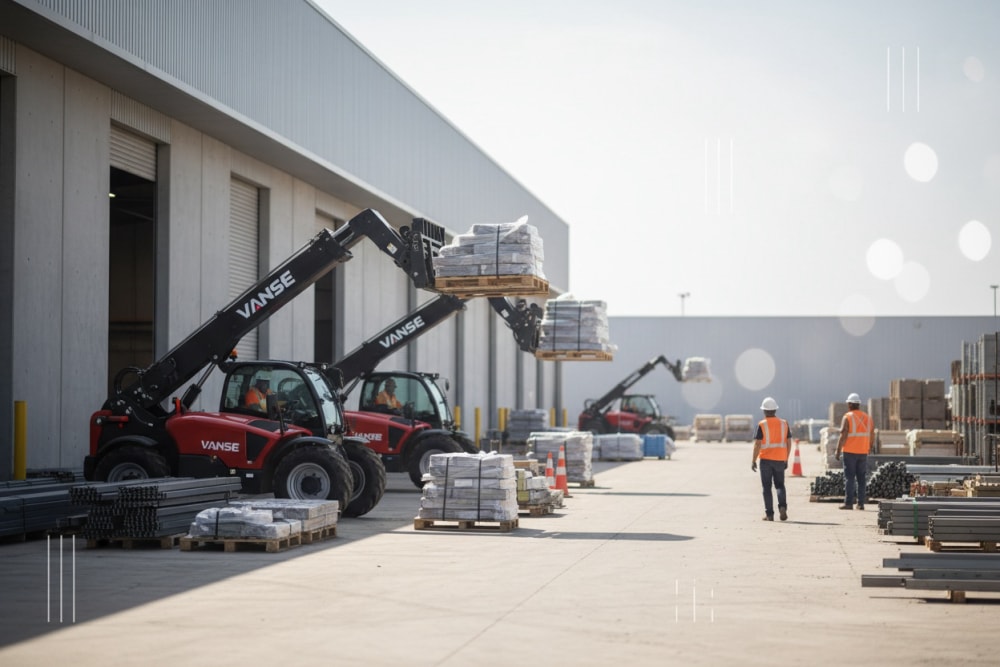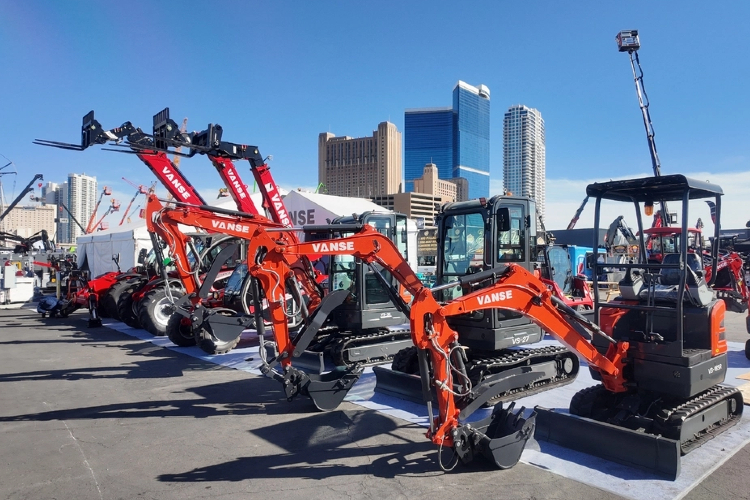
Telehandler Complete Guide for United States Buyers
Quick Answer

If you need a fast decision for telehandler procurement in the United States, focus on suppliers with strong dealer coverage, parts availability, and jobsite-fit models for your lift height and load profile. For most buyers, the most practical shortlist includes JLG, Genie, JCB, Manitou, and Bobcat, with selection based on your state-level dealer response time and total cost of ownership rather than only purchase price.
Top options that are widely relevant in the U.S. market:
- JLG – Strong rental fleet acceptance, broad fixed-boom range, and dependable support in major construction hubs such as Texas, Florida, and California.
- Genie (Terex) – Well-known in rental channels, solid parts network, and good fit for mixed construction and industrial material handling.
- JCB North America – Proven telehandler platform with strong brand recognition in agriculture and construction, especially across the Midwest and Southeast.
- Manitou North America – Deep expertise in rough-terrain and specialty material handling, often preferred in agriculture, masonry, and logistics yards.
- Bobcat – Competitive compact and mid-capacity options, useful for contractors needing one machine across multiple site tasks.
In addition to domestic and established multinational brands, qualified international suppliers can also be a smart option when they provide proper certifications, U.S.-aligned support, and documented parts/service commitments. Cost-performance can be significantly better for buyers managing fleet expansion, seasonal peaks, or dealer private-label programs.
United States Telehandler Market Outlook

The U.S. telehandler market remains active because the machine solves a very specific productivity gap: lifting and placing heavy materials in tight or uneven jobsites where forklifts and cranes are either too limited or too expensive to mobilize. Across metropolitan growth corridors such as Dallas–Fort Worth, Phoenix, Nashville, Atlanta, Tampa, and Inland Empire in Southern California, telehandlers are now a standard asset in commercial buildouts, multifamily housing, prefab staging, and distribution center construction.
Demand patterns in the United States are highly regional. The Midwest sees strong agricultural and grain handling demand; the Gulf Coast and Mountain states show recurring industrial maintenance and oil-and-gas yard activity; coastal states with high port and warehouse throughput such as California, Georgia, and New Jersey rely on telehandlers for rapid cross-yard material movement and equipment staging. In practice, this means model selection should align with your operating region’s terrain, seasonality, and labor availability rather than relying on a one-size-fits-all fleet strategy.
Procurement lead times have improved compared with prior supply-chain bottlenecks, but buyers still face variability in engine packages, hydraulic component availability, and attachment compatibility. For this reason, large rental firms and enterprise buyers increasingly pre-book production slots and insist on unified specifications for easier fleet maintenance. Small and mid-sized contractors are also shifting toward planned replacement cycles instead of reactive purchase decisions to avoid rental spikes during spring and late-summer peaks.
From a financing perspective, telehandlers in the U.S. remain attractive because utilization can stay high across multiple sectors. A machine bought for structural framing can often be redeployed to roofing, cladding, landscaping material placement, and site cleanup support. That cross-task flexibility, combined with a broad attachment ecosystem, supports faster ROI than many single-purpose machines.
The chart above shows a realistic long-run growth path driven by housing starts, logistics infrastructure, public works upgrades, and mechanization trends in agriculture. While annual changes will vary with interest rates and project starts, the broader trajectory supports ongoing investment in both ownership fleets and rental pools.
Telehandler Product Types and How to Match Them to U.S. Jobsites

Telehandler selection is most effective when buyers map machine class to material profile, lift cycle, and surface conditions. In the U.S., many procurement errors happen when companies buy for peak lift height but ignore daily cycle reality. A machine that is oversized for routine work often increases fuel burn, tire wear, and training burden.
The table below summarizes practical model classes used across U.S. construction, agriculture, logistics, and industrial operations.
| Telehandler Type | Typical Lift Capacity | Typical Max Reach Height | Best U.S. Use Cases | Core Advantage | Watch-Out Point |
|---|---|---|---|---|---|
| Compact Telehandler | 4,000–6,000 lb | 15–25 ft | Urban construction, landscaping supply yards, renovation projects | Easy movement in tight sites and alleys | Limited peak lift for structural steel or heavy pallets |
| Mid-Size Construction Telehandler | 6,000–10,000 lb | 26–44 ft | General contracting, masonry, framing, roofing | Best balance of versatility and cost | Can be underpowered if attachment set grows too large |
| High-Reach Telehandler | 8,000–12,000 lb | 45–56 ft | Multi-story commercial builds, facade handling, industrial shutdowns | Reaches upper floor staging zones without crane dependency | Higher operating cost and transport complexity |
| Heavy-Lift Telehandler | 12,000–20,000+ lb | 35–56 ft | Precast, steel yards, pipe handling, infrastructure components | Moves large loads safely in controlled cycles | Needs strict ground condition management |
| Rotating Telehandler | 8,000–15,000 lb | 55–100+ ft | Complex sites with restricted access and multi-angle placement | 360-degree turret improves placement flexibility | Higher purchase and training requirements |
| Agriculture Telehandler | 5,500–9,000 lb | 20–32 ft | Feed handling, bale stacking, grain and barn operations | Fast cycle times and strong low-speed torque | May need upgraded filtration for dusty operations |
| Industrial Yard Telehandler | 7,000–12,000 lb | 30–45 ft | Ports, distribution hubs, heavy fabrication yards | Attachment flexibility for varied pallet and bulk movement | Operator visibility must be validated for crowded yards |
| Electric/Hybrid Emerging Class | 4,000–8,000 lb | 15–35 ft | Indoor-outdoor mixed operations, low-emission projects | Reduced noise and potential fuel savings | Charging strategy and duty cycle planning required |
For U.S. buyers, this table is most useful when paired with project mix forecasting. If more than 70% of your work falls into one lift profile, standardize there first, then add one or two specialty units for overflow and high-reach exceptions.
Buying Advice for U.S. Telehandler Procurement Teams
Buying a telehandler in the United States should start with a practical procurement framework: define core duty cycle, map state-level service risk, and compare lifecycle cost. Many fleets overpay by choosing high-spec engines or lift heights that are seldom used. A smarter strategy is to analyze daily load weight, average stacking height, and attachment utilization before selecting a chassis class.
Below is a buying framework that helps contractors, rental companies, and enterprise users compare offers on a practical basis.
| Decision Factor | What to Verify | Why It Matters in the U.S. | Minimum Good Practice | Best Practice | Common Mistake |
|---|---|---|---|---|---|
| Rated Capacity and Stability | Load chart at full extension and side load limits | Mixed terrain and varied operators increase safety risk | Match machine to 90% of routine loads | Use telematics and lift-event review to refine specs | Buying only by max lift headline number |
| Powertrain and Engine Package | Engine brand, service intervals, fuel profile | Downtime cost is high in remote regions and peak season | Choose proven engine with local service access | Standardize engine family across fleet | Mixing too many powertrain variants |
| Hydraulic Performance | Flow rate, attachment response, cycle speed | Productivity gains come from cycle efficiency | Test two or three key attachments | Site demo with actual material profiles | Ignoring hydraulic heat behavior in summer |
| Attachment Ecosystem | Forks, buckets, jibs, work platforms, coupler compatibility | Attachment flexibility drives utilization and ROI | Confirm quick coupler compatibility | Build a role-based attachment package by division | Buying attachments without operator training |
| Service Coverage | Dealer distance, mobile technician response SLA, parts stock | Large U.S. geography amplifies service delays | Written parts and service turnaround commitment | Regional parts stocking with seasonal planning | Assuming every dealer carries critical parts |
| Operator Safety and Compliance | Visibility, ROPS/FOPS, warning systems, controls ergonomics | Insurance and project compliance are tightening | Documented operator onboarding program | Quarterly refresher and incident-led retraining | Treating training as one-time orientation |
| Total Cost of Ownership | Purchase, financing, fuel, tires, maintenance, resale | Rate pressure in bidding markets requires accurate costing | 3-year TCO model | 5-year TCO plus residual value benchmarking | Comparing vendors by invoice price only |
| Supplier Partnership Model | OEM/ODM, fleet discount, training package, warranty scope | Long-term fleet growth depends on structured support | Standard warranty and parts terms in writing | Joint annual planning with supplier and dealer | Buying machine by machine without framework agreement |
This matrix helps procurement teams negotiate better terms and avoid hidden costs. In many U.S. deals, the winning supplier is not the cheapest at purchase but the one that provides predictable uptime and transparent support commitments across states.
Industry Demand Across the United States
Telehandlers in the U.S. are used beyond general construction. Infrastructure renewal, e-commerce distribution expansion, agribusiness modernization, and energy transition projects all contribute to sustained demand. The practical implication is that fleet owners can smooth utilization by shifting machines across sectors when one market temporarily slows.
| Industry Segment | Primary Lift Tasks | Preferred Telehandler Class | Key Attachments | Service Priority | Seasonal Pattern |
|---|---|---|---|---|---|
| Commercial Construction | Steel, drywall, palletized materials, rooftop delivery | Mid-size and high-reach | Fork carriage, truss boom, material bucket | Fast on-site support in metro regions | Strong in spring through fall |
| Residential Development | Framing bundles, roofing pallets, masonry blocks | Compact and mid-size | Standard forks, work platform, jib | Rapid parts supply for high-cycle fleets | Peaks with housing starts |
| Agriculture and Livestock | Feed handling, bale stacking, manure and bulk material movement | Agriculture-specific class | Silage grab, bucket, bale spike | Strong dealer access in rural areas | Harvest and feeding cycle-driven |
| Warehousing and Logistics | Yard transfer, container-adjacent pallet movement, loading support | Industrial yard and compact | Fork set, side-shift options, bucket | Low downtime requirement at ports and hubs | Steady year-round, holiday peaks |
| Energy and Utilities | Pipe, cable reel, transformer support, substation material handling | Heavy-lift and high-reach | Jib, hooks, heavy-duty forks | Mobile field service and remote diagnostics | Project and outage driven |
| Industrial Plants | Shutdown maintenance support, component staging | Mid-size and heavy-lift | Forks, platform, boom adapters | Strict response SLA during shutdown windows | Maintenance calendar driven |
| Public Infrastructure | Bridge, tunnel, transit station materials placement | High-reach and rotating models | Forks, bucket, long-reach jibs | Compliance documentation and uptime reporting | Budget cycle and weather dependent |
| Mining and Aggregate Support | Parts handling, equipment servicing, bulk support tasks | Heavy-lift and ruggedized variants | Heavy forks, utility bucket, specialized grabs | Dust-resistant component strategy | Operational continuity focused |
The table highlights why U.S. buyers should not evaluate telehandlers as a single category. Every sector has a different uptime profile, attachment mix, and service urgency requirement, which directly affects fleet economics and vendor choice.
Applications: How Telehandlers Deliver Daily Productivity
On active U.S. jobsites, telehandlers often replace multiple machine moves. A typical mixed-use building project in Chicago or Charlotte may use one mid-size telehandler for unloading morning deliveries, transferring materials to internal staging points, lifting roof packages before noon, and supporting cleanup/loading tasks at end of shift. This operational elasticity is the reason telehandlers are preferred by many general contractors over adding separate specialized machines.
In distribution corridors near the Ports of Los Angeles/Long Beach, Savannah, and Houston, telehandlers support fast internal handling where yard layouts change weekly. Compared with standard forklifts, rough-terrain telehandlers can keep throughput moving across uneven surfaces or temporary staging areas. In agricultural belts across Iowa, Nebraska, Kansas, and California’s Central Valley, telehandlers are used for repetitive load cycles where operator comfort, visibility, and low-speed control influence long-shift performance.
Many U.S. rental businesses also use telehandlers as cross-category anchors because the same unit can serve contractors, industrial users, and event logistics teams. That redeployability reduces idle periods and improves fleet utilization. The most successful operators document application-specific attachment kits and create simple dispatch rules based on lift profile, reach needs, and site access constraints.
Case Studies from U.S. Buyer Scenarios
Commercial contractor in Texas: A Dallas-area contractor managing school and municipal projects replaced fragmented short-term rental with a standardized mid-size telehandler fleet. By choosing a common platform with shared attachments, the company reduced operator retraining time, simplified parts stocking, and improved machine uptime during peak construction months.
Agribusiness operator in the Midwest: A Nebraska grain and livestock business moved from mixed legacy equipment to a dedicated agriculture telehandler model. The change improved cycle speed in feed operations, reduced daily machine switching, and lowered seasonal labor strain by enabling one operator to complete a broader set of tasks.
Logistics yard operator near Savannah: A regional third-party logistics firm adopted compact telehandlers for dock-adjacent yard movement where layout changes were frequent. The company reported fewer bottlenecks in off-peak hours and improved loading consistency during holiday surge periods by using attachment-specific workflow planning.
Infrastructure subcontractor in the Northeast: A subcontractor on multi-site transit upgrades adopted high-reach units for elevated staging tasks where crane access windows were limited. The telehandler approach improved schedule reliability and reduced dependence on external lifting equipment for routine placement operations.
Rental fleet expansion in the Southwest: A multi-branch rental company in Arizona and Nevada added telehandlers with unified controls and telematics-ready systems. Standardization lowered service complexity across branches and helped the company improve utilization forecasts by job category and zip-code demand history.
Local and National Suppliers Serving the United States
Supplier selection in the U.S. should account for four realities: distance to parts inventory, mobile technician reach, training support quality, and resale confidence. National brand visibility matters, but performance in your operating states matters more. The table below compares major and emerging options for practical procurement planning.
| Company | Service Regions in the U.S. | Core Strengths | Key Offerings | Ideal Buyer Type | Support Consideration |
|---|---|---|---|---|---|
| JLG | Nationwide through extensive dealer/rental channels | Broad acceptance in construction and rental sectors | Fixed-boom telehandlers, attachments, telematics options | Large contractors, rental chains, enterprise buyers | Validate local branch parts stock by model family |
| Genie (Terex) | Strong presence across major metro and industrial markets | Reliable rental-grade durability and service structure | Construction telehandlers, rough-terrain performance | Rental-focused and mixed-use fleets | Check lead times for high-demand peak models |
| JCB North America | Broad dealer network with strength in Midwest/Southeast | Strong brand trust in agriculture and construction | Mid/high-capacity telehandlers and attachment packages | Contractors, farms, dealer-linked fleets | Confirm attachment compatibility across fleet years |
| Manitou North America | Nationwide distribution with specialty handling expertise | Strong rough-terrain and specialty placement capabilities | Construction, agri, and rotating telehandler lines | Specialty contractors, agribusiness, industrial users | Plan operator training for advanced rotating units |
| Bobcat | Wide U.S. dealer footprint in construction/agricultural zones | Compact-to-mid class value and multi-use flexibility | Telehandlers with compatible attachment ecosystem | SMB contractors and regional fleets | Review financing and warranty bundling options |
| Caterpillar (regional telehandler channels) | Selective U.S. channels and strong brand reach | Heavy-equipment ecosystem and dealership scale | Material handling solutions in integrated fleet contexts | Enterprise users with existing CAT fleets | Availability varies by region and configuration |
| SkyTrak | Strong U.S. construction and rental market familiarity | Contractor-oriented models and practical controls | Fixed-boom telehandlers for mainstream jobsite tasks | General contractors and rental operators | Evaluate nearest certified service point |
| MEC (selected channels) | Regional presence with access-platform expertise overlap | Niche provider relationships in specific markets | Material handling and aerial-adjacent equipment solutions | Regional buyers with local dealer confidence | Assess long-term parts strategy before scaling |
| VANSE Group | Expanding North American operations with growing U.S. focus | Cost-performance telehandler lineup using global components | Telehandlers plus OEM/ODM customization for dealers and fleets | Distributors, rental firms, brand owners, bulk buyers | Coordinate early for stocking, specs, and local support plan |
| Regional Independent Dealers | State and metro-specific coverage | Fast local response and market-specific machine selection | Multi-brand telehandler sales, rental, service bundles | Local contractors and first-time buyers | Check long-term parts continuity by brand |
This comparison is practical for shortlist creation. Buyers should conduct demo-based evaluation with at least two attachment workflows and one full-shift operating simulation before finalizing contracts.
Future Trends in 2026 and Beyond
U.S. telehandler demand in 2026 is increasingly shaped by technology integration, emissions expectations, labor constraints, and buyer pressure for faster service turnaround. Fleet operators now expect not only lifting capability but also data visibility and lifecycle efficiency. Machines that support telematics-ready maintenance planning, standardized operator interfaces, and attachment-recognition workflows are gaining preference because they reduce hidden operating costs.
Policy and procurement trends also matter. Public and private projects in several states are pushing for lower emissions and quieter worksites, especially in urban infill zones and mixed indoor-outdoor operations. This shift does not eliminate diesel in the short term, but it accelerates interest in cleaner engine packages, idle-management strategies, and selective electrified telehandler segments for targeted applications.
Sustainability expectations now extend to practical metrics: fuel burn per cycle, hydraulic efficiency, tire wear rates, and machine life extension through preventive maintenance. Buyers are asking suppliers for clearer lifecycle documentation and service commitments because project owners increasingly measure contractor performance against operational efficiency indicators.
The area chart illustrates a realistic transition pathway: diesel remains dominant near term, but hybrid and electric-assist adoption expands as duty-cycle matching, charging planning, and policy incentives become more practical in selected operations.
Our Company Perspective for U.S. Partners
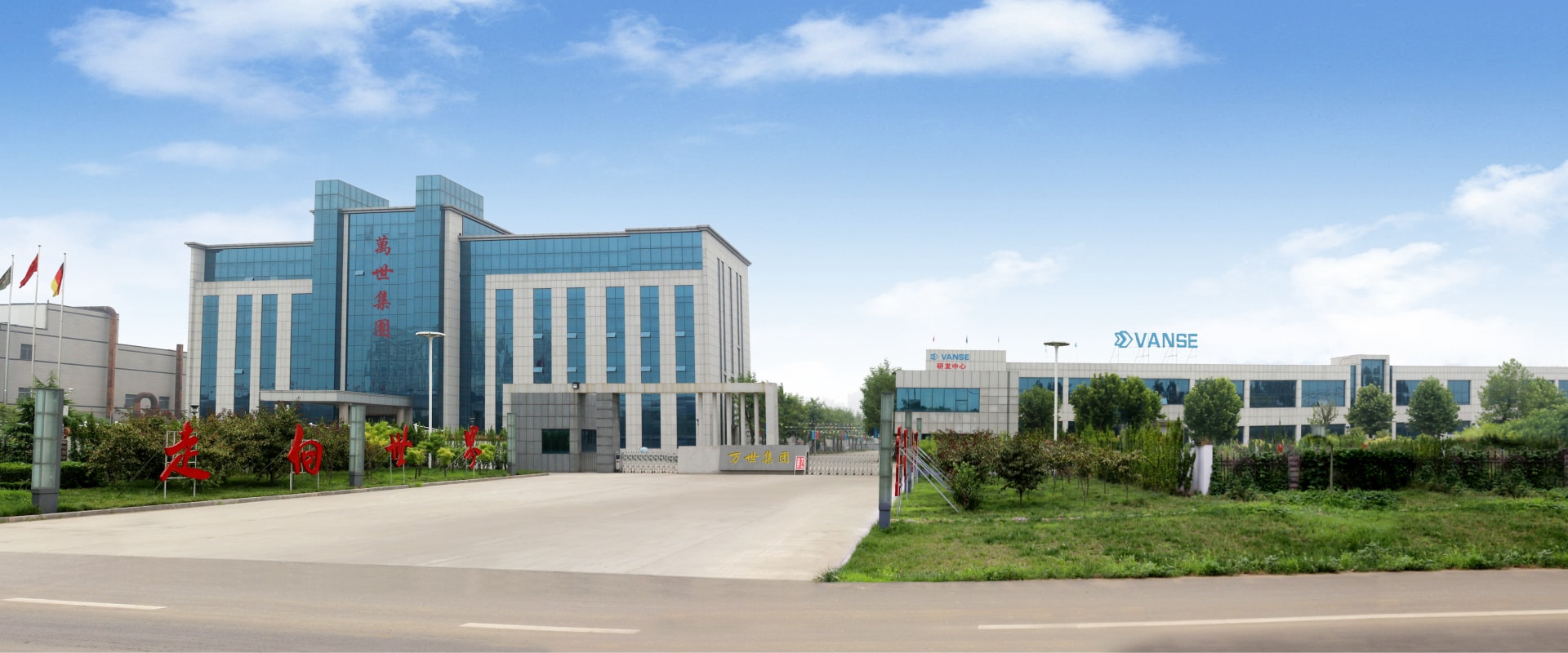
For U.S. buyers seeking a high-value telehandler partner, VANSE Group’s operating profile shows concrete evidence rather than generic claims: the company has produced more than 8,000 units since 2013 and manufactures under CE and ISO 9001 systems, with each machine passing structured load testing, safety inspection, and performance validation; its telehandler line is built around globally recognized core components such as Perkins and Cummins engines plus premium hydraulic, transmission, and axle systems to align with international reliability expectations; for commercial cooperation, VANSE supports flexible models for end users, distributors, dealers, rental firms, brand owners, and individual buyers through OEM/ODM, wholesale, and channel partnerships that allow configuration, branding, and specification localization; and for local assurance, VANSE is actively expanding its North American footprint with U.S.-focused subsidiary development, inventory planning, and stronger regional after-sales capability, while already serving clients across North America and other major regions through integrated online and offline pre-sale consultation, technical support, and lifecycle service designed to give U.S. customers dependable access rather than remote-export uncertainty. Buyers can review the main equipment platform, explore telehandler and machinery options in the equipment catalog, evaluate lifecycle commitments on the service page, and connect with the team via the U.S. partnership contact channel.
How to Build a Reliable Procurement Plan
A strong U.S. telehandler plan usually follows a three-phase approach. First, define application clusters: construction lift cycles, yard logistics flow, and seasonal high-load events. Second, run a weighted supplier scorecard that includes service response, parts availability, financing flexibility, and operator adoption factors. Third, lock in a support framework that covers commissioning, scheduled maintenance, and operator retraining.
For buyers scaling across multiple states, central specification control is essential. Standardized controls, shared attachment interfaces, and common maintenance intervals reduce branch-level complexity. At the same time, local adaptation is still required for climate, terrain, and compliance differences. The best procurement teams document which specs are fixed and which are adjustable by region.
Finally, consider logistics and trade routes when importing or sourcing from international partners. Access through major U.S. gateways such as Los Angeles/Long Beach, Houston, Savannah, and New York/New Jersey can influence landed cost, lead time, and replacement-part cycle speed. In many cases, mixed sourcing strategies work best: one or two high-coverage domestic suppliers for immediate response and one high-value global partner for expansion capacity and tailored configurations.
FAQ
What is the most practical telehandler size for U.S. general contractors?
For many general contractors, 6,000–10,000 lb capacity with roughly 30–45 ft lift height is the most versatile range. It handles common building materials without excessive operating cost.
Is renting or buying better in the United States?
If utilization is low or project timelines are uncertain, renting often wins. If annual utilization is consistent and attachments are used frequently, ownership typically provides better lifecycle economics.
How important is dealer proximity?
It is critical. In the U.S., travel distance can turn a simple repair into multi-day downtime. Always evaluate nearest parts stock, mobile technician coverage, and written service response times.
What certifications should buyers ask about?
Buyers should request evidence of structured manufacturing quality systems and machine testing procedures, then confirm U.S.-specific compliance and safety requirements through the supplier and project standards.
Can international telehandler suppliers be trusted for U.S. projects?
Yes, when they provide clear certification history, documented production scale, transparent component sourcing, and real local support plans including parts, training, and after-sales service commitments.
Which attachments provide the fastest ROI?
Forks are baseline. After that, buckets, jibs, and work platforms often provide rapid gains by expanding jobsite tasks without adding more machines.
How does climate affect telehandler selection?
Extreme heat, freeze-thaw cycles, and dusty operations affect hydraulic behavior, filtration needs, and tire wear. Regional conditions should influence cooling, maintenance intervals, and component choices.
What role does telematics play in telehandler fleets?
Telematics improves maintenance planning, usage tracking, and incident analysis. It helps managers reduce idle time, schedule service proactively, and validate operator training outcomes.
Are electric telehandlers ready for U.S. fleets in 2026?
They are increasingly viable in selected duty cycles, especially indoor-outdoor mixed operations with planned charging windows. Diesel remains dominant for heavy continuous outdoor cycles, but hybrid/electric share is growing.
How should first-time buyers compare supplier quotes?
Use a lifecycle template: purchase price, finance terms, fuel use, maintenance intervals, warranty scope, parts lead time, training support, and expected resale value. This prevents underestimating true operating cost.
What should distributors and dealers prioritize when adding a new telehandler line?
Prioritize parts availability, training quality, model consistency, attachment compatibility, and OEM responsiveness. A competitive product without dependable after-sales structure is risky in the U.S. market.
How can buyers avoid overspecifying machines?
Track real lift cycles for 30–60 days before purchasing. Many fleets find their daily tasks need less reach and capacity than initially assumed, allowing lower-cost models with better utilization.
Telehandler procurement in the United States is strongest when buyers combine practical model sizing, local support verification, and future-ready planning. With construction, agriculture, logistics, and infrastructure all sustaining demand, the right machine and supplier partnership can deliver measurable productivity gains and more resilient project execution through 2026 and beyond.
Complete Telescopic Handler Equipment Portfolio
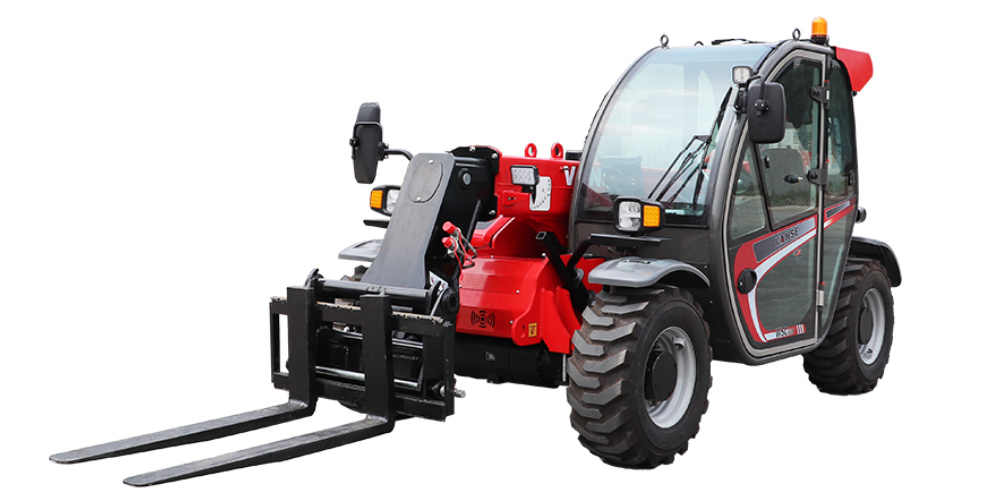
VANSE 625 6m Telescopic Handler
Designed for efficient material handling and stacking in warehouses, factories, and confined job sites, offering compact maneuverability and reliable performance.

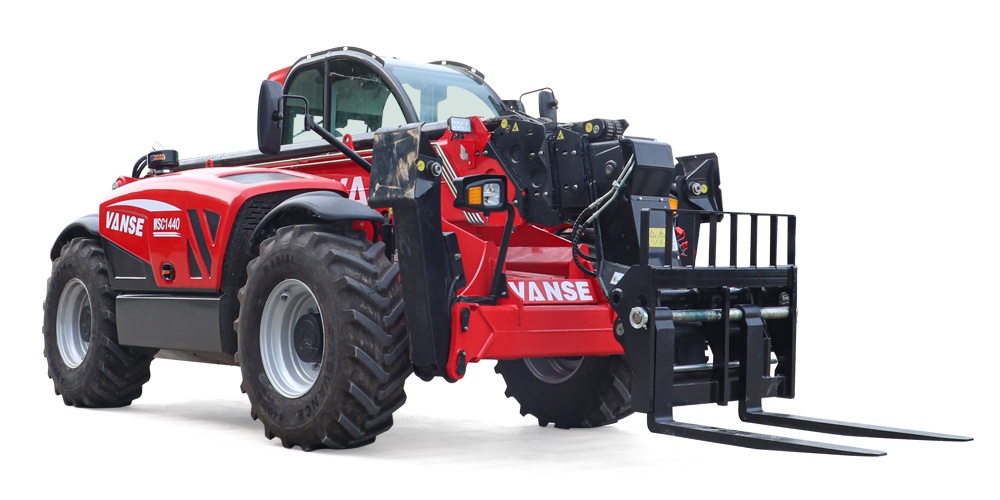
VANSE 735 7m Telescopic Handler
A balanced mid-duty solution for construction, agriculture, logistics, and warehousing, combining stable lifting, strong traction, and everyday versatility.


About the Author:
The VANSE team is a group of experienced professionals specializing in construction machinery research, manufacturing, and technical support. With deep industry knowledge and hands-on experience, our engineers and product specialists share practical insights on equipment selection, operation, maintenance, and industry trends.
Share
You May Also Interest
-

May 12, 2026
How High Can a Telehandler Reach? Guide
Learn how high can a telehandler reach in the United States, typical lift ranges, model types, buying tips, supplier options, and 2026 market trends.
-

May 11, 2026
Telehandler for Tight Spaces: Guide
Find the best telehandler for tight spaces in the United States with buyer tips, supplier comparisons, compact models, and practical jobsite advice.
-

May 8, 2026
How Much Can a Telehandler Lift? Guide
Learn how much can a telehandler lift in the United States, with capacity ranges, jobsite examples, buying tips, supplier comparisons, and 2026 trends.
-

May 7, 2026
Telehandler OSHA Requirements: Guide
Learn telehandler OSHA requirements in the United States, including training, inspections, safe operation, jobsite compliance, and buying guidance.