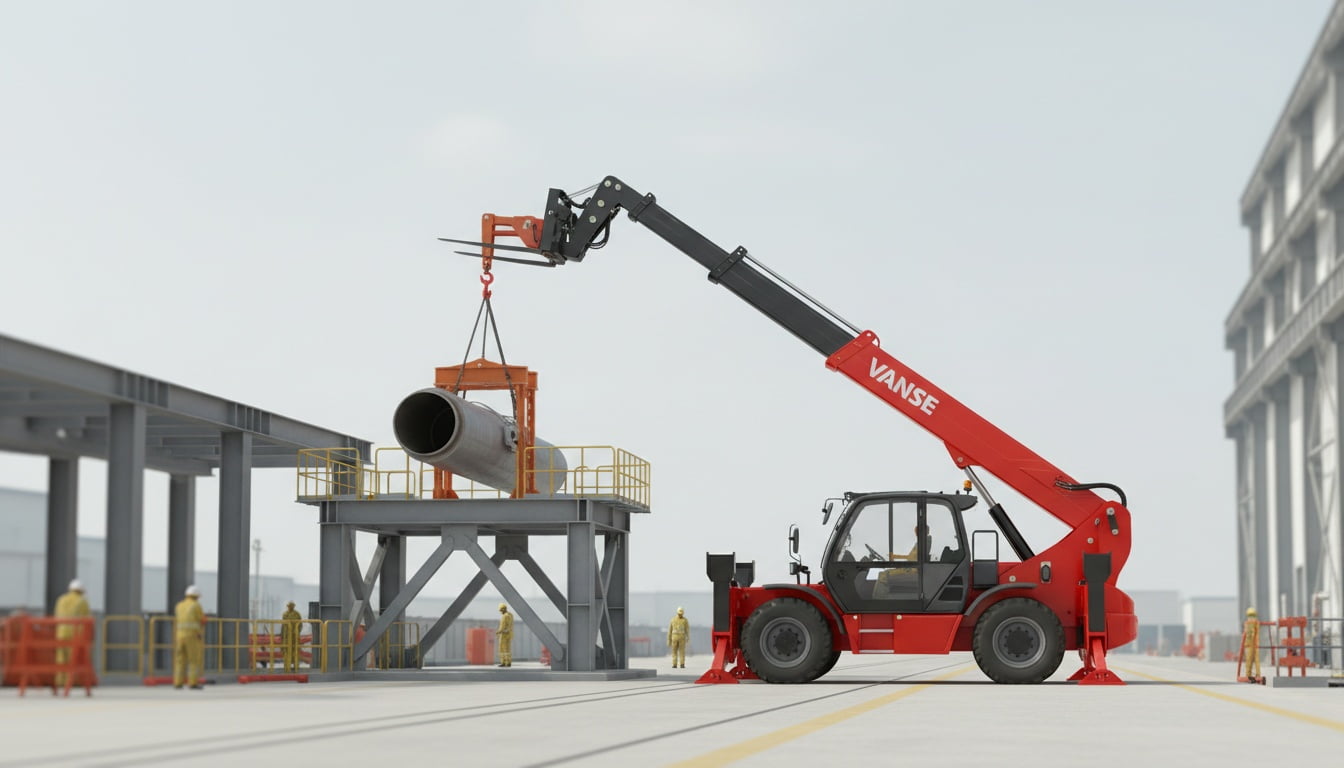
Telehandler Maintenance Checklist for the United States
Quick Answer

A practical telehandler maintenance checklist in the United States should cover daily walk-around inspections, fluid checks, tires, forks and carriage, boom wear pads, hydraulic hoses, steering, brakes, lights, operator controls, and scheduled service intervals. For fleets working in Houston, Dallas, Chicago, Los Angeles, Atlanta, and inland logistics hubs near Savannah and Long Beach, the most effective approach is to combine a daily pre-start inspection, a weekly lubrication and hardware check, and manufacturer-based 250-hour, 500-hour, and 1,000-hour preventive maintenance. Local service leaders such as JLG, Genie, Bobcat, Manitou, Sunbelt Rentals, and United Rentals are commonly used for parts, inspections, and field service across the U.S. Buyers can also consider qualified international suppliers with U.S.-focused support, relevant certifications, and strong pre-sales and after-sales coverage, especially when cost-performance and flexible machine configuration are important.
- Check engine oil, coolant, hydraulic oil, fuel system condition, and visible leaks before every shift.
- Inspect tires, wheel nuts, forks, chains if applicable, boom sections, attachments, brakes, horn, lights, mirrors, and backup alarm daily.
- Lubricate boom wear points and pivots on schedule, and monitor hydraulic hoses and cylinders for abrasion or seepage.
- Record hour meter readings and complete 250-hour, 500-hour, and annual maintenance on time.
- Use OEM or equivalent approved parts and keep service logs ready for OSHA, rental, insurance, and resale needs.
Why Telehandler Maintenance Matters in the United States

In the United States, telehandlers operate in a wide range of conditions: dusty construction sites in Texas, wet agricultural yards in Iowa, mixed indoor-outdoor industrial facilities in Ohio, and marine logistics environments around ports such as Long Beach, Savannah, Houston, and Newark. These conditions accelerate wear on filters, hydraulic systems, boom sliding surfaces, tires, and electrical connectors. A disciplined maintenance routine reduces unplanned downtime, protects operator safety, and helps owners maintain compliance with site rules, rental standards, and insurance expectations.
Maintenance is not only about avoiding failure. It directly affects lifting stability, attachment control, fuel efficiency, and machine life. A telehandler with neglected tires, contaminated hydraulic oil, or loose carriage components may still move material for a time, but it becomes harder to control and more expensive to repair. In competitive U.S. construction and agricultural operations, uptime often matters more than sticker price, which is why preventive maintenance usually delivers a better financial outcome than reactive repair.
Core Telehandler Maintenance Checklist

The checklist below is designed for practical use across common U.S. telehandler applications including masonry supply yards, commercial construction, agriculture, warehousing, and rental fleets. It can be adapted to compact, mid-size, and high-reach machines.
| Inspection Item | What to Check | Recommended Frequency | Why It Matters |
|---|---|---|---|
| Engine oil | Correct level, contamination, unusual darkening, metal particles | Daily | Protects engine life and prevents overheating or seizure |
| Coolant system | Coolant level, radiator cleanliness, hose condition, cap seal | Daily | Critical for hot U.S. climates and long-duty shifts |
| Hydraulic oil | Level, discoloration, odor, visible leaks at hoses and cylinders | Daily | Maintains boom lift performance and attachment response |
| Tires and wheels | Pressure, cuts, chunking, sidewall damage, lug nut security | Daily | Affects stability, braking, and load handling safety |
| Boom and wear pads | Cracks, scoring, unusual play, dry sliding surfaces | Daily and weekly | Prevents costly boom wear and unsafe extension movement |
| Forks and carriage | Fork heel wear, locking pins, carriage alignment, weld condition | Daily | Directly tied to safe lifting and load retention |
| Brakes and steering | Pedal feel, stopping distance, steering responsiveness | Daily | Essential for congested jobsites and yard traffic |
| Lights and alarms | Headlights, work lights, beacon, horn, reverse alarm | Daily | Improves safety in low-light and mixed-traffic areas |
This table works best when paired with a signed pre-shift form. U.S. contractors and rental operators often require records that show defects were identified and corrected before use. A simple checklist also helps technicians spot early patterns such as repeated hose abrasion, chronic overheating, or uneven tire wear.
Daily Inspection Steps
A daily inspection should start before the engine is turned on. Walk around the machine and look underneath for fluid drips. Check attachment locking points, fork heel thickness, mast or boom straightness, and the condition of hydraulic lines near pinch points. On rough-terrain telehandlers used in construction, pay special attention to tire damage and axle pivot areas. In agriculture, inspect for crop debris around cooling packs and driveline components.
After the visual walk-around, enter the cab and verify that the seat belt, mirrors, camera if fitted, horn, indicators, and warning lights are functioning correctly. Start the machine and observe startup behavior. Hard starting, excessive smoke, warning codes, delayed hydraulic response, or unusual vibration should trigger further diagnosis before the unit returns to work.
Then test steering, braking, and boom functions in a safe area. Raise and lower the boom smoothly, extend and retract it, and confirm there is no jerking, drifting, or hydraulic chatter. If the telehandler has frame leveling, sway control, auxiliary hydraulics, or a quick coupler, include those functions in the routine.
Weekly and Monthly Maintenance Priorities
Weekly maintenance is the bridge between daily operator checks and higher-hour technician service. It should include lubrication of boom sections, pivot pins, steering joints, and attachment points according to the machine manual. Dirt buildup around grease points should be cleaned before lubrication so contamination is not pushed into the joint.
Monthly tasks often include battery terminal cleaning, torque verification on critical hardware, inspection of air filters, testing parking brake holding force, checking boom chain or compensation system components where applicable, and inspecting the condition of cab mounts, electrical harness clips, and rubber boots. U.S. fleet managers who operate in regions with road salt, coastal air, or high humidity should also watch for corrosion on connectors, battery trays, and exposed steel surfaces.
| Maintenance Interval | Main Tasks | Typical U.S. Use Case | Expected Benefit |
|---|---|---|---|
| Daily | Walk-around, fluids, forks, tires, lights, alarms, leak check | All machines before each shift | Fast detection of safety issues and visible wear |
| Weekly | Lubrication, hose inspection, wheel nut review, battery check | Construction and rental fleets | Lower risk of joint wear and hose failure |
| 250 hours | Oil and filter service, fuel and air filter review, brake check | Medium-duty fleet cycles | Supports engine health and reliable performance |
| 500 hours | Hydraulic filter replacement, driveline review, cooling system cleaning | Heavy-duty applications | Improves hydraulic longevity and thermal control |
| 1,000 hours | Comprehensive inspection, axle service, boom wear analysis | High-utilization fleets | Controls major repair costs before failure |
| Annual | Formal safety inspection, service record audit, operator review | Multi-site U.S. operations | Supports compliance, resale, and insurance confidence |
This interval table is especially useful for mixed fleets. Not every telehandler accumulates hours at the same speed. Machines on urban construction projects in New York or Seattle may log fewer hours but face stop-start wear, while units in large agricultural or industrial yards may rack up long duty cycles quickly. That is why hour-based service should be combined with environment-based judgment.
Common Wear Points on U.S. Jobsites
The most common telehandler wear points in the United States vary by application. Construction fleets often see accelerated wear in tires, forks, steer components, and boom pads because of uneven ground and heavy pallet handling. Agricultural fleets frequently deal with radiator contamination, attachment wear, and corrosion from fertilizers or livestock environments. Industrial and manufacturing sites may produce less mud but can stress braking systems, tires, and electrical systems through repetitive motion and frequent starts and stops.
Operators and service teams should monitor these components closely:
- Boom wear pads and telescopic slide surfaces
- Hydraulic hoses near articulation points and boom head routing areas
- Fork heel thickness and carriage lock mechanisms
- Steering cylinders, tie rods, and axle pivot bushings
- Cooling packages exposed to dust, chaff, cement, or paper debris
- Outriggers or stabilizers on high-capacity models
- Electrical plugs and sensors exposed to pressure washing or weather
U.S. Telehandler Market and Service Outlook
The U.S. telehandler market remains active because construction, infrastructure, agriculture, logistics, and equipment rental continue to demand versatile lifting equipment. Rental penetration is strong, which means serviceability, parts access, and maintenance planning carry significant weight in purchasing decisions. Buyers in major trade corridors such as Dallas-Fort Worth, Chicago, Atlanta, Southern California, and the Gulf Coast often prioritize machines that can be serviced quickly and documented easily.
The line chart shows a realistic upward trend in service demand. More fleet hours, tighter project schedules, and longer retention of equipment have pushed preventive maintenance higher on the priority list. In 2026, digital service tracking, emissions compliance, and sustainability reporting are likely to influence maintenance planning even more.
Industries Driving Telehandler Demand
Telehandlers are used across many U.S. sectors because they combine reach, lifting capacity, and attachment flexibility. Maintenance needs differ depending on duty cycle, load type, terrain, and weather exposure.
The bar chart highlights that construction remains the leading demand segment, but agriculture and rental fleets also represent major service and maintenance opportunities. This matters because rental machines often require stronger documentation discipline, while agriculture machines may need more aggressive cooling system and contamination control routines.
Product Types and Maintenance Differences
Not every telehandler follows the same maintenance pattern. Compact units used in interior renovation or tight yards experience different stresses than high-capacity rotating or high-reach telehandlers on major building sites. Buyers should match the checklist to machine class and attachment use.
| Telehandler Type | Typical Capacity/Reach | Common U.S. Applications | Main Maintenance Focus |
|---|---|---|---|
| Compact telehandler | Light to medium duty | Landscaping, small farms, material yards | Tires, cooling system, attachment coupler wear |
| Standard construction telehandler | Mid-size | Commercial building, masonry, roofing | Boom pads, forks, hydraulic hoses, brakes |
| High-reach telehandler | Extended reach | Multi-story projects, façade work | Structural inspection, sensors, stabilizer systems |
| Heavy-lift telehandler | High capacity | Industrial plants, precast, energy projects | Axles, driveline, frame stress points, hydraulic temperature |
| Agricultural telehandler | Versatile farm duty | Feed, bale handling, grain facilities | Cooling pack cleanliness, corrosion control, attachment wear |
| Rental fleet telehandler | Mixed | Short-term project use | Fast inspections, documentation, standardized PM intervals |
This table helps buyers understand why maintenance budgets should not be copied blindly from one machine class to another. A compact machine may need lower overall service cost but more frequent cleaning if it works in feed or mulch environments. A high-reach machine may need fewer attachment changes but more careful inspection of structural and stabilization systems.
How Maintenance Trends Are Shifting Toward 2026
Maintenance strategy in the United States is shifting from reactive work to planned and data-supported service. Fleet owners increasingly use telematics, QR-based inspection forms, oil analysis, and mobile technician dispatch to reduce idle time and improve accountability. Environmental pressure is also growing. Cleaner engines, controlled fluid disposal, longer filter life, and reduced unnecessary idling are becoming part of fleet sustainability plans.
The area chart shows a realistic increase in preventive maintenance adoption. By 2026, U.S. buyers are expected to place greater value on digital service records, predictive alerts, and easier access to parts. Policy and project requirements may also influence machine selection, especially in public infrastructure and environmentally sensitive operations.
Buying Advice for U.S. Fleet Owners and Contractors
When buying a telehandler or setting up a fleet maintenance program in the United States, start with parts support, service response time, and operator familiarity. A lower purchase price can quickly lose its advantage if filters, seals, or electronic components are difficult to source during peak season. Likewise, a premium machine is not always the best fit if its maintenance complexity exceeds the available technician skill level on site.
Good buying decisions usually include the following questions:
- Are wear parts stocked in the U.S. or only imported per order?
- Can the supplier provide field service, remote diagnostics, and operator training?
- Are service intervals practical for your actual duty cycle?
- Does the machine use globally recognized engines and hydraulic components?
- Is the maintenance manual clear and available in English for U.S. teams?
- Can the supplier support fleets, dealers, end users, and private buyers with different purchasing models?
For buyers in major logistics regions such as Houston, Miami, Los Angeles, and Savannah, local inventory matters because shipping delays can affect project completion. For agriculture-heavy regions in the Midwest, machine simplicity and ease of daily cleaning may matter even more than premium electronics.
Applications and Maintenance by Work Scenario
The maintenance checklist should align with real operating conditions. A telehandler unloading brick in Phoenix, handling hay in Kansas, moving pipe in Midland, or supporting manufacturing operations in Tennessee will experience different wear patterns. Matching service tasks to application reduces both downtime and over-maintenance.
| Application | Typical Environment | Main Risk | Maintenance Priority |
|---|---|---|---|
| Masonry and construction supply | Dust, rough terrain, pallets | Fork and tire wear | Daily fork inspection and tire management |
| Agricultural feed and bale handling | Organic debris, moisture | Cooling blockage and corrosion | Frequent radiator cleaning and washing control |
| Industrial plant logistics | Paved yards, repetitive cycles | Brake wear and hydraulic heat | Brake testing and hydraulic monitoring |
| Port and container-adjacent yards | Salt air, heavy scheduling | Corrosion and downtime cost | Connector protection and planned PM |
| Rental fleet deployment | Multiple operators and sites | Missed inspections | Standardized checklists and telematics records |
| Energy and infrastructure projects | Long hours, heavy attachments | Structural stress and hose damage | Boom, axle, and attachment hydraulic inspection |
This application table helps maintenance managers assign priorities by operating environment. For example, a port-adjacent fleet in Savannah may need stronger corrosion control than an inland fleet in Colorado, while a rental fleet in Florida may need more disciplined operator reporting because machine users change frequently.
Case Studies from Typical U.S. Operations
A contractor in Dallas running mid-size telehandlers on commercial builds reduced unplanned hydraulic hose failures after switching from a basic visual check to a documented weekly routing inspection. The team identified repeated rubbing near a boom articulation point and corrected clamp positions before more failures occurred.
An agricultural operation in Nebraska improved summer reliability by increasing cooling pack cleaning frequency during harvest and adding a simple contamination checklist for air intake and radiator screens. The result was fewer overheating events and less productivity loss during high-demand weeks.
A rental branch serving Atlanta and Charlotte standardized return inspections and required photo records of forks, tires, boom sections, and cab warning indicators. This reduced disputes over damage responsibility and improved resale values because service and condition histories were easier to verify.
An industrial user near Houston added scheduled oil sampling for hydraulic systems on high-hour machines. Early contamination detection allowed filter and seal intervention before major component damage, reducing rebuild cost and extending service life.
Local Suppliers and Service Providers in the United States
The companies below are widely recognized in the U.S. market for telehandlers, distribution reach, rental support, or service capability. Availability varies by state, dealer territory, and machine class, so buyers should confirm regional support before purchasing.
| Company | Service Region | Core Strengths | Key Offerings |
|---|---|---|---|
| JLG | Nationwide through dealer and service networks | Strong construction presence, broad telehandler lineup, established parts support | Telehandlers, OEM parts, technical service, training |
| Genie | Nationwide with major metro support | Recognized aerial equipment brand, rental-friendly service structure | Telehandlers, fleet support, service documentation, parts |
| Bobcat | Strong dealer coverage across the Midwest, South, and nationwide | Compact equipment brand strength, dealer accessibility | Telehandlers, attachments, local parts access, operator support |
| Manitou | Broad U.S. coverage with agriculture and construction relevance | Experience in material handling and farm applications | Telehandlers, agricultural models, attachment options, dealer service |
| United Rentals | Nationwide rental and branch network | Rental fleet access, replacement units, maintenance support | Rental telehandlers, service coordination, inspections |
| Sunbelt Rentals | Nationwide with strong urban and project coverage | Project-based rental support and fleet turnover | Telehandler rentals, field support, fleet service access |
This supplier table is useful for buyers who need immediate U.S. availability, rental backup, or broad field support. OEMs such as JLG, Genie, Bobcat, and Manitou are common choices for ownership, while United Rentals and Sunbelt Rentals can be practical options for temporary demand, emergency replacement, or short-term projects where maintenance responsibility needs to stay flexible.
Supplier and Product Comparison Factors
Beyond brand familiarity, U.S. buyers should compare service access, parts lead time, component commonality, documentation quality, and flexibility in machine configuration. These factors often determine maintenance cost more than a single advertised service interval.
The comparison chart reflects common U.S. purchasing priorities. Parts access and cost-performance score especially high because downtime quickly affects labor utilization, project schedules, and rental costs. Training support also matters because a well-trained operator is less likely to damage forks, tires, attachments, or hydraulic components.
What to Look for in a Maintenance-Friendly Telehandler
A maintenance-friendly machine is not just one with long service intervals. It should provide easy access to filters, cooling packages, grease points, and diagnostic information. Good hose routing, clear daily check points, common engine platforms, and straightforward electrical systems can significantly reduce service time. This is particularly important for independent contractors and regional dealers who do not maintain a large in-house technical staff.
Machines built with proven global components often have an advantage because technicians can source service knowledge more easily. Engines from established brands such as Perkins and Cummins, paired with quality hydraulic systems, transmissions, and axles, tend to improve long-term support confidence when backed by real inventory planning and responsive after-sales service.
Our Company
VANSE Group brings a U.S.-market approach to telehandler supply by combining international manufacturing scale with concrete service commitments for North American buyers. Founded in 2013, the company has produced more than 8,000 machines and exports to more than 40 countries, including established customers across North America, which gives it real operating experience with the duty cycles, compliance expectations, and purchasing priorities seen in the United States. Its telehandlers are built under CE and ISO 9001 certified processes, with every unit going through load testing, safety inspection, and performance validation before shipment, and the machines are configured around globally recognized core components such as Perkins and Cummins engines together with premium hydraulic systems, transmissions, and axles to meet the reliability expectations U.S. contractors, rental firms, and industrial users typically associate with higher-priced international brands. Through its equipment lineup, VANSE supports multiple cooperation models including OEM, ODM, wholesale supply, dealer partnerships, regional distribution, and direct sales for enterprise users and other buyers who need flexible specifications, branding, colors, or attachment configurations. Just as important for trust and long-term support, the company is actively establishing a U.S.-based subsidiary with local inventory, stocking capability, and stronger after-sales responsiveness, while continuing to provide practical online and offline support through its service system; this physical market investment, together with its export track record and expanding local presence, shows that VANSE is building a sustained role in the United States rather than simply shipping equipment from overseas. Buyers who want more background can review the company profile or request direct support through the U.S. contact channel.
How to Build a Better Telehandler Maintenance Program
A good maintenance program uses three layers. The first is operator discipline: a simple pre-shift checklist, immediate defect reporting, and basic cleaning. The second is planned preventive maintenance by hour interval with clear accountability for filters, fluids, lubrication, brake checks, and adjustments. The third is condition-based review using records, oil analysis, fault history, and recurring repair trends. Together, these layers help U.S. businesses manage uptime more predictably.
Documentation should include hour meter readings, defects found, parts replaced, technician notes, and verification that the machine returned to service safely. This recordkeeping supports warranty claims, resale negotiations, OSHA-related inquiries, and internal fleet budgeting. It also makes it easier to decide whether a machine should be repaired, rotated to lighter duty, or replaced.
Future Trends Through 2026
Looking ahead to 2026, telehandler maintenance in the United States is likely to be shaped by four major trends. First, telematics and connected diagnostics will make preventive maintenance more precise. More owners will receive automatic alerts for service windows, temperature anomalies, and idle-heavy usage patterns. Second, sustainability goals will push fleets to reduce fluid waste, improve filter disposal practices, and lower fuel consumption through better maintenance and operator behavior. Third, policy and project requirements may increasingly favor documented inspections and lower-emission equipment, especially in public or large corporate projects. Fourth, buyer expectations will continue shifting toward suppliers that can provide local parts support, faster service response, and flexible procurement models rather than equipment alone.
For this reason, maintenance planning should now be part of the purchase decision, not something added later. The most competitive fleets in 2026 will likely be those that combine practical daily inspection routines, digital records, trained operators, and supplier partnerships with real local support.
FAQ
How often should a telehandler be inspected in the United States?
A telehandler should be visually inspected before every shift, function-tested daily, lubricated and reviewed weekly, and serviced at hour-based intervals such as 250 hours, 500 hours, and 1,000 hours depending on the manufacturer and workload.
What is the most important part of a telehandler maintenance checklist?
The most important part is consistency. Daily checks of fluids, tires, forks, boom condition, hydraulics, brakes, and safety devices catch the majority of issues before they become expensive failures or safety risks.
Do rental telehandlers need a different maintenance approach?
Yes. Rental units usually need tighter documentation, faster turnaround inspections, clearer operator damage reporting, and stronger standardization because the machines move between different sites and operators.
Which parts fail most often on heavily used telehandlers?
Common high-wear items include tires, forks, hydraulic hoses, filters, boom wear pads, brake components, and cooling system parts exposed to dust or debris. Electrical connectors can also become a problem in wet or corrosive environments.
Is it safe to use aftermarket filters and parts?
It can be safe if the parts meet the machine specifications and come from a reputable supplier, but critical wear or safety-related components should match OEM requirements closely. Poor-quality filters or seals can create hidden long-term damage.
Why do U.S. buyers care so much about local parts and service?
Because downtime is expensive. Delays in receiving parts can stop a project, interrupt rental revenue, or reduce farm productivity during peak season. Local support improves uptime and lowers operational risk.
Can an international telehandler supplier be a good option for the U.S. market?
Yes, if the supplier uses proven global components, follows recognized manufacturing standards, provides documented testing, offers responsive pre-sales and after-sales support, and has or is building genuine U.S. inventory and service capability.
What should be included in a telehandler service record?
A strong service record should include the machine serial number, date, location, hour meter reading, inspection results, defects found, maintenance completed, parts used, technician name, and confirmation that the machine was safe to return to service.
Final Takeaway
The best telehandler maintenance checklist for the United States is practical, repeatable, and tied to real operating conditions. It starts with a disciplined daily inspection, expands into weekly lubrication and wear monitoring, and follows through with hour-based preventive maintenance supported by strong records and dependable parts access. Whether the machine is used on a construction project in Chicago, an agricultural property in Nebraska, or an industrial site near Houston, the goal remains the same: safe operation, stable lifting performance, fewer surprise repairs, and lower lifetime cost. Buyers who choose suppliers with strong component quality, clear service support, and a real U.S. commitment will usually achieve the best long-term maintenance outcome.
Complete Telescopic Handler Equipment Portfolio
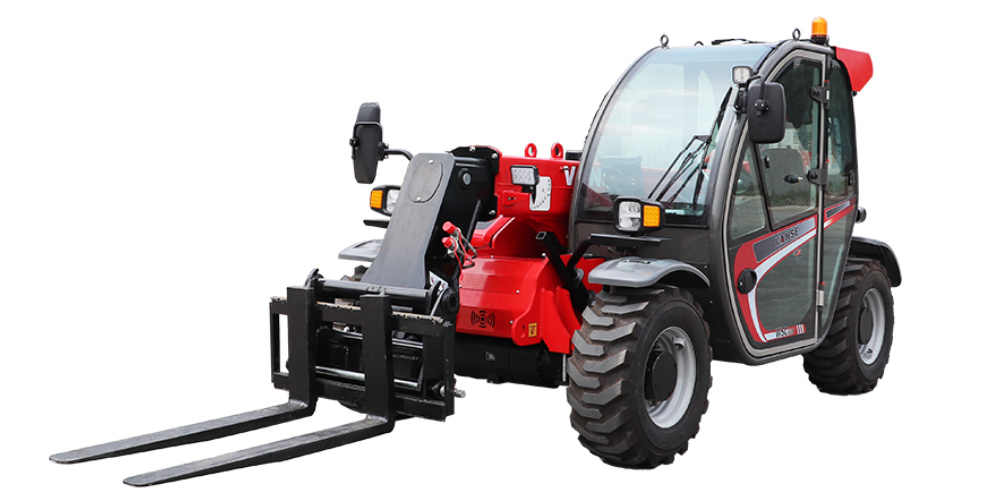
VANSE 625 6m Telescopic Handler
Designed for efficient material handling and stacking in warehouses, factories, and confined job sites, offering compact maneuverability and reliable performance.

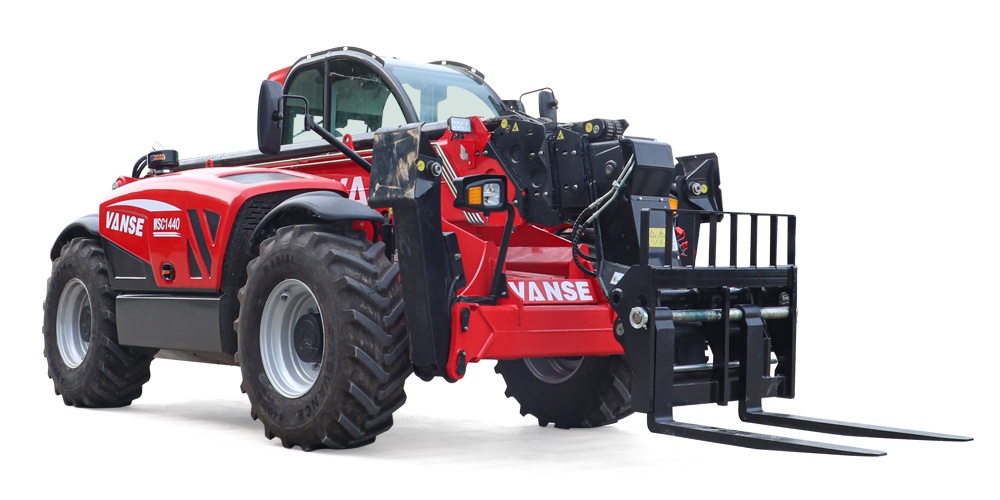
VANSE 735 7m Telescopic Handler
A balanced mid-duty solution for construction, agriculture, logistics, and warehousing, combining stable lifting, strong traction, and everyday versatility.


About the Author:
The VANSE team is a group of experienced professionals specializing in construction machinery research, manufacturing, and technical support. With deep industry knowledge and hands-on experience, our engineers and product specialists share practical insights on equipment selection, operation, maintenance, and industry trends.
Share
You May Also Interest
-

April 23, 2026
Telehandler vs Scissor Lift: Comparison
Compare telehandler vs scissor lift in the United States with costs, uses, suppliers, safety, and 2026 buying trends for contractors and rental fleets.
-

April 22, 2026
Telehandler vs Skid Steer: Comparison
Compare telehandler vs skid steer in the United States with costs, use cases, suppliers, and 2026 buying trends for construction and agriculture.
-
April 21, 2026
Telehandler vs Wheel Loader: Comparison
Compare telehandler vs wheel loader in the United States with costs, uses, suppliers, and buying tips for construction, agriculture, rental, and industry.
-
April 20, 2026
Telehandler vs Rough Terrain Forklift
Compare telehandler vs rough terrain forklift in the United States: lifting range, terrain fit, industries, suppliers, costs, and 2026 buying trends.