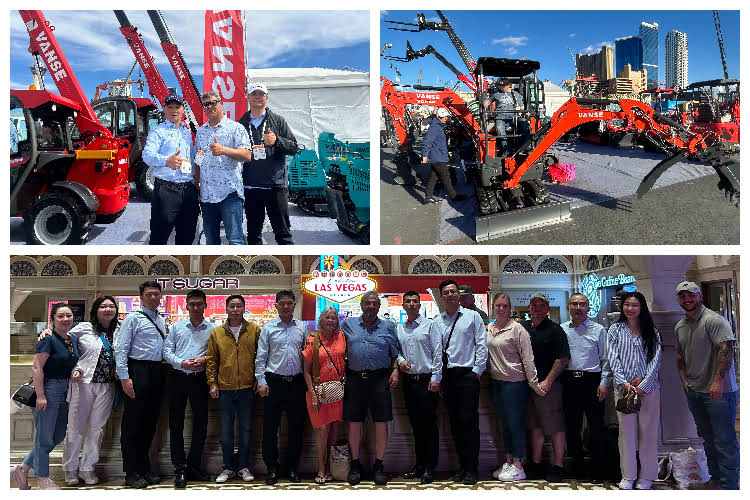
Telehandler for Mining in the United States
Quick Answer

If you need a telehandler for mining in the United States, focus on suppliers with proven support in Nevada, Arizona, Utah, Wyoming, West Virginia, Kentucky, and Texas, where mining, quarrying, and heavy material handling operations are concentrated. For buyers seeking dependable fleet support, JLG, Genie, Caterpillar, JCB, Manitou, and SkyTrak are among the most practical names to evaluate depending on lift height, jobsite conditions, attachment needs, and service network access.
For hard-rock mining, quarry support, aggregate yards, mill maintenance, and mine-site logistics, the most suitable machines are heavy-duty telehandlers with enclosed cabs, strong cooling packages, rough-terrain stability, fork and bucket compatibility, and available parts support near major logistics corridors such as Houston, Salt Lake City, Phoenix, and Reno. Buyers should compare not just rated capacity, but also service response time, boom durability, drivetrain layout, and attachment versatility.
Well-known options in the U.S. market include Caterpillar for integrated heavy-equipment support, JCB for dedicated telehandler expertise, Genie and JLG for broad rental penetration, Manitou for rough-terrain material handling, and SkyTrak for established construction and industrial fleet familiarity. Qualified international suppliers can also be worth considering, especially Chinese manufacturers that offer compliant machines, recognized core components, and strong pre-sales and after-sales support. When local certification, spare parts planning, and technical service are properly covered, these suppliers can provide notable cost-performance advantages for mining contractors and owner-operators.
- JCB: strong telehandler specialization and broad U.S. recognition
- Caterpillar: ideal for fleets already using Cat earthmoving equipment
- Genie: easy rental-channel access and common parts familiarity
- JLG: practical for contractor fleets needing multi-site support
- Manitou: good rough-terrain handling and attachment flexibility
Mining Telehandler Market in the United States

The U.S. market for mining telehandlers is shaped by a mix of underground support operations, surface mining logistics, quarry handling, aggregate processing, and industrial maintenance work around conveyors, crushers, screening plants, workshops, and storage yards. Unlike general construction applications, mining environments place much higher demands on cooling, machine protection, tire selection, hydraulic durability, operator visibility, and safe handling on uneven haul roads and staging areas.
Demand is strongest in regions with active gold, copper, lithium, coal, phosphate, limestone, and aggregate operations. Nevada remains one of the most important hubs for mine-site support equipment because of its gold and lithium activity. Arizona and Utah continue to generate demand through copper and industrial minerals. Wyoming and Appalachia add sustained use cases in coal handling, plant maintenance, and bulk material support. Texas and Oklahoma contribute through quarrying, industrial yards, and energy-linked heavy logistics.
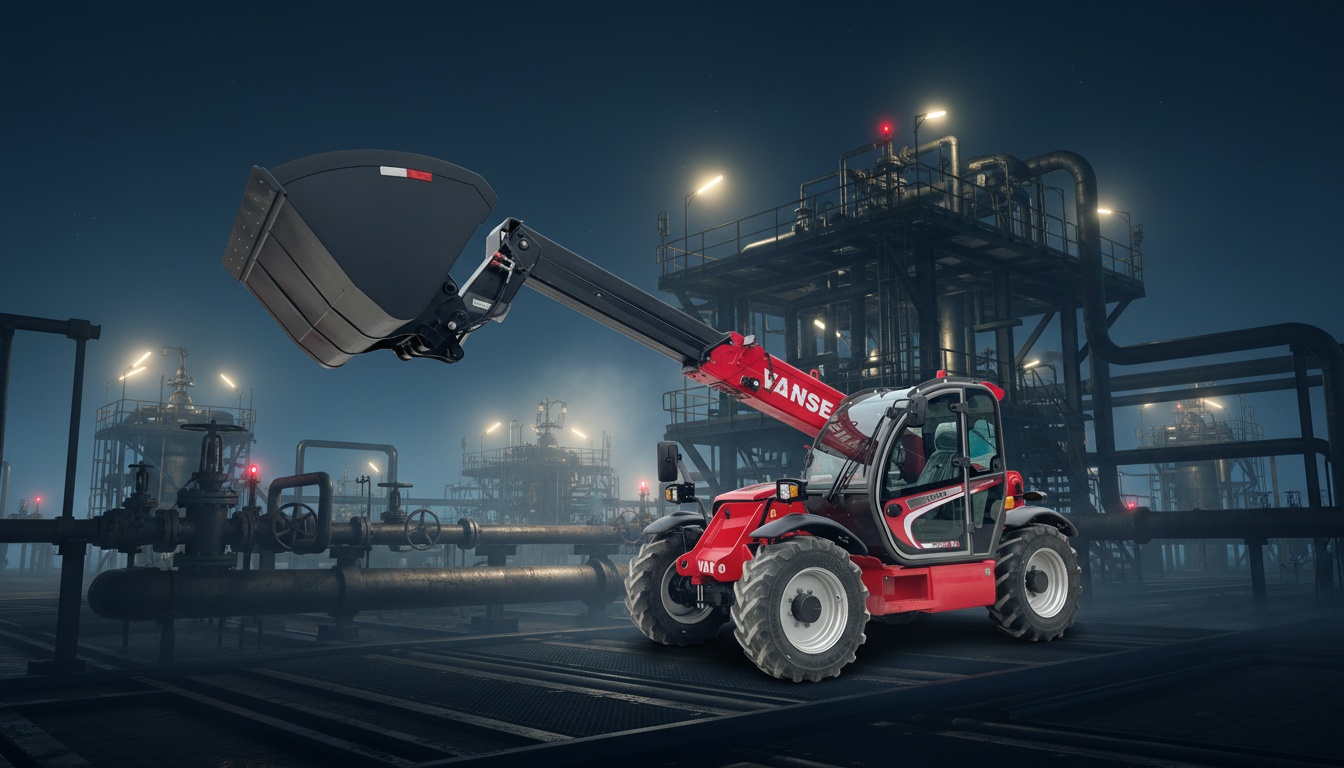
In practical purchasing terms, U.S. mining buyers usually evaluate telehandlers in four ways: lift capacity under real load conditions, machine uptime in abrasive environments, dealership reach, and attachment flexibility. A telehandler may be selected not only for palletized loads but also for maintenance baskets, tire handling tools, buckets, pipe grabs, lifting jibs, and general site support around workshops and processing plants.
Another trend in the United States is the overlap between rental and ownership. Short-term shutdown work, plant expansions, and contractor-led site modifications often favor rental fleets from regional dealers. Long-cycle mine operators, however, usually prefer ownership when they need machine configuration control, customized attachments, and predictable lifecycle cost over several years.
U.S. Market Growth Trend

The chart below illustrates a realistic estimate of telehandler demand growth linked to mining and quarry support applications in the United States. Growth is moderate rather than explosive, but replacement demand, infrastructure minerals, battery-metal projects, and plant modernization continue to support the segment.
Where Telehandlers Fit in Mining Operations
A mining telehandler is not a replacement for every wheel loader, crane, or forklift. Its value comes from reach, maneuverability, and attachment flexibility. In U.S. mining operations, telehandlers are commonly used to unload steel, transport pipes, move bagged reagents, handle maintenance parts, support crusher service work, lift components during shutdowns, and supply elevated access in areas where mobile cranes are too costly or forklifts are too limited.
In quarries and aggregate plants, telehandlers often support maintenance teams working around stackers, screens, wash plants, and conveyor systems. In underground-adjacent facilities and processing areas, they handle workshop logistics, tire bay operations, component staging, and general materials movement. In open-pit support zones, they are useful for field mechanics, consumables handling, and temporary infrastructure work.
Because mining sites frequently operate in dust, heat, mud, and sharp underfoot conditions, machine configuration matters as much as nominal capacity. A telehandler equipped with proper guarding, air filtration, high-quality cooling, a reliable transmission, and U.S.-accessible spare parts is usually more valuable than a lower-cost machine with weak support.
Common Product Types for Mining Work
Mining buyers in the United States generally choose among compact rough-terrain telehandlers, mid-capacity general-purpose telehandlers, high-capacity heavy-duty units, and specialty machines configured for maintenance or industrial site support. Selection depends on shaft-surface support work, quarry stockyards, mill facilities, confined service lanes, and attachment use.
| Telehandler type | Typical lift capacity | Typical lift height | Best mining use | Main advantage | Main limitation |
|---|---|---|---|---|---|
| Compact rough-terrain | 5,000 to 6,600 lb | 18 to 28 ft | Small yards, workshops, confined service areas | Easy maneuvering | Limited height and heavy-load ability |
| Mid-capacity standard | 6,600 to 10,000 lb | 30 to 44 ft | General mine-site logistics and plant support | Balanced versatility | May need careful stabilizing on rough terrain |
| High-capacity heavy-duty | 10,000 to 15,000 lb | 44 to 56 ft | Crusher parts, pipe, steel, shutdown maintenance | Strong lifting performance | Higher purchase and transport cost |
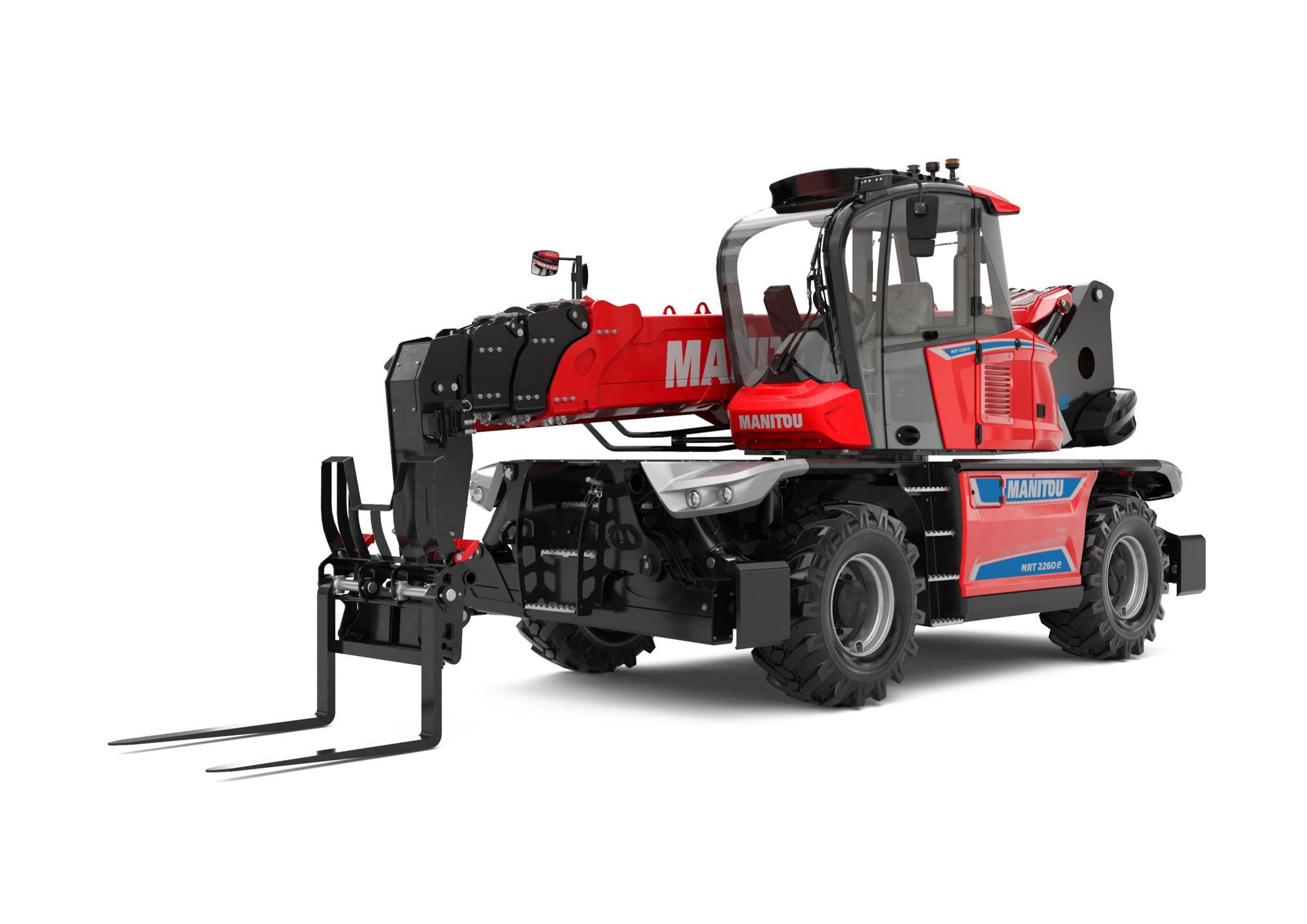
| Rotating telehandler | 8,000 to 15,000 lb | 50 to 80 ft | Complex maintenance access and multi-angle lifts | Very flexible positioning | Higher complexity and cost |
| Attachment-focused utility model | 6,000 to 10,000 lb | 24 to 42 ft | Bucket, fork, jib, and platform switching | Multi-role use | Performance depends on attachment strategy |
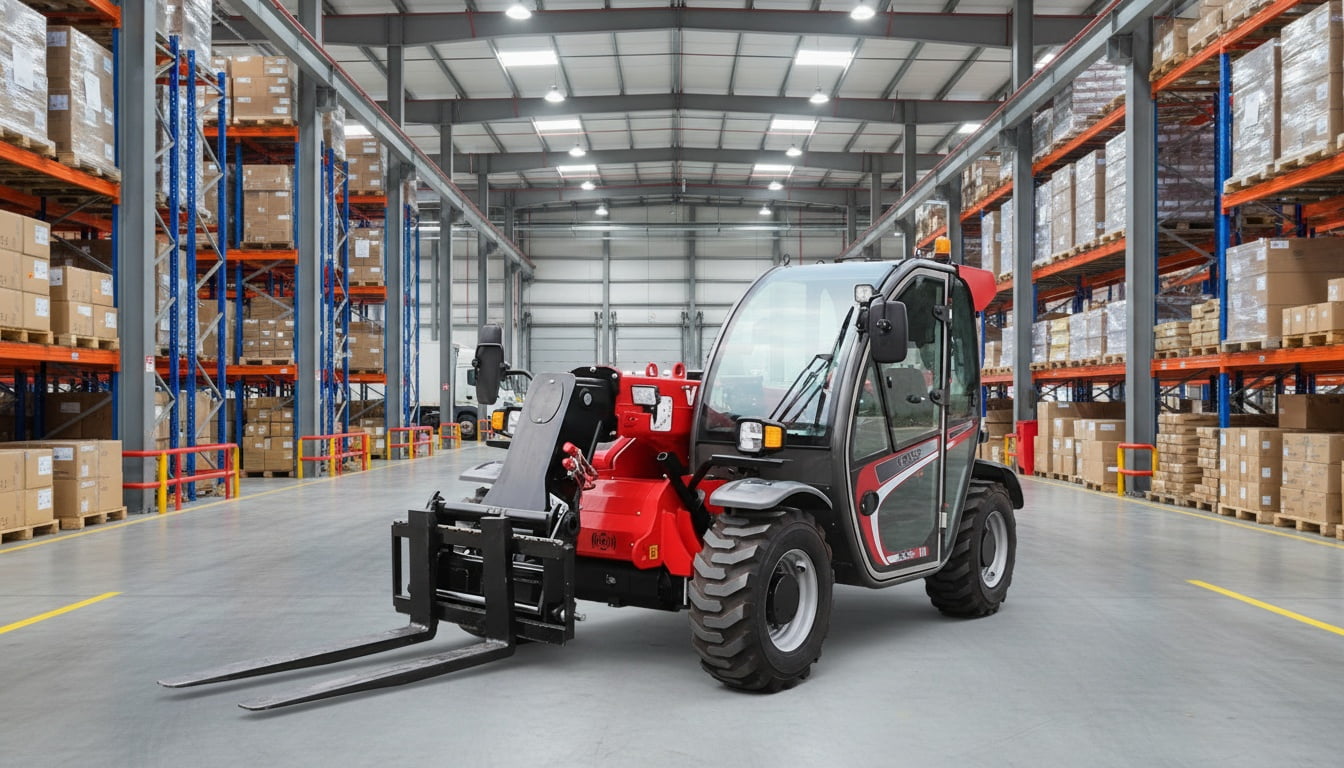
| Industrial yard telehandler | 8,000 to 12,000 lb | 26 to 36 ft | Bagged materials, spares, pallet loads, maintenance stores | Stable repetitive handling | Less ideal for harsh off-road travel |
This table shows why mining buyers should not assume the largest machine is always the best option. In many U.S. processing plants and maintenance zones, a mid-capacity telehandler delivers better maneuverability, lower fuel use, and easier transport while still covering most real lifting tasks. Heavy-duty models make sense when component handling, high stacking, or shutdown maintenance regularly exceeds mid-range capacities.
Industry Demand by Mining Segment
Not every mining segment uses telehandlers in the same way. Quarry and aggregate sites often use them daily, while metal mines may use them more intensively during maintenance cycles, infrastructure upgrades, and warehouse operations.
Buying Advice for U.S. Mining Companies
Buying a telehandler for mining in the United States requires more than comparing brochure specifications. Real performance depends on your working surface, duty cycle, shift length, attachment mix, and local support conditions. A quarry in Texas or Missouri may prioritize dust management and repetitive palletized lifting, while a Nevada gold operation may need more reach for maintenance support and stronger cooling for long hot-weather shifts.
Start with the load chart, not just the headline capacity. Many telehandlers can lift a certain maximum weight only in a retracted, low-height position. Once the boom extends, usable capacity changes significantly. Buyers should map their most common tasks by actual lift height, actual outreach, and attachment type. This avoids overspending on a machine that is too large or underbuying a model that becomes unstable in real work conditions.
Next, review support access. In mining, downtime is far more expensive than a small price difference at purchase. Ask where the nearest field technician is located, where the common wear parts are stocked, whether filters and hydraulic components are available in-state, and how long boom, axle, or transmission parts take to arrive. Ports and inland distribution hubs such as Houston, Los Angeles, Savannah, and Chicago can significantly affect lead times for imported equipment.
Buyers should also compare the cab and protection package. A machine used in dusty haul-road environments needs better sealing, filtration, cooling, and operator comfort than one used occasionally in a warehouse yard. If the machine will be used around shot rock, broken stone, or steel laydown areas, tire choice and underbody protection deserve close attention.
| Buying factor | Why it matters in mining | Questions to ask | Risk if ignored | Best fit scenario | Buyer tip |
|---|---|---|---|---|---|
| Real load chart | Capacity drops with boom extension | What can it lift at your required reach? | Unsafe or unusable lifts | All mine sites | Match lifts to daily tasks, not brochure maximums |
| Cooling and filtration | Dust and heat stress engine and hydraulics | Is it configured for severe-duty work? | Overheating and higher maintenance | Nevada, Arizona, Texas | Request heavy-duty cooling details in writing |
| Attachment compatibility | Mining sites need multi-role support | Can it run forks, bucket, jib, platform? | Need multiple machines instead of one | Maintenance-heavy sites | Price attachments as part of total package |
| Dealer service region | Fast field support protects uptime | Where is the nearest technician and parts stock? | Long downtime | Remote mines | Favor suppliers with regional support routes |
| Operator visibility and cab | Safer handling around crews and structures | How is visibility with forks and load? | Higher safety exposure | Plant and yard operations | Arrange an on-site demo if possible |
| Total lifecycle cost | Low price alone can mislead | What are service intervals and wear-part costs? | Unexpected ownership cost | Fleet buyers | Compare three-year operating cost, not just invoice price |
The most successful U.S. buyers usually run a short pilot evaluation or site demo before purchase. This reveals practical issues such as turning radius, line of sight around bins or walls, access to service points, and behavior when carrying typical mining loads over uneven ground.
Applications Across Mining and Quarry Operations
Telehandlers support a surprisingly wide set of mining applications. In aggregate yards, they unload cement additives, move spare screen media, handle bagged products, and support maintenance. In metal-mining support areas, they can transport pumps, hoses, piping, structural steel, and service modules. In coal preparation plants, they help with materials handling, maintenance staging, and inventory movement. In industrial minerals, they are frequently used for bulk-bag handling and plant upkeep.
At shutdown time, a telehandler becomes even more valuable. Maintenance teams can use it to position components, stage tools, lift platforms, support piping installation, and move critical parts between workshops and the plant. This flexibility explains why telehandlers often outperform fixed-purpose machines in operations where task variety is high.
| Application | Typical load | Preferred machine class | Useful attachment | Common U.S. setting | Operational note |
|---|---|---|---|---|---|
| Palletized supply handling | Bagged chemicals, parts, tools | Mid-capacity standard | Fork carriage | Mine warehouses and processing plants | Requires stable repetitive movement |
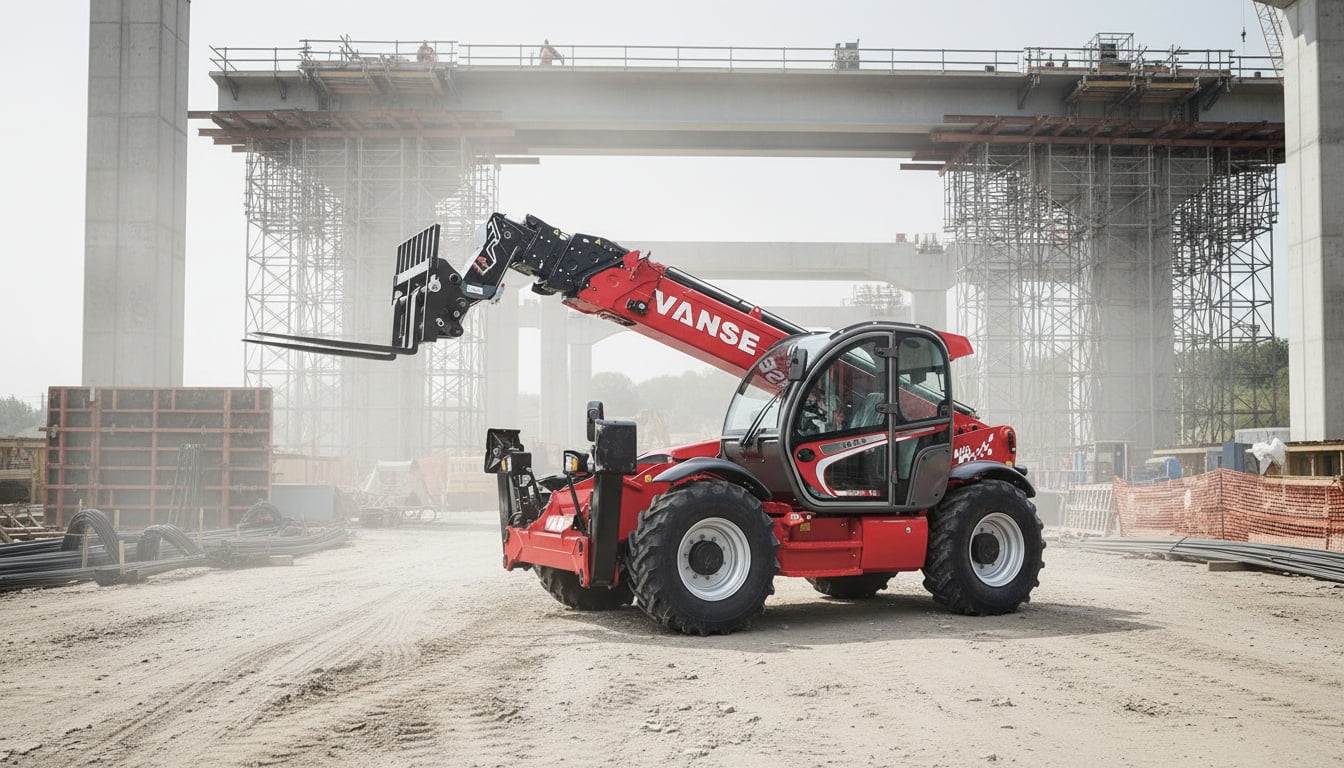
| Crusher and conveyor maintenance | Steel parts, wear components | High-capacity heavy-duty | Jib or forks | Quarries and aggregate plants | Reach and lifting control are critical |
| Pipe and utility installation | Piping, valves, supports | Mid or heavy-duty | Pipe grab or forks | Expansion projects | Needs accurate load placement |
| Bulk bag movement | Lime, reagents, additives | Industrial yard telehandler | Bag handler or forks | Mineral processing plants | Watch mast and bag stability |
| Workshop logistics | Tires, components, crates | Compact or mid-capacity | Forks or bucket | Maintenance yards | Maneuverability matters more than max height |
| Shutdown support | Mixed maintenance equipment | Heavy-duty or rotating model | Platform, jib, forks | Large mine-site maintenance events | Attachment versatility drives value |
This table shows the importance of matching the attachment package to the work plan. Many U.S. buyers underestimate how much productivity improves when attachments are chosen upfront instead of added later as separate purchases.
Trend Shift in U.S. Mining Equipment Selection
The next chart shows how telehandler buying priorities in the United States are shifting from simple lift performance toward broader lifecycle efficiency, safety technology, and service assurance.
Local Suppliers and Brands Worth Comparing
The U.S. telehandler market is broad, but mining buyers should concentrate on brands that can support harsh-duty applications and deliver parts support through dealer networks, rental channels, or regional warehouses. The following companies are practical names to compare for mining and quarry operations in the United States.
| Company | Service region in the United States | Core strengths | Key offerings | Best mining fit | Buyer note |
|---|---|---|---|---|---|
| JCB | Nationwide through dealers, strong presence in South and West | Telehandler specialization, wide model range, rough-terrain reputation | Standard and high-capacity telehandlers, attachments, service support | General mine logistics and maintenance | Strong option when telehandler is a core fleet machine |
| Caterpillar | Nationwide via Cat dealer network | Heavy equipment support ecosystem, dealer depth, mining fleet alignment | Telehandlers in selected markets, parts and field service access | Mines already standardized on Cat support | Service integration can outweigh unit price |
| Genie | Nationwide, especially through rental and dealer channels | Common fleet familiarity, broad availability, attachment support | Rough-terrain telehandlers and worksite accessories | Contractors and shutdown projects | Easy to source for rental-heavy operations |
| JLG | Nationwide with strong construction distribution | Fleet support, lift equipment experience, familiar controls | Telehandlers, service parts, access equipment support | Mixed contractor and industrial site use | Useful where lift fleet commonality matters |
| Manitou | Nationwide with regional dealer strength | Rough-terrain handling, material movement versatility | Telehandlers, forklifts, specialized material handling machines | Quarries, aggregate plants, industrial yards | Good fit for diverse handling applications |
| SkyTrak | Broad U.S. availability through dealer and rental channels | Recognized brand in jobsite fleets, simple ownership profile | Telehandlers for construction and industrial use | Support yards and moderate-duty mine applications | Often attractive for fleet familiarity and resale |
| Merlo | Selective U.S. distribution | Advanced design, rotating models, compact maneuverability | Telehandlers and specialty configurations | Maintenance teams needing flexibility | Check local support depth before purchase |
| Dieci | Selective U.S. dealers | Rotating and heavy-application options | Telehandlers, rotating telehandlers, attachments | Specialized maintenance and industrial tasks | Best for buyers with nearby service partner |
This supplier comparison is most useful when combined with local dealer mapping. A strong brand without support near Elko, Tucson, Salt Lake City, Beckley, or Odessa may be less practical than a slightly less famous brand with faster field response and stocked wear parts.
Supplier and Product Position Comparison
The chart below compares supplier positioning in terms of mining suitability, based on service reach, harsh-duty capability, attachment flexibility, and fleet familiarity in the United States.
Case Studies from Typical U.S. Mining Scenarios
A limestone quarry in Texas may use a 10,000 lb telehandler for daily screen media replacement, unloading wear parts, and supporting plant mechanics during scheduled shutdowns. In that setting, uptime depends on tire durability, access to service parts, and enough reach to position parts around the plant without needing a crane for every task.
A gold operation near Elko, Nevada, may choose a heavy-duty telehandler with enclosed cab, strong air filtration, and high-capacity cooling for supply-yard handling, workshop support, and pipe placement in expansion projects. In that case, hot climate performance and fast field service are more important than a low upfront price.
An Appalachian coal preparation site may prioritize a telehandler with stable low-speed handling, reliable forks and jib use, and good cab visibility for operation in constrained plant environments. Here, the machine may see frequent maintenance support work rather than long-distance travel, so maneuverability and attachment switching matter more than very high lift height.
A lithium project in Nevada or North Carolina may require telehandlers during rapid site development phases for modular equipment installation, palletized chemical handling, and contractor support. Because project schedules are tight, buyers often value fast delivery, OEM configuration flexibility, and predictable parts logistics through West Coast or Gulf Coast import channels.
Industries That Commonly Buy Mining Telehandlers
Although the main topic is mining, the same telehandler configurations are often bought by quarry operators, aggregate processors, cement-linked material suppliers, industrial maintenance contractors, and energy-site service companies. This matters because the best supplier is sometimes not the one marketing only to mining, but the one that has long experience supporting rough-terrain industrial fleets across related sectors.
In the United States, many dealer groups serve mixed markets. A machine sold to a copper mine in Arizona may be very similar to one used at a cement plant in California or a quarry in Florida. Buyers should therefore consider whether a supplier has broad industrial support, not just mining-specific advertising.
Our Company
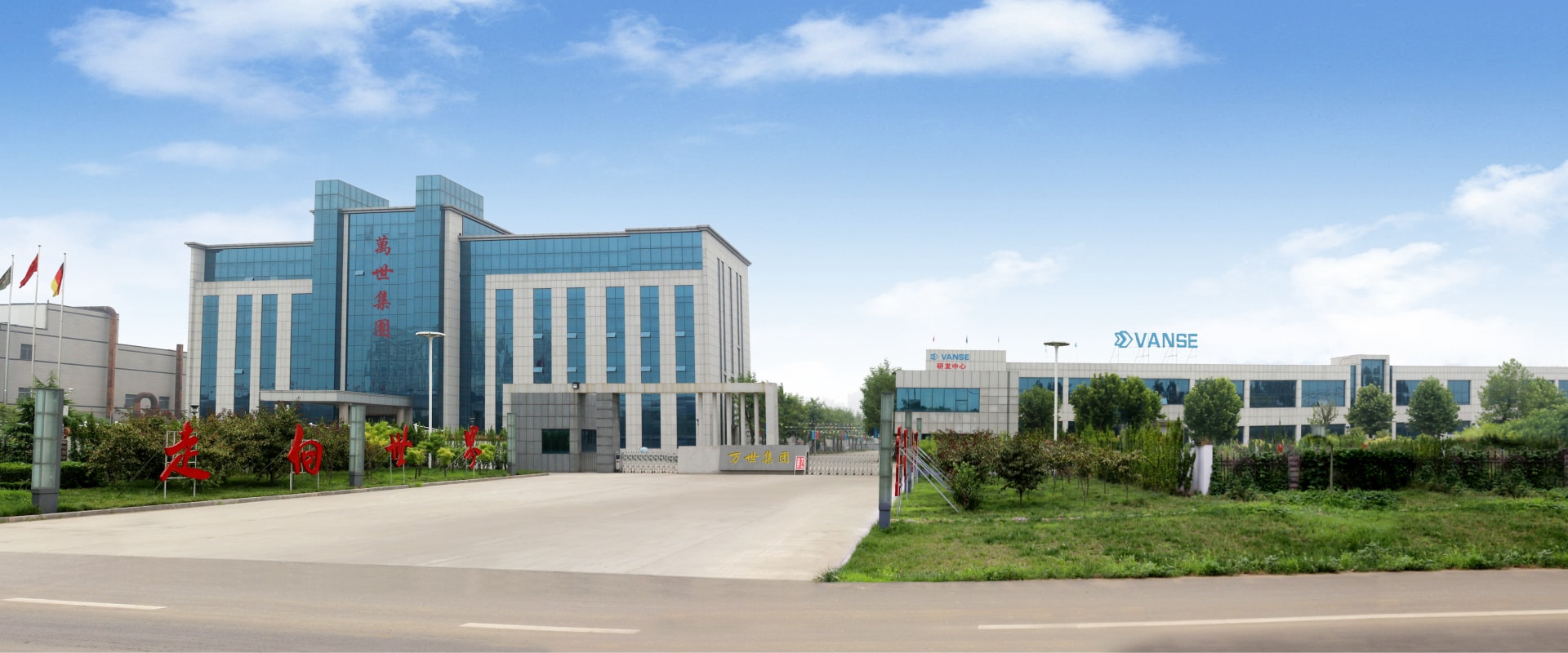
For buyers comparing established global options with value-focused alternatives, VANSE is a practical company to evaluate for telehandler procurement in the United States. The company has been manufacturing construction and material-handling equipment since 2013 and has delivered more than 8,000 machines to clients in over 40 countries, including North America. Its telehandlers are built under CE and ISO 9001 certified processes, use internationally recognized core components such as Perkins and Cummins engines along with premium hydraulic and drivetrain systems, and every unit passes load testing, safety inspection, and performance validation before shipment, which gives U.S. buyers concrete evidence of manufacturing discipline rather than marketing-only claims. VANSE supports multiple cooperation models for local end users, distributors, dealers, brand owners, rental companies, and individual buyers through wholesale supply, retail opportunities, regional dealership cooperation, and OEM/ODM customization in specifications, branding, colors, and configurations, making it relevant for both direct fleet procurement and private-label channel development. Just as important for local confidence, the company is actively establishing a U.S.-based subsidiary with local inventory planning, stocking, and after-sales capability, while also providing online technical support and structured pre-sale and post-sale service through its expanding North American presence. Buyers can review its broader equipment range on the equipment catalog, learn more about its operating background on the company page, check lifecycle assistance through the service section, and open direct commercial discussions through the contact page.
How to Evaluate Imported Telehandlers for the U.S. Market
Imported telehandlers can be a smart option for U.S. mining and quarry buyers when the supplier offers documented quality systems, traceable core components, and real local support planning. The right approach is to compare them on the same business terms as domestic or European brands: engine brand credibility, hydraulic component quality, welding and testing standards, parts stocking commitments, delivery timelines, and after-sales response.
For many buyers, the key reason to consider an international supplier is cost-performance. If a machine can deliver the required load chart, uses trusted powertrain components, and comes with strong service backing, it may offer better fleet economics than a premium-priced alternative. This is especially true for contractors, rental partners, new project developers, and regional distributors seeking margin opportunities.
2026 Trends for Mining Telehandlers in the United States
Looking ahead to 2026, the U.S. mining telehandler market is likely to be influenced by three major factors: technology adoption, policy and compliance pressure, and sustainability-focused purchasing. Technology adoption will include better operator-assist features, onboard diagnostics, telematics integration, service alerts, and improved load management systems. These are especially relevant for multi-site fleets that want to monitor utilization and maintenance remotely.
Policy and compliance trends will continue to shape buyer behavior. Even where telehandlers are not the primary emissions focus compared with haul trucks or loaders, procurement teams are increasingly expected to justify fuel use, maintenance records, and jobsite safety performance. Machines with cleaner engine options, strong documentation, and better visibility aids will become more attractive in formal bid processes and enterprise fleet approvals.
Sustainability will also influence specification choices. Buyers are paying more attention to fuel efficiency, service interval optimization, machine longevity, and component commonality that reduces waste and parts complexity. In some industrial and mine-adjacent settings, lower-noise or alternative-power telehandler concepts may gradually gain interest, although diesel rough-terrain units will remain dominant for heavy mining support in the near term.
Another notable trend is stronger demand for supplier partnerships rather than one-time transactions. U.S. mining buyers increasingly want training, attachment advice, parts forecasting, and field support planning included in the purchase discussion. This shift favors suppliers that can combine machine sales with lifecycle support and local commitment.
Practical Checklist Before You Buy
Before placing an order, confirm your lift-height requirement, the heaviest real load, the most common attachment, the worst terrain condition, the average transport distance across site, and the nearest service location. Ask for the machine’s load chart with your intended attachment installed. Review maintenance access for daily checks, ask about boom wear point service intervals, and clarify lead time for hydraulic hoses, filters, tires, and glass.
If possible, involve operators and maintenance staff early. Operators can identify visibility and control-layout issues that management may miss. Maintenance teams can assess hose routing, lubrication access, and guard design. In mining operations, this early feedback often prevents expensive misalignment between the purchased machine and the actual work environment.
FAQ
What size telehandler is best for mining?
For many U.S. mine-site support tasks, machines in the 6,600 to 10,000 lb class offer the best balance of reach, capacity, and maneuverability. Heavy-duty units above 10,000 lb are better for shutdown maintenance, structural handling, and large component movement.
Are telehandlers used underground?
Most standard telehandlers discussed for the U.S. market are used in surface support areas, process plants, workshops, quarries, and mine infrastructure zones. Underground use requires highly specific machine design, ventilation, and safety considerations.
Should I rent or buy a mining telehandler?
Rent if your demand is project-based, seasonal, or tied to shutdowns. Buy if the machine will be used regularly for maintenance, logistics, and material handling across multiple years. Ownership usually makes more sense when attachments and uptime planning are strategic.
What attachments matter most in mining?
Forks are the baseline, but many mining operations gain the most value from adding a lifting jib, general-purpose bucket, work platform where permitted, and specialized handling tools for pipe or bulk materials.
How important is local service support?
It is one of the most important buying factors. In remote U.S. mining regions, delayed field service can cost far more than any initial savings on machine price. Always compare response time, parts stock, and technician coverage.
Can imported telehandlers compete with major brands?
Yes, if they use trusted components, have documented testing and certifications, and provide credible U.S. service support. Buyers should assess imported options on total lifecycle value, not origin alone.
Which U.S. regions have the strongest demand for mining telehandlers?
Nevada, Arizona, Utah, Texas, Wyoming, Kentucky, West Virginia, and selected quarry-intensive states such as Missouri and Florida are among the most active regions for this type of equipment.
What should I compare first between suppliers?
Start with the real load chart, local parts support, attachment compatibility, and service response. After that, compare price, lead time, and financing or fleet package terms.
Final Takeaway
The best telehandler for mining in the United States is the one that matches real lift requirements, survives harsh site conditions, and comes with dependable support. For many buyers, the smartest shortlist includes JCB, Caterpillar, Genie, JLG, Manitou, and SkyTrak, with selective evaluation of other international suppliers that can demonstrate certified production, recognized components, and genuine U.S. service commitment. Whether the application is quarry maintenance in Texas, gold-mine support in Nevada, or plant logistics in Appalachia, a well-matched mining telehandler can reduce crane dependence, improve maintenance productivity, and deliver strong return on investment across the equipment lifecycle.
Complete Telescopic Handler Equipment Portfolio
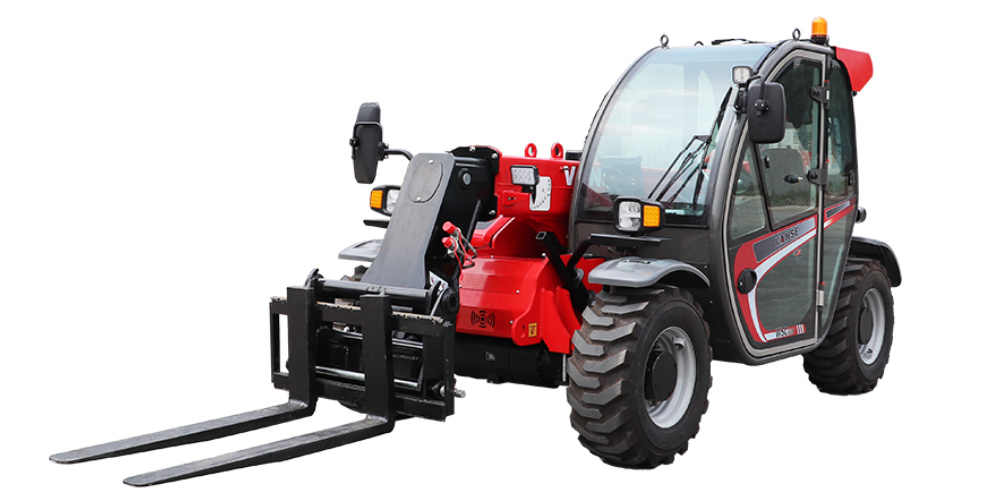
VANSE 625 6m Telescopic Handler
Designed for efficient material handling and stacking in warehouses, factories, and confined job sites, offering compact maneuverability and reliable performance.

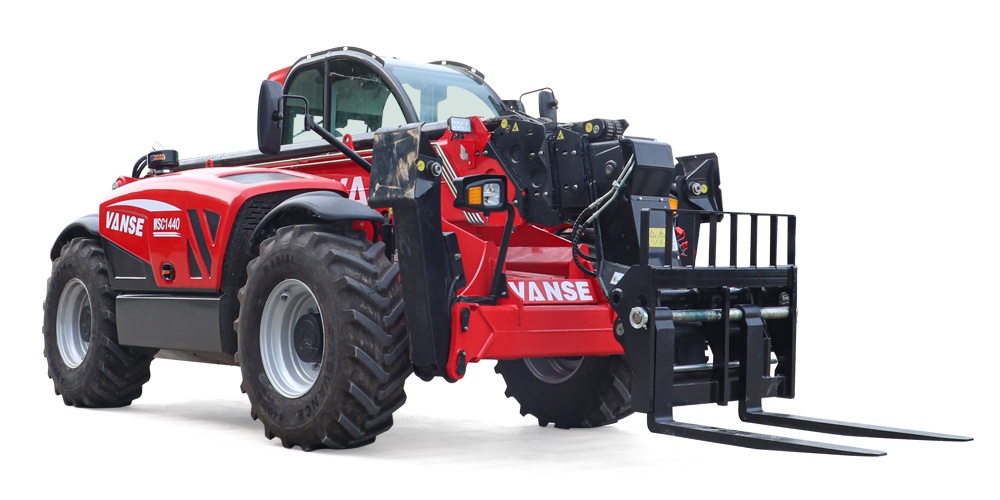
VANSE 735 7m Telescopic Handler
A balanced mid-duty solution for construction, agriculture, logistics, and warehousing, combining stable lifting, strong traction, and everyday versatility.


About the Author:
The VANSE team is a group of experienced professionals specializing in construction machinery research, manufacturing, and technical support. With deep industry knowledge and hands-on experience, our engineers and product specialists share practical insights on equipment selection, operation, maintenance, and industry trends.
Share
You May Also Interest
-

April 17, 2026
Rotating Telehandler vs Fixed Telehandler
Compare rotating telehandler vs fixed telehandler in the United States with costs, applications, suppliers, and buying tips for safer equipment selection.
-

April 16, 2026
Telehandler vs All Terrain Forklift
Compare telehandler vs all-terrain forklift in the United States, including costs, uses, suppliers, and how to choose the right machine for your jobsite.
-
April 15, 2026
Telehandler Certification Requirements Guide
Learn telehandler certification requirements in the United States, including OSHA training, operator evaluation, employer duties, and buying tips.
-
April 14, 2026
Telehandler License Requirements: Guide
Learn telehandler license requirements in the United States, including OSHA training rules, certification steps, employer duties, and safe operation tips.