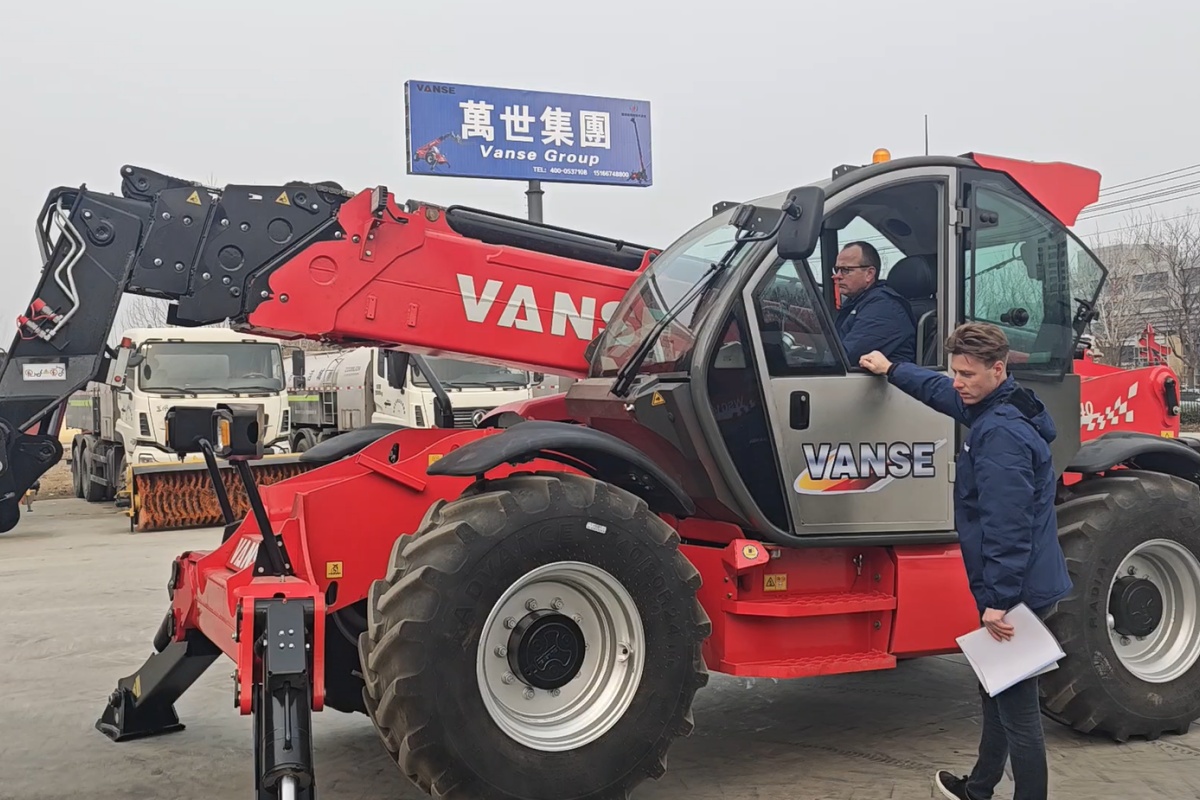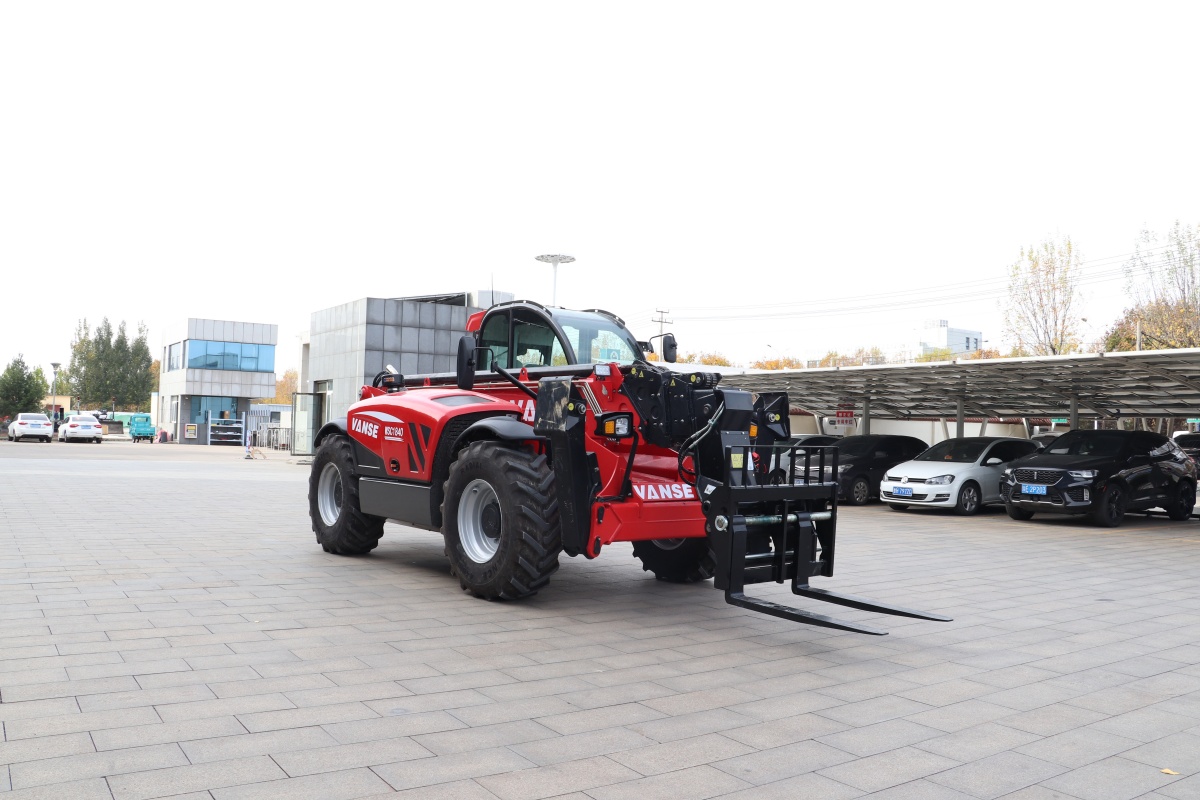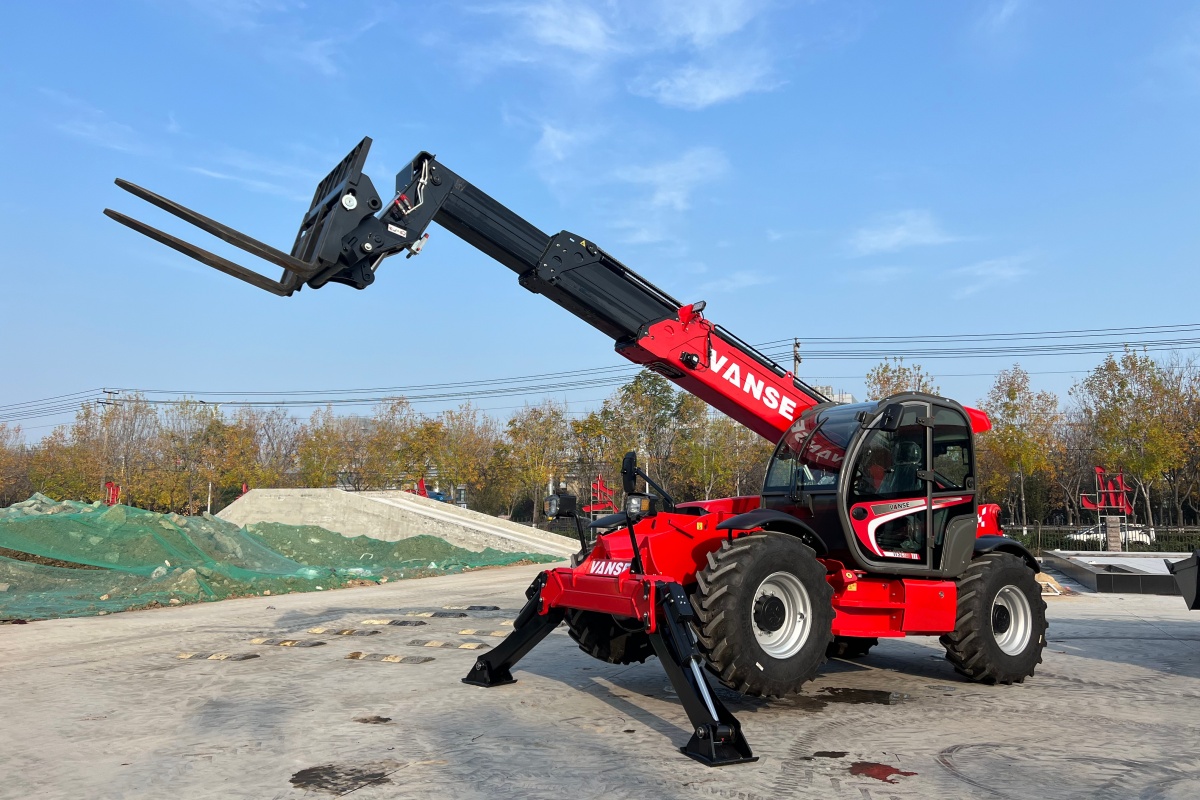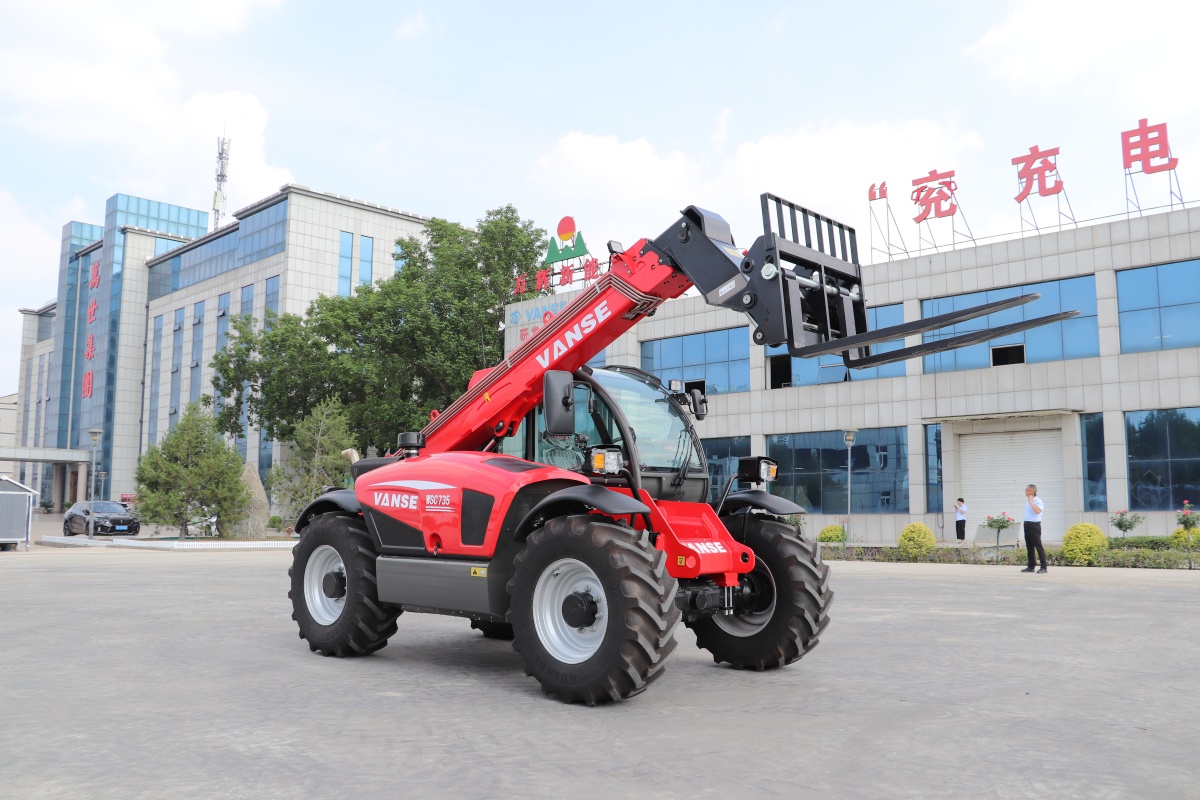
Telehandler License Requirements in the United States
Quick Answer

In the United States, there is usually no separate statewide motor-vehicle-style telehandler license for most jobsite operators, but employers must ensure telehandler operators are trained, evaluated, and authorized under OSHA forklift standards because a telehandler is generally treated as a powered industrial truck when used in typical material-handling applications. In practice, that means the operator needs formal instruction, practical training, a workplace evaluation, and employer authorization before operating the machine.
If the telehandler is used with a suspended load or in a configuration that triggers crane rules, additional requirements may apply. Local jobs in Houston, Dallas, Miami, Los Angeles, Chicago, Atlanta, Phoenix, and other major construction hubs often add site-specific rules, union requirements, or contractor orientation standards. A practical path is to use reputable training providers such as United Rentals, Sunbelt Rentals, Herc Rentals, Leavitt Machinery, H&E Equipment Services, and local OSHA-focused safety schools. Buyers should also consider qualified international suppliers with strong compliance documentation, local parts planning, and dependable pre-sales and after-sales support, including competitively priced Chinese manufacturers that can offer strong value when they meet U.S. operating and service expectations.
Direct Answer: What the Law Actually Requires

For most U.S. workplaces, a telehandler operator does not obtain a government-issued “telehandler driver’s license” in the same way a person gets a standard driver’s license. Instead, the main legal requirement comes from OSHA employer obligations. Employers must train and evaluate operators of powered industrial trucks, and telehandlers generally fall into that category when they are used to lift, move, and place materials on jobsites, warehouses, farms, distribution yards, and industrial facilities.
The practical requirement has four parts. First, the operator receives formal instruction, which may include classroom, video, or online learning about stability, load charts, attachments, terrain risks, refueling or charging, and site hazards. Second, the operator completes hands-on practical training on the actual or similar machine. Third, the employer evaluates performance in the workplace. Fourth, the employer documents authorization and retrains or reevaluates when required, including at least every three years under common OSHA-powered industrial truck practice.
Employers in the United States should also remember that telehandler compliance is not only about the person in the seat. It also includes daily inspections, the correct attachment, readable data plates, site traffic plans, fall and struck-by hazard control, and matching the machine to the work. On multi-employer construction sites near major logistics corridors such as the Port of Houston, Port of Los Angeles, Port of Long Beach, Port of Savannah, Port Newark, and inland hubs around Memphis or Kansas City, general contractors often require proof of operator training before site access is granted.
U.S. Market Context for Telehandlers

The United States remains one of the largest telehandler markets in the world because the machine sits at the intersection of construction, agriculture, industrial maintenance, energy, and rental. Demand is strong in states with active commercial building, infrastructure upgrades, warehousing, port activity, and large-scale farming. Texas, California, Florida, Georgia, Arizona, Illinois, Pennsylvania, and North Carolina all show recurring telehandler demand due to mixed-use development, logistics construction, data centers, and agricultural handling needs.
The rental market plays a major role in how telehandler licensing and training are managed. Many contractors do not own every machine they use, so they rely on rental fleets from nationwide providers. That means telehandler training is often coordinated through a combination of rental company onboarding, third-party OSHA instruction, employer site orientation, and insurance compliance. In the United States, the machine purchase decision is often linked directly to training support, parts response time, and whether the supplier can help an employer standardize operator approval across several branches.
How Telehandler Rules Compare Across Common Jobsite Scenarios
| Scenario | Typical U.S. Requirement | Who Enforces It Day to Day | Key Risk Point | What Operators Need | Practical Note |
|---|---|---|---|---|---|
| General material handling on construction sites | OSHA powered industrial truck training and evaluation | Employer and site safety manager | Tip-over and load instability | Training, practical evaluation, authorization | Most common telehandler use case in the United States |
| Warehouse or yard loading | Employer training plus site rules | Employer, insurer, facility manager | Pedestrian interaction | Operator certification card or record, daily checks | Often bundled with forklift safety programs |
| Agricultural lifting and feed handling | Employer training, equipment-specific instruction | Farm owner or manager | Uneven ground and attachment misuse | Hands-on familiarization with terrain and loads | Frequently less formal, but still needs documented training |
| Use with personnel platform | Additional site controls and manufacturer limits | Employer and competent person | Fall hazard | Task-specific instruction and approved platform procedures | Not all telehandlers are suitable for this task |
| Suspended load resembling crane work | Possible additional crane-related requirements | Employer, GC, sometimes project owner | Load swing and rigging failure | Rigging knowledge and possibly added qualifications | Machine use mode matters |
| Public road travel between sites | Depends on state road rules and equipment registration | State and local authorities | Road legality and visibility | Transport planning, escort or trailer arrangements | Road operation is a separate issue from OSHA operator training |
This table matters because many U.S. buyers mistakenly search for a single national telehandler license, when the real answer depends on how the machine is used. For most buyers, the employer authorization model is the legal core, but special applications can add a second layer of compliance.
What OSHA Training Normally Covers
Telehandler operator training in the United States is expected to be relevant to the workplace and the machine. That means a generic forklift course is not enough if it does not address telescopic boom behavior, outriggers when applicable, frame leveling, rough-terrain travel, attachment use, and load chart interpretation. A telehandler behaves differently from a warehouse forklift, especially on slopes, muddy ground, compacted fill, and mixed traffic jobsites.
Strong U.S. training programs usually cover machine fundamentals, controls, steering modes, visibility limitations, center of gravity changes, safe travel with load, grading and terrain assessment, blind-spot communication, parking and shutdown, fuel and battery procedures, overhead utility awareness, and emergency response. Good providers also teach employers how to evaluate operators and maintain records for inspections, audits, and contractor prequalification.
Common Telehandler Product Types in the U.S.
Understanding the product type helps determine what training the operator needs and which supplier is most suitable. U.S. contractors, farmers, industrial operators, and rental houses often choose between compact units for confined sites, mid-capacity machines for general construction, high-reach models for multistory work, rotating telehandlers for specialty placement, and application-specific machines for agriculture or mining support.
| Telehandler Type | Typical Capacity Range | Typical Reach Range | Common U.S. Users | Main Advantage | Training Emphasis |
|---|---|---|---|---|---|
| Compact telehandler | 5,000 to 6,000 lb | 15 to 20 ft | Landscape contractors, small builders, farms | Fits tighter spaces | Visibility and maneuvering in confined areas |
| Standard construction telehandler | 6,000 to 10,000 lb | 36 to 56 ft | Commercial builders, rental fleets | Versatile site performance | Load chart use and rough-terrain travel |
| High-reach telehandler | 8,000 to 12,000 lb | 55 to 80 ft | Steel erection, large projects | Greater placement height | Stability at height and wind awareness |
| Rotating telehandler | 9,000 to 15,000 lb | 60 to 100 ft | Specialty contractors, urban projects | Crane-like flexibility | Multi-function controls and lift planning |
| Agricultural telehandler | 5,500 to 9,000 lb | 20 to 35 ft | Dairies, feedyards, crop operations | Fast loading cycles | Attachment handling and farm terrain |
| Heavy-duty industrial or mining support telehandler | 10,000 lb and above | 40 to 70 ft | Plants, mines, energy yards | High durability and attachment versatility | Ground conditions, spotter coordination, maintenance checks |
For buyers in the United States, the most important lesson is that training must match the machine class and attachment package. A worker trained on a compact unit in a nursery yard is not automatically ready for a high-reach telehandler on a congested urban project in Seattle, Boston, or Manhattan.
Where Telehandler Demand Is Growing
Telehandler demand in the United States has been shaped by nonresidential construction, warehouse expansion, road and bridge work, renewable energy projects, and the rebuilding of supply chain capacity. High-growth areas include the Dallas-Fort Worth metroplex, Houston industrial corridors, the Inland Empire in California, central Florida logistics belts, Atlanta distribution zones, Phoenix suburban expansion, and Gulf Coast energy and petrochemical sites.
This line chart illustrates a realistic growth pattern for the U.S. telehandler market index. The takeaway for buyers is simple: as fleet size grows, training systems become more important. Contractors scaling across multiple states need repeatable telehandler authorization procedures, not ad hoc operator sign-offs.
Industry Demand by Sector
The bar chart shows why most operator training demand comes from construction, followed by agriculture and logistics-related handling. Training providers in the United States that understand these sector differences usually deliver better outcomes than generic online-only courses with no jobsite evaluation component.
Trend Shift in Fleet Preferences
The area chart reflects a major U.S. purchasing shift: more buyers now prioritize service coverage, operator onboarding, and parts readiness instead of comparing only sticker price. This is particularly true for rental groups, multi-branch contractors, and enterprise buyers that need high uptime.
Buying Advice for U.S. Telehandler Buyers
If you are buying or renting a telehandler in the United States, verify more than the machine specification sheet. First, confirm that the machine configuration matches the intended application, including forks, buckets, jibs, truss booms, work platforms, or specialty attachments. Second, ask whether the supplier provides familiarization at delivery, operator materials in clear English, maintenance documentation, and support for employer training records. Third, confirm parts availability and realistic response times, especially if the equipment will be used in remote areas such as West Texas, the Dakotas, mountain states, or mining corridors in Nevada and Arizona.
For contractors operating across several states, standardization matters. Using one machine family and one training template can reduce incidents and save time during project mobilization. Buyers should also ask whether the supplier supports telematics, inspection checklists, local service dispatch, and warranty administration through a U.S.-based channel rather than only through overseas communication.
Local Suppliers and Training Providers in the United States
| Company | Service Regions | Core Strengths | Key Offerings | Best Fit | Why It Matters for Licensing and Training |
|---|---|---|---|---|---|
| United Rentals | Nationwide across major U.S. metros and industrial corridors | Large rental fleet, broad branch network, contractor support | Telehandler rental, safety training, fleet solutions | Large contractors and multi-site users | Can support access to equipment and common training workflows at scale |
| Sunbelt Rentals | Nationwide with strong coverage in construction and industrial markets | Fast rental access, project support, safety resources | Telehandlers, attachments, site services, training support | General contractors and regional builders | Useful when employers need rapid machine deployment and operator onboarding |
| Herc Rentals | Major metro and infrastructure markets nationwide | Industrial reach, project coordination, specialty fleet access | Telehandler rentals, managed account support, equipment orientation | Infrastructure and industrial clients | Helpful for projects with tighter compliance and documentation needs |
| H&E Equipment Services | Strong in the South, Gulf Coast, Southeast, and expanding national footprint | Rental plus sales model, branch service, contractor relationships | Telehandler sales, rentals, maintenance support | Buyers needing ongoing dealer support | Dealer involvement can improve operator familiarization and service continuity |
| Leavitt Machinery | United States and Canada, with strong material-handling focus | Training expertise, equipment knowledge, fleet support | Operator training, telehandler support, safety programs | Companies upgrading formal compliance systems | Known for connecting equipment supply with practical training solutions |
| BigRentz | Nationwide rental sourcing network | Fast procurement and rental coordination | Telehandler sourcing, project-based rental fulfillment | Short-term project teams | Good for access, though employers still need machine-specific evaluation processes |
This supplier table gives buyers a practical starting point. The best choice depends on whether the priority is national branch coverage, deep training support, project account management, or quick rental fulfillment. In U.S. telehandler compliance, access to training and site documentation can be just as valuable as access to the machine itself.
Supplier Comparison for Buyers
This comparison chart is not a legal ranking, but a practical buying lens. It highlights which companies are generally stronger in combined service reach and operator-support capability, both of which influence how smoothly an employer can meet telehandler training obligations in the United States.
Industries That Rely on Telehandlers
Telehandlers are widely used across U.S. industries because they bridge the gap between forklifts, loaders, and small cranes. Commercial construction uses them for palletized materials, steel, sheathing, trusses, and masonry support. Agriculture uses them for bales, feed, pallets, seed, bins, and manure handling. Warehousing and ports use them in outdoor yards where rough terrain makes standard forklifts less efficient. Energy and utilities use them for pipe handling, maintenance support, and site staging. Municipal and emergency operations also use telehandlers for debris management, temporary works, and event infrastructure.
Each industry creates different training priorities. Agriculture focuses more on attachment changeovers, farm traffic, and uneven ground. Urban construction focuses more on blind spots, congestion, and load placement in tight areas. Industrial yards focus more on pedestrian segregation and repeated loading cycles. That is why the best employers in the United States design telehandler authorization around real work tasks rather than treating it as a one-time paper exercise.
Common Applications by Industry
| Industry | Typical Application | Common Attachment | Primary Safety Concern | Preferred Machine Type | Operator Skill Focus |
|---|---|---|---|---|---|
| Commercial construction | Moving palletized block, lumber, steel, roofing | Forks or jib | Load placement at height | Standard or high-reach telehandler | Load chart reading and spotter communication |
| Residential development | Truss delivery, framing support, material staging | Forks | Ground stability on developing lots | Standard telehandler | Travel with load and turning control |
| Agriculture | Hay, feed, seed, bulk handling | Bucket, bale clamp, forks | Attachment misuse and soft terrain | Agricultural telehandler | Attachment switching and farm routing |
| Warehousing and yards | Outdoor pallet movement and loading | Forks | Pedestrian interaction | Compact or standard telehandler | Visibility, horn use, dock approach |
| Energy and industrial | Pipe, parts, maintenance materials | Forks or specialty lifting tools | Congested plant conditions | Heavy-duty telehandler | Precision movement and permit awareness |
| Municipal and emergency response | Debris handling, temporary barriers, public works tasks | Forks or bucket | Changing ground and public proximity | Compact or standard telehandler | Site control and adaptive hazard assessment |
The table shows why telehandler training cannot be separated from application. Even when two operators use similar machines, the required judgment differs sharply by industry, attachment, and traffic pattern.
Case Studies from the U.S. Market
A contractor in Dallas building a mid-rise mixed-use project typically uses telehandlers for framed materials, palletized block, and rooftop support. The compliance challenge is not finding a machine; it is keeping operator authorization current as crews rotate between projects. The companies that perform best create a branch-level evaluation checklist and require refresher sign-off before workers move to a different telehandler class.
In California’s Inland Empire, logistics developers often use telehandlers to support tilt-up construction and warehouse fit-outs. Here, the biggest issue is coordination with congested sites and delivery schedules. Employers that include telehandler route mapping, spotter zones, and documented pre-shift inspection photos usually reduce incidents and insurance friction.
On a Florida agricultural operation near Lakeland, telehandlers may support feed handling, bagged inputs, palletized supplies, and storm recovery. The machine may be used daily by a small team rather than a formal construction crew. In this setting, a practical, bilingual, attachment-specific training program can be more effective than a generic online certificate alone.
In Gulf Coast refinery and port-adjacent work, telehandler use is often restricted by permit systems, contractor controls, and rigorous site orientation. The telehandler operator may also need to demonstrate competency in specialized communication, exclusion zones, and load planning around piping or scaffolding materials. This is where strong supplier support and precise documentation become especially valuable.
Our Company in the U.S. Market
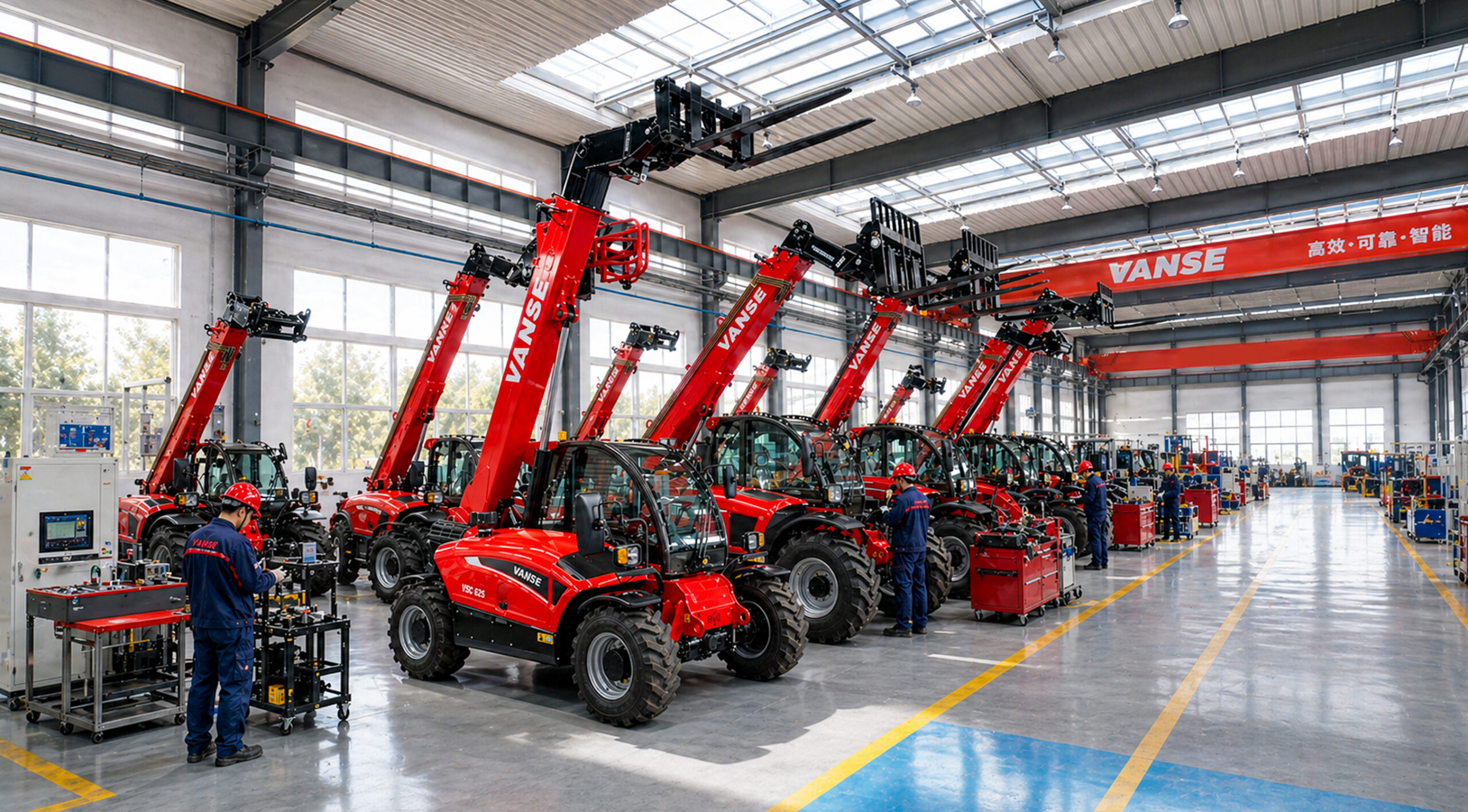
As a telehandler-focused manufacturer serving buyers across North America and more than 40 countries, VANSE Group brings the kind of evidence U.S. fleet buyers expect when comparing international and domestic supply options. Its machines are produced under CE and ISO 9001 controlled processes, with each unit going through load testing, safety inspections, and performance validation before shipment, and key systems are built around globally recognized components such as Perkins and Cummins engines along with premium hydraulic, transmission, and axle systems that align with international durability expectations. For U.S. customers ranging from end users and rental companies to distributors, dealers, brand owners, and value-driven individual buyers, the company supports flexible OEM, ODM, wholesale, retail, and regional distribution models through its equipment range, making specification, branding, and application-based customization practical rather than theoretical. Just as important for local trust, the company is actively establishing a U.S.-based subsidiary with local inventory, stronger after-sales capability, and closer customer response, reinforcing that it is building a physical long-term presence in the American market rather than acting only as a remote exporter; that commitment is backed by lifecycle support that includes pre-sale consultation, technical service, after-sales coordination, and direct communication through its service network and contact channel, while the broader corporate platform at VANSE reflects more than a decade of manufacturing experience and cumulative output exceeding 8,000 units.
Why Cost-Performance Matters in the United States
Many U.S. buyers automatically compare only long-established domestic or European telehandler brands, but the market is changing. Contractors, rental businesses, and agricultural operators are under pressure to balance acquisition cost, financing, maintenance, and residual value. This has created more room for well-documented international suppliers, especially those that combine recognized engine brands, controlled manufacturing standards, and clear U.S. service commitments.
For American buyers, the real question is not simply where the machine is built. The better question is whether the supplier can prove machine quality, respond with parts and technical support, and help the buyer maintain safe, compliant operation. If those conditions are met, a competitively priced international telehandler can become a financially strong option, especially for fleet expansion, rental startup growth, or agricultural replacement cycles.
Checklist Before You Buy or Rent
| Checkpoint | Why It Matters | Questions to Ask | What Good Looks Like | Risk If Ignored | Best Buyer Type |
|---|---|---|---|---|---|
| Operator training support | Needed for OSHA compliance and site acceptance | Do you provide familiarization and training materials? | Clear manuals, evaluation support, delivery handover | Operators may be unprepared or undocumented | All buyers |
| Machine and attachment match | Capacity changes with boom angle and attachment | Which attachment is approved for my main tasks? | Supplier reviews load case with the buyer | Stability incidents and misuse | Construction and agriculture |
| Parts availability | Downtime is expensive | Where are your stocked parts and response times? | Regional inventory and clear lead times | Extended idle time | Fleet owners and rental companies |
| Service footprint | Support speed affects uptime | Who handles field service in my state? | Named service channel and escalation path | Unresolved faults and warranty delays | Enterprise and remote-site users |
| Documentation package | Needed for audits and onboarding | Do you supply inspection, operation, and maintenance documents? | Complete English-language package | Compliance gaps | Multi-site contractors |
| Total cost of ownership | Purchase price alone can mislead | What are the maintenance intervals and wear costs? | Transparent lifecycle cost estimate | Budget overruns | Budget-sensitive buyers |
This checklist helps American buyers make a safer and smarter decision. A telehandler that is easy to finance but hard to support can quickly become more expensive than a slightly higher-priced machine with better documentation, parts access, and training assistance.
Telehandler Licensing Mistakes U.S. Employers Commonly Make
A frequent mistake is assuming that a wallet card from a generic forklift class automatically qualifies a worker for every telehandler and every site. In reality, OSHA expects training to be workplace- and truck-related. Another mistake is skipping hands-on evaluation because the operator has years of experience. Experience helps, but it does not replace documented evaluation on the actual machine type and job conditions.
Some employers also fail to refresh training after an incident, near miss, unsafe observation, or major equipment change. Others do not realize that using a telehandler for a suspended load or personnel-related task can shift the compliance landscape. Finally, many small businesses overlook the value of keeping inspection and authorization records organized for insurer reviews, customer audits, and general contractor prequalification.
2026 Trends: Technology, Policy, and Sustainability
Looking toward 2026, three trends are likely to influence telehandler licensing, training, and purchasing in the United States. The first is technology. More telehandlers will include telematics, digital inspection workflows, operator access control, geofencing, and machine health reporting. These tools can help employers link authorization to real usage, reduce unauthorized operation, and improve maintenance planning across several branches or projects.
The second trend is policy and contractor control. Even if federal law does not create a new national telehandler license, large project owners and prime contractors are steadily tightening prequalification rules. Expect more digital proof of training, more equipment-specific orientation requirements, and more scrutiny of suspended-load work, especially on urban high-rise, industrial, and infrastructure projects in regions such as the Northeast corridor, Southern California, and the Gulf Coast.
The third trend is sustainability and fleet strategy. The U.S. market is putting more weight on fuel efficiency, lower idle time, better hydraulic efficiency, and eventually more low-emission or hybrid-adjacent equipment decisions where duty cycle allows. Buyers will also look harder at lifecycle support, parts logistics, and service proximity to reduce wasteful downtime and unnecessary machine transport. Suppliers that combine robust manufacturing standards with regional parts stock and local technical coverage will gain an advantage.
FAQ
Do I need a government-issued telehandler license in the United States?
Usually no, not as a separate universal national license. What you typically need is employer-provided OSHA-compliant training, practical evaluation, and authorization to operate the telehandler safely in your workplace.
Is a telehandler considered a forklift under OSHA?
In many normal material-handling situations, yes. Employers commonly treat telehandlers under powered industrial truck rules, but special tasks can trigger additional requirements depending on how the machine is used.
How often does telehandler certification need renewal?
Employers commonly reevaluate operators at least every three years, and sooner if the operator is observed operating unsafely, is involved in an incident, is assigned a different type of truck, or the workplace conditions change materially.
Can I take an online telehandler course only?
An online course may help with formal instruction, but by itself it is generally not enough. U.S. employers still need practical training and a workplace evaluation before authorizing the operator.
What if I use the telehandler with a suspended load?
That can change the compliance picture. Depending on the task, the site, and the machine setup, additional crane-like requirements, rigging controls, or project-specific rules may apply.
Do rental companies provide telehandler certification?
Some rental companies and training partners support instruction and familiarization, but the employer still has responsibility for ensuring operators are properly evaluated and authorized for the workplace.
What should U.S. buyers look for in a telehandler supplier?
Look for a supplier that offers application matching, clear documentation, strong parts availability, dependable service coverage, and support that helps your team maintain safe and compliant operation over time.
Final Takeaway
Telehandler license requirements in the United States are best understood as an employer training and authorization duty rather than a single nationwide operator license. That distinction matters because safe and compliant operation depends on the machine type, the attachment, the site, and the task. Buyers who choose suppliers and training partners with real U.S. support, clear documentation, and strong service coverage will usually see better uptime, easier compliance, and fewer operational surprises. Whether you source from a major domestic rental network or a well-prepared international manufacturer with local commitment, the best decision is the one that combines machine fit, operator readiness, and reliable support on the ground.
Complete Telescopic Handler Equipment Portfolio
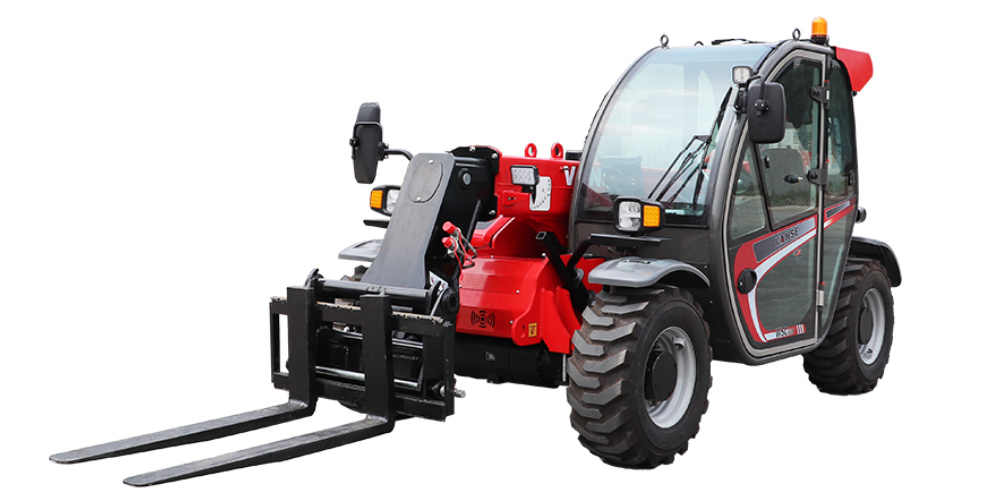
VANSE 625 6m Telescopic Handler
Designed for efficient material handling and stacking in warehouses, factories, and confined job sites, offering compact maneuverability and reliable performance.

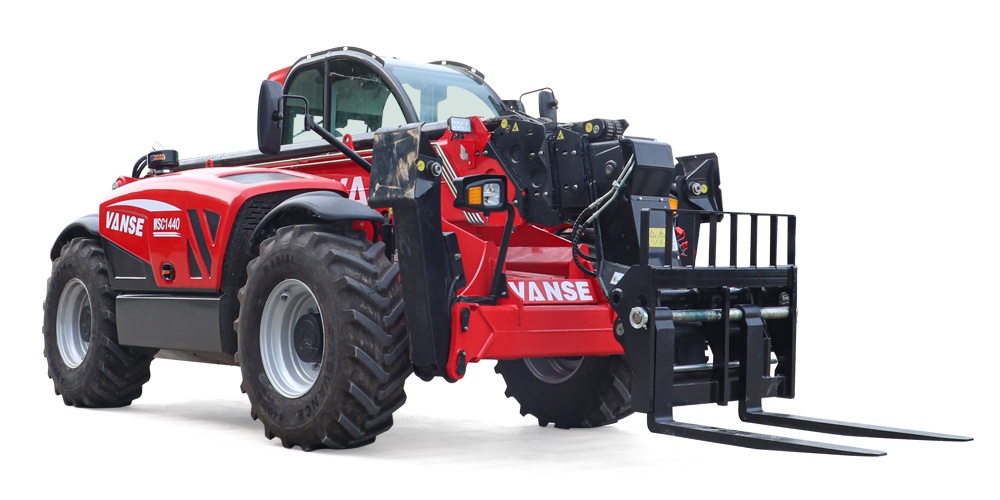
VANSE 735 7m Telescopic Handler
A balanced mid-duty solution for construction, agriculture, logistics, and warehousing, combining stable lifting, strong traction, and everyday versatility.


About the Author:
The VANSE team is a group of experienced professionals specializing in construction machinery research, manufacturing, and technical support. With deep industry knowledge and hands-on experience, our engineers and product specialists share practical insights on equipment selection, operation, maintenance, and industry trends.
Share
You May Also Interest
-

24 July, 2026
Telehandler for Landscaping: Outdoor Project Efficiency
Explore telehandler landscaping options in the United States, including suppliers, applications, costs, and buying advice for efficient outdoor projects.
-
23 July, 2026
6 Meter Telehandler: Ideal Mid-Rise Lift for All Sites
Explore 6 meter telehandler options in the United States, including top suppliers, key specs, applications, pricing factors, and buying tips for local buyers.
-
22 July, 2026
7 Meter Telehandler: Versatile Reach for Any Work Site
Find the right 7 meter telehandler for United States projects with supplier comparisons, use cases, pricing guidance, and local service insights.
-
21 July, 2026
Telehandler Operator Training: Certification Guide 2026
Telehandler operator training in the United States for 2026: certification steps, OSHA compliance, costs, providers, and practical buying guidance.