Telehandler Certification Requirements in the United States
Quick Answer

In the United States, telehandler operators are generally trained, evaluated, and authorized by their employer under OSHA powered industrial truck rules rather than receiving a single nationwide government-issued telehandler license. In practice, most employers follow OSHA 29 CFR 1910.178 for general industry, align jobsite use with construction safety requirements, and require documented classroom instruction, hands-on training, workplace-specific evaluation, and refresher training when conditions change or unsafe operation is observed.
If you need to put a telehandler into service quickly and compliantly, focus on five actions: verify the operator has formal telehandler training, complete a practical evaluation on the actual machine type, keep written records of authorization, confirm the machine meets ANSI and site safety expectations, and ensure supervisors understand local site rules in states and cities such as Houston, Dallas, Miami, Los Angeles, Chicago, and Atlanta.
Well-known U.S. market options for equipment, support, or training-related ecosystem access include JLG, Genie, SkyTrak, Sunbelt Rentals, United Rentals, and Herc Rentals, depending on whether you need machines, rentals, familiarization, or fleet support. Qualified international suppliers can also be a practical option when they provide machines built to recognized standards, strong documentation, parts support, and local pre-sales and after-sales coverage in the United States, especially when cost-performance is a major purchasing factor.
What Telehandler Certification Really Means in the United States

The phrase telehandler certification requirements is often misunderstood. In the U.S. market, buyers and contractors may use the term to refer to several different things: operator training certification, employer authorization, equipment compliance documentation, and site-specific acceptance rules. These are related but not identical.
For operators, the core issue is not a universal federal telehandler license card issued by Washington. Instead, employers are responsible for making sure workers are trained to operate powered industrial equipment safely and are evaluated in the workplace. For the machine itself, buyers should verify load charts, operating manuals, safety decals, maintenance schedules, and manufacturer documentation that support safe use on American jobsites.
This distinction matters across logistics hubs and construction corridors such as the Port of Houston, the Port of Savannah, Los Angeles-Long Beach, New York-New Jersey, and inland markets like Phoenix, Denver, Nashville, and Columbus. Rental fleets, general contractors, farm operators, and industrial facilities all want proof that both the equipment and the operator can meet insurance, safety, and productivity expectations.
Core U.S. Compliance Framework

In most buying and operational scenarios, telehandlers fall under the broader powered industrial truck training framework for operators, while the jobsite may also impose construction-oriented safety controls for lifting operations, attachments, suspended loads, and rough-terrain use. Employers should build their programs around these practical compliance pillars:
- Formal instruction covering controls, stability, load charts, workplace hazards, inspections, and refueling or charging procedures
- Practical hands-on training on the specific telehandler class, boom arrangement, attachment, and operating environment
- Performance evaluation by a qualified person who can determine whether the operator can safely use the machine
- Written records showing the trainee, evaluator, date, machine type, and authorization status
- Refresher training after incidents, unsafe operation, new equipment introduction, or major workplace changes
- Routine machine inspection, preventive maintenance, and retention of operating and safety documentation
Because U.S. enforcement and insurance scrutiny can become more intense after incidents, companies that treat certification as a paperwork exercise often expose themselves to avoidable downtime and liability. The strongest programs connect operator records, machine inspections, maintenance logs, and supervisor signoff in one process.
Key Requirements at a Glance
| Requirement Area | What U.S. Buyers Should Verify | Why It Matters | Typical Responsible Party |
|---|---|---|---|
| Operator training | Classroom or digital instruction on telehandler controls, hazards, load handling, and safe travel | Forms the knowledge base expected before practical operation | Employer or approved trainer |
| Hands-on training | Practical use on the actual machine category and attachment | Confirms the operator can apply rules in the field | Employer, dealer, trainer |
| Workplace evaluation | Documented assessment of operator performance on site | Critical for authorization and audit readiness | Qualified evaluator |
| Machine documentation | Operator manual, decals, load chart, service records, and serial identification | Supports safe use and maintenance compliance | Owner, fleet manager |
| Site rules | Lift plan, ground conditions, exclusion zones, and traffic management | Prevents mismatch between training and actual hazards | Contractor, safety manager |
| Refresher process | Retraining after incidents, near misses, or equipment changes | Required when competence or conditions change | Employer |
| Maintenance readiness | Pre-use checks, scheduled service, and defect reporting | Protects uptime and reduces incident exposure | Service team, operator |
This table shows that telehandler compliance in the United States is a system, not a single certificate. Buyers that align all seven areas usually move through insurance reviews and contractor onboarding more smoothly.
How the U.S. Market Uses Telehandlers
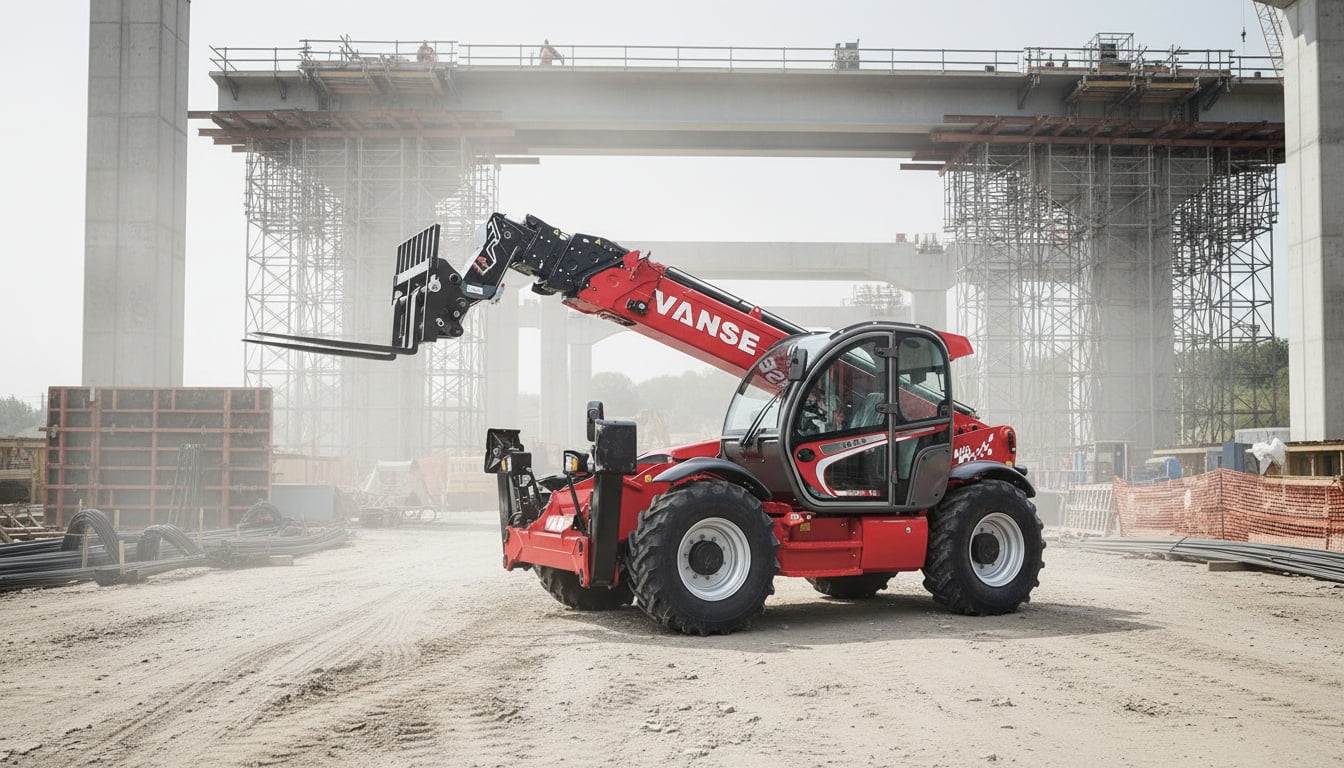
Demand for telehandlers remains strong across the United States because one machine can cover material handling, elevated placement, pallet movement, rough-terrain logistics, and attachment-based multi-function work. In fast-growth markets such as Texas, Florida, Arizona, North Carolina, and Tennessee, telehandlers are especially common on large commercial construction sites, warehouse expansions, agricultural operations, and infrastructure projects.
Urban redevelopment in cities like Austin and Charlotte often favors compact and mid-range models that can move around constrained jobsites. In contrast, energy, industrial, and agricultural zones in West Texas, Oklahoma, Nebraska, and California’s Central Valley often require higher lift capacities, longer reach, and more robust rough-terrain performance.
The line chart reflects a realistic upward pattern driven by construction activity, replacement cycles, rental utilization, and broader acceptance of telehandlers in industrial material handling. Growth is not perfectly linear in real life, but the direction remains positive in most national market forecasts.
Common Telehandler Product Types in the United States
Not every machine fits every certification or operating situation. Buyers should match machine class to jobsite conditions, operator experience, and the specific tasks the machine must perform. A warehouse-adjacent industrial yard near Newark may need different specifications than a farm in Iowa or an infrastructure project outside Las Vegas.
| Product Type | Typical Lift Capacity | Typical Use Case | Best Fit Regions |
|---|---|---|---|
| Compact telehandler | 5,000 to 6,000 lb | Tight jobsites, landscaping, urban material handling | Boston, Seattle, San Diego, downtown redevelopment zones |
| Mid-size construction telehandler | 6,000 to 10,000 lb | Commercial framing, pallet placement, roofing support | Dallas, Atlanta, Orlando, Phoenix |
| High-capacity telehandler | 10,000 to 15,000+ lb | Steel, precast, industrial work, large infrastructure sites | Houston, Baton Rouge, Tulsa, heavy civil corridors |
| High-reach telehandler | 40 to 70+ ft reach | Multi-story construction and facade support | Chicago, New York metro, Denver, Los Angeles |
| Agricultural telehandler | Varies by bale and feed handling needs | Dairy, grain, hay, feedlot, bulk material movement | Iowa, Kansas, California Central Valley, Wisconsin |
| Attachment-ready telehandler | Varies | Bucket, fork, jib, truss boom, specialty material handling | Nationwide rental and mixed-use fleets |
This breakdown helps explain why operator training must be machine-specific. A worker qualified on a basic fork setup may still need additional practical evaluation before using a truss boom or material bucket under different ground and stability conditions.
Industry Demand by Sector
The bar chart shows where telehandler demand is most concentrated in the current U.S. market. Commercial construction and rental fleets remain major drivers, but agriculture and industrial plants continue to support strong replacement demand, especially where labor efficiency and versatile attachments matter.
Buying Advice for U.S. Contractors and Fleet Managers
When buying a telehandler in the United States, certification requirements should influence procurement much earlier than many companies expect. It is not enough to compare price, reach, and lift capacity. You also need to ask whether the machine can be integrated into your compliance program without friction.
Start with documentation. The equipment should arrive with a clear operator manual, visible safety labels, readable load charts, service intervals, and a machine identification system that can be tied to your asset records. If you operate in multi-site fleets from Jacksonville to Nashville to Kansas City, consistency of documentation and parts support can significantly reduce downtime.
Next, evaluate service coverage. American buyers often underestimate how much money is lost when a machine is down waiting for seals, filters, sensors, hydraulic components, or technical troubleshooting. A lower upfront machine cost only remains attractive if the supplier can support parts delivery, remote diagnostics, and local service coordination.
Also review attachment strategy. A telehandler used for pallet movement today may be expected to handle buckets, work platforms where allowed under the correct rules, or specialty lifting tools later. That change can affect both operator evaluation and site acceptance.
| Buying Factor | Questions to Ask | Risk if Ignored | Best Practice |
|---|---|---|---|
| Operator readiness | Can current staff be trained quickly on this model? | Delayed deployment and noncompliant use | Buy machines similar to fleet standards where possible |
| Safety documentation | Are manuals, decals, and load charts complete and clear? | Audit and incident exposure | Check documentation before acceptance |
| Parts availability | Is there U.S. inventory or a rapid fulfillment plan? | Long downtime and poor fleet utilization | Choose suppliers with local stocking plans |
| Attachment compatibility | Which approved forks, buckets, jibs, and tools are supported? | Improper use and reduced versatility | Match attachment list to job pipeline |
| Service support | Who handles warranty, diagnostics, and field repairs? | Cost overruns and project disruption | Get service terms in writing |
| Total cost of ownership | What are fuel, maintenance, tire, and resale expectations? | Short-term savings but weak long-term return | Compare lifecycle cost, not just purchase price |
This table is especially useful for rental companies and contractors with multiple branches because it highlights where hidden cost typically appears after purchase. Certification-related readiness is one of the easiest places to lose time if not addressed during procurement.
Applications Across Major U.S. Industries
Telehandlers are used far beyond general construction. Their versatility explains why training requirements remain so important across sectors:
In construction, they move palletized block, drywall, framing materials, trusses, steel, and jobsite supplies. In agriculture, they handle hay bales, feed, seed, bulk materials, and maintenance tasks around barns, grain storage, and equipment yards. In manufacturing and industrial plants, they support shutdowns, plant expansion, and yard logistics. In ports and logistics zones, they help manage materials in uneven or outdoor conditions where conventional forklifts are less effective.
These use cases are common in places like the Port of Houston industrial belt, Savannah distribution parks, Inland Empire logistics centers in Southern California, and the expanding manufacturing corridors of Tennessee and South Carolina. Because the environment changes by region, site-specific evaluation remains a key part of operator authorization.
Trend Shift Toward Safer and Smarter Fleets
The area chart illustrates an important operational trend: fleet owners increasingly want machines that support digital maintenance records, operator accountability, and stronger safety management. This does not replace OSHA training, but it makes compliance easier to verify across large organizations.
Case Studies from Realistic U.S. Operating Scenarios
A commercial contractor in Dallas running three mixed-use building sites may need six mid-size telehandlers with standardized controls, quick operator onboarding, and parts access within 24 to 48 hours. For this buyer, certification readiness means getting every machine with complete documentation, predictable maintenance intervals, and a supplier that can support branch-level training coordination.
A produce operation in California’s Central Valley may value visibility, attachment flexibility, and durable hydraulics over maximum lift height. Here, operator evaluation often centers on seasonal labor turnover, uneven yard surfaces, and repetitive loading tasks.
An equipment rental company serving Atlanta, Charlotte, and Tampa might focus even more heavily on customer turnover risk. Machines must be intuitive, rugged, and easy to inspect between rentals. The fleet manager may prefer brands with familiar engine platforms, broad parts interchangeability, and training materials that reduce customer confusion.
In each of these scenarios, certification requirements intersect with machine choice. The easier a machine is to document, inspect, and support, the easier it is for the end user to operate within American safety expectations.
Leading Suppliers and Market Participants in the United States
The U.S. market includes established domestic and global brands, major rental chains, and emerging international manufacturers. Buyers should compare supplier strength based on product coverage, service footprint, parts support, documentation quality, and how well the supplier helps customers manage safe deployment.
| Company | Service Region | Core Strengths | Key Offerings |
|---|---|---|---|
| JLG Industries | Nationwide across the United States | Strong brand recognition, broad telehandler line, dealer network | Construction and industrial telehandlers, support resources, parts access |
| Genie | Nationwide with extensive dealer reach | Established aerial equipment brand, telehandler familiarity in rental fleets | Construction telehandlers, dealer service, fleet-oriented support |
| SkyTrak | Nationwide, especially known in construction markets | Strong reputation for rough-terrain jobsite use | Telehandlers for framing, masonry, and general material handling |
| United Rentals | Nationwide branch network | Large rental footprint, rapid availability in major metros | Telehandler rental, fleet rotation, customer familiarization |
| Sunbelt Rentals | Nationwide with strong urban and suburban coverage | Wide fleet access, branch convenience, contractor relationships | Short-term and long-term telehandler rental solutions |
| Herc Rentals | Broad U.S. coverage in key construction regions | Rental flexibility and contractor support | Telehandler rental and jobsite equipment packages |
| Manitou | National dealer presence with strong agriculture relevance | Strong telehandler identity, agriculture and construction overlap | Telehandlers for farm, construction, and industrial users |
This table is practical because not every buyer needs the same kind of supplier. Some need a manufacturer, some need a rental partner, and some need both. Large contractors may use national rental chains for peak demand while purchasing owned units from manufacturers for long-term fleet stability.
Supplier and Product Positioning Comparison
The comparison chart shows how buyer interest may distribute across established brands, rental channels, and growing international alternatives. Established names lead in familiarity, while newer suppliers gain attention when they combine credible specifications, documentation, and stronger value for money.
Local Supplier Considerations by Region
Regional fit matters in the United States because fleet expectations differ from one geography to another. Gulf Coast buyers often prioritize heat tolerance, jobsite mud performance, and fast field service. Midwest buyers may emphasize agriculture crossover, easy maintenance, and rugged driveline performance. Coastal metro buyers may care more about compact dimensions, noise considerations, and delivery access to dense job corridors.
For projects near ports such as Houston, Savannah, Newark, or Los Angeles-Long Beach, downtime can be especially expensive because delivery schedules, crane coordination, and subcontractor sequencing leave little room for equipment failure. In these areas, buyers should favor suppliers with strong parts planning and fast communication.
Our Company
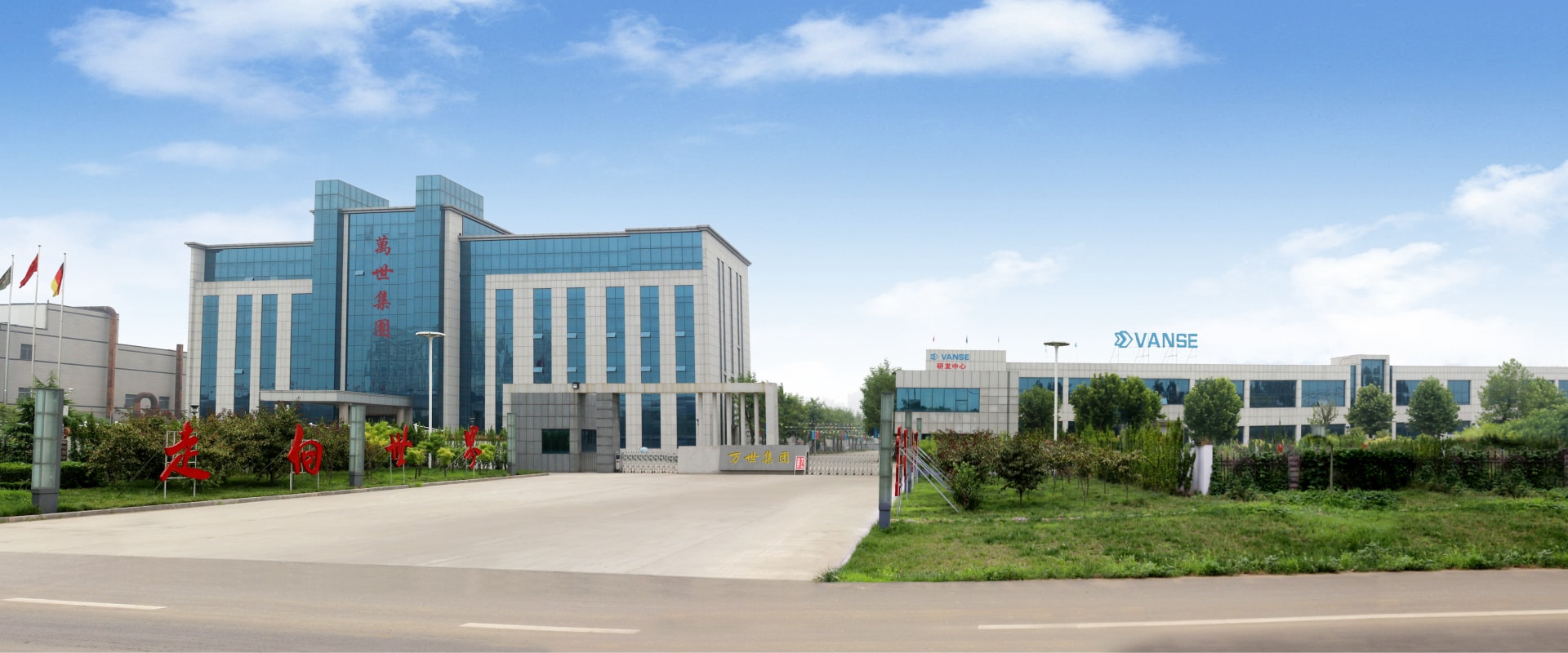
VANSE Group brings a focused telehandler offering to the U.S. market backed by evidence that matters to American buyers: the company operates under CE and ISO 9001 certified systems, uses globally recognized core components such as Perkins and Cummins engines along with premium hydraulic and drivetrain elements, and subjects each machine to comprehensive load testing, safety inspection, and performance validation before shipment, which helps demonstrate that its machines are built against demanding international benchmarks rather than only price targets. For commercial flexibility, VANSE serves end users, distributors, dealers, brand owners, and individual buyers through wholesale supply, retail opportunities, OEM and ODM customization, and regional partnership models, allowing U.S. customers to source standard fleet units or market-specific configurations through the same manufacturing base. Just as important for trust and continuity, the company already exports to more than 40 countries and is actively establishing a U.S.-based subsidiary with local inventory, stocking plans, localized after-sales capability, and stronger customer relationships, supported by online and offline pre-sale consultation, technical support, and lifecycle service through its service network; that market commitment gives American buyers more confidence than a remote exporter model because it points to physical support, parts planning, and long-term presence in North America. Buyers exploring equipment options can review the broader equipment range, learn more about the company, or discuss U.S. requirements directly through the contact page.
How to Evaluate an International Telehandler Supplier for U.S. Use
Many American buyers are now more open to qualified international suppliers because equipment budgets remain tight and fleet managers want stronger return on capital. However, international sourcing only works when the supplier can meet operational expectations that U.S. contractors consider non-negotiable.
Look for internationally recognized manufacturing controls, named engine and component suppliers, test procedures, documented manuals, and a clear warranty pathway. Confirm who stocks filters, hoses, seals, and wear parts in North America. Ask whether the supplier can support dealer development, field service training, or branch onboarding. If the seller cannot explain how a telehandler will be supported after the first delivery, the apparent savings may disappear quickly.
| Evaluation Point | What to Verify | Why U.S. Buyers Care | Practical Signal of Reliability |
|---|---|---|---|
| Certifications and systems | Manufacturing controls such as ISO 9001 and product-related documentation | Shows disciplined production and quality management | Formal certificates and traceable QA process |
| Core components | Recognized engine, hydraulic, axle, and transmission suppliers | Improves serviceability and buyer confidence | Named brands like Perkins or Cummins |
| Testing standards | Load test and safety inspection before shipment | Reduces commissioning surprises | Factory inspection records |
| Support model | Pre-sales, training support, technical response, warranty workflow | Determines real lifecycle cost | Documented response process and local contacts |
| Local commitment | U.S. subsidiary, warehouse, or stocking strategy | Reduces downtime and communication delays | Physical presence or active setup in the market |
| Commercial flexibility | OEM, ODM, dealer support, private label, fleet packages | Useful for distributors and large buyers | Proven ability to customize and scale |
This table is particularly relevant for dealers, rental companies, and enterprise buyers comparing established U.S. brands with emerging global alternatives. It shifts the discussion from simple unit price to operational credibility.
Certification Records Employers Should Keep
Even the best machine does not protect a buyer if the paperwork trail is weak. Employers in the United States should maintain an organized record set for each telehandler and each operator. The strongest programs include training dates, evaluator identity, machine categories, refresher triggers, inspection logs, maintenance records, and supervisor authorization. Digital recordkeeping can simplify this greatly across multi-branch operations.
These records become especially important after near misses, insurance reviews, contractor prequalification requests, or acquisition due diligence. Private equity-backed contractors and larger regional rental firms increasingly want compliance records to be easy to retrieve, not buried in disconnected branch files.
2026 Trends Shaping Telehandler Certification and Fleet Decisions
Looking toward 2026, three forces are likely to reshape how telehandler certification requirements are managed in the United States: technology, policy pressure, and sustainability.
On the technology side, telematics, digital inspection apps, operator access control, and sensor-driven maintenance alerts will become more common, especially in larger fleets. These tools will not replace practical evaluation, but they will make it easier to limit unauthorized use, monitor impact events, and confirm service compliance across multiple jobsites.
On the policy side, buyers should expect tighter scrutiny from general contractors, insurers, and project owners even when formal federal rules do not radically change. Large project specifications increasingly demand cleaner documentation, verified training, and more robust incident-prevention processes. Contractors working on public infrastructure, data centers, battery plants, and semiconductor-related projects may face especially structured onboarding requirements.
On sustainability, U.S. customers are beginning to compare not only fuel consumption but also lifecycle efficiency, engine emissions strategy, parts longevity, and maintenance planning. Even where fully electric telehandlers are not yet mainstream, lower idle time, smarter fleet utilization, and better preventive maintenance can reduce operating cost and environmental impact.
Frequently Asked Questions
Is there a federal telehandler license in the United States?
No single nationwide federal telehandler license covers all operators in every situation. In most cases, employers train, evaluate, and authorize operators under applicable safety rules and keep records showing competence on the equipment used.
Does OSHA require telehandler certification?
OSHA requires employers to ensure powered industrial truck operators are trained and evaluated appropriately. In day-to-day business language, many people call that telehandler certification, but it is usually employer-based training and documented authorization rather than a universal government-issued license.
How often does telehandler training need to be renewed?
Refresher training is needed when unsafe operation is observed, an incident occurs, workplace conditions change, or a different machine type creates new risk. Employers should also review operator performance periodically as part of their safety management system.
Can a forklift certificate be used for a telehandler?
Not automatically. A telehandler has different stability characteristics, visibility limits, boom functions, and attachment considerations. Operators generally need training and evaluation specific to telehandler operation and the work environment.
Do rental companies provide telehandler certification?
Rental companies may provide familiarization, safety materials, or referrals, but the employer using the equipment still carries responsibility for making sure operators are trained, evaluated, and authorized for the actual work being performed.
What documents should come with a telehandler purchase?
You should expect an operator manual, load chart information, safety labels, service guidance, machine identification details, and warranty or support documentation. Serious buyers should verify these items before accepting delivery.
Are international telehandler brands acceptable in the U.S. market?
Yes, if they provide credible manufacturing standards, clear documentation, recognized components, dependable service support, and a realistic local parts strategy. Cost-performance can be attractive, but only when support infrastructure is strong enough for American operating expectations.
What is the safest way to buy a telehandler for a new fleet?
Choose a model with clear documentation, easy operator onboarding, local or planned parts support, and a supplier that understands U.S. compliance expectations. For many buyers, service responsiveness is just as important as purchase price.
Final Takeaway
For most businesses in the United States, telehandler certification requirements come down to employer-led training, machine-specific evaluation, documented authorization, and disciplined equipment management. The most successful buyers do not separate safety compliance from procurement. They choose telehandlers that are easy to document, easy to maintain, and easy to support across real American jobsites from Houston and Phoenix to Chicago and Savannah. Whether you buy from an established domestic brand, rely on rental partners, or evaluate an international supplier with competitive pricing, the smart decision is the one that combines operator readiness, machine documentation, service access, and long-term lifecycle value.
Complete Telescopic Handler Equipment Portfolio
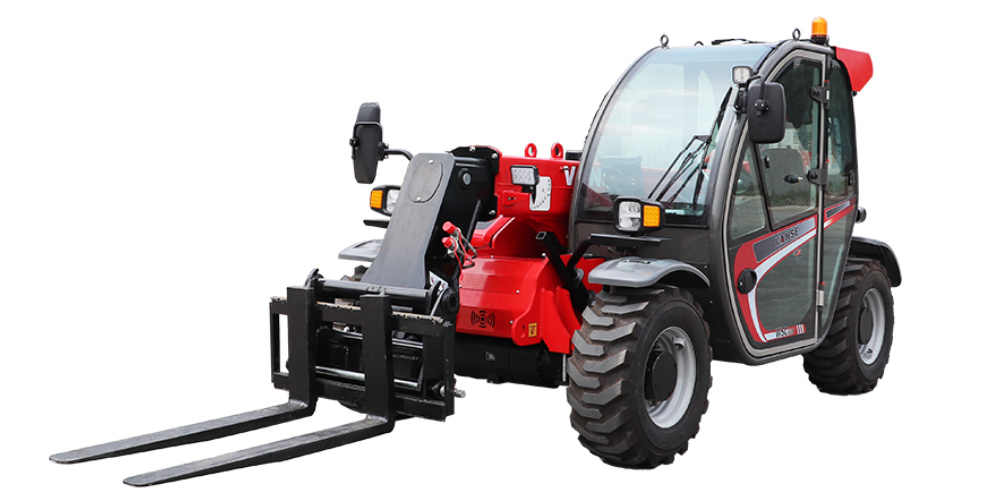
VANSE 625 6m Telescopic Handler
Designed for efficient material handling and stacking in warehouses, factories, and confined job sites, offering compact maneuverability and reliable performance.

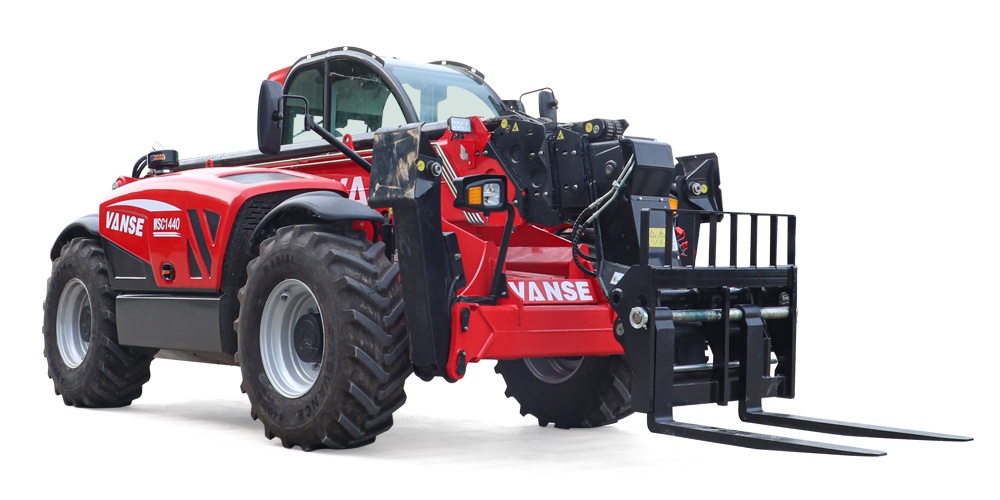
VANSE 735 7m Telescopic Handler
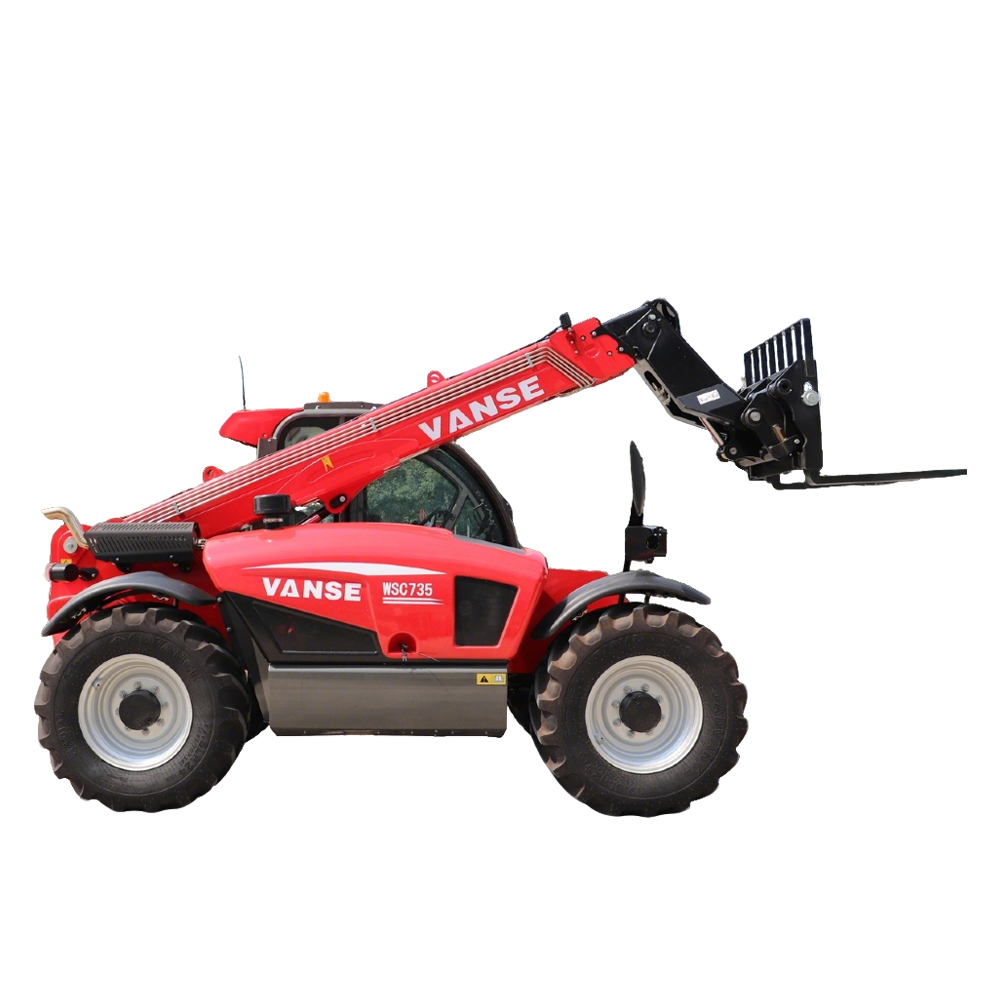
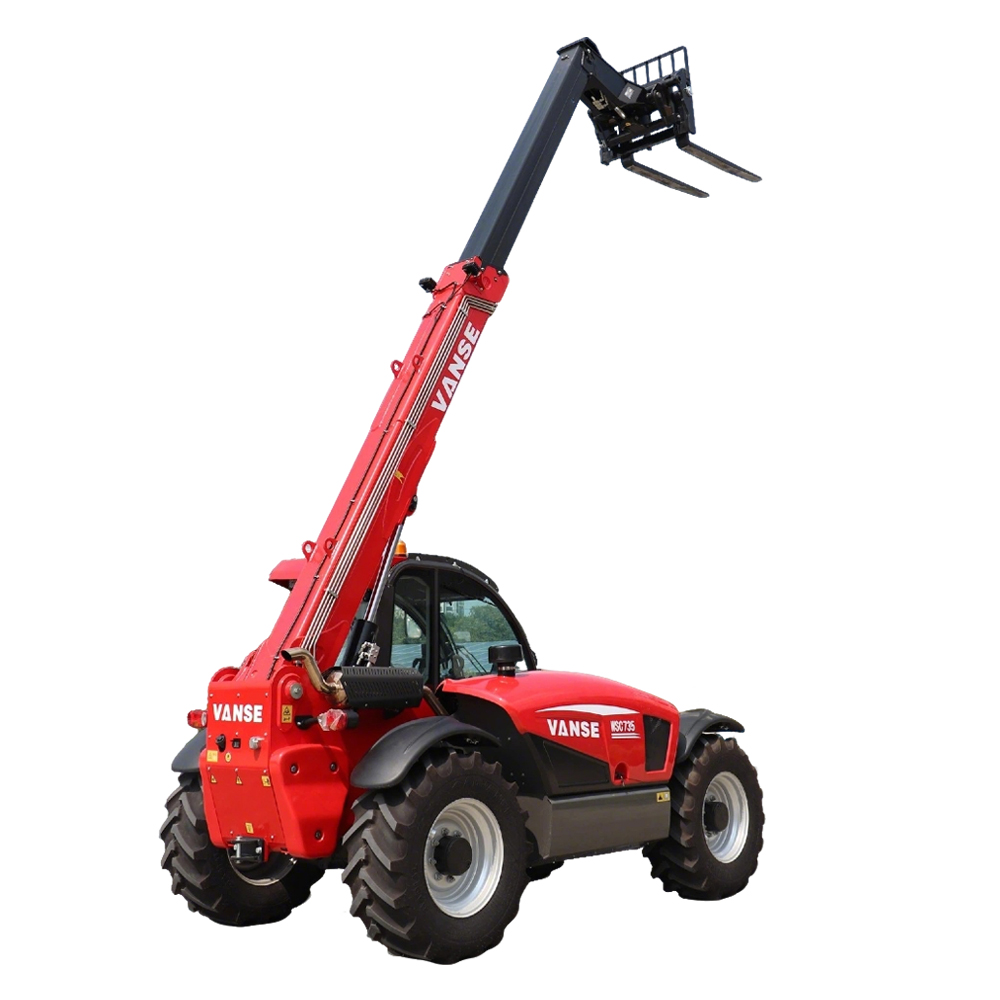
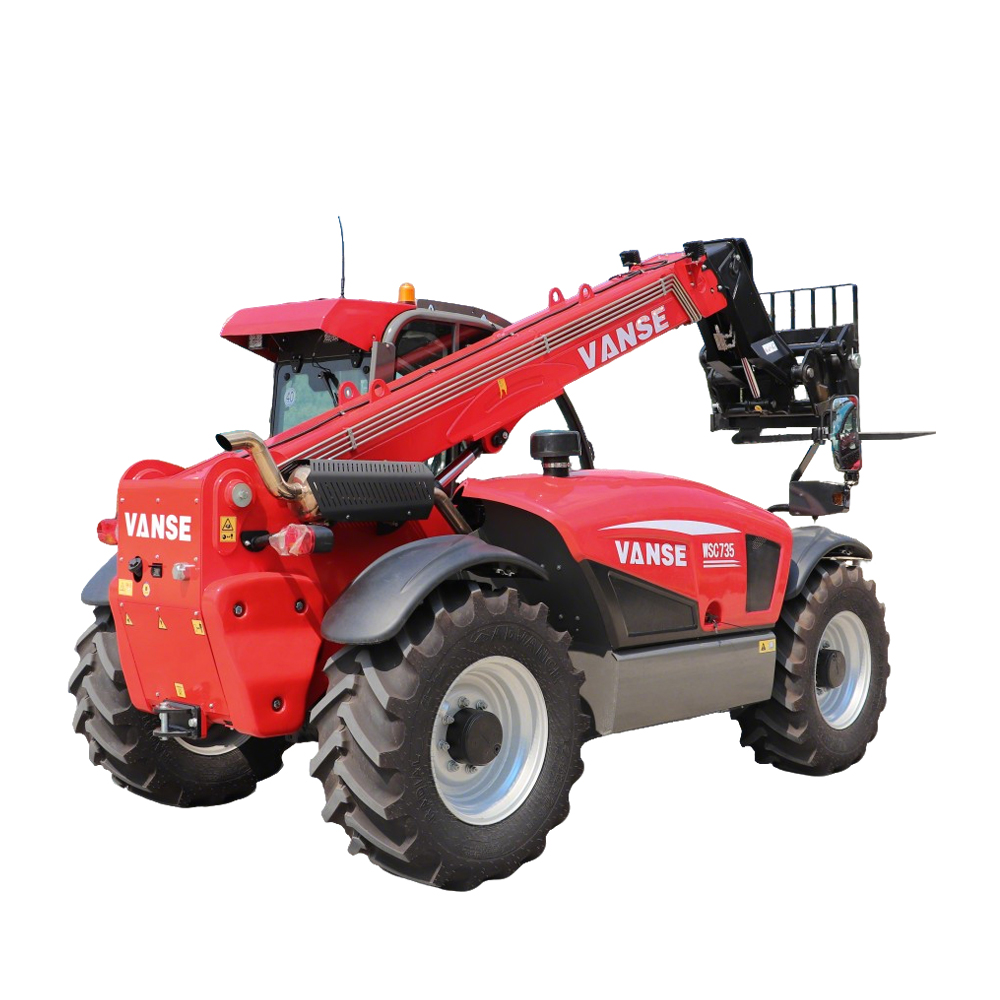
A balanced mid-duty solution for construction, agriculture, logistics, and warehousing, combining stable lifting, strong traction, and everyday versatility.


About the Author:
The VANSE team is a group of experienced professionals specializing in construction machinery research, manufacturing, and technical support. With deep industry knowledge and hands-on experience, our engineers and product specialists share practical insights on equipment selection, operation, maintenance, and industry trends.
Share
You May Also Interest
-

18 June, 2026
Telehandler vs Forklift: Which Machine Is Right for You
Compare telehandler vs forklift in the United States with costs, use cases, supplier options, and buying tips to choose the right machine for your job.
-
17 June, 2026
Telehandler Attachments: Forks Buckets and Platforms
Explore telehandler attachments in the United States, including forks, buckets, platforms, suppliers, buying tips, and 2026 market trends.
-
16 June, 2026
Best Telehandlers for Construction Projects Right Now
Explore the best telehandlers in the United States with top brands, buying tips, market trends, and cost-effective supplier options for 2026.
-
15 June, 2026
Telehandler Price Guide: Full Cost Breakdown for Buyers
Learn telehandler price ranges in the United States, compare brands, specs, ownership costs, and sourcing options for 2026 buyers.