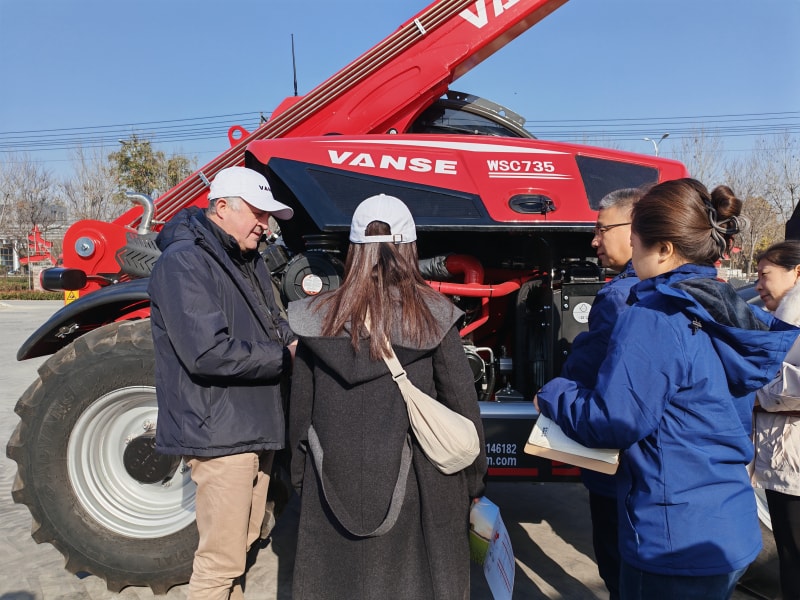
Best Telehandler for Concrete Work in the United States
Quick Answer

If you need a telehandler for concrete work in the United States, the most practical choices usually come from established brands with strong dealer coverage, attachment support, and parts availability for masonry forks, concrete buckets, truss booms, and work platforms. For most contractors, the best-known options are JLG, Genie, SkyTrak, JCB, Caterpillar, and Bobcat, with selection depending on lift height, jobsite access, and whether you need a rotating or fixed boom machine. In large metro construction markets such as Houston, Dallas, Atlanta, Miami, Phoenix, Los Angeles, Chicago, and the Northeast corridor, rental fleets and dealer support often make JLG, Genie, and SkyTrak especially easy to source for slab work, rebar handling, formwork placement, and palletized material movement. Buyers can also consider qualified international suppliers, including Chinese manufacturers with CE and ISO-based manufacturing systems, recognized powertrain components, and dependable pre-sales and after-sales support, because they may offer a stronger cost-performance ratio for fleet buyers, distributors, and private-label partners.
For immediate action, shortlist suppliers that can prove local parts support, operator training, attachment compatibility, ANSI compliance pathways, and fast service response in your state. Concrete contractors working on tilt-up, bridge decks, precast yards, or urban pours should also verify lift capacity at reach, frame leveling, tire type, and transport dimensions before signing a purchase order.
United States Market for Telehandlers in Concrete Work

The United States is one of the most active markets for telehandlers used in concrete-related operations because concrete remains central to commercial buildings, warehouses, logistics parks, data centers, highway improvements, utility construction, and residential development. On a typical concrete jobsite, a telescopic handler supports daily movement of cement pallets, rebar bundles, concrete forms, scaffold packs, block, bagged materials, and accessories that would otherwise require multiple forklifts or cranes. This versatility is a major reason telehandlers are standard equipment on mixed-use projects from California and Texas to Florida, the Midwest, and the Mid-Atlantic.
Demand is especially strong around logistics and industrial build-outs near major trade and transport hubs such as the Port of Los Angeles, Port of Long Beach, Port Houston, the Port of Savannah, Chicago’s inland freight network, New Jersey warehouse corridors, and inland distribution belts in Tennessee and Ohio. Contractors in these areas face tight schedules, labor constraints, and expensive downtime, so they often prefer telehandlers that can handle both rough-terrain material movement and attachment-based task flexibility. For concrete work, this means one machine can serve foundation crews in the morning, wall crews at midday, and finish-material staging by afternoon.
The market also reflects changes in financing and ownership models. Large contractors may buy machines outright, mid-sized builders may lease, and many specialty concrete crews rely on rental due to project-based equipment needs. Rental demand remains high in the United States because telehandlers are useful across phases of construction, but ownership is gaining interest among concrete subcontractors that want guaranteed availability during peak season and greater control over attachment setup.
Another important factor is regional weather and terrain. In the Sun Belt, long construction seasons support high machine utilization. In colder regions, fleet owners often evaluate enclosed cabs, cold-weather starting performance, and service accessibility. In dense cities, compact dimensions and tighter steering radius matter more, while in large greenfield projects, lift height and maximum outreach become the deciding factors.
Market Growth Outlook

The telehandler segment tied to concrete work in the United States is expected to remain healthy through 2026 as infrastructure spending, industrial reshoring, utility upgrades, and warehouse development continue. Even where overall construction slows, concrete-intensive segments such as transport infrastructure, water systems, renewable energy foundations, and manufacturing plants still support demand for dependable material handling machines.
The line chart shows a realistic upward trend driven by commercial building, infrastructure programs, and the continuing need for efficient rough-terrain lifting equipment on concrete projects. Growth is not explosive, but it is steady enough to support both premium and value-oriented suppliers.
Why Telehandlers Matter on Concrete Jobsites
Concrete work demands speed, repeatability, and safe handling of dense materials. A telehandler can unload deliveries, move forms closer to pours, place pallets at elevation, lift concrete accessories onto decks, and support rebar, masonry, and structural framing crews. On many jobsites, its value comes from reducing non-productive labor. Instead of workers manually repositioning materials over long distances or waiting for crane windows, a telehandler keeps crews supplied and moving.
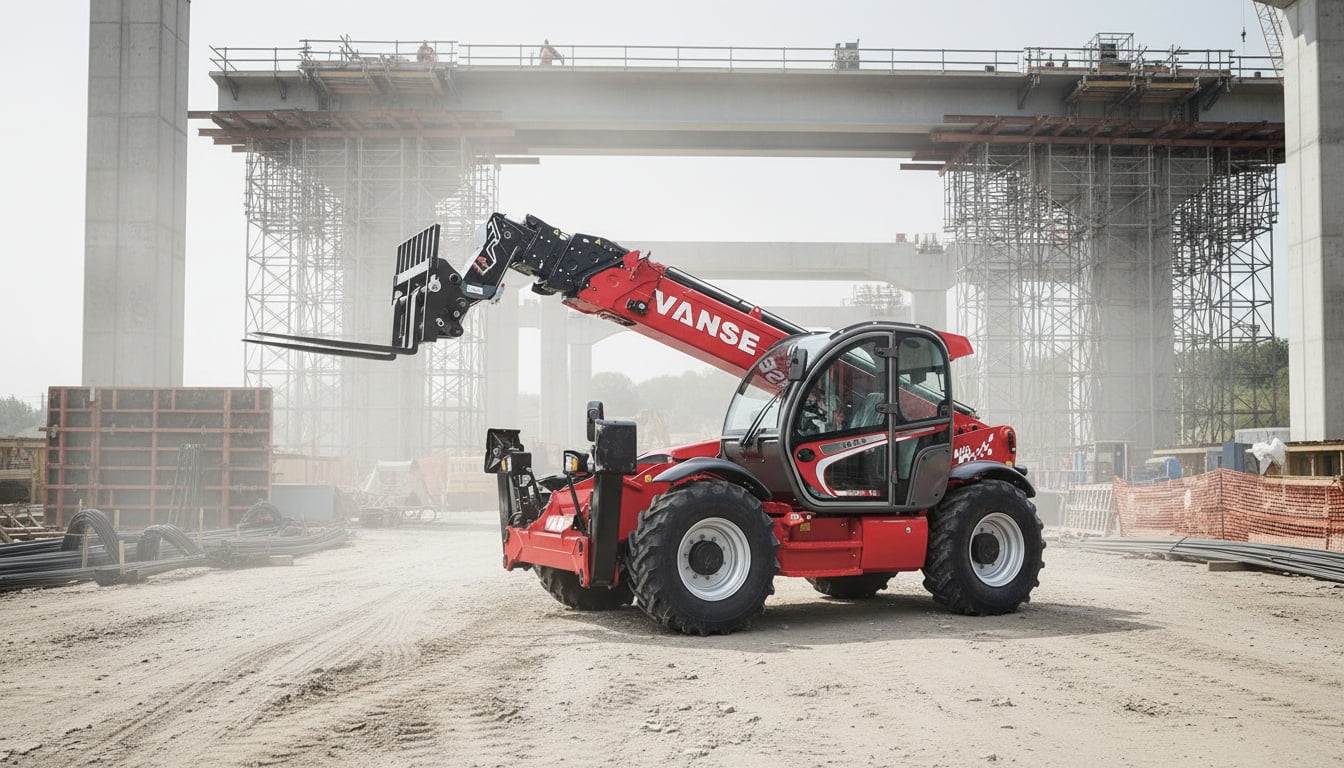
For example, on a tilt-up warehouse build near Dallas or Inland Empire logistics zones, the machine may transport embed plates, dunnage, braces, and forming materials across large pads. On a parking structure in Chicago or Philadelphia, it may work in tighter footprints to feed slab-edge materials and staging zones. On utility and bridge jobs, it may support access in rough terrain where standard forklifts are unsuitable. This broad use profile explains why telehandlers remain one of the most practical equipment choices for concrete contractors.
Telehandler Types Used for Concrete Work
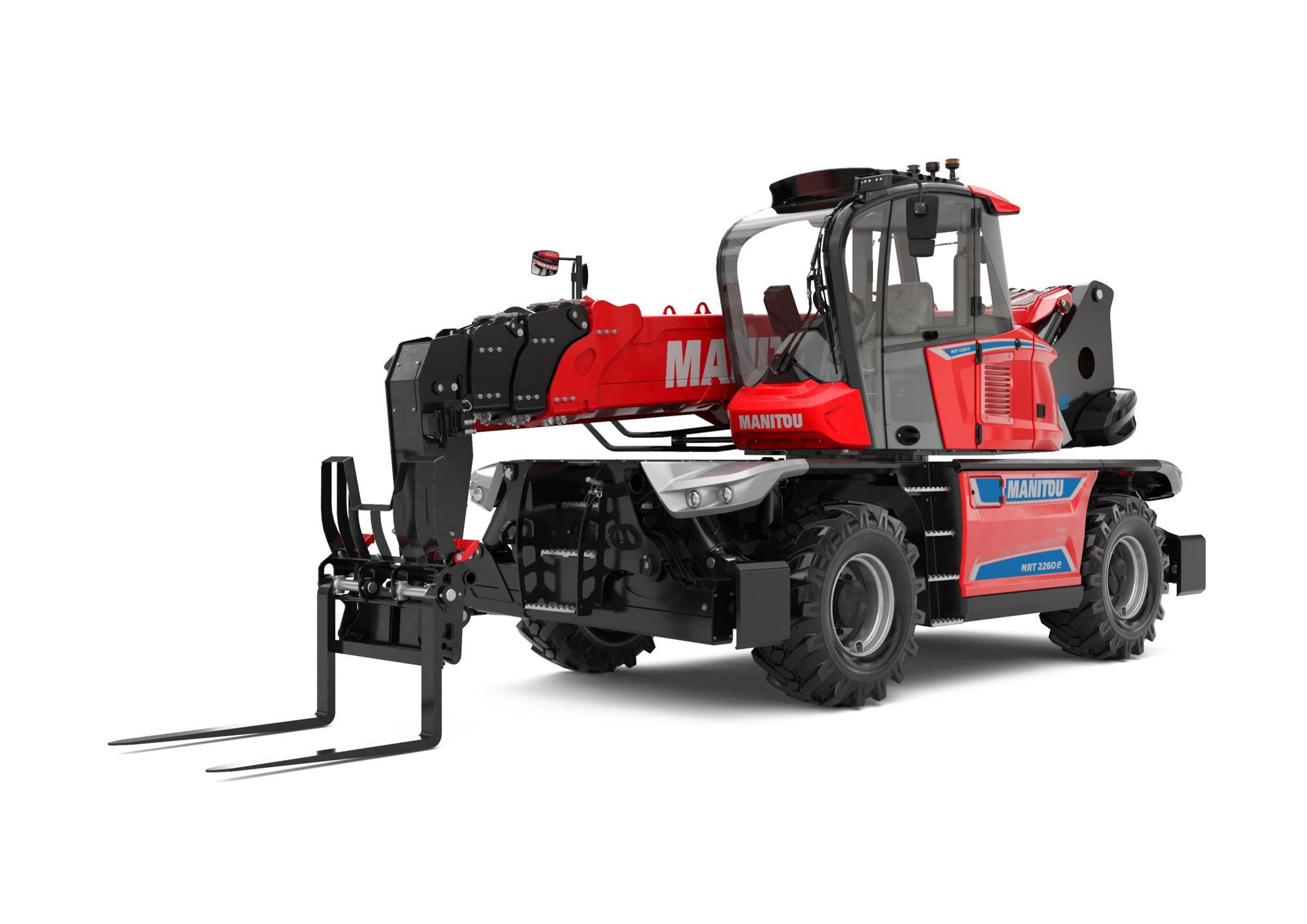
Not every telehandler suits every concrete application. Lift capacity, reach, boom geometry, operating weight, and attachment support all influence performance. Fixed-boom telehandlers are the most common because they are simpler, durable, and widely available through rental and dealer channels. Rotating telehandlers are becoming more attractive for urban and high-reach work where crane-like positioning and reduced repositioning help offset higher acquisition cost.
| Telehandler type | Typical lift capacity | Typical lift height | Best concrete applications | Main advantage | Main limitation |
|---|---|---|---|---|---|
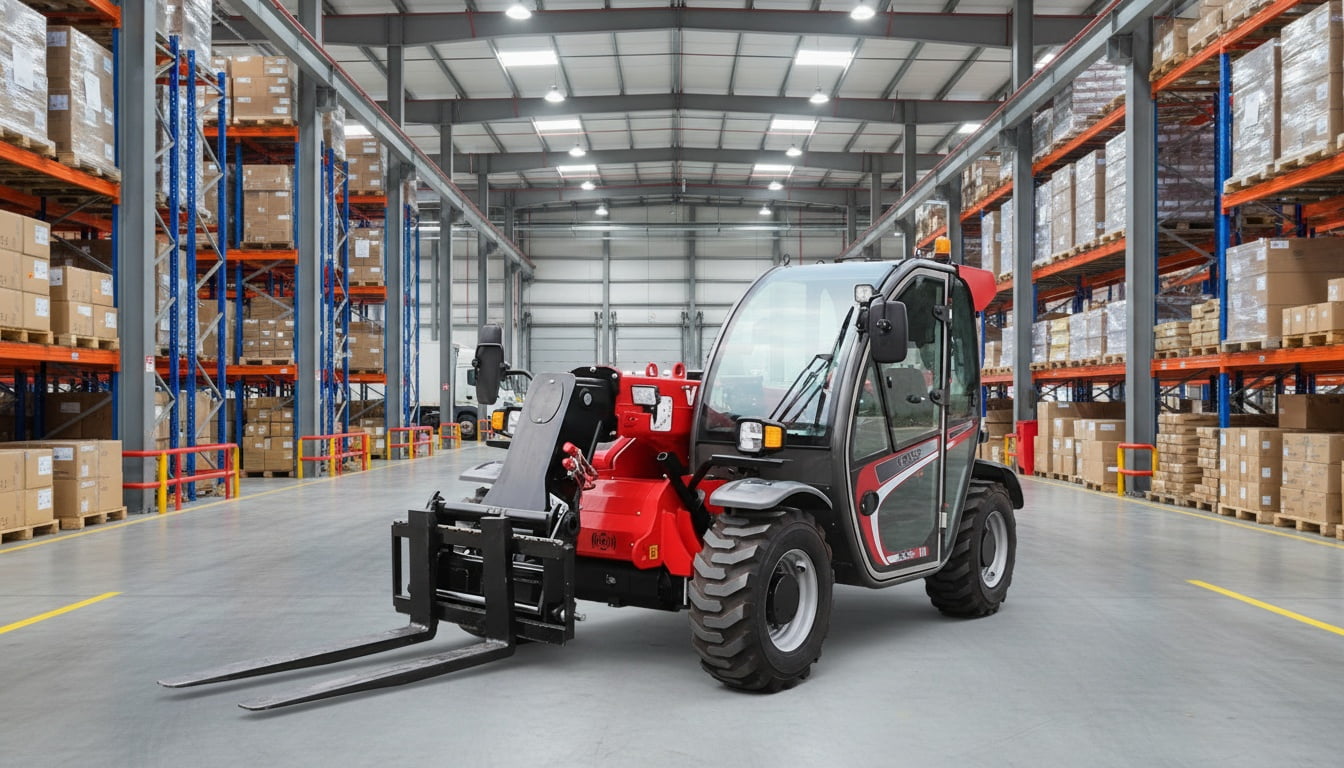
| Compact fixed-boom | 5,000 to 6,000 lb | 18 to 26 ft | Small commercial jobs, residential slab support, indoor-adjacent staging | Easy transport and maneuverability | Lower reach and capacity |
| Mid-size fixed-boom | 6,000 to 8,000 lb | 35 to 44 ft | General concrete construction, masonry, rebar, formwork | Best balance of cost and utility | Less specialized for extreme reach |
| High-reach fixed-boom | 8,000 to 12,000 lb | 45 to 56 ft | Precast yards, multistory projects, large commercial slabs | Strong placement capability at elevation | Larger footprint and higher transport cost |
| Heavy-lift telehandler | 12,000 lb and above | 44 to 56 ft | Bridge segments, heavy forms, large structural components | Handles dense loads safely | Requires more space and planning |
| Rotating telehandler | 8,000 to 15,000 lb | 50 to 100 ft | Urban concrete jobs, complex placement, multistory work | Crane-like flexibility with fewer reposition moves | Higher purchase and service cost |
| Rental fleet standard telehandler | 6,000 to 10,000 lb | 36 to 55 ft | Short-term concrete packages and seasonal demand | Fast availability in many U.S. metros | Configuration options may be limited |
This table shows why the mid-size fixed-boom segment dominates the concrete market in the United States. It covers the most common tasks without the premium cost of specialized machines. However, as urban complexity rises, rotating machines are receiving more attention from concrete contractors who need more placement flexibility.
Industry Demand by End Use
Concrete-related telehandler demand is not evenly distributed across industries. Warehousing, infrastructure, multifamily construction, and manufacturing plants tend to produce repeatable needs for high-capacity rough-terrain handling. Masonry and precast also create steady attachment demand.
The bar chart indicates that warehouse and infrastructure work are especially important demand drivers. Those segments involve repetitive movement of heavy materials, broad site footprints, and pressure to keep multiple crews fed with supplies.
Key Applications in Concrete Work
A telehandler for concrete work is usually judged by how effectively it performs repetitive site tasks rather than by lift height alone. Buyers in the United States increasingly evaluate machine productivity per shift. Typical applications include moving ready-to-use jobsite materials into staging areas, supplying elevated work zones, and transferring components between laydown yards and active pour locations.
Common concrete-related tasks include handling rebar cages, moving form panels, lifting concrete buckets where permitted by the machine and attachment configuration, supporting masonry crews with block packs, transporting pipe and precast pieces, and assisting framing and roofing teams after slab completion. Contractors also use telehandlers during site setup and closeout because the machine stays useful throughout the project lifecycle.
On bridge and road projects, telehandlers help position tools, barriers, and support materials across uneven terrain. On urban infill jobs in New York, Boston, or San Francisco, a compact footprint can be more valuable than maximum lift height because machine movement is limited. On data center construction in states such as Virginia, Texas, and Arizona, uptime and service access become critical because schedule penalties for delays can be severe.
Supplier Comparison in the United States
The supplier landscape includes global OEMs with long U.S. dealer networks, rental-heavy brands, and emerging value-focused manufacturers. The right supplier depends on whether your priority is immediate local service, lowest total cost of ownership, premium operator features, or private-label partnership potential.
| Company | Primary U.S. service region | Core strengths | Key offerings for concrete work | Best fit | Notes |
|---|---|---|---|---|---|
| JLG Industries | Nationwide | Deep dealer network, jobsite familiarity, broad attachment support | Fixed-boom telehandlers, high-reach models, rental-friendly units | General contractors and rental fleets | Strong parts availability across major metros |
| Genie | Nationwide | High brand recognition, solid rental presence, easy operator adoption | Rough-terrain telehandlers for masonry and commercial work | Mixed trades and short-term project deployment | Often easy to source through rental channels |
| SkyTrak | Nationwide, especially strong in construction hubs | Well-known in construction, practical controls, common field support | 6,000 to 10,000 lb class telehandlers | Concrete subcontractors seeking familiar machines | Common choice on North American jobsites |
| JCB | Nationwide with strong dealer concentration in many states | Wide telehandler range, strong rough-terrain reputation | Compact to high-capacity telehandlers, attachments | Buyers wanting broad model selection | Good option for ownership fleets |
| Caterpillar | Nationwide via Cat dealers | Dealer service strength, financing, fleet support | Material handling solutions and telehandler access through dealer channels | Large contractors and fleet-managed operations | Support quality can vary by dealer territory |
| Bobcat | Nationwide | Compact equipment ecosystem, dealer familiarity | Telehandlers for site handling, palletized materials, construction support | Contractors with mixed compact fleet needs | Useful where one dealer supports multiple machine categories |
| Merlo America | Selective U.S. markets | Rotating telehandler specialization, high-spec machines | Roto telehandlers for elevated placement and confined jobsites | Urban and complex projects | Best for specialized use rather than basic fleet replacement |
| VANSE | Growing North American coverage with U.S. market expansion | Value pricing, OEM/ODM flexibility, globally sourced core components | Telehandlers for distributors, contractors, and private-label partners | Cost-focused fleet buyers and channel partners | Especially relevant for customized procurement programs |
This comparison is practical because it separates brand visibility from actual buying fit. The best supplier is not always the one with the biggest name; for some U.S. buyers, local response time, customization, and pricing flexibility can matter more than brand familiarity alone.
How Demand Is Shifting Toward Different Product Priorities
Over the past few years, the United States market has shifted from a simple focus on maximum lifting performance toward a broader view of productivity, operating cost, operator comfort, emissions compliance planning, and technology integration. Contractors want machines that can be tracked, serviced quickly, and kept running with minimal downtime.
The area chart reflects a realistic purchasing shift. Price remains important, but fleets increasingly compare machine support, diagnostics, operator safety systems, and resale performance. This is particularly true on concrete projects where idle crews quickly turn downtime into a major cost.
Buying Advice for U.S. Concrete Contractors
Choosing a telehandler for concrete work should begin with actual job requirements instead of brochure specifications. Buyers should calculate the heaviest typical load, the maximum required lift height, and the load weight at forward reach, not just the rated capacity at ideal conditions. A machine that handles 8,000 pounds straight up may perform very differently when the boom is extended over a slab edge or around staging obstacles.
Attachment planning is equally important. Concrete jobs may require pallet forks, side-tilt carriage options, truss booms, buckets, material buckets, work platforms where allowed, pipe grapples, and specialty fork packages. It is better to confirm hydraulic flow, coupler compatibility, and rated load charts for each attachment before purchase. Many poor buying decisions happen because the base machine looks adequate, but the attachment package limits actual field use.
Service and parts access are the next deciding factors. Ask suppliers where key parts are stocked, which branches cover your county, how fast technicians can reach your sites, and whether weekend support is available during major pours. In the United States, response time matters more than marketing claims. Contractors in remote regions should pay special attention to this point because transport delays can be costly.
Buyers should also request full documentation for compliance, training, and maintenance schedules. Machines used on large U.S. jobs often need to fit safety programs tied to general contractors, insurers, and site owners. Clear records improve acceptance and reduce friction when the machine enters a controlled project environment.
Specification Comparison for Common Concrete Needs
The table below helps align machine class with application. It is not a substitute for a load chart, but it provides a practical starting point for U.S. buyers reviewing telehandler options for concrete work.
| Concrete application | Suggested machine class | Typical useful attachment | Priority specification | Recommended buyer type | Why it matters |
|---|---|---|---|---|---|
| Small slab and residential foundation work | 5,000 to 6,000 lb compact telehandler | Pallet forks | Transport width and maneuverability | Small contractors and rental users | Easier site access and lower cost |
| Commercial slab and masonry support | 6,000 to 8,000 lb mid-size telehandler | Forks and material bucket | Balanced reach and capacity | General concrete subcontractors | Most versatile daily-use choice |
| Multistory formwork and deck supply | 8,000 to 10,000 lb high-reach telehandler | Truss boom and heavy-duty forks | Capacity at height | Commercial builders | Reduces reliance on larger lifting equipment |
| Precast handling yard | 10,000 to 12,000 lb heavy-lift model | Fork carriage or custom spreader | Stability and axle durability | Yards and manufacturers | Dense repetitive loads demand stronger structure |
| Bridge and infrastructure concrete projects | 8,000 to 12,000 lb rough-terrain unit | Forks, pipe or material attachments | Ground clearance and tire setup | Civil contractors | Uneven terrain changes operating needs |
| Urban high-rise or confined placement | Rotating telehandler | Winch, jib, platform | Slew capability and placement precision | Specialty contractors | Reduces repositioning in tight sites |
This table is useful because it connects machine type to daily workflow instead of focusing only on raw capacity. Concrete work is highly task-driven, so the best machine is often the one that matches attachment use and site movement patterns.
Local Supplier and Dealer Considerations
In the United States, local support often decides whether a telehandler purchase becomes a good investment. Buyers should map dealer and service coverage around major operating regions such as Southern California, Texas Triangle cities, the Gulf Coast, the Southeast, the Great Lakes, and the Northeast. A supplier with weaker national branding but stronger local parts inventory can outperform a famous brand with slower regional response.
Rental access also matters. If your owned fleet needs backup during peak concrete season, choose a brand that is easy to rent in nearby markets. This creates operational continuity because your operators stay familiar with controls and attachment interfaces. Contractors working across multiple states should prioritize suppliers with transferable warranty and service support rather than state-by-state limitations.
Supplier and Product Comparison by Buyer Priority
This comparison chart highlights a common buying tradeoff in the United States. Established domestic and legacy global brands usually lead in dealer coverage and operator familiarity, while emerging international suppliers often compete on customization, private-label programs, and price efficiency.
Concrete Industry Segments That Benefit Most
Telehandlers are especially valuable in segments where a project combines rough terrain, dense materials, and constantly changing placement needs. Ready-mix producers themselves may not be the primary buyers, but every contractor downstream from foundation to structural completion benefits from telehandler versatility.
| Industry segment | Typical U.S. locations | Concrete-related use | Why telehandlers are chosen | Preferred machine profile | Common buying model |
|---|---|---|---|---|---|
| Warehouse and logistics construction | Inland Empire, Dallas-Fort Worth, Savannah, New Jersey | Slabs, tilt-up panels, staging materials | Large site coverage and frequent material moves | Mid-size to high-reach fixed-boom | Mix of rental and ownership |
| Infrastructure and bridges | Texas, Florida, Midwest, Northeast corridors | Forms, rebar, barriers, support materials | Rough-terrain access and load control | High-capacity rough-terrain models | Often owned by civil fleets |
| Commercial buildings | Chicago, Atlanta, Houston, Phoenix, Charlotte | Masonry, decks, scaffold material, forms | Multiphase site support | 6,000 to 10,000 lb units | Rental-heavy with selective ownership |
| Multifamily housing | Sun Belt metros and suburban growth areas | Block, framing, bagged material, slab support | Flexible use by several trades | Mid-size fixed-boom | Mostly rental but increasing ownership |
| Precast manufacturing yards | Midwest, Southeast, Texas | Moving molds, components, accessories | High utilization and repeated heavy lifts | Heavy-lift telehandlers | Mostly owned fleets |
| Industrial and data center projects | Northern Virginia, Texas, Arizona, Ohio | Fast-track slab and structural support | Uptime and schedule pressure | Reliable mid- to high-range machines | Owned or long-term rental contracts |
The table makes clear that location and project type shape telehandler needs. What works on a multifamily project in Tampa may not fit a precast yard in Ohio or a bridge package in Louisiana.
Case Studies from Real-World U.S. Jobsite Conditions
A warehouse developer near Savannah needed to keep slab, tilt-up, and roofing crews moving on overlapping schedules. The contractor chose 8,000-pound telehandlers with heavy-duty fork packages and backup rental availability from the same brand family. The result was lower wait time between material delivery and active use, especially during long pad pours and wall-panel staging.
In the Dallas-Fort Worth market, a concrete subcontractor handling several distribution center builds shifted from renting different telehandler brands each month to buying a small fleet of standardized units. The company reduced operator retraining, simplified attachment management, and improved parts stocking because every machine shared key service items.
On a tight urban site in the Northeast, a specialty contractor used a rotating telehandler instead of relying on repeated crane calls for small but frequent material movements. Even though the machine cost more to source, the contractor gained flexibility by placing materials with fewer site interruptions, which improved coordination with concrete, facade, and mechanical trades.
In the Southwest, a subcontractor working on high-temperature sites prioritized enclosed cabs, cooling performance, and service response over headline lift specs. That decision paid off because machine uptime during long summer shifts had a greater impact on profitability than a slightly lower purchase price.
What to Ask Before You Buy or Lease
Before choosing a telehandler supplier in the United States, ask for the load chart with your actual attachment, a list of stocked service parts by region, lead time for major repairs, and references from concrete or masonry contractors in your area. Also ask whether technicians can support jobs near major corridors such as I-10, I-35, I-75, I-95, and inland industrial parks where many concrete projects are concentrated. If your projects move between states, confirm service portability.
Another useful step is to compare financing, seasonal rental conversion, and buyback options. Equipment decisions in concrete work are not only technical; they are cash-flow decisions. A supplier that offers reliable support, practical warranty handling, and transparent operating cost projections may deliver better long-term value than the cheapest quote.
Why VANSE Is Worth Considering in the United States
For U.S. buyers seeking a telehandler for concrete work with a stronger cost-performance balance, VANSE is worth evaluating because its telehandlers are built under CE and ISO 9001 certified manufacturing systems, use globally recognized core components including engines from brands such as Perkins and Cummins together with premium hydraulic and drivetrain systems, and each machine goes through load testing, safety inspection, and performance validation before shipment, which gives buyers concrete evidence of manufacturing discipline rather than generic quality claims. From a cooperation standpoint, VANSE serves end users, distributors, dealers, rental-focused buyers, brand owners, and even individual purchasers through flexible wholesale supply, retail-oriented support, regional distribution cooperation, and OEM/ODM customization covering specifications, branding, colors, and machine configuration. Just as important for the U.S. market, the company already has export experience across more than 40 countries, total production exceeding 8,000 units, and is actively establishing a U.S.-based subsidiary with local inventory, stocking, and after-sales capability, which signals a real physical commitment to North America instead of operating only as a remote exporter. That combination of certified production, proven component sourcing, scalable output, channel flexibility, and growing local support infrastructure gives American buyers stronger assurance on parts, service communication, and long-term partnership potential. Buyers can review more about the manufacturer at the company profile, explore available machinery through equipment listings, understand support coverage via service resources, or discuss U.S. demand and partnership needs through the contact page.
How to Compare Domestic and International Supply Options
Domestic and legacy global brands usually win on immediate familiarity, used market visibility, and established branch networks. International suppliers can be highly attractive when they combine certified manufacturing, recognized component brands, documented testing standards, and real local market commitment. For fleet buyers, distributors, and contractors scaling operations, these suppliers may offer meaningful cost savings, custom configuration flexibility, and private-label opportunities that standard domestic purchase programs do not provide.
The right approach is not to assume one category is always better. Instead, compare total delivered value: machine price, attachments, warranty structure, technician availability, lead time, component transparency, financing support, and parts stocking in the United States. Concrete work is margin-sensitive, so value often matters more than brand prestige.
2026 Trends for Telehandlers in Concrete Work
Looking toward 2026, the U.S. telehandler market for concrete work will likely be shaped by three major trends: technology adoption, policy and compliance pressure, and sustainability goals. On the technology side, telematics, geofencing, remote diagnostics, operator monitoring, and digital maintenance scheduling will become more common even in mid-range telehandlers. Contractors increasingly want to know where machines are, how they are being used, and when service events are due.
Policy trends will include stricter jobsite safety expectations, procurement standards for public projects, and growing attention to emissions planning in urban or regulated markets. While diesel machines remain dominant, buyers will pay more attention to engine efficiency, idle management, and pathways toward lower-emission fleets. States with aggressive environmental policies may influence purchasing behavior beyond their borders as large contractors standardize fleet specifications nationally.
Sustainability trends will include pressure to reduce fuel waste, optimize fleet utilization, and extend machine lifecycle through better preventive maintenance. Some urban and indoor-adjacent applications may gradually evaluate hybrid or electric material handling alternatives, but for mainstream concrete work, the more immediate sustainability gains will come from efficient diesel systems, better fleet planning, and fewer redundant machines on site.
Rotating telehandlers may also expand in urban U.S. markets where labor costs, crane scheduling complexity, and space constraints make multifunction lifting more attractive. At the same time, value-focused fixed-boom machines will remain the backbone of the market because they offer the simplest productivity equation for most concrete contractors.
FAQ
What size telehandler is best for concrete work?
For many U.S. concrete contractors, a 6,000 to 8,000 pound fixed-boom telehandler with roughly 35 to 44 feet of lift height is the most versatile starting point. It handles pallets, forms, rebar, and masonry materials well on general commercial jobs. Larger or more specialized projects may require 10,000 pound or rotating models.
Is a telehandler better than a rough-terrain forklift for concrete jobs?
In many cases, yes. A telehandler offers forward reach and more attachment flexibility, which is especially useful on slab edges, multistory work, and uneven sites. A rough-terrain forklift may still be enough for simple pallet movement, but it cannot match the versatility of a telescopic handler.
Should I rent or buy a telehandler for concrete projects in the United States?
Rent if your need is occasional, seasonal, or project-specific. Buy if your crews use telehandlers continuously across multiple jobs and you want consistent machine setup, guaranteed availability, and lower long-term operating cost per hour.
Which attachments matter most for concrete work?
Pallet forks are the baseline requirement. Depending on your work, you may also need a material bucket, truss boom, heavy-duty carriage, pipe handling tools, or specialty lifting accessories. Always verify rated performance with the exact attachment installed.
Are rotating telehandlers worth the extra cost?
They can be, especially on urban, multistory, or confined jobsites where machine repositioning is difficult and crane access is limited. For standard warehouse slabs or broad commercial sites, a fixed-boom model is often more cost-effective.
What should U.S. buyers check before choosing an overseas supplier?
Confirm manufacturing certifications, component brands, testing standards, parts support, warranty handling, local inventory plans, and actual U.S. service commitment. The best international suppliers provide concrete evidence of local market investment rather than only export capability.
Which U.S. regions have the strongest demand for telehandlers in concrete work?
Texas, Florida, Georgia, California, Arizona, the Carolinas, Northern Virginia, and major Midwest logistics corridors all show strong demand due to warehouse construction, infrastructure spending, industrial expansion, and large commercial development pipelines.
Final Takeaway
The best telehandler for concrete work in the United States is the one that matches your actual load profile, attachment plan, service geography, and ownership strategy. For most contractors, established suppliers such as JLG, Genie, SkyTrak, JCB, Caterpillar, and Bobcat remain the safest starting points because of local support and market familiarity. At the same time, qualified international suppliers with certified production, recognized components, flexible OEM/ODM models, and genuine U.S. service investment deserve attention, especially when buyers need better pricing, customization, or channel partnership opportunities. If you compare load charts honestly, verify local support carefully, and align the machine with your daily concrete workflow, a telehandler can become one of the highest-value assets on your jobsite.
Complete Telescopic Handler Equipment Portfolio
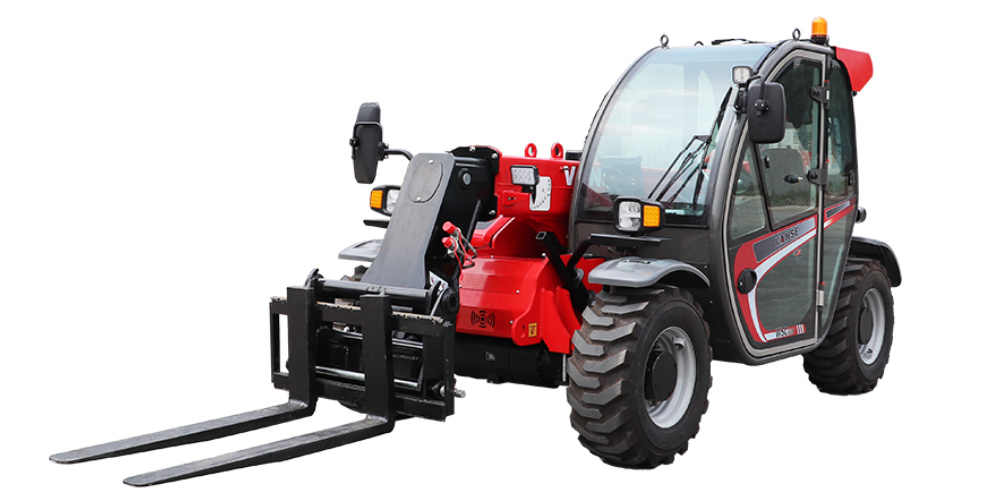
VANSE 625 6m Telescopic Handler
Designed for efficient material handling and stacking in warehouses, factories, and confined job sites, offering compact maneuverability and reliable performance.

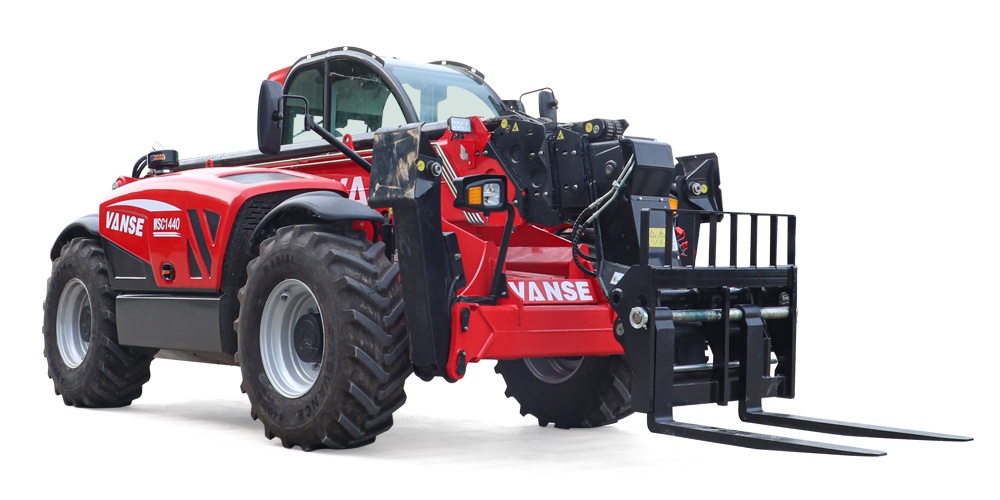
VANSE 735 7m Telescopic Handler
A balanced mid-duty solution for construction, agriculture, logistics, and warehousing, combining stable lifting, strong traction, and everyday versatility.


About the Author:
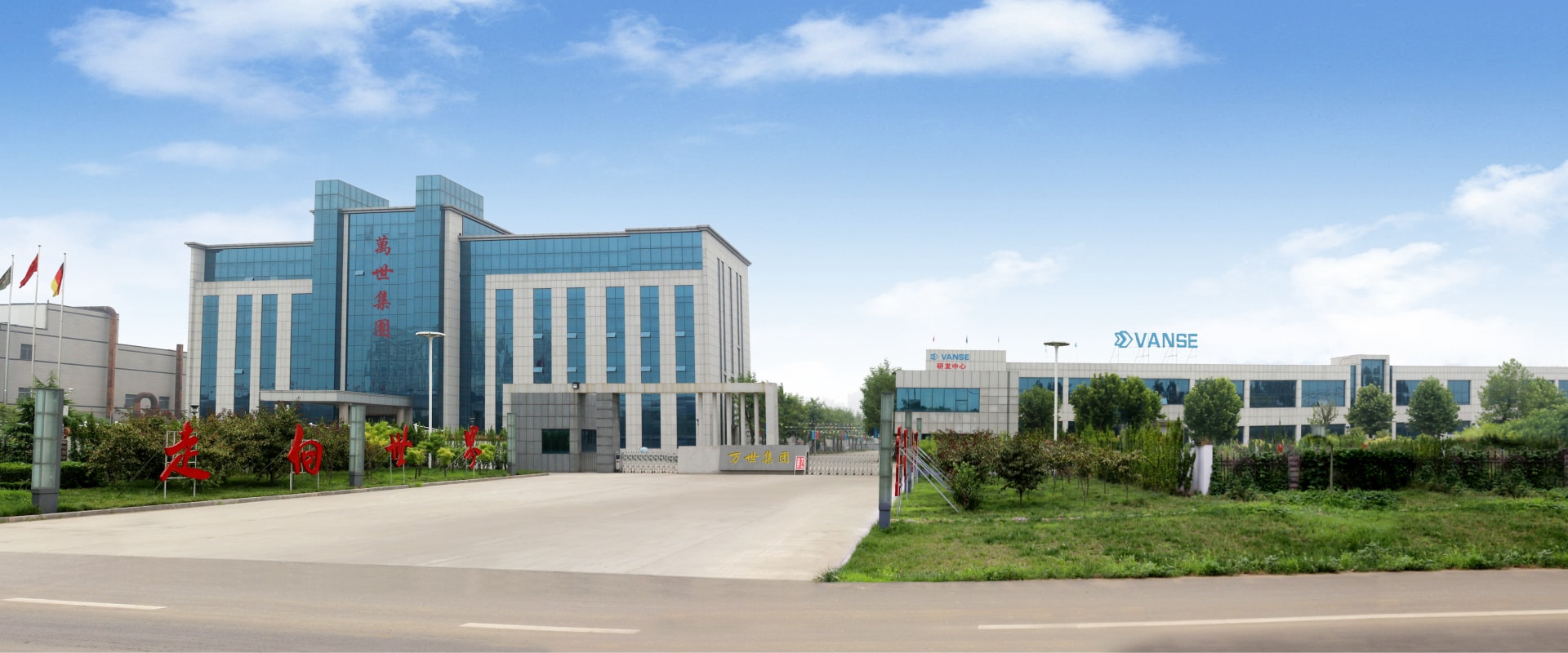
The VANSE team is a group of experienced professionals specializing in construction machinery research, manufacturing, and technical support. With deep industry knowledge and hands-on experience, our engineers and product specialists share practical insights on equipment selection, operation, maintenance, and industry trends.
Share
You May Also Interest
-

April 17, 2026
Rotating Telehandler vs Fixed Telehandler
Compare rotating telehandler vs fixed telehandler in the United States with costs, applications, suppliers, and buying tips for safer equipment selection.
-

April 16, 2026
Telehandler vs All Terrain Forklift
Compare telehandler vs all-terrain forklift in the United States, including costs, uses, suppliers, and how to choose the right machine for your jobsite.
-
April 15, 2026
Telehandler Certification Requirements Guide
Learn telehandler certification requirements in the United States, including OSHA training, operator evaluation, employer duties, and buying tips.
-
April 14, 2026
Telehandler License Requirements: Guide
Learn telehandler license requirements in the United States, including OSHA training rules, certification steps, employer duties, and safe operation tips.