Requisiti per certificazione telehandler in Italia
Risposta rapida

In Italia, per usare legalmente un
In termini operativi, in Italia conviene verificare subito cinque aspetti: categoria del telehandler, corso riconosciuto per l’operatore, idoneità del luogo di lavoro, documentazione tecnica della macchina e supporto post-vendita del fornitore. Per chi compra o noleggia, oltre ai marchi europei presenti in Lombardia, Veneto, Emilia-Romagna, Lazio e nei poli logistici di Genova, Verona e Bologna, possono essere presi in considerazione anche fornitori internazionali qualificati, compresi produttori cinesi con certificazioni pertinenti, componentistica di primo livello e assistenza pre e post vendita ben strutturata, spesso interessanti per il rapporto costo-prestazioni.
Quadro normativo in Italia

Nel mercato italiano il termine “certificazione telehandler” viene spesso usato in modo generico, ma nella pratica riguarda tre livelli distinti: l’abilitazione dell’operatore, la conformità tecnica della macchina e la gestione documentale del datore di lavoro. Questa distinzione è fondamentale per evitare errori frequenti negli acquisti e nei controlli ispettivi.
Il primo livello è l’abilitazione dell’operatore. Chi conduce un sollevatore telescopico deve essere formato in modo specifico con modulo teorico, modulo pratico e verifica finale. L’obiettivo non è solo guidare il mezzo, ma saper gestire carico, stabilità, accessori, condizioni del terreno, angolo di sbraccio, visibilità, interferenze e procedure di emergenza. Nei cantieri di Milano, Torino, Bologna, Napoli e Bari, questa abilitazione è ormai richiesta come prerequisito base per accesso e operatività.
Il secondo livello è la conformità della macchina. Il telehandler deve essere marcato CE, corredato da dichiarazione di conformità, manuale in italiano, targhette di sicurezza leggibili, diagrammi di carico e dispositivi di protezione funzionanti. In presenza di accessori come forche, benne, verricelli, ganci o piattaforme portapersone, la verifica della compatibilità è essenziale perché incide direttamente sulla stabilità e sulle modalità d’uso.
Il terzo livello è la responsabilità organizzativa del datore di lavoro o del gestore della flotta. Servono analisi dei rischi, idoneità dell’attrezzatura rispetto all’uso reale, controlli prima dell’impiego, manutenzione ordinaria e straordinaria, registrazioni, procedure interne e sorveglianza sull’uso corretto. Nei settori logistici e industriali italiani, specialmente in aree come l’interporto di Verona, il porto di Trieste e il porto di Genova, queste evidenze documentali sono spesso richieste anche dai committenti privati.
Che cosa significa davvero certificazione per un telehandler

Nel linguaggio commerciale, molte aziende parlano di “telehandler certificato”, ma per un acquirente italiano è importante capire se
Therefore, those purchasing for construction, agriculture, industry, or rental should structure the process as follows: first define the application, then verify the machine category, and then review documents, attachments, support, and training programs. This approach reduces downtime, insurance disputes, and operational risks.
Key Documents and Requirements
The following table summarizes the most relevant requirements for using a telescopic handler in Italy. It is useful for both fleet managers and those considering a first purchase or long-term rental.
| Requisito | Applicable To | Practical Content | Pausa pranzo |
|---|---|---|---|
| Abilitazione operatore | Operator and employer | Theoretical-practical course with final assessment and periodic refresher | Enables legal and safer use of the telehandler |
| CE marking | Manufacturer, importer, user | Machine compliant with essential safety requirements | The basis for market placement and use in Italy |
| Manual in Italian | Employer and operator | Operating instructions, operational limits, maintenance, and safety | Reduces operating errors and facilitates inspections |
| Diagramma di carico | Operator | Allowable capacity based on outreach and height | Prevents overturning and overloading |
| Inspection register | Owning company or rental firm | Inspections, maintenance, anomalies, and interventions | Serves for traceability and risk management |
| Risk assessment | Datore di lavoro | Analysis of ground conditions, accessibility, loads, personnel, and interferences | Adapts machine use to the actual context |
| Compatible accessories | Company and operator | Forks, buckets, hooks, and platforms authorized by the manufacturer | Affects stability, capacity, and legality of use |
This table shows that compliance does not depend on a single certificate, but on a complete system of training, machine, inspections, and organization. It is this integrated vision that distinguishes a simple purchase from a professional choice.
Mercato italiano dei sollevatori telescopici
In Italy, demand for telehandlers is driven by four main supply chains: construction, industrial logistics, intensive agriculture, and professional rental. Northern Italy remains the market's hub, with Lombardy, Veneto, Emilia-Romagna, and Piedmont very active both in final consumption and dealer networks. However, in recent years, Central and Southern Italy have also shown steady growth, fueled by infrastructure projects, industrial maintenance, agri-food, and renewables.
For Italian buyers, the required certification is not just a regulatory matter: it is a factor that affects delivery times, insurability of the vehicle, eligibility for use with major clients, and resale value. A machine with complete documentation and reliable technical support integrates more easily into corporate specifications and rental fleets.
The graph highlights a gradual but steady growth of the Italian market until 2026. This trend aligns with increasing investments in high-productivity construction sites, agricultural handling, and internal logistics in industrial hubs such as Brescia, Padua, Modena, and Frosinone.
Types of Telehandlers and Compliance Implications
Not all telehandlers meet the same needs. The right choice starts from capacity, lifting height, working environment, and frequency of use. In Italy, differences between the agricultural and construction sectors are particularly marked: the first prioritizes versatility and repetitive cycles, the second often requires greater height, special attachments, and rigorous documentation for site access.
| Telehandler Type | Portata tipica | Uso frequente in Italia | Attention Points for Requirements and Certification |
|---|---|---|---|
| Compact | 2.5-3.5 tons | Renovations, sheds, internal logistics | Limited spaces, visibility, accesses, and pedestrian routes |
| Medium construction | 3.5-4.5 tons | Civil and industrial construction | Stability with forks and attachments, targeted practical training |
| High reach | 4-5 tons | Prefabbricati, impianti, grandi cantieri | Complex load charts and risk of overturning |
| Rotativo | 4-6 tons | Complex sites, special maintenance | Greater operator specialization and attachment control |
| Agricolo | 2.5-4 tons | Stables, feed mills, cereals, biomasses | Intensive use, dust, maintenance and adequate tires |
| Elettrico o ibrido | 2.5-3.5 tons | Industry, warehouses, low-emission areas | Batteries, range, charging procedures and indoor environments |
| For multi-purpose rental | 3-4 tonnes | Fleet rental and temporary construction sites | Clear documentation and ease of user training |
For each category, not only the technical configuration changes but also the risk profile. Consequently, an effective purchase requires alignment between intended use, actual capacity and the level of operator training.
Domanda per settore in Italia
Italian demand is highly differentiated by sector. Companies working in construction and rental require telehandlers with strong documentary support, while agriculture prioritizes mechanical reliability, quick service and good spare parts availability during seasonal peaks.
The bar chart makes the leadership of construction and rental visible, but also shows the growing weight of industry, port logistics and energy, particularly in areas with freight hubs and cargo terminals. This explains why Italian buyers seek versatile, certified and easy-to-maintain machines for continuous service.
How to choose the right supplier
In the Italian context, the choice of supplier should follow very concrete criteria. The purchase price matters, but it is not the main indicator of cost-effectiveness. Much more relevant is the total cost of ownership: training, spare parts availability, downtime, consumption, ease of resale, documentary support and the partner's ability to assist the customer in case of audit, accident or site inspection.
A good supplier for Italy must be able to handle documentation comprehensively, respond quickly on special configurations and ensure assistance that is truly usable by the Italian customer. This applies both to the most well-known European brands and to non-European manufacturers who want to operate seriously and stably in the country.
| Criterio di acquisto | What to check | Positive signal | Risk if missing |
|---|---|---|---|
| Machine documentation | CE, Italian manual, technical sheets, diagrams | Clear dossier and orderly delivery | Downtime, disputes and insurance doubts |
| Operator training | Support for courses and practical training | Training network or local partners | Improper use and higher accident risk |
| Spare parts | Availability and average fulfillment times | European or local warehouse | Long machine downtime in critical season |
| Assistenza tecnica | On-site interventions and remote support | Dedicated technicians and fast channels | Productivity reduction and indirect costs |
| Customization | Accessories, set-ups, branding, configurations | Structured OEM or ODM | Machine poorly suited to real work |
| Export reputation | Countries served, volumes, track record | Documented experience in regulated markets | Risks on constant quality and support continuity |
| Valore residuo | Demand in the used market | Recognized brand and available spare parts | Rapid depreciation at fleet renewal |
The table helps to transform an often intuitive decision into a technical evaluation. In particular, for those operating in rental or large construction sites, documentary support and service continuity are almost as important as the pure performance of the machine.
Main applications in Italy
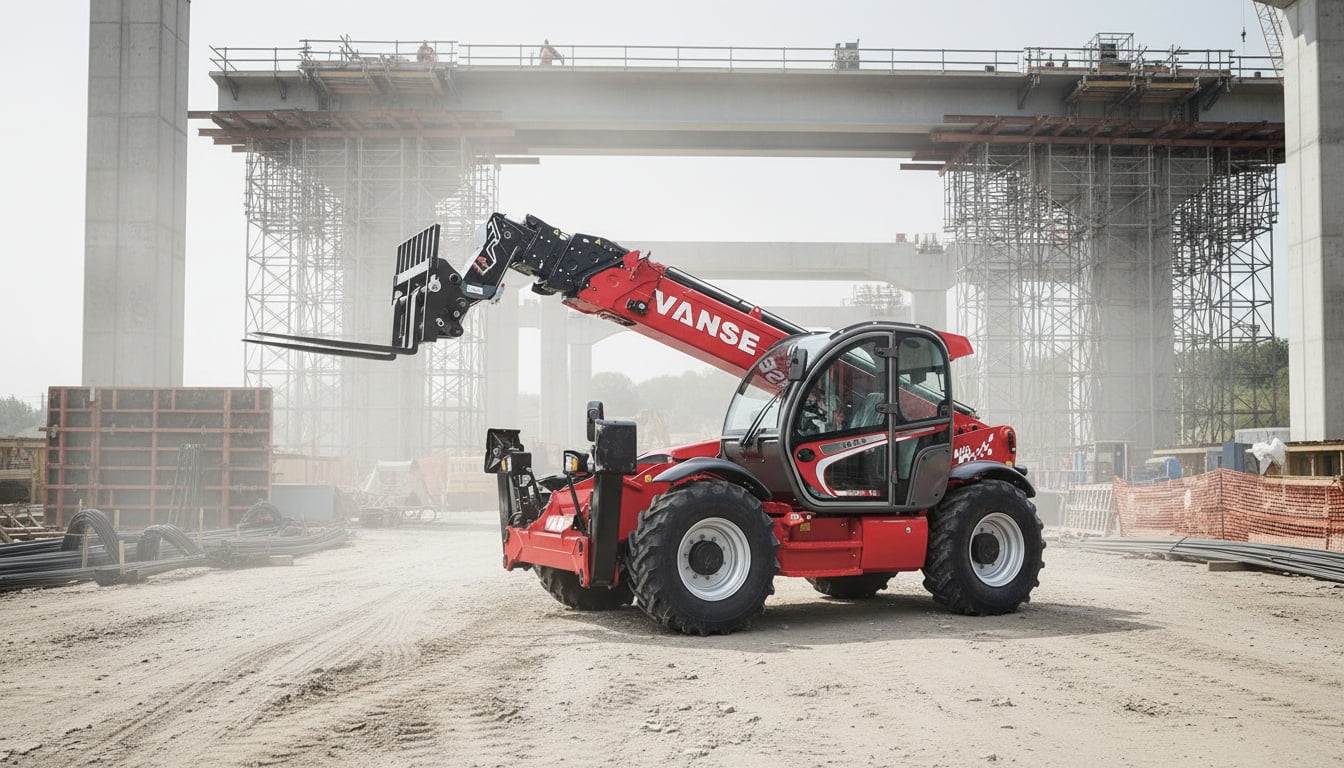
Telescopic handlers are in high demand in construction for moving pallets of bricks, rebars, formwork, boards, prefabricated elements and finishing materials. In agriculture they are used for moving bales, grain, feed, manure, fertilizers and bulk materials. In manufacturing they support loading/unloading, line feeding and internal maintenance. In ports and logistics areas they serve in complementary activities, especially where flexibility is more important than extreme specialization.
From the requirements perspective, the actual application impacts the necessary training, the accessories to be authorized, the frequency of checks and the type of tires, protections and set-ups. A telehandler for a farmhouse in the Cremona area and one for a large construction site in Rome may seem similar, but they have very different operational and documentary needs.
Casi pratici dal mercato italiano
A Bologna construction company working on prefabricated elements often chooses a medium or high-reach telehandler with forks and hook, focusing on clear load charts and practical training for multiple operators. The value lies not only in the maximum capacity, but in the safety of use in congested spaces and the availability of quick assistance.
An agricultural company in the province of Verona, on the other hand, favors an agricultural telehandler with excellent maneuverability, comfortable cab, ready hydraulic system and ease of maintenance. Here, operational continuity during harvesting, livestock feeding or biomass handling is as decisive as documentary compliance.
A rental company in Lombardy requires machines that are easy to use, robust, with clear manuals, reliable components and available spare parts. The telehandler passes between different customers and any ambiguity on documents or accessories generates costs, disputes and downtime.
Suppliers present and relevant for the Italian market
Below is a practical overview of manufacturers and brands highly regarded by Italian buyers. The selection combines notoriety, market presence, adaptability to local applications and attention to operational compliance.
| Azienda | Service areas in Italy | Punti di forza | Main offering |
|---|---|---|---|
| Merlo | Piedmont, Lombardy, Emilia-Romagna, national network | Strong Italian brand, wide range, good recognition in the used market | Agricultural, construction and rotary telehandlers |
| Dieci | Emilia-Romagna, Veneto, Central Italy, nationwide network | Specialisation in telescopic handlers, solutions for construction and agriculture | Compact, medium, high-reach and rotary models |
| JCB | Lombardy, Veneto, Lazio, Southern Italy through dealers | Global brand, widespread spare parts, strong penetration in rental | Telehandlers for construction sites, agriculture and fleet |
| Manitou | Northern Italy, Tuscany, Lazio, Apulia, Sicily | Wide range, good presence in construction and logistics | Fixed and rotating telescopic handlers |
| Magni | Emilia-Romagna, Lombardy, major national construction sites | Strong presence in rotary and high-performance models | Rotary and high-capacity solutions |
| Faresin | Veneto, Lombardy, Trentino-Alto Adige, nationwide network | Good reputation in agriculture, focus on innovation | Agricultural and light construction telehandlers |
| Lince | Northern and Central Italy through dealers | Cross-market presence, interesting compact configurations | Machines for construction, industry and material handling |
| VANSE | Italy via B2B channels, distributors and expanding partnerships | Cost-performance ratio, global brand components and personalised support | Telehandlers, compact machines, equipment and OEM/ODM configurations |
This table is useful because it links real supplier names to the concrete needs of the Italian market. The most suitable companies are not always the largest in absolute terms, but those that can guarantee a machine, documentation, spare parts and support consistent with the customer's actual use.
Comparison between suppliers and value segments
For Italian buyers it is useful to see how the value proposition changes between premium European brands, global manufacturers and competitive producers focused on value for money. The difference lies not just in the price list, but in the balance between performance, support and initial investment.
The comparison chart shows how a competitive producer with good certifications and structured service can come very close to the perceived value of established brands, especially for companies that are mindful of the initial budget without wanting to give up reliability and support.
The role of international suppliers in the Italian market
In recent years many Italian companies have broadened their search beyond traditional European brands alone. The reason is simple: the market requires reliable, well-documented machines available quickly, but with a more sustainable economic balance for growing fleets, regional rental companies, agricultural businesses and independent distributors.
When an international supplier offers well-known components, certified processes, production traceability and concrete assistance, it can become a serious choice in Italy as well. The most experienced buyers no longer look only at the country of origin, but at the verifiable quality of the product, the capacity for support and contractual clarity.
La nostra azienda nel contesto italiano
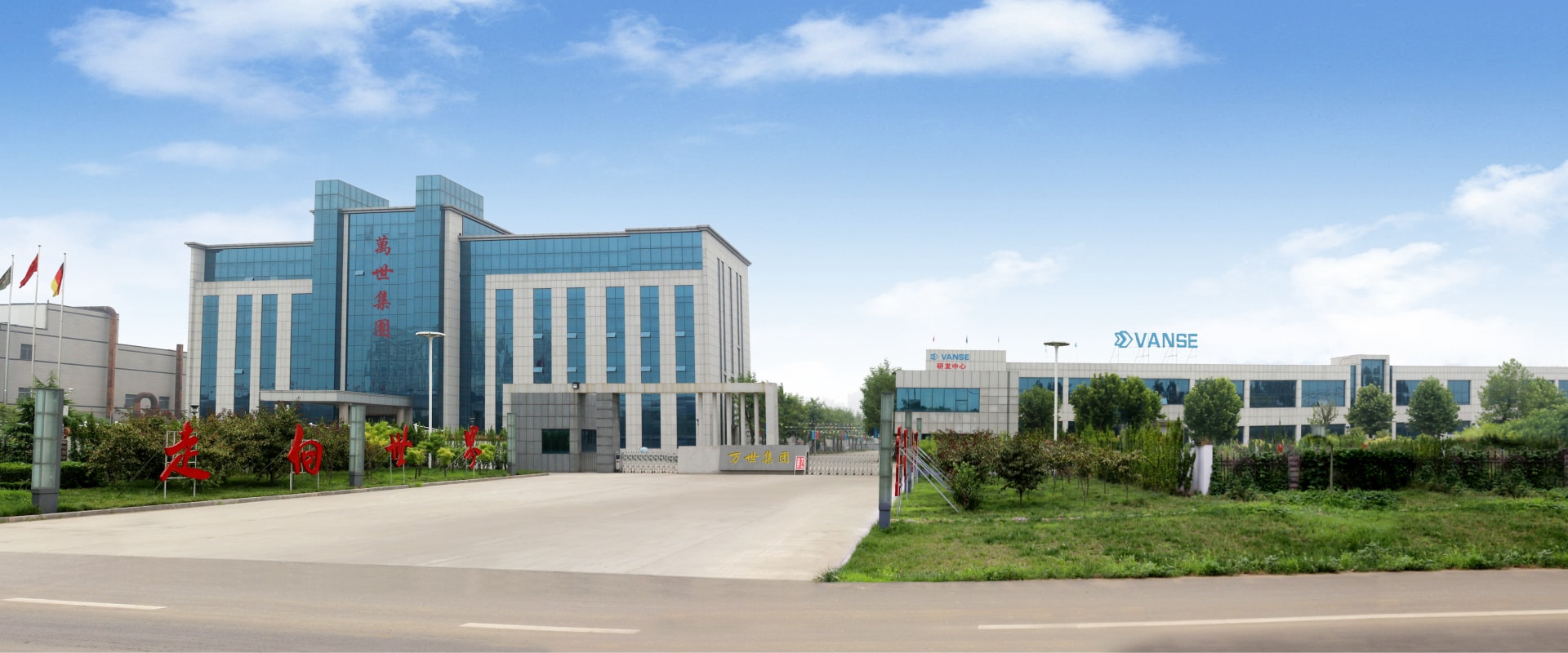
VANSE Group operates as a specialised manufacturer of construction machinery with a strong focus on telescopic handlers and industrial experience dating back to 2013, cumulative production exceeding 8,000 units and supplies to over 40 countries, including regulated European markets where documentary compliance and consistent quality are decisive. For Italian customers, this translates into concrete evidence: CE and ISO 9001 certified production processes, modern facilities with dedicated testing stations, complete load tests, safety inspections and performance validation on each machine before shipment, as well as the use of key components from recognised brands such as Perkins and Cummins together with internationally sourced hydraulic systems, transmissions and axles – elements that allow the product to align with sector benchmarks. From a commercial standpoint, VANSE serves end users, distributors, dealers, rental companies, brand owners and retail-oriented buyers through flexible formulas including OEM, ODM, wholesale supply, technical customisation, branding and regional distribution partnerships; those wishing to explore the range can consult the section attrezzature e macchine. In terms of service guarantees, the company has already built a stable international presence and is strengthening its overseas infrastructure with a subsidiary in the United States, local stock and on-the-ground after-sales capability, a concrete sign of physical investment in the markets served rather than simple remote export; for the Italian customer, pre-sales technical support, after-sales assistance throughout the life cycle, the services described on the page assistenza and the experience gained with B2B clients in Europe, the Middle East, North America and Oceania are also important, demonstrating the ability to adapt to different application contexts. Further company details are available on the page chi siamo, while for specific configuration, distribution or support enquiries in Italy the channel contatti.
Shifts in purchasing trends towards 2026
The Italian telehandler market is shifting from a logic centred solely on the machine to one centred on the complete system: compliance, telematics, maintenance traceability, sustainability and rapid service. This change affects above all rental companies, general contractors and medium-to-large agricultural businesses.
The area chart clearly shows the change in priorities: in 2026, the weight of digitalisation, environmental policies, tracked safety and documentary support will grow, while the entry price alone will lose centrality in more mature purchasing decisions.
2026 Trends: Technology, Policies, and Sustainability
Looking ahead to 2026, the Italian market will move in three main directions. The first is integrated telematics: monitoring machine hours, maintenance alarms, geolocation and analysis of usage patterns. This will be particularly useful for rental fleets, multi-site construction groups and agricultural businesses with multiple operational sites.
The second is regulatory and contractual attention. Large public and private clients will increasingly require proof of training, recorded checks, complete machine documentation and service traceability. Those buying today should therefore also assess the supplier’s ability to support audits, documentary delivery and HSE requirements.
The third is sustainability. Although diesel will remain central in many high-intensity applications, interest will grow in electric or hybrid versions, consumption optimisation, noise reduction and more efficient use of attachments. In industrial and logistics areas of Northern Italy, especially near urban centres or food processing plants, this factor will become increasingly relevant.
Practical advice for Italian companies buying or renting
Before signing an order, it is advisable to check whether the telehandler will work mainly on even or uneven ground, outdoors or indoors, with forks or with additional attachments. This guides the choice of capacity, height, tyres, cab, hydraulics and safety systems.
It is then essential to request a complete technical dossier in Italian and to define the management of training from the outset. A high-performance telehandler delivered without clear instructions, readable diagrams or support for operator qualification creates operational problems from day one.
Finally, for those managing multiple machines, it is worth calculating average downtime and spare parts availability, not just the unit cost. In many Italian situations, especially during agricultural peaks or on construction sites with penalties, a single machine stoppage can wipe out the advantage of a seemingly lower purchase price.
Domande frequenti
Do you need a special licence to drive a telehandler in Italy?
More than a special licence in the common sense, it requires specific qualification as an operator of work equipment according to the applicable training path. In addition, the employer must authorise the use of the vehicle and verify that the operator is suitable and trained.
Is CE marking enough to use a telehandler?
No. CE marking is indispensable for the machine’s conformity, but does not replace operator training, risk assessment, maintenance and the organisational checks required of the company.
Does an agricultural telehandler follow different rules from a construction one?
The basics of safety and training remain central in both cases, but configurations, attachments, operating conditions and maintenance priorities differ. For this reason, the machine must be chosen according to the actual application.
Is it possible to buy from an international manufacturer for use in Italy?
Yes, provided the machine is adequately compliant for the Italian market, with complete documentation, technical support and credible assistance. Many buyers today also consider qualified international manufacturers to achieve a better balance between price, specifications and availability.
Quali città italiane hanno una domanda più forte di telehandler?
Milano, Verona, Bologna, Torino, Padova, Genova, Roma e diverse aree agricole del Nord e del Centro mostrano una domanda stabile grazie a edilizia, logistica, interporti, manifattura e agricoltura professionale.
Quanto conta il supporto post-vendita nella scelta?
Conta moltissimo. In Italia il valore reale di un telehandler dipende da documenti, tempi di fermo, ricambi e rapidità di assistenza. Un buon servizio post-vendita protegge la produttività e riduce il rischio operativo.
Operational conclusion
I requisiti per certificazione telehandler in Italia non si riducono a un singolo attestato o a una sola etichetta tecnica. Per essere davvero in regola e operare in modo efficiente servono tre elementi insieme: operatori abilitati, macchina conforme e azienda organizzata sul piano di controlli, documenti e manutenzione. Chi compra con questa logica ottiene più sicurezza, meno fermi e maggiore valore nel tempo.
Nel mercato italiano, dove edilizia, agricoltura, noleggio e logistica chiedono produttività ma anche conformità dimostrabile, la scelta migliore è quella che unisce supporto tecnico, componentistica affidabile, documentazione corretta e assistenza vicina alle esigenze del cliente. Vale per i marchi storici presenti sul territorio e vale anche per produttori internazionali solidi che investono in certificazioni, reti commerciali e servizio concreto.
Gamma completa di attrezzature per carrelli telescopici
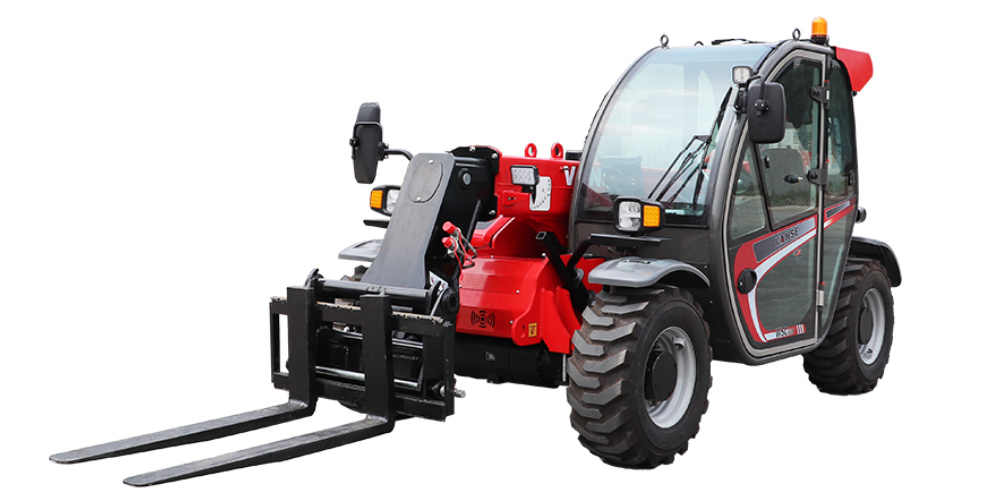
Carrello telescopico VANSE 625 6m
Progettato per una gestione efficiente dei materiali e lo stoccaggio in magazzini, fabbriche e cantieri ristretti, con manovrabilità compatta e prestazioni affidabili.

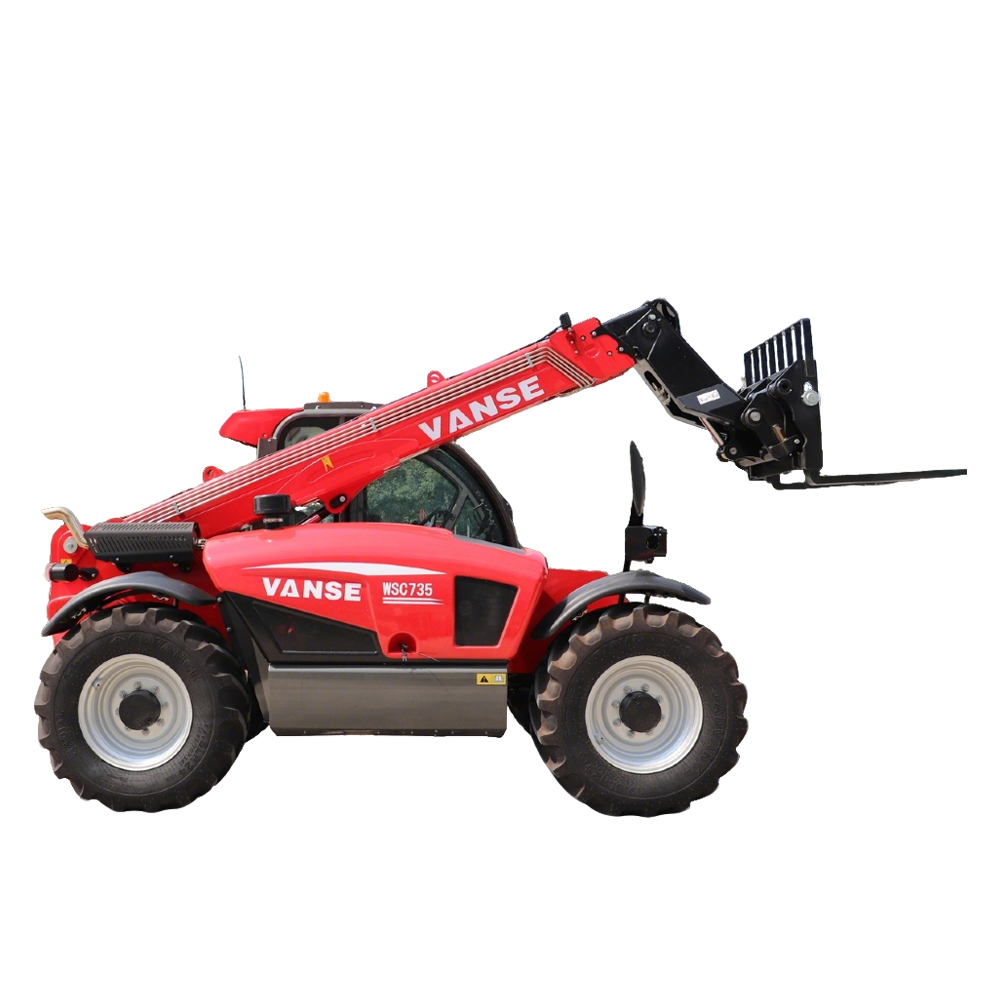
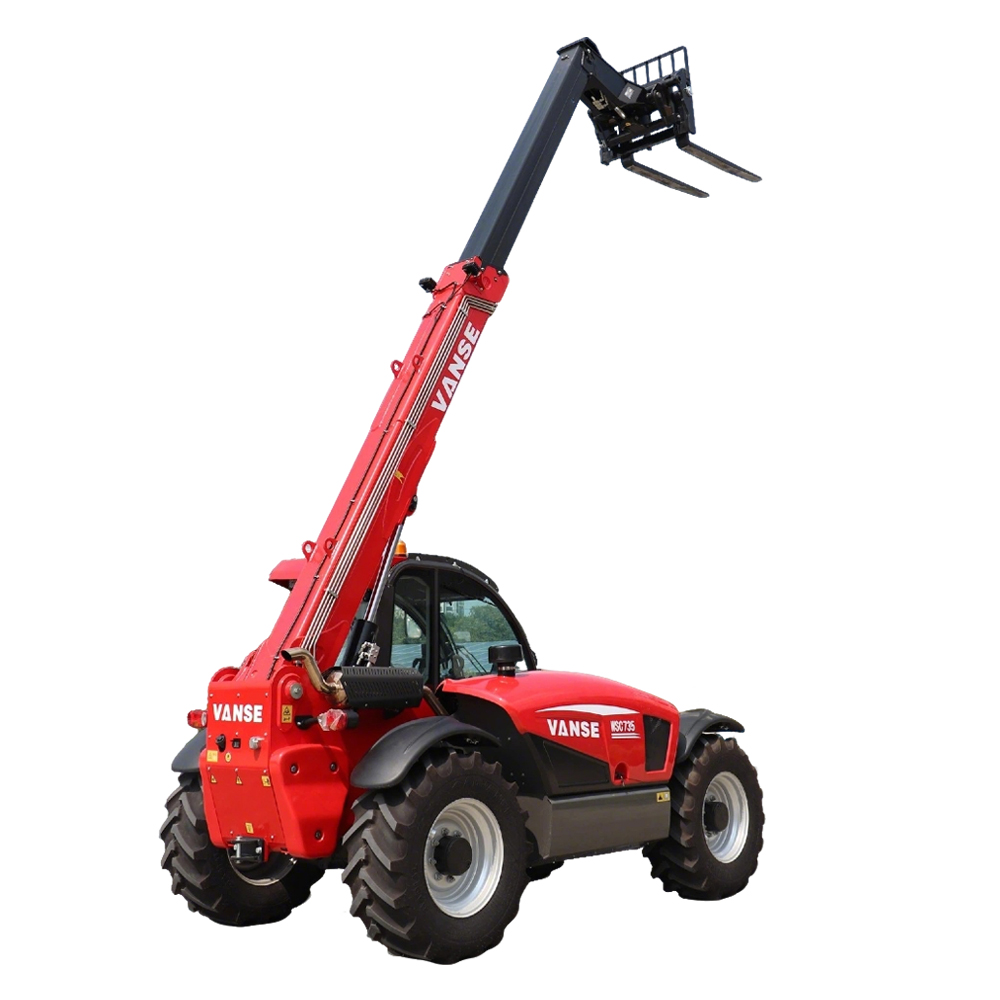
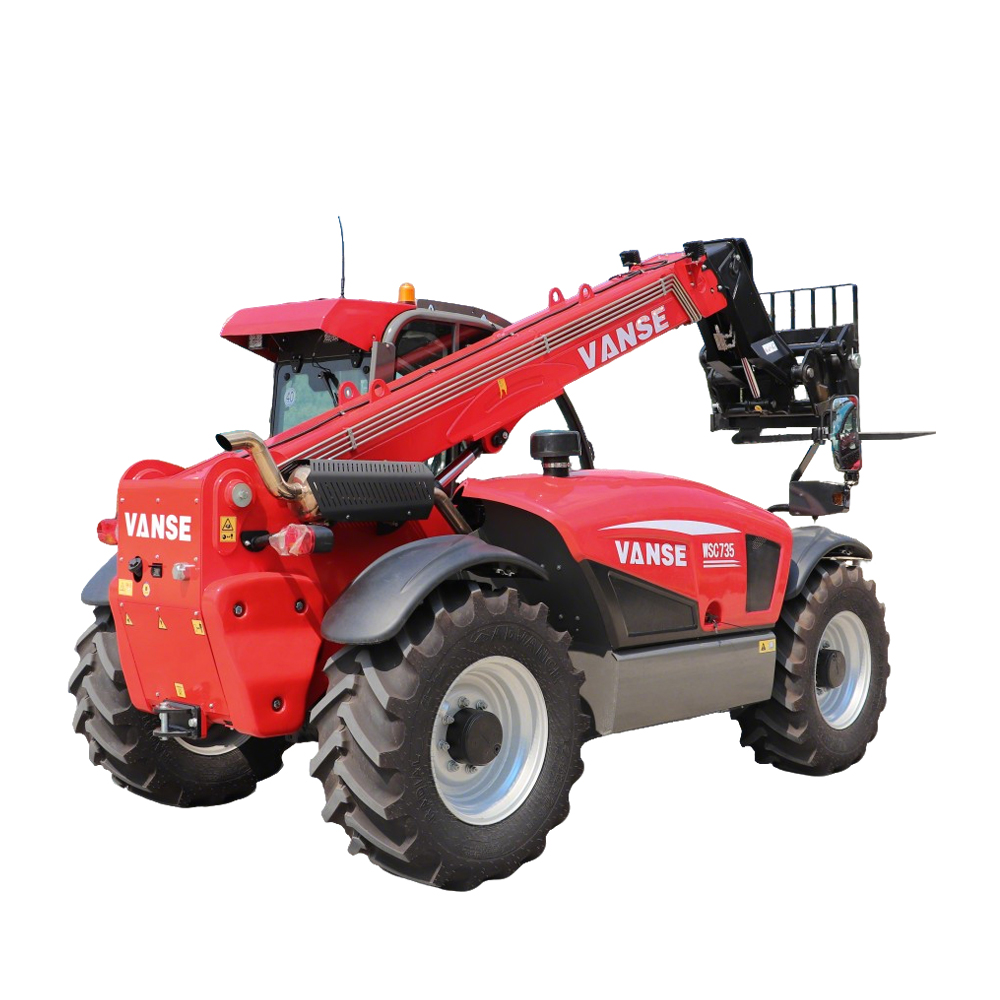
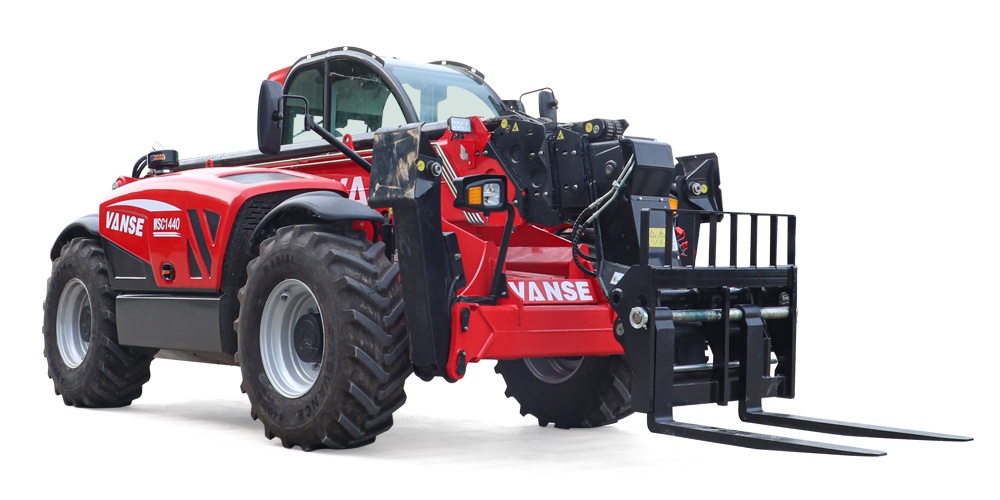
Carrello telescopico VANSE 735 7m
Soluzione equilibrata per impieghi medi in costruzioni, agricoltura, logistica e magazzinaggio, che unisce sollevamento stabile, trazione potente e versatilità quotidiana.


L'autore:
Il team VANSE è composto da professionisti esperti specializzati in ricerca, produzione e supporto tecnico per macchinari da costruzione. Con profonda conoscenza del settore e esperienza pratica, i nostri ingegneri e specialisti di prodotto condividono consigli pratici su selezione attrezzature, operazioni, manutenzione e tendenze del settore.
Condividi
Potresti essere interessato anche a
-

Giugno 18, 2026
Telehandler vs Forklift: Which Machine Is Right for You
Compare telehandler vs forklift in the United States with costs, use cases, supplier options, and buying tips to choose the right machine for your job.
-
Giugno 17, 2026
Accessori per sollevatori telescopici: forche, benne e piattaforme
Esplora gli accessori per sollevatori telescopici negli Stati Uniti, tra cui forche, benne, piattaforme, fornitori, consigli per l'acquisto e tendenze del mercato 2026.
-
Giugno 16, 2026
Best Telehandlers for Construction Projects Right Now
Explore the best telehandlers in the United States with top brands, buying tips, market trends, and cost-effective supplier options for 2026.
-
Giugno 15, 2026
Guida ai prezzi dei sollevatori telescopici: analisi completa dei costi per gli acquirenti
Scopri le fasce di prezzo dei sollevatori telescopici negli Stati Uniti, confronta marchi, specifiche, costi di proprietà e opzioni di approvvigionamento per gli acquirenti del 2026.