6 Best Companies for Construction Equipment Rental in Australia: 2026 Guide
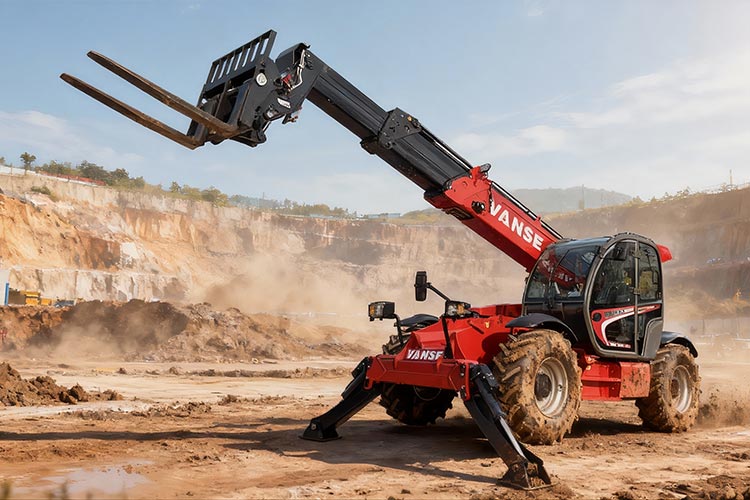
Quick Answer: Which Are the Best Construction Equipment Rental Companies in Australia?
The six providers most worth comparing for construction equipment rental in Australia are Coates, Kennards Hire, Brooks Hire, Access Hire Australia, Onsite Rental Group, and Orange Hire. There is no single best supplier for every project. Coates is a strong first comparison for broad nationwide coverage; Kennards Hire is practical for trade equipment and mixed small-to-medium site needs; Brooks Hire is geared toward heavy civil, mining, and remote projects; Access Hire Australia specialises in access, power, and material-handling equipment; Onsite Rental Group focuses on managed B2B rental programs; and Orange Hire is particularly relevant for East Coast earthmoving, traffic management, and telehandlers.
Australia is a country-scale market rather than one metropolitan rental zone. A supplier with a branch in Sydney may not be the most economical option for a job in the Pilbara, regional Queensland, Tasmania, or the Northern Territory. The right shortlist depends on the supplying depot, transport distance, machine class, attachment, operating environment, support expectations, and whether the project needs dry hire, specialist project support, or a longer-term fleet solution.
| Company | Best use | Main published categories | Representative Australian location |
|---|---|---|---|
| Coates | Broad national comparison and multi-category projects | Earthmoving, elevated work platforms, forklifts and telehandlers, power, compaction, tools | Alexandria, NSW |
| Kennards Hire | Trade, construction, maintenance, and mixed equipment packages | Earthmoving, access, site equipment, tools, lifting and materials handling | Artarmon, NSW |
| Brooks Hire | Heavy civil, mining, remote work, and large plant | Excavators, dozers, graders, dump trucks, telehandlers, access, site services | North St Marys, NSW |
| Access Hire Australia | Access, telehandlers, power, lighting, and industrial projects | Boom lifts, scissor lifts, telehandlers, forklifts, generators, lighting towers | St Marys, NSW |
| Onsite Rental Group | National B2B accounts and managed rental programs | Access, material handling, earthmoving, power, lighting, site accommodation | North Sydney head office, NSW |
| Orange Hire | East Coast civil works, earthmoving, traffic, and telehandlers | Excavators, loaders, rollers, barriers, telehandlers, attachments | Wetherill Park, NSW |
How This Australian Equipment Rental Shortlist Was Selected
In this guide, “best” means an editorial shortlist of companies that are commercially useful for different Australian project types. It is not an absolute ranking and it is not based on search position, unverified reviews, or a claim that every item is available at every branch.
The selection process began with a wider group of national, regional, access-specialist, and trade-hire candidates. Finalists were checked against their official websites on 7 August 2026 for a current Australian presence, published equipment categories, practical enquiry or branch information, and a credible fit with construction, infrastructure, industrial, or mining work. The final six intentionally include different business models rather than six nearly identical tool-hire counters.
Addresses below are representative official locations, not a promise that a specific telehandler or excavator is stored there. Coates, Kennards Hire, Access Hire Australia, Brooks Hire, and Orange Hire publish branch details; Onsite Rental Group’s listed address is its head office, while its website separately presents an Australia-wide branch network. Live stock, hire rates, delivery coverage, trading hours, account terms, operator services, and supplying depots can change. Confirm them directly before planning a lift or committing labour to site.
| Company | Official source | Verified representative address | Google Maps |
|---|---|---|---|
| Coates | Alexandria branch | 340 Botany Road, Alexandria, NSW 2015 | Map |
| Kennards Hire | Artarmon branch | 16 Herbert Street, Artarmon, NSW 2064 | Map |
| Brooks Hire | Sydney branch | 3 Glossop Street, North St Marys, NSW 2760 | Map |
| Access Hire Australia | Branch locator | 19-25 Anne Street, St Marys, NSW 2760 | Map |
| Onsite Rental Group | Contact page | Level 1, Suite 101, 201 Miller Street, North Sydney, NSW 2060 | Map |
| Orange Hire | Sydney branch | 56-60 Newton Road, Wetherill Park, NSW 2164 | Map |
1. Coates
Coates is a logical first call when a project needs a broad construction equipment rental Australia comparison rather than one specialist machine. Its official website presents an extensive equipment range covering earthmoving, elevated work platforms, forklifts and telehandlers, lift-and-shift equipment, power generation, compressors, concrete and masonry tools, landscaping equipment, and specialist solutions. The company also publishes a nationwide branch finder and describes delivery through its branch and transport network.
The representative Alexandria branch is useful for Sydney construction, trade, and maintenance work, but its branch page highlights access equipment, lighting towers, generators, compressors, trailers, and smaller tools. That distinction matters: a category shown in the national catalogue should not be assumed to be physically stocked at Alexandria. For a telehandler, large excavator, or specialised attachment, ask which depot will supply it and whether transport will originate elsewhere in metropolitan Sydney.
Coates suits contractors who want to consolidate several hire lines with one provider. A civil package might combine earthmoving, compaction, traffic-related equipment, pumps, and power; a building project might combine an EWP, telehandler, tools, and temporary power. Its published specialist solutions also make it relevant when the requirement extends beyond straightforward machine rental.
The main limitation is that scale does not eliminate local stock constraints. A national catalogue can still involve inter-branch transfers, delivery charges, minimum periods, or equipment substitutions. Confirm the exact model, load chart, attachment, transport plan, and breakdown-support pathway in the written quotation.
Why choose Coates?
- Broad published range for mixed equipment packages.
- Nationwide branch search and transport capability presented by the company.
- Explicit forklift and telehandler category.
- Specialist engineering, industrial, power, and HVAC solutions for complex projects.
- Useful account-management tools for repeat commercial users.
What to confirm before renting
- Which branch will supply each machine and attachment?
- Is the quoted unit the exact class required, or may it be substituted?
- Are delivery, collection, cleaning, fuel, environmental, and damage-waiver charges included?
- What is the breakdown response plan for the actual worksite postcode?
- Which inspection records, operating instructions, and load charts will accompany the machine?
2. Kennards Hire
Kennards Hire is a practical option for builders, trades, maintenance teams, landscapers, and contractors who need a mixture of plant, site equipment, access gear, lifting products, and tools. Its official website presents earthmoving, access, site equipment, vehicles, traffic equipment, lifting and materials handling, cleaning equipment, saws, and general tools. It also publishes a large branch network across Australia and New Zealand, with the important qualification that the combined branch count is not an Australia-only figure.
The Artarmon branch page verifies a Sydney presence at 16 Herbert Street and lists earthmoving, access, lifting and materials handling, traffic, site equipment, vehicles, and tools among its leading categories. This makes Kennards especially useful when a project needs several smaller or mid-sized items close to an urban job rather than only a large fleet machine. Its branch model can also be convenient for short-duration hires and staged project requirements.
Kennards is not presented here as the most specialist source for high-capacity telehandlers or mine-spec heavy plant. Its official Artarmon material confirms lifting and materials-handling equipment, but a buyer should not infer that every branch has every telehandler configuration. For high-reach lifting, unusual attachments, or long remote mobilisation, compare Kennards with a telehandler specialist or a heavy-plant provider and ask Kennards which specialist branch or plant channel would fulfil the order.
The strongest fit is a project that values local branch convenience, a wide supporting range, and one account for everyday site needs. The limitation is that the exact equipment mix can vary significantly by branch, so the local branch page and a current written quote matter more than a national category label.
Why choose Kennards Hire?
- Dense branch-led service model for trade and construction users.
- Useful combination of tools, access, earthmoving, site equipment, and material handling.
- Representative Artarmon branch publishes after-hours return availability.
- Commercial and specialist-solution pathways for larger accounts.
- Suitable for mixed packages that include both plant and smaller tools.
What to confirm before renting
- Does the selected branch stock the required machine or source it from another location?
- Is the hire suitable for commercial site conditions rather than light-duty use?
- What attachment, tyre, access, and ground-condition requirements apply?
- Are after-hours return arrangements available for this specific hire?
- What account, deposit, identification, delivery, and damage terms apply?
3. Brooks Hire
Brooks Hire is one of the strongest companies in this shortlist for heavy civil construction, mining, bulk earthworks, and remote Australian projects. Its official catalogue covers excavators, loaders, dozers, graders, articulated and rigid dump trucks, rollers, skid steers, cranes, access machines, forklifts, telehandler hire, water trucks, generators, lighting towers, site services, and transport. The company publishes branches across multiple states and territories, including major cities and regional mining centres.
The Sydney branch at 3 Glossop Street, North St Marys gives New South Wales buyers a verified local point of contact. Brooks also presents national transport and round-the-clock support as company-published capabilities. Those features are commercially relevant when plant must move between projects or when downtime on a long-duration job is more expensive than the headline daily rental rate.
Brooks is a strong fit for contractors who need larger machines, mine-oriented specifications, longer hire periods, or coordinated heavy haulage. Its telehandler category makes it directly relevant to material handling, while the broader fleet allows a project team to compare a telehandler with a wheel loader, forklift, crane, or access machine based on the actual task. For remote projects, ask whether service is provided from a nearby branch, a field technician, or a transported support arrangement.
The limitation is that heavy-plant rental involves more than choosing a model from a web page. Mobilisation, demobilisation, site induction, mine specification, attachments, tyres or tracks, fuel arrangements, operator responsibility, maintenance windows, and transport permits can materially change total cost. Company-published fleet and experience claims should be treated as supplier information, while the quotation and machine-specific documentation remain the basis for a hiring decision.
Why choose Brooks Hire?
- Deep published range of heavy earthmoving and civil plant.
- Telehandlers, forklifts, access equipment, and supporting site services.
- Branch presence in metro and resource-oriented regions.
- Company-published nationwide delivery and mechanical-support capability.
- Strong fit for long-duration, remote, mining, and infrastructure work.
What to confirm before renting
- Is the machine supplied in the required civil, quarry, or mine specification?
- Which branch and service team will support the project postcode?
- Are mobilisation, permits, escorts, and demobilisation included?
- What scheduled maintenance access must the hirer provide?
- Are attachments, wear components, tyres, tracks, fire suppression, and telematics included?
4. Access Hire Australia
Access Hire Australia is a specialist comparison for projects centred on working at height, material handling, power, lighting, and industrial support. Its official website explicitly lists boom lifts, scissor lifts, forklifts, telehandlers, generators, lighting towers, compressors, material lifts, and manual-handling solutions. It also publishes equipment servicing, transport, training, and site inspections as available services.
The company’s branch locator verifies an extensive Australian network, including Sydney, Melbourne, Brisbane, Adelaide, Darwin, Perth, Kalgoorlie, Karratha, Newman, Port Hedland, Tom Price, Newcastle, and Moranbah. The representative Sydney branch is at 19-25 Anne Street, St Marys. This geographic mix makes Access Hire Australia relevant to metropolitan building work as well as mining and industrial regions where access, power, and material-handling packages often overlap.
Choose Access Hire Australia when the job requires a focused discussion about platform height, outreach, ground conditions, indoor operation, telehandler capacity, attachments, or equipment training. A warehouse shutdown, industrial maintenance project, solar installation, façade job, or structural project may benefit from comparing the access and telehandler options through one specialist supplier.
The limitation is category focus: contractors needing a complete bulk-earthworks fleet may find Brooks, Coates, Onsite, or Orange Hire more relevant for the earthmoving component. Even within a specialist fleet, do not select a telehandler solely by maximum lift height or headline rated capacity. Capacity reduces as reach changes, and attachment weight, stabiliser position, tyre configuration, and ground conditions affect the usable load chart.
Why choose Access Hire Australia?
- Explicit specialisation in access, telehandlers, forklifts, power, and lighting.
- Published branches in metropolitan, industrial, and mining regions.
- Equipment transport, servicing, training, and site-inspection services.
- Suitable for combined access and material-handling requirements.
- Strong option for industrial maintenance and project-specific equipment planning.
What to confirm before renting
- What load must be handled at the actual forward reach and lift height?
- Which approved attachment is included, and what deration applies?
- Is the machine suitable for indoor use, slab loading, gradients, and site access?
- Does the quote include familiarisation, training options, delivery, and collection?
- Where is the nearest service technician and replacement unit for the project location?
5. Onsite Rental Group
Onsite Rental Group is a national B2B equipment-hire provider suited to organisations that need managed rental, consolidated reporting, project support, or recurring equipment across multiple sites. Its official website describes a national specialist business serving construction, infrastructure, mining, oil and gas, industrial, government, and event customers. Published categories include access equipment, site accommodation, material handling, power generation, lighting towers, compaction, earthmoving, compressors, pumps, containers, traffic management, and welders.
For telehandler buyers, Onsite’s material-handling section is directly relevant because the company states that its range includes forklifts and telehandlers. The website also presents more than 35 branches Australia-wide and lists locations from metro centres to regional resource markets. The address verified in this guide—Level 1, Suite 101, 201 Miller Street, North Sydney—is the published head office, not a claim that rental equipment is dispatched from that office. The supplying branch must be confirmed for each job.
Onsite is best compared when procurement needs go beyond a one-off counter hire. Its management and “Branch-in-a-Box” solutions may be relevant to major projects, shutdowns, or sites that need embedded rental support. The potential value is operational visibility and coordination: fewer supplier interfaces, clearer equipment tracking, and a tailored fleet arrangement can matter more than the lowest isolated day rate.
The limitation is that a managed B2B model may be more extensive than a small contractor needs for a simple short hire. Ask whether the local branch can offer a straightforward transaction, what account setup is required, and whether the service model matches the project’s scale. For any quoted telehandler, verify the exact machine, attachment, service depot, and replacement process.
Why choose Onsite Rental Group?
- National B2B orientation and multi-industry experience presented by the company.
- Broad equipment mix with forklifts and telehandlers explicitly included.
- Managed-rental and project-site support options.
- Branch coverage across metro and resource regions.
- Suitable for multi-site accounts, shutdowns, and long-duration projects.
What to confirm before renting
- Is the requirement handled as a standard hire or a managed-rental program?
- Which branch supplies and services the site?
- What reporting, tracking, and account features are included?
- What minimum duration, volume, or account conditions apply?
- How quickly can an unsuitable or failed unit be replaced at the project location?
6. Orange Hire
Orange Hire is an East Coast-focused dry-hire specialist for earthmoving, compaction, traffic management, attachments, telehandlers, and forklifts. Its official site publishes branches across New South Wales, Queensland, Victoria, and the ACT service region, and it identifies the business as part of United Rentals following an acquisition. The current catalogue includes excavators, skid steers and track loaders, wheel loaders, dumpers, rollers, graders, water carts, barriers, traffic equipment, and a range of specialised attachments.
The Sydney branch at 56-60 Newton Road, Wetherill Park is a verified base for metropolitan and regional project enquiries. Orange Hire explicitly publishes telehandler classes from compact to larger-capacity options, alongside forks, buckets, jibs, and rotating-fork attachments. That makes it useful for civil contractors who want earthmoving and material handling from one dry-hire supplier rather than a pure access fleet.
Orange Hire is especially relevant for East Coast road, subdivision, utilities, civil, and infrastructure projects. Its traffic-management equipment and attachment range can simplify a package that combines excavation, compaction, temporary barriers, and materials handling. The dry-hire emphasis means the customer should be ready to provide competent operators and manage site use under the hire agreement.
The limitation is geographic: it should not be described as a full nationwide network equivalent to Coates or Onsite. For Western Australia, the Northern Territory, South Australia, or remote areas outside its published network, compare transport cost and support carefully. Acquisition-related branding and account processes may also evolve, so confirm the contracting entity, branch contact, and current terms on the quotation.
Why choose Orange Hire?
- Strong East Coast earthmoving, compaction, and traffic-management range.
- Telehandlers and specialised telehandler attachments explicitly published.
- Useful fit for civil and infrastructure dry hire.
- Multiple branches across NSW, QLD, VIC, and the ACT region.
- Ability to combine plant, attachments, barriers, and traffic equipment.
What to confirm before renting
- Is the job within the normal delivery and service radius of a published branch?
- Which telehandler capacity, lift height, attachment, and load chart are quoted?
- Is the rental strictly dry hire, and what operator evidence is required?
- What are the current United Rentals or Orange Hire contracting and account terms?
- Are wear, cleaning, fuel, damage, transport, and off-hire inspection charges included?
How to Match Construction Equipment Rental in Australia to Your Project
| Project need | Companies worth comparing | Why |
|---|---|---|
| Multi-category metro construction | Coates, Kennards Hire, Onsite | Broad ranges and local branch or account options |
| Telehandler and access package | Access Hire Australia, Coates, Onsite | Explicit material-handling and access categories |
| Heavy civil or mining plant | Brooks Hire, Onsite, Coates | Large plant, regional support, and project-oriented services |
| East Coast earthmoving and traffic | Orange Hire, Coates, Brooks Hire | Civil plant, compaction, traffic products, and attachments |
| Remote resource-region project | Brooks Hire, Access Hire Australia, Onsite | Published regional branches and industrial or mining focus |
| Short trade or maintenance job | Kennards Hire, Coates | Convenient mixed equipment and tool categories |
| National or multi-site rental program | Onsite, Coates, Access Hire Australia | Account, management, transport, and network capabilities |
| Long-term telehandler fleet evaluation | Local rental trial plus Vanse factory enquiry | Rental validates the application; purchase can address repeated demand |
Local Factors That Change Equipment Hire Decisions in Australia
Distance can outweigh the advertised rate
Australia’s rental economics are heavily affected by transport. A lower day rate from a distant depot can become more expensive after mobilisation, demobilisation, tolls, permits, waiting time, and remote support are added. Ask for a delivered total to the exact postcode and identify the supplying branch. For remote work, obtain a written breakdown plan and clarify whether a technician, replacement machine, or parts shipment is the first response.
Dry hire transfers more operating responsibility to the customer
Several Australian suppliers emphasise dry hire. In practical terms, the customer normally provides the operator and manages daily use, pre-start checks, site controls, and return condition under the contract. Do not assume that delivery includes an operator, lifting supervision, dogger, rigger, traffic control, or site-specific training. Request these separately where required.
Licensing and competency depend on machine use and jurisdiction
Australian work health and safety rules are administered through state and territory regulators, and the required licence or competency can depend on the plant type, capacity, configuration, and attachment. A telehandler used with forks is not automatically treated the same way as the same carrier used in a crane-like configuration. Before mobilisation, confirm requirements with the relevant regulator, principal contractor, and competent safety adviser. This guide is commercial information, not legal advice.
Heat, dust, coastal exposure, gradients, and soft ground affect selection
Australian sites range from hot, dusty resource projects to humid tropical work, corrosive coastal environments, dense urban slabs, and soft rural ground. Tell the supplier about temperature, dust, altitude, salt exposure, gradients, ground bearing capacity, indoor ventilation, and working surface. These details influence tyres, filtration, cooling, cab specification, stabiliser use, power source, inspection frequency, and the practical suitability of an electric or diesel machine.
Telehandler selection must follow the full lift task
Maximum capacity and maximum lift height rarely apply at the same boom position. Give the supplier the load weight and dimensions, required forward reach, placement height, attachment, pick-and-place path, ground conditions, overhead constraints, and travel requirement. Obtain the exact load chart and attachment approval for the quoted unit. A higher headline capacity does not fix an unsuitable load chart.
Vanse: A Chinese Telehandler and Compact Construction Machinery Manufacturer
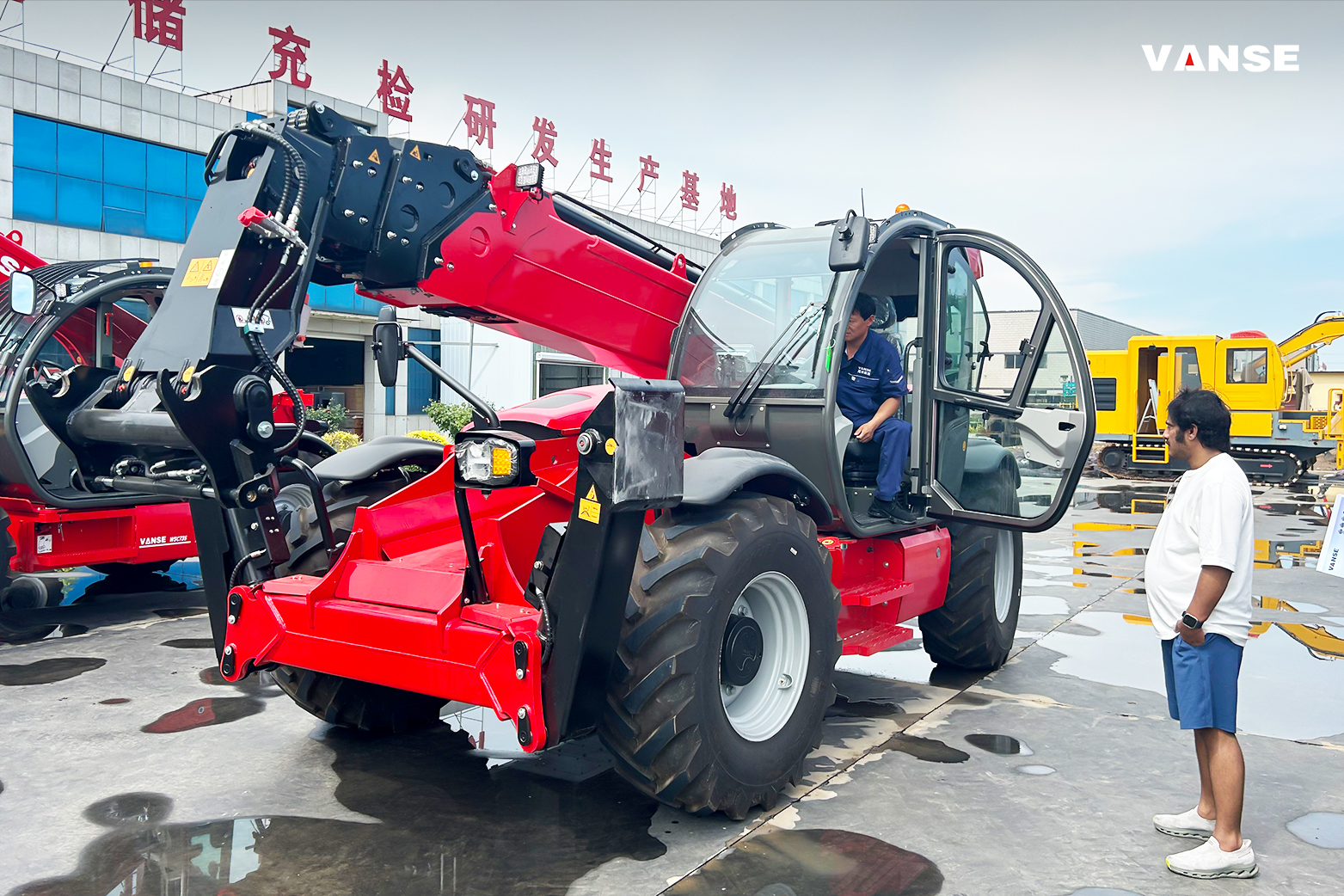
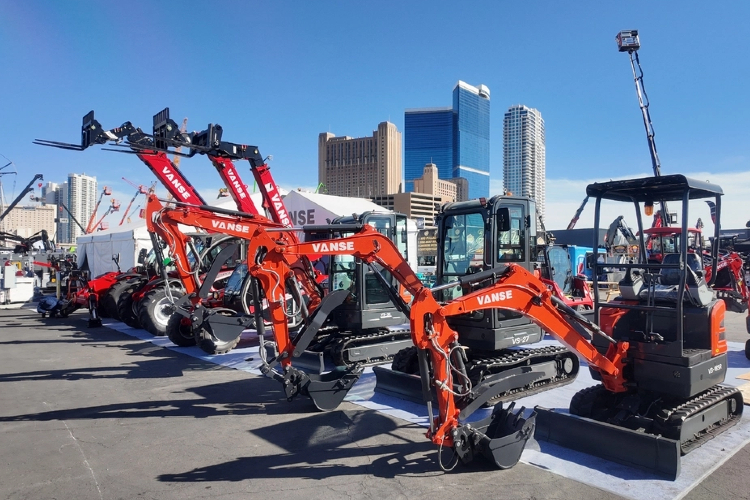
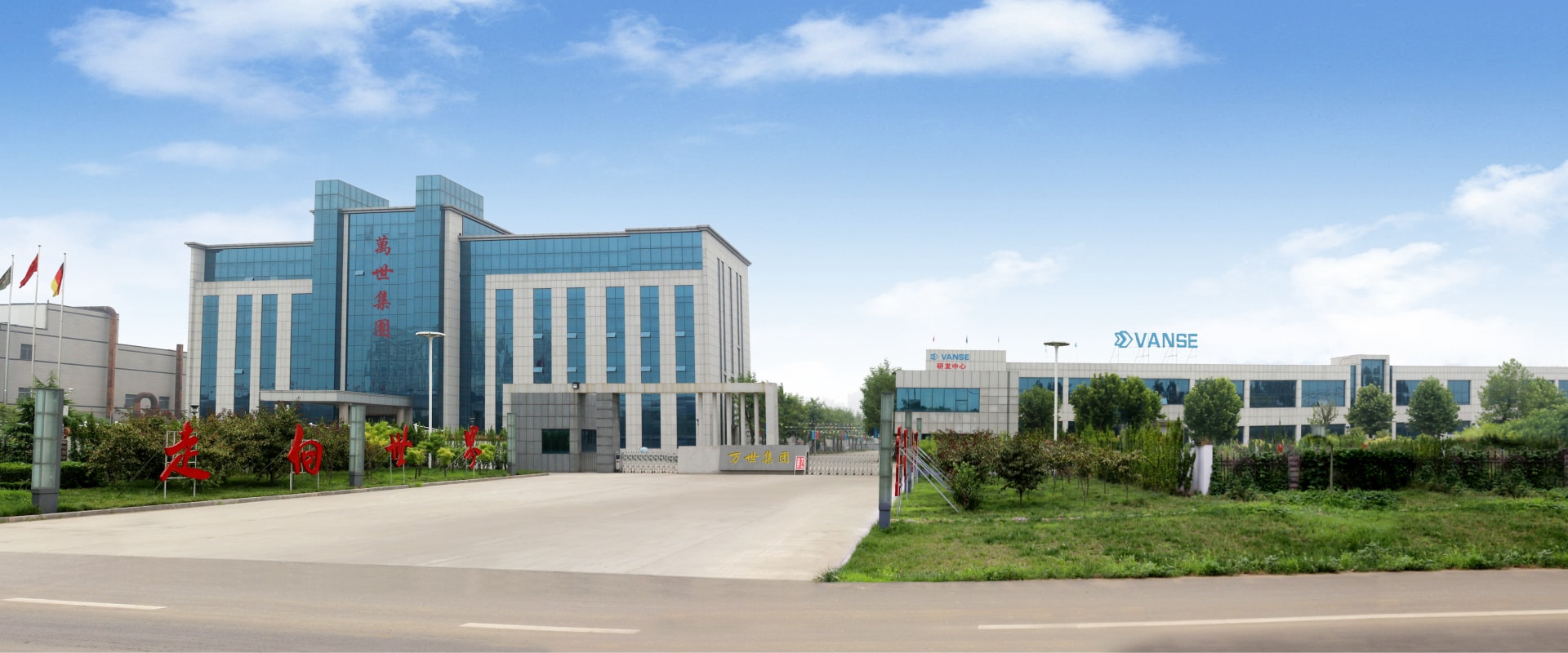
Vanse is a China-based construction machinery manufacturer located in Jining City, Shandong Province. The company website identifies the business as Shandong Vanse Group, founded in 2013, integrating research and development, manufacturing, sales, and after-sales service. Telehandlers are the lead product line for this guide, supported by mini excavators, skid steer loaders, forklifts, electric loaders, and attachments.
Vanse’s current official telehandler category publishes four 4WD models spanning approximately 6 to 18 metres of maximum lift height and rated loads from 2.5 to 4 tonnes. Company-published pages also present factory-direct supply, OEM/ODM, configurable machinery, production testing, international logistics, operator guidance or training, spare parts, and after-sales support. These are manufacturer claims and proposed service capabilities that an Australian buyer should define and verify in a written commercial agreement.
| Vanse model | Published maximum lift height | Published rated load | Published maximum engine power | Drive |
|---|---|---|---|---|
| VANSE 625 | 5.95 m | 2,500 kg | 55.4 kW | 4WD |
| VANSE 735 | 7 m | 3,500 kg | 81 kW | 4WD |
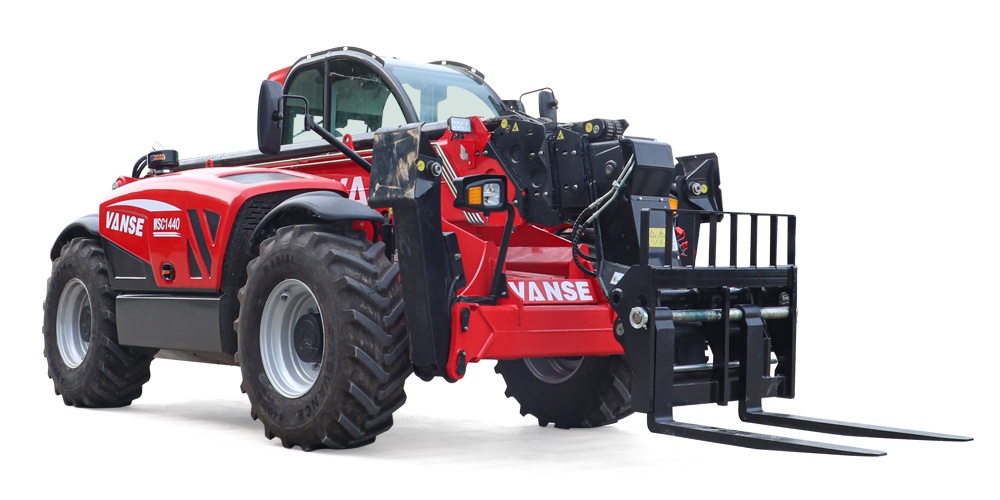
| VANSE 1440 | 13.5 m | 4,000 kg | 81 kW | 4WD |
| VANSE 1840 | 17.6 m | 4,000 kg | 81 kW | 4WD |
Rated capacity is not available at every boom position. Buyers must review the complete model-specific load chart, stabiliser conditions, attachment deration, tyre configuration, and operating documentation. A published category statement about CE, EPA, or ISO positioning does not by itself prove that a particular Australian order, engine, attachment, or configuration meets every applicable requirement.
How Australian Buyers Can Cooperate With Vanse
Vanse complements local rental companies rather than replacing them. A local rental provider is usually the faster choice for immediate, short-duration demand, especially when local delivery, replacement equipment, and branch support are essential. Factory procurement becomes relevant when utilisation is predictable, a fleet buyer wants control over specification, or a distributor sees recurring regional demand.
| Buyer type | Possible cooperation with Vanse | Essential due diligence |
|---|---|---|
| Rental company or fleet buyer | Trial order, standardised fleet units, attachments, parts package, training, phased fleet expansion | Validate local demand, model documents, load charts, warranty process, parts lead times, service capability, and lifecycle cost |
| Distributor or importer | Regional distribution, OEM/ODM, branding, configuration, product training, parts and warranty planning | Confirm importer obligations, territory and volume terms, conformity evidence, manuals, labels, emissions configuration, technician capability, and warranty reserves |
| Contractor or industrial fleet | Direct project or fleet purchase, production planning, delivery coordination, commissioning guidance | Compare utilisation with rental, verify site fit, finance, shipping term, duty, tax, insurance, commissioning, parts, and downtime response |
| End user or retail buyer | Direct inquiry for one or more machines, subject to commercial terms and availability | Confirm who imports and services the unit, total landed cost, local registration or plant requirements, warranty scope, parts, manuals, and resale implications |
For Australia, buyers should request model-specific documentation before paying a deposit, not after the machine ships. The package should address the exact engine and emissions configuration, safety devices, English-language manuals and labels, load charts, attachment approvals, maintenance schedule, spare-parts catalogue, diagnostic access, warranty terms, and evidence relevant to the applicable Australian jurisdiction. Use an experienced importer, customs professional, machinery compliance adviser, and local safety specialist where appropriate.
Renting Versus Buying a Telehandler in Australia
Renting is usually attractive when demand is short, uncertain, seasonal, or spread across changing project locations. It converts a large capital purchase into a project cost and can include local delivery and breakdown support. It also lets a contractor test whether a 6 m, 7 m, 14 m, or 18 m class actually matches the work. The trade-off is that long utilisation, transport between repeated hires, damage charges, and limited configuration control can raise total cost.
Buying becomes more credible when a machine will be used consistently, the attachment set is stable, operators can be trained, and the owner can support inspections, maintenance, parts, and resale. A factory-direct Vanse enquiry can be compared with Australian dealer and used-machine options, but the relevant number is total landed and supported cost, not the ex-factory quotation alone. Include freight, insurance, duty and taxes where applicable, port and quarantine costs, inland delivery, compliance work, commissioning, finance, parts inventory, technician training, downtime risk, warranty administration, and residual value.
A practical approach is to rent locally for the first project, measure actual hours and lift tasks, then build a purchase case. Record utilisation, idle time, attachment changes, fuel or energy use, transport frequency, operator feedback, maintenance events, and the loads handled at real reach. That evidence produces a better specification and makes supplier comparisons more objective.
Quotation Checklist for an Australian Rental Enquiry
Send every shortlisted rental company the same scope so prices can be compared fairly:
- Exact project address, access route, delivery window, and site contact.
- Hire start date, expected duration, shift pattern, and off-hire process.
- Machine type, required lift height, forward reach, load weight, and load dimensions.
- Approved attachment, fork length, bucket or jib requirement, and attachment changes.
- Ground conditions, gradients, slab limits, indoor use, ventilation, dust, heat, and coastal exposure.
- Civil, industrial, rail, aviation, or mine specification requirements.
- Dry hire or operator-supplied requirement, including any lift supervision.
- Delivery, collection, tolls, permits, fuel, cleaning, environmental, and damage charges.
- Service response, replacement-unit process, and after-hours contact.
- Inspection records, load chart, manuals, pre-start information, and return-condition process.
- Account, deposit, insurance, cancellation, extension, and minimum-hire terms.
Additional Information for a Vanse Factory Enquiry
An Australian factory-purchase enquiry should add:
- Required model class and a complete lift-task description rather than height alone.
- Exact attachments and confirmation of their effect on the load chart.
- Preferred engine, fuel, cooling, filtration, tyre, cab, lighting, and safety configuration.
- Destination port and final delivery postcode.
- Proposed Incoterm, production schedule, packing method, and shipping insurance.
- Required model-specific conformity evidence, English manuals, labels, and technical file.
- Importer of record and responsibility for customs, quarantine, compliance, and commissioning.
- Warranty duration, exclusions, claim approval, labour reimbursement, and failed-parts process.
- Initial spare-parts package, consumables, filters, seals, sensors, and critical components.
- Diagnostic tools, software access, service manuals, and technician or operator training.
- Local service strategy, parts replenishment, downtime escalation, and response expectations.
- Trial-order, distributor, OEM/ODM, branding, and future-volume requirements where relevant.
Editorial and Verification Note
This guide was researched from official company websites on 7 August 2026. Supplier descriptions, branch locations, and product categories can change after publication. “Best” denotes a transparent editorial shortlist for different buyer needs, not a guarantee, paid ranking, or independent certification of any supplier claim. Confirm current inventory, rates, legal entity, contract, transport, operator requirements, compliance, and model documentation directly. Vanse information is attributed to its official website and should be independently assessed as part of normal procurement due diligence.
FAQ: Construction Equipment Rental in Australia
Which is the best construction equipment rental company in Australia?
There is no universal winner. Coates is a useful broad national comparison; Kennards Hire is convenient for mixed trade and site needs; Brooks Hire suits heavy civil, mining, and remote plant; Access Hire Australia is strong in access, telehandlers, power, and lighting; Onsite Rental Group suits managed B2B rental; and Orange Hire is relevant to East Coast earthmoving, traffic, and telehandlers. Compare the supplying branch and delivered project cost.
Can I rent a telehandler in Australia?
Yes. Coates, Brooks Hire, Access Hire Australia, Onsite Rental Group, and Orange Hire explicitly publish telehandlers or a forklift-and-telehandler category. Availability depends on location, capacity, lift height, attachment, and dates. Ask for the exact model and load chart rather than accepting a generic telehandler description.
What affects telehandler rental prices in Australia?
Major variables include capacity, lift height, forward reach, attachment, hire duration, project location, transport, insurance or damage terms, fuel, cleaning, mine specification, service coverage, and seasonal demand. Remote mobilisation can be a substantial part of the total. Request an itemised delivered quote to the exact postcode.
Do I need a licence to operate a telehandler in Australia?
The answer depends on the plant, rated capacity, attachment, how it is used, and the state or territory. Site competency and principal-contractor rules may also apply. Confirm the exact configuration with the relevant work health and safety regulator and a competent safety adviser before operation. Do not assume one licence covers every telehandler task.
Which company is best for heavy mining or earthmoving equipment?
Brooks Hire is a strong specialist comparison because its official fleet spans large excavators, dozers, graders, dump trucks, loaders, rollers, and supporting equipment. Onsite and Coates are also relevant for national or managed project needs, while Orange Hire is a useful East Coast civil and earthmoving option. The nearest support branch is as important as fleet breadth.
How far in advance should I book equipment?
Book as early as possible for high-reach telehandlers, mine-spec plant, specialised attachments, shutdown periods, major infrastructure work, and remote delivery. For ordinary tools or common compact equipment, shorter notice may work, but live inventory is never guaranteed. Secure the exact model, attachment, delivery slot, and written terms before scheduling labour.
Is dry hire common in Australia?
Yes. Dry hire is common across earthmoving, access, and material-handling equipment. It normally means the hirer provides the operator and accepts operational responsibilities defined in the contract. Confirm whether familiarisation, formal training, an operator, lift supervision, maintenance, refuelling, and cleaning are included or separately charged.
When should an Australian contractor rent instead of buy?
Rent when usage is short, uncertain, seasonal, or moves between regions, or when local replacement support is critical. Buy when utilisation is consistently high, the specification is stable, and the business can manage finance, maintenance, parts, compliance, operators, downtime, and resale. A rental trial provides valuable data before a fleet purchase.
Can Australian rental companies buy telehandlers directly from Vanse?
They can submit a factory enquiry for trial units, fleet orders, attachments, parts packages, and phased expansion. Before ordering, a rental company should verify model-specific documentation, Australian market suitability, warranty administration, diagnostic access, parts lead times, technician training, total landed cost, and a realistic local service plan.
Does Vanse work with Australian distributors or importers?
Vanse’s website presents OEM/ODM and international distributor cooperation. A prospective Australian importer should negotiate product configuration, branding, territory and volume expectations, manuals, conformity evidence, spare parts, training, warranty processes, and importer responsibilities. No exclusivity, minimum order, local parts stock, or delivery time should be assumed unless written into the agreement.
Can an Australian end user buy one Vanse telehandler?
An end user can make a direct enquiry, but order size, availability, price, and shipping terms must be confirmed by Vanse. The buyer also needs a clear importer, compliance pathway, warranty process, local service capability, parts plan, and total landed-cost calculation. Direct purchase is not automatically simpler or cheaper than buying from an established Australian channel.
Which Vanse telehandler size should I compare?
The current published range includes the 2.5-tonne VANSE 625 with 5.95 m maximum lift height, the 3.5-tonne VANSE 735 with 7 m, and the 4-tonne VANSE 1440 and 1840 with 13.5 m and 17.6 m respectively. Select from the full load task: weight, forward reach, placement height, attachment, ground, stabilisers, tyres, and duty cycle. Headline height and rated capacity alone are insufficient.
Complete Telescopic Handler Equipment Portfolio
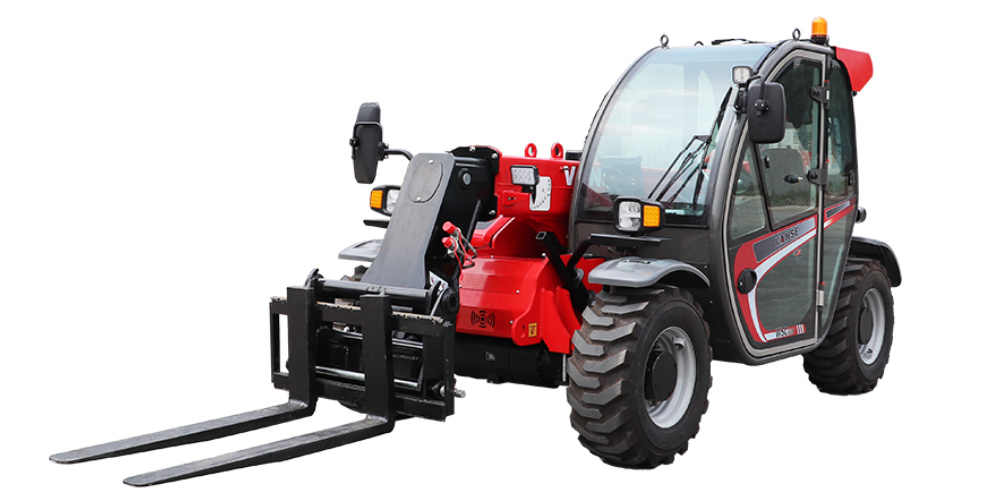
VANSE 625 6m Telescopic Handler
Designed for efficient material handling and stacking in warehouses, factories, and confined job sites, offering compact maneuverability and reliable performance.

VANSE 735 7m Telescopic Handler
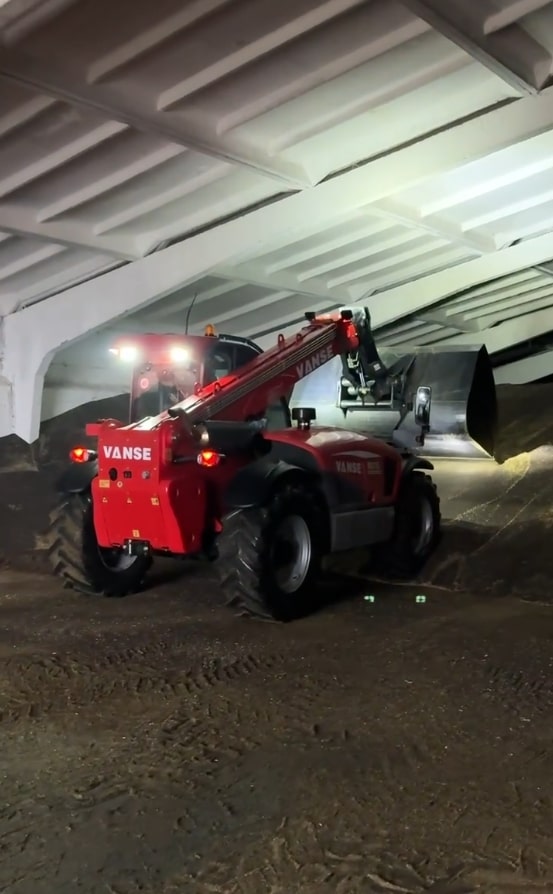
A balanced mid-duty solution for construction, agriculture, logistics, and warehousing, combining stable lifting, strong traction, and everyday versatility.


About the Author:
The VANSE team is a group of experienced professionals specializing in construction machinery research, manufacturing, and technical support. With deep industry knowledge and hands-on experience, our engineers and product specialists share practical insights on equipment selection, operation, maintenance, and industry trends.
Share
You May Also Interest
-

July 6, 2026
Strengthening Cooperation in the Middle East | Saudi Arabian Customer Visits VANSE and Test Drives the Telehandler 1840
Recently, VANSE Group welcomed a customer from Saudi Arabia for a factory visit, product presentation, and hands-on equipment demonstration. The visit provided an excellent opportunity for the customer to gain a comprehensive understanding of VANSE’s manufacturing capabilities, product portfolio, and the outstanding performance of the VANSE Telehandler 1840. The visit also marked another important step…
-

March 19, 2026
Best 4 Ton Telehandler Suppliers in Malaysia | 2026 Guide
Quick Answer The following supplier channels are your best options for sourcing a 4 ton telehandler in Malaysia: It is also worth considering telehandler manufacturers from China. These manufacturers typically use the same world-class powertrain components as premium brands — Perkins and Cummins engines — and hold full international certifications (CE/ISO 9001/EPA) required for Malaysia….
-
March 19, 2026
Best 4 Ton Telehandler Suppliers in Saudi Arabia | 2026 Guide
4 Ton Telehandler Suppliers in Saudi Arabia Quick Answer The following supplier types are your best channels for sourcing a 4 ton telehandler in Saudi Arabia: It is also worth considering telehandler manufacturers from China. These manufacturers typically use the same world-class powertrain components as premium brands — Perkins and Cummins engines — and hold…
-

May 16, 2025
Enhancing High-Intensity Construction Operations in Saudi Arabia
In Saudi Arabia’s demanding construction environments, VANSE telescopic handlers delivered a reliable, high-efficiency solution for intensive material handling, helping contractors accelerate project timelines while reducing overall equipment and labor costs.