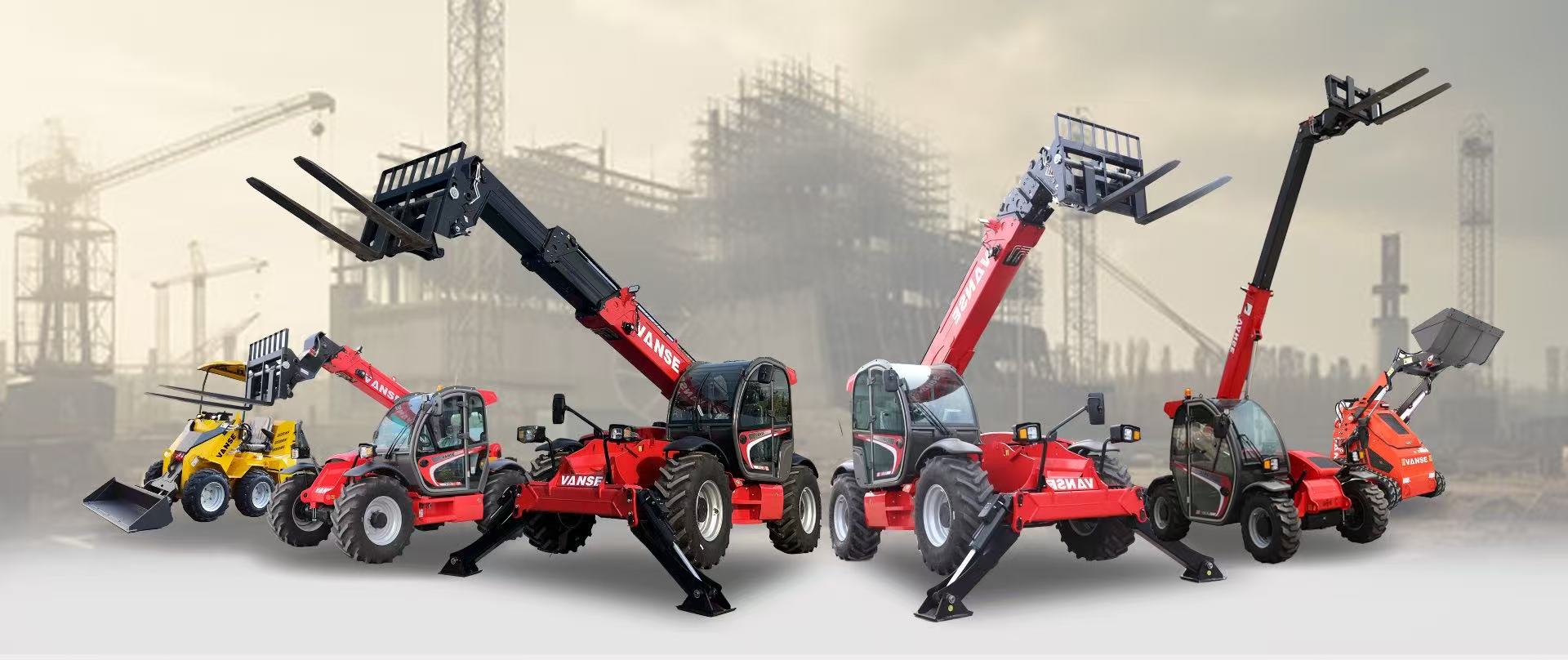
Best Telehandler for Construction in the United States
Quick Answer

If you need a telehandler for construction in the United States, the best choice depends on jobsite height, lift capacity, attachment needs, and local service coverage. For most buyers, the most practical shortlist includes JLG, JCB, Genie, SkyTrak, Manitou, and Bobcat because these brands have strong North American dealer networks, widely available parts, and proven performance on commercial and residential jobsites.
For urban construction in cities such as Houston, Dallas, Atlanta, Phoenix, Chicago, and Los Angeles, compact telehandlers with easy transport and strong attachment compatibility are often the best fit. For bridge work, steel erection, precast handling, energy projects, and large site development near logistics hubs such as the Port of Houston, Port of Savannah, Port of Long Beach, and inland freight corridors in Texas and the Midwest, higher-capacity and higher-reach machines are usually the safer and more productive option.
Top companies commonly considered by U.S. buyers are JLG, JCB, Genie, SkyTrak, Manitou, and Bobcat. Qualified international suppliers can also be worth considering, especially Chinese manufacturers that combine CE and ISO-certified production, globally recognized engine and hydraulic components, and reliable pre-sales and after-sales support. When supported by local inventory plans, responsive parts channels, and trained service teams, these suppliers may offer a strong cost-performance advantage for contractors, rental fleets, distributors, and owner-operators.
United States Market Overview

The U.S. telehandler market remains closely tied to nonresidential construction, logistics expansion, infrastructure repair, industrial maintenance, agriculture, and equipment rental demand. Contractors across the United States increasingly prefer telescopic handlers because one machine can lift pallets, move pipe, place trusses, handle masonry packs, and support multiple tasks with attachments such as buckets, forks, work platforms, jibs, and grapples. This versatility is especially valuable on labor-constrained projects where reducing machine count directly improves jobsite efficiency.
Demand is strongest in fast-growth regions such as Texas, Florida, Arizona, Georgia, Tennessee, North Carolina, and inland logistics corridors around Chicago, Kansas City, and Columbus. These areas combine warehouse construction, residential development, civil works, energy-related projects, and distribution center expansion. Telehandlers are also in regular use around coastal gateways such as Los Angeles, Long Beach, Savannah, Newark, and Houston, where port-linked warehousing and industrial construction require fast material movement across uneven or partially finished sites.
In the United States, the market is shaped by three main buying channels: direct contractor purchase, rental fleet acquisition, and dealer distribution. Large rental companies often prioritize machine uptime, intuitive controls, broad parts availability, and easy technician access. Contractors may focus more on attachment range, fuel economy, transport dimensions, and purchase price. Regional dealers pay close attention to product support, manufacturer responsiveness, warranty terms, and the ability to localize specifications for local safety expectations and customer preferences.
The shift toward telematics, better operator visibility, simplified diagnostics, and lower total ownership cost is accelerating. Buyers no longer judge a telehandler only by maximum lift height and capacity. They now compare service intervals, engine brand, axle durability, hydraulic smoothness, cab ergonomics, financing options, and the manufacturer’s long-term commitment to the U.S. market.
The line chart shows a realistic growth pattern driven by infrastructure funding, commercial construction recovery, logistics investment, and replacement demand from aging fleets. Although growth may not be perfectly linear, the overall direction is positive, especially in regions where mixed-use development, data centers, and utility projects remain active.
Leading Suppliers in the United States

Buyers comparing suppliers should look beyond brand recognition. The best supplier is the one that combines machine fit, local parts support, technician coverage, financing flexibility, and proven performance in similar applications. The table below compares major suppliers that are relevant to the U.S. market and commonly evaluated by contractors, rental houses, distributors, and industrial users.
| Company | Service Region | Core Strengths | Key Offerings | Best Fit |
|---|---|---|---|---|
| JLG | Nationwide across the United States | Large dealer network, strong rental market presence, broad model range | Construction telehandlers, high-capacity units, parts and training support | General contractors, rental fleets, industrial buyers |
| JCB | Strong presence in South, Midwest, and East Coast markets | Brand reputation, efficient drivetrains, diverse telehandler lineup | Compact and full-size telehandlers, agriculture and construction machines | Mixed fleets, contractors, material handling users |
| Genie | Nationwide dealer and rental support | Well-known in access equipment, dependable support channels | Construction telehandlers, rough terrain handling solutions | Rental companies and medium-large projects |
| SkyTrak | Strong across North America with established user familiarity | Simple operating style, wide contractor acceptance, resale visibility | Jobsite telehandlers for framing, masonry, and general construction | Residential and commercial construction firms |
| Manitou | Nationwide, with stronger presence in select metro and dealer territories | Specialized material handling expertise, attachment options | Rotating and fixed telehandlers, industrial and construction models | Specialty lifting, industrial applications, high-spec users |
| Bobcat | Broad U.S. dealer footprint | Dealer familiarity, compact equipment crossover demand | Compact telehandlers, attachments, support for mixed fleets | Smaller contractors, landscapers, building trades |
| VANSE Group | Serving North America with expanding U.S. commitment | Competitive pricing, OEM/ODM flexibility, globally sourced core components | Telehandlers, custom configurations, distributor and fleet supply | Distributors, rental startups, cost-sensitive project buyers |
This comparison shows that established domestic and international brands dominate because buyers value uptime and dealer access. At the same time, internationally experienced manufacturers with concrete North American plans are becoming more relevant, especially where fleets want better purchase economics without giving up recognized engines, tested hydraulic systems, or formal manufacturing certifications.
The comparison chart is not a universal ranking, but it illustrates how buyers often score suppliers across service support, product breadth, market familiarity, attachment compatibility, and ownership economics. A lower score does not necessarily mean a poor option; it may simply reflect a newer support footprint or a narrower installed base in the U.S. market.
Popular Telehandler Types for Construction
Not all telehandlers are built for the same work. In the United States, construction buyers typically choose between compact models for tight access, standard jobsite units for general material handling, high-reach machines for multi-story work, and high-capacity models for heavy industrial lifting. Selecting the wrong class often creates transport issues, wasted fuel, underused reach, or unsafe operating conditions.
| Type | Typical Lift Height | Typical Capacity | Main Use | Common U.S. Project Environments |
|---|---|---|---|---|
| Compact telehandler | 13 to 20 ft | 4,000 to 5,500 lb | Tight sites, interior-adjacent work, landscaping support | Urban infill, small commercial, residential framing |
| Standard construction telehandler | 40 to 56 ft | 5,500 to 10,000 lb | General palletized material handling | Commercial building, masonry, roofing, site development |
| High-reach telehandler | 56 to 74 ft | 8,000 to 12,000 lb | Multi-story placement and long forward reach | Hotels, hospitals, campus construction, mixed-use projects |
| High-capacity telehandler | 30 to 56 ft | 10,000 to 20,000 lb or more | Heavy industrial loads and precast handling | Steel yards, ports, infrastructure, energy projects |
| Rotating telehandler | 55 to 100+ ft | 8,000 to 15,000 lb | Precision placement with 360-degree turret capability | Dense urban jobsites, specialty contracting, facade work |
| Attachment-focused multipurpose telehandler | Varies by model | Varies by model | Forks, buckets, jibs, platforms, grapples | Contractors wanting one machine for many tasks |
The table makes clear that the machine category should match the workflow, not just the maximum rated specification. Many buyers overestimate required height and underestimate how often they will transport the machine, work on uneven ground, or switch attachments. On U.S. jobsites, the most productive machine is often the one that fits transport laws, can be serviced locally, and stays active all week instead of waiting for a single specialized lift.
Buying Advice for U.S. Contractors and Fleet Managers
When buying a telehandler for construction in the United States, start with three numbers: maximum lift height, maximum lift capacity, and real forward reach at the load center you actually need. Contractors often ask for the largest model they can afford, but this can reduce maneuverability and increase transport costs. A realistic lift chart review is more valuable than a headline capacity figure.
Next, evaluate site conditions. Muddy access roads in the Gulf Coast, compact urban jobs in the Northeast, wind exposure on Midwest industrial sites, and heat stress in Arizona all affect machine choice. Tire type, cooling package, cab options, and ground clearance can matter as much as boom length. If the machine will travel frequently between sites, trailer compatibility, machine weight, and ease of loading become major cost factors.
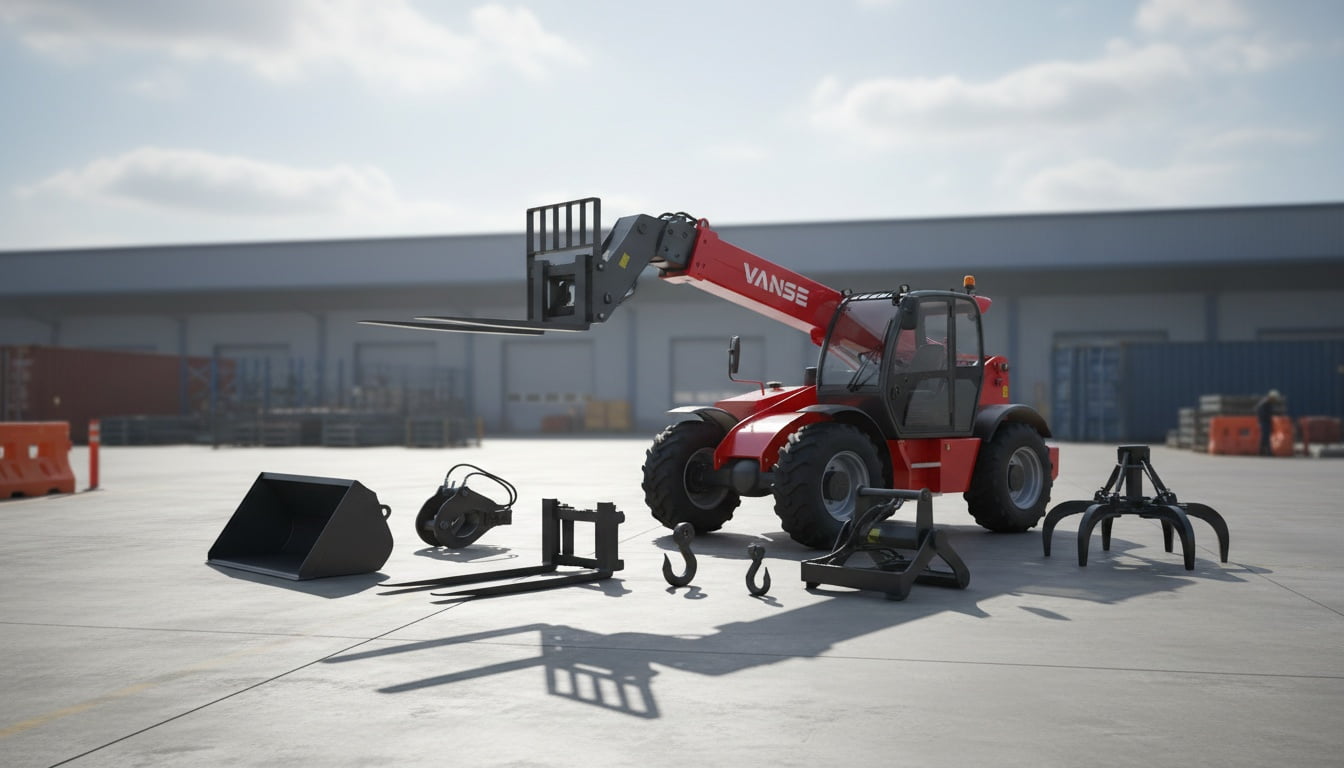
Attachment strategy is another major buying factor. If your operation regularly switches between pallet forks, buckets, lifting hooks, work platforms, and truss booms, ask whether the machine supports quick attachment changes, auxiliary hydraulics, and clear operator guidance. Fleets that standardize attachments often save more over five years than they gain from choosing a cheaper but less flexible machine.
Service support is critical. Before signing a purchase order, ask where parts are stocked, who performs field service, average emergency response times, and whether technicians are trained on the specific engine, transmission, and hydraulic package used in the machine. In the United States, downtime costs can quickly exceed any upfront savings.
Finally, review financing, warranty, and residual value. Rental companies may prioritize service contracts and fleet discounts, while contractors may focus on low monthly payments and fuel efficiency. Distributors and dealers will care about exclusivity territories, branding flexibility, and inventory support. This is why supplier fit matters as much as machine fit.
Industries That Use Telehandlers in the United States
Although construction is the core use case, telehandlers are now common across multiple U.S. industries. Their role has expanded because they can bridge the gap between forklifts, cranes, and loaders while staying mobile on rough terrain. This versatility supports equipment utilization rates that many fleet owners find attractive.
The bar chart shows why manufacturers targeting the U.S. market must serve more than one segment. Commercial construction remains the largest demand center, but rental fleets account for a meaningful share because they support many end industries and influence model preferences nationwide.
| Industry | Main Tasks | Why Telehandlers Fit | Typical Attachments | High-Demand Regions |
|---|---|---|---|---|
| Commercial construction | Moving block, steel, drywall, pallets | Reach and rough-terrain mobility | Forks, truss boom, bucket | Texas, Florida, California, Georgia |
| Residential building | Roofing bundles, framing materials, trusses | Fast placement on uneven lots | Forks, work platform | Carolinas, Texas, Arizona, Tennessee |
| Infrastructure | Pipe, barriers, bridge materials, utility support | Stable off-road movement and lift reach | Forks, jib, hook | Midwest, Northeast, Gulf Coast |
| Industrial manufacturing | Equipment relocation, shutdown maintenance | Flexible alternative to cranes in limited spaces | Forks, lifting hooks | Ohio, Indiana, Michigan, Alabama |
| Agriculture | Feed, seed, bales, loading tasks | All-season utility and attachment range | Bucket, bale clamp, forks | Iowa, Nebraska, Kansas, California |
| Ports and logistics construction | Yard setup, warehouse buildout, heavy material movement | Useful on large, evolving sites | Forks, bucket, jib | Houston, Savannah, Long Beach, Newark |
This table highlights a key buying reality: the same telehandler platform can serve several industries if the attachment package and service support are right. That is why many U.S. buyers choose suppliers that can support fleet standardization across multiple job types.
Applications on Real Jobsites
On a typical commercial project in Dallas or Atlanta, a telehandler may unload rebar in the morning, place pallets of CMU block by midday, lift roofing insulation in the afternoon, and support cleanup with a bucket before the end of the shift. This multi-role capability makes the machine central to site productivity.
For multi-story work in cities like Chicago, Charlotte, and Denver, telehandlers are used to deliver drywall, framing packs, facade materials, and mechanical equipment to elevated work zones. Their usefulness depends on a safe operating plan, adequate pad conditions, and clear understanding of derated capacity at reach. Many project delays occur because crews focus only on boom extension and ignore actual load geometry.
On civil and infrastructure jobs, telehandlers commonly move pipe, trench boxes, barriers, tools, and utility materials. They are especially useful where a rough terrain forklift lacks reach and a crane would be excessive or too expensive to keep on standby. In renewable energy and industrial construction, high-capacity machines help position heavy components, cable reels, and fabricated assemblies.
Attachment choice often determines application value. Forks cover the majority of construction tasks, but buckets expand the machine into light loader work, while jibs and hooks improve flexibility for suspended loads. Work platforms require careful compliance review and training but can help on specialized maintenance or installation tasks where permitted.
Case Studies from the U.S. Market
A mid-sized general contractor in Houston working on warehouse shell construction typically needs a 10,000 lb class telehandler with dependable cooling performance, easy access to service technicians, and strong fork visibility. The project pace is fast, and materials flow through a large site near freight corridors. In this case, uptime and rapid parts supply matter more than luxury cab features.
A framing subcontractor in Phoenix often prefers a more transport-friendly machine with enough reach for truss and lumber placement but without unnecessary machine weight. Heat management, easy trailer movement, and simple controls are key. The contractor may rent during peak cycles and buy only when backlog becomes more predictable.
A masonry contractor in Chicago faces different conditions: tighter staging areas, variable weather, and frequent loading cycles. Here, precision control, tire durability, and winter service support can strongly influence purchasing decisions. A machine that handles dense palletized loads reliably in changing ground conditions will likely outperform a larger but less practical alternative.
On a Gulf Coast industrial expansion project, a high-capacity telehandler may be used for steel handling, pipe support, and maintenance staging. These buyers often care about heavy-duty axles, robust hydraulics, and service documentation because the machine operates in a more demanding environment than standard commercial construction.
Trend Shift Toward Smarter and More Flexible Fleets
The United States market is shifting from simple ownership decisions to data-based fleet planning. Buyers increasingly compare utilization, fuel burn, uptime, digital diagnostics, financing cost, and operator acceptance. Machines with easier maintenance access and telematics-ready systems are becoming more attractive because they reduce surprises over the life of the fleet.
The area chart reflects a realistic trend: a growing share of buyers now prioritizes emissions compliance, telematics visibility, technician support, and total cost of ownership rather than only initial acquisition price. This is especially true for fleets serving repeat commercial clients and public-sector-adjacent work.
Local Suppliers and Dealer Considerations
For U.S. buyers, the local supplier can make or break ownership success. A telehandler with strong specifications but weak local support may create delays that affect labor scheduling, subcontractor coordination, and completion deadlines. That is why buyers in markets such as Miami, Nashville, Kansas City, Seattle, and Sacramento usually compare local branch capability as closely as they compare machine specs.
| Supplier Type | Main Advantage | Main Risk | Best Buyer Profile | What to Verify |
|---|---|---|---|---|
| National dealer network | Broad service coverage and parts access | Less flexibility on pricing or customization | Multi-state contractors and rental fleets | Regional technician density and emergency support |
| Regional dealer | Closer local relationships and faster branch response | Smaller inventory depth | State-focused contractors and mid-size fleets | Parts stock levels and replacement machine options |
| Rental company with sales division | Practical machine advice based on utilization | Limited brand selection | Users transitioning from rent to own | Service records and machine condition standards |
| Direct international manufacturer | Strong price-performance and factory communication | Support quality depends on local setup | Distributors, dealers, large buyers | U.S. inventory plans, warranty process, parts lead time |
| OEM/ODM supply partner | Branding and specification flexibility | Requires more channel planning | Brand owners, distributors, private-label sellers | Production capacity, testing standards, exclusivity terms |
| Used equipment broker | Lower upfront price | Higher maintenance uncertainty | Budget-limited buyers and occasional users | Inspection report, ownership history, boom wear, tires |
The practical takeaway is simple: choose a supplier structure that matches your operating model. A large rental fleet may need nationwide coverage. A local contractor may prefer a dealer with strong field service. A distributor may want an OEM partner that supports branding, regional exclusivity, and container or bulk delivery programs.
Why Buyers Are Looking at VANSE Group
For buyers exploring alternatives to traditional U.S. and European brands, VANSE Group stands out because it combines concrete manufacturing evidence with flexible commercial models and a visible commitment to North America. Founded in 2013, the company has produced more than 8,000 machines and serves customers in over 40 countries, giving it a real export track record rather than a trial presence. Its telehandlers are built under CE and ISO 9001-certified processes, and each unit goes through load testing, safety inspection, and performance validation before shipment. The machines are positioned around recognized core components, including engines from brands such as Perkins and Cummins along with premium hydraulic and drivetrain systems, which helps buyers benchmark reliability against established international products. From a cooperation standpoint, VANSE supports end users, distributors, dealers, rental companies, brand owners, and even smaller-volume buyers through wholesale, retail, OEM, and ODM programs, allowing customized specifications, branding, colors, and regional configurations. From a local assurance perspective, the company is actively establishing a U.S.-based subsidiary to strengthen inventory, after-sales capability, and client responsiveness, reinforcing that it is building a long-term market presence rather than acting only as a remote exporter. For U.S. buyers who want factory-direct economics with structured pre-sale consultation, technical support, and lifecycle service, that combination is commercially relevant. Buyers can review available machinery through the equipment catalog, learn more on the company page, evaluate support options via the service section, or discuss sourcing and partnership needs through the contact page.
How to Compare Models Before You Buy
A disciplined comparison process helps U.S. buyers avoid specification mistakes. Begin with the real lifting task, not the brochure headline. Write down maximum load weight, maximum placement height, horizontal reach, attachment type, and frequency of use. Then match the machine to the most demanding regular task rather than the most extreme possible task.
Ask suppliers for lift charts, machine dimensions, operating weight, engine brand, axle type, tire options, service interval details, and attachment compatibility. If you operate in urban construction, confirm turning radius and trailer movement practicality. If you work near ports or industrial zones, ask about corrosion protection, heavy-duty cooling, and sustained lifting cycles. If you are a rental fleet, test operator learning curve, dashboard clarity, and routine maintenance access.
Request a detailed warranty explanation. Clarify what is covered, how claims are processed, and who pays travel and labor under field repair scenarios. A good supplier should provide not only a machine price but also a realistic plan for uptime support. This is especially important in the United States, where labor costs and scheduling delays amplify the impact of downtime.
Future Trends in 2026
Looking into 2026, three forces are likely to shape the telehandler for construction market in the United States: technology integration, policy pressure, and sustainability expectations. Technology-wise, telematics, fault diagnostics, load monitoring, and operator-assist features will become more common even in mid-range machines. Buyers increasingly want machine health visibility because it improves service planning and fleet utilization.
On the policy side, emissions compliance, jobsite safety expectations, and public-project procurement standards will continue to influence model selection. Contractors working on federally connected infrastructure or large institutional projects may increasingly favor equipment that aligns with documented maintenance practices, operator training standards, and cleaner operating profiles.
Sustainability is also becoming a practical purchasing factor, not just a branding exercise. Fuel efficiency, lower idle time, component longevity, and rebuild-friendly design all affect environmental impact and ownership cost. Over time, more buyers will evaluate whether a telehandler supplier can provide documentation on efficient production, parts support, and lifecycle service rather than focusing only on the machine’s initial selling price.
Another likely trend is stronger interest in internationally sourced machines that can prove parts quality, repeatable manufacturing, and reliable U.S. support. As pricing pressure continues across construction sectors, buyers will remain open to new suppliers if those suppliers can demonstrate real service commitment on American soil.
FAQ
What is the best telehandler for construction in the United States?
The best telehandler depends on your load weight, lift height, forward reach, attachment plan, and local service access. For many U.S. construction users, JLG, JCB, Genie, SkyTrak, Manitou, and Bobcat are common starting points, while value-focused buyers may also evaluate emerging global suppliers with strong support plans.
What size telehandler is most common on U.S. jobsites?
Standard 5,500 to 10,000 lb class machines with 40 to 56 ft lift heights are common because they handle general commercial and residential construction tasks without becoming overly specialized.
Should I buy new or used?
New machines are usually better for buyers who need warranty, predictable uptime, and long-term fleet planning. Used machines can work for occasional use, but they require careful inspection of boom wear, hydraulics, tires, pins, service history, and frame condition.
Are telehandlers suitable for rental fleets?
Yes. Telehandlers are a core rental category in the United States because they serve many sectors and can be outfitted with multiple attachments. Rental fleets usually prioritize easy maintenance, intuitive controls, and high parts availability.
Why would a U.S. buyer consider an international supplier?
Because some international suppliers now offer strong cost-performance, recognized component brands, certified manufacturing systems, OEM or private-label flexibility, and expanding North American support. For distributors and fleet buyers, that can create better margin or lower acquisition cost.
What should I ask a supplier before purchasing?
Ask about parts stocking, technician coverage, warranty process, lead time, lift charts, engine and hydraulic brands, attachment compatibility, financing options, and whether the supplier has active U.S. inventory or a local service plan.
Final Takeaway
If you are selecting a telehandler for construction in the United States, focus on the machine’s real jobsite fit, not just brochure specifications. The most successful buyers compare supplier strength, local support, attachment flexibility, and total cost of ownership together. Established brands remain strong options, but internationally experienced manufacturers with documented certifications, recognized components, and a serious U.S. service strategy are increasingly worth evaluating. In a market shaped by labor pressure, infrastructure demand, and fleet efficiency, the best telehandler is the one that lifts what you need, works where you need it, and stays supported throughout its service life.
Complete Telescopic Handler Equipment Portfolio
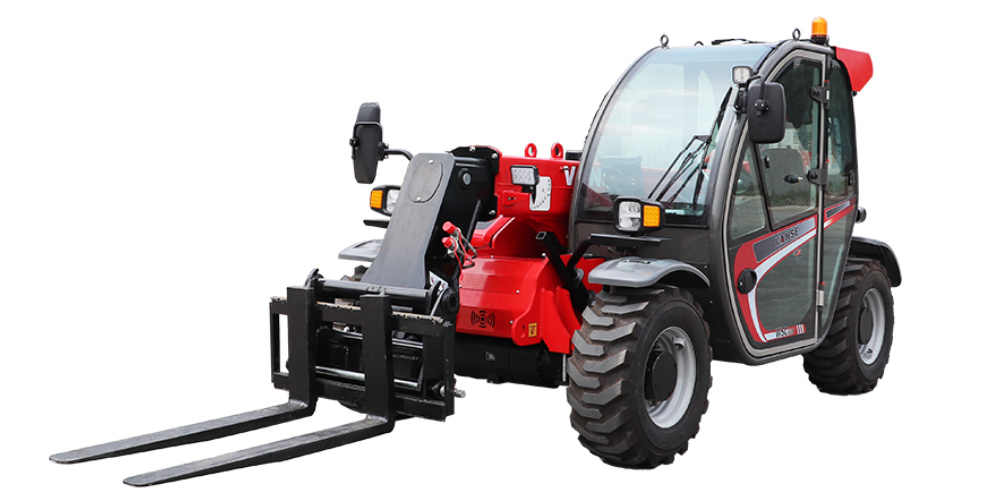
VANSE 625 6m Telescopic Handler
Designed for efficient material handling and stacking in warehouses, factories, and confined job sites, offering compact maneuverability and reliable performance.

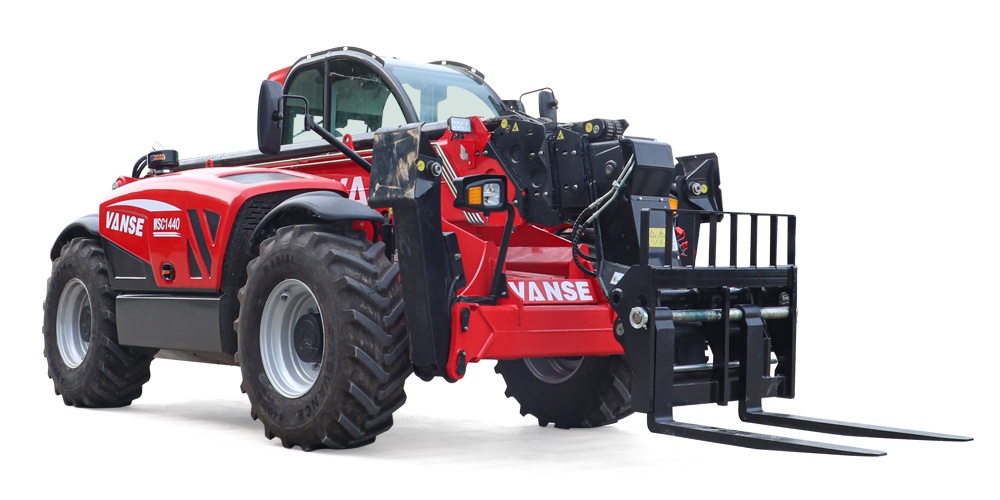
VANSE 735 7m Telescopic Handler
A balanced mid-duty solution for construction, agriculture, logistics, and warehousing, combining stable lifting, strong traction, and everyday versatility.


About the Author:
The VANSE team is a group of experienced professionals specializing in construction machinery research, manufacturing, and technical support. With deep industry knowledge and hands-on experience, our engineers and product specialists share practical insights on equipment selection, operation, maintenance, and industry trends.
Share
You May Also Interest
-

22 October, 2026
Telehandler for Grain Handling on Large Modern Farm Sites
Explore telehandler grain handling options in the United States, including suppliers, specs, farm uses, and cost-saving buying advice for grain operations.
-
21 October, 2026
Telehandler vs All Terrain Forklift: Which Lifts Better
Telehandler vs all terrain forklift in the United States: compare reach, lifting, terrain use, costs, and supplier options for smarter equipment buying.
-
20 October, 2026
10 Ton Telehandler: Extreme Lifting for Major Industrial
Explore 10-ton telehandler options in the United States, top suppliers, buying tips, applications, and service support for major lifting projects.
-
19 October, 2026
Telehandler for Demolition: Safe Structural Dismantling
Explore telehandler demolition options in the United States, including suppliers, attachments, safety, market trends, and cost-effective sourcing advice.