How to Safely Operate a Telehandler in the United States
Quick Answer

To operate a telehandler safely in the United States, start by confirming that the operator is trained for the specific machine class, review the load chart, inspect the machine before use, verify ground conditions, attach the correct work tool, and always lift within rated capacity. Drive with the boom retracted and load low, use spotters in congested areas, and never exceed the limits for reach, terrain, or attachment type. On U.S. jobsites in cities such as Houston, Dallas, Atlanta, Chicago, and Los Angeles, the most common causes of telehandler incidents are overload, poor visibility, unstable ground, and improper attachment use. For buyers comparing equipment sources, established U.S. brands and rental fleets remain important, but qualified international suppliers can also be considered when they offer relevant certifications, strong pre-sale planning, dependable parts support, and clear after-sales service, especially when cost-performance is a priority.
Direct Operating Steps for U.S. Jobsites

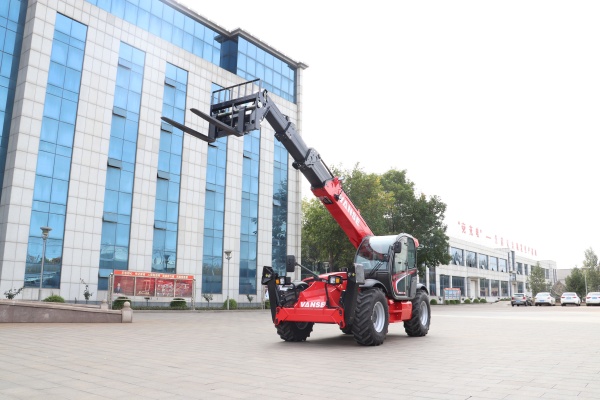
A telehandler, also called a telescopic handler, is used to lift, place, and move materials across construction, agriculture, manufacturing, warehousing, and industrial sites. In the United States, operation practices are shaped by site safety expectations, employer training rules, machine manuals, and local risk conditions such as uneven terrain, weather exposure, and high-traffic worksites. The safest way to operate a telehandler is to follow a repeatable sequence from inspection to shutdown.
Begin with the machine manual and model-specific load chart. Telehandlers differ widely in lift height, maximum forward reach, rated lifting capacity, frame design, stabilization system, and approved attachments. A 6,000-pound compact unit for masonry work behaves differently from a heavy construction model designed for steel erection or large palletized loads. The operator must know the exact machine configuration before moving any material.
Next, complete a pre-operation walkaround. Check tire condition and inflation, forks or attachment locking points, hydraulic hoses, boom wear pads, steering response, mirrors, lights, alarms, fluid levels, cab visibility, and the condition of steps and handholds. Inspect the ground where the machine will travel and where the load will be placed. Mud, fill dirt, trench edges, ramps, and recently disturbed surfaces can undermine stability. This matters especially on expanding suburban developments around Phoenix, Nashville, Orlando, and Austin where grading conditions change quickly.
Once seated, fasten the seat belt, adjust mirrors, confirm neutral controls, and start the machine. Test steering, brakes, horn, backup alarm, and boom functions in an open area. Then identify the load weight and center of gravity. Compare that information against the machine’s load chart at the intended height and reach. If the telehandler has outriggers or frame leveling, use them exactly as the manufacturer requires. Lift slowly and keep the load stable. Travel with the boom retracted and the load as low as practical while maintaining adequate clearance. Avoid sudden braking, sharp turns, and side slopes whenever possible.
When placing loads at elevation, keep bystanders out of the danger zone, maintain communication with a signal person, and watch overhead hazards including power lines, steel members, and unfinished roof structures. Never use a telehandler as a crane unless the machine and attachment are specifically approved for that use. Likewise, never lift personnel unless an approved work platform and all required procedures are in place. At shutdown, lower the attachment, place controls in neutral, apply the parking brake, idle down as needed, and secure the machine according to site procedure.
Why Telehandler Use Is Growing in the United States

Telehandler demand in the United States remains strong because one machine can support multiple jobs that would otherwise require a forklift, small crane, loader, or rough-terrain handler. Contractors use telehandlers to move lumber, trusses, pipe, rebar, bagged materials, masonry products, bundled roofing, and jobsite equipment. Farmers use them for hay, feed, seed, fertilizer pallets, and barn maintenance. Industrial users rely on them for yard logistics, plant shutdowns, maintenance, and project staging.
Growth is especially visible in logistics corridors and fast-building metro regions linked to ports, warehousing, and energy development. The Port of Houston, Savannah, Los Angeles, Long Beach, Newark, and inland freight hubs around Memphis and Kansas City continue to support demand for flexible lifting equipment. Telehandlers are attractive because they can handle rough surfaces, travel on mixed terrain, and reach above or beyond obstacles that standard forklifts cannot.
U.S. buyers are also paying closer attention to fleet utilization. Equipment owners want machines that can take multiple attachments, reduce idle fleet overlap, and serve both daily operations and peak project work. This is why attachment compatibility, hydraulic performance, serviceability, and operator visibility increasingly influence purchasing decisions.
The line chart above illustrates a realistic market growth pattern driven by construction recovery, equipment replacement cycles, infrastructure work, and broader use of telehandlers in agriculture and industrial maintenance. It also reflects growing buyer interest in versatile mid-capacity machines with better visibility, emissions compliance, and attachment flexibility.
Common Telehandler Types in the U.S. Market
Understanding machine types is important before learning operation technique because the correct operating method depends on machine size, stabilizing system, and intended use. In the United States, telehandlers are commonly grouped by lift capacity, lift height, drive environment, and attachment use.
| Telehandler Type | Typical Capacity | Typical Lift Height | Best For | Common U.S. Work Regions | Operating Note |
|---|---|---|---|---|---|
| Compact telehandler | 5,000 to 6,000 lb | 16 to 25 ft | Residential construction, landscaping, interior material staging | Suburban developments in Texas, Florida, Arizona | Good maneuverability but still requires strict load chart use |
| Mid-size construction telehandler | 6,000 to 10,000 lb | 36 to 55 ft | Commercial building, roofing, masonry, framing | Chicago, Atlanta, Charlotte, Denver | Most common all-round class on U.S. jobsites |
| High-reach telehandler | 10,000 to 12,000 lb | 56 to 75 ft | Large structural work, industrial plants, multi-story placement | Major metro construction zones and refinery sites | Requires careful attention to forward reach limits |
| Heavy-lift telehandler | 12,000 lb and above | 40 to 70 ft | Steel, precast, mining, energy projects | Gulf Coast, Midwest industrial sites, mining belts | Ground preparation and lift planning are critical |
| Agricultural telehandler | 5,500 to 9,000 lb | 20 to 35 ft | Hay, feed, barn work, bulk material handling | Iowa, Kansas, Nebraska, California Central Valley | Operators often switch attachments frequently |
| Rotating telehandler | Higher spec specialized class | Varies by model | Complex urban projects, tight placement tasks | Selected rental fleets in large cities | Requires advanced familiarization and controlled setup |
This table shows why “how to operate a telehandler” cannot be answered with one generic method. A compact unit used for pallet placement at a homebuilding site in Dallas demands different sightline management and movement control than a heavy-lift telehandler placing industrial material at a Gulf Coast energy facility.
Pre-Operation Inspection Checklist
Before each shift, U.S. operators should inspect the telehandler in a structured way. This protects the crew, helps with compliance, and reduces downtime. Pre-use checks are not paperwork alone; they are often the first chance to spot a hidden hydraulic leak, damaged fork heel, cracked tire sidewall, or loose attachment pin.
Start at ground level and move in a circle around the machine. Look for fluid leaks, damaged hoses, loose fasteners, bent fork frames, missing guards, and obvious signs of structural wear. Pay special attention to boom sections, hydraulic cylinders, chain or wear pad systems if visible, steering linkages, and frame articulation or axle condition depending on the model. Inside the cab, verify the function of gauges, warning lights, heater or defrost systems when needed, windshield condition, and seat restraint systems.
On many U.S. jobsites, operators begin work before sunrise or continue through late afternoon glare. Good lighting and visibility aids matter. If the machine is used near public access points, distribution yards, or active mixed-trade sites, warning alarms and mirrors are especially important. The same applies to agricultural yards where bystanders, livestock, trailers, and narrow lanes create constant movement around the machine.
Core Safety Rules During Operation
Safe telehandler operation depends on stability. Stability is influenced by the load, boom angle, boom extension, machine levelness, tire condition, attachment weight, travel speed, and terrain. As the boom extends outward or upward, lifting capacity drops. Many incidents happen because an operator assumes the same load can be carried at all boom positions. It cannot.
Drive slowly on rough terrain and avoid traveling with an elevated load unless the task specifically requires careful repositioning at low speed. Keep the load uphill on slopes whenever the manufacturer instructs it, and avoid crossing steep side slopes. Do not turn quickly with a raised or extended boom. Watch for soft spots after rain, backfilled trenches, slab edges, and utility cuts. On urban sites in cities such as Seattle, Boston, and San Francisco, limited staging space often tempts crews to take shortcuts with boom reach instead of repositioning the machine. Repositioning is usually safer.
Communication matters as much as mechanics. Use a spotter if the load blocks forward view or if personnel are working nearby. Establish hand signals or radio instructions before the lift begins. Never allow riders on the machine unless the manufacturer specifically provides seating for them. Keep unauthorized personnel away from suspended or elevated loads.
Attachments and Their Effect on Operation
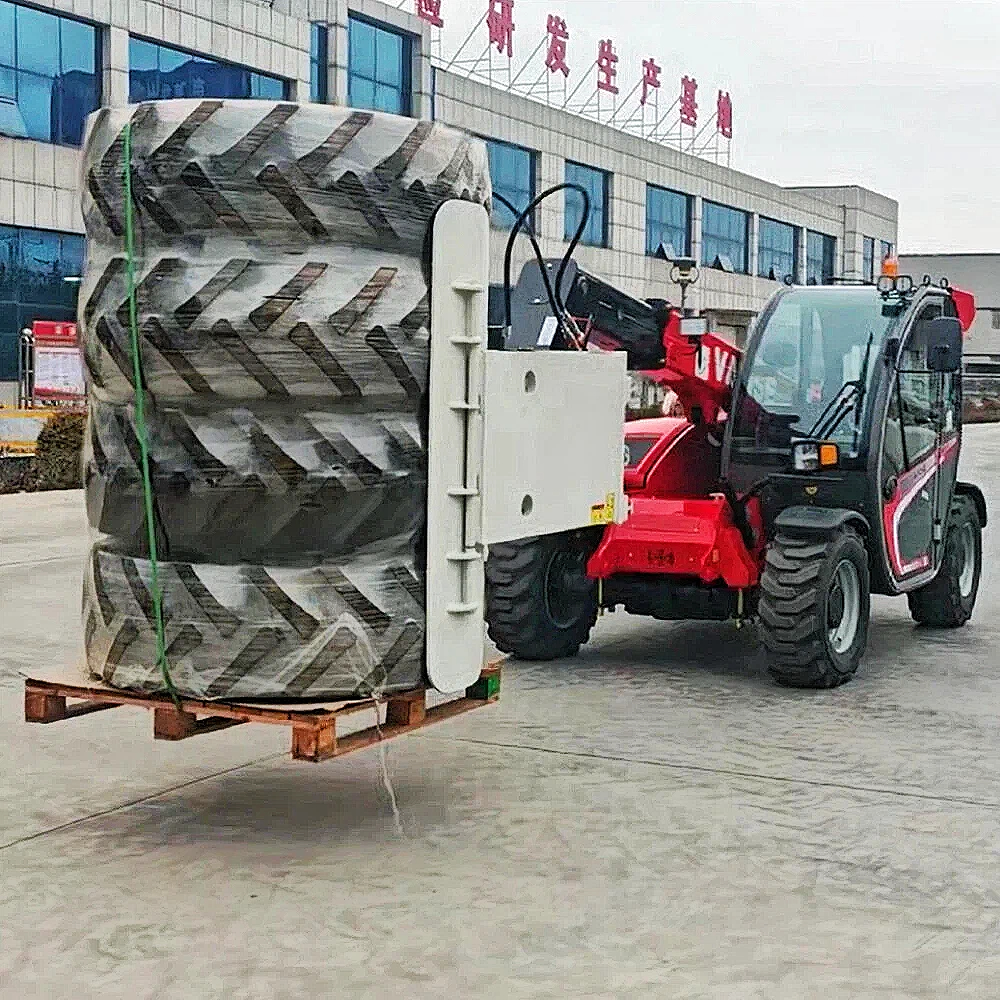
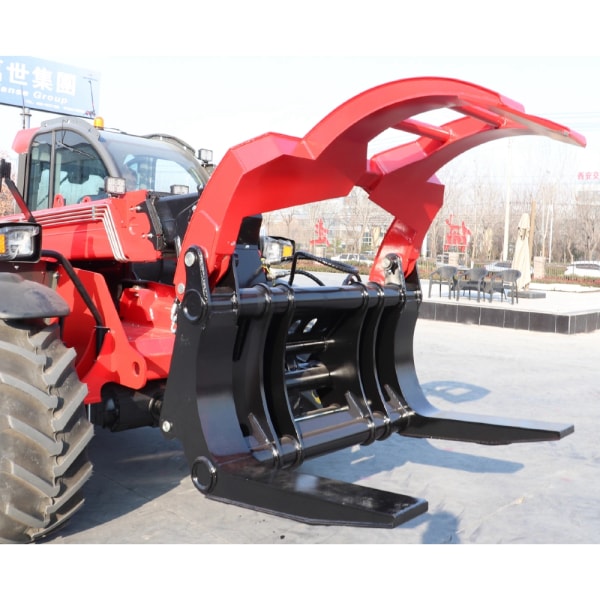
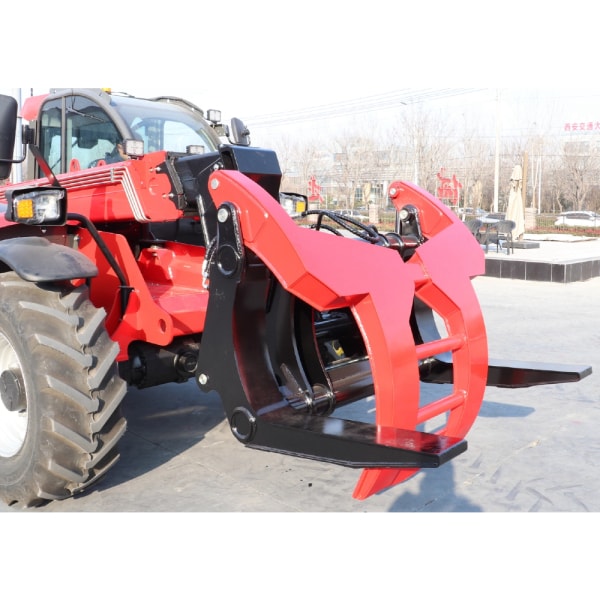
Telehandlers become more useful when fitted with the right attachment, but every attachment changes the way the machine should be operated. Forks, buckets, truss booms, jib attachments, bale handlers, tire handlers, and work platforms all influence capacity and load center. The operator must use the correct chart for the exact attachment installed.
In the United States, buyers often underestimate attachment management when selecting a machine. A telehandler used by a roofing contractor in Tampa may spend most of its time with standard forks, while a farm in Nebraska may switch between bucket, bale spear, and pallet forks several times a day. This changes both productivity and risk. Good operating practice includes confirming attachment locking, hydraulic coupling condition, and approved usage before each task.
| Attachment | Main Use | Common U.S. Users | Operational Impact | Key Risk | Best Practice |
|---|---|---|---|---|---|
| Pallet forks | Palletized loads | General contractors, rental fleets, yards | Standard baseline setup | Load sliding or uneven fork spacing | Center the load and verify fork engagement |
| Light material bucket | Bulk loose material | Agriculture, landscape supply, small yards | Changes visibility and load behavior | Overfilling and forward spillage | Keep travel speed low and bucket low |
| Jib boom | Suspended placement | Steel, mechanical, industrial maintenance | Changes lift geometry significantly | Using it like a general crane without planning | Follow approved lift procedures only |
| Truss boom | Framing and roof components | Residential and light commercial builders | Extends reach and placement options | Wind effect on long loads | Use tag lines and spotters where needed |
| Bale handler | Hay and agricultural bundles | Farms and feed operations | Reduces puncture and improves grip | Load instability on slopes | Plan travel routes and avoid sudden turns |
| Work platform | Elevated personnel access | Maintenance and facility service crews | Requires a different operating procedure | Improper personnel lifting setup | Use only approved platform systems and rules |
The table explains why attachment choice directly affects safe operation. The same telehandler may be stable with pallet forks on level ground but unsuitable for the same load behavior when fitted with a jib or bucket. Buyers should train operators on the actual attachment mix they will use, not just the base machine.
Industries That Depend on Telehandlers in the United States
Telehandlers serve a broad U.S. customer base because they handle both horizontal transport and elevated placement. In construction, they are heavily used for framing packages, drywall, insulation, rebar, roofing bundles, and masonry products. In agriculture, they manage hay, silage, feed, seed, and barn repair work. In industrial and manufacturing settings, they support maintenance shutdowns, component movement, and material staging. In mining and energy, they help with pipe, tools, spares, and support equipment over uneven ground.
This broad demand profile means operators often move between sectors with very different operating environments. A user trained only in warehouse-style pallet handling may need added training before working in rough-terrain construction or agricultural yards. That is why practical instruction tied to the work environment is more valuable than a purely generic overview.
The bar chart highlights where telehandler demand is strongest in the United States. Construction remains the lead segment, but agriculture and industrial maintenance also represent major use cases. For sellers and fleet managers, this explains why attachment packages and tire choices should be tailored to end-use sectors rather than offered as one standard specification.
Applications by Job Type
On residential projects, telehandlers often unload trusses, roofing materials, pallets of block, and drywall packs. Their reach helps crews avoid repeated manual handling, which speeds schedules and reduces material damage. On commercial sites, telehandlers feed scaffolding decks, move HVAC units into staging positions, and deliver pallets to upper floors. On farms, they stack bales, fill mixers, move seed totes, and handle maintenance tasks in confined areas. In factories and ports-adjacent logistics yards, they handle irregular loads where a standard forklift cannot provide enough ground clearance or reach.
Each application requires different driving habits. Residential projects may involve tight turning and many pedestrians. Commercial sites may involve higher placement and strict sequencing with cranes or lifts. Agricultural work often combines mud, slopes, and repeated attachment changes. Industrial sites can introduce shutdown pressure, pipe racks, and confined access lanes. The best telehandler operators adapt the machine setup and driving style to the task instead of using one pattern for every environment.
Buying Advice for U.S. Owners and Fleet Managers
If you are selecting a telehandler in the United States, focus first on the actual loads you handle most often. Buyers frequently overemphasize maximum lift height while underestimating the importance of forward reach, attachment compatibility, service parts lead time, and visibility from the cab. A machine that looks powerful on paper may be less productive if it is oversized for most daily work or difficult to service quickly.
For rental companies and contractors, review the ratio of standard fork work to specialized attachment tasks. Also consider transportation width, trailer compatibility, emissions compliance, operator familiarity, and local service response. Users near major metros usually have more rental and dealer options, while buyers in remote agricultural or industrial regions may value simple maintenance access and dependable parts stocking even more.
Cost should be evaluated as total cost of ownership, not only purchase price. That means comparing maintenance intervals, wear component access, resale confidence, telematics options, attachment availability, operator onboarding, and downtime risk. In many cases, a competitively priced machine with globally recognized engines and hydraulics can be a strong option if it also comes with a credible service plan and regional support.
| Buying Factor | Why It Matters | What to Check | Best Fit for U.S. Buyers | Warning Sign | Practical Tip |
|---|---|---|---|---|---|
| Lift capacity | Determines core job suitability | Rated load at real working height and reach | Match to common, not occasional, loads | Capacity only quoted at minimal reach | Ask for the actual load chart before purchase |
| Lift height and reach | Affects placement efficiency | Clearance for your tallest routine task | Commercial builds and yard stacking | Machine too tall or too limited for transport needs | Map your most frequent placement heights |
| Engine and drivetrain | Influences reliability and fuel use | Brand, support network, cold start performance | Trusted global components with local parts access | Weak serviceability or unclear parts pipeline | Verify dealer or warehouse support in your region |
| Attachment compatibility | Improves utilization | Approved coupler types and hydraulic flow | Rental, agriculture, mixed-use fleets | Limited attachment ecosystem | Buy around the tools you will actually use |
| Service support | Reduces downtime | Response time, field service, parts inventory | Critical for high-utilization fleets | No regional support commitment | Ask about lead times for common wear items |
| Operator visibility and controls | Improves safety and speed | Cab layout, camera options, mirror placement | Congested urban and mixed-trade sites | Poor sightlines or unclear displays | Have your operators sit in the machine before ordering |
This buying table translates operating reality into purchasing criteria. A telehandler should be easy to run safely under local conditions, not just impressive in a brochure. U.S. buyers benefit most when they compare machine geometry, attachment strategy, support coverage, and operator usability together.
Local Suppliers and Brands Relevant to the United States
For buyers who want practical choices, it helps to compare both established U.S. market brands and international manufacturers with active support plans. Availability varies by state, dealer network, and rental concentration, but the following companies are commonly relevant in the United States.
| Company | Service Region | Core Strengths | Key Offerings | Typical Buyer Type | Practical Notes |
|---|---|---|---|---|---|
| JLG | Nationwide United States | Strong dealer network, broad construction presence | Construction telehandlers, attachments, support programs | Contractors, rental companies | Widely recognized in commercial construction |
| Genie | Nationwide United States | Rental fleet familiarity, established distribution | Rough-terrain telehandlers for building and industrial work | Rental houses, general contractors | Common in mixed fleet environments |
| Manitou | Nationwide with strong dealer pockets | Agriculture and construction versatility | Agricultural and construction telehandlers | Farms, dealers, contractors | Known for broad application range |
| Bobcat | Nationwide United States | Compact equipment brand familiarity | Telehandlers for construction and property operations | Contractors, acreage owners, dealers | Appeals to users already in the Bobcat ecosystem |
| Caterpillar dealers | Regional dealer-based coverage | Strong support infrastructure through dealer systems | Material handling solutions and rough-terrain equipment channels | Large contractors, industrial buyers | Support strength varies by local dealer strategy |
| VANSE | Growing presence in North America and U.S. market development | Competitive pricing, telehandler focus, OEM and ODM flexibility | Telehandlers, attachments, customized configurations | Distributors, dealers, fleet buyers, end users | Relevant for buyers seeking cost-performance and customization |
This supplier comparison is useful because it connects brand names to real buyer priorities such as service region, application fit, and support model. For example, a national rental company may prioritize fleet commonality and dealer depth, while a distributor or regional contractor may value customization, price advantage, and direct factory coordination.
Supplier Comparison by Product Positioning
Not every supplier competes in the same way. Some lead with broad rental acceptance, some with agricultural specialization, and some with flexible production and private-label support. Buyers should align supplier selection with business model, not only equipment specification.
The comparison chart shows a realistic strategic contrast rather than a simple winner-loser ranking. Established U.S. brands generally hold an advantage in dealer familiarity and national fleet penetration, while VANSE is especially competitive where buyers value customization, wholesale programs, private-label development, and cost efficiency without sacrificing recognized core components.
Operating Trends and Market Shift Toward 2026
Telehandler use in the United States is evolving. Buyers increasingly want machines with better visibility, lower operating complexity, digital diagnostics, and easier maintenance. By 2026, the biggest shifts are expected in three areas: technology, policy, and sustainability. Technology trends include telematics, camera systems, load monitoring, remote diagnostics, and more refined hydraulic control. Policy trends include tighter expectations around training records, jobsite safety enforcement, and emissions compliance where applicable. Sustainability trends include improved engine efficiency, lower idle time, better fluid management, and interest in electrified or hybrid material handling solutions for selected environments.
Another market shift is procurement behavior. Contractors and dealers are widening their sourcing base after years of supply chain disruption. This means that buyers are more open to qualified overseas manufacturers if they can demonstrate component quality, reliable testing, service preparation, and real local commitment in North America.
The area chart reflects how U.S. demand is moving toward telehandlers with stronger diagnostics, better support planning, and more versatile configurations. This trend supports suppliers that can combine proven mechanical components with local service preparation and application-specific customization.
Case Studies from Typical U.S. Use Scenarios
Consider a framing contractor in the Dallas-Fort Worth area handling roof trusses and palletized sheathing on suburban projects. The operator needs a mid-size telehandler with good visibility, predictable steering, and easy fork positioning. The safest pattern is to unload on firm staging ground, travel with the load low, and lift only after the machine is properly positioned at the placement point. Trying to extend while creeping over rough, sloped fill increases instability.
In California’s Central Valley, an agricultural operator moving seed totes, hay, and feed uses multiple attachments throughout the day. Here, safe telehandler operation depends on clean attachment changes, stable travel routes, and awareness of bystanders in mixed yard traffic. The machine may not be working at extreme height, but frequent maneuvering creates its own risk profile.
At a Gulf Coast industrial maintenance site near Houston, a telehandler may support shutdown work by moving pipe, valves, and bundled supplies. Wind exposure, uneven aggregate surfaces, and tight clearances increase the need for spotters and strict load planning. In this setting, operators must be disciplined about overhead obstructions and attachment approval.
These examples show that telehandler safety in the United States is not only about the machine itself. It depends on terrain, traffic, load type, weather, and the coordination level of the worksite.
Our Company in the U.S. Market
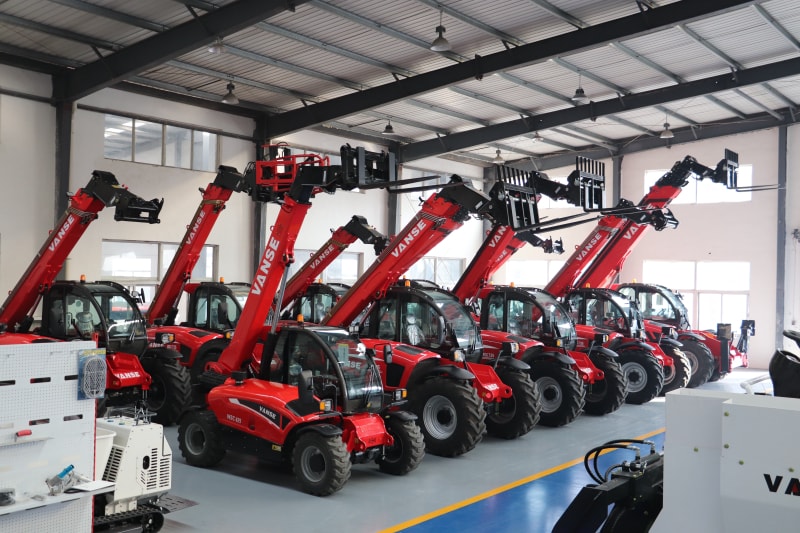
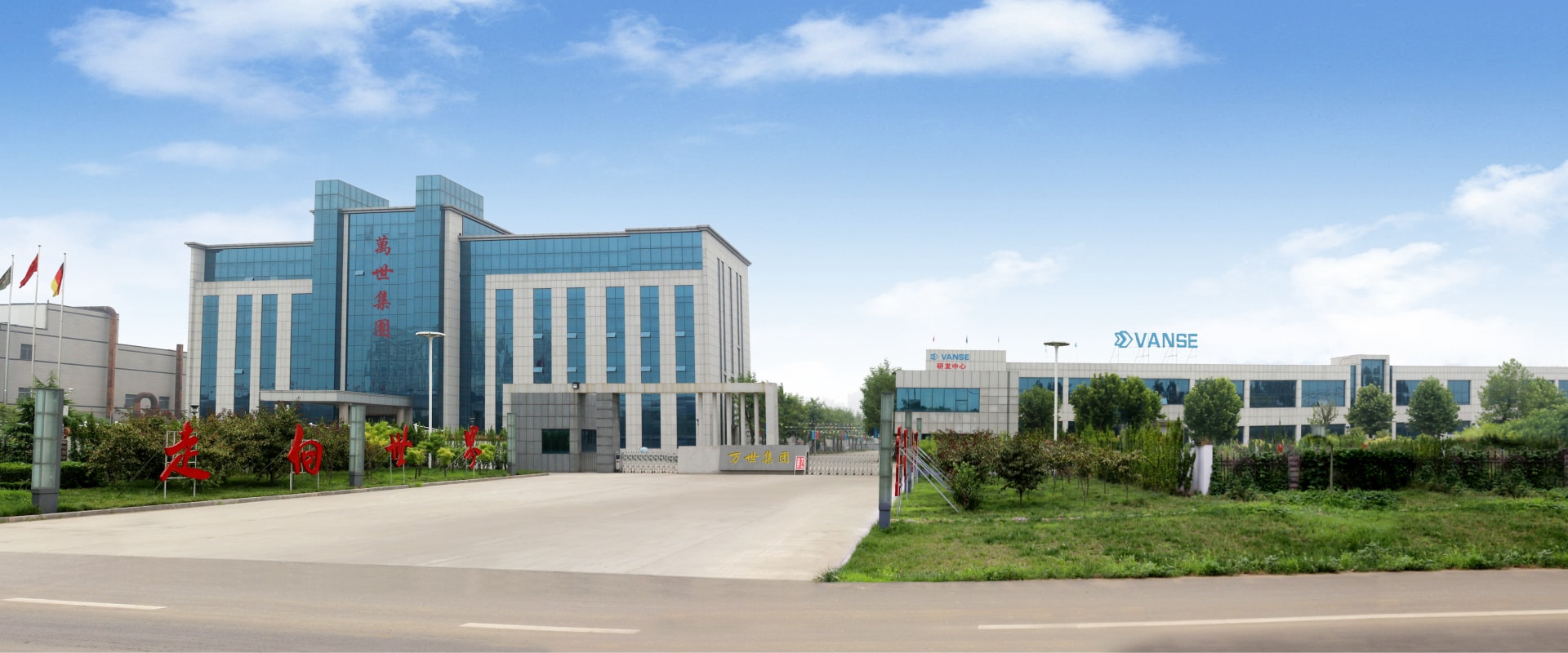
As a telehandler-focused manufacturer serving North America, VANSE Group brings more than a decade of construction machinery experience and cumulative production exceeding 8,000 units, with exports to over 40 countries including established business across North America. For U.S. buyers, the practical value lies in verifiable product fundamentals: machines are built under CE and ISO 9001-certified processes, each unit undergoes load testing, safety inspection, and performance validation before shipment, and key systems use globally recognized components such as Perkins and Cummins engines together with premium hydraulic, transmission, and axle systems that align with international durability expectations. VANSE supports multiple cooperation models for local end users, distributors, dealers, fleet owners, brand owners, and even smaller buyers through wholesale supply, retail-ready configurations, OEM and ODM manufacturing, and regional partnership programs, which is especially useful for U.S. companies looking for private-label telehandlers or market-specific specifications. The company is also strengthening local service assurance through its planned U.S. subsidiary, local inventory strategy, and localized after-sales capability, backed by both online technical support and offline service coordination so buyers are not relying on a distant export-only relationship. This long-term investment in the American market, together with factory-direct pricing and a product range centered on telehandlers and attachments, gives U.S. customers a concrete option when they want dependable material handling performance, customization flexibility, and stronger cost efficiency. Buyers can explore the broader equipment lineup, review company background on the official website, learn about lifecycle support through the service page, or discuss specifications and local cooperation through the contact channel.
How U.S. Buyers Should Evaluate Service Support
Service support is as important as the machine itself. Before buying, ask where parts inventory will be stocked, which maintenance items are expected to be locally available, and whether field service can be coordinated in your operating region. This matters even more in states where projects are spread across large distances, such as Texas, California, Arizona, and the Midwest. A telehandler that is affordable but unsupported can become expensive very quickly if a simple hose, sensor, or wear component causes a week of downtime.
Strong support also includes application guidance before delivery. For example, a distributor serving masonry contractors may need different tire selection, attachment bundles, and cab features than an agricultural dealer serving feed and dairy operations. Pre-sale support should translate your real workload into machine specification. After-sales support should include startup guidance, parts planning, troubleshooting, and operator familiarization.
FAQ
Do you need training to operate a telehandler in the United States?
Yes. Operators should be trained for the specific telehandler type and application they will use. The employer should ensure the operator understands machine controls, load charts, attachment effects, site hazards, and safe work procedures.
What is the most important rule when operating a telehandler?
The most important rule is to stay within the machine’s rated load chart for the exact attachment, height, and reach being used. Most serious stability problems begin when operators guess instead of checking the chart.
Can a telehandler be used like a forklift?
It can perform many forklift-style tasks, but it should not be treated as a warehouse forklift. Telehandlers are rough-terrain machines with different stability behavior, especially when the boom is raised or extended.
Can a telehandler lift people?
Only if the machine, attachment, and site procedure specifically allow personnel lifting. An approved work platform and the manufacturer’s instructions must be followed exactly.
What should you inspect before starting work?
Check tires, forks or attachment locks, boom condition, hoses, leaks, lights, alarms, steering, brakes, fluid levels, mirrors, seat belt, and the condition of the travel path and lift area.
How do you travel with a load safely?
Keep the boom retracted as much as possible and carry the load low while maintaining safe ground clearance. Travel slowly, avoid sharp turns, and watch for soft ground, slopes, and bystanders.
What industries in the United States use telehandlers the most?
Construction leads demand, followed by agriculture, industrial maintenance, energy, warehousing support, and some mining applications. Demand is strongest in regions with active building, logistics, or agricultural output.
Are international telehandler suppliers a realistic option for U.S. buyers?
Yes, if they can prove relevant certifications, dependable manufacturing quality, recognized components, local or regional service planning, and responsive support before and after the sale. For many buyers, this can offer a favorable balance between performance and acquisition cost.
Final Takeaway
If your goal is to understand how to operate a telehandler in the United States, the answer is straightforward: use a trained operator, inspect the machine every shift, match the attachment and load to the correct chart, verify ground conditions, and move the machine in a controlled way with the boom retracted whenever possible. From a market perspective, the U.S. continues to offer strong opportunities across construction, agriculture, industry, and logistics. For buyers, the best telehandler is not simply the tallest or cheapest model; it is the one that fits your load profile, worksite conditions, support expectations, and long-term operating plan. Whether sourced from an established domestic network or a qualified international manufacturer with real U.S. commitment, the right telehandler should improve productivity without compromising stability, service access, or operator confidence.
Complete Telescopic Handler Equipment Portfolio
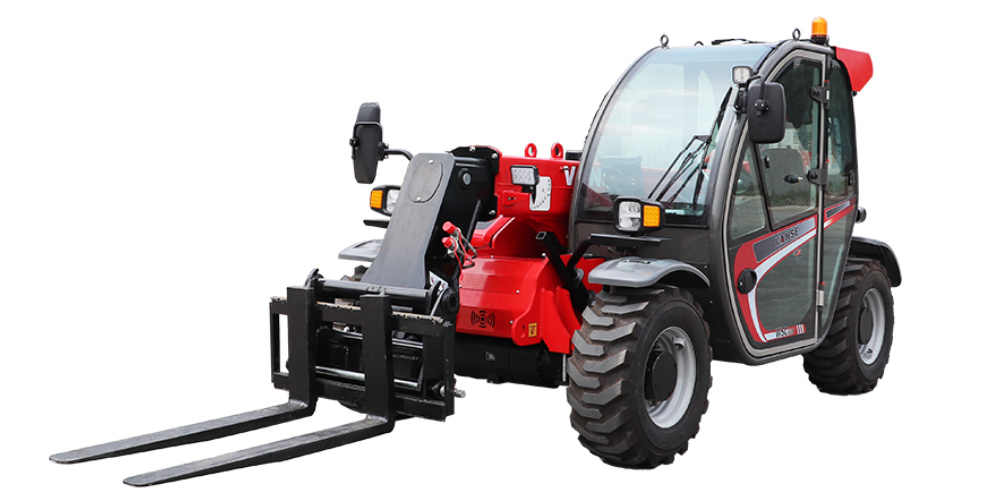
VANSE 625 6m Telescopic Handler
Designed for efficient material handling and stacking in warehouses, factories, and confined job sites, offering compact maneuverability and reliable performance.

VANSE 735 7m Telescopic Handler
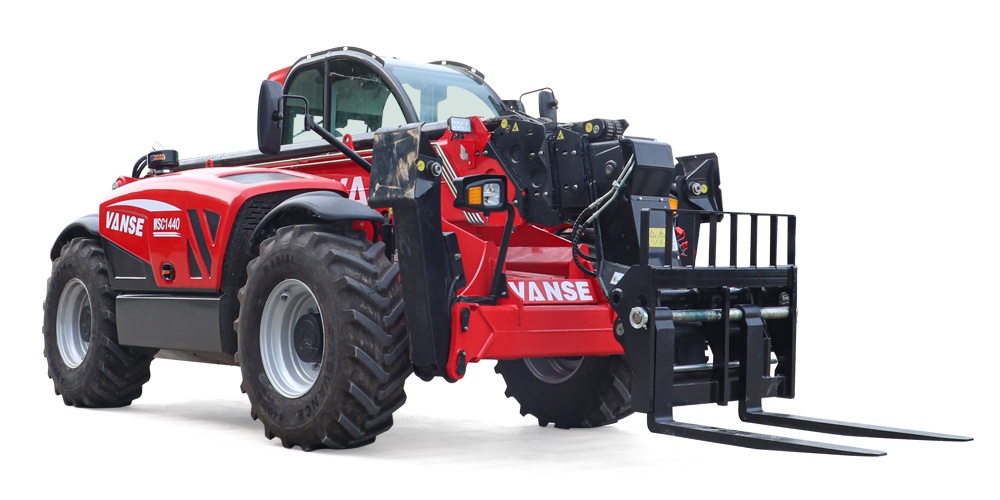
A balanced mid-duty solution for construction, agriculture, logistics, and warehousing, combining stable lifting, strong traction, and everyday versatility.


About the Author:
The VANSE team is a group of experienced professionals specializing in construction machinery research, manufacturing, and technical support. With deep industry knowledge and hands-on experience, our engineers and product specialists share practical insights on equipment selection, operation, maintenance, and industry trends.
Share
You May Also Interest
-

April 10, 2026
What Is a Telehandler? Complete Guide
Learn what a telehandler is in the United States, how it works, where it is used, and what buyers should compare before choosing a model or supplier.
-

April 9, 2026
How Does a Telehandler Work? Explained
Learn how does a telehandler work in the United States, from hydraulics and boom control to jobsite uses, buying tips, safety, suppliers, and 2026 trends.
-

April 8, 2026
How Much Does a Telehandler Cost? 2026
How much does a telehandler cost in the United States? See 2026 price ranges, supplier options, use cases, and buying tips for U.S. buyers.
-

April 6, 2026
Telehandler Load Chart: Complete Guide
Learn the telehandler load chart for United States jobsites, including capacity, reach, supplier options, safety checks, and buying tips for 2026.