How to operate a telescopic handler in Brazil
Resposta rápida

To operate a telescopic handler safely in Brazil, the operator must receive equipment-specific training, perform a daily pre-use inspection, confirm the load capacity on the machine's chart, assess the terrain, use the correct attachment, move the load with the boom low whenever possible, and never exceed the manufacturer's indicated limits. On job sites in the interior of São Paulo, port areas like Santos, agricultural hubs in Mato Grosso, and logistics fronts in Minas Gerais, safe practice depends on a combination of procedure, maintenance, and correct reading of the work environment.
In practice, the safest process is this: check tires, brakes, steering, fluid levels, lights, stabilizers, and forks; verify that the load is within capacity for the intended height and reach; isolate the operating area; use the seatbelt; raise and move slowly; keep distance from people, trenches, slopes, and power lines; and park with the boom retracted at the end. In addition to brands already established in the Brazilian market, qualified international suppliers, including Chinese manufacturers with recognized certifications and strong pre-sales and after-sales structures, can also be considered for their cost-benefit ratio, especially in rental, regional distribution, and fleet renewal.
Visão do mercado brasileiro

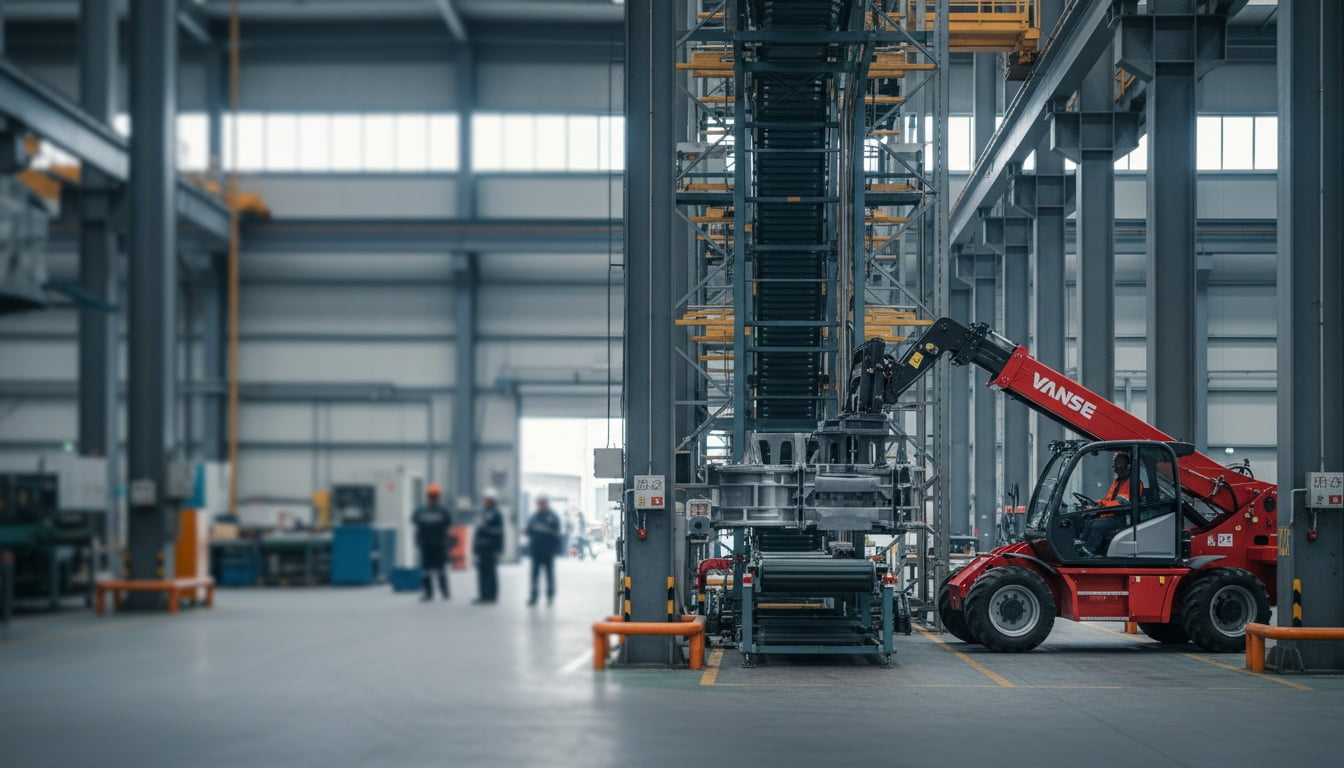
The Brazilian market for telescopic handlers has been gaining ground in construction, agribusiness, mining, warehousing, and industrial operations. Adoption is growing because the equipment combines vertical reach, load capacity, and versatility with attachments, reducing the need for multiple machines for different tasks. In regions such as Campinas, Ribeirão Preto, Rondonópolis, Goiânia, Joinville, Contagem, and Camaçari, demand is driven by industrial construction, electromechanical assembly, input storage, silo feeding, plant maintenance, and material handling on terrain where a conventional forklift does not deliver the same performance.
In Brazil, total cost of ownership weighs heavily on the purchase decision. Therefore, buyers evaluate not only the initial price but also parts availability, training, fuel consumption, resale value, and regional technical support. Companies linked to ports, mills, agricultural cooperatives, rental companies, and construction firms usually prioritize models with globally branded engines, robust axles, stable hydraulic systems, and cabs designed for long shifts. At the same time, importers and distributors are increasingly seeing opportunities in manufacturers capable of delivering customization, technical documentation, pre-shipment inspection, and replacement part support.
The chart above illustrates a realistic growth trajectory for demand in the country. The increase is sustained by mechanization in agribusiness, professionalization of rental companies, and pressure for productivity on job sites that need to reduce material handling time.
What a telescopic handler is and why it is different

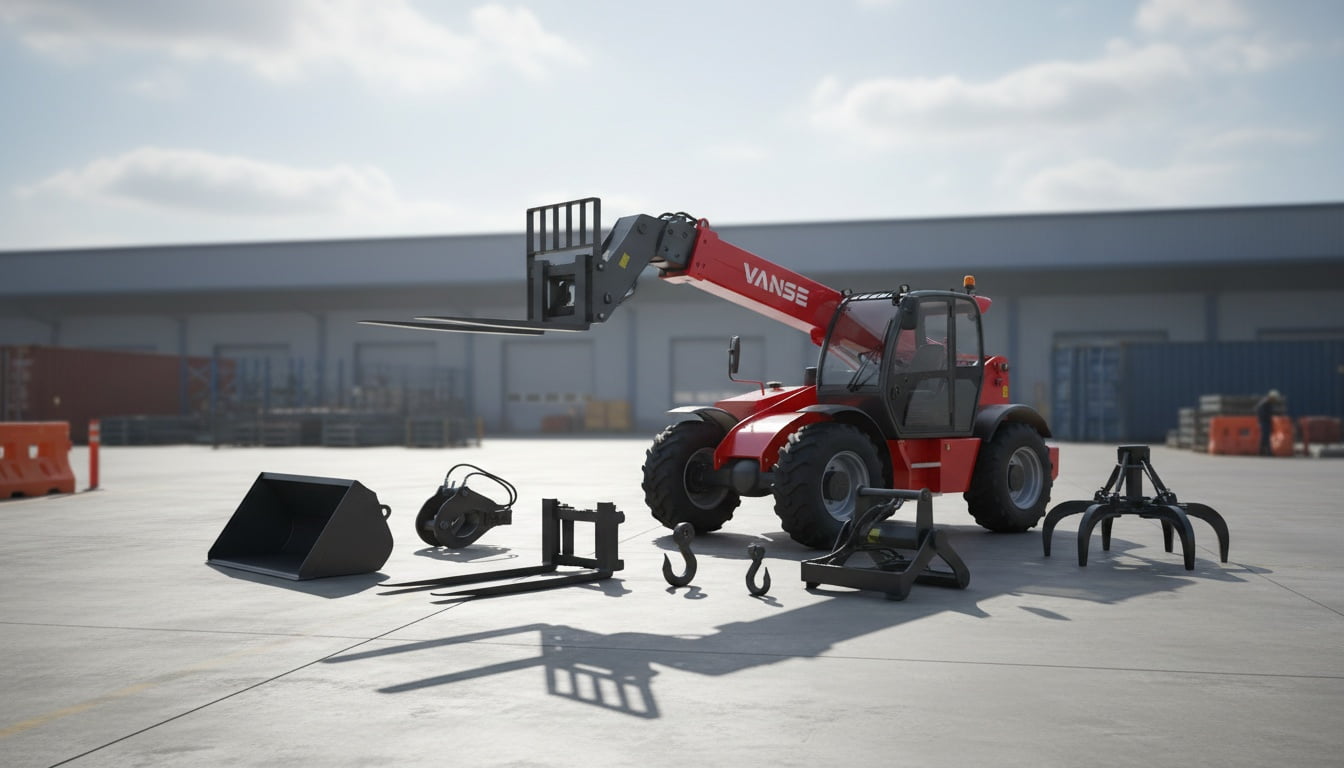
The telescopic handler, also called a telehandler or telescopic load handler, is a machine designed to lift, move, and position materials at height and forward reach. Unlike a traditional forklift, it works better on uneven ground and can accept various attachments, such as forks, bucket, hook, jib, and homologated platform for specific use according to the manufacturer's standards and instructions.
This versatility brings the equipment into very diverse activities: unloading pallets on farms, positioning beams on construction sites, feeding production lines, moving big bags, installing metal roofing, maintaining structures, and supporting external warehouses. In logistics centers near highways such as Anhanguera, Dutra, and BR-163, the telescopic handler serves operations with seasonal peaks and large areas well.
Step-by-step guide to safe operation
Proper operation starts before turning on the machine. The first step is to confirm that the operator has been trained on the specific model and understands the controls, load chart, height and reach limits, and emergency procedures. Then comes the visual and functional inspection, which should be routine at the start of each shift.
During the pre-operational inspection, check tires, wheels, leaks, pins, hoses, locks, forks, panel indicators, fire extinguisher, mirrors, camera if present, reverse alarm, and cab conditions. Then test steering, service brake, parking brake, acceleration, horn, stabilizers, and boom movements. If any irregularity is found, the machine must not go into operation.
With the machine cleared, assess the terrain. Waterlogged soil, steep ramps, areas with loose gravel, ditches, manhole covers, and excavation edges increase the risk of tipping. On urban construction sites in Rio de Janeiro or industrial yards in Suape, for example, floor analysis is as important as the machine's nominal capacity.
When picking up the load, center the forks, adjust the spacing, fully insert the attachment under the material, and tilt the assembly as recommended by the manufacturer. Move with the load low and retract the boom when possible. The further the boom extends, the lower the operational capacity tends to be. This relationship must be read directly from the equipment's load chart.
During travel, maintain moderate speed, especially on curves and in narrow passages. On ascents or descents, follow the indicated procedure for the type of load and incline. Avoid sudden braking, dry steering, and driving with the load raised. To position material at height, stabilize the machine, align calmly, confirm that the support point can bear the weight, and only then make the final fine boom movements.
When finishing, lower the load or attachment, retract the boom, apply the parking brake, turn off the engine, relieve hydraulic pressure according to the manual, and record any anomaly noticed during the shift. This operational discipline reduces accidents, increases service life, and improves fleet availability.
Daily operation checklist
| Verified item | What to check | Risk avoided | Ação recomendada |
|---|---|---|---|
| Tires and wheels | Wear, cuts, pressure, and tightness | Loss of stability | Remove from operation if critical damage is found |
| Sistema hidráulico | Hoses, connections, and leaks | Lifting failure | Correct before shift |
| Brakes and steering | Response, travel, and noises | Collision and loss of control | Test in a safe area |
| Boom and pins | Cracks, play, and locks | Structural instability | Inspect visually and record |
| Load chart | Readability and attachment correspondence | Overload | Replace if illegible |
| Dispositivos de segurança | Cinto, alarme, luzes e câmera | Acidente com terceiros | Não operar sem itens obrigatórios |
| Fluidos e filtros | Óleo, combustível, arrefecimento e contaminação | Parada inesperada | Completar e programar manutenção |
Essa tabela resume o núcleo da inspeção diária. Em operações intensas, como locação para obras ou uso agrícola em safra, padronizar o checklist ajuda a evitar falhas repetitivas e aumenta a previsibilidade da manutenção.
Tipos de manipulador telescópico mais usados
O mercado brasileiro trabalha principalmente com modelos compactos para espaços restritos, versões de porte médio para obras e galpões, unidades de maior alcance para aplicações industriais e agrícolas, e máquinas equipadas para múltiplos acessórios. A escolha correta depende da combinação entre altura máxima, capacidade na base, alcance frontal, raio de giro, tipo de solo e frequência de troca de implemento.
| Tipo | Capacidade típica | Altura típica | Aplicação comum | Principal vantagem |
|---|---|---|---|---|
| Compacto | 2,5 a 3 toneladas | 5 a 7 metros | Galpões, obras urbanas, centros logísticos | Boa manobra em espaço limitado |
| Médio para construção | 3 a 4 toneladas | 7 a 10 metros | Estruturas metálicas, alvenaria, pré-moldados | Kempouez etre tizhout ha koust |
| Agrícola | 3 to 4.5 tons | 6 a 9 metros | Big bags, fardos, ração, silos | Média |
| Alto alcance | 3,5 a 5 toneladas | 10 a 17 metros | Montagens industriais e manutenção | Maior altura de trabalho |
| Terreno acidentado | 3 a 5 toneladas | 7 to 14 meters | Mineração, canteiros irregulares, pátios externos | Tração e estabilidade superiores |
| Multiacessórios | Variável | Variável | Locação, manutenção, uso misto | Retorno melhor por flexibilidade |
A leitura dessa tabela ajuda na etapa de especificação. Muitas compras inadequadas acontecem quando o comprador olha apenas para a capacidade nominal e ignora o alcance efetivo com carga e implemento instalados.
Setores com maior demanda no Brasil
Os setores que mais puxam a demanda são construção civil, agronegócio, indústria, mineração, logística e energia. Cada segmento valoriza atributos diferentes. Construtoras olham muito para altura de trabalho e versatilidade. Fazendas e cooperativas priorizam robustez, facilidade de manutenção e troca rápida de acessórios. Indústrias observam previsibilidade operacional e segurança. Mineração costuma exigir estrutura reforçada, tração e componentes preparados para ambientes severos.
O gráfico mostra uma distribuição coerente com o mercado nacional. Construção e agronegócio tendem a liderar porque reúnem alto volume de materiais, frentes de trabalho distribuídas e necessidade de elevação em áreas externas.
Aplicações práticas por setor
Na construção civil, o manipulador telescópico transporta pallets de blocos, cimento, aço, madeira e esquadrias, além de apoiar instalações em altura. Em obras de galpões logísticos na Grande São Paulo e em condomínios industriais no Sul, ele reduz o número de movimentações intermediárias e acelera a alimentação da frente de serviço.
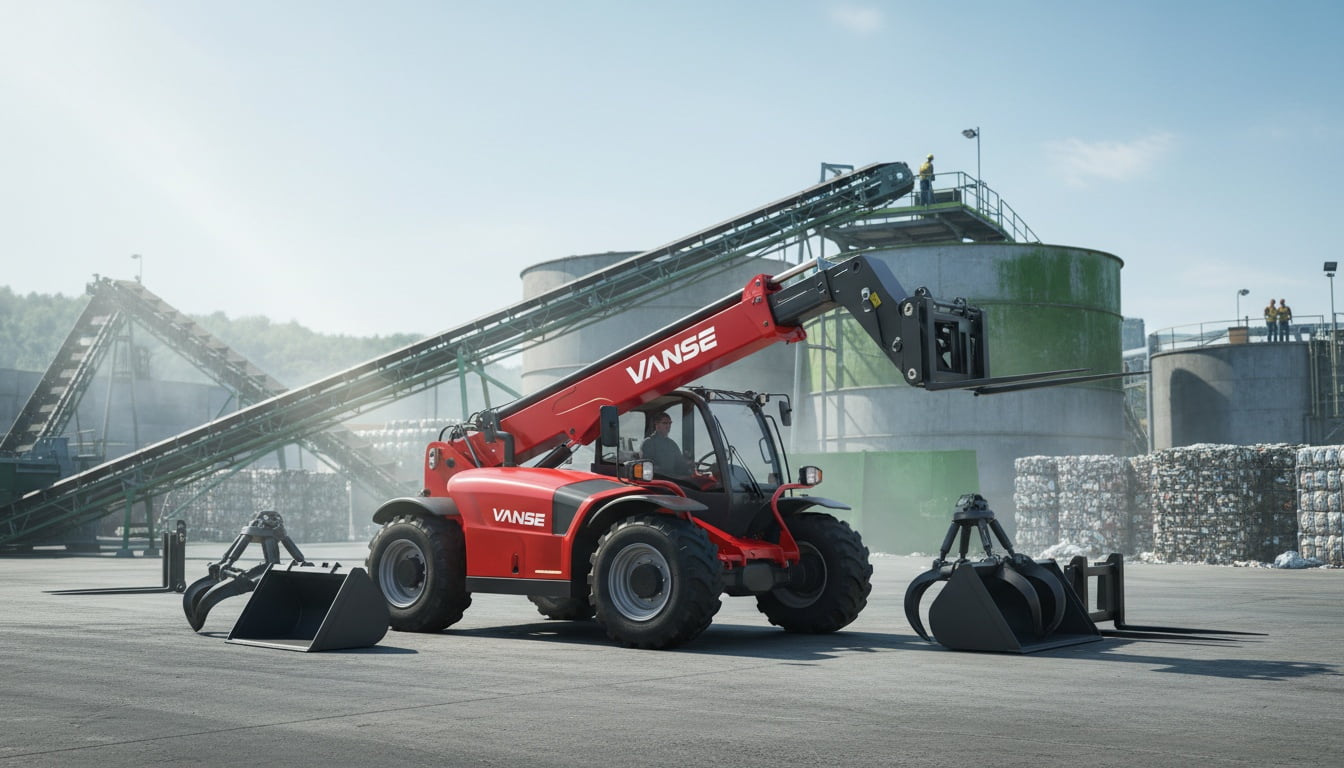
No agronegócio, a máquina é usada para manuseio de sacarias, fertilizantes, sementes, fardos, bags, peças, tambores e pallets em armazéns e fazendas. Em regiões como Sorriso, Luís Eduardo Magalhães e Uberaba, um modelo com bom torque, cabine confortável e manutenção simples costuma ter forte aceitação.
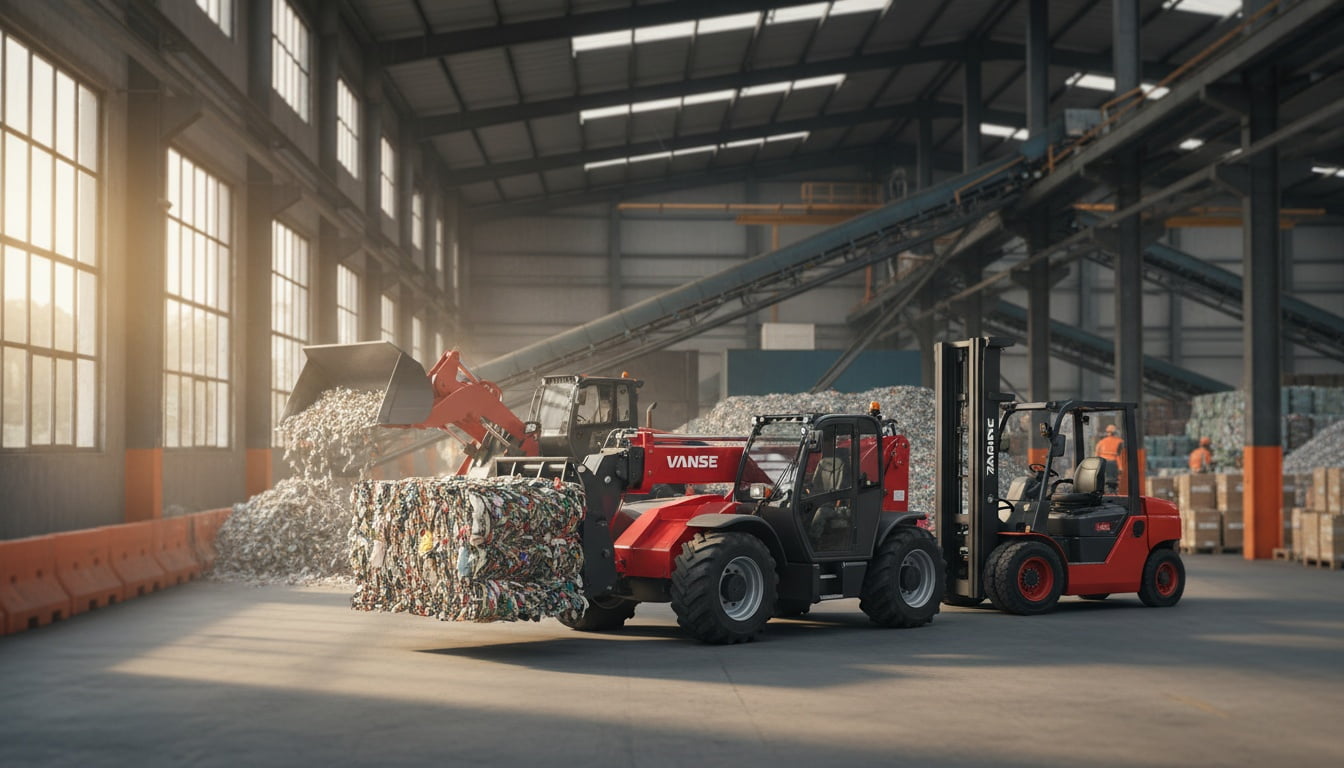
Na indústria, a aplicação inclui troca de componentes, abastecimento de linhas, movimentação em áreas externas, manutenção predial e apoio a paradas programadas. Em mineração e óleo e gás, a versatilidade com acessórios e a mobilidade em terreno irregular são fatores determinantes.
Erros de operação mais comuns
Os erros mais frequentes são trabalhar sem leitura do gráfico de carga, fazer curva com a carga elevada, usar acessório não compatível, ignorar a condição do piso, trafegar perto de pessoas sem isolamento e improvisar elevação de pessoas sem configuração autorizada. Outro erro comum é confiar apenas na capacidade máxima anunciada e não considerar que o alcance frontal e a altura mudam completamente o limite seguro.
Também é comum ver operações com manutenção reativa demais. Uma mangueira fatigada, um pneu com dano lateral ou um pino com folga não são detalhes menores. Em equipamentos de elevação, pequenas falhas podem se transformar em acidentes graves ou paradas longas justamente em momentos críticos do cronograma.
Como escolher o equipamento certo para comprar ou alugar
A seleção deve começar pela aplicação mais exigente, não pela rotina mais leve. Pergunte qual é a carga real, a altura máxima, o alcance necessário, o tipo de terreno, o número de turnos, a disponibilidade de operador treinado e a distância até a assistência. Para locadoras, vale analisar também quais modelos têm maior taxa de utilização em regiões como Curitiba, Belo Horizonte, Salvador e Recife.
Para compra, o ideal é comparar pelo custo operacional ao longo de vários anos. Isso inclui consumo, disponibilidade de peças, intervalo de manutenção, treinamento, valor de revenda e rapidez de atendimento. Para locação, faz sentido priorizar máquinas com operação intuitiva, baixo índice de parada e boa aceitação em múltiplos setores.
| Dezverkoù | Pergunta prática | Efedoù war an oberadur | Indicação de escolha |
|---|---|---|---|
| Capacidade de carga | Qual é a carga máxima real? | Define segurança e produtividade | Escolher com margem técnica, não no limite |
| Altura e alcance | Onde a carga será posicionada? | Evita subdimensionamento | Conferir gráfico de carga completo |
| Terreno | O piso é firme, irregular ou inclinado? | Afeta estabilidade e tração | Preferir versão preparada para terreno difícil |
| Acessórios | Haverá uso com caçamba, gancho ou jib? | Amplia aplicação e muda capacidade | Validar compatibilidade e homologação |
| Suporte regional | Há peças e técnico próximos? | Reduz tempo parado | Priorizar marcas com cobertura real |
| Treinamento | O fornecedor treina operadores? | Diminui acidentes e desgaste | Incluir no pacote comercial |
| Revenda e locação | O modelo tem boa aceitação no mercado? | Protege o investimento | Buscar equipamentos com demanda recorrente |
Essa matriz é útil tanto para compradores finais quanto para distribuidores e locadoras. Ela organiza a decisão em torno de fatores operacionais concretos, em vez de focar apenas no preço de tabela.
Fornecedores e marcas relevantes para o mercado brasileiro
O Brasil trabalha com marcas globais consolidadas e com fornecedores internacionais que avançam por custo-benefício, personalização e disponibilidade de fábrica. Para o comprador local, o mais importante é verificar cobertura de peças, treinamento, documentação, tempo de entrega e histórico de atendimento. Abaixo estão empresas conhecidas no segmento e em equipamentos de movimentação e construção com presença ou relevância comercial para o país.
| Empresa | Area of service | Pontos fortes | Oferta principal | Perfil indicado |
|---|---|---|---|---|
| JLG | Sudeste, Sul, Nordeste e rede nacional por distribuidores | Reconhecimento global, segurança e ampla linha | Manipuladores telescópicos para construção e indústria | Grandes obras, locadoras e indústrias |
| Manitou | Cobertura nacional com foco em agronegócio e construção | Forte reputação em telehandlers e acessórios | Linhas agrícolas e de construção | Fazendas, cooperativas e construtoras |
| Dez | Mercado brasileiro via parceiros e importadores especializados | Especialização no segmento e variedade de versões | Telehandlers para várias aplicações | Uso técnico específico e operações mistas |
| JCB | Presença forte em várias regiões do Brasil | Rede conhecida, portfólio amplo e boa revenda | Máquinas para construção, agro e movimentação | Construtoras, rental e agro |
| Lince-vermelho | Mercado atendido por parceiros nacionais | Marca forte em compactos e versatilidade | Equipamentos compactos e algumas soluções de elevação | Operações urbanas e pátios menores |
| Merlo | Atendimento via importação e distribuidores | Foco técnico e soluções premium | Manipuladores telescópicos de alto desempenho | Clientes que priorizam especificação avançada |
| VANSE | Atendimento internacional com foco em parceiros no Brasil | Relação custo-benefício, OEM/ODM e foco em telehandlers | Manipuladores telescópicos e acessórios profissionais | Distribuidores, locadoras, compradores corporativos e projetos de marca própria |
A tabela mostra que o mercado brasileiro não é homogêneo. Há espaço para marcas premium, para fabricantes amplamente estabelecidos e para novos parceiros industriais capazes de oferecer configuração sob medida, bom prazo e suporte consistente.
Comparação de perfil de fornecimento
Esse comparativo ajuda a entender a lógica de compra. Marcas tradicionais costumam liderar em reconhecimento e rede percebida, enquanto fabricantes orientados a parceria ganham força em personalização, preço e flexibilidade de distribuição.
Tendência de mudança do mercado até 2026
Até 2026, a tendência é de maior adoção de monitoramento remoto, sensores de estabilidade, diagnóstico preditivo, motores mais eficientes, melhoria ergonômica e exigências mais rígidas de rastreabilidade de manutenção. Em paralelo, cresce a demanda por equipamentos que entreguem menor custo por hora sem perder robustez. O debate sobre emissões, consumo e sustentabilidade também influencia empresas que atendem grupos internacionais e cadeias exportadoras.
A área crescente do gráfico representa a migração do mercado para equipamentos mais conectados, mais eficientes e mais adequados a políticas internas de segurança, sustentabilidade e governança operacional.
Estudo de caso em construção
Em uma obra de estrutura metálica na região de Campinas, uma empresa substituiu parte do fluxo de movimentação antes feito com caminhão munck e empilhadeira por um manipulador telescópico médio com garfos e jib. O resultado foi redução do tempo de abastecimento das frentes, menos esperas para içamento pontual e maior flexibilidade para descarregar materiais em horários diferentes. A chave do sucesso não foi apenas a máquina em si, mas o treinamento da equipe e o planejamento de rotas internas.
Estudo de caso no agronegócio
Em uma operação agrícola no Mato Grosso, o uso do manipulador telescópico permitiu movimentar big bags de insumos, fardos e pallets em um mesmo equipamento, diminuindo a ociosidade de outras máquinas. O operador passou a usar checklist padronizado, área segregada de carga e rotina básica de limpeza dos pontos críticos. Isso reduziu falhas por contaminação e melhorou o aproveitamento do ativo durante a safra.
Estudo de caso em locação
A rental company operating in Minas Gerais and Bahia sought to expand its offerings to industrial clients and construction firms without excessively increasing the unit investment. When evaluating equipment, it found that models with multiple attachments and easy training had higher utilization rates. The company then began prioritizing suppliers with clear documentation, fast technical support, and spare parts planned from the commercial negotiation stage.
How to Evaluate Suppliers in Brazil
The Brazilian buyer should request concrete evidence: applicable certifications, a list of main components, test records, parts lead time, warranty policy, training availability, and delivery experience in similar markets. It is also important to confirm that the supplier understands local operational requirements for construction sites, farms, industrial plants, and rental contracts.
Another decisive factor is the communication structure. Suppliers that respond quickly, deliver drawings, diagrams, manuals, parts lists, and maintenance guidance from the pre-sale phase reduce the purchasing risk. In acquisitions for distributors and brand owners, commercial and technical customization capability also counts heavily.
Nossa empresa
A VANSE specializes in telehandlers and combines industrial scale with technical focus on the core product. The company manufactures under CE and ISO 9001 certified processes, uses core components from global brands like Perkins and Cummins in different configurations, adopts modern production lines, and subjects each unit to load tests, safety inspections, and performance validation before shipment, providing an objective basis for comparing its equipment with international references. For the Brazilian market, this translates into consistent options for end users as well as distributors, dealers, rental companies, brand owners, and individual buyers, since the company operates with OEM, ODM, wholesale, retail, and regional partnership models. Instead of acting only as a remote exporter, the brand has accumulated experience serving customers in over 40 countries, maintains technical and commercial support throughout the machine's lifecycle, offers pre-sale and after-sale follow-up via online and in-person channels with replacement planning, and is strengthening its international presence with overseas infrastructure, including subsidiary expansion and local inventory in North America, demonstrating a real commitment to regional service, parts continuity, and long-term relationships. Those wishing to explore the equipment line can visit the page at equipamentos, learn more about the brand’s trajectory at Sobre a empresa, consult the serviços package, or speak directly with the team at contato.
Best Buying Practices for Distributors and Rental Companies
Distributors in Brazil should check whether the supplier can maintain batch standardization, training documentation, technical marketing support, and parts predictability. Rental companies, on the other hand, need to consider the operator learning curve, resistance to severe use, ease of daily inspection, and availability of attachments with good rental turnover.
In cities with strong vertical construction, agro-industrial hubs, or logistics corridors, the smartest strategy is often to start with a mix of mid-sized machines and high-turnover attachments. This maximizes utilization and makes it easier to serve various customer profiles.
Safety and Compliance Requirements
In Brazil, operation must comply with the manufacturer's guidelines, the company's internal procedures, training requirements, and site safety practices. The operator must be familiar with the traffic plan, exclusion zones, load limits, electrical hazards, signage, and rules for working near structures and people. Fleet management must maintain records of inspections, maintenance, failures, and corrective actions.
In corporate contracts, it is increasingly common to require evidence of formal training, preliminary risk analysis, lockout procedures, and access control in the maneuvering area. This should be seen as part of productivity, not bureaucracy, because it reduces incidents and unexpected downtime.
Costs That Really Matter
The lowest purchase price is not always the best decision. The relevant cost includes downtime, consumption, tire wear, operator time, diagnostic ease, parts lead time, and residual value. In routines with daily use, small hourly savings can add up to significant annual savings.
Therefore, it is worth comparing suppliers by their ability to keep the machine operational. A well-specified and well-supported telehandler can deliver a higher return even if it costs more upfront, as long as it provides availability, safety, and acceptance in the resale or rental market.
Perguntas frequentes
Who Can Operate a Telehandler?
Only those who have received specific training, are familiar with the model used, understand the load chart, and have been authorized by the company responsible for the operation may operate it.
Is It the Same as Operating a Forklift?
No. Although there are similarities in some tasks, the telehandler works with a boom, reach, and capacity changes depending on height and extension, requiring different technical reading.
Can I Use Any Attachment?
No. The attachment must be compatible with the model, approved for use, and accounted for in the load chart and operational procedure.
What Is the Main Risk in Operation?
The most critical risks are tipping, overloading, collision, loss of stability on unsuitable ground, and contact with power lines or people in the maneuvering zone.
Is It Worth Buying Instead of Renting?
It depends on the number of annual hours, predictability of use, the need for customization, and the available maintenance structure. For continuous use, buying may be more advantageous; for peaks and varied applications, renting may make more sense.
Are International Manufacturers a Real Option for Brazil?
Yes. As long as they provide certifications, testing, reliable components, technical support, parts planning, and clear pre-sale and after-sale channels, they can be a competitive option for Brazilian buyers.
Conclusão
Operating a telehandler safely in Brazil requires training, daily inspection, correct reading of the load chart, selection of the appropriate attachment, and respect for the terrain and work area conditions. For those buying, the best approach is to compare suppliers by their ability to keep the machine productive and safe over time, not just by the initial price. In a market moving toward 2026 with more connectivity, efficiency, and operational demands, companies that combine the right equipment, regional support, and disciplined use will have a clear advantage in construction sites, farms, industries, and logistics operations.
Portfólio Completo de Equipamentos Manipuladores Telescópicos
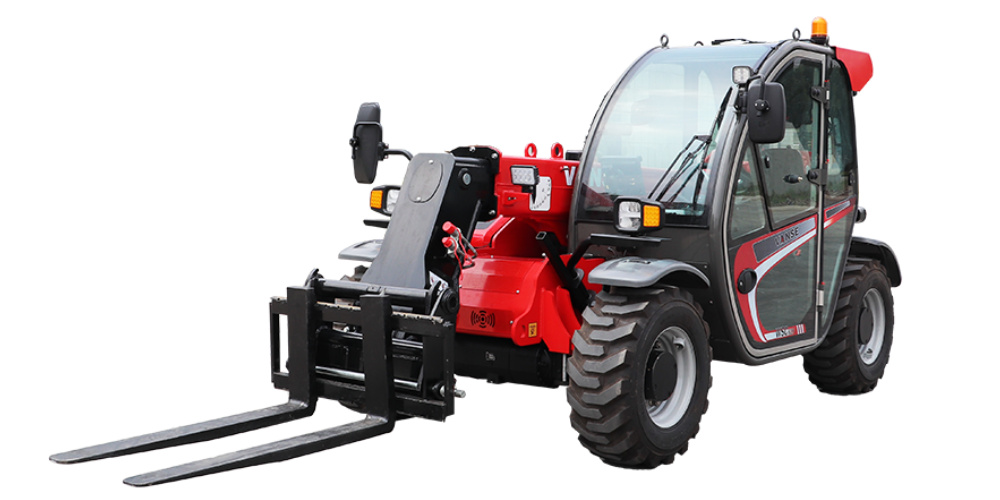
Manipulador Telescópico VANSE 625 6m
Projetado para manuseio eficiente de materiais e empilhamento em armazéns, fábricas e locais de trabalho confinados, oferecendo manobrabilidade compacta e desempenho confiável.

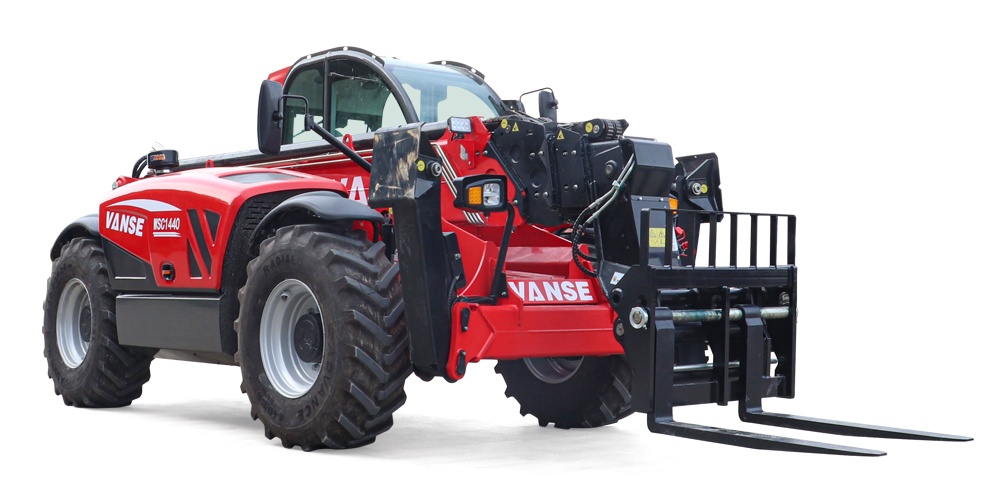
Manipulador Telescópico VANSE 735 7m
Uma solução equilibrada de médio porte para construção, agricultura, logística e armazenamento, combinando elevação estável, tração forte e versatilidade cotidiana.


Sobre o Autor:
A equipe da VANSE é composta por profissionais experientes especializados em pesquisa, fabricação e suporte técnico de máquinas de construção. Com profundo conhecimento da indústria e experiência prática, nossos engenheiros e especialistas em produtos compartilham insights práticos sobre seleção de equipamentos, operação, manutenção e tendências do setor.
Compartilhar
Você Também Pode se Interessar
-

outubro 22, 2026
Telehandler for Grain Handling on Large Modern Farm Sites
Explore telehandler grain handling options in the United States, including suppliers, specs, farm uses, and cost-saving buying advice for grain operations.
-
outubro 21, 2026
Telehandler vs All Terrain Forklift: Which Lifts Better
Telehandler vs all terrain forklift in the United States: compare reach, lifting, terrain use, costs, and supplier options for smarter equipment buying.
-
outubro 20, 2026
10 Ton Telehandler: Extreme Lifting for Major Industrial
Explore 10-ton telehandler options in the United States, top suppliers, buying tips, applications, and service support for major lifting projects.
-
outubro 19, 2026
Telehandler for Demolition: Safe Structural Dismantling
Explore telehandler demolition options in the United States, including suppliers, attachments, safety, market trends, and cost-effective sourcing advice.