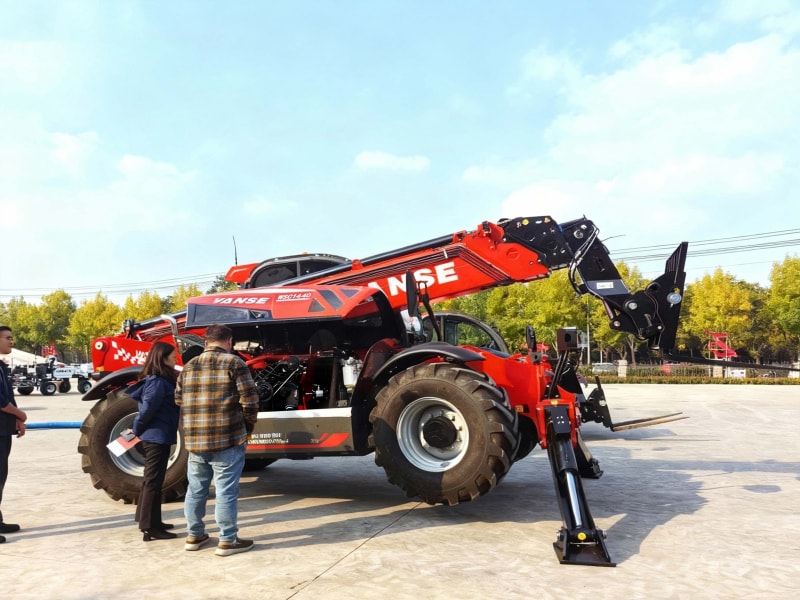
Telehandler for Framing in the United States
Quick Answer

If you need a telehandler for framing in the United States, the best fit usually depends on lift height, fork capacity, site access, and dealer support. For wood framing, multifamily construction, and commercial shell work, contractors commonly shortlist JLG, SkyTrak, Genie, JCB, Bobcat, and Manitou because these brands have strong dealer networks, familiar controls, and broad attachment support across major markets such as Dallas, Houston, Atlanta, Chicago, Phoenix, Los Angeles, and Charlotte. For many framing crews, 5,500 lb to 10,000 lb class machines with lift heights around 19 ft to 56 ft are the most practical choices because they can place wall packs, roof trusses, sheathing bundles, pallets of lumber, and jobsite materials without oversizing the machine.
For quick buying action, focus on these suppliers: JLG Industries, SkyTrak, Genie, JCB North America, Bobcat Company, and Manitou North America. They are widely used in the United States and offer proven support for construction fleets. Qualified international suppliers can also be worth considering when they provide recognized certifications, established component brands, clear parts planning, and responsive pre-sales and after-sales support in the United States, especially when cost-performance is a priority for contractors, rental companies, distributors, and growing regional fleets.
Why Framing Contractors in the United States Use Telehandlers

Framing crews use telehandlers because framing is fast, repetitive, and highly dependent on reliable material placement. A telehandler can unload lumber packs, move prefabricated wall sections, elevate trusses, place scaffold materials, and shuttle pallets around tight residential or mixed-use sites. In busy metro areas such as Denver, Nashville, Tampa, Seattle, and Austin, labor efficiency matters as much as machine capability. Instead of relying on cranes for every lift or manually staging materials multiple times, framing contractors use telescopic handlers to reduce touchpoints and keep crews building.
In the United States, telehandlers also fit the way modern framing projects are sequenced. A machine may unload a flatbed in the morning, move sheathing to upper decks at noon, and support roofing or facade staging later in the day. This versatility matters on suburban housing developments, urban infill projects, warehouse expansions, and light commercial builds near logistics hubs such as Savannah, Houston, Long Beach, and Newark, where schedule compression and site congestion are common.
United States Market Overview

The United States remains one of the strongest telehandler markets in the world because of continuous activity in residential construction, industrial expansion, infrastructure work, and large rental fleet demand. Framing applications benefit especially from growth in single-family housing, multifamily mid-rise projects, schools, healthcare facilities, distribution centers, and mixed-use developments. Demand patterns vary by region. The Southeast often sees steady multifamily and suburban growth, Texas remains active in residential and industrial construction, the Midwest supports warehouse and agricultural crossover demand, and the West Coast has stronger equipment requirements around urban access, emissions regulation, and dense project scheduling.
Rental companies play a major role in this market, but direct ownership is also common for framing specialists, general contractors, lumber yards with delivery services, and large subcontractors. Buyers in the United States increasingly compare not only lift performance but also total cost of ownership, technician availability, telematics integration, financing, fuel efficiency, and future resale value.
The line chart above illustrates a realistic demand index trend for the United States market. The upward slope reflects a combination of replacement purchases, rental fleet refresh cycles, and broader use of telehandlers in framing, material staging, and light industrial construction. For buyers, this means dealer inventories can tighten seasonally, especially before spring and summer building peaks.
Leading Suppliers for Framing Use in the United States
The supplier landscape in the United States includes established domestic and international brands with extensive dealer footprints, plus value-oriented manufacturers seeking stronger local penetration. The table below gives a practical supplier view for framing-related applications.
| Company | Primary U.S. Service Region | Core Strengths | Key Offerings for Framing | Best Fit Buyer Type |
|---|---|---|---|---|
| JLG Industries | Nationwide, especially strong in large metro and rental markets | Strong dealer network, familiar controls, broad parts support | High-capacity telehandlers, framing forks, truss booms, work platforms | Large contractors, rental fleets, commercial builders |
| SkyTrak | Nationwide with deep construction market recognition | Widely adopted on jobsites, straightforward operation, strong resale value | Common framing models in residential and commercial construction | Framing contractors, general contractors, rental houses |
| Genie | Nationwide, with strong dealer presence in urban markets | Reliable performance, good rental acceptance, attachment flexibility | Telehandlers for material placement, truss lifting, deck supply movement | Rental fleets, multifamily builders, industrial contractors |
| JCB North America | Strong in South, Midwest, and dealer-led regional markets | Broad machine lineup, brand recognition, construction-focused engineering | Compact and mid-size telehandlers for framing and site logistics | Regional contractors, owner-operators, dealer buyers |
| Bobcat Company | Nationwide with dense compact equipment dealer network | Brand familiarity, compact equipment crossover, local dealer access | Telehandlers suited for lighter framing and general site handling | Smaller contractors, mixed fleets, local builders |
| Manitou North America | Nationwide with concentration in construction and agriculture overlap zones | Versatile product range, strong attachment compatibility | Telehandlers for framing, material staging, and rough terrain handling | Construction firms, agriculture-construction hybrids, rental users |
| Merlo America | Selective U.S. coverage through distributor channels | Specialized telehandler expertise, advanced features on some models | Rotating and fixed telehandlers for advanced placement tasks | Specialty contractors, niche equipment buyers |
This table is useful because it separates brand visibility from practical fit. A framing contractor in Phoenix may prioritize quick mobile service and attachment access, while a rental fleet in New Jersey may put more weight on utilization rates, operator familiarity, and resale performance.
Product Types for Framing Work
Not every telehandler is ideal for framing. The right machine class depends on structure height, lot width, ground conditions, pallet weights, and how often the machine must travel under power while loaded. Residential tract builders often prefer compact or mid-size fixed boom models. Multifamily and commercial shell crews may need higher reach and stronger stabilizing geometry. Rotating telehandlers can be useful on dense sites, but they are usually more specialized and expensive than standard framing fleets require.
| Product Type | Typical Lift Capacity | Typical Lift Height | Main Framing Use | Advantages | Considerations |
|---|---|---|---|---|---|
| Compact fixed telehandler | 5,000-6,000 lb | 15-20 ft | Tight residential lots, low-rise framing | Easy transport, lower cost, better access | Limited reach for taller multifamily work |
| Mid-size fixed telehandler | 6,000-8,000 lb | 19-44 ft | General framing, wall packs, lumber bundles | Versatile and widely accepted in rental fleets | Needs adequate turning space on compact urban sites |
| High-reach fixed telehandler | 8,000-12,000 lb | 44-56 ft | Multistory framing, roof truss placement, commercial builds | Strong vertical reach and payload flexibility | Higher purchase and transport cost |
| Rotating telehandler | 8,000-13,000 lb | 50-80 ft | Complex sites, facade work, confined urban projects | Greater placement precision, crane-like utility | Higher training and maintenance demands |
| Rental fleet standard unit | 6,000-10,000 lb | 36-55 ft | Mixed framing and general construction | Easy availability and interchangeable attachments | May not be optimized for every framing workflow |
| Custom OEM or ODM configuration | Varies | Varies | Private label or fleet-specific framing needs | Can match regional demand and branding strategy | Requires planning for parts and training |
The product categories above matter because framing is not a single-use application. A contractor building three-story apartments in Charlotte needs different reach and pallet control than a wood-framing crew doing suburban homes outside Columbus. Matching machine class to job type is one of the most important buying decisions.
Buying Advice for U.S. Contractors and Rental Companies
Start with actual materials handled per day. Many buyers overestimate required capacity and underestimate attachment needs. Framing jobs often involve repeated handling of lumber packs, truss bundles, sheathing pallets, scaffold components, and waste bins. A well-matched 6,000 lb or 8,000 lb machine may outperform a larger unit simply because it moves faster, fits the site, and costs less to own.
Dealer support should be evaluated by branch density, field technician response, parts fill rate, and service turnaround during peak season. In the United States, downtime in framing can ripple through multiple subcontractors, delaying roofing, MEP rough-ins, and inspections. Buyers should also ask about operator visibility, joystick layout, attachment hydraulic compatibility, and maintenance access. If the machine will work in coastal markets such as Miami, Charleston, or Los Angeles, corrosion resistance and paint quality are practical concerns rather than cosmetic ones.
Another important factor is transportation. A telehandler that looks ideal on paper may create permit or trailer complications. Contractors moving machines between subdivisions or between ports and inland distribution points should confirm travel dimensions, axle loading, and tie-down requirements before purchase.
Industry Demand by End-Use Segment
The United States market for telehandlers in framing is influenced by several downstream industries. Residential construction remains the largest driver, but warehouse, logistics, education, and light industrial construction also shape buying behavior. The chart below compares realistic demand levels by segment.
This bar chart shows why product planning for framing telehandlers should not be limited to homebuilding alone. Warehouse and light commercial projects often use the same machine classes as framing jobs, which helps improve fleet utilization for owners and rental companies.
Applications on the Jobsite
A telehandler for framing serves far more than one lifting function. Contractors in the United States commonly use it for unloading lumber shipments from flatbeds, staging engineered wood products, hoisting roof trusses, moving scaffold sections, elevating drywall and insulation pallets, and repositioning debris containers. In multifamily construction, telehandlers can support a rolling workfront where framing, exterior sheathing, and roof preparation happen almost simultaneously.
On denser urban projects in places such as Boston, San Diego, and Washington, D.C., telehandlers also support site logistics by moving bundled materials from curbside laydown areas to internal staging zones. On broader suburban developments around Orlando, Raleigh, or Salt Lake City, the same type of machine may travel between several building pads in a single shift. This mobility is why telehandlers remain central to framing productivity.
Trend Shift Toward Efficiency and Smarter Fleet Use
Fleet management in the United States has become more data-driven. Buyers are using telematics, operator utilization records, maintenance scheduling, and rental-versus-buy comparisons more aggressively than before. The area chart below illustrates a realistic trend shift from purely capacity-based buying toward efficiency-based purchasing.
The chart helps explain why telehandler selection is changing. Contractors increasingly want lower idle time, easier service planning, and better machine deployment across multiple projects rather than simply buying the largest machine available.
Case Studies from U.S. Framing Scenarios
Consider a residential builder in the Dallas-Fort Worth area running repeated starts across several subdivisions. A mid-size telehandler with framing forks and a truss boom can unload material packages at one site, place second-floor decking bundles at another, and return for afternoon staging without needing a dedicated crane. The machine earns value through mobility and repeatability.
In a Charlotte multifamily build, a higher-reach telehandler may become the backbone of daily framing production. It can place wall panels, move palletized material to upper decks, and support roof framing phases. The contractor values service response and attachment availability because any machine stoppage delays several trades.
On a warehouse shell project near Inland Empire logistics corridors, a telehandler may handle framing-related steel support materials, insulation packs, and general site distribution. In this environment, visibility, travel speed, and durable powertrain components become especially important because the machine operates long hours on rough terrain.
Detailed Supplier Comparison
The next table compares suppliers from a framing buyer’s perspective. It is not a brand ranking for every use case, but a practical comparison of positioning in the United States market.
| Supplier | Typical Strength in U.S. Market | Service Coverage | Attachment Ecosystem | Value Position | Common Buyer Priority |
|---|---|---|---|---|---|
| JLG Industries | Rental and contractor mainstream acceptance | Very strong nationwide | Very broad | Premium mainstream | Support reliability and fleet standardization |
| SkyTrak | Strong brand recognition in construction | Very strong nationwide | Broad | Premium mainstream | Operator familiarity and resale |
| Genie | Well-established in access and telehandler channels | Strong nationwide | Broad | Upper mid to premium | Mixed fleet flexibility |
| JCB North America | Construction-oriented product image | Strong regional dealer coverage | Good | Mid to premium | Balanced performance and brand support |
| Bobcat Company | Dealer familiarity from compact equipment lines | Strong nationwide | Good | Mid-market | Local dealer relationship |
| Manitou North America | Versatility across construction and agriculture | Moderate to strong | Good | Mid-market | Multi-industry fleet use |
| Emerging international suppliers | Cost-performance and customization potential | Varies by local setup | Depends on configuration | Value-focused | Price sensitivity and private label plans |
This comparison matters because U.S. buyers often evaluate machines through ownership strategy. A rental fleet wants standardization and high utilization. A regional framing contractor may prioritize purchase price, quick field service, and compatibility with its existing trailers and operator habits.
Comparison Chart for Supplier Decision Factors
The comparison chart highlights a common market reality. Established U.S. brands tend to lead in local dealer density and resale confidence, while qualified international suppliers can offer stronger customization and cost-performance. For some buyers, especially distributors or private-label equipment companies, that trade-off is commercially attractive.
Buying Checklist for Framing Telehandlers
| Checklist Item | Why It Matters | What to Ask the Supplier | Typical U.S. Buyer Impact |
|---|---|---|---|
| Lift capacity and height | Must match actual framing materials and structure height | Can this model handle our heaviest wall, truss, and sheathing loads? | Prevents underbuying or expensive overspec |
| Attachment compatibility | Framing often requires forks, buckets, hooks, and booms | Which attachments are stocked locally? | Improves machine utilization |
| Service response | Downtime delays multiple trades | What is your average field technician response time? | Direct effect on schedule reliability |
| Parts availability | Fast-moving wear parts are critical during peak season | Where are filters, seals, hoses, and sensors stocked? | Reduces idle days and rental substitution costs |
| Transport dimensions | Machine movement affects operating cost | What trailer class and permits are needed? | Controls relocation cost between sites |
| Operator training | Safer use and better productivity | Do you provide startup training and safety materials? | Supports compliance and lower damage rates |
| Warranty and support model | Clarifies risk allocation | Who handles warranty claims locally? | Important for first-time buyers and dealers |
This checklist translates procurement theory into jobsite risk control. For a framing contractor, the best machine is the one that can keep working during the busiest phase of the build, not simply the one with the most impressive brochure specifications.
Local Supplier Considerations by Region
In the United States, regional buying conditions are different enough that supplier selection should reflect local realities. In the Southeast, builders may need fast support for broad suburban developments spread across multiple counties. In the Northeast, tighter urban sites and delivery restrictions may favor more compact models or stronger logistics planning. Texas and the Mountain West often reward versatile rough-terrain machines with long operating hours, while the Pacific Coast can place more weight on emissions pathways, congestion, and dealer responsiveness around ports and urban belts.
That is why buyers should compare not only national brands but also the local branch structure behind them. A strong machine with weak field support in your state may create more cost than value.
Industries That Commonly Buy Framing Telehandlers
| Industry | How the Telehandler Is Used | Typical Machine Preference | Purchase or Rental Pattern | Important Decision Factor |
|---|---|---|---|---|
| Residential homebuilding | Lumber unloading, roof truss placement, deck material supply | Compact to mid-size fixed boom | Mix of owned and rented | Mobility between lots |
| Multifamily construction | Upper-level pallet placement, framing support, facade staging | Mid-size to high-reach fixed boom | Often owned by larger contractors | Reach and uptime |
| Warehouse and logistics construction | Material staging, steel and envelope support, rough terrain movement | Mid-size to high-reach | Owned or long-term rental | Durability over long shifts |
| Light commercial building | General site logistics, roofing and framing support | Mid-size fixed boom | Rental-heavy | Attachment flexibility |
| Agricultural building construction | Pole barn and steel building material handling | Mid-size telehandler | Often owned | Cross-use on farm or yard |
| Equipment rental | Mixed customer demand across framing and general construction | Standardized 6,000-10,000 lb classes | Fleet ownership | Utilization and resale |
This table is helpful because it shows where framing telehandlers create value outside pure residential framing. A buyer can justify ownership more easily if the same machine can be deployed across multiple project categories during seasonal demand shifts.
Our Company
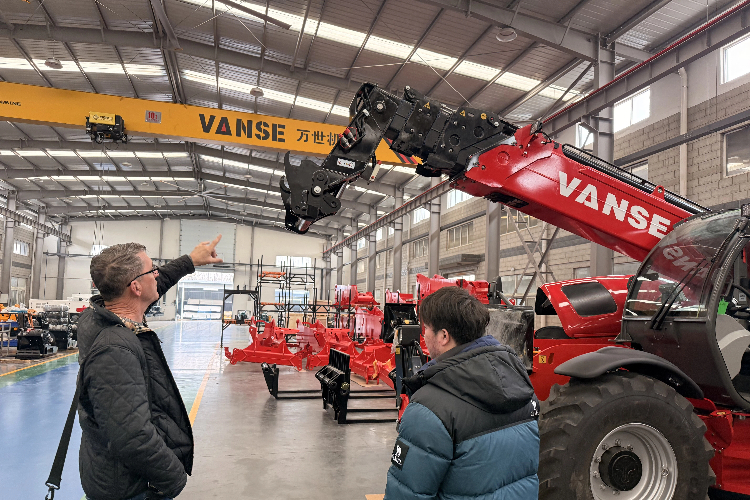
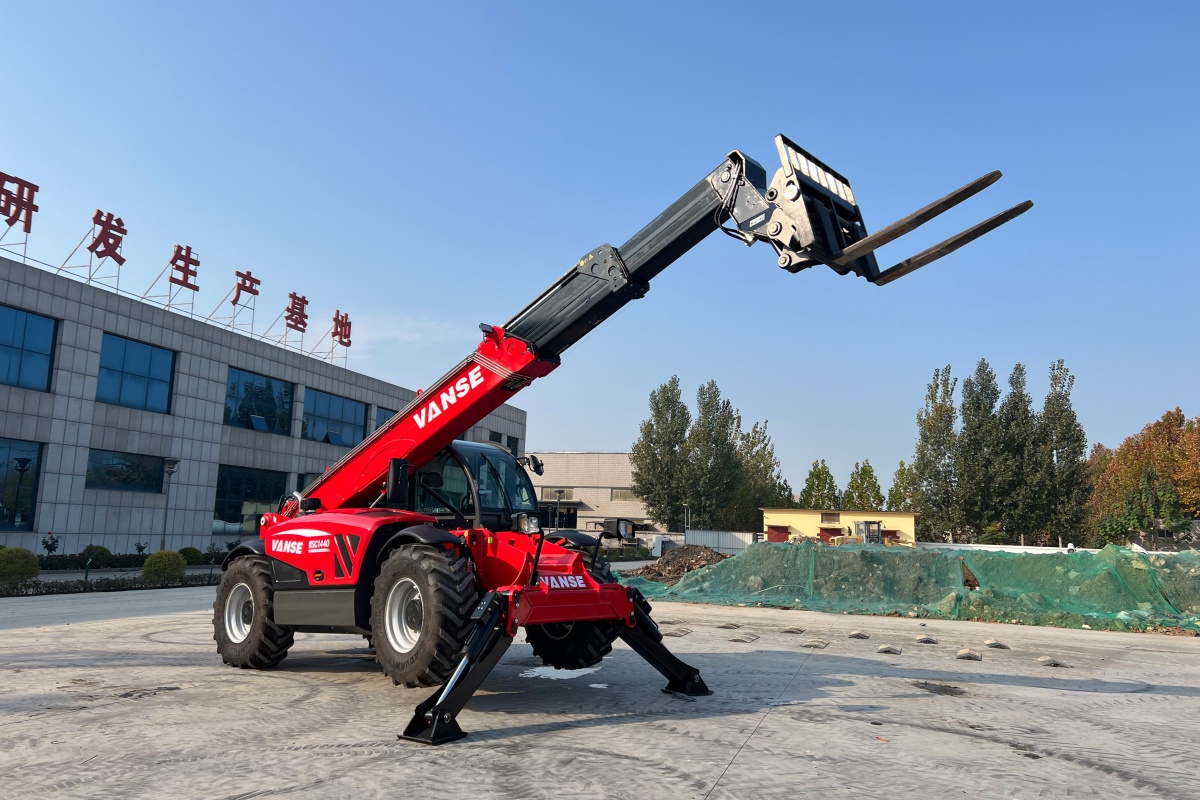
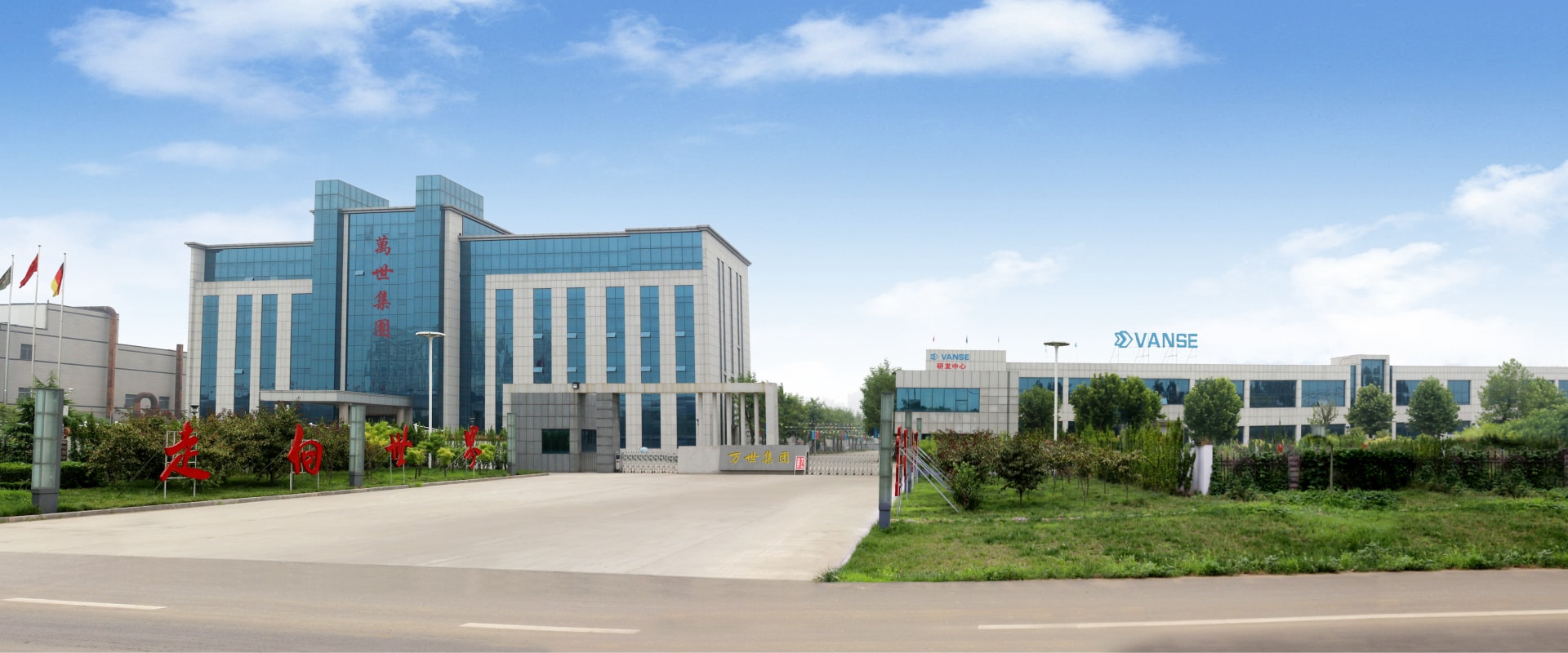
For buyers looking beyond the traditional shortlist, VANSE offers a telehandler-focused manufacturing background that aligns well with practical U.S. framing needs. The company has been producing construction machinery since 2013 and has delivered more than 8,000 units globally, with exports to over 40 countries including North America. For product credibility, its manufacturing is operated under CE and ISO 9001 systems, and its telehandlers are built with internationally recognized core components such as Perkins and Cummins engines along with premium hydraulic and driveline systems, while each unit undergoes load testing, safety inspection, and performance validation before shipment. For cooperation models, VANSE supports OEM and ODM projects, wholesale supply, regional dealership partnerships, distributor programs, and direct equipment solutions for contractors, fleet owners, brand operators, and individual buyers who need tailored specifications, branding, or configuration choices. For local assurance in the United States, the company is actively establishing a U.S.-based subsidiary with local inventory planning and after-sales capability to strengthen parts access, service coordination, and customer response, backed by both online technical support and offline lifecycle service through service resources. That combination of production scale, international component sourcing, certified manufacturing, and physical expansion toward the U.S. market gives American buyers a more grounded option than a remote export-only relationship. Buyers who want to review equipment lines can explore the broader equipment catalog, learn more about the company, or use the contact page to discuss dealership, project, or fleet requirements.
What Will Matter Most in 2026
By 2026, telehandler buying in the United States is likely to be shaped by three major forces: technology integration, policy pressure, and sustainability expectations. On the technology side, telematics, remote diagnostics, maintenance alerts, and operator behavior tracking will become more common even in mid-size framing fleets. This will help owners compare utilization across job types and reduce preventable downtime. On the policy side, safety documentation, operator training standards, and regional emissions expectations will continue to influence fleet decisions, especially near regulated urban markets and public projects. On the sustainability side, buyers will pay closer attention to engine efficiency, reduced idle time, easier maintenance planning, and possibly hybrid or low-emission development pathways as the market evolves.
For framing contractors, the implication is simple: the best telehandler will not only lift the required load today but also remain compliant, efficient, and serviceable over the next ownership cycle. Suppliers that can combine machine performance with digital support, practical training, and local parts response will have a stronger position.
FAQ
What size telehandler is best for framing?
For many U.S. framing jobs, a 6,000 lb to 8,000 lb telehandler is the sweet spot because it balances reach, mobility, and cost. Larger multifamily or commercial projects may require 10,000 lb class machines or higher reach models.
Is renting or buying better for framing work?
Renting is often better for short-duration projects or irregular demand. Buying makes more sense when the machine will be used continuously across multiple active jobsites and can also support other site logistics tasks.
Which attachments are most important?
Standard pallet forks are essential, but many framing crews also benefit from truss booms, lifting hooks, work platforms where permitted and properly managed, and buckets for cleanup or general material movement.
What should I prioritize besides lift specs?
Prioritize local service response, parts stocking, transport practicality, attachment support, operator visibility, and warranty administration. These factors directly affect uptime and ownership cost in the United States.
Can international suppliers be a serious option?
Yes, if they provide recognized certifications, trusted component brands, clear quality-control evidence, defined warranty handling, and real local support plans in the United States. Cost-performance can be attractive, especially for dealers, fleet buyers, and private-label programs.
What regions in the United States have the strongest framing telehandler demand?
Texas, the Southeast, parts of the Midwest, and fast-growing Sun Belt markets often show strong demand because of residential growth, warehouse development, and mixed commercial construction activity.
Final Takeaway
A telehandler for framing is one of the most practical machines a U.S. contractor can add to a jobsite because it improves speed, labor efficiency, and material control across multiple construction phases. The strongest choices in the United States typically come from suppliers with proven local support, dependable parts access, and machine classes matched to actual framing loads rather than maximum brochure numbers. For most buyers, the right path is to compare established brands such as JLG, SkyTrak, Genie, JCB, Bobcat, and Manitou against qualified value-oriented international suppliers that can demonstrate certifications, real component quality, and credible U.S. service commitment. The winning decision is the one that keeps crews productive, protects project schedules, and delivers the best long-term return on every framing job.
Complete Telescopic Handler Equipment Portfolio
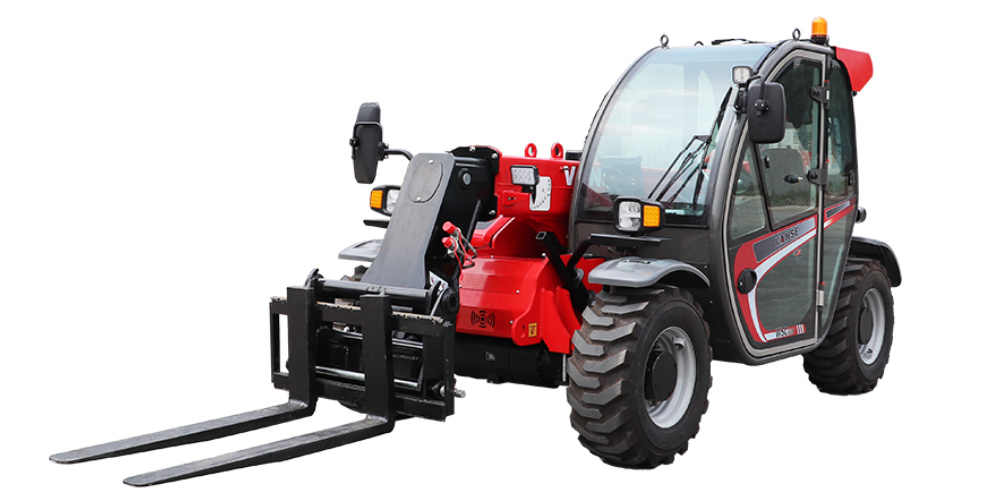
VANSE 625 6m Telescopic Handler
Designed for efficient material handling and stacking in warehouses, factories, and confined job sites, offering compact maneuverability and reliable performance.

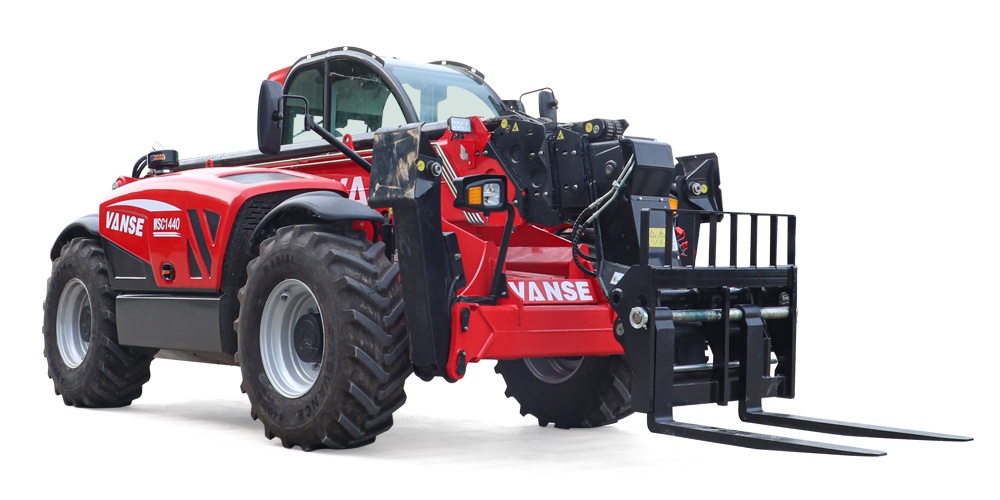
VANSE 735 7m Telescopic Handler
A balanced mid-duty solution for construction, agriculture, logistics, and warehousing, combining stable lifting, strong traction, and everyday versatility.


About the Author:
The VANSE team is a group of experienced professionals specializing in construction machinery research, manufacturing, and technical support. With deep industry knowledge and hands-on experience, our engineers and product specialists share practical insights on equipment selection, operation, maintenance, and industry trends.
Share
You May Also Interest
-

April 3, 2026
Telehandler Capacity Chart: Full Guide
Use this telehandler capacity chart guide for the United States to compare lift classes, applications, suppliers, safety limits, and 2026 buying trends.
-

April 1, 2026
Telehandler vs Truck Mounted Crane
Compare telehandler vs truck mounted crane in the United States with costs, applications, suppliers, service coverage, and 2026 buying trends.
-

March 31, 2026
Telehandler Forklift: Specs & Uses
Explore telehandler forklift options in the United States, including specs, uses, suppliers, buying tips, service support, and 2026 market trends.
-

March 30, 2026
Telehandler for Farming: Productivity
Find the best telehandler for farming in the United States with supplier comparisons, farm applications, buying tips, and service insights for 2026 planning.